
Inactive· since Dec 21, 2025
- 43
- days it ran
- 0
- relaunches
Ad copy
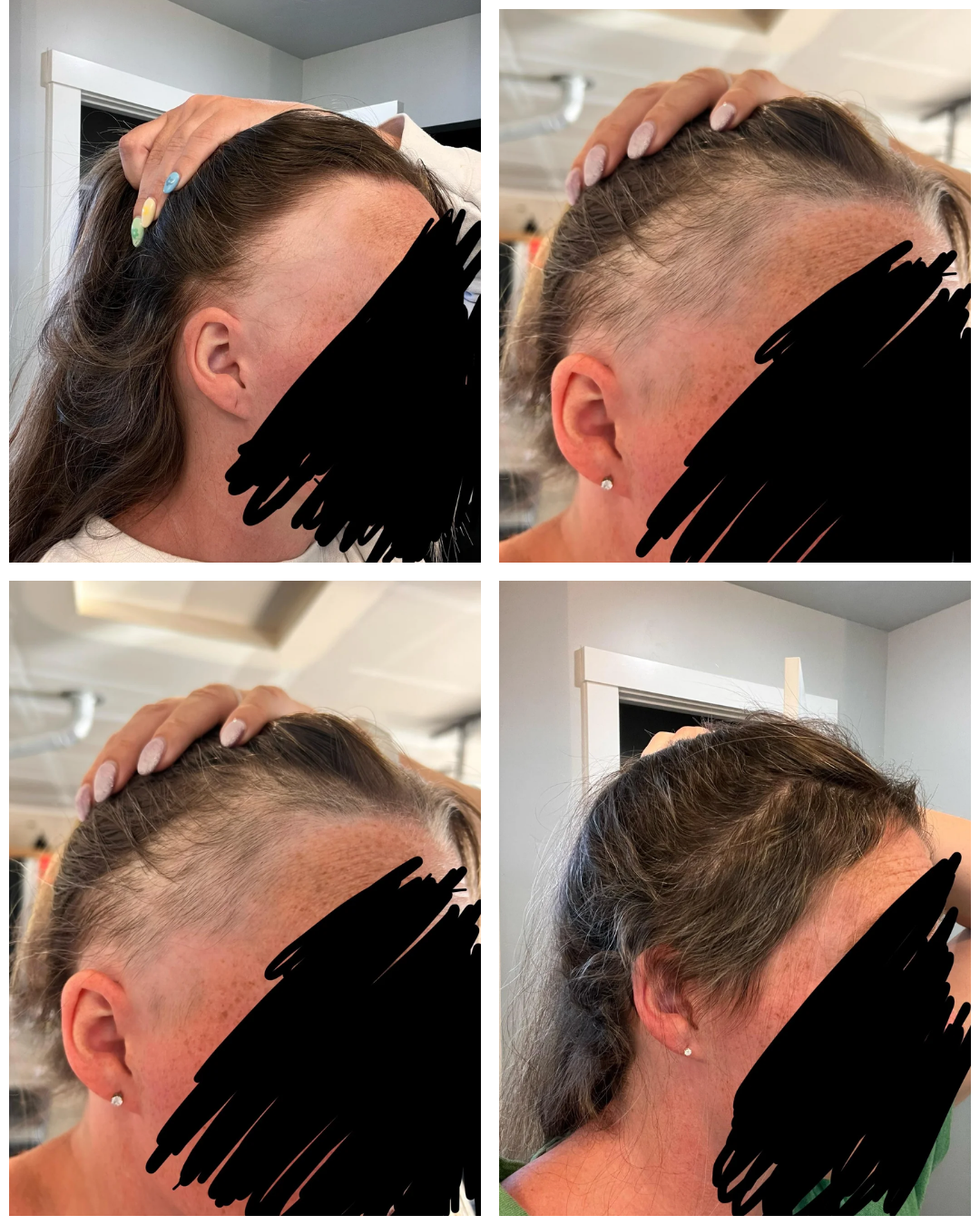
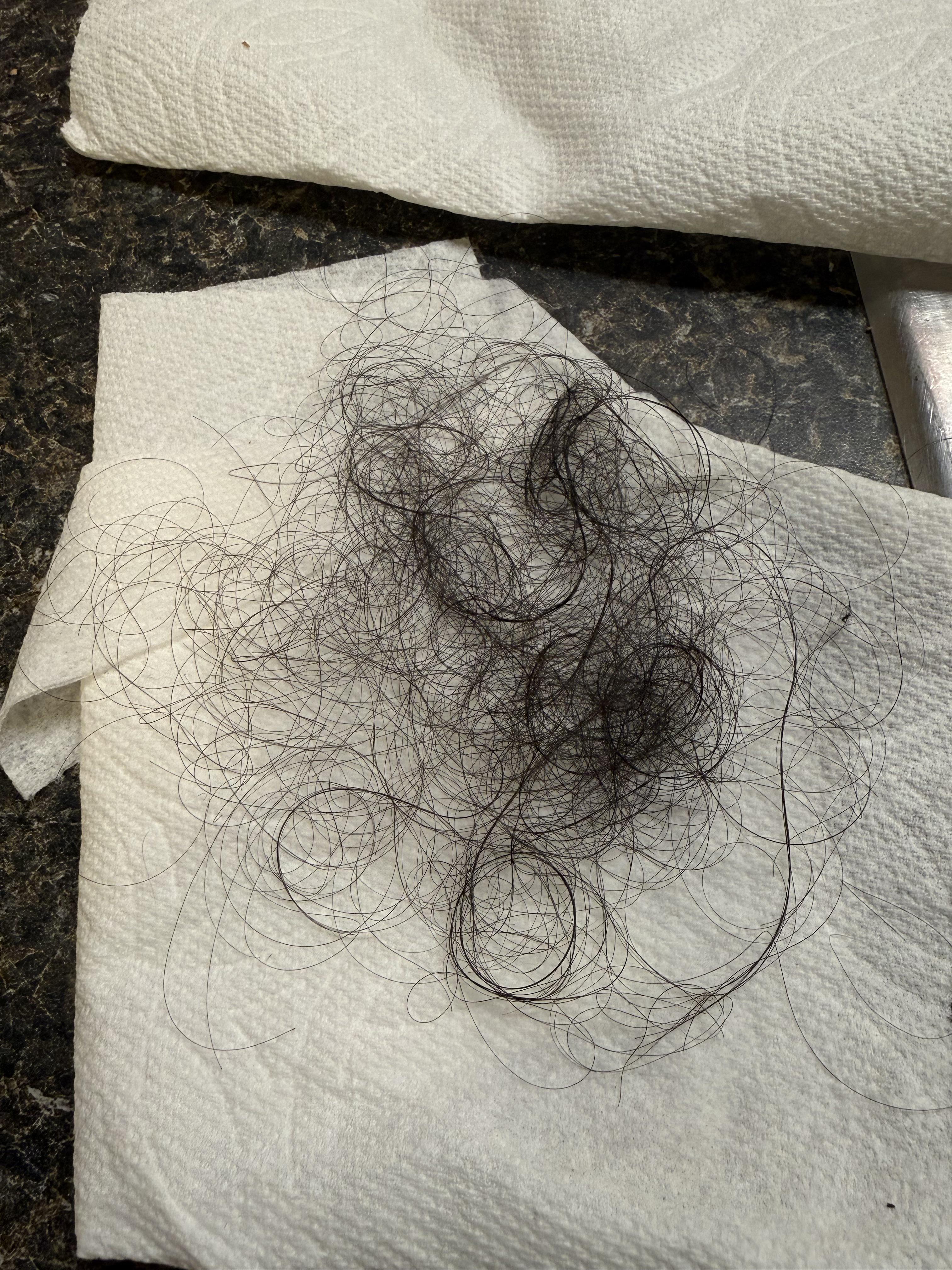
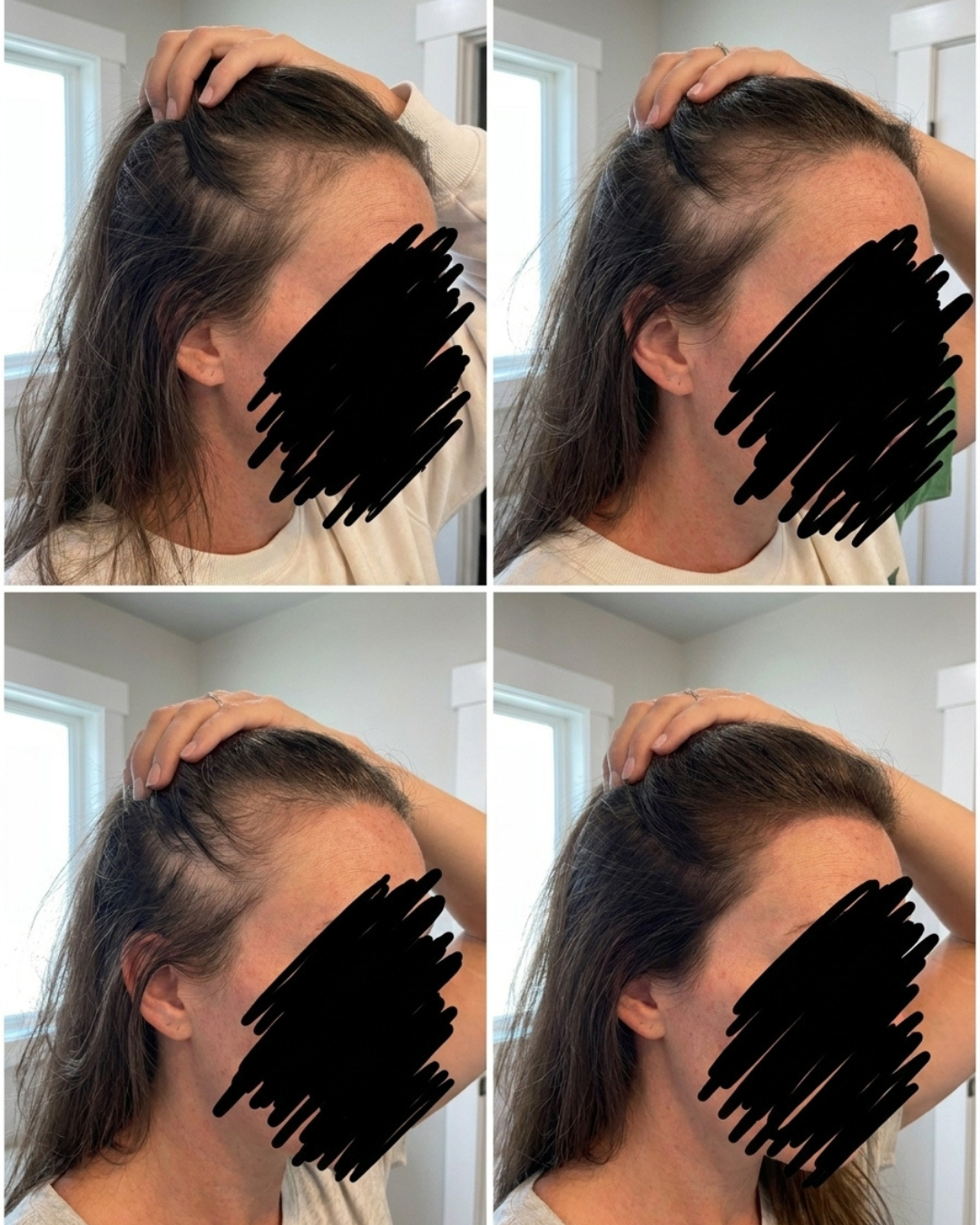
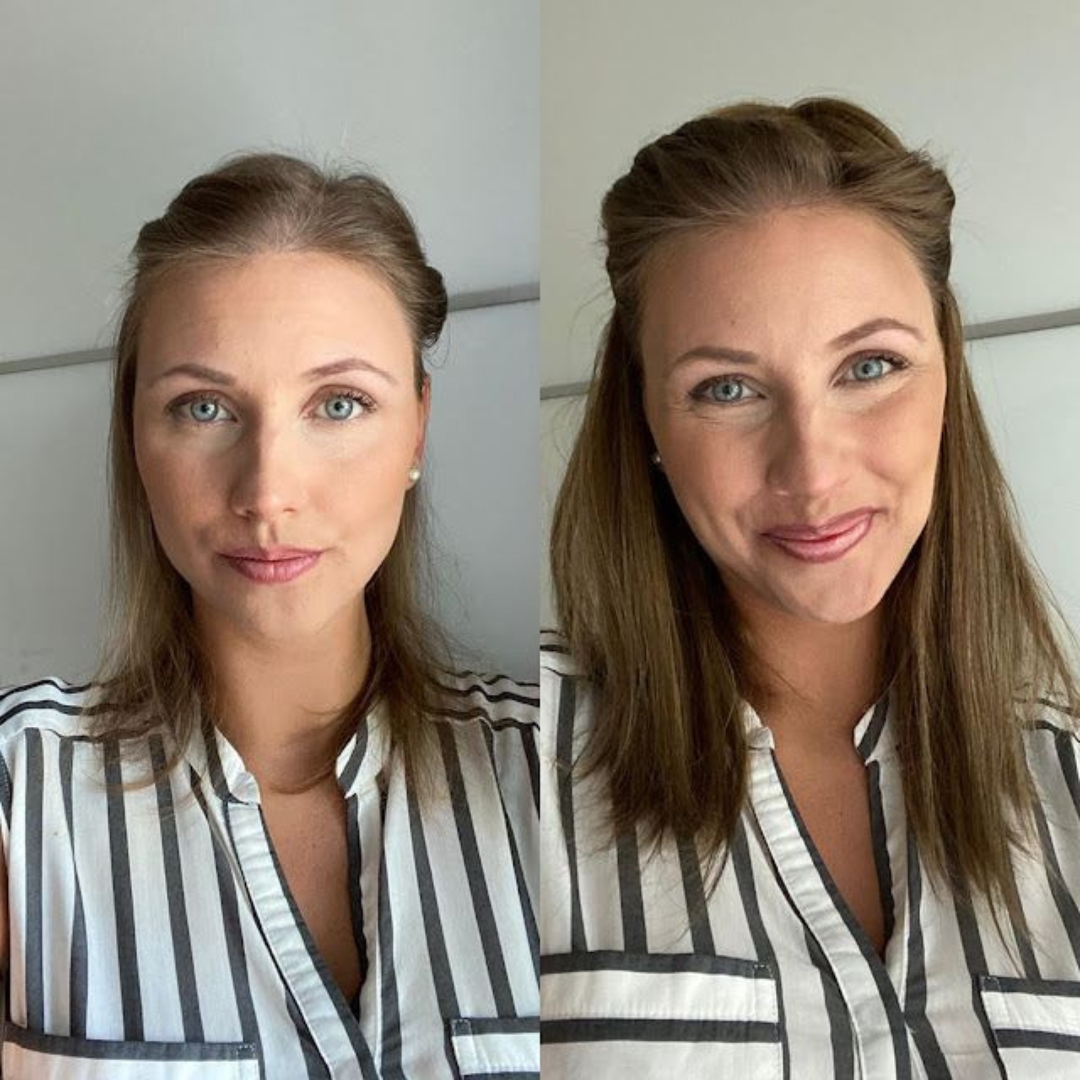
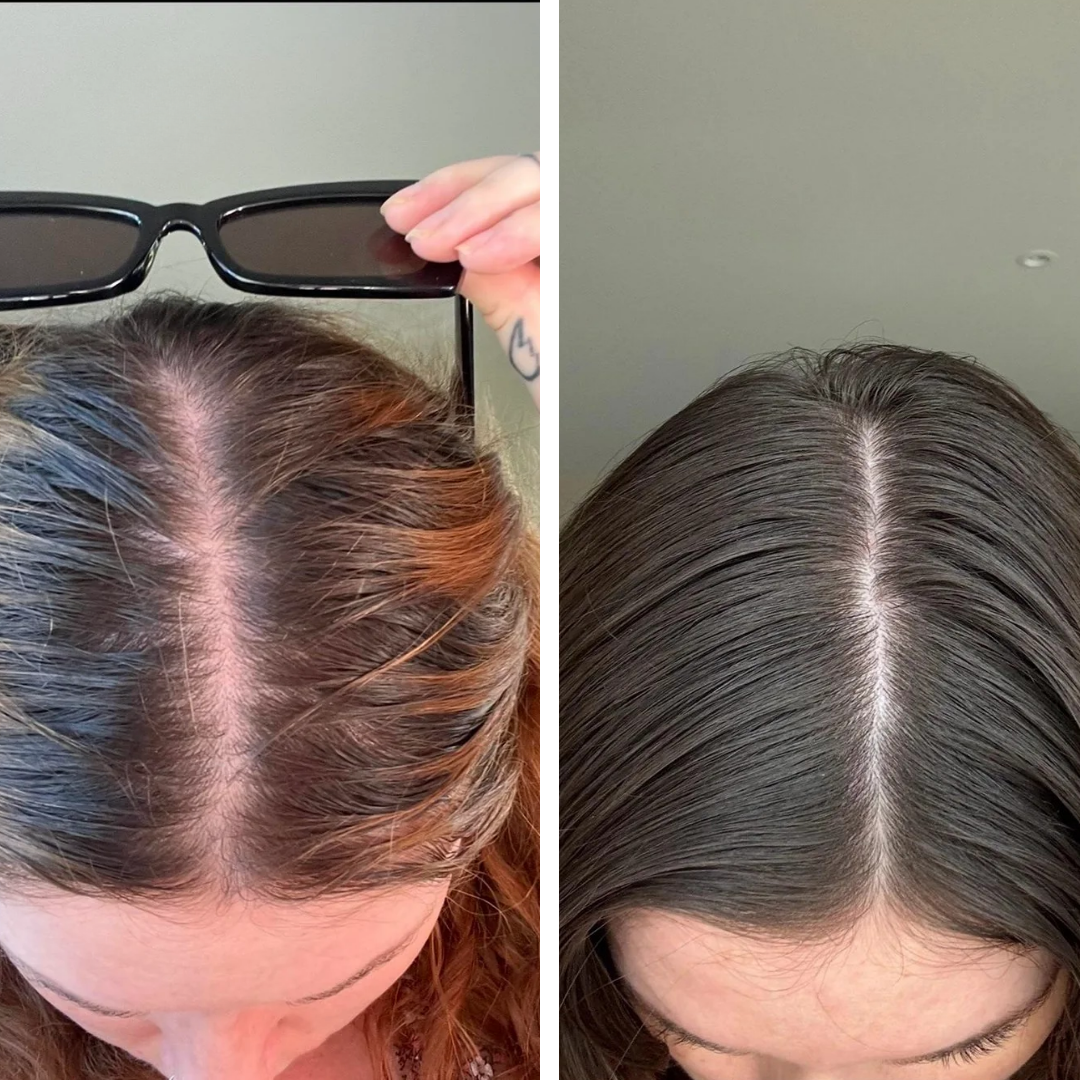
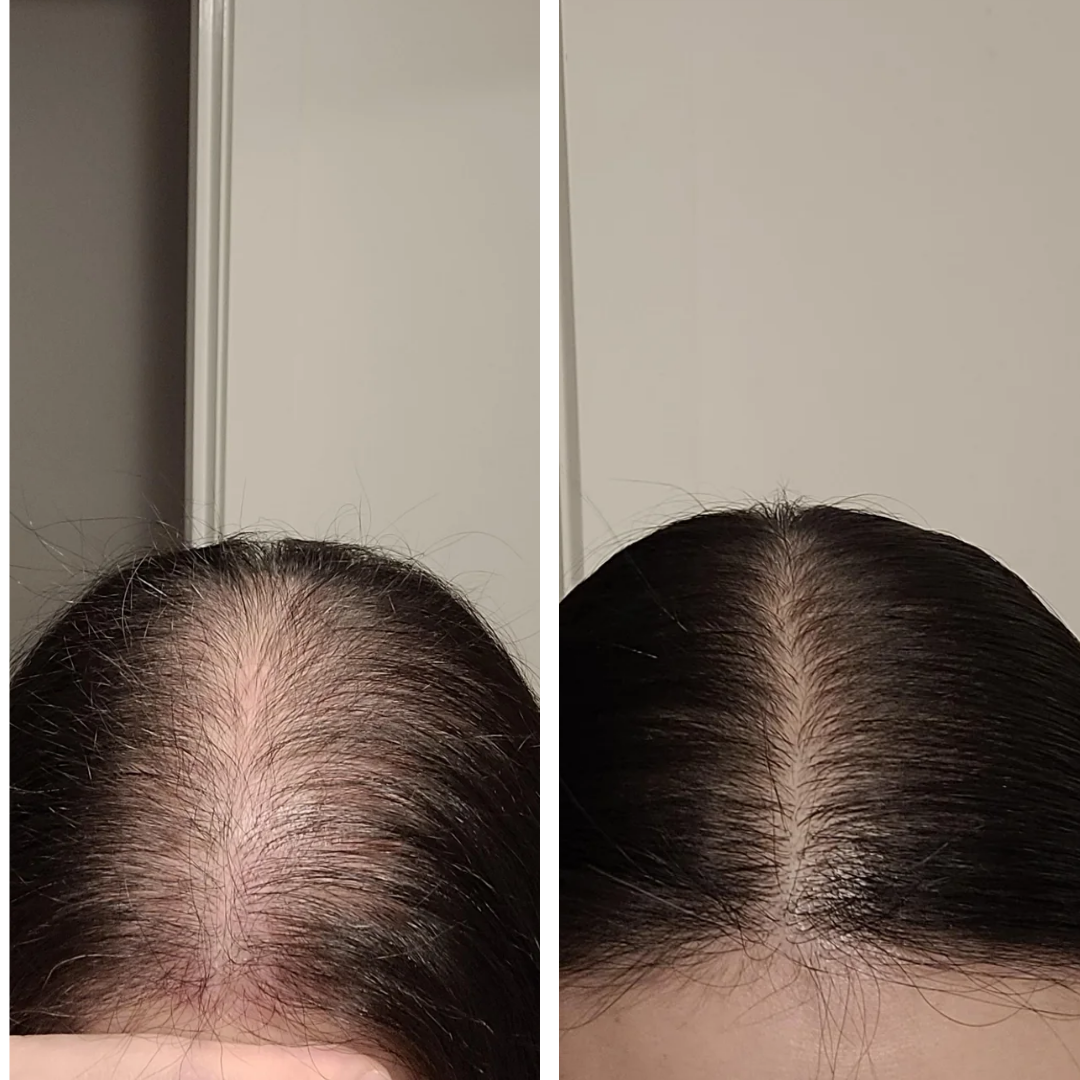
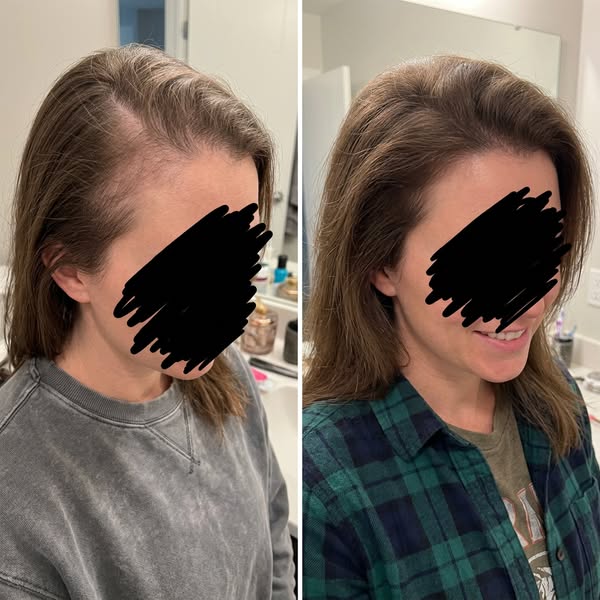
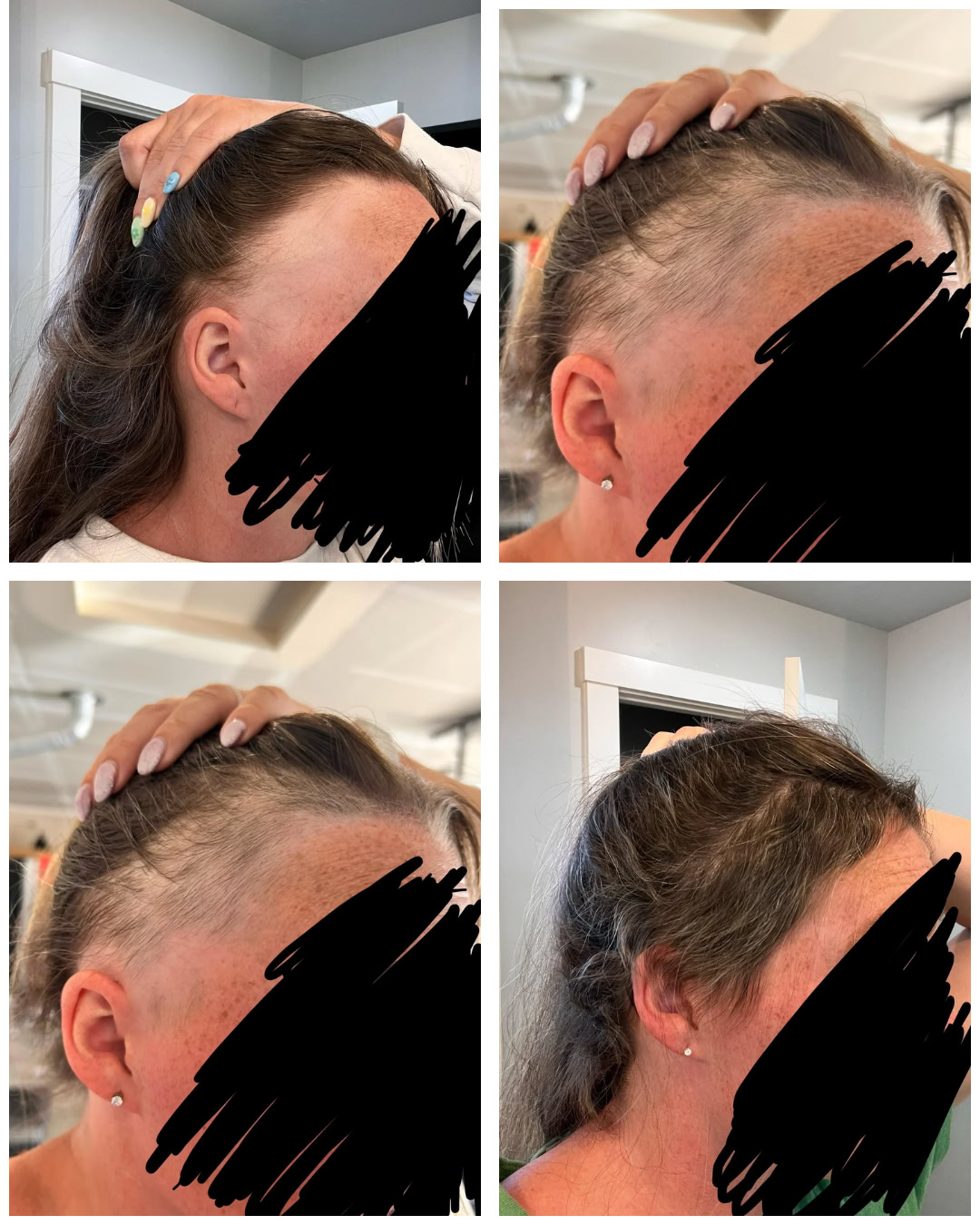
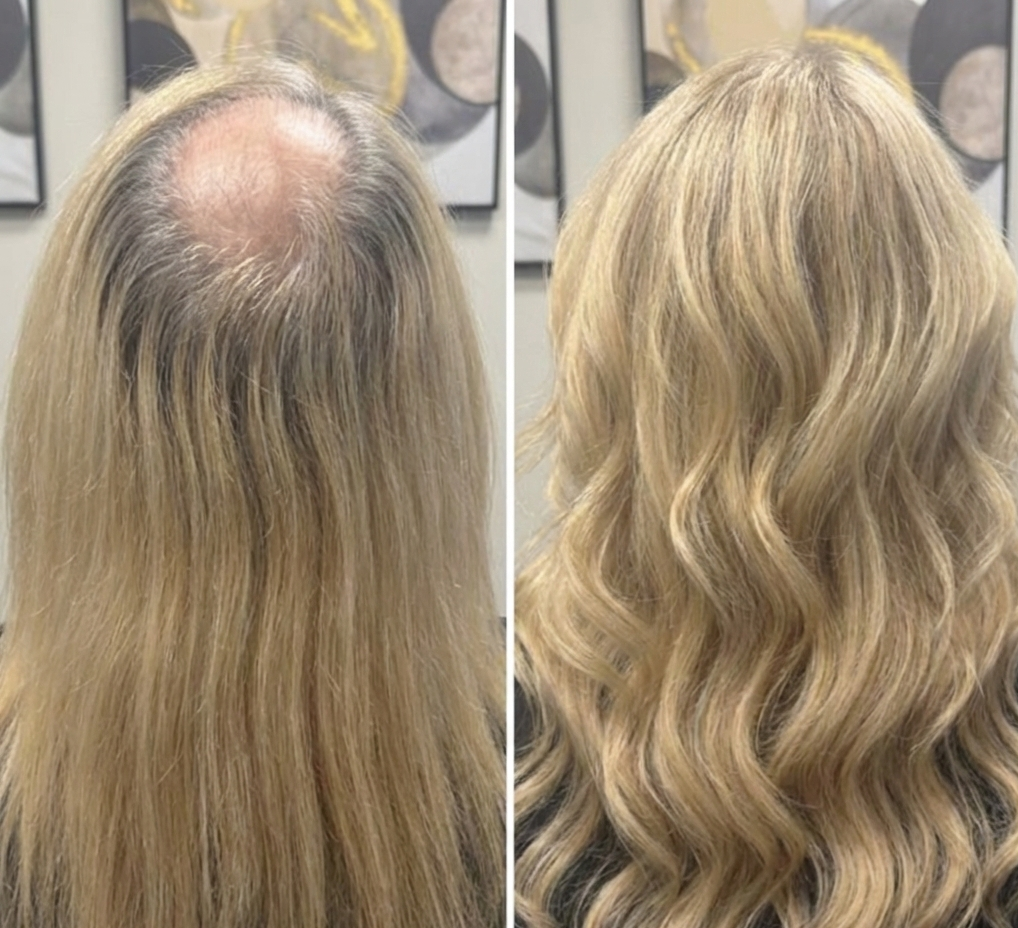
Please STOP trying to regrow your hair while on Levothyroxine. I know that sounds crazy, but every time you switch your medication brand or buy another "hair growth serum," you might be using solutions that don't address the root cause of what's actually happening. I used to be just like you. Standing in the supplement aisle at CVS, reading every label on every biotin bottle, desperately hoping the 10,000 mcg ones would be different from the 5,000 mcg ones I'd already tried. Ordering that $52 bottle of collagen powder from Amazon, mixing it into my coffee every morning, even though it made me nauseous, because the reviews said it "stopped their shedding." Buying rosemary oil, castor oil, that $89 Nutrafol subscription, and every "thyroid support" supplement I could find because surely something had to work. Begging my doctor to switch me from generic levothyroxine to Synthroid because everyone on Reddit said that's what finally stopped their hair loss. Watching my bank account drain while my hair kept falling out. I tried everything. I mean EVERYTHING. Every supplement that the thyroid groups recommended. Every brand switch. Every "miracle solution" someone swore saved their hair. I did exactly what I was told to do. And my hair loss got WORSE. Not better. Worse. The shower drain clogs got bigger. My ponytail went from thick and full to what I can only describe as a rat tail. My part got wider. Every single day, handfuls of hair on my brush. Clumps in my hands when I shampooed. My TSH was finally normal after starting Levothyroxine. My doctor said my labs looked "perfect." My energy was better. I wasn't as cold all the time. The medication was working exactly like it was supposed to. But none of that mattered when I looked in the mirror and could SEE my scalp through my hair. I was finally seeing the health improvements I'd been waiting for. My family kept telling me how much better I seemed. I felt like I'd finally gotten my thyroid under control. But the truth was, I'd pull out handfuls every time I brushed. Every shower ended with me staring at the drain, watching my hair collect in clumps. Every time I put my hair in a ponytail, it felt thinner. Looked thinner. I started wearing my hair down all the time, even at work where it got in the way. Using headbands and clips to hide my thinning crown. Avoiding overhead lighting in the office because it made the thin spots so obvious. The worst part? I felt like I couldn't complain. Here I was, finally getting treated for my hypothyroidism, my labs were perfect, and all I could think about was my hair. But it wasn't vanity. It was grief. I was watching a piece of myself disappear, and I didn't know how to stop it. I had thick hair my entire life. That was one thing I could always count on. And now it was just... gone. Four months in, I got desperate enough to stop my Levothyroxine entirely. I thought maybe if I just gave my body a break from the medication, the shedding would stop. Maybe everyone who said "it's the medication" was right. For five weeks, I didn't take a single dose. I watched my hair like a hawk, counting every strand in the shower, inspecting my brush, checking my part in the mirror constantly. The hair loss didn't slow down. Not even a little. But my hypothyroid symptoms came roaring back. The exhaustion. The brain fog so bad I couldn't remember simple words. The constipation. Feeling freezing cold in July. All of it returned like I'd never been treated. I went back on the medication. What choice did I have? My hair was falling out either way, but at least on Levothyroxine I could function and feel like a human being. I felt trapped. Like I was being forced to choose between managing my thyroid and keeping my hair. Between staying on a medication that was helping my health and keeping the one thing that made me feel like myself. I made another appointment with my doctor. Told her everything. She ran more labs—full thyroid panel, TPO antibodies, iron, ferritin, vitamin D, B12. Everything. The results came back normal. Every single marker. My TSH was 2.1. My Free T4 was perfect. Even my ferritin was in the normal range. "Your thyroid is well-controlled," she said, smiling like this was good news. "The hair loss should stop soon. It's just temporary telogen effluvium from when your thyroid was out of range." I wanted to scream. If my thyroid was "well-controlled," why was I still going bald six months later? I posted about it on Reddit again, desperate for answers. The responses were the same as always: "It's just TE from the thyroid imbalance; you have to wait it out." "Switch to Synthroid; the fillers in generic levo cause hair loss." "Your ferritin needs to be above 70 for hair growth." "It takes 6-12 months for hair to recover after starting thyroid medication." But here's what kept bothering me: if it was just temporary shedding from my thyroid being out of range, why didn't it stop once my levels normalized? If it was the generic medication, why did three other people tell me switching to Synthroid made their shedding WORSE? If it was ferritin, why was mine at 106 and my hair was still falling out? Nothing added up. And I was running out of hope. Then one night… 2:47 AM, I remember the exact time because I'd been lying awake for hours, I couldn't take it anymore. I grabbed my phone and started searching. Not the same generic searches I'd done a hundred times before. This time I typed something different: "Why doesn't hair loss stop after starting levothyroxine" That's when I found an article that changed everything. It was about the hormonal effects of thyroid medication. Not just how it treats hypothyroidism. The hormone effects. The article explained that Levothyroxine and all the T4 medications are synthetic hormones. When you take them, they don't just replace your missing thyroid hormone—they affect your entire hormonal system in ways most doctors don't talk about. And here's the part that made my stomach drop: when you start thyroid medication or increase your dose, it can cause something specific to happen. Your DHT levels can spike in your scalp. I'd never heard of DHT before. I had to keep reading. DHT is a hormone that's made from testosterone. It's already in your body. In normal amounts, it's fine. But when synthetic thyroid hormones increase it—especially in your scalp—it does something terrible to your hair follicles. It literally attaches to them and SHRINKS them. Makes them weaker. Pushes them into the shedding phase prematurely. That's why my hair was falling out. Not from my thyroid being out of range before treatment. Not from the fillers in generic medication. Not from low ferritin. From hormones. Specifically, from a hormone that was attacking my hair follicles from the inside as a side effect of the medication that was supposed to HELP me. And suddenly everything made sense. That's why biotin didn't work. Biotin helps with nutritional deficiencies, but it can't do anything about a hormone that's actively shrinking your follicles. That's why switching to Synthroid didn't work either. Different brand, same synthetic T4 hormone, same DHT spike. That's why the shedding didn't stop even when my TSH normalized. The hormonal disruption was already in motion. My thyroid levels being "perfect" didn't change what DHT was doing to my follicles. That's why my labs were "normal." Blood tests don't measure what DHT is doing to your hair follicles at a cellular level. I wasn't doing something wrong. The medication that fixed my thyroid triggered a hormonal cascade that had nothing to do with my vitamin levels or how "optimized" my TSH was. A lot of people think it's telogen effluvium, but if it's been going on for more than 3-6 months and your ponytail is thinning out, it's not just temporary shedding. It can't be that. For the first time in months, I felt like I could breathe. Because if the problem was hormonal, that meant there might be a solution I hadn't tried yet. Something that actually addressed what was happening, not just symptoms that didn't apply to me. I spent the rest of that night researching. Reading everything I could find about DHT and hair loss. About what actually works when hormones are the problem, not thyroid levels. And that's when I started finding specific ingredients that actually target DHT. Not just general vitamins or thyroid support supplements, but natural compounds that address the hormone itself. Saw palmetto kept coming up, research showed it helps block the enzyme that creates excess DHT in the first place. Multiple studies demonstrated significant DHT reduction. Pumpkin seed oil appeared everywhere. Korean research showed it could support hair count over several months because it's one of the most potent natural DHT inhibitors. Pearl powder showed up, too, because it helps regulate the hormonal cascades that control hair cycles. And adaptogens specifically formulated to help balance hormones that get disrupted by thyroid medication. But I could’t buy all these separately. Not in this economy, at least. That's when someone in one of the thyroid support groups mentioned they'd been using these gummies specifically formulated for people on thyroid medication dealing with hair loss. Not just a generic hair supplement. Something designed around the DHT issue that synthetic thyroid hormones can cause. I was skeptical. I'd spent so much money already on supplements that didn't work. But I was also desperate. And for the first time, what I was reading actually matched what was happening in my body. The gummies had saw palmetto and pumpkin seed oil to target the DHT directly. They had pearl powder for hormonal regulation and adaptogens to help rebalance what the synthetic hormone disrupted. And they were designed specifically for people like me, dealing with thyroid medication-induced hair loss. They weren't a prescription drug—just a supplement with ingredients that support your body's natural processes. I could take them while staying on my Levothyroxine. They didn't interfere with my thyroid medication at all. So I ordered them. Told myself not to get my hopes up. I'd been disappointed too many times. They arrived two days later. Little gummies that tasted like berries. The instructions said to take two every morning. Easy enough. The first two weeks, nothing really happened. Same amount of hair in the shower drain. Same thinning when I looked in the mirror. I started thinking this was just another expensive mistake. But I'd already bought them, so I kept taking them. What did I have to lose at this point? Week three is when I noticed the first change. It was subtle—so subtle I almost missed it. But one morning after my shower, I looked at the drain and realized there was... less hair than usual. Not dramatically less. But noticeably less. I told myself I was imagining it. That I wanted it to work so badly I was seeing things that weren't there. But the next day, same thing. And the day after that. By week four, I wasn't imagining it. The clumps of hair on my brush were getting smaller. The amount in the shower drain was less. I was still shedding, but it felt more... normal. Like what shedding used to feel like before I started Levothyroxine. Week six is when my husband noticed. He didn't say anything at first, but I caught him looking at my hair while we were watching TV. Finally he said, "Your hair looks thicker. Is it growing back?" I ran to the bathroom mirror. Pulled my hair back. Looked at my part under the light. He was right. My scalp wasn't as visible as it had been. The thinning areas weren't completely filled in yet, but they weren't getting worse. It was like someone had pressed pause on the hair loss. That's when I started believing this might actually work. By week eight, I could see tiny baby hairs starting to grow along my hairline and part. Little short pieces that stuck up when I pulled my hair back. I took a photo to compare with the one from three months earlier. The difference was undeniable. I wasn't imagining it. My hair was coming back. Month three, my hairstylist, whom I’d been going to for like 10 years, said something without me even bringing it up. She was trimming my hair—I'd finally felt confident enough to get it cut instead of just hiding it—and she stopped and said, "I don't know what you're doing, but your hair feels so much healthier. It's actually thickening up." I told her about the gummies. About finally finding something that addressed the DHT issue the medication was causing. She was the one who suggested I take a before and after photo. She said I'd want to remember where I started. It's been five months now. I still take the gummies every morning, and I'm still on my Levothyroxine. My TSH is still perfect. My energy is still good. But now my hair is coming back, too! The shedding is normal now—just a few strands here and there, like it's supposed to be. The bald spots at my crown are filling in. My ponytail doesn't look like a rat tail anymore. My part looks like a part again, not a highway. But more than that, I feel like myself again. I'm not avoiding photos. I'm not wearing headbands every single day to hide my scalp. I'm not spending twenty minutes every morning trying to arrange my hair to cover the thin spots. I can be happy about my thyroid finally being treated without feeling like I'm trading one problem for another. And I'm still on my medication. I don't have to choose between managing my hypothyroidism and keeping my hair anymore. If you're reading this and you see yourself in my story—if you started Levothyroxine or increased your dose and your hair started falling out, if everyone keeps telling you it's just temporary or you need to switch brands, but nothing you try actually works—I need you to understand something. It might not be about your thyroid levels at all. It might be hormonal. And if it's hormonal, all the biotin and brand switches and ferritin supplements in the world won't fix it. Because they're not addressing the DHT that the synthetic thyroid hormone is triggering in your scalp. I wasted months trying to fix a thyroid problem that didn't exist. Months of taking supplements that didn't work, begging my doctor to adjust my dose, watching my hair continue to fall out while everyone told me I just needed to "wait it out." But the moment I addressed the hormone issue—the actual root cause—everything changed. I'm not a doctor. I can't tell you what's happening in your specific body. But I can tell you what happened in mine. And I can tell you that if your TSH is perfect but your hair is still falling out, maybe it's time to ask a different question. Not "should I switch to Synthroid?" but "what's happening with my hormones because of the medication?" The gummies I found are called Hair Revive. They're made by a company called Balmbare, and they specifically designed them with adaptogens and DHT-blocking ingredients for people on thyroid medications dealing with hormonal hair loss. They're not a prescription—just a supplement that supports what your body's trying to do naturally. They also have a guarantee, so if they don't work for you, you're not stuck with them like I was with all those bottles of biotin and rosemary oil that did nothing. I'm sharing this because I spent so many nights lying awake at 2 AM, desperately searching for answers, feeling like I was the only person whose hair loss didn't stop when their TSH normalized. And I don't want anyone else to waste months like I did, trying to fix something that was never the problem in the first place. Your thyroid levels might be perfect. Your ferritin might be fine. Your body might just need help rebalancing the hormones that synthetic thyroid medication disrupted. And there's something that can help with that. Click below to learn more about what worked for me, and why addressing the DHT issue made all the difference. You don't have to choose between your thyroid health and your hair. You just have to address what's actually causing the problem. And for me, that changed everything.
Like this ad? Make it yours.
Crush rebuilds this exact creative around your product — your brand, your colors, your offer — in about a minute.