
Inactive· since Mar 27, 2026
- 13
- days it ran
- 0
- relaunches
Ad copy
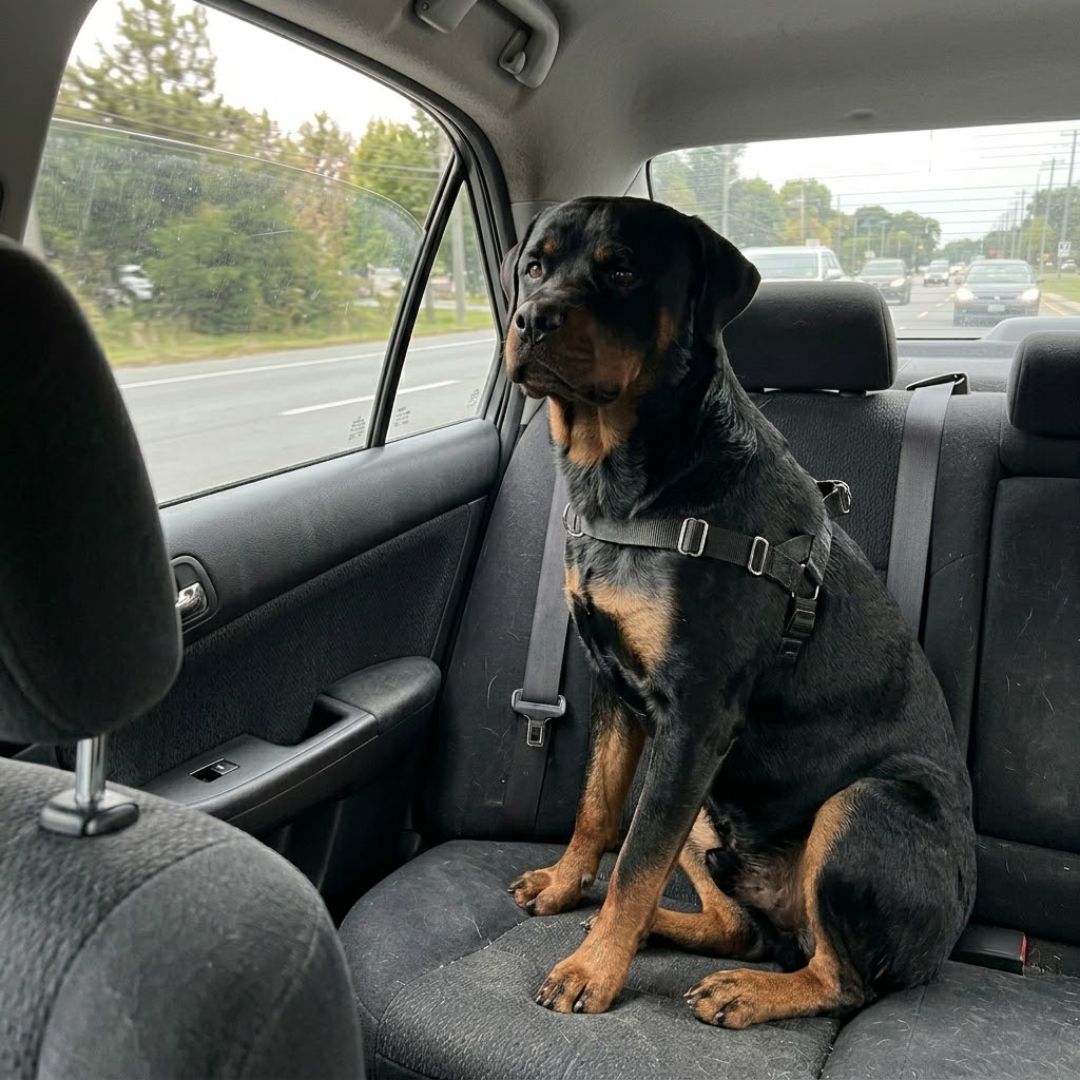
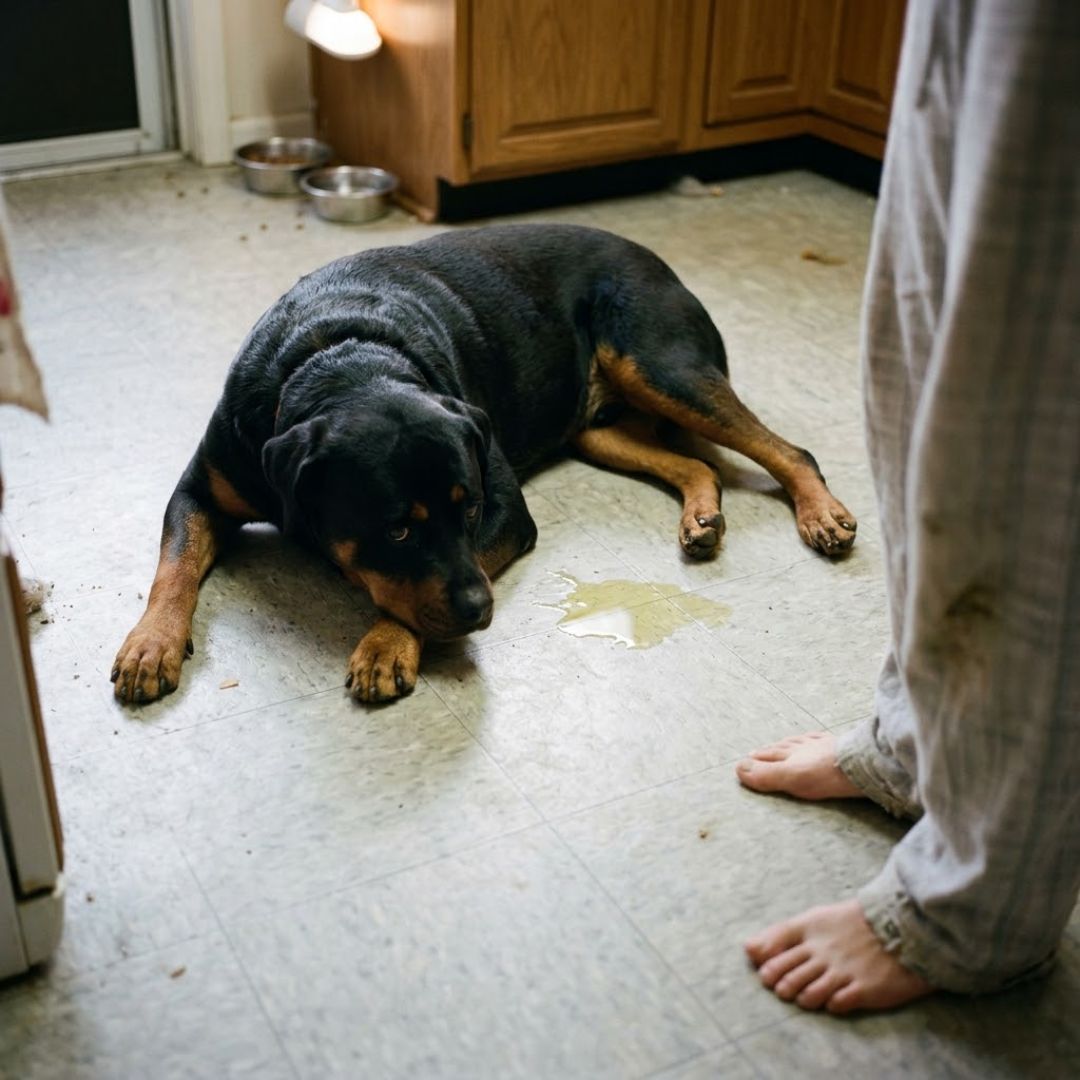
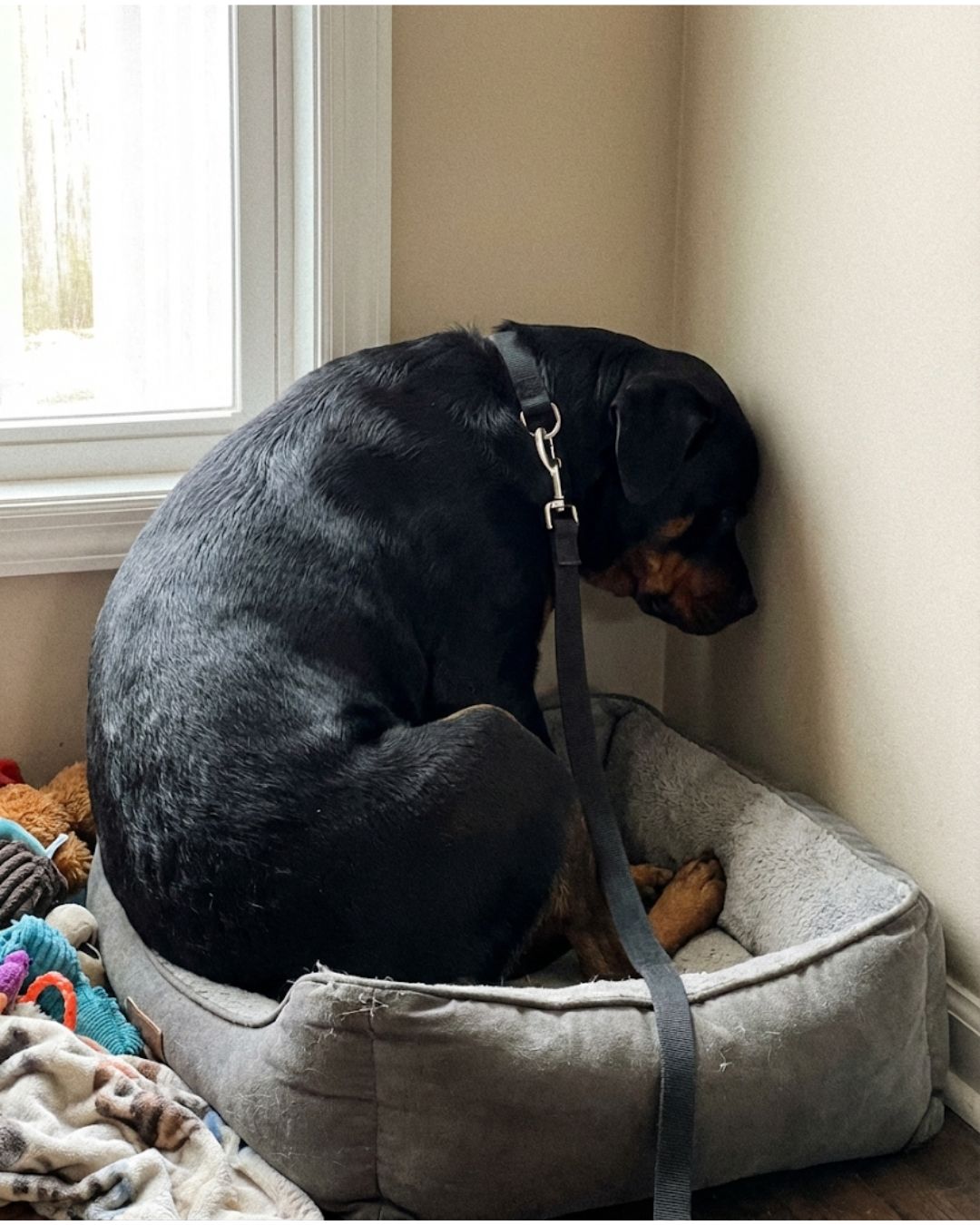
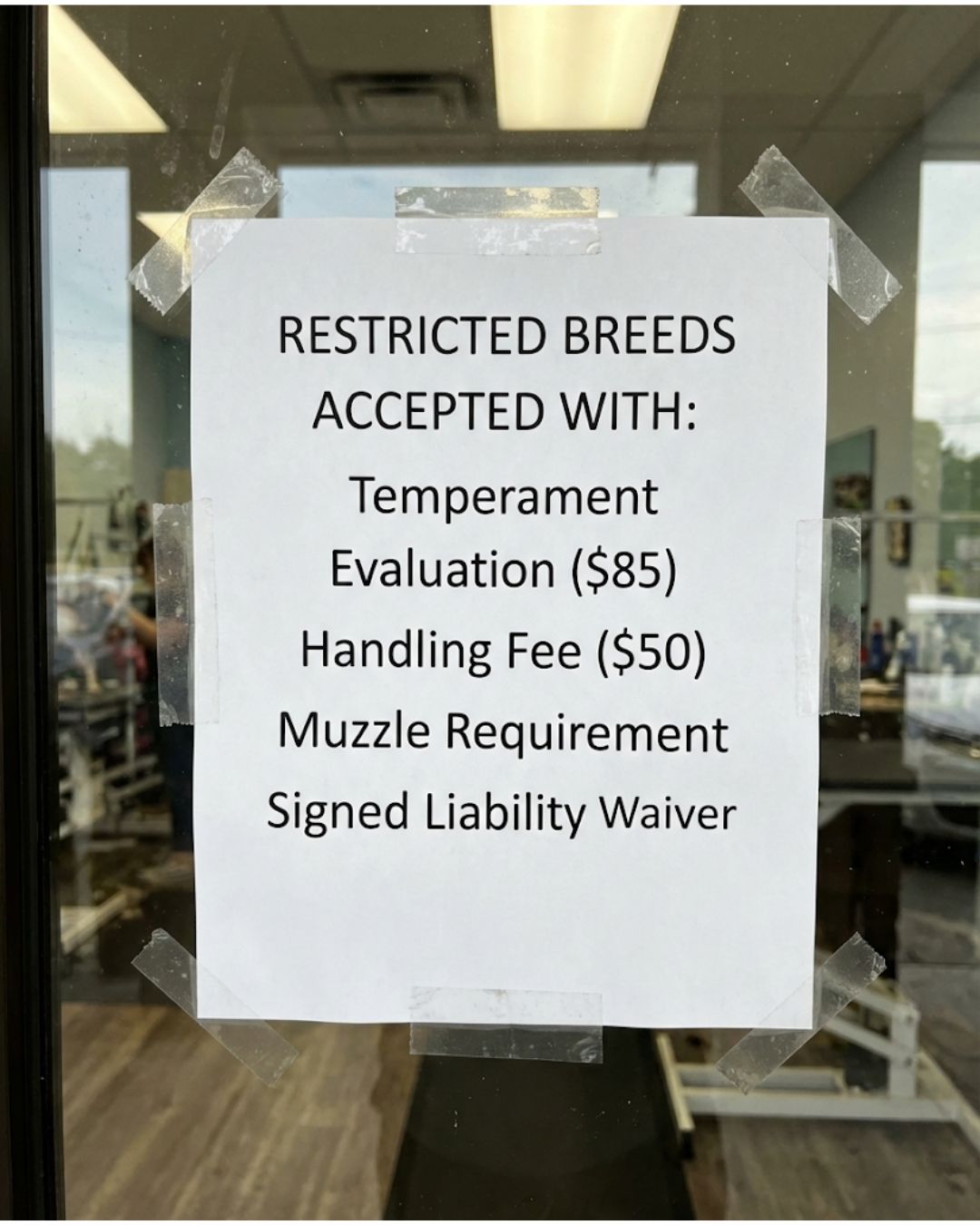
The trainer pulled me aside after class. Not in front of the group. Off to the side, near the water station, while the other owners were packing up their leashes and treat bags. She kept her voice low. Almost a whisper. "His nails are getting long. You'll want to get those handled soon." I nodded. "I know. I've been meaning to—" "Here's the thing." She glanced at the other owners, then back at me. "With his breed, you're going to have a hard time finding a groomer. I'd start calling now. Before it becomes an emergency." She said it the way you deliver bad news you've delivered before. Gently. Privately. Like she knew it was a conversation that needed a wall between us and everyone else. That was the moment I understood. Not that Milo's nails were long — I already knew that. But that the problem I was about to face was the kind people whisper about. The kind the trainer didn't want the other puppy owners to overhear. Because their puppies — the Goldendoodles, the Labs, the Cavaliers — wouldn't have this problem. Milo is a five-month-old Rottweiler. Thirty-eight pounds and growing. Ears too big for his head. Paws too big for his body. The goofiest, most affectionate dog in the entire puppy class. He'd graduated top of the group for socialization. The trainer had used him as a demo dog twice because he was so calm with handling. None of that was going to matter when I called a groomer. I started calling the next day. Six groomers. Same conversation, six times. "What breed?" "Rottweiler." And that was it. Every time. "We don't accept that breed. Insurance policy." "Our liability coverage excludes certain breeds." "We can take him for a bath but not nails. Our insurer won't cover nail services." "Have you tried your vet? They sometimes do it under sedation." Sedation. For a five-month-old puppy. Because no groomer would touch his nails awake. The seventh groomer said yes — with conditions. Liability waiver. $95 instead of the standard $45. And a note in the file: "restricted breed, owner assumes all risk." I signed it. Brought Milo in. He was five months old. Wiggly. Excited. Tried to lick the groomer's face when she picked him up. She took him to the back. Twenty minutes later, she brought him out. "He did okay. But he was pretty squirmy. With his breed and his size — he's going to get big — I need to let you know that if he becomes difficult to handle as he grows, we may not be able to continue." He was five months old. A puppy. Being squirmy was his entire job description. But she didn't say "puppy being a puppy." She said "with his breed and his size." I paid the $95. Drove home. Milo fell asleep in the back seat. I took him back once more. Same groomer. Same waiver. Same $95. This time she mentioned that Milo had "tensed" when she started the nail trim. "Not aggressive," she said. "Just resistant. But with his breed, we have to take that seriously." Resistant. A six-month-old puppy pulled his paw back during a nail trim. That's not resistance. That's what puppies do. But the word "Rottweiler" turned a normal puppy reaction into a warning sign. A flag in his file. A reason to stop. She didn't schedule a third appointment. Milo's nails kept growing. The clicking started. Not loud yet — he was still young, still light on his feet. But I could hear it on the kitchen tile. And I knew: every week those nails grew was a week closer to the problem the trainer had whispered about becoming real. I decided to do it myself. Before it became an emergency. Before the nails got so long that I was operating in crisis mode. Bought clippers. Set up on the bathroom floor. Milo flopped onto his back — belly up, tail wagging. He thought we were playing. I held his paw. Positioned the clipper. His nails were already darkening — not black yet, but heading there. I could barely see the quick. I squeezed. The crack of the blade was sharp. Milo startled. Yanked his paw back. Rolled over. Stared at the clippers. Not scared. Not yet. But alert. Cataloging. At six months old, in the tail end of his socialization window, my puppy was forming an association between that sound and that feeling and that tool. I tried one more nail. Same crack. Same startle. His ears went back this time. I stopped. Put the clippers away. Because the trainer's other warning was echoing in my head — the one from the first class, weeks before the whisper: "Between now and six months, every experience is being wired in. Make sure the important ones are positive." I'd just given my puppy two negative data points with clippers. Two cracks. Two startles. Two entries in the "threat" file of a brain that was still deciding what the world was. I bought a grinder the next day. Different tool, different experience. That was the theory. Turned it on across the room. Milo looked at it. Curious. Fine. Brought it closer. He sniffed it. Fine. Touched it to one nail. He scrambled backward. Not the sound — the vibration. The moment the grinder contacted his nail, something traveled through the tool into his paw that his nervous system rejected instantly. He ran behind the couch. Six months old. Socialization window closing. And now clippers AND grinders were in his threat file. I sat on the bathroom floor and thought: I have weeks left. Maybe less. Every negative experience is being wired permanently. And I've already used both tools that exist for this job. Both are now associated with threat. If I try either one again, I'm reinforcing the association. If I do nothing, the nails grow and the problem compounds. I called the trainer. Told her what happened. "Both tools?" she said. "Clippers and grinder. He won't go near either." She was quiet for a moment. "Here's what I tell every restricted breed owner in your situation. And I'm telling you now because you still have time." She explained something no groomer, no vet, no YouTube tutorial had mentioned. Every grinder — every one — uses a friction motor. Metal spinning against metal. That friction generates physical vibration that travels through the housing, through the filing surface, through the nail, into the bone. Dogs have four times the nerve density in their paws that we have in our hands. For an adult dog, that vibration triggers a stress response. For a puppy in the socialization window, it creates a permanent threat association. One exposure is enough. The neural pathway forms instantly. "That's why desensitization protocols fail," she said. "You're not training him to tolerate a sound. You're asking a developing nervous system to override a physical sensation it's correctly identifying as threatening. At his age, the nervous system wins. Every time." "So what do I do? Both tools are in his threat file." "You need a tool that isn't in any file. Something his nervous system has never cataloged. Something that doesn't produce the signal." She told me about a grinder that doesn't use friction. Magnetic induction — magnetic fields spinning instead of metal on metal. No contact between motor components. No vibration transmitted to the filing surface. No vibration reaching the nail. Pawra Silent Groom. 35 decibels. Zero vibration. "It files at 0.1 millimeters per pass," she said. "For a puppy, that's perfect — their nails are small and soft. You need something delicate. And there's a built-in safety guard that prevents over-filing. If you get close to the quick, the nail warms gently. You feel it in your fingertips and stop." "His nervous system won't flag it?" "There's nothing to flag. No vibration through bone. No sharp sound. The experience files under neutral. And at his age, neutral IS positive. That's how you build the association you want — not by making nail trims fun, but by making them nothing. Unremarkable. Forgettable. That's the goal." Unremarkable. After two groomers, six rejections, clippers that cracked, and a grinder that sent him behind the couch — unremarkable sounded like everything. I ordered it that night. When it arrived, I turned it on against my palm. Nothing. No vibration. No buzz through my fingers. Like holding a warm pen. Saturday afternoon. Living room floor. After Milo's nap — when puppies are calm and receptive. I sat down with him. Turned it on nearby. He looked at it. Sniffed the air. No recognition. No threat file activated. This tool didn't exist in his catalog yet. I touched it to one nail. Filed gently. Three seconds. Stopped. Treat. He wagged his tail. Another nail. File. Stop. Treat. He watched my hand. Curious. Not alert. Not cataloging danger. First session: all four paws. Nine minutes. He fell asleep on my lap before I finished the last one. Nine minutes. A positive nail experience. Filed permanently in a developing nervous system under "safe." I've done his nails eight times now. He's nine months old. Forty-six pounds. His nails are short, even, clean. He lies on his side and puts his paws in my lap when he sees the tool. Not because I trained him to — because the first experience was unremarkable, and every one after has been the same. The trainer checked his nails at last week's advanced class. Picked up his paw in front of the group. Not off to the side. Not in a whisper. "His nails are perfect," she said. Out loud. To everyone. "Whatever you're doing, keep it up." No whisper this time. The morning after that class, Milo walked across the kitchen to his bowl. Forty-six pounds of Rottweiler on tile floor. Silent. The only sound was the coffee maker. And that silence — the absence of clicking, the absence of the problem the trainer had whispered about five months ago — was the loudest thing in the room. Next time someone asks where I take him for grooming, I won't explain the rejections. I won't mention the waivers. I won't describe the $95 appointments that came with a warning. I'll just say: I do it myself. Link's below.
Like this ad? Make it yours.
Crush rebuilds this exact creative around your product — your brand, your colors, your offer — in about a minute.