Regina Benjamin MD
Regina Benjamin MD Facebook ad: “I reversed kidney damage naturally”
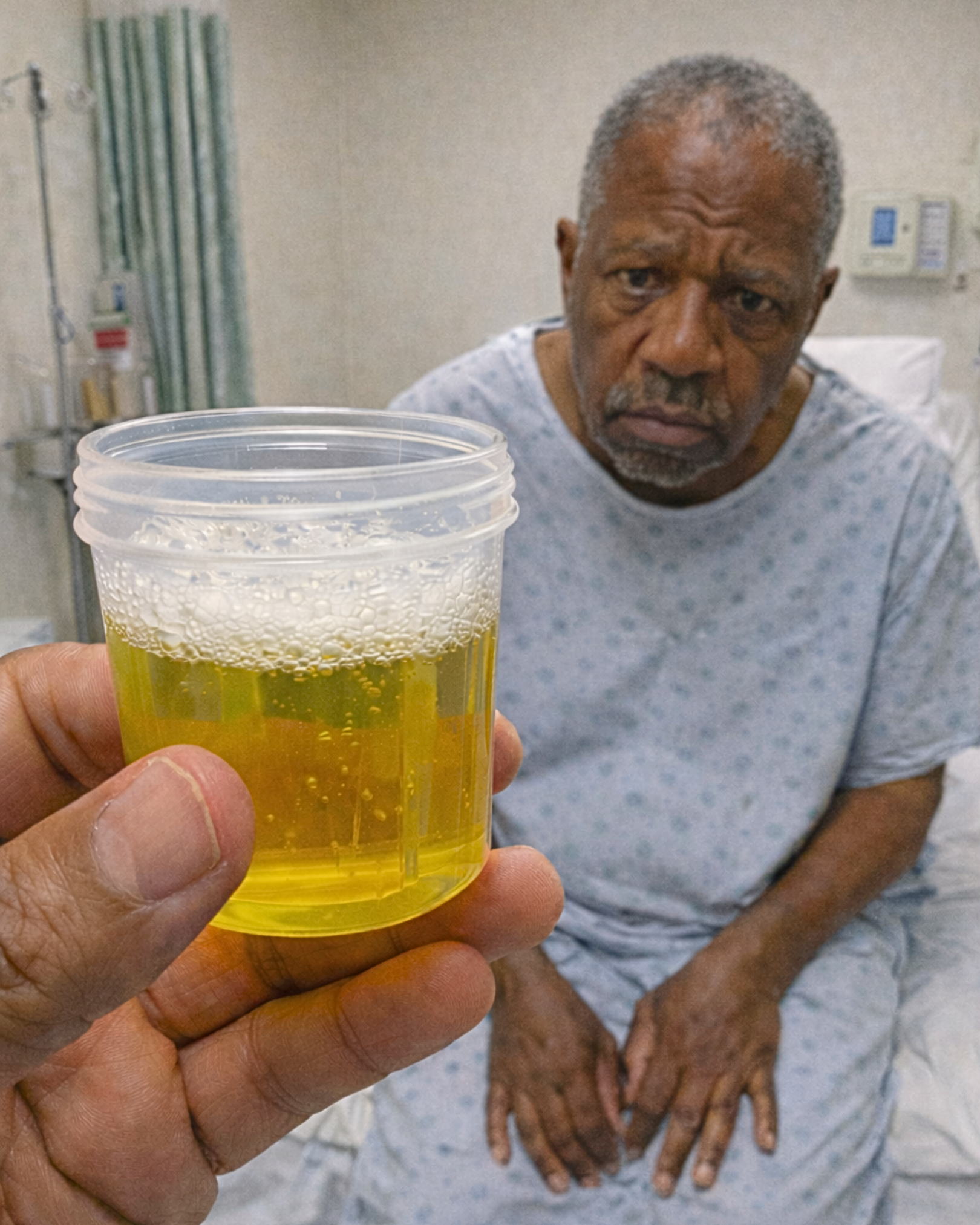
Ran for 47 days, from February 12 to March 31, 2026, the last day Crush saw it.
Run by Regina Benjamin MD on Facebook. Crush is not the advertiser and does not verify its claims. See this ad in Meta's Ad Library(opens in a new tab)
Want an ad like this for your product?
Crush makes new ad images for your product from this ad: your logo, your product photo, your offer.
Trials from $19.95 USD, then $79.95 USD a month. Cancel anytime.
About this ad
- Meta Ad Library ID
- 1471058737787473
- Platforms
- Facebook, Instagram, Audience Network, Messenger and Threads
- Relaunches
- 0
Ad text
I'm a nephrologist. Here are 10 questions about foamy urine—and answers your doctor won't give you. Question: "Is foamy urine serious?" It depends on what it looks like. A bubble or two? Probably nothing. Foam that covers the water—every single time, especially first thing in the morning? That's protein leaking through your kidney filters. And yes, that's serious. Question: "How long is too long?" If you've been seeing foam for a few days, it might be nothing. If you've been seeing it for months—or you can't remember when it started—we need to move fast. The longer it's been happening, the more damage has built up. Question: "What does the foam actually mean?" Your kidneys have about a million tiny filters called nephrons. When they're healthy, they keep protein in your blood where it belongs. When they're damaged by oxidative stress, protein leaks through into your urine. That's the foam. It's the evidence that your filters are breaking down. Question: "What other symptoms should I look for?" Dull ache in your lower back—right where your kidneys sit. Exhausted by 2pm no matter how much sleep you got. Brain fog. Puffy face in the morning. Swelling in your legs or feet. Most people think these are separate problems. They're not. They're all signs of the same thing—kidney cells under oxidative attack. Question: "My doctor says my labs are normal. But I still see foam." This happens more than you'd think. Your kidneys can lose up to 70% of their function before it shows up clearly on standard labs. The foam is often the first visible warning—before your numbers catch up. If you're seeing foam and your doctor says you're fine, don't ignore what your body is telling you. Question: "I've been drinking more water. Is that helping?" No. And here's why. Your nephrons aren't just clogged—they're being damaged at the cellular level by oxidative stress. Free radicals attacking the delicate filter membranes. Inflammation breaking down the tissue. When you drink more water, it just flows through damaged filters. You're flooding a system that's rusting from the inside out. That's why the foam never goes away no matter how much you drink. Question: "What happens if I ignore it?" These symptoms don't stay the same. They get worse. Your kidney function keeps declining. Until one day the word you hear is "dialysis." Three times a week. Four hours a session. For the rest of your life. I've seen it happen hundreds of times. Question: "Why hasn't my doctor told me about this?" Because they weren't trained to. Medical school teaches us to manage kidney decline with medications—not to protect the cells from oxidative damage in the first place. Most doctors have never heard of using astaxanthin for kidney protection. That doesn't mean it doesn't work. It means the system is slow to catch up. Question: "So what actually works?" You need something that protects your nephron cells from oxidative damage at the cellular level. That's what astaxanthin does. It's the red pigment from Hawaiian microalgae—6,000 times more powerful than Vitamin C. Astaxanthin embeds itself into your cell membranes and neutralizes the free radicals attacking your kidney tissue. It calms inflammation. Protects mitochondria. Stops the oxidative rust that's destroying your filters. A protective shield at the cellular level. Question: "Does this work for women too?" Yes. Kidneys are kidneys. Men and women have the same nephrons, the same filters, the same oxidative damage. Foamy urine means the same thing whether you're a man or a woman—protein leaking through damaged filters. Astaxanthin works the same way for both. I recommend it to all my patients. Question: "How long until I see results?" It varies for everyone—especially depending on what stage you're at. But most patients feel more energy by week two or three. Swelling starts going down. Fatigue lifts. By week six to eight, labs start stabilizing or improving. Question: "What brand should I use?" Here's what you need to know. 95% of astaxanthin on the market is synthetic garbage—made from petrochemicals, not real algae. And most brands are underdosed at 4mg or 6mg. That's not enough to protect anything. The brand I recommend is ClarityMD. US company. Third-party tested. Hawaiian-grown microalgae from pristine lava-filtered water. 12mg clinical dose—the amount actually used in studies. Oil-based softgel for maximum absorption. Not cheap powder that passes right through you. Question: "How can I be sure it's going to work?" You don't have to be sure. ClarityMD offers a 90-day money-back guarantee. Try it. Watch your urine. Track your energy. See how your legs feel. If you don't notice the difference, you get your money back. No questions asked. You're not risking anything except staying exactly where you are. Those are the questions I answer every day. If you've been wondering the same things—now you have your answers. If you have any other questions, drop them in the comments. I'll do my best to answer all of them. Link below.
Where the ad sends people
claritymd.co
I reversed kidney damage naturally
Clarity MD
Learn more: claritymd.co(opens in a new tab)