
Inactive· since Mar 21, 2026
- 63
- days it ran
- 0
- relaunches
Ad copy
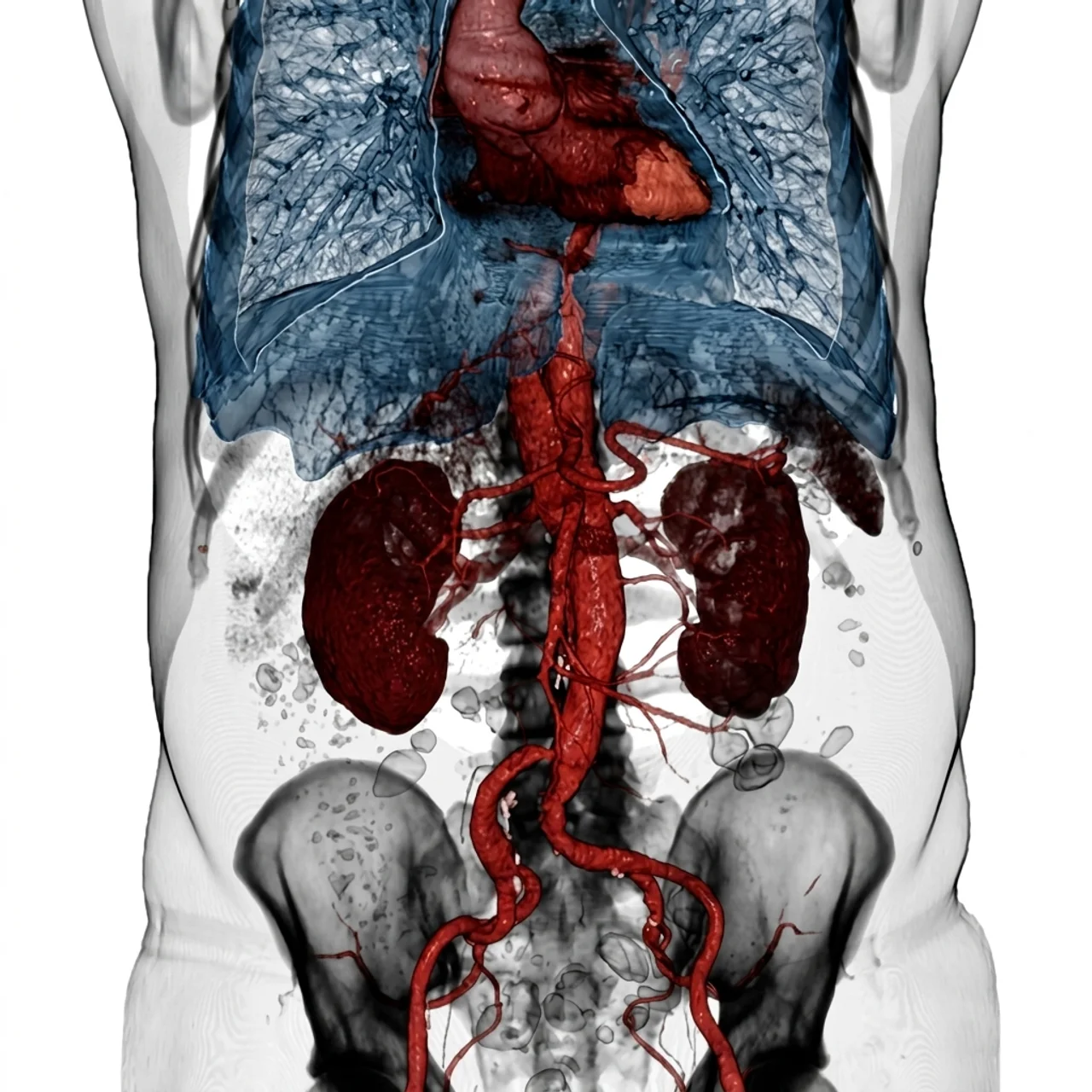
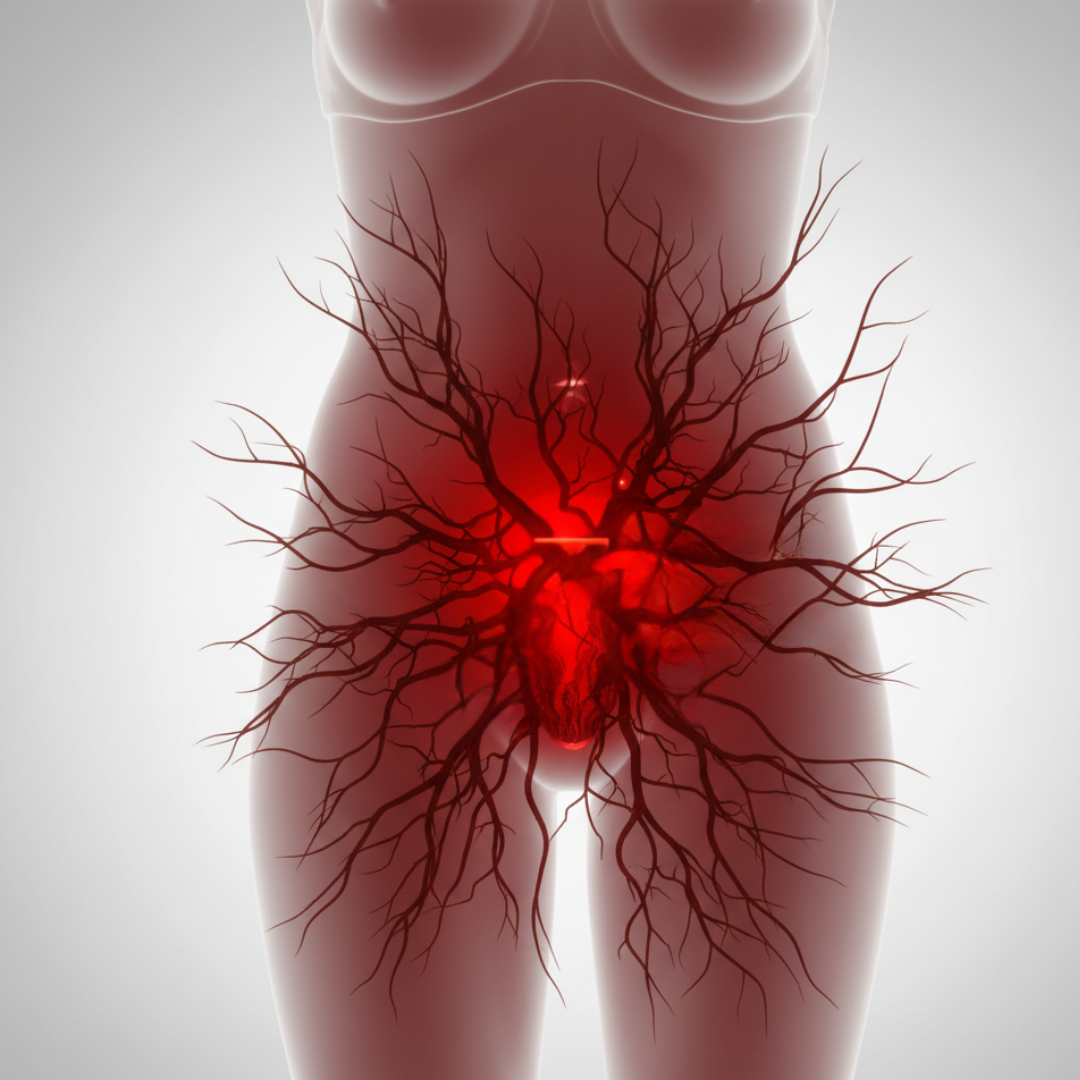
My patients don't come to me asking about their circulation. They come asking why their blood pressure won't come down. Why their medication keeps getting adjusted upward. Why they wake up exhausted despite eight hours of sleep. And quietly, almost always at the end of the appointment when they're putting their jacket back on — why things aren't working the way they used to in the bedroom. They think these are separate problems. They are not. After 22 years as a urologist, I can tell you that high blood pressure and weak morning wood are almost always the same problem wearing two different masks. And the men who understand that — who stop treating the symptoms separately and fix the underlying cause — are the ones who walk back into my office two months later looking like different people. That's not an exaggeration. I've watched men in their late 50s and 60s come off blood pressure medication they'd been on for a decade. Watched morning wood return that hadn't been seen since their mid-40s. Watched cardiovascular markers reverse course that their previous physicians had told them were permanent. The cause of both problems is the same thing. And it's fixable. Here's what's actually happening inside your body. Every blood vessel you have is lined with a tissue called the vascular endothelium. In a healthy man, this lining produces nitric oxide constantly — the molecule that keeps vessels relaxed, wide open, and flexible. Nitric oxide is why a man with good circulation has strong morning wood without thinking about it. It's why his blood pressure sits comfortably without medication. When the endothelium is damaged — scarred by inflammation, narrowed by plaque — nitric oxide production drops. Vessels tighten. Blood pressure climbs. And circulation to the smallest vessels in the body fails first. The smallest vessels in a man's body are in one place in particular. This is why weak morning wood is not a bedroom problem. It is your cardiovascular system's earliest distress signal. Men with erectile dysfunction who don't have diagnosed heart disease have up to 50 times the risk of a cardiac event compared to men without it. ED typically precedes a heart attack by 3 to 5 years. Your body gave you a warning. Most men medicate around it. That's what concerns me most on the clinical side. Not the dysfunction itself — that's treatable. What I see on patient charts every week is this: elevated blood pressure and ED medication sitting side by side. Two prescriptions. Two symptoms. One cause that neither prescription is addressing. Viag*a and sildenafil are vasodilators. So are many blood pressure medications. Combine them in a man whose vascular system is already under strain and you are stacking two agents that lower blood pressure simultaneously. The research on this risk is not ambiguous. The cardiac risk in men with elevated blood pressure who take ED medication is significantly higher than in men with normal blood pressure taking the same pills. Most men are never told this at the point of prescription. Now here is the important part — because everything I've said so far is the problem, and I want to spend equal time on the solution. The endothelium is one of the most regenerative tissues in the human body. Given the right stimulus, it clears inflammatory debris from vessel walls, rebuilds healthy cellular structure, and restores nitric oxide production. Blood pressure comes down — not because it's being suppressed by medication, but because the vessels producing it have recovered their natural flexibility. Morning wood returns consistently, because the circulation that drives it has been genuinely rebuilt. I've watched this happen in patients. It is not a slow or marginal improvement. When the endothelium begins to repair, the changes compound week over week. Three years ago I started recommending capsaicin to patients alongside appropriate medical care. The research on capsaicin and endothelial function is more compelling than most of what gets discussed at major cardiology conferences. It simply doesn't have a pharmaceutical company funding the conversation, which is why most doctors have never heard of it as a therapeutic option. The mechanism is direct. Capsaicin activates TRPV1 receptors in the endothelial lining itself — triggering nitric oxide production at the source. Not through dietary conversion. Not through a precursor pathway. At the vessel wall, where the damage is. It clears inflammatory debris. It stimulates regeneration of healthy endothelial cells. It rebuilds the mechanism that produces nitric oxide naturally, which is why the results accumulate over time rather than wearing off. I want to be honest about the other compounds patients bring up. Beetroot extract is legitimate — dietary nitrates convert to nitric oxide through a separate pathway and it genuinely contributes. Aged garlic extract has solid evidence for reducing arterial stiffness and has been shown to lower blood pressure over consistent use. Both are real. Both move the needle. But they feed a system that capsaicin repairs. Feeding a damaged engine keeps it running. Repairing the engine changes everything. That distinction is why patients who switch to a capsaicin-centred protocol after months on beetroot and garlic report a difference they describe as incomparable. The supporting compounds still matter. But capsaicin is doing something categorically different. The delivery challenge with capsaicin has always been dose. Therapeutic levels require the equivalent of 20 to 25 cayenne peppers daily — impossible through diet, and most supplements on the market are either underdosed or cause gastric irritation that stops compliance within weeks. The timeline most patients follow once they get the dose right is consistent. Weeks one and two feel uneventful — the work is happening at a cellular level that isn't yet visible. Week three is typically when morning wood returns, consistent and unprompted, often the first objective signal a man has had in years that his circulation is genuinely changing. Weeks five and six, blood pressure markers begin to move. By the end of month two, the conversation in my office has changed entirely. These are not men managing decline. These are men reversing it. If your blood pressure is elevated and your morning wood has weakened, you do not have two problems. You have one problem. Damaged circulation. Showing up in two places at once. If what I've described resonates with you, I put together a short guide explaining exactly what the research says about therapeutic capsaicin — the right dose, the right delivery format, and what to look for in a formulation that actually works. It's the same information I share with patients who ask me where to start. You can find it by clicking “Learn More.”
Why High Blood Pressure and ED Are Related
Support your cardiovascular health with our capsaicin softgels, a premium supplement meticulously formulated for those who prioritize long-term heart vitality.
LEARN MORELike this ad? Make it yours.
Crush rebuilds this exact creative around your product — your brand, your colors, your offer — in about a minute.