
Inactive· since Jul 18, 2026
- 24
- days it ran
- 0
- relaunches
Ad copy
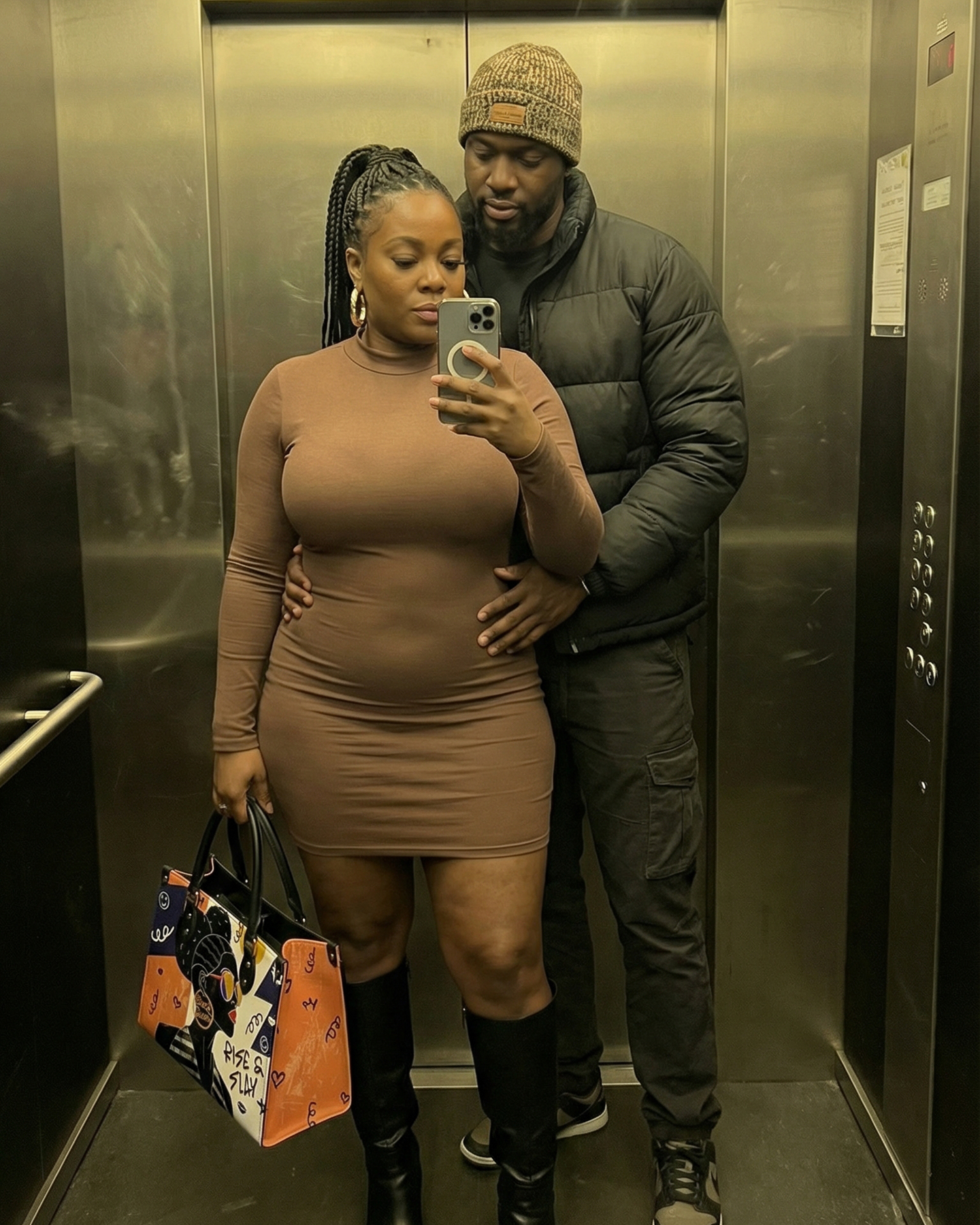
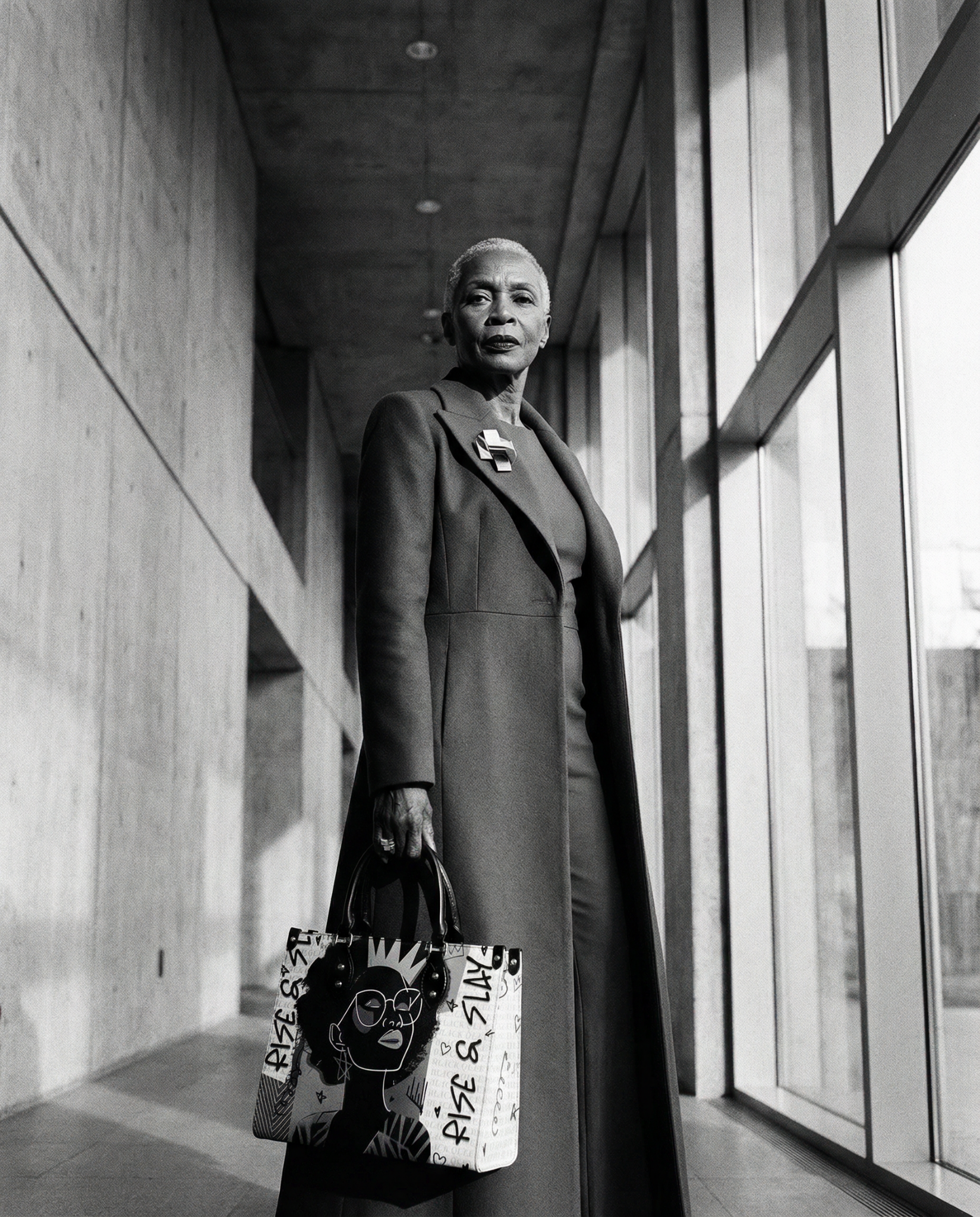
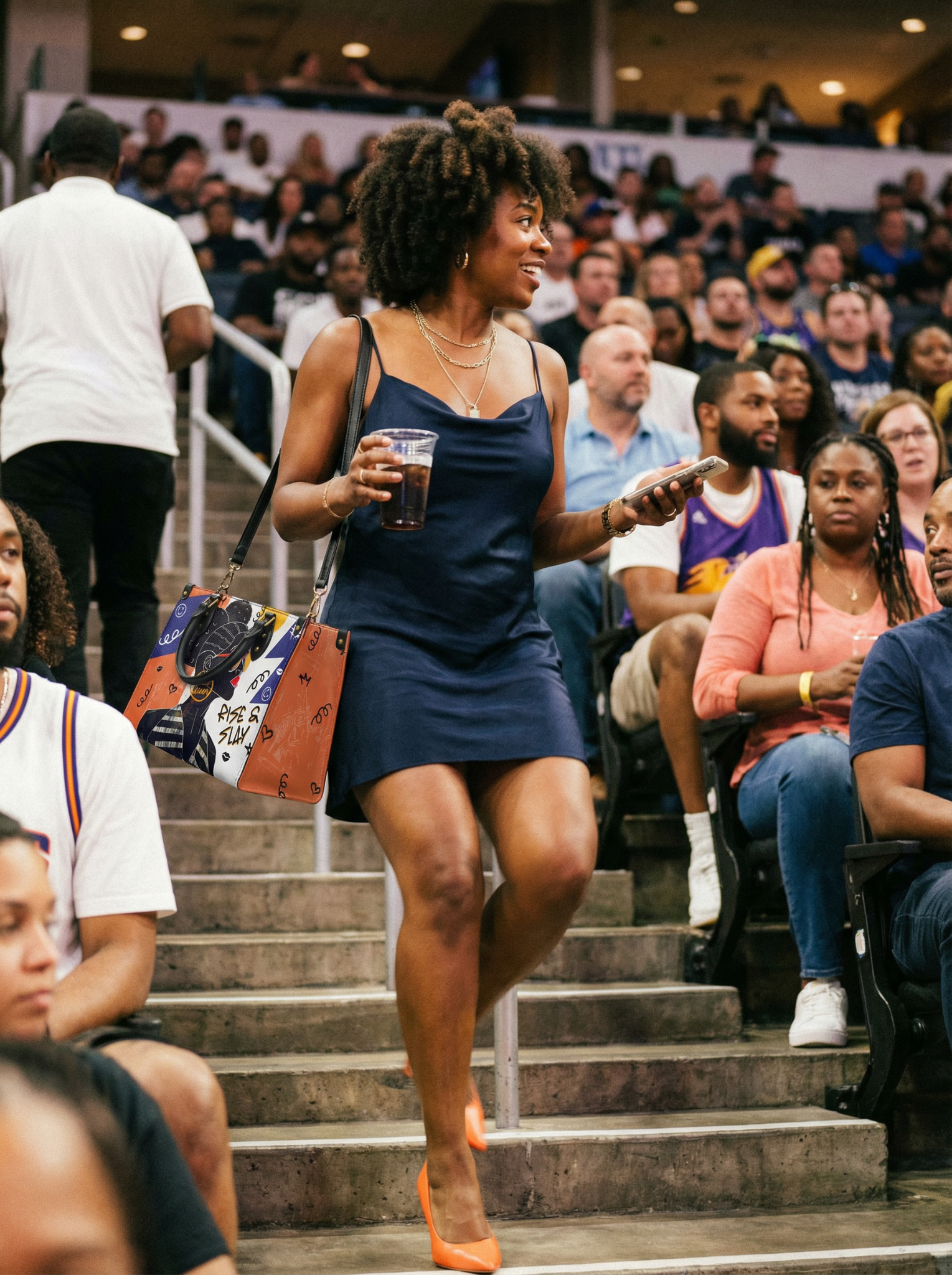
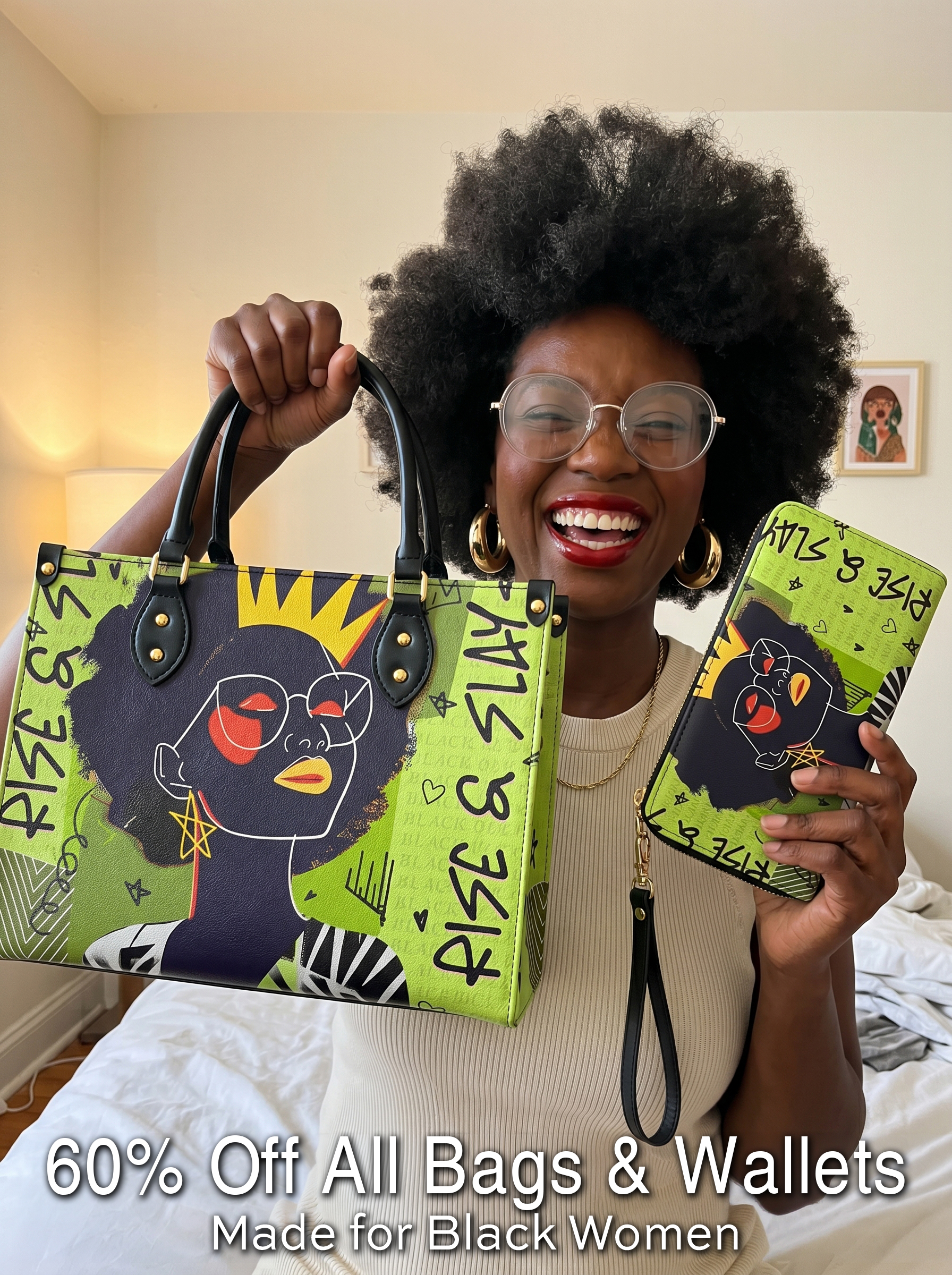
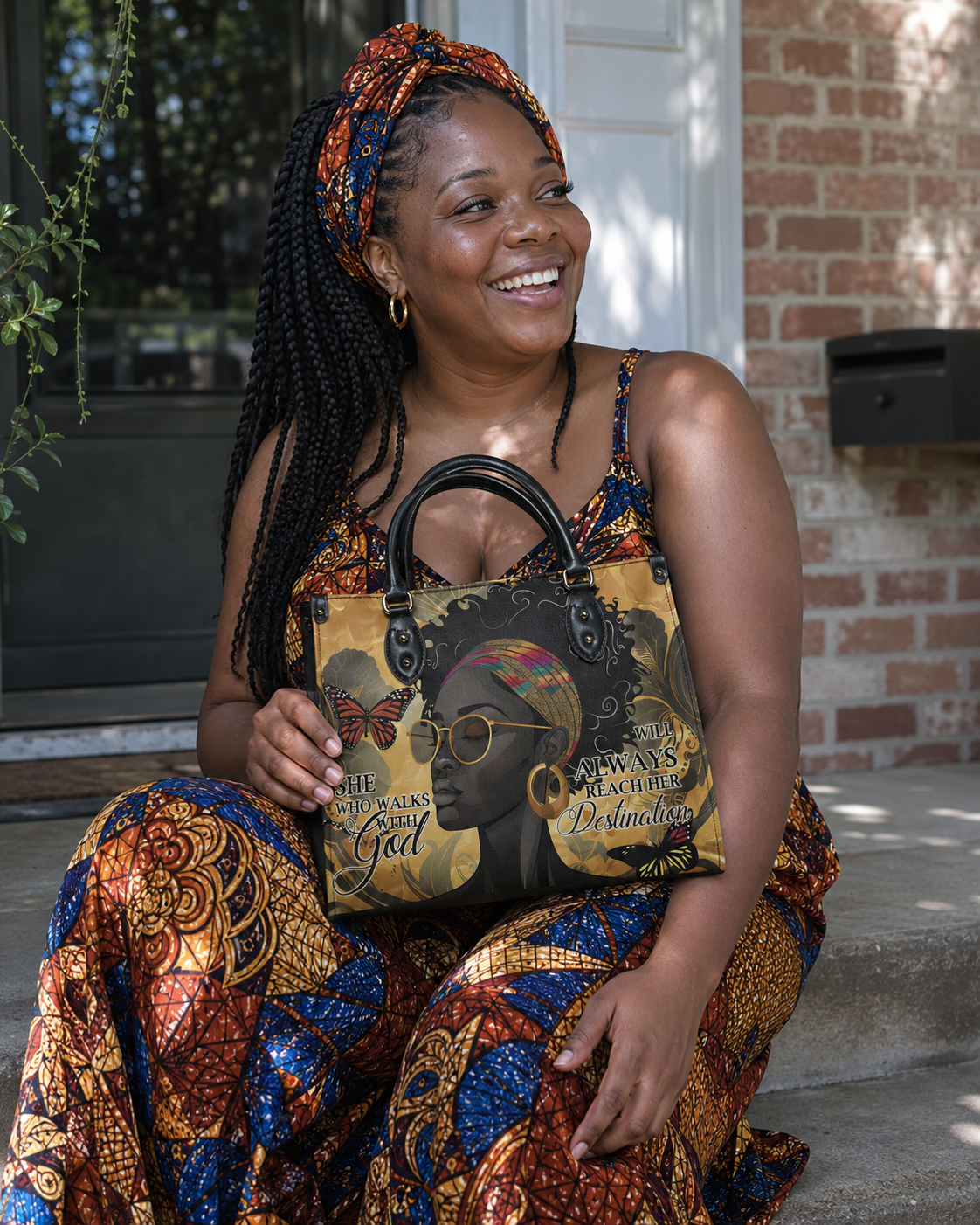
I was standing in a church I'd waited my whole life to feel something in, and I realized not one face on those walls looked like mine. The Madonna above the altar was pale. The saints in the windows were pale. The angels were pale. I stood there in my good coat, forty-one years old, and I felt seven again. That specific ache of being in a room where nobody was made to look like you, and being told this room was holy. I want to tell you what I found out later, because it changed how I carry myself. But let me start where I actually was. ----- I grew up thinking the sacred just didn't have my face in it. Not as a wound, exactly. More like a fact of the weather. God loved everybody, sure, but the pictures were always going to be somebody else. I made my peace with it the way you make peace with a thing you don't think you're allowed to question. So I started asking a question I'd never let myself ask. Was it always like this? Or did somebody make it like this? ----- Here is the first thing I learned, and it stopped me cold. For centuries, the people painting the sacred made a choice. In the great illuminated Bibles, the cathedral windows, the gold-leaf portraits of the holy, they painted the Madonna white. They painted the saints white. They painted the angels white. Not because the story required it. The story is set in North Africa and the Middle East. They did it because the people holding the brush painted heaven to look like themselves. And over hundreds of years, that choice hardened into "just how it is." Black women didn't drift out of sacred art by accident. We were painted out. That was the ache with a name on it, finally. But naming a thing that was taken doesn't give it back. So I kept pulling the thread. And the thread led somewhere I did not expect. ----- Because it turns out we were never actually absent from the sacred. We were hidden. Have you ever heard of the Black Madonna? I hadn't, not really. There are Black Madonnas across Europe. Dark-skinned images of the mother of Christ, some of them centuries old, some of them the most beloved and visited images in the countries that hold them. People traveled for miles to kneel in front of a Madonna with dark skin. They didn't see her as an error. They saw her as the real thing. As the one who answered. And that was only the doorway. Behind it was something older. ----- Long before those cathedrals in Europe went up, there was Ethiopian and Coptic Christian art. Some of the oldest Christian tradition on earth, rendering holy figures with dark skin and African features as a matter of course. Not as an exception. Not as a special edition. As the center of the sacred. In those traditions, a Black woman at the heart of a holy image was never a statement anybody had to defend. She was simply there, where she had always been, because the people making the art had never been told she didn't belong. I sat with that for a long time. ----- Because do you understand what that means? The version I grew up with, the pale walls, the pale windows, the quiet lesson that the sacred wears somebody else's face. That version is not the original. It is the edit. The erasure came later. So the reclamation isn't me asking for something new. It's me walking back to something that was mine before anyone decided to paint over it. That is the thing I wish somebody had told seven-year-old me. ----- I'm telling you all this because of a bag. I know how that sounds. Stay with me one more minute, because it's the whole point. There's a design called Njia. Gold on black, with monarch butterflies coming up the side, and across it a line is printed: "She who walks with God will always reach her destination." When I first saw it, I read the words and thought, that's pretty. Then I learned everything I just told you, and I read the words again, and they weren't pretty anymore. They were a receipt. ----- Because I am not new to walking with God. My grandmother walked with God with her whole tired body. Her mother did. Women who never once saw their own faces on a holy wall walked the entire way anyway, on faith, without the picture. Njia means path. The line isn't a wish. It's a fact somebody finally wrote down about us. She was always on the way. She was always going to arrive. And the sacred was always her home, even in the centuries somebody left her out of the portrait. ----- So now I carry it. And I want to be careful about why, because I've been burned before by things that borrow us to sell to us. The art on it is original work, made by a Black woman. A real hand, a real artist. Not a machine. That matters to me more than any other single thing, and if you're like me, you already know why. I've watched my whole timeline fill up with hollow imitations of our faces. Machine-made, no hand behind them, no one to give her flowers. This isn't that. It's a real woman drawing us the way we actually live and see ourselves. And the founder, Michelle, is a Black woman building this for us on purpose. Black-owned. The brand gives back to Black Girls Code. I checked. I always check now. I won't tell you it's fine leather, because that's not the point and I don't respect being lied to about materials. The point is the art. The point is that for once the holy image and my face are the same image, and I get to carry it out the door. ----- Here's what shifted in me, and it's the thing I actually came here to say. I used to think representation meant standing in that pale church and arguing for a place. Making the case. Explaining why I belonged in the picture. I don't do that anymore. I found out the place was always mine. That the erasure was the young thing and my presence was the old thing. And you don't argue for what is already yours. You just walk in carrying it. ----- That's what Njia does that I didn't expect from a bag. It doesn't announce me. It doesn't flex. It just goes where I go, gold and black and quiet, monarchs climbing the side, a line across it that turns out to be true. People clock it. They don't always know what they're clocking. But something in the image speaks before I open my mouth, and it says the thing I spent forty years learning how to say. I'm not asking to be in the sacred picture. I was always in it. Somebody just painted over me for a while, and that part is over. ----- If any of this landed in your chest the way it landed in mine, go look at the rest of them. There are more than these words can hold, each one carrying a different piece of us. Tap to browse the full collection and find the one that's yours. More Than a Bag. BY ONE OF YOU.
Art That Looks Like You
Afroyla offers premium leather handbags and wallets designed to celebrate Black women, featuring unique artwork and empowering quotes inspired by Black pride and heritage. Each piece blends style and culture, making a bold statement of identity and elegance.
SHOP NOWLike this ad? Make it yours.
Crush rebuilds this exact creative around your product — your brand, your colors, your offer — in about a minute.