
Inactive· since Feb 28, 2026
- 89
- days it ran
- 1
- relaunches
Ad copy
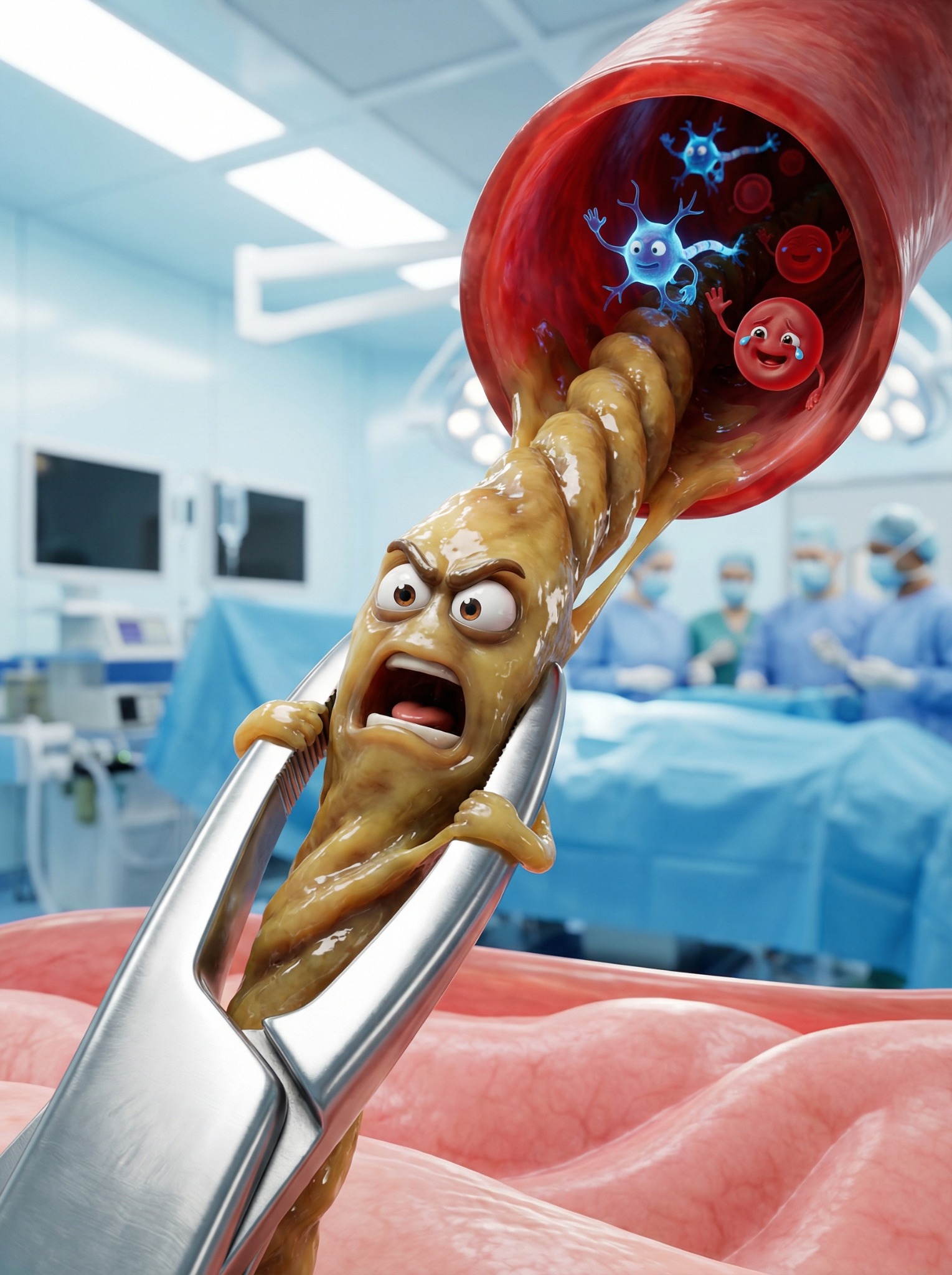
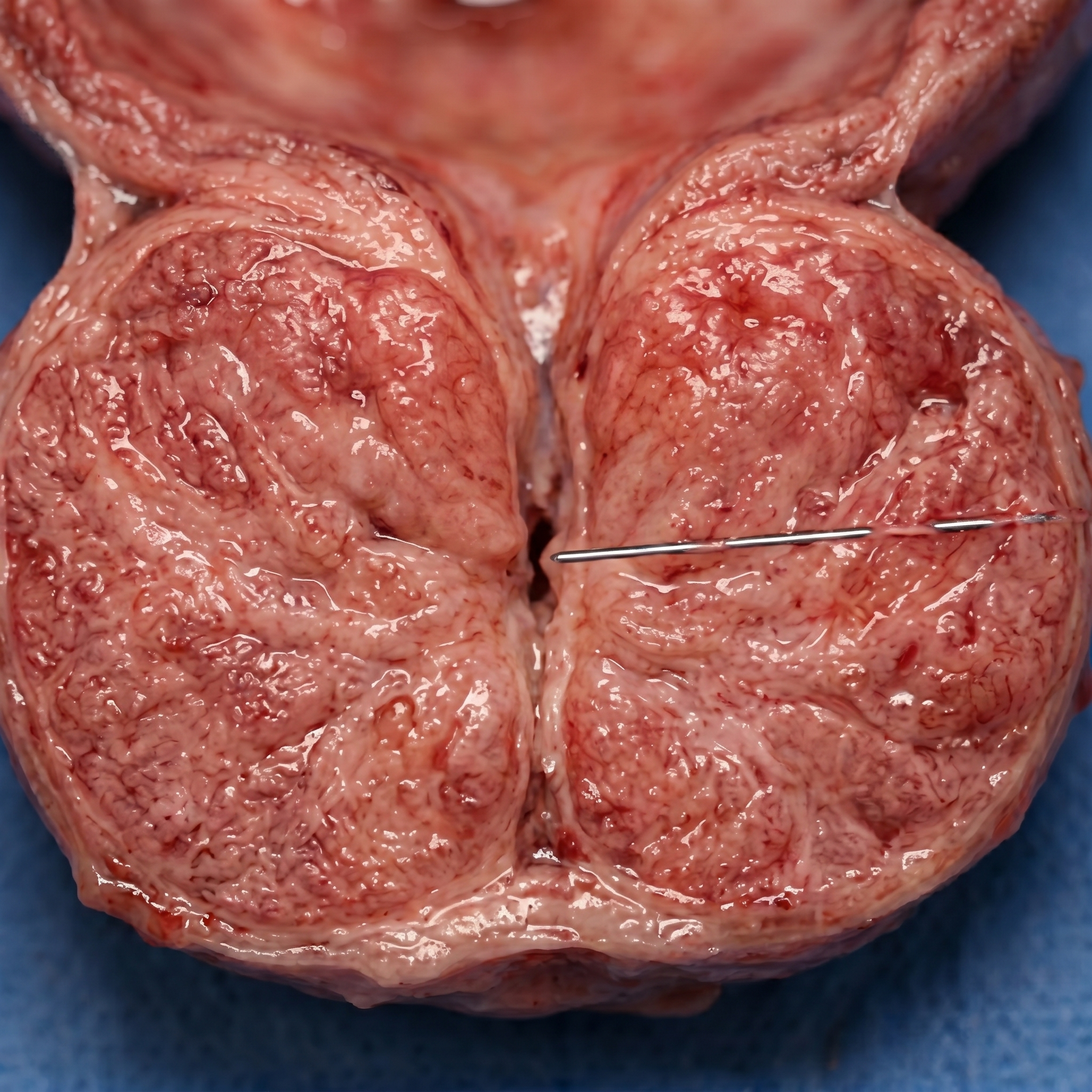
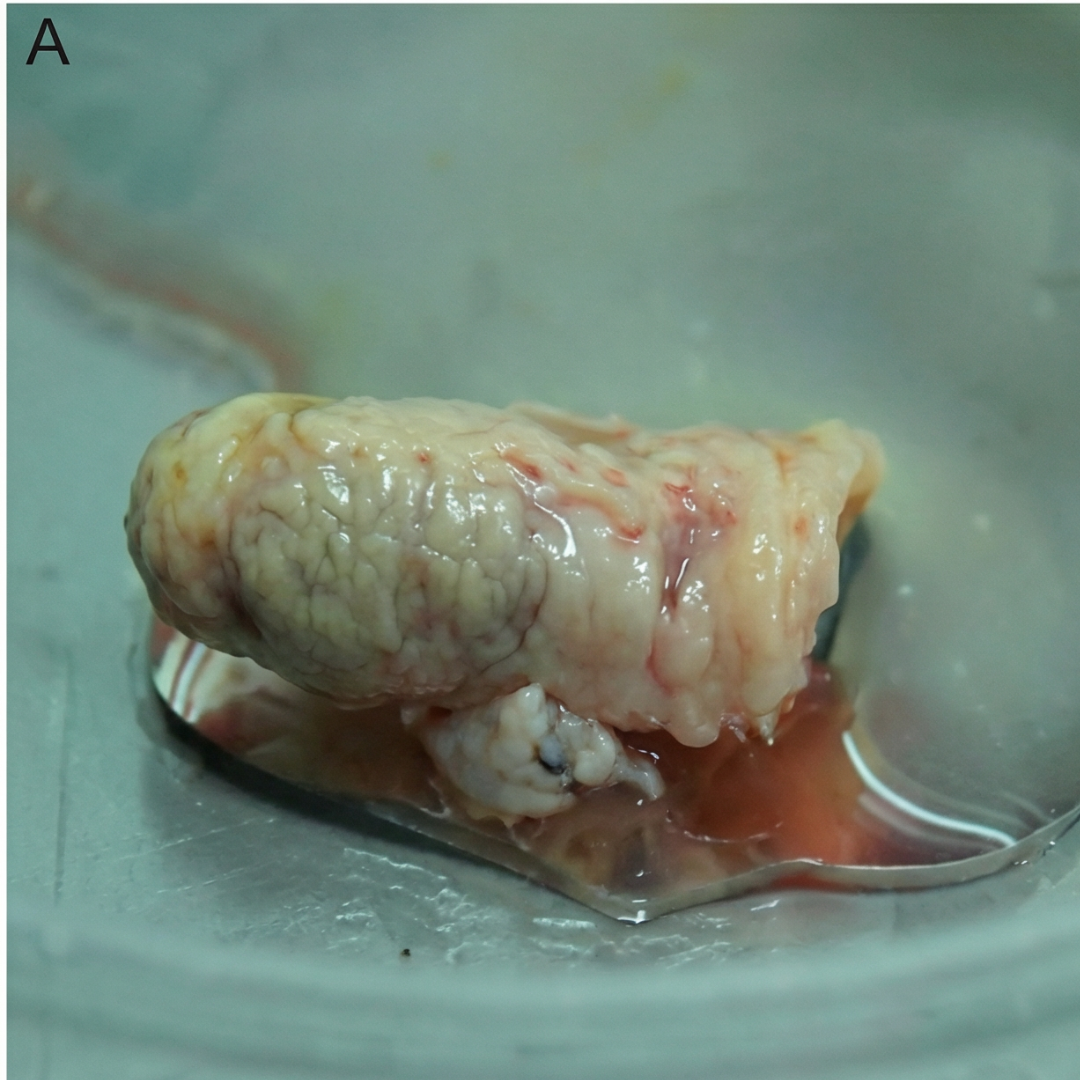
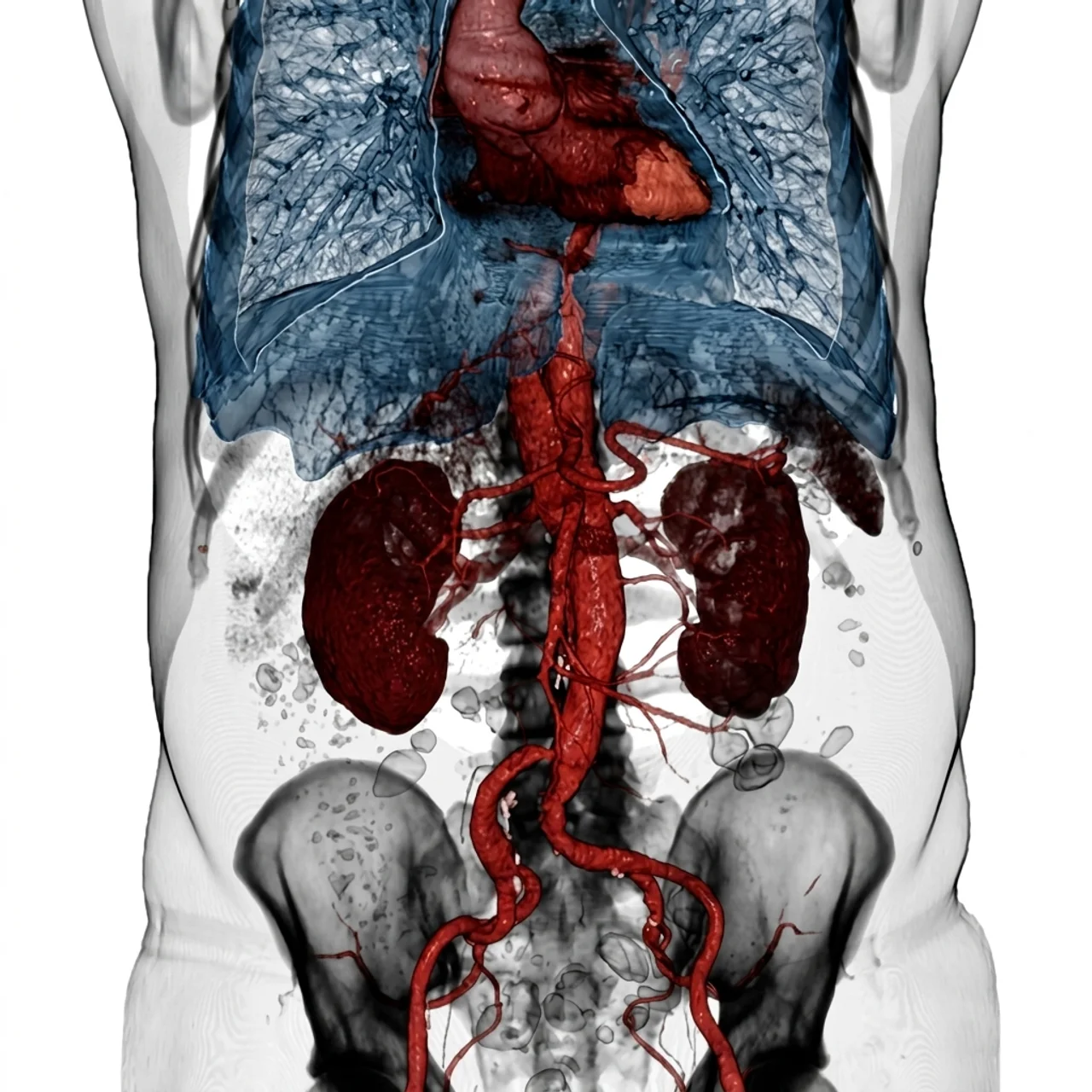
Your body produces 1,000-1,500mg of cholesterol per day on its own — regardless of diet. The liver manufactures it. Statins block that production. But the cholesterol already embedded in your artery walls from the past 20 years stays embedded. Last October a man named Gerald sat in my office and asked me a question no patient had ever asked before. He was 57. Retired electrician. His cardiologist had referred him to me for a coronary artery calcium scan after a mildly abnormal stress test. Routine workup. Nothing alarming. I ran the scan. Positioned him on the table, arms overhead, breath hold, 10-second acquisition. Images reconstructed on my monitor within minutes. Calcium score: 214. Moderate to severe. Calcified plaque deposits visible along his LAD, his circumflex, and his right coronary artery. Three vessels. White spots on grey arteries. I've seen this image 11,000 times in 16 years of reading these scans. I pulled up a chair and walked Gerald through his results the way I do with every patient. Showed him the cross-sections. Pointed to the calcium deposits. Explained that each white spot represents cholesterol damage that infiltrated his artery wall years ago and has since hardened with calcium. Gerald listened. Nodded. Then he said something I didn't expect. "Doc, I've been on atorvastatin for nine years. My LDL has been under 100 the entire time. My doctor says my cholesterol is perfect. How is there this much plaque in my arteries?" I hear versions of this question weekly. But Gerald asked it differently. He wasn't confused. He was angry. Nine years of taking a pill every night. Nine years of blood tests showing "controlled." And now he's looking at a screen full of calcium deposits that nine years of statins apparently didn't prevent. I told him the truth. "Gerald, your statin has been reducing the cholesterol circulating in your bloodstream for nine years. That's what it does. That's important. But the plaque on your scan didn't form in the last nine years. It formed over the 25-30 years before you started the statin. Your cholesterol was building these deposits from your late 20s onward. Nobody tested it during those decades. By the time your doctor caught it and prescribed atorvastatin, the damage you're looking at was already inside your artery walls. The statin has been slowing new damage since then. It hasn't been removing old damage." Research confirms this. Statins shift calcium toward denser, more stable compositions, but the total calcified burden doesn't decrease (van Rosendael et al., JAMA Cardiology, 2021). One study of 1,181 men found that longer statin use was actually associated with higher calcium scores — not because statins cause harm, but because they accelerate calcification of existing soft plaque as a stabilization mechanism (Henein et al., PLOS ONE, 2023). Gerald stared at the screen. "So the statin is protecting me from future plaque. But the plaque that's already there — it's just... staying?" "Yes." "And nothing I'm taking is doing anything about it?" "No." Long silence. Then Gerald said the thing that changed this conversation from routine to something I think about every day. "Is that why I can't get hard anymore?" I'm Dr. Simmons. I've been a cardiac imaging specialist for 16 years. I've read over 11,000 calcium scans. I measure plaque for a living. And until Gerald asked me that question, I had never once — in 16 years — connected a calcium score to a patient's ED in a clinical conversation. Not because the connection doesn't exist. It does. The research is overwhelming. The penile arteries are 1-2mm in diameter. The coronary arteries I scan are 3-4mm. Plaque builds in both at the same rate — because atherosclerosis is systemic. Same cholesterol. Same inflammation. Same calcification process. But the smallest arteries reach critical narrowing first. ED symptoms appear 2-5 years before cardiac symptoms, and in some men up to a decade earlier (Montorsi et al., European Urology, 2006). Men with ED aged 40-49 have up to a 50-fold higher incidence of future cardiovascular events (Olmsted County Study, JACC, 2012). I knew all of this. Professionally. Abstractly. The way you know something you've read in journals but never applied to a man sitting three feet from you asking why he can't perform with his wife. "Gerald, do you remember when your ED started?" "Maybe three years ago? Gradual. Morning wood went first. Then things got unreliable. I've been on sildenafil for about 18 months." "And the sildenafil works?" "Sometimes. Less than it used to." I pointed back at his scan. "The plaque in your coronary arteries — what you're looking at right now — is also in your penile arteries. Same disease. Same deposits. Your penile arteries are just smaller, so they showed symptoms first. Your ED started roughly three years ago. That means your penile arteries crossed the threshold for restricted blood flow around that time. Your coronary arteries haven't crossed that threshold yet — but they're on the same path." Gerald looked at the screen for a long time. "The sildenafil isn't fixing any of this, is it?" "Sildenafil forces blood through narrowed arteries for a few hours by blocking an enzyme called PDE5. It doesn't interact with the plaque. The calcium stays. The narrowing stays. When the pill wears off, your arteries are exactly where they were before you took it." "So what fixes the plaque?" That question. The one Gerald asked. The one I couldn't answer in that moment — because in 16 years of reading calcium scans, I'd never been asked to solve what I measured. I told Gerald I'd look into it. He left. I sat with his scan still on my monitor. Then I did something I'd been avoiding for months. I scanned myself. Same table. Same protocol. I positioned myself the way I've positioned 11,000 other men. Breath hold. Gantry rotation. Images reconstructed. Calcium score: 94. I'm 54. I run three mornings a week. My cholesterol has been "normal" at every checkup for 15 years. And there they were — calcium deposits in my LAD and circumflex, bright white on grey, the same deposits I'd circled on Gerald's scan an hour earlier. And my ED had started six months before Gerald's appointment. Morning wood gone. Er*ctions unreliable. The slow fade I'd been calling stress, fatigue, aging — every excuse men use to avoid the thing I was now staring at on my own monitor. I had a calcium score of 94 and I'd been telling myself my er*ctions were a lifestyle problem. I went home that night. My wife was reading in bed. I sat on the edge and told her I'd scanned myself. Told her my score. Told her what it meant. She put her book down. "Is that why things have been...?" "Yeah. That's why." She didn't ask anything else. She just put her hand on my knee. We sat like that for a while. Gerald's question — "what fixes the plaque?" — became my question. And I spent the next three weeks answering it. Not as an imaging specialist. As a patient with a calcium score of 94 and er*ctions that were failing. The disease I see on my scanner every day has a chain. Cholesterol infiltrates the artery wall. Inflammation drives it deeper. Plaque forms. Calcium hardens it. The artery narrows. Blood flow drops. The endothelium — the inner lining that produces nitric oxide, the molecule behind every er*ction — stops functioning properly. Statins address the first link. Reduce circulating cholesterol. Slow new infiltration. Nothing wrong with that. I'm still on mine. But links two through six? Inflammation. Existing plaque. Calcium deposits. Arterial narrowing. Endothelial dysfunction. Nothing in standard cardiology touches any of it. V*agra addresses the last symptom — temporarily. It doesn't reverse a single link in the chain. What I found in the research addressed the links nobody else was treating. Vitamin K2 activates two proteins — osteocalcin and matrix GLA protein — that redirect calcium into bones and away from artery walls. Most men over 40 are K2 deficient. Their calcium has no traffic controller. It ends up in their plaque instead of their skeleton. Paired with Vitamin D3, you reactivate the routing system. This is the mechanism behind calcium score changes — not dissolving calcium, but telling the body to stop depositing it in the wrong place. Curcumin at 98% purity reduces CRP and IL-6 — the inflammatory markers that crack the endothelium and invite cholesterol particles inside. Small dense LDL particles, which have been directly linked to coronary artery calcium buildup even after accounting for total LDL levels (Multi-Ethnic Study of Atherosclerosis, 2024), enter through these inflammatory cracks. Reduce the inflammation, reduce the entry points. Capsaicin from cayenne pepper activates TRPV1 receptors on endothelial cells. This triggers eNOS — the enzyme that produces nitric oxide. V*agra blocks the enzyme that breaks nitric oxide DOWN. Capsaicin restarts the enzyme that MAKES it. Different mechanism entirely. One is a temporary override. The other is a reactivation. Grape seed extract protects endothelial cells from oxidative damage caused by cholesterol particles already embedded in the artery wall. BioPerine ensures capsaicin absorbs at therapeutic levels instead of being destroyed in the digestive tract. I started taking all of it. Didn't tell my wife. Didn't set expectations. Weeks passed. Morning wood came back. Not suddenly — gradually. Then present more often than absent. Then er*ction quality during intimacy improved in a way that was quiet and real and unmistakable. My wife noticed. She didn't say anything about it directly. But one morning she kissed me longer than she had in months. That was enough. I scanned myself again at six months. 88. Down from 94. The deposits in my LAD were visibly reduced on the comparison images. I pulled both scans up side by side on my monitor — the same monitor where I'd compared Gerald's results, where I compare 40-50 scans a week, where I've spent 16 years measuring other men's plaque. This time the plaque going down was mine. I called Gerald. He'd been on the same protocol for four months — I'd shared it with him after I started seeing my own results. He told me his sildenafil use had dropped from twice a week to once in the past month. "Some mornings I wake up and things are just... working again. First time in years." I scheduled his follow-up scan. Here's what 16 years of reading calcium scans has taught me that most doctors will never tell you. Your cholesterol blood test and your calcium score tell completely different stories. Your blood test measures what's floating in your bloodstream right now. Your calcium score measures what cholesterol built inside your artery walls over 20-30 years. A man can have perfect cholesterol on paper and a calcium score of 200. Because the statin started after the damage was done. Your GP manages a blood test number. He's probably never ordered a calcium scan. Your urologist — if you've seen one for ED — has never seen a calcium scan either. He doesn't connect your er*ction quality to the calcified plaque in your arteries. Neither doctor sees both pictures. Neither connects the cholesterol history to the ED symptom to the cardiac risk. I see all three. Every day. On a screen. Measured in calcium. And sildenafil — 90% of generic versions manufactured in India with limited batch-level quality oversight — forces blood through those calcified, narrowed arteries for a few hours. The calcium stays. The plaque stays. The score keeps climbing on annual scans while the symptom gets temporarily masked. If you have ED and your cholesterol is "controlled" — your blood test is measuring what's in your bloodstream. It's not measuring what's in your artery walls. A $75-150 calcium scan can show you what's actually there. Ten minutes. Low radiation. The number it gives you is the biography of your cholesterol — written in calcium, over decades. Or skip the scan. Your body already ran one. Morning wood is your vascular system's overnight diagnostic. If it's gone, your arteries are narrowing. I see that confirmed on imaging every single day. If your cholesterol is "fine" and your er*ctions aren't — one of those tests is wrong. And after 16 years and 11,000 scans, I can tell you which one I trust more. - Dr. Simmons, MD, FSCCT Cardiac Imaging Specialist, 16 years Coronary Artery Calcium Scoring & CT Angiography P.S. — The protocol Gerald and I both use is available as a single formulation called Aurivita Capsaicin Power. 3mg capsaicin from 3,000mg cayenne pepper per serving, 98% curcumin, 1000 IU D3, 150mg K2, 100mg grape seed extract, BioPerine for absorption. 240 softgels per bottle. 3 softgels once daily with food. 120-day money-back guarantee. You can always go back to sildenafil if nothing changes. But if your cholesterol is "controlled" and your calcium score tells a different story — something in your treatment plan is missing. References: 1. Thompson, I.M., et al. (2012). Prognostic utility of erectile dysfunction for cardiovascular disease. Journal of the American College of Cardiology, 60(21), 2235-2241. 2. Montorsi, P., et al. (2006). Association between erectile dysfunction and coronary artery disease. European Urology, 49(3), 417-424. 3. van Rosendael, A.R., et al. (2021). Association of Statin Treatment With Progression of Coronary Atherosclerotic Plaque Composition. JAMA Cardiology, 6(11), 1257-1266. 4. Henein, M., et al. (2023). Long-term statin therapy is associated with severe coronary artery calcification. PLOS ONE, 18(7), e0288615. 5. Criqui, M.H., et al. (2024). Small dense LDL cholesterol and coronary artery calcification in the Multi-Ethnic Study of Atherosclerosis. 6. Hoogeveen, R.C., et al. (2014). Small dense LDL-cholesterol concentrations predict risk for coronary heart disease: the ARIC Study. Arteriosclerosis, Thrombosis, and Vascular Biology, 34(5), 1069-1077.
Big cholesterol floats. Small cholesterol clogs.
Discover top insights on calcified arteries from expert cardiologists. Enhance your cardiovascular health with our comprehensive review.
LEARN MORELike this ad? Make it yours.
Crush rebuilds this exact creative around your product — your brand, your colors, your offer — in about a minute.