Sandra Whitmore
 Facebook ad: “The Real Reason Your Bladder Won't Calm Down”

Ran for 8 days, from October 15 to October 23, 2026, the last day Crush saw it.
Run by Sandra Whitmore on Facebook. Crush is not the advertiser and does not verify its claims. See this ad in Meta's Ad Library(opens in a new tab)
Make your own version of this ad
Crush makes it, launches it in your own Meta ad account, scales the winners and pauses the losers.
About this ad
- Meta Ad Library ID
- 1474240877897093
- Platforms
- Facebook, Instagram, Audience Network, WhatsApp and Threads
- Relaunches
- 0
Ad text
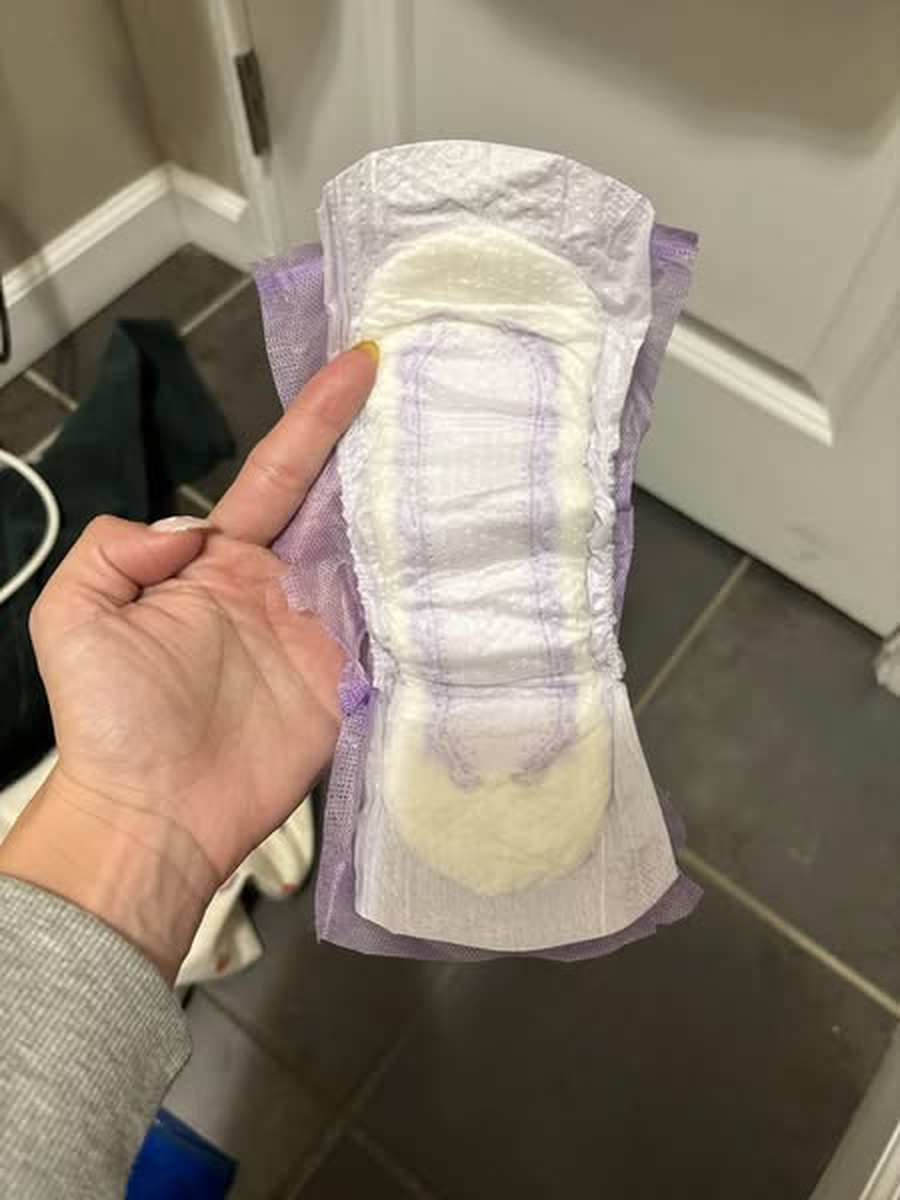
Amish women have no pads. No bladder training programmes. No anticholinergic tablets. No urologist appointments. They also have almost no urgency accidents. Almost no leakage. Almost no women planning every outing around the nearest toilet. And they carry cast iron skillets with one hand well into their eighties. I have been a pharmacist for over 30 years and that made no sense to me. Until my daughter married one of them and I found out why. My name is Sandra Whitmore. I am 64 years old and I have stood behind a dispensing counter almost every day since 1988, filling prescriptions and answering questions through the window. And for the first 30 of those years, I had no idea what was actually going wrong. I want to tell you what I found out. My daughter Rachel moved to Lancaster County 3 years ago to teach. In her second year, she needed new bookshelves. Everyone in town told her the same name. Go see the Kings. The man who delivered them was 28 years old. His name was Eli. By Christmas she was seeing him. By Easter it was serious. By autumn she was standing in a barn in a blue dress his mother had sewn by hand. I need to tell you about the women on that farm. Because at that wedding, I watched them work. Not in a gentle way. In a way that stopped me cold. An 81 year old woman named Miriam had been on her feet since dawn. She had cooked the entire rehearsal dinner. She carried a cast iron skillet with one hand without thinking about it. I watched her and I did the arithmetic I always do, the refill history arithmetic. How many of my customers Miriam's age were still on their feet at that hour? How many were managing their afternoons around toilet proximity? How many had cut their social lives in half because of what might happen if they left the house? A lot. The answer is a lot. I have been filling oxybutynin prescriptions since 1993. Tolterodine since 2000. Solifenacin, mirabegron, every generation of anticholinergic that came through. I know exactly how they work. They block the nerve signal that tells your bladder to squeeze. Less urgency. Fewer accidents. That is the whole job. What they do not do is fix a single thing. The signal comes back. The dose climbs. The side effects stack up. Dry mouth, constipation, brain fog in older patients that nobody wants to say out loud. And I filled those prescriptions faithfully. 90 at a time. Hundreds of times. For women I recognised, women I watched age behind that window, women who never got better, only managed. I asked Miriam about it the night before the wedding. We were washing up after supper. I asked her whether any of the women on the farm had bladder trouble. She looked at me the way you would look at someone who had just asked if they had hay fever. "Bladder trouble," she said. Slowly. Like she was trying to place the phrase. "Urgency," I said. "Leaking. Women who cannot get to the toilet in time." She thought for a moment, genuinely thinking. Then she shook her head. "Not that I have known. Not the older women. Not the young ones either." I stood there with a tea towel in my hand and I could not work out why. They ate full-fat everything. They did not do pelvic floor classes. They did not have urologists. They had no prescriptions, no programmes, nothing from a pharmacy. And none of the women had bladder trouble. Miriam saw my face. She dried her hands on her apron and looked at me the way she looked at a question she thought was worth answering properly. "What goes wrong?" she said. "With the bladder, what is actually happening?" I gave her the textbook answer. "The bladder muscle gets overactive. It fires when it should not. The signal becomes too strong, too fast. The brain cannot override it in time." She nodded slowly. "And what is keeping the muscle from misfiring in the first place? What holds it calm, normally?" I paused. The honest answer was that I had never been asked the question that way before. The pharmacist's answer is that the anticholinergic blocks the misfire. We deal with the misfire after it starts. Nobody in my training had ever focused much on what kept the muscle regulated before the trouble began. Miriam was quiet for a moment. Then she said something I have been thinking about ever since. "In a young animal, every muscle works the way it should because the cell walls are built right. The right fats in the right places, holding the right shape. When you feed a barn wrong for long enough, the muscle cells start to lose the materials they need. And then they start misbehaving." She was not talking about bladder muscle specifically. She was talking about farms and livestock. But I felt something shift in my chest the way it shifts when something finally maps to something else. "What are they losing?" I said. "The cell walls. What do they need?" She picked up the lamp and she walked me down the stairs into the root cellar. Shelves from floor to ceiling. Crocks and jars and wooden bins of roots packed in sand. She handed me one. Heavier than it looked. "We grow these," she said. "The women on this farm have grown them for more than 150 years. Same patch of ground. Same seed. Every generation." It was a pumpkin seed. From a variety I did not recognise. And under the lamp it was darker than anything I had ever seen in a health shop. Almost black. Almost oily just to hold. "We cold-press them," she said. "The same temperature as the well water. Never heated. The oil that comes out is almost invisible, like dark water. Nothing bright, nothing watered down." "The heated ones are pale," she said. "Yellow and clear and worthless for what matters. You lose the active part the moment the heat touches it." I went home and I did what 30 years behind a counter trains you to do. I did not take her word for it. I looked it up. Not blogs. Not videos. The actual research databases. Here is what I found. Inside pumpkin seed oil — the cold-pressed kind, not the commodity bottle from a health shop shelf — there is a specific class of plant compounds called delta-7-sterols. A sub-fraction of phytosterols that standard extraction destroys. Delta-7-sterols embed themselves into the smooth muscle cell membranes of the urinary tract. They regulate how those cells respond to hormonal signals. Specifically, they modulate how DHT binds to receptor sites in the bladder wall and urethral tissue. After 40, your body stops getting enough of them. Modern diet does not supply them. Ordinary pumpkin seed oil from a health shop has been heat-extracted — and the heat destroys the delta-7-sterol fraction before the bottle is even sealed. Without them, the smooth muscle cell membranes lose their structural stability. DHT binds unchecked. The detrusor muscle — the main muscle of the bladder wall — starts misfiring. It contracts when it should not. The signal fires too fast and too strong, and there is nothing left in the cell wall to hold it. That is the urgency. That is the leaking. Not bad luck. Not age. A specific compound, depleted, that nobody ever told you to replace. No prescription drug your GP has ever offered you replaces it. They suppress the misfire. They do not rebuild what caused it. The Amish women on that farm had eaten cold-pressed pumpkin seed oil for five generations. From seeds grown cold, pressed cold, stored cold. The delta-7-sterol fraction had never been cooked out. Their bladder muscle cells had never run short. And not one of them had bladder trouble. I thought about the women at my counter. The ones on their third prescription who still weren't sleeping through. The ones who apologised for coming in again. The ones who had stopped going to their grandchildren's school plays. I had been filling prescriptions for 30 years. Nobody had ever told me about delta-7-sterols. Nobody sells what nobody measures. Nobody measures what no pill targets. I ordered Lumex when I got home. Not because Miriam told me to. Because after the databases, I could not think of a reason not to. What I needed was cold-pressed. Below 40°C. With the extraction temperature printed on the label. Not a commodity bottle from Boots or Holland & Barrett. The real, unheated fraction. Lumex cold-presses below 40°C and prints it. The softgels are orange — the same colour the active oil actually is when the delta-7-sterol fraction is still in it. Pale yellow means heat. Orange means the fraction is intact. 3,000mg per serving. Three softgels. They add 320mg of standardised saw palmetto extract — which works on the same DHT receptor pathway — and bioavailable zinc, which in the UK carries the authorised claim that it contributes to the maintenance of normal testosterone levels. The same pathway. The same root. Finally addressed at the cell wall instead of suppressed at the signal. I will tell you what happened, and I will be honest about the timeline, because you deserve that. In the first week, nothing dramatic. A small loosening. The midnight trip was still there but the urgency before it was softer. Not gone, softer. By the end of the second week I realised I had stopped doing the calculation I had been doing for years. The one where I track how long since I last went, how far the nearest toilet is, whether I should go now just in case. That calculation had become so automatic I had stopped noticing I was running it. And then one afternoon it was not running, and I noticed the silence. By week four I was sleeping through. Not every night. Mostly through. The kind of sleep that had been theoretical for about six years. I went back to my GP at eight weeks. I told her what I had been taking. She asked me to describe what had changed. I told her. She did not endorse it. Doctors rarely endorse supplements out loud. But she looked at me the way Frank's doctor looked at his lab sheet, and she wrote something on her notepad, and she did not suggest adjusting my prescription. She said, "Whatever you are doing, keep doing it." I am not going to make promises I cannot keep. I am a pharmacist. I know the difference between a direction and a guarantee. What I can tell you is what I know from the databases, and what I know from the eight weeks since. The delta-7-sterol fraction is the missing piece. The prescription drugs suppress the misfire. They never fix the cell wall that causes it. And the cell wall can only be fixed by the compound that builds it. Cold-pressed. Below 40°C. Unheated. With the fraction still in it. Most pumpkin seed oil sold in the UK is not that. The colour tells you. Pale yellow, heated, fraction gone. The real oil is darker. Almost amber. And in the Lumex softgel, orange. Here is what Lumex offers, and why I am comfortable telling you about it. A 90-day money-back guarantee. No paperwork, no argument. Take it for three months. If nothing changes, they refund you in full. In 30 years behind a dispensing counter, I have never once seen an anticholinergic prescription come with a refund if it did not work. Oxybutynin does not offer your money back if you are still leaking at week eight. A company selling the correct fraction of cold-pressed pumpkin seed oil will stake its own money on your results. That tells you something. You can find Lumex at: https://lumexnutrition.com/pages/bladder One honest note about what to expect. The cell wall does not rebuild overnight. What Miriam's family had, they built over generations. What you and I are doing is catching up. The first changes are usually in the urgency — the sharp, cannot-wait quality softens first. The leaking tends to follow. The sleep comes after that. Give it the full window. The guarantee exists because three months is the honest timeline. I think about Miriam at that farm sink. 81 years old. On her feet since dawn. Carrying that skillet. She never once thought of her bladder as something to manage. She just lived. I do not think you should have to live differently to her. I do not think planning your whole day around a toilet is just what happens after 40. I think you were missing something specific. And now you know what it is. Sandra Whitmore P.S. The pale yellow capsules in Holland & Barrett are heat-extracted. I know because I looked. The delta-7-sterol fraction does not survive that process. Orange means it is still in there. That is the only thing to check. P.P.S. If you are already on oxybutynin or tolterodine, do not stop them because a pharmacist wrote something on the internet. I mean that. What I would suggest is exactly what I would do as a patient: take Lumex alongside your prescription, give it eight to twelve weeks, and then have a conversation with your GP. Show them what changed. Let the results do the talking. P.P.P.S. If you are not yet on a prescription and your GP has suggested starting one, you have a decision to make. The prescription will suppress the signal. It will not touch the cell wall. You can try the cell wall first. The 90-day guarantee means the cost of trying is zero if it does not work. P.P.P.P.S. If you are the one buying this for someone else — a mother, a sister, a friend who stopped coming to things — you do not have to win an argument. Just get it to them. The compound does the rest. https://lumexnutrition.com/pages/bladder
Where the ad sends people
lumexnutrition.com
The Real Reason Your Bladder Won't Calm Down
lumex nutrition
See details: lumexnutrition.com(opens in a new tab)