
Inactive· since Jun 10, 2026
- 50
- days it ran
- 0
- relaunches
Ad copy
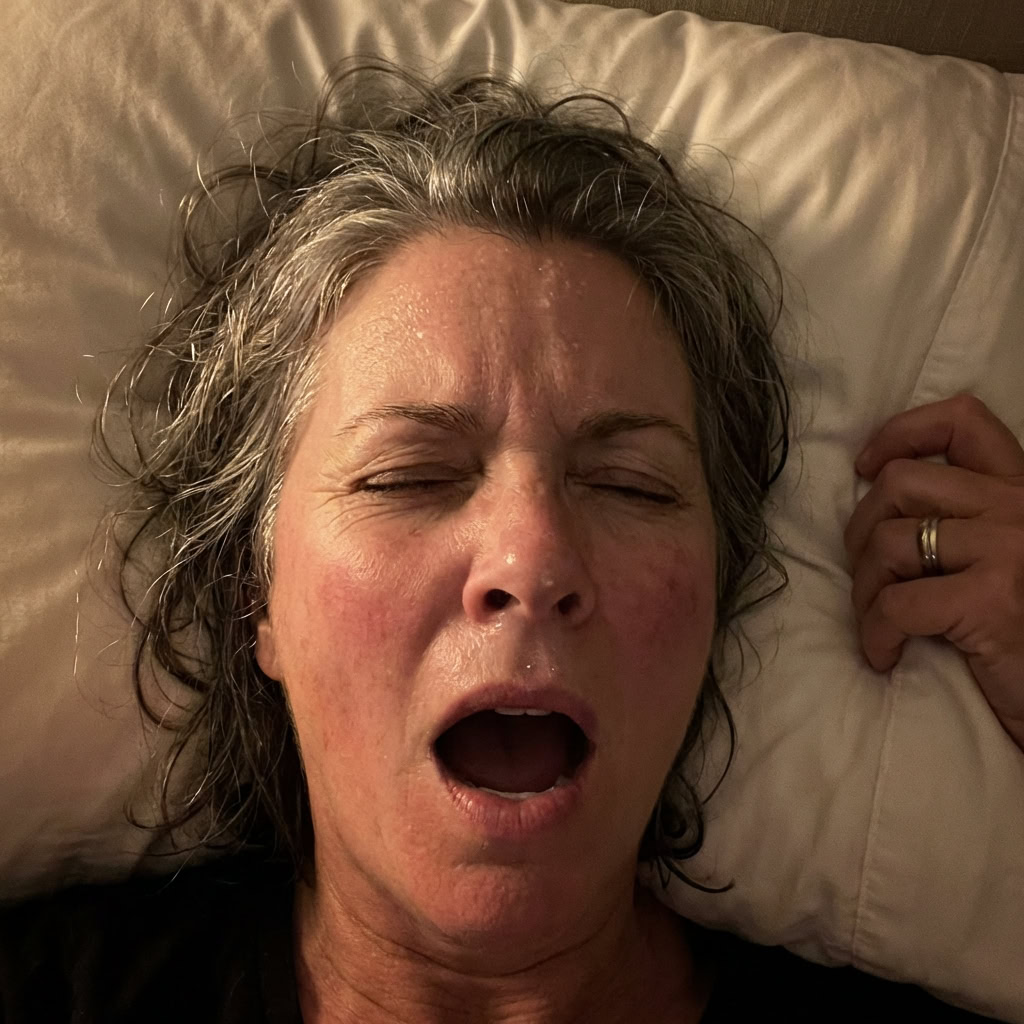
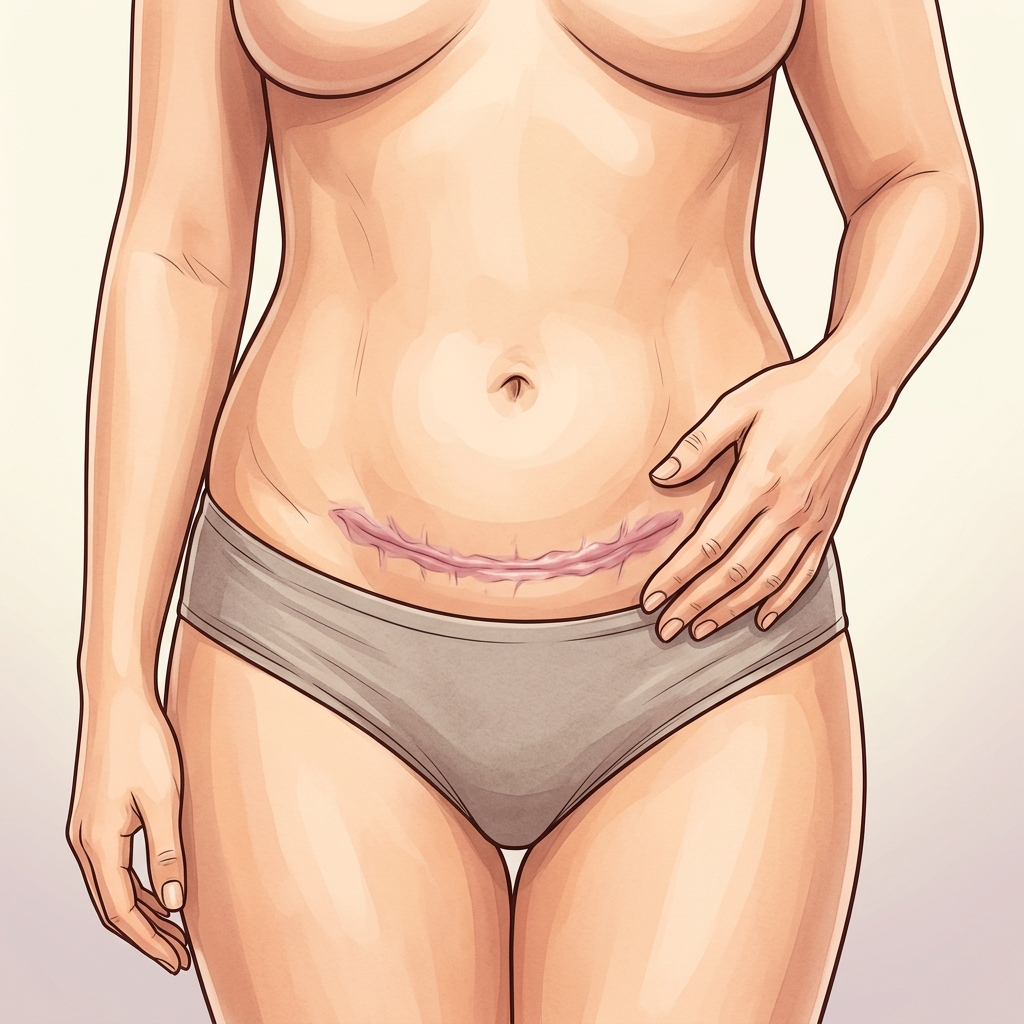
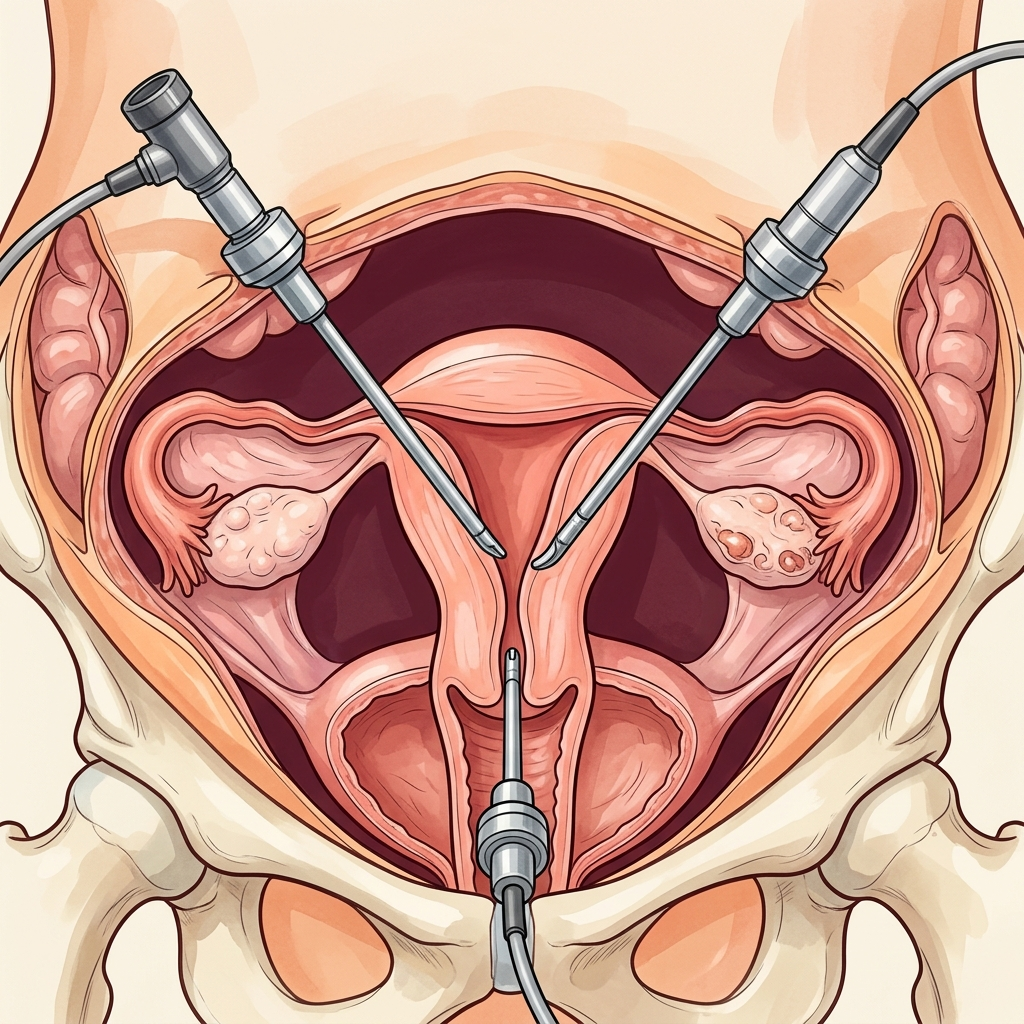
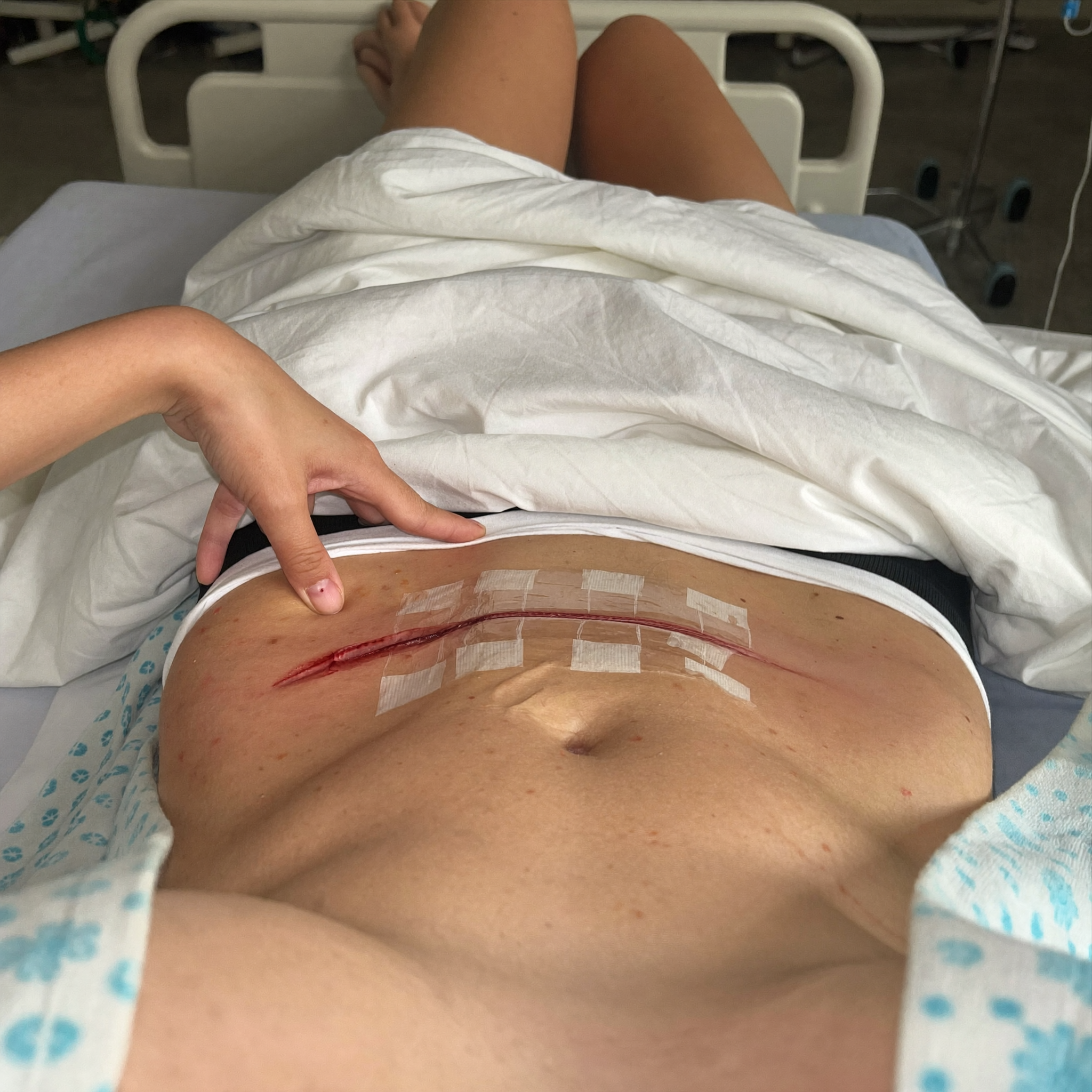
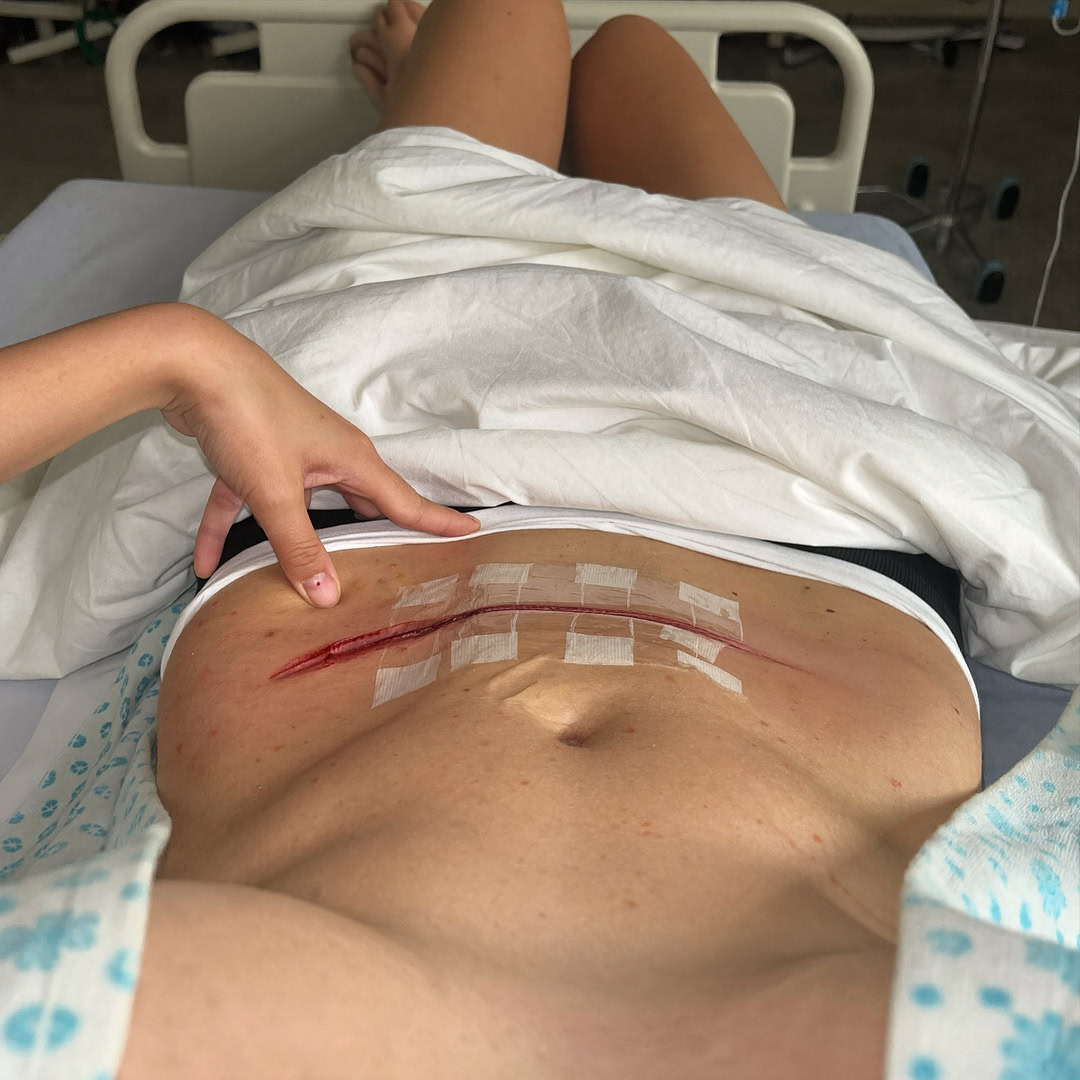
I owe a huge apology to the thousands of hysterectomy patients I treated for a dead libido. For thirty years I had nothing to offer them — but it turns out the answer existed the whole time. I'm Catherine. I'm 54. Thirty years in women's health. And for most of that career, when a woman sat across from me six months, a year, sometimes five years after her hysterectomy and told me she couldn't feel anything for the partner she still loved, I told her what I'd been taught to tell her. The body's been through major surgery. The hormones need to settle. Recovery takes a year, sometimes two. Be patient. I'd nod sympathetically. I'd suggest counselling. I'd suggest date nights. I'd suggest she stop putting so much pressure on herself. And I never lost sleep over it, because I genuinely believed I was giving her the best information available. I was giving her a door that was never the right door. I know that now because two years ago, at 52, I had a full hysterectomy myself. Fibroids. Years of bleeding. Two trips to A&E. My consultant did everything by the book. Uterus, cervix, both ovaries. Ten weeks later I was back at work and in full surgical menopause. I had the prescription pad. I knew exactly what to do. I started myself on HRT immediately — the same oestrogen patch I'd prescribed to hundreds of post-hysterectomy women in my chair. The hot flushes settled. The night sweats stopped. The brain fog lifted. And my libido stayed exactly where it had landed the day they took my ovaries. Nowhere. Not low desire. No desire. Like someone had reached in during the surgery and turned something off, and not a single hormone I put back could find the switch. I gave it three months and doubled the dose. Nothing. I added a testosterone gel, off-label, the way some of my own colleagues quietly do for women like me. Six more months. Still nothing. My husband James never complained. Never made me feel guilty. Never once made me feel like there was a clock running out. Which almost made it harder — because I could see what it was costing him too. The careful way he'd stopped reaching for me. The way he'd learned to occupy his side of the bed without touching mine. The polite distance we'd both built around ourselves without ever once discussing it. We were still in love. But in love the way old friends are. Warmly, safely, without heat. And I sat with the fact that I had textbook hormone levels and was now in the exact chair I'd put all those women in. The advice I'd given them was failing me. So either we were all broken — or the advice had been wrong the whole time. So I started reading. Late nights at my desk, cold tea beside the laptop, the same question on a loop. What are we all missing? I read every study I could find. Until I found a paper from a Japanese brain-and-hormone institute that explained it. When oestrogen drops, it said, the rise in cortisol can shut down a woman's libido even more powerfully than the oestrogen drop itself. I read that line three times. Here is what it explained. When oestrogen drops in menopause, cortisol — your body's stress hormone — surges. And when cortisol stays elevated, your nervous system shifts into a fight-or-flight state. Full survival mode. In survival mode, the body has exactly one job: keep you alive. So it switches off everything it doesn't see as essential. Sleep breaks up. Digestion slows. And desire — which needs a nervous system that feels safe — gets switched off completely. Not because anything is broken. Because the body believes it's under threat. And a body that believes it's fighting for survival cannot want. It can only survive. Not the missing oestrogen. The cortisol. And after surgery it's worse. The oestrogen doesn't drop slowly — it crashes overnight. Your nervous system gets no time to adjust. It gets a cliff edge. And the cortisol surge hits harder, faster, and lasts longer than in any other kind of menopause. That was exactly what had happened to me. My HRT had done everything except the one thing I wanted. It replaced the oestrogen on paper. But did almost nothing for the cortisol storm the surgery had triggered. I'd been treating a hormone deficiency in myself — and in hundreds of women before me. But the real problem was a nervous system locked in survival mode. I closed the laptop and sat in the dark. Every woman I'd told to "give it more time" had been waiting for time to fix a nervous system that time alone was never going to reach. I'd been pointing women at the wrong door for thirty years and calling it patience. So I started looking for a way to bring cortisol down directly. And that's when a colleague changed everything. Dr. Mei-Lin Chen. An integrative women's health specialist I'd known for years. We'd trained together. I respected her, but we'd always worked from different ends of the spectrum. She leaned Eastern. I leaned conventional. I told her what I'd found. The cortisol research. The nervous-system connection. The post-hysterectomy women her kind of work had been helping that mine hadn't. She didn't look surprised. She said, "Catherine, I've been treating this for years with the ancient tradition of Chinese acupressure. Most of my caseload is women in surgical menopause. Gentle, targeted pressure on specific points on the index finger. It brings cortisol down and calms the body out of survival mode. The research on it is stronger than most GPs realise." Then she showed me the studies. Women sleeping again. Women feeling desire they'd written off years before. And one that stayed with me, published in the European Journal of Integrative Medicine: after just four sessions, women experienced up to a 65% increase in libido. I was sceptical. I'll be honest about that. I'd spent my whole career in evidence-based Western medicine. But the research was there. It wasn't fringe. It was consistent. She said, "The problem is access. To do it properly you need regular sessions. Two or three a week." I asked what that costs. She said her patients were paying £150 to £200 a session. Some had been at it for months. That's well over a thousand pounds a month. For most women, simply not realistic. I told her that was the problem — if the mechanism was real but the treatment was out of reach, it didn't help the women who needed it most. She said, "I know. That's why I started recommending something else." A few months later, she sent me a link. "You'll want to see this." That's how I found EverCalm. Hidden inside it are tiny therapeutic magnets, set to sit precisely over the acupressure point on the index finger. They stimulate it continuously — the same targeted effect as a clinical session, except it never stops, and you never take it off. This is magnetotherapy and acupressure working together — the ancient pressure point, held by modern magnets. A magnetic ring, designed to apply gentle, continuous pressure to those same points on the index finger — the points linked to bringing cortisol down and calming the stress response. The magnets sit against those points all day. Every day. Quietly signalling the nervous system that it's safe. That it can come down from survival mode. That it can stop fighting and start feeling again. I looked at her and said, "You're recommending a ring to your patients." She said, "I was sceptical too. I've been wearing one for four months. Try it for a month, then tell me I'm wrong." I ordered it that same evening. I told myself it was for the insomnia — which was true. I hadn't slept properly since the surgery. Week one, my sleep changed straight away. The 3am wake-ups that had become so routine I'd stopped being frustrated by them simply stopped. Week two, the low hum of anxiety I'd carried since the day they took my ovaries — the kind I'd started to mistake for just how I was now — began to ease. James said I seemed lighter one evening. I didn't know how to explain it to him. Week three, we were on the sofa on a Sunday and he sat close, the way he used to before the surgery. Instead of that automatic urge to shift away and create a little distance, I just stayed. I let him be near me. That sounds like such a small thing. It wasn't. Week six, on a completely ordinary Wednesday evening, something that had not happened since before my hysterectomy — more than two years — happened. I cried afterwards. James held me and asked what was wrong. I said nothing. Nothing at all. That's exactly the point. I still see post-hysterectomy patients every day going through this. And I don't tell them to give it more time anymore. I talk to them about cortisol. About what surgical menopause does to the nervous system that natural menopause doesn't. About why their body isn't broken — it's locked in a state that "time" alone was never going to fix. And I recommend EverCalm to the ones who can't get regular acupressure treatment, which is most of them. So this is my apology. To every woman I sent home with "give it more time." It was never time you needed. If you've had a hysterectomy and been told the same thing. If your HRT is doing its job on paper and nothing where it actually matters. If you're lying next to someone you love and can't reach across. Please don't decide it's permanent before you understand what the surgery actually did to your nervous system. Try EverCalm.
Like this ad? Make it yours.
Crush rebuilds this exact creative around your product — your brand, your colors, your offer — in about a minute.