
Inactive· since Mar 5, 2026
- 3
- days it ran
- 0
- relaunches
Ad copy
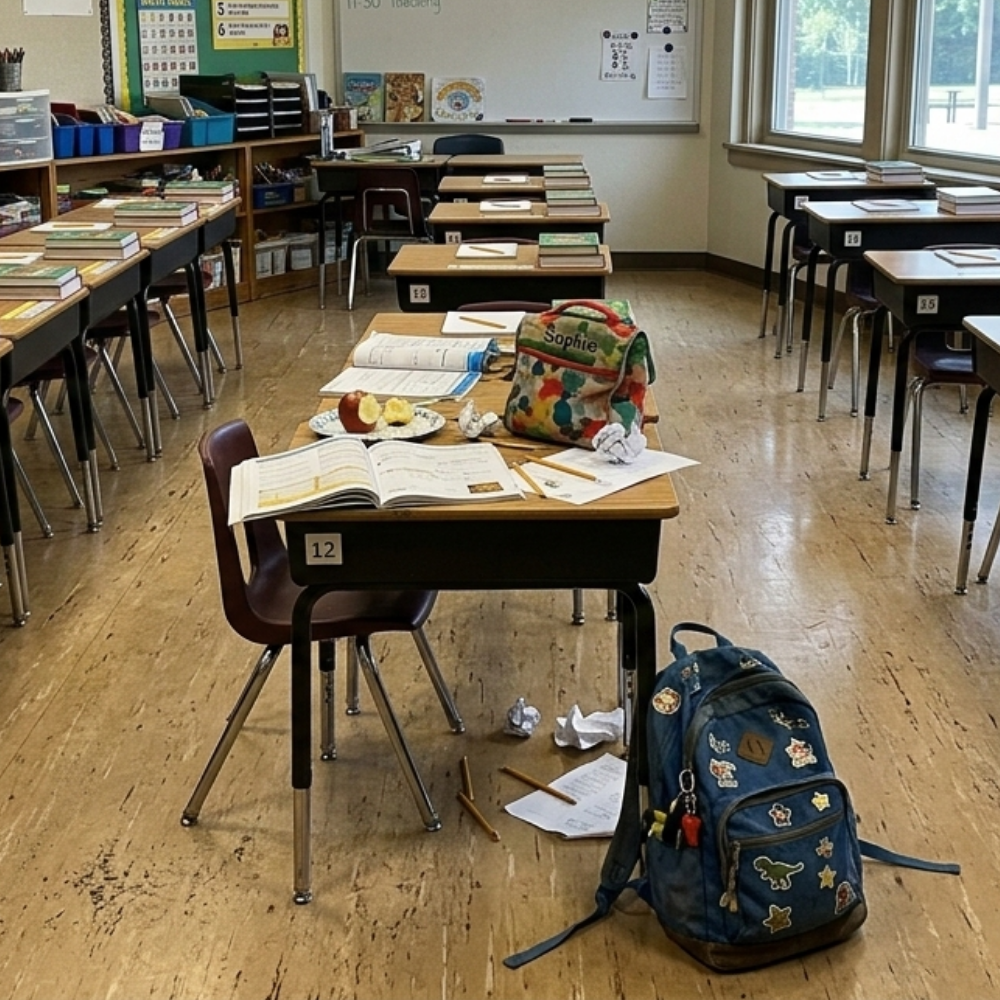
“Dad… do I have a bad brain?” I looked down at the worksheet between us. Three questions unanswered. A pencil chewed almost in half. “What makes you think that?” I asked. He shrugged and kept staring at the table. “I try… but I can’t do it like the other kids.” Then he added quietly: “And you always look frustrated.” The truth? Sometimes I did. Not at him. At the chaos. At the constant struggle. At the feeling that something just wasn’t working — and I didn’t know how to help him. I thought I was doing the right thing. Our mornings were always rushed. Shoes missing. Backpack half-packed. Tears over things that seemed small. At school the feedback was always the same: “He’s very capable.” “But he loses focus.” “If he just tried a little harder…” At home his energy never stopped. One moment he was bouncing from room to room. The next he’d explode over a tiny mistake. And when corrected, he would shut down completely. So I did what most parents do. More reminders. More structure. More pressure. Because I was scared. Scared he was falling behind. Scared that if I didn’t push him now, the world would be even harder on him later. Scared that I had somehow failed to teach him how to focus… how to regulate… how to keep up. So I corrected everything. His tone. His speed. His posture. His mistakes. And without realizing it, I taught him something I never meant to. That learning equals stress. That effort still isn’t enough. That his brain is the problem. The night he asked if he had a bad brain, I couldn’t sleep. So I started searching. “Why does my child try so hard but still struggle?” What I found surprised me. ADHD isn’t a motivation problem. It’s not a respect problem either. It’s a nervous system problem. One parent wrote something that stuck with me: “I stopped asking why my son wouldn’t focus… …and started asking what was overwhelming him.” That shift changed everything. He mentioned an ADHD parenting app — something that helps you understand how ADHD shows up in everyday situations. So I tried it. The app didn’t focus on punishment or screen limits. It explained things like: • emotional overload • time blindness • sensory pressure Suddenly, things started making sense. Why homework overwhelmed him so quickly. Why mornings felt impossible. Why pressure made him freeze instead of focus. He wasn’t ignoring me. He was overwhelmed. ADHD wasn’t blocking his potential. The way I was responding to it was. The first week I simply watched. When his energy spiked. When instructions stacked too fast. When correction shut him down instantly. The second week I changed a few things. Shorter instructions. Movement breaks. Less talking — clearer steps. Homework that used to take an hour suddenly took thirty minutes. Then something small happened that felt huge. He got stuck on a question. Normally he would crumple the page or quit. This time he said: “Can I take a break and try again in a minute?” A month later his teacher emailed me. “He’s still energetic,” she wrote. “But he’s much more confident now. He doesn’t shut down anymore.” Last night we were back at the table again. Same type of worksheet. Same kid. But completely different energy. He looked up and said: “Dad… I think I’m actually good at this.” “Just differently.” And this time, I didn’t correct him. Because he was right. What helped us is this ADHD parenting app. It’s not about fixing kids. It’s about teaching parents how to work with an ADHD brain instead of against it. Short daily guidance. Clear explanations. Practical tools you can use the same day. About fifteen minutes a day. My child didn’t change overnight. But the way I understood him did. And that changed everything. Take the quiz. Three minutes. It might be the moment you stop pushing your child toward success… …and start guiding them there the way their brain actually needs.
Like this ad? Make it yours.
Crush rebuilds this exact creative around your product — your brand, your colors, your offer — in about a minute.