
Inactive· since Mar 27, 2026
- 40
- days it ran
- 0
- relaunches
Ad copy
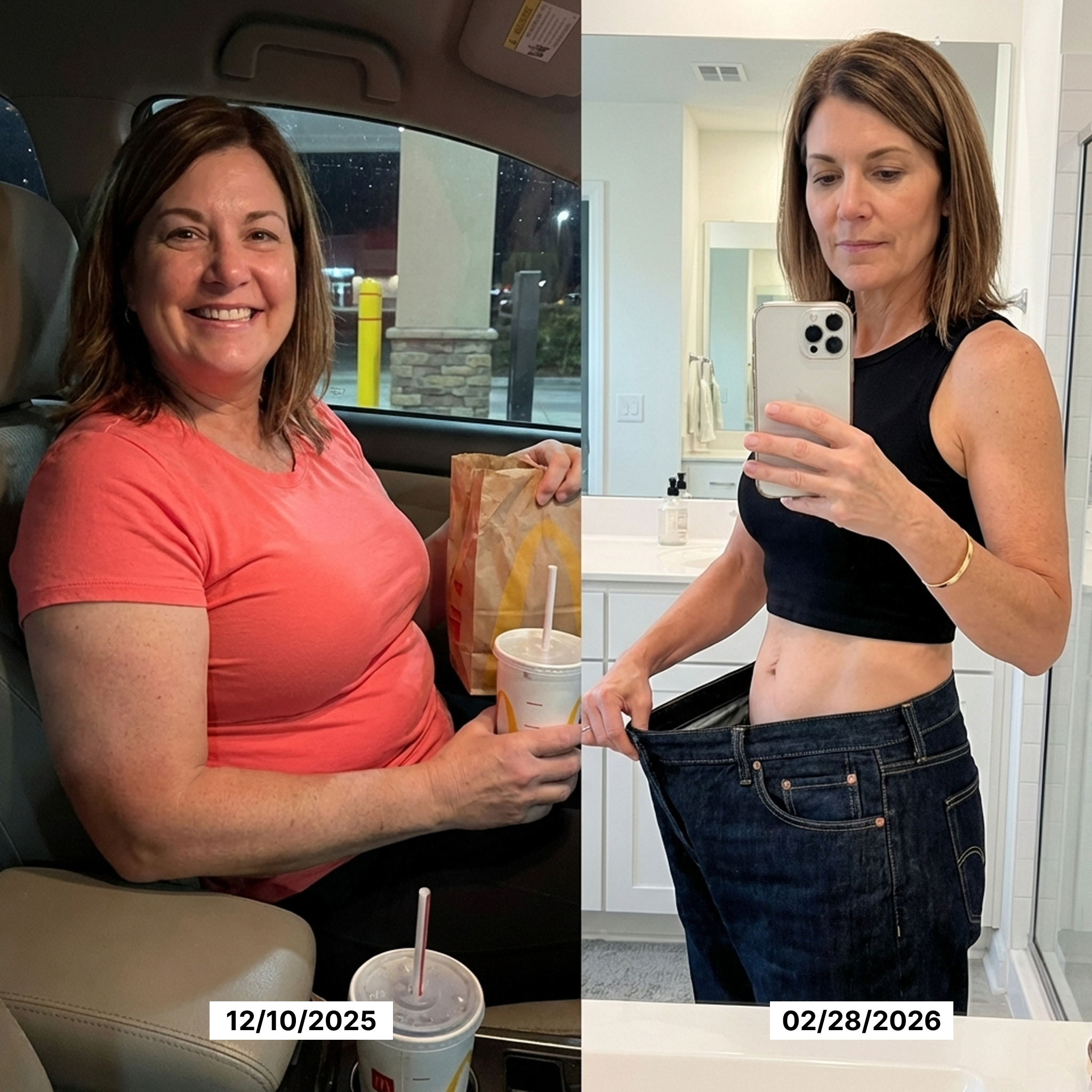
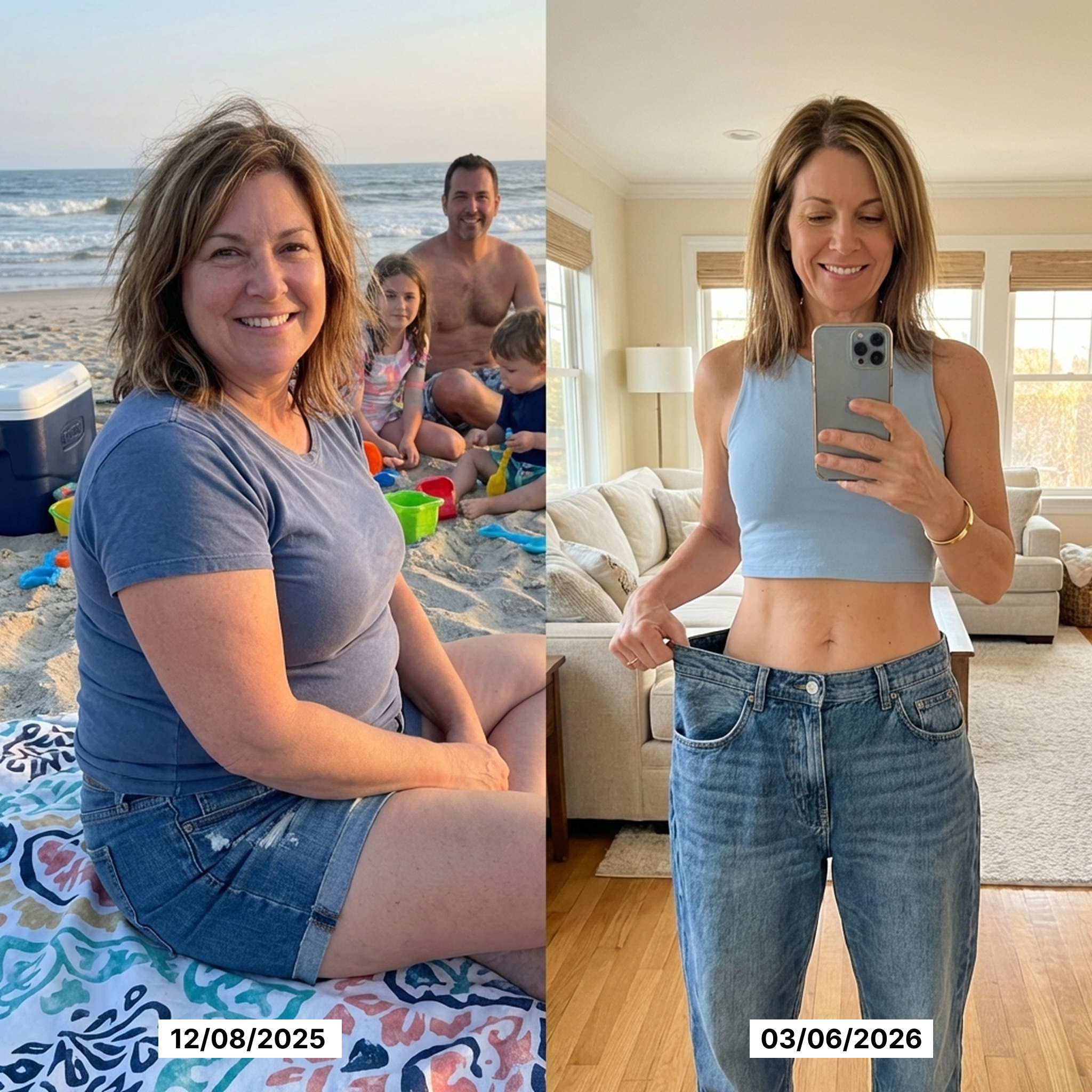
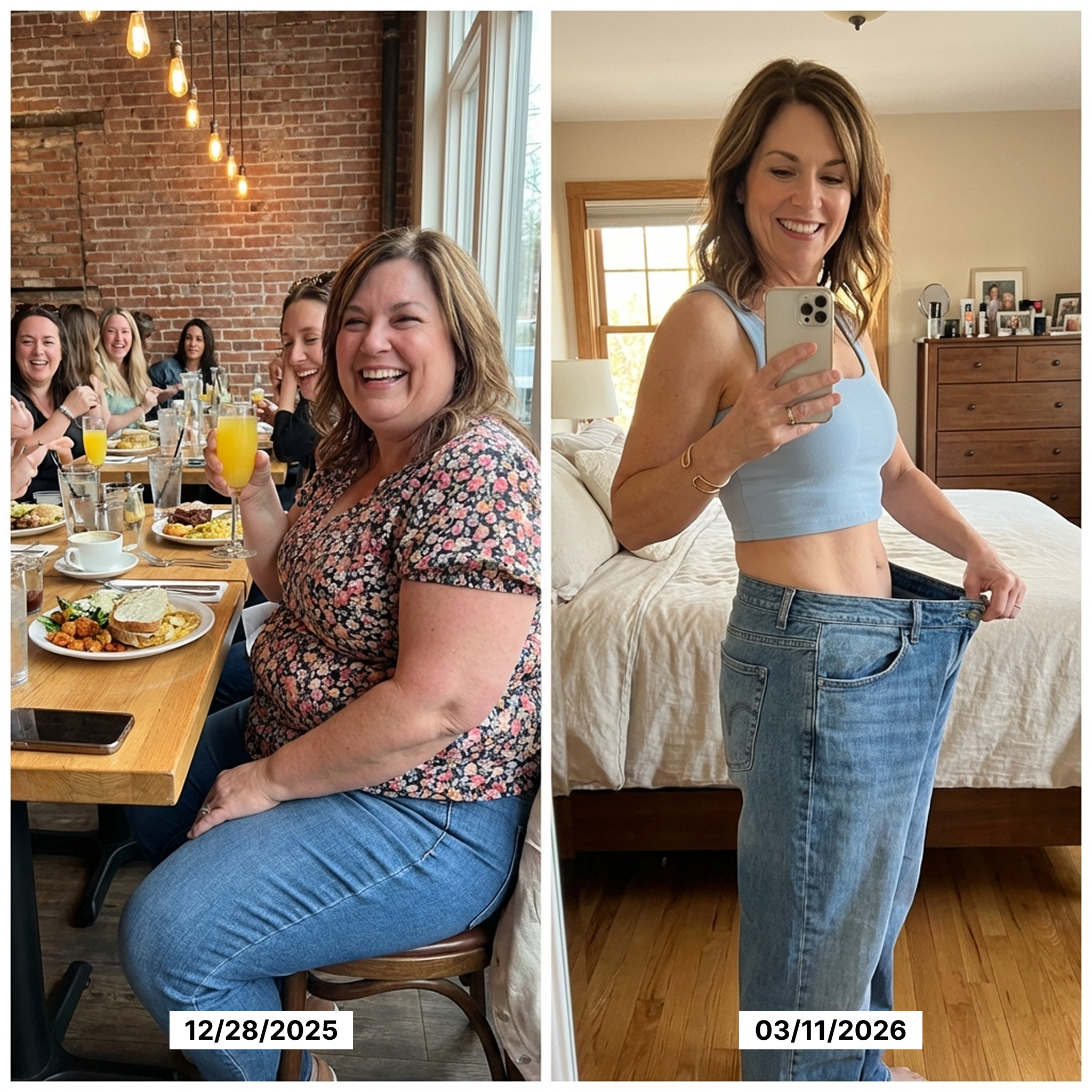
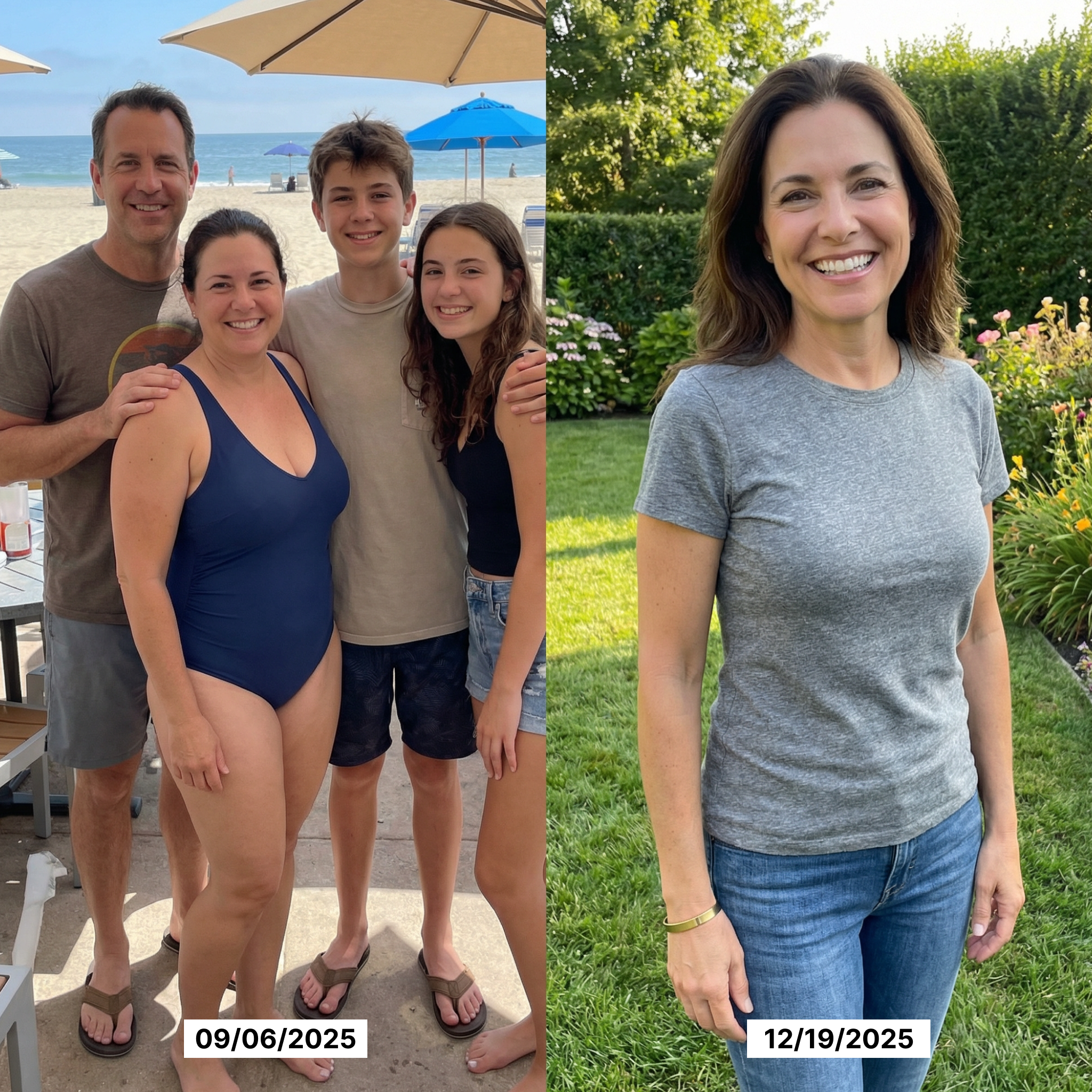
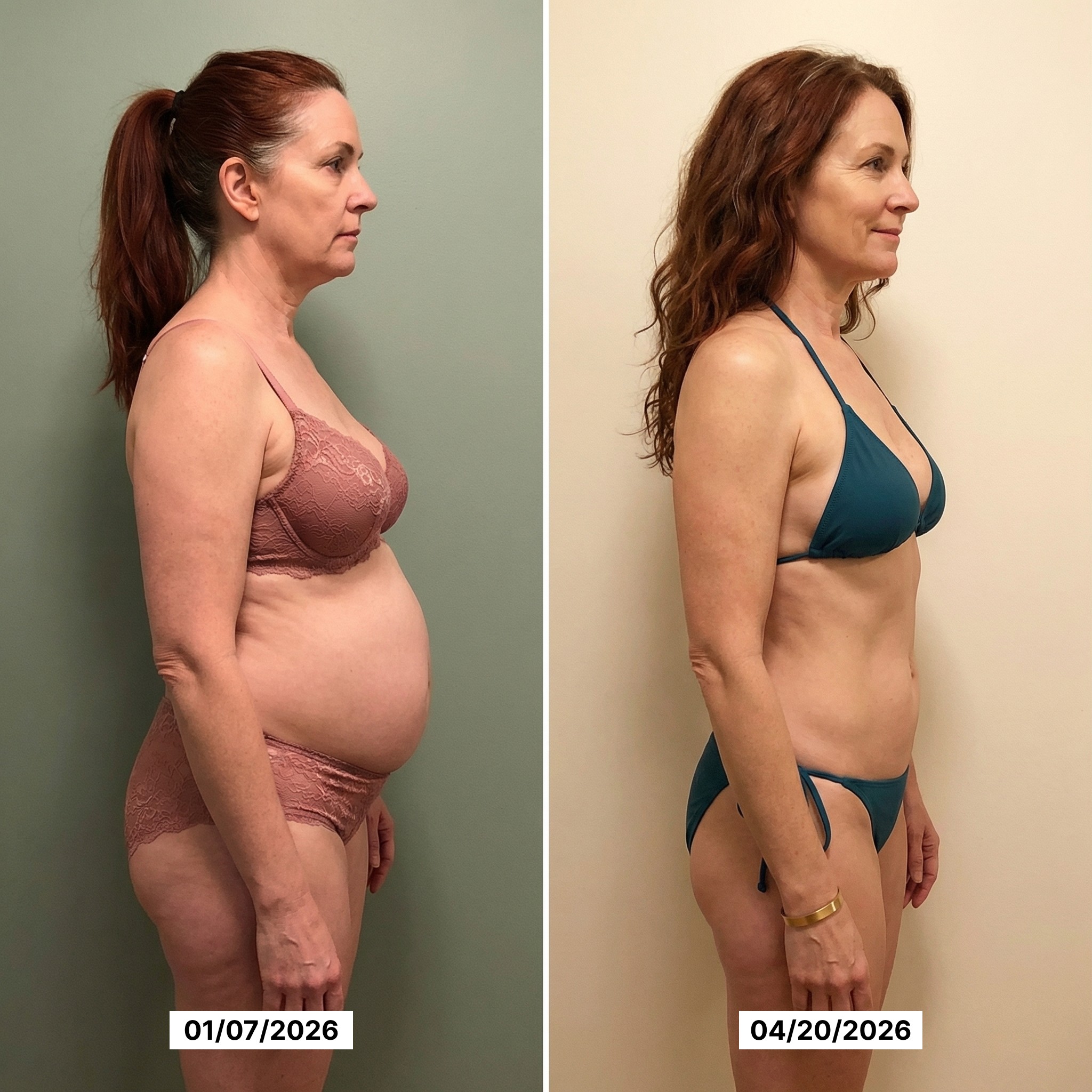
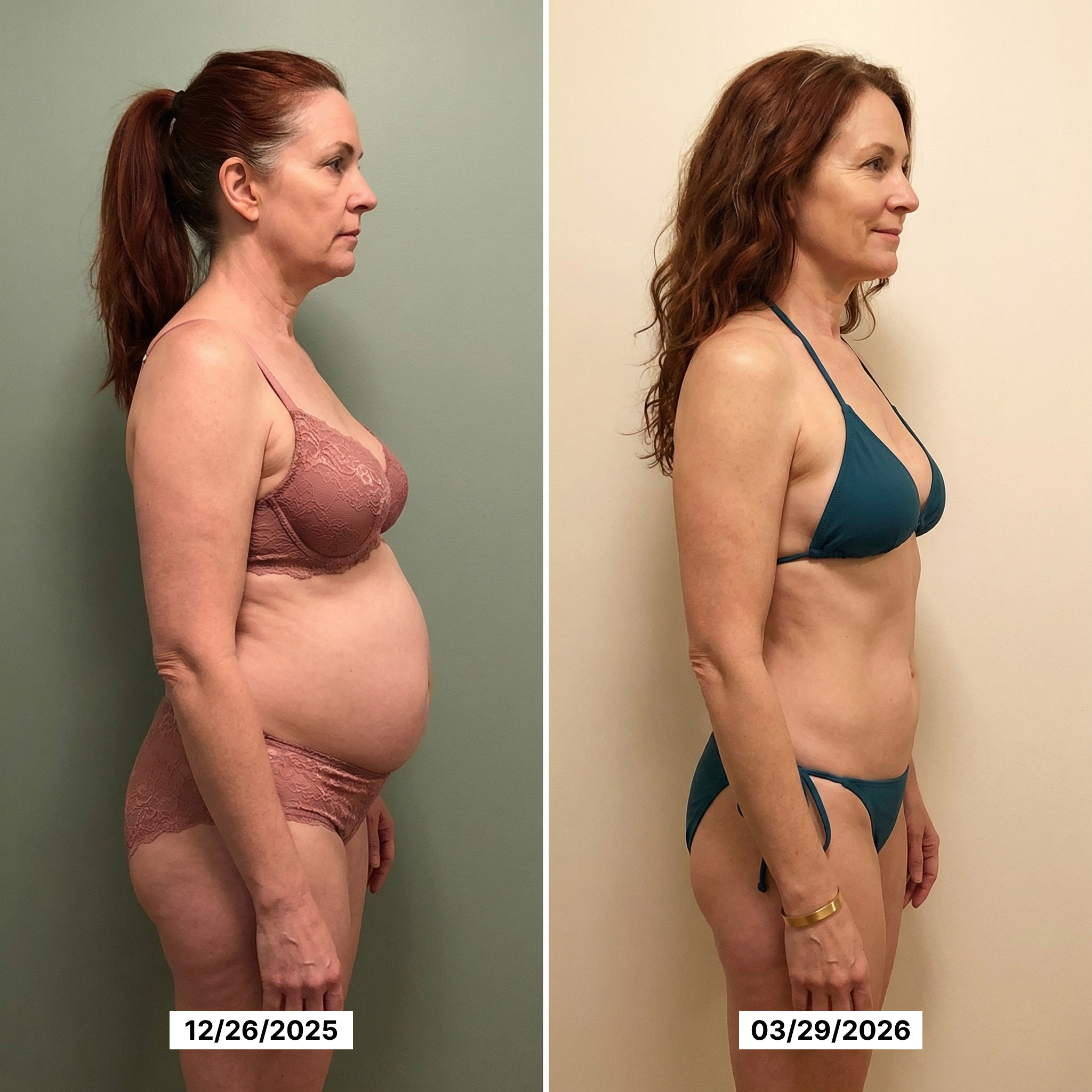
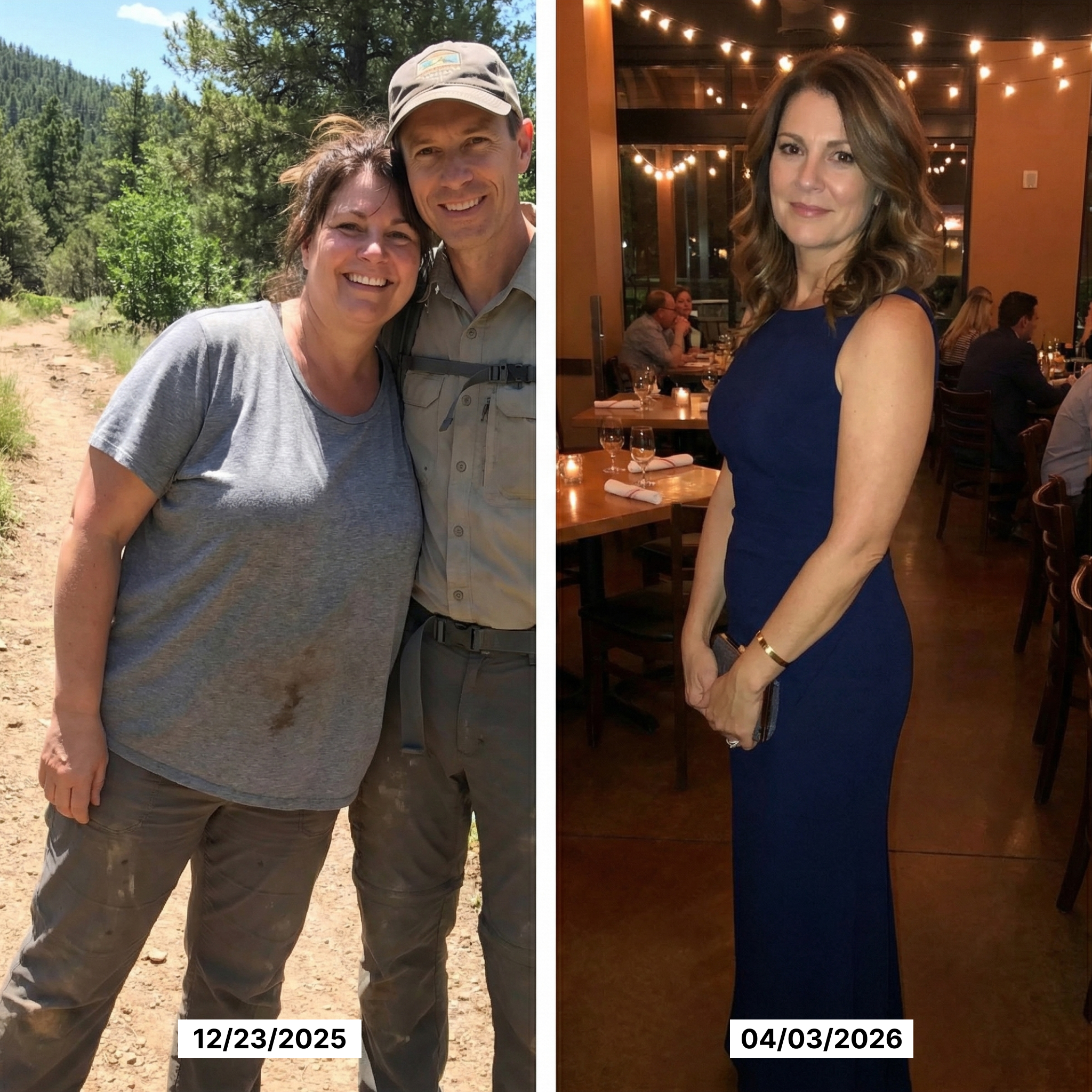
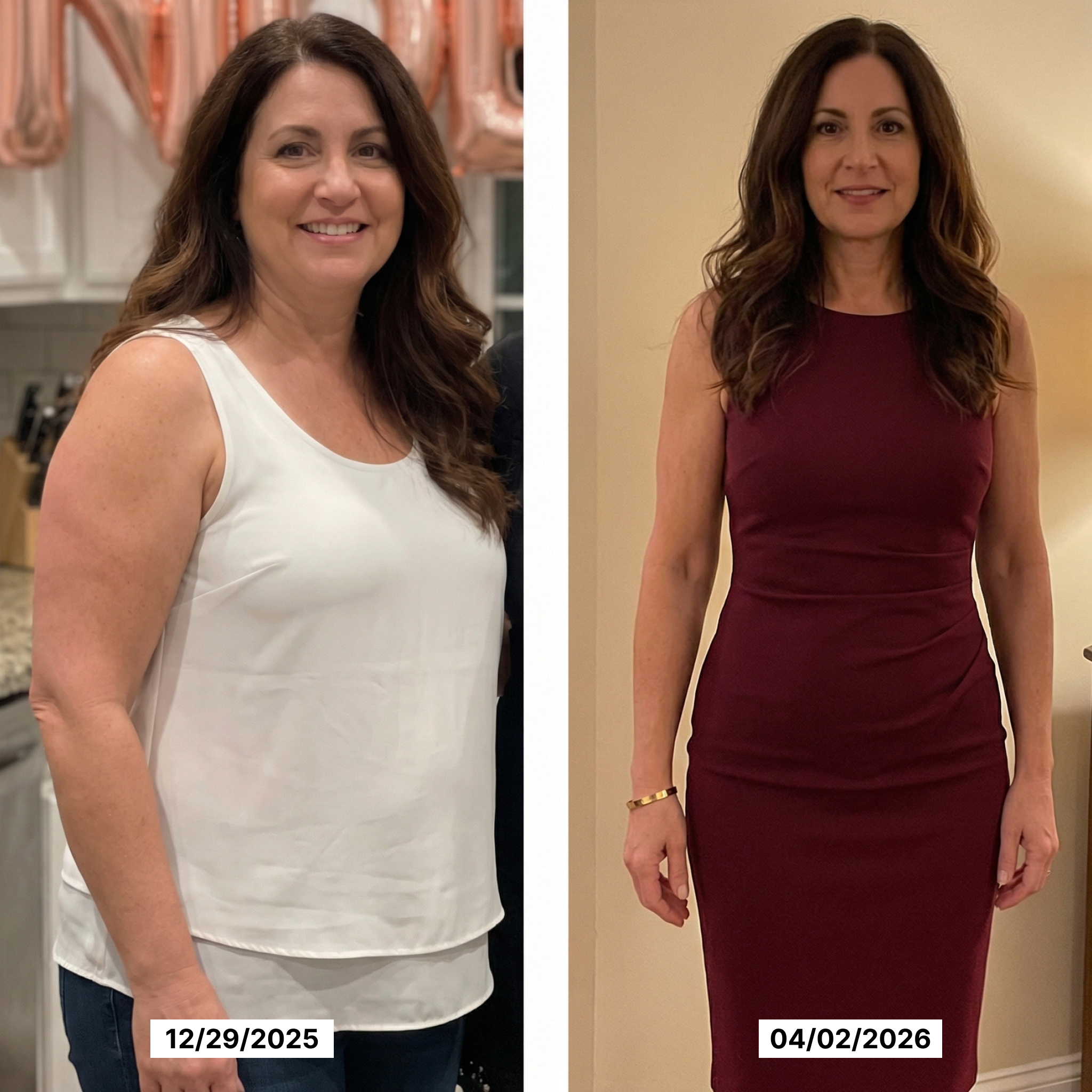
My mother died at 62 from a heart attack caused by visceral fat. My doctor told me I was heading down the same path. After that appointment, I lost 59% of my visceral fat in 7 weeks. My visceral fat had dropped from 192 cm2 to 79 cm2. I'm a hospice nurse. I've been caring for patients in the last weeks of their lives for 27 years. Dr. Anthony Russo has been my internist for eleven years. I'm 54 now. He knew my mother. He treated her for metabolic syndrome for the last eight years of her life. He watched her die from what he couldn't reverse. And now he was watching the same thing happen to me. At a routine follow-up, he ordered an abdominal CT to measure visceral fat. He pulled up the images. Then he pulled up my scan from five months earlier. He took his glasses off and set them on the desk. "Your visceral fat went from 192 cm2 to 79 cm2. That's a 59% reduction in seven weeks. Without surgery. Without GLP-1. Without any change I made to your treatment. I need to understand what happened." I told him nothing had changed medically. He looked at the dates on both scans. "Seven weeks. I've never seen a reduction this aggressive in any timeframe, let alone seven weeks." Then he pulled up another file. "Your mother was at 178 when she had her heart attack. I couldn't get her below 160 with everything I had. You just went from worse than her to normal range." The Meno Belly My Mother Died From I hold people's hands while they die. That's not the whole job, but it's the part that stays with you. You manage pain. You titrate morphine. You keep families informed. You sit with women in their last hours and make sure they're not alone. I know that visceral fat is the most dangerous fat in the body, it wraps around organs, releases inflammatory cytokines, drives insulin resistance, causes heart attacks. I know it because I've read it on death certificates. Cause of death: acute myocardial infarction. Contributing factors: visceral obesity, metabolic syndrome, hypertensive cardiovascular disease. My mother's death certificate said exactly that. She was 62. She'd carried that belly for fifteen years. She'd tried everything. Diets, programs, supplements, medication. Her doctor, Dr. Russo, the same man who now treats me, told her for years that her visceral fat was going to kill her if she didn't reverse it. She couldn't reverse it. Not because she didn't try. Because nothing she tried reached what was actually driving it. I was at her bedside when she coded. I wasn't her hospice nurse. I was her daughter. But I'd sat at enough bedsides to know what was happening. I held her hand and I knew. Between 44 and 54, I gained 34 pounds. All of it went to my midsection. My waist went from 27 inches to 40 inches. Every home visit, I'd help a dying patient shift in bed and feel my own belly press against the mattress rail. The same belly my mother had. The same shape. The same hard visceral distension that I watched grow on her body for fifteen years before it stopped her heart. I've been present for over a thousand deaths. But the only one I carry every day is hers. The Numbers That Matched My Mother's File My last full workup before the bracelet: Visceral fat: 192 cm2 (high risk is >100 cm2) Waist-to-hip ratio: 0.96 (high risk is >0.85) Fasting glucose: 122 (prediabetic) Triglycerides: 234 (elevated) Blood pressure: 146/92 (stage 2 hypertension) Homocysteine: 16.4 umol/L (elevated cardiovascular risk marker) My mother: visceral fat 178 cm2 at her last scan before the heart attack. Fasting glucose 126. Triglycerides 241. Blood pressure 150/94. My numbers were worse than hers. Dr. Russo didn't need to tell me that. I'd pulled her records after she died. I'd sat in his waiting room with her chart on my phone and compared every line to my own labs. Number by number. My mother was 62 when she died. I was 54 with worse numbers. The math was simple. The Appointment That Ended My Denial Dr. Russo had been waiting for me to hear it. I could tell by the way he closed the door and sat down without opening my chart. "Patricia, I need to talk to you about your mother." I told him I didn't want to talk about my mother at a medical appointment. "I know. But I have to. Because I treated your mother for eight years. I tried everything in my power. Statins, metformin, GLP-1, lifestyle programs, supervised exercise. I moved her numbers a little. I never moved them enough. And she died in front of her daughter from exactly what I told her would kill her." He paused. "You are on the same path. Your visceral fat is at 192. Your mother's was 178 when she died. You are already past where she was. I am watching the same thing happen twice and I refuse to be the doctor who loses the daughter after losing the mother." I've held the hands of hundreds of dying patients. I've comforted families in the worst moment of their lives. I've never once cried at work. I cried in that office. Because he wasn't wrong. And I'd known it since the day I compared our labs. The $4,080 I Spent Walking the Same Road She Did I tried everything he prescribed. The same protocol he'd tried on my mother: Cardiac rehab visceral fat reduction program ($1,300 for 16 weeks) that helped marginally but didn't eliminate the risk. Prescription omega-3s, berberine, and methylfolate ($740 over 8 months) that shifted my markers slightly. Anti-inflammatory meal delivery program ($1,400 for 16 weeks) specifically designed for visceral fat. Supervised metabolic conditioning ($640 for 18 sessions) targeting abdominal fat reduction. My waist went from 40 inches to 38 inches. Visceral fat from 192 to 176 cm2. The same marginal improvement he'd gotten with my mother. I could feel the same trajectory. The same ceiling. The same slow failure. It had been four months since Dr. Russo compared my labs to my mother's. I'd spent $4,080 following the same protocol he'd tried on her. And I was getting the same results she did. That's when I stopped following her path. Dr. Russo started the conversation about bariatric surgery. I told him my mother had been too afraid to go through with it. He said he remembered. What a Patient's Daughter Told Me at the Bedside Then the Whitaker family changed everything. I was providing end-of-life care for Harold Whitaker, 81 years old. Congestive heart failure. His daughter Ruth was there every day. She was 66. Ruth was not what I expected. She had the same facial structure as her father, the same build through the shoulders. But where Harold carried his weight in his abdomen, Ruth was trim around the middle. Alert. Strong. On my third visit, while I was adjusting Harold's medication, Ruth said to me: "My doctor told me four years ago I was going the same way as Dad. Same visceral fat. Same metabolic syndrome. Same belly." She looked at her father. "I watched what this disease did to him for twenty years. I wasn't going to let it do the same thing to me." She pulled a bracelet off her wrist. "My neighbor's acupuncturist in Albuquerque suggested this. I wore it every day for a year. My visceral fat went from 144 cm2 to 82 cm2. A 43% drop. My doctor said I'd changed my trajectory entirely." I looked at Ruth. She was 66 and heading in a different direction than her father. She'd broken the family pattern. "How much was it?" "$65. That's less than what Dad spends on one day of the medications that are keeping him comfortable right now. I'd rather spend $65 and not end up in this bed." I went to my car after that visit and sat in the driveway for twenty minutes. I sat there and realized I was choosing to become my mother. My 7-Week Transformation As a hospice nurse trained in palliative care, I tracked every change: Week 1-2: Sleep quality improved noticeably. That deep heaviness across my midsection started to dissolve. Morning bloating went down. Waist: 37.5 inches. Week 3-4: Post-meal belly distension nearly gone. Inflammatory joint aches faded. Lost 15 pounds. Waist: 34 inches. Week 5-6: Belly visibly smaller. Could bend down to adjust patients' beds without bracing myself against the footboard. Lost 13 pounds. Waist: 30 inches. Week 7: Abdomen soft instead of hard and distended. Moving through home visits with energy I hadn't felt since my early 40s. Lost 6 pounds. Waist: 28 inches. Total: 34 pounds lost. 12 inches off my waist. That's when Dr. Russo ran the scan that changed everything. The Scan That Made My Mother's Doctor Go Silent When I showed Dr. Russo the bracelet, he held it in both hands and didn't say anything. "Walk me through the mechanism." I explained: "Chronic stress keeps the autonomic nervous system in sympathetic overdrive. Elevated cortisol drives visceral fat storage around organs. When you regulate the nervous system, cortisol normalizes. The body releases the stored visceral fat." He pulled up my CT results. Visceral fat: 79 cm2. Down from 192 cm2. A 59% reduction. Deep into the normal range. He pulled up my mother's last scan on a separate screen. Her visceral fat at 178. Mine at 79. He looked at both scans for a long time. "Patricia, your mother was at 178 when I lost her. I tried for eight years. I couldn't get her below 160. You were at 192, worse than she ever was. And you just reached 79. Without a single thing I prescribed." He pulled up my full labs: Fasting glucose: 122 -> 80 Triglycerides: 234 -> 114 Blood pressure: 146/92 -> 116/70 Waist-to-hip ratio: 0.96 -> 0.74 Homocysteine: 16.4 -> 8.2 "You broke your mother's pattern. You eliminated the cardiac risk that killed her, by addressing your nervous system." He was quiet for a moment. Then he said: "I wish I'd known about this eight years ago." I knew what he meant. He meant for her. Ten Weeks Later Dr. Russo now recommends it to patients with central obesity and family history of cardiac death before escalating to surgical referral. Six patients have seen 35-55% visceral fat reductions in 8-16 weeks. I've recommended it to five hospice nursing colleagues with meno belly. Four are reporting measurable waist reduction and improved labs. Last month, Dr. Russo presented my case at the regional palliative care conference: "Breaking Generational Cardiac Risk Through Autonomic Nervous System Regulation: A Mother-Daughter Case Study." The Professional Truth Here's what 27 years caring for the dying taught me: You can't crunch away visceral fat. You can't diet away belly fat driven by chronic cortisol. We can medicate metabolic syndrome, metformin, statins, GLP-1s. But if chronic stress is driving visceral fat accumulation, we're treating symptoms. For most menopausal women, the dangerous belly fat is a problem of a dysregulated nervous system pumping cortisol 24/7. That cortisol drives fat straight to your abdomen, around your organs, creating cardiac risk. Fix the nervous system. The belly fat releases. For me and my patients, that started with a $65 bracelet that did what no medication had: calmed the stress response driving the visceral fat. I'm still a hospice nurse. I still hold hands in the final hours. But now I understand: you can't out-medicate a stress-driven meno belly. 👉 If you have visceral belly fat that won't respond to diet or exercise, if you want to address the cortisol driving dangerous fat accumulation... Click below to discover the Kalm Bracelet. Just $64.90 at the official store. Wear it consistently and measure your waist every 2 weeks for 16 weeks. https://mykalm.co/original-bracelet
Reduces menopause symptoms naturally
Don't miss out! Get TWO original Kalm Bracelet for the price of ONE. These are our largest discounts of the year. and supplies are running low. Secure yours now while they last!
LEARN MORELike this ad? Make it yours.
Crush rebuilds this exact creative around your product — your brand, your colors, your offer — in about a minute.