Barbara Carter
Barbara Carter Facebook ad: “What your orthopedic surgeon isn't telling you about bone…”
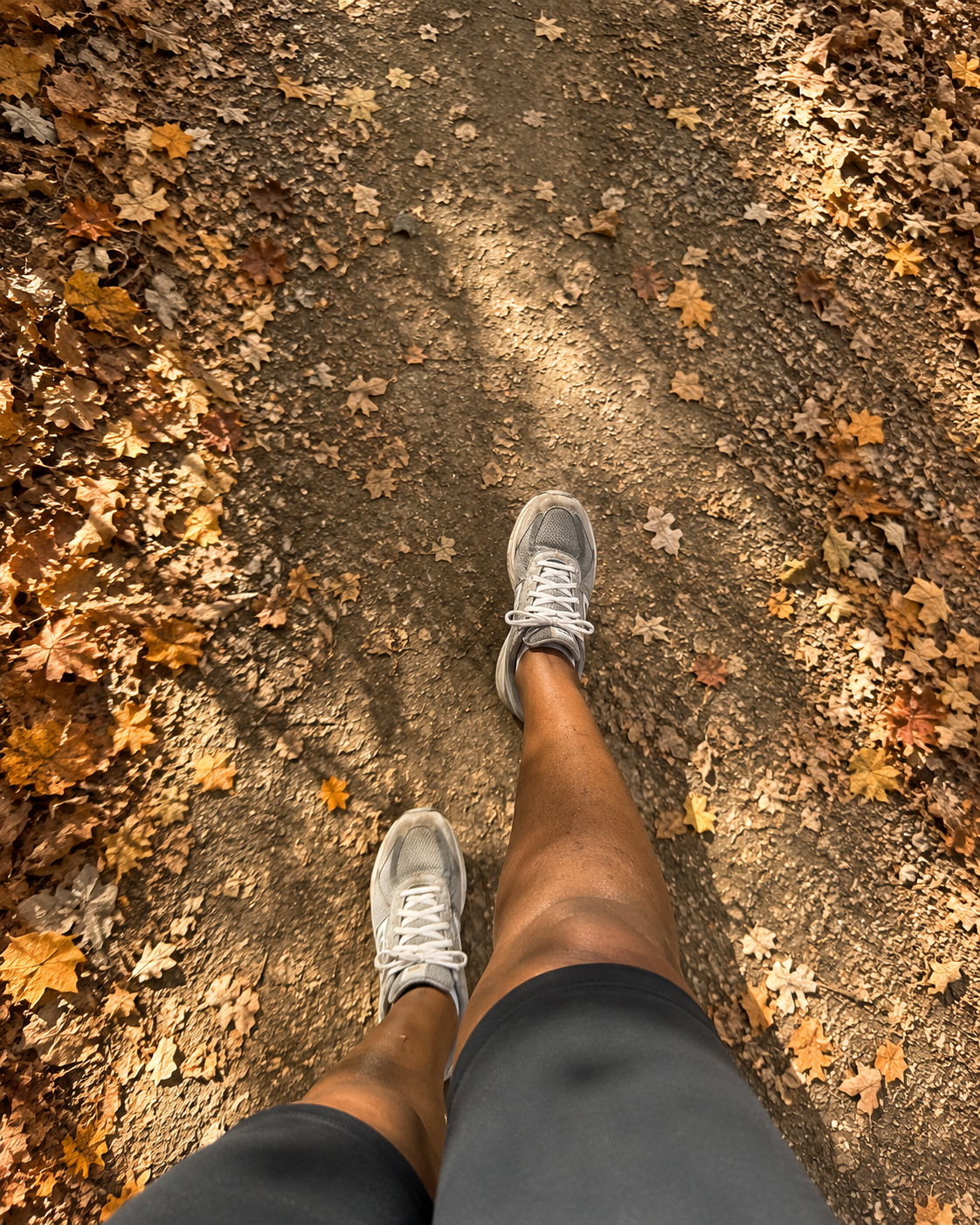
Ran for 35 days, from June 8 to July 12, 2026, the last day Crush saw it.
Run by Barbara Carter on Facebook. Crush is not the advertiser and does not verify its claims. See this ad in Meta's Ad Library(opens in a new tab)
Want an ad like this for your product?
Crush makes new ad images for your product from this ad: your logo, your product photo, your offer.
Trials from $19.95 USD, then $79.95 USD a month. Cancel anytime.
About this ad
- Meta Ad Library ID
- 1479798316669372
- Platforms
- Facebook, Instagram, Audience Network, Messenger and Threads
- Relaunches
- 0
Ad text
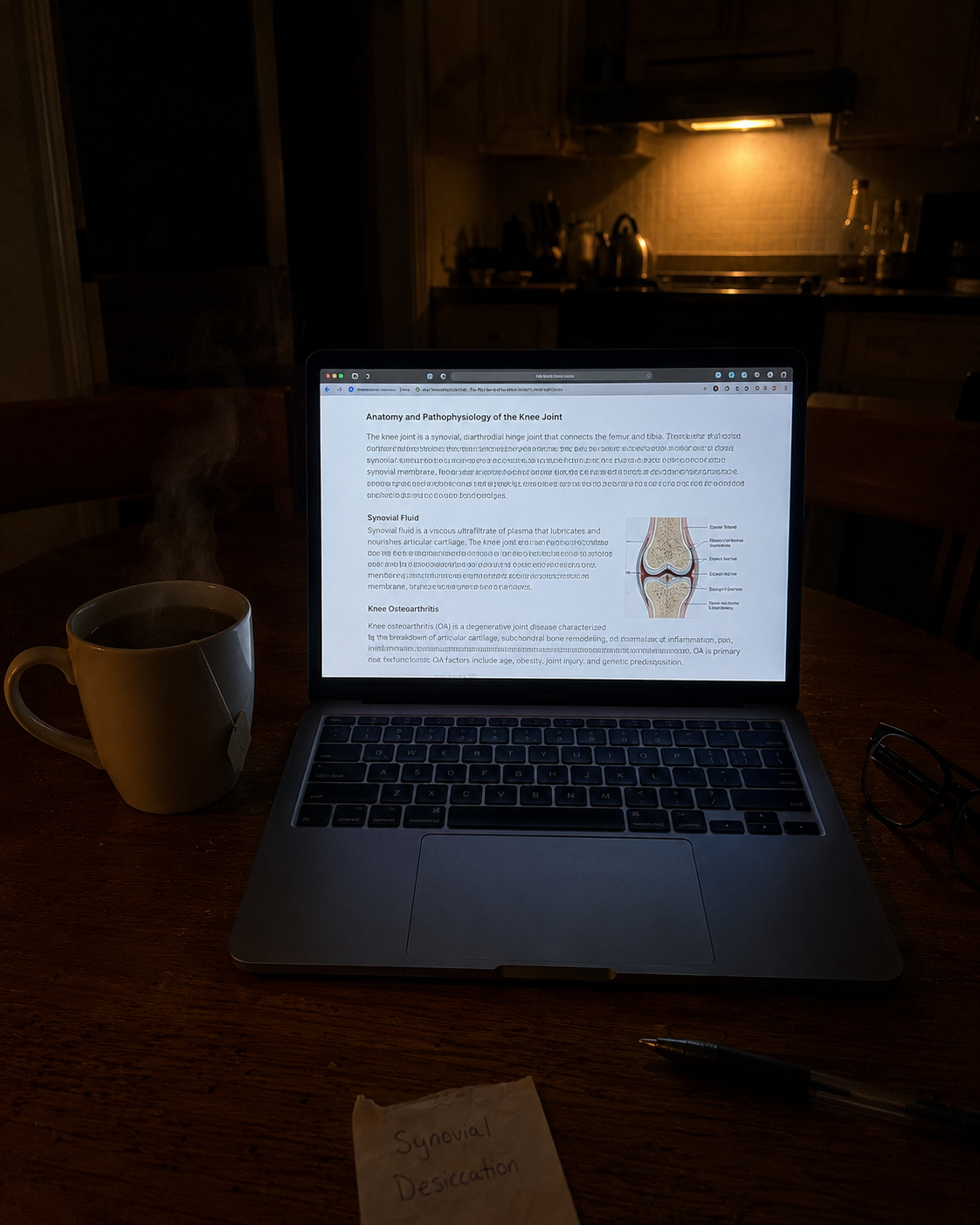
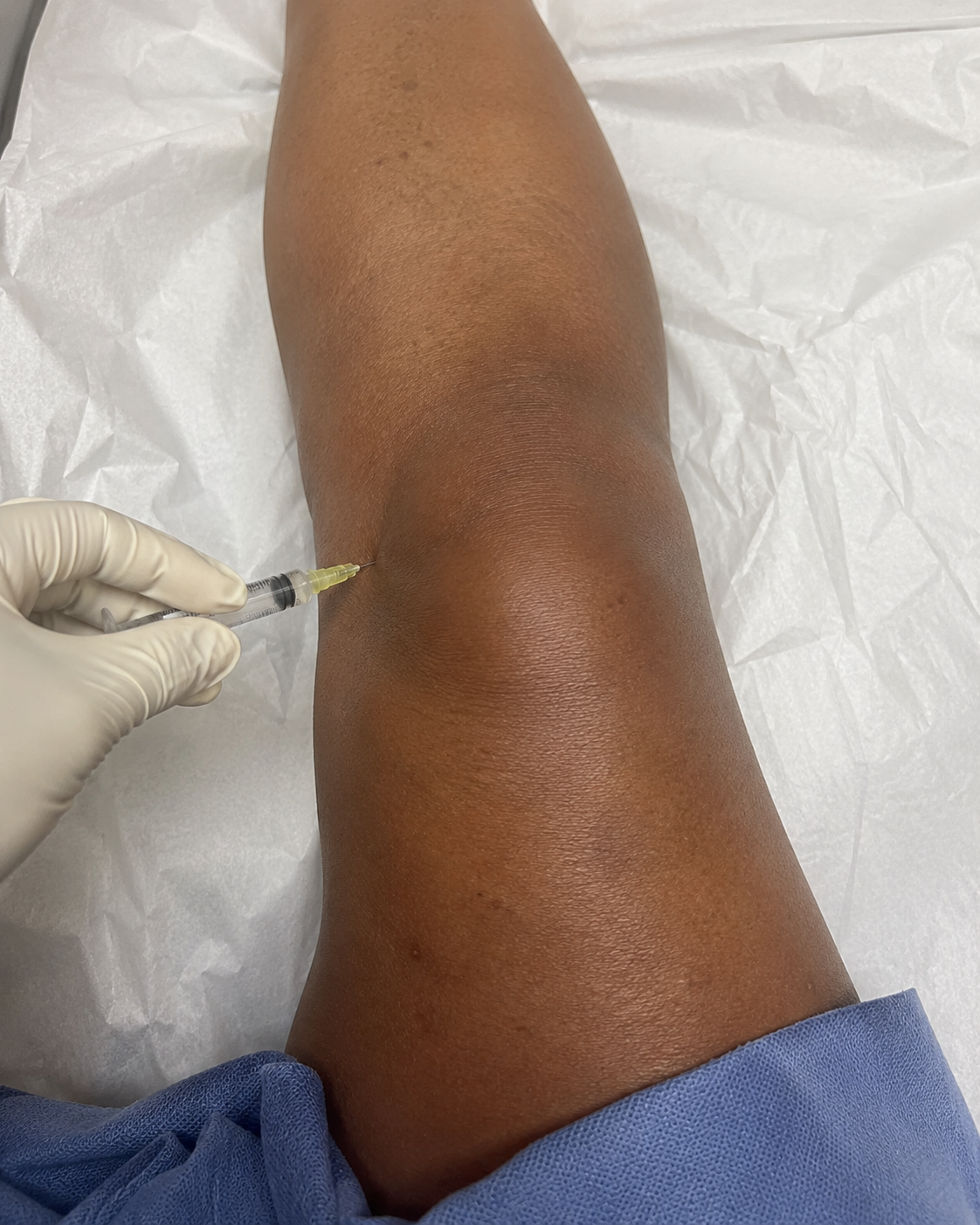
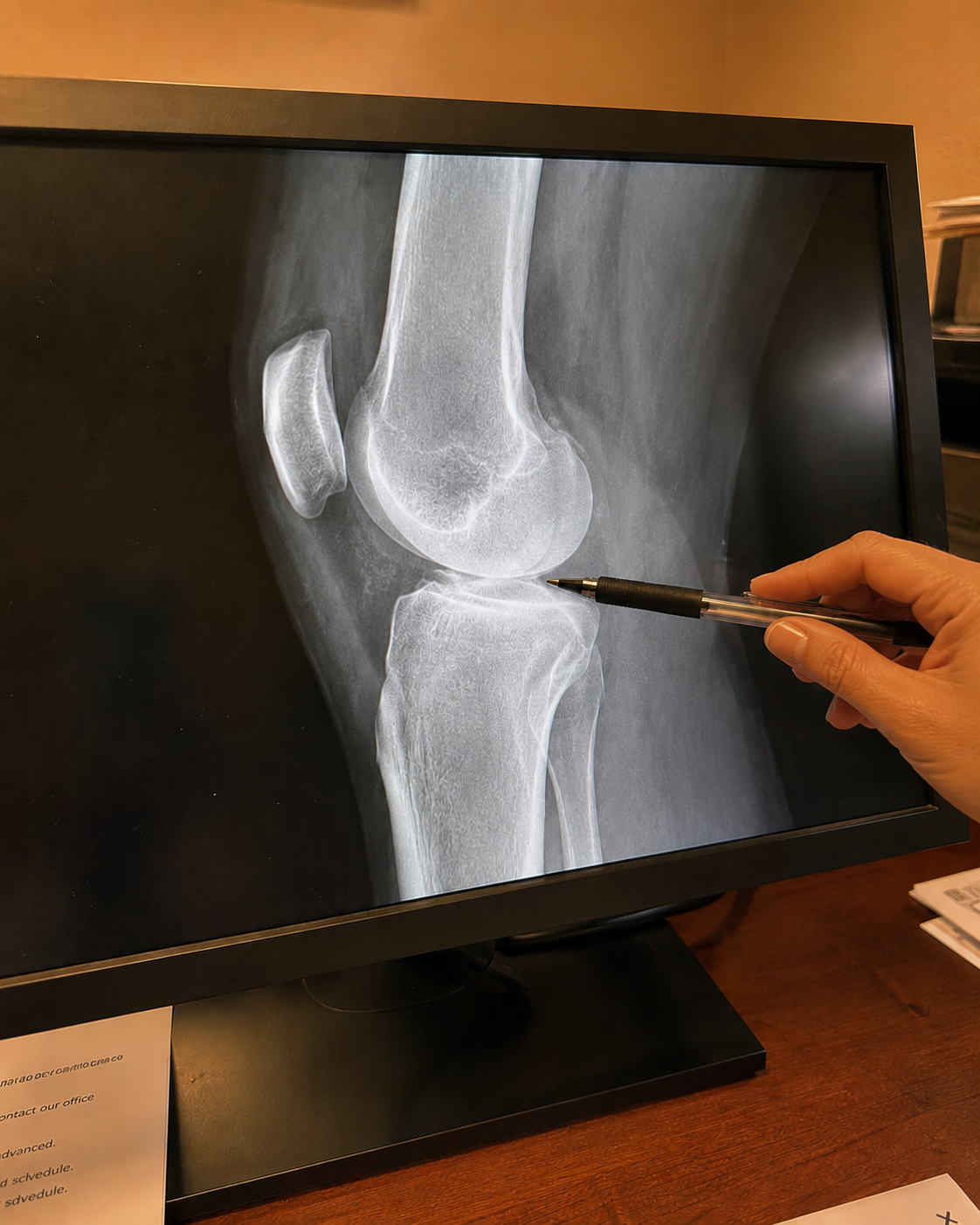
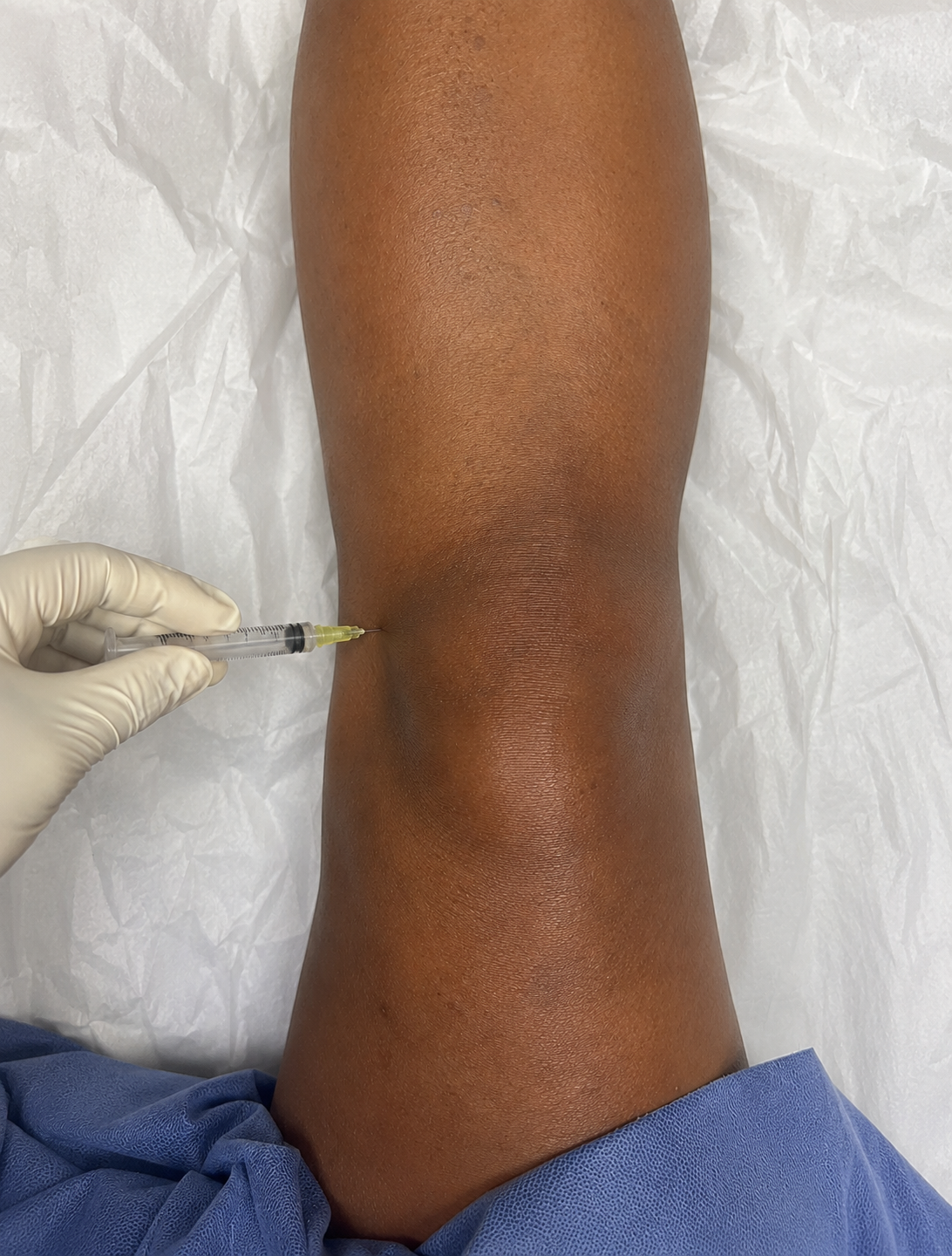
I was three days away from a knee replacement when I read something at 11 PM that made me question every single thing my orthopedic surgeon had told me for two years. I want to tell you what I read. But first I need to tell you about the consent forms. There were eleven pages. I'd signed them at a Tuesday afternoon appointment at the orthopedic group on Brecksville Road in Broadview Heights, Ohio, sitting across from a surgical coordinator named Melissa who had kind eyes and a laminated diagram of a prosthetic knee joint on her desk. She walked me through each page. Infection risk. Blood clot risk. Anesthesia risk. The possibility of persistent pain post-surgery, which she mentioned the way you mention weather, matter of factly, like it was just a thing that happened to some people and there was nothing particular to say about it. I signed everything. I drove home on 77 south in the dark and called my sister Carol from the car and told her the date. She said she'd be there. She said we'd get through it. I believed her. I'd been believing things for two years. My name is Patrice Owens. I'm 51. I live in a split-level on Orchard Hill Drive in Broadview Heights with my husband Raymond, who manages a distribution center for a grocery chain and coaches youth baseball on weekends with the energy of a man who has never once in his life considered slowing down. We have three kids. Our oldest, DeShawn, is 24 and works in IT in Atlanta. Our middle, Brianna, is 21 and finishing her nursing degree at Kent State. Our youngest, Marcus, is 16 and the reason our grocery bill has been what it has been since approximately 2019. I taught 5th grade for 19 years at a school in the Brecksville-Broadview Heights district. I retired two years ago because of the knee and because the knee made standing on a classroom floor for seven hours a day something I was no longer able to pretend wasn't costing me something. I retired at 49. That is not a sentence I planned to write about my own life. The knee started in 2022. Or maybe earlier. The way these things start, you stop being able to identify the before. I know it was bad by the spring of 2022 because that's when I stopped walking the Metroparks trails on Sunday mornings with Raymond. We'd been doing that since Brianna was in middle school. Two miles, sometimes three, the Bridal Veil Falls loop when the weather was right. I told Raymond my hip was bothering me. I didn't tell him it was the knee. I don't know why I said hip instead of knee. I think because hip felt like a temporary thing and knee felt like a permanent one. I went to Dr. Petrosky at the orthopedic group in the spring of 2023. He looked at my X-rays the way someone looks at a check engine light they've seen a thousand times before. He used the phrase significant joint space narrowing. He used the phrase consistent with osteoarthritis. He used the phrase bone on bone, which I have now heard enough times that it has stopped meaning anything except that something is very wrong and nobody is going to fix it. He gave me a cortisone injection that afternoon. It helped for about three months. I went back. He gave me another one. That one helped for six weeks. I went back. The third injection helped for two weeks and left me with swelling that took a month to fully settle. At my next appointment Dr. Petrosky didn't offer a fourth injection. He said it was time to talk about replacement. I said okay. I went home and made dinner and didn't say anything to Raymond until the kids were in bed. The injections were the third thing that hadn't worked. Before the injections there were glucosamine pills. The expensive kind, from a brand my sister-in-law had read about, 1,500mg daily, the dosage the research said mattered. I took them for six months. I was disciplined about it the way I was disciplined about everything, the same way I'd planned lesson units and graded papers and shown up to parent conferences with color-coded notes. At month six my knee felt exactly the same as it had on day one. Before the glucosamine there was Voltaren gel. The prescription strength. I applied it twice a day, morning and night, over the knee the way the instructions said. The cooling helped for a while. Then the cooling wore off and the deep ache came back, the kind that doesn't sit on the surface of the joint but inside it, the kind that is still there at 3 AM when everything else is quiet. Three years. Three things. None of them touched it. The night before the consent form appointment I asked Raymond to look up the surgery recovery timeline with me. We sat at the kitchen table with his laptop. Six to twelve weeks on a walker or cane. Three to six months before full function. Up to a year for complete recovery. Marcus walked through the kitchen while we were reading. He's 16 and barely looks up from his phone on a good day but something made him stop. He looked at the laptop screen. He looked at me. He said, "That's how long it takes?" I said yes. He said, "Are you gonna be okay?" I said of course. He nodded and went upstairs. But I watched him go and I thought about six months. About his junior year. About baseball games Raymond would coach that I'd be watching from a folding chair with a knee that had just been replaced and a recovery that was only halfway done. I signed the forms the next Tuesday. Three nights later I couldn't sleep. It was 11:04 PM. Raymond was asleep. I got up and went to the kitchen and made tea and opened my laptop at the table the way I'd been doing since the kids were small, the same table, the same chair, just me and the light above the stove. I'd searched knee pain women replacement alternatives so many times that I'd stopped expecting to find something I hadn't already seen. Everything said the same things. Anti-inflammatories. Weight loss. Physical therapy. Joint replacement when conservative options have been exhausted. I had exhausted conservative options. That's what the consent forms were for. But I kept reading. And somewhere past the first page of results, I found a paper published in a journal called Climacteric in late 2024. The title included a phrase I had never once seen in three years of searching. Musculoskeletal Syndrome of Menopause. I almost closed the tab. It looked too academic for 11 PM. I didn't close it. I read for two and a half hours. Here is what I learned that nobody, not Dr. Petrosky, not my GP, not the surgical coordinator with the laminated diagram, had ever once mentioned to me. Estrogen is not just a reproductive hormone. It is a structural shield for the joint environment. It maintains the production of synovial fluid, the lubricating liquid that allows the knee to bend without grinding. It suppresses the enzymes that break cartilage down. It keeps the internal surface of the joint hydrated and functional. When estrogen begins declining in perimenopause, often starting in the early 40s, that shield disappears. The synovial fluid depletes. The cartilage loses its water content. The smooth, frictionless surface the joint has relied on for decades becomes dry, compressed, grinding. There is a clinical name for this process. I wrote it on the back of a Meijer receipt that was sitting on the table. Synovial Desiccation. The joint dries out from the inside. That ache that sits deep in the joint rather than on the surface. The one that doesn't respond to the Voltaren and comes back at 3 AM. That is bone moving against tissue that no longer has the fluid to cushion it. I sat with that for a long time. Then I started understanding why nothing had worked. The cortisone injections suppressed the inflammation at the injection site for a few weeks. They did nothing for the desiccation. The joint kept drying between shots. That was why each one lasted shorter than the last. Not because my knee was getting worse. Because the actual problem was never being touched. The glucosamine pills were worse. The research I found that same night showed that from a standard oral dose, only about 2% of the active compound actually reaches the joint tissue. The rest is cleared by the liver before it gets anywhere near the cartilage. Two percent. Six months. Every day. 98% gone before it arrived. The Voltaren was surface-level. Standard topical creams stimulate the skin's nerve receptors to temporarily override the pain signal. They don't penetrate to the synovial fluid. They don't reach the cartilage. They don't deliver anything to where the desiccation is happening. The pain comes back because nothing underneath ever changed. What I needed, what I realized I had never actually tried, was something formulated to reach the joint itself. Not block the surface signal. Not get eliminated by digestion. Something designed to penetrate the skin barrier and deliver cartilage-rebuilding compounds directly to the tissue that had been drying out since my estrogen started declining. I looked for that specific thing for the rest of the night. That is when I found it. A topical formula I had never heard of. Built around transdermal delivery. Formulated specifically for what I had just spent three hours reading about. I almost kept scrolling. I didn't. It was 1:38 AM. The formulation was different from anything I'd tried. Glucosamine and Chondroitin in a system designed for transdermal absorption. Hyaluronic Acid specifically for synovial fluid support. Turmeric and Boswellia targeting the inflammatory cycle that estrogen withdrawal had unleashed. A delivery mechanism engineered to go through the skin barrier and reach the joint environment, not sit on the surface. I was skeptical. After three years of things that didn't work, skepticism was most of what I had left. But they offered a 30-day money back guarantee. Every dollar back if it didn't help. My surgery was three weeks away. I had nothing to lose except the cost of trying something before I let someone replace the knee I was born with. The first week the only thing I noticed was that the 3 AM ache was quieter. Not gone. Quieter. I told myself I was imagining it. Week two I walked the half-mile loop in our neighborhood with Raymond on a Sunday morning. The first time in over a year. I didn't tell him why I'd agreed to go. I wanted to see what happened first. We made it the whole loop. I didn't stop once. Week three I called Dr. Petrosky's office and told Melissa I needed to postpone. She asked if I wanted to hold the slot. I said not yet. Raymond didn't ask me why. He came home that evening and I was at the kitchen table with my tea and he sat down across from me and I told him everything. The paper. The synovial desiccation. The 2% statistic. All of it. He listened to the whole thing. Then he said, "Why didn't they tell you any of this." I said I didn't know. He said, "You should have been a doctor." I said I should have been a lot of things. That was four months ago. I have not rescheduled. My knee is not perfect. I am 51 years old and I spent three years on a joint that was drying from the inside and the record of that does not disappear in four months. But last Sunday Raymond and I walked the Bridal Veil Falls loop at the Metroparks for the first time since 2022. Two and a half miles. Some of it uphill. The descent on the back half that used to make me grip the railing of the wooden overlook and take it one step at a time. I didn't grip the railing. Marcus asked me at dinner that night how the walk was. I said it was good. He said, "Like, actually good? Or like mom-good where you say it's fine when it isn't." I said actually good. He went back to his phone. But I saw him smile before he looked down. I am not telling you not to have the surgery. I am not a doctor. I am a retired 5th grade teacher from Broadview Heights who spent three years treating the wrong problem. Nobody used the term Synovial Desiccation. Nobody connected what was happening in perimenopause to what was happening inside my knee. Nobody told me that 98% of the supplements I was taking were eliminated before reaching the joint. If you've been told replacement is the only option left, I want you to know that might not be the whole story. What I use is Rovia Joint Massage Cream. Thirty days. Full refund if it doesn't help. I have no connection to them. I'm just someone who signed eleven pages of consent forms and then sat at her kitchen table at 1:38 AM and found out what nobody had told her. The Meijer receipt with Synovial Desiccation written on the back of it is still on my kitchen table. I keep meaning to throw it away. I keep not doing it.
Where the ad sends people
rovia.shop
What your orthopedic surgeon isn't telling you about bone on bone.
Rovia
Learn more: rovia.shop(opens in a new tab)