Emma Wilson
 Facebook ad: “We spent £3,200 on private doctors trying to fix my wife's…”
Running for 13 days since November 13, 2026. Crush last saw it on November 26, 2026.
Run by Emma Wilson on Facebook. Crush is not the advertiser and does not verify its claims. See this ad in Meta's Ad Library(opens in a new tab)
Make your own version of this ad
Crush makes it, launches it in your own Meta ad account, scales the winners and pauses the losers.
About this ad
- Meta Ad Library ID
- 1480088594338708
- Platforms
- Facebook, Instagram, Audience Network and Threads
- Relaunches
- 0
- Niche
- Food & Beverage
Ad text
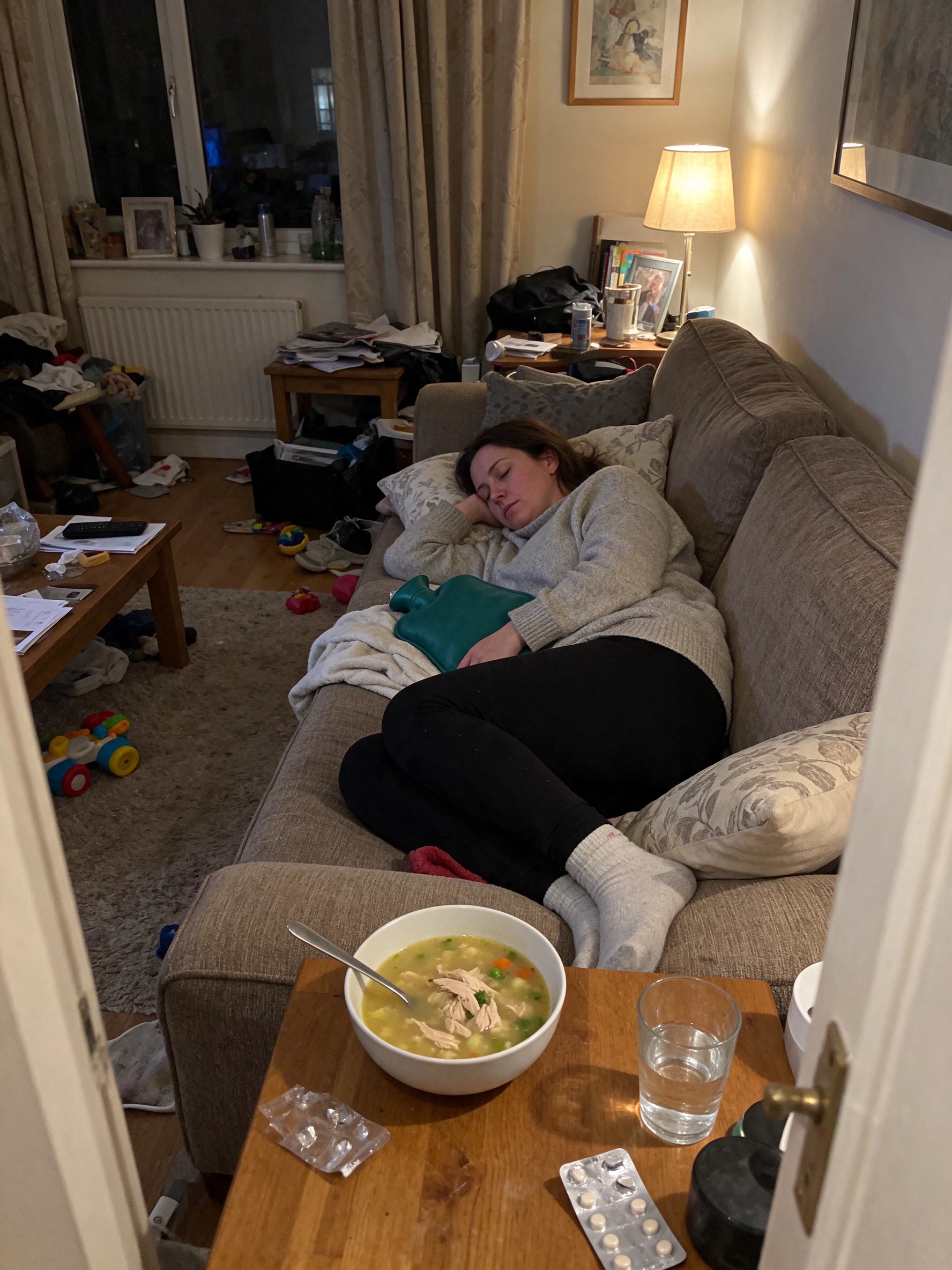
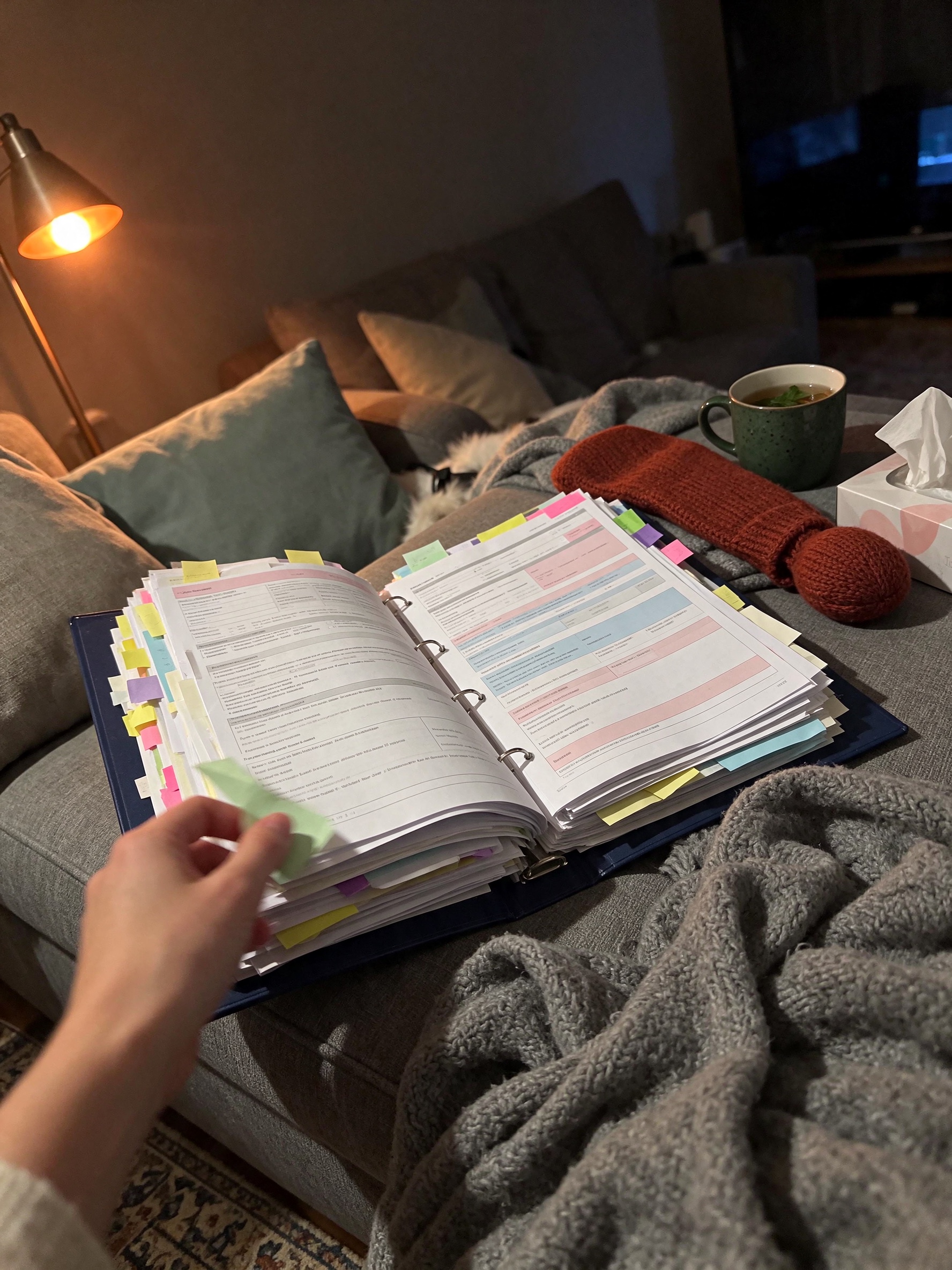
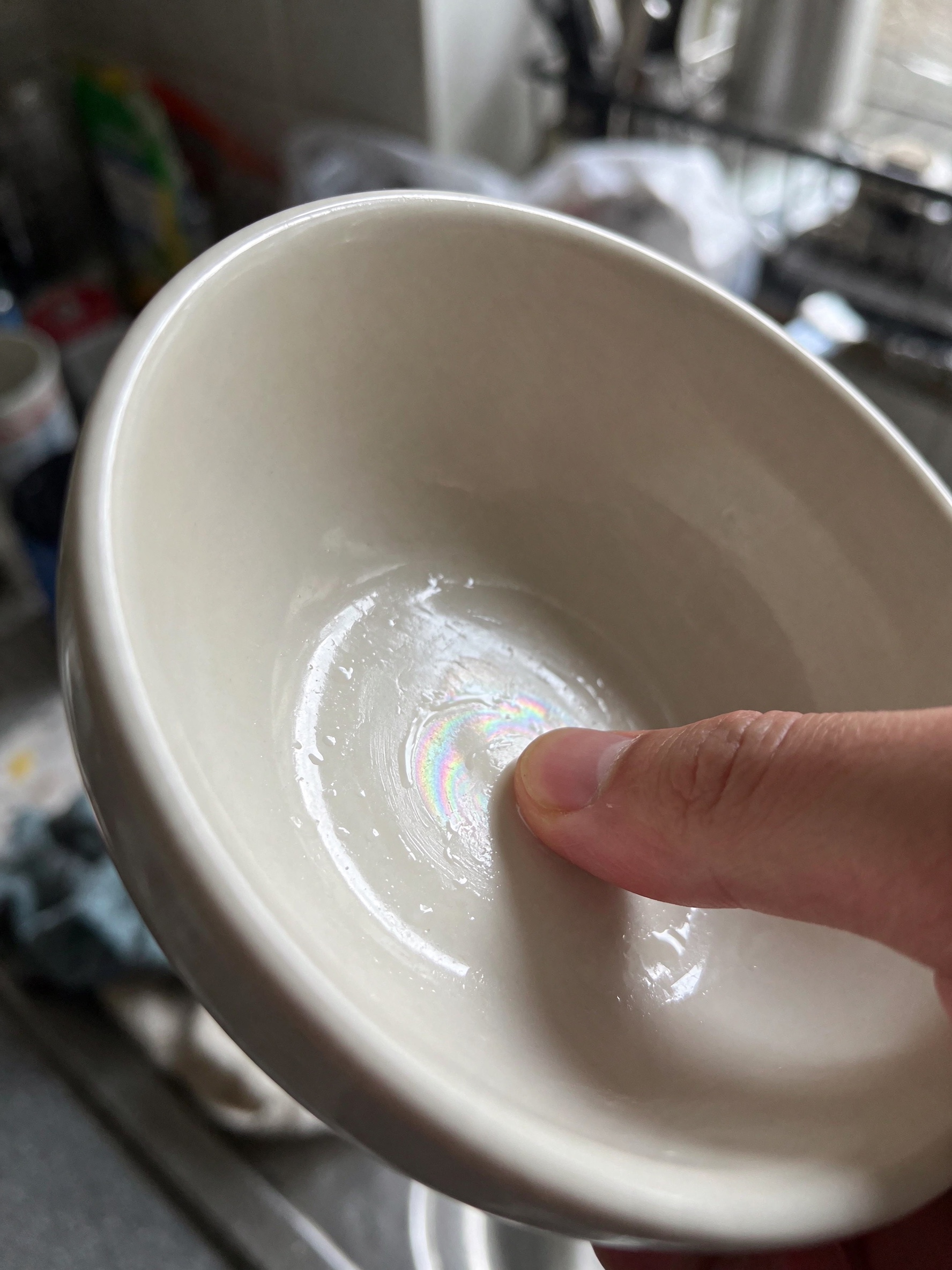
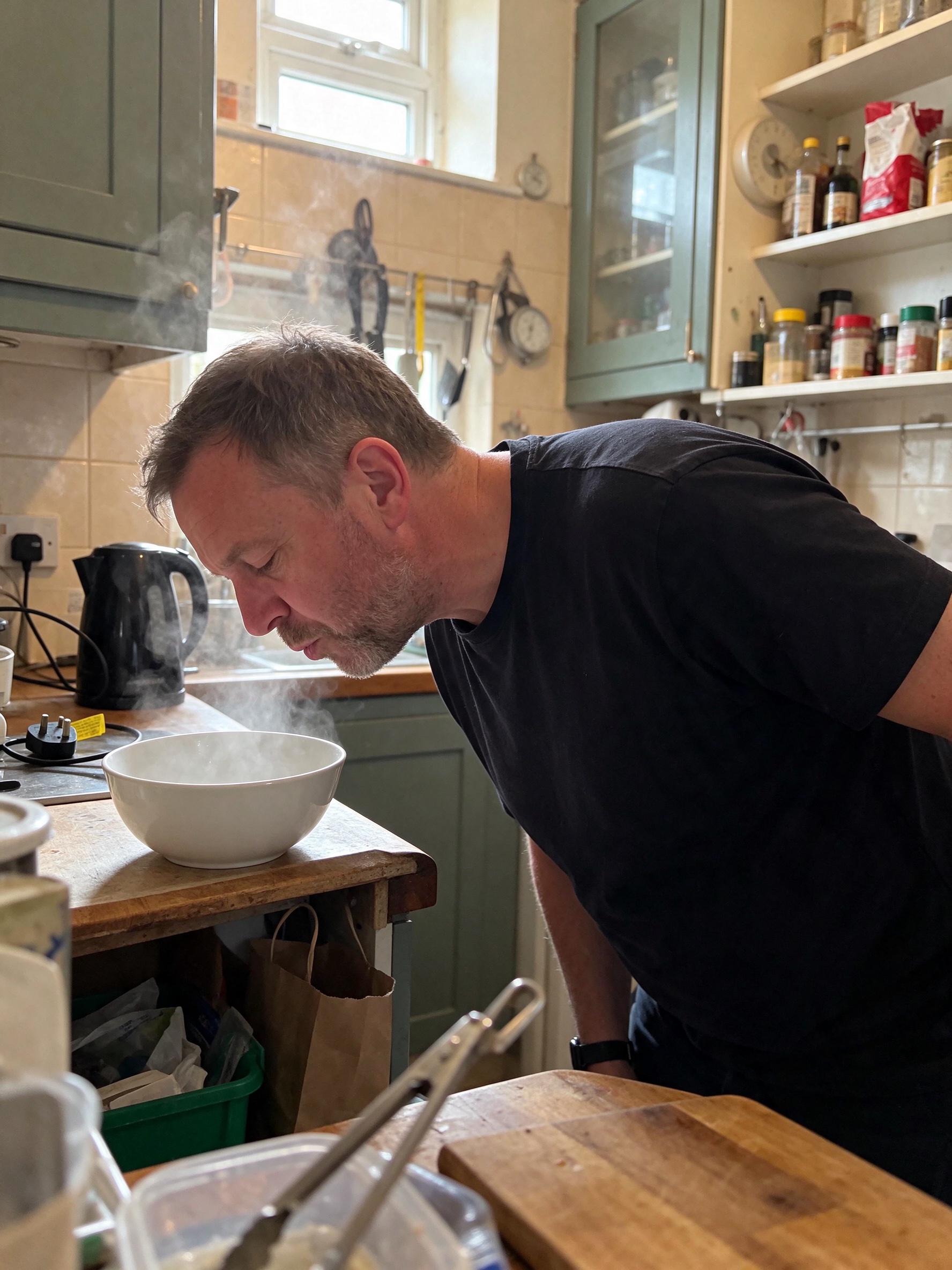
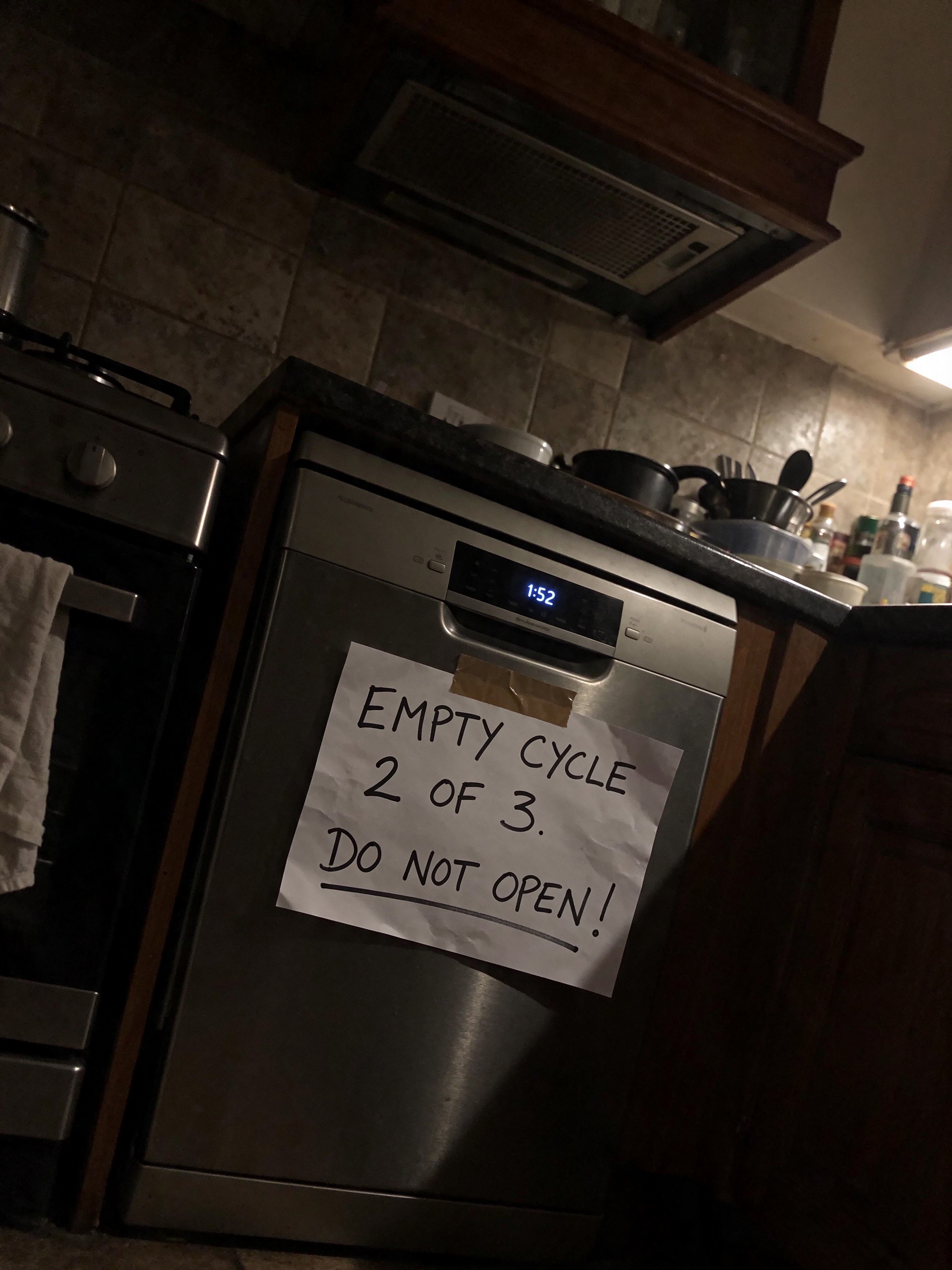
For eighteen months, my wife Laura was miserable, and neither of us could figure out what was going on. It started in late 2023 with constant stomach bloating, unpredictable cramps, and an afternoon brain fog so heavy she could barely keep her eyes open by 3 PM. Within six months, itchy, inflamed patches started spreading along her jawline and hands. Laura takes incredible care of herself. She exercises four mornings a week, drinks two litres of filtered water every day, and buys strictly organic produce from the local farm shop. When NHS blood panels came back completely normal, we went down the private medical route. Over the next year, we spent £3,200 out of our own pocket. We paid for comprehensive stool analyses, food allergy panels, SIBO breath tests, and heavy metal screens. Laura went on a brutal elimination diet: she cut out gluten, dairy, refined sugar, and seed oils, living on organic bone broth, steamed greens, and pasture-raised chicken. Every specialist gave us the same vague shrug: non-specific low-grade systemic inflammation. Keep taking probiotics and managing stress. Yet every time Laura sat down to eat a bowl of healthy chicken soup or steamed vegetables, within twenty minutes her stomach would distend, her face would flush, and she would end up curled on the sofa with a hot water bottle. Watching someone you love suffer every single day while doing everything right is infuriating. In November, we booked a consultation with a private clinical immunologist in Central London. He spent forty-five minutes reviewing Laura's massive binder of test results. He looked at her inflammatory markers, scanned her food diary, and shook his head. "Mrs. Campbell, you are eating the cleanest diet in Britain," he said. "The inflammatory trigger is almost certainly not inside your food." We both stared at him. "Then where is it coming from?" Laura asked. The doctor leaned back in his chair and asked a question that sounded so strange I thought I misheard him: "What brand of dishwasher detergent do you use at home?" I blinked. "Dishwasher tablets? We buy an expensive eco-friendly brand. The plant-based pods with the green leaf on the front." The doctor sighed. "I see this in my clinic every single month," he said. "People spend thousands eliminating food triggers, completely unaware that they are micro-dosing chemical irritants off their dinner plates three times a day." He turned his computer monitor toward us. It showed a 2023 European study on gut epithelial cells. "Mainstream dishwasher detergents, even the ones marketed as eco-friendly, rely on surfactants called alcohol ethoxylates to strip grease," he said. "To make them, manufacturers blast plant oils with ethylene oxide, a known human carcinogen. That reaction creates an unavoidable contaminant called 1,4-dioxane, a probable human carcinogen that New York State recently banned in cleaning products." "And dishwashers do not rinse them off," the doctor continued. "Modern dishwashers use barely 10 litres of water for a two-hour cycle to conserve water. During the drying cycle, the water evaporates and bakes an invisible film of dissolved surfactants right onto your plates, mugs, and forks." He looked directly at Laura. "Every time you pour warm soup or hot tea onto that ceramic, the heat dissolves that film right back into your meal. When you swallow it, those surfactants do inside your gut exactly what they do in the dishwasher: they break down lipid membranes. They strip the protective mucus off your gut lining and tear open the junctions of your gut barrier. Your immune system sees foreign particles leaking into your bloodstream and triggers chronic inflammation." The room went dead silent. When we got home to Surrey, I walked straight into the kitchen. I took a clean white ceramic bowl from the cupboard, set it on the counter, and boiled the kettle. I poured boiling water into the bowl and let it sit for sixty seconds. Then I leaned over and inhaled the rising steam. There it was. Faint, but unmistakably chemical. A synthetic, perfume-like solvent smell rising directly off our "clean" bowl. I dumped the water out, touched the inside of the warm bowl, and rubbed my thumb against the bottom. It felt slick. A slippery, invisible coating over the ceramic. For two years, my wife had been eating pristine organic meals served on plates glazed in a chemical cocktail linked to gut damage and cancer. I grabbed the box of "eco" pods from under our sink and tossed it straight into the wheelie bin outside. The doctor had told us what to look for: stop using conventional pods immediately, run three empty hot cycles through the dishwasher to purge the lines, and switch to a tablet completely free of ethoxylated surfactants, chlorine, and synthetic perfumes. He pointed us toward an independent UK brand called PrimeDrum. I ordered their Pure Clean tablets that night. They formulated their tablets without the petrochemical shortcuts. Just 10 clean, transparent ingredients and three targeted bio-enzymes: protease for dried proteins, amylase for stubborn starches, and lipase for grease. No ethoxylated alcohols, so zero risk of 1,4-dioxane. No chlorine bleach, no artificial perfumes, and no plastic PVA film melting into the wash water. We started using PrimeDrum that evening. When the first cycle finished, the glasses were crystal clear, the plates were completely grease-free, and when I ran the boiling water test on a bowl, there was zero chemical odor. It felt like raw, clean ceramic. Then came the real test. Within five days of eating off plates washed with PrimeDrum, Laura noticed her post-meal bloating had dropped noticeably. By day twelve, the afternoon brain fog that had drained her for over a year was completely gone. By the end of the first month, the red, inflamed patches along her jawline had cleared up entirely. Her energy returned, she stopped dreading meals, and she threw out the hot water bottle she had been sleeping with every night. A £3,200 medical mystery, resolved by changing a £12 box under our kitchen sink. Looking back, the whole thing makes me angry. We spend thousands on wellness powders, private blood tests, and organic supermarkets. Yet we completely ignore the ceramic surface that touches every single bite of food we swallow. If anyone in your home is dealing with stubborn gut issues, afternoon fatigue, or skin flare-ups, or if you just want to stop feeding your kids a carcinogenic manufacturing byproduct, look under your kitchen sink. PrimeDrum is made in the UK. On their 4-pack deal, it costs just £0.47 per wash. That is less than a third of what we were spending on fancy "green" pods that were wrecking my wife's gut. They back every order with a 60-day money-back guarantee and free UK delivery. If your dishes do not come out spotless without a trace of chemical film, you get every penny back. Stop trying to out-diet an invisible chemical toxin. Make the easiest kitchen swap of your life for 47 pence a day. Try PrimeDrum Pure Clean Dishwasher Tablets - 60-Day Guarantee & Free UK Delivery
Where the ad sends people
primedrum.com
We spent £3,200 on private doctors trying to fix my wife's mystery stomach inflammation. At our sixth clinic visit, an immunologist asked a question that made us feel like absolute fools.
Dishwasher tablets with 10 simple ingredients and 3 enzymes. No ethoxylated alcohols, chlorine bleach, artificial dyes or plastic film. Free UK delivery.
Learn more: primedrum.com(opens in a new tab)