Mary Walters
Mary Walters Facebook ad: “What actually restored my self-image”
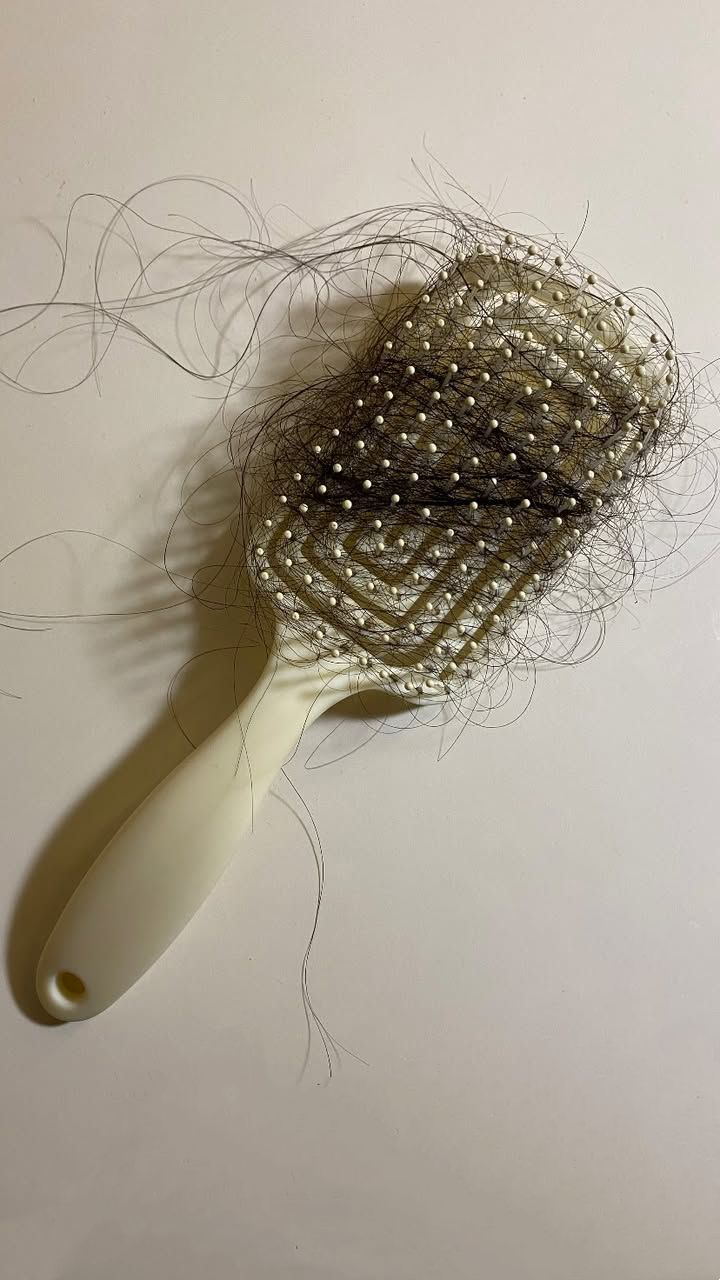
Ran for 1 day, from February 25 to February 26, 2026, the last day Crush saw it.
Run by Mary Walters on Facebook. Crush is not the advertiser and does not verify its claims. See this ad in Meta's Ad Library(opens in a new tab)
Want an ad like this for your product?
Crush makes new ad images for your product from this ad: your logo, your product photo, your offer.
Trials from $19.95 USD, then $79.95 USD a month. Cancel anytime.
About this ad
- Meta Ad Library ID
- 1480791030301025
- Platforms
- Facebook, Instagram, Audience Network, Messenger and Threads
- Relaunches
- 2
Ad text
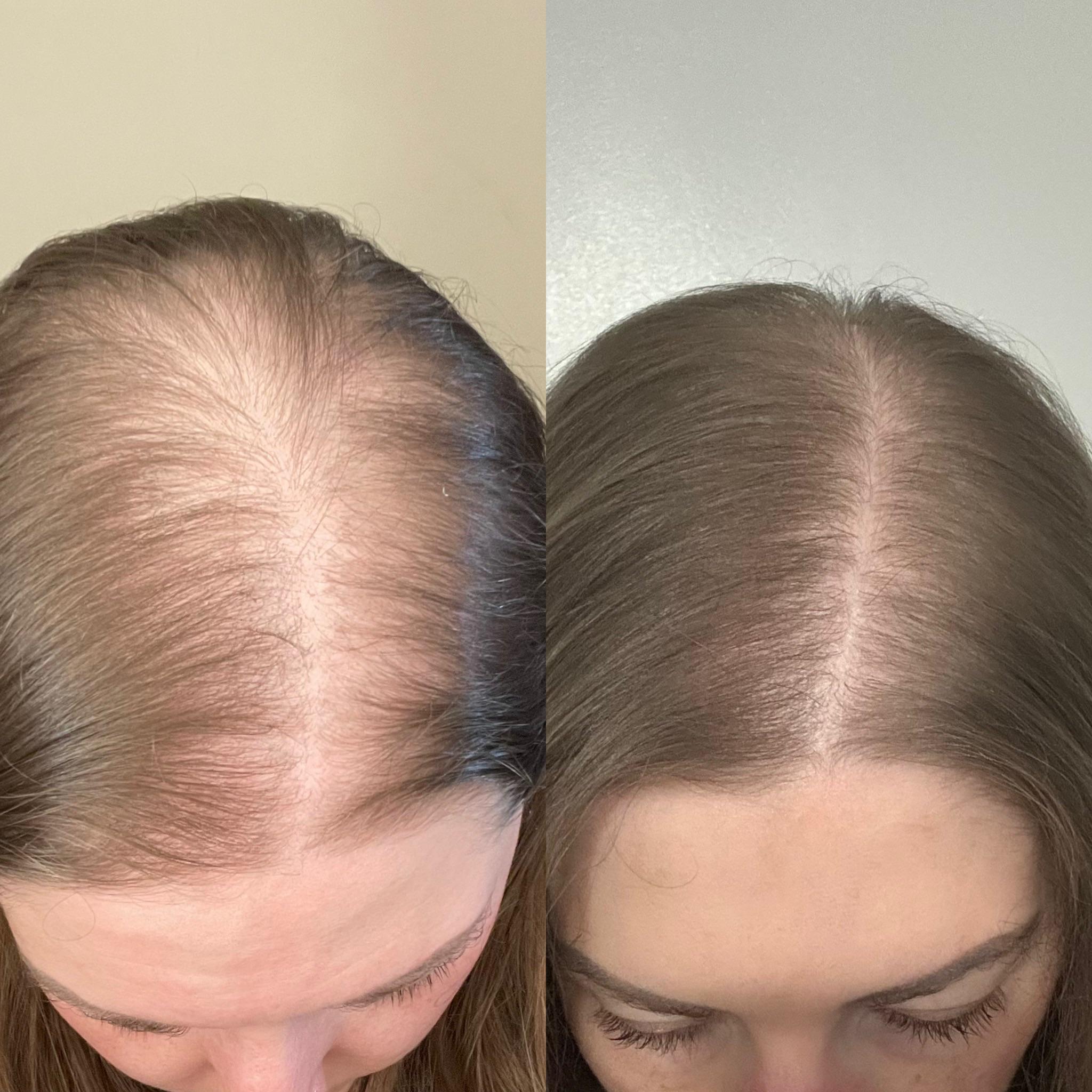
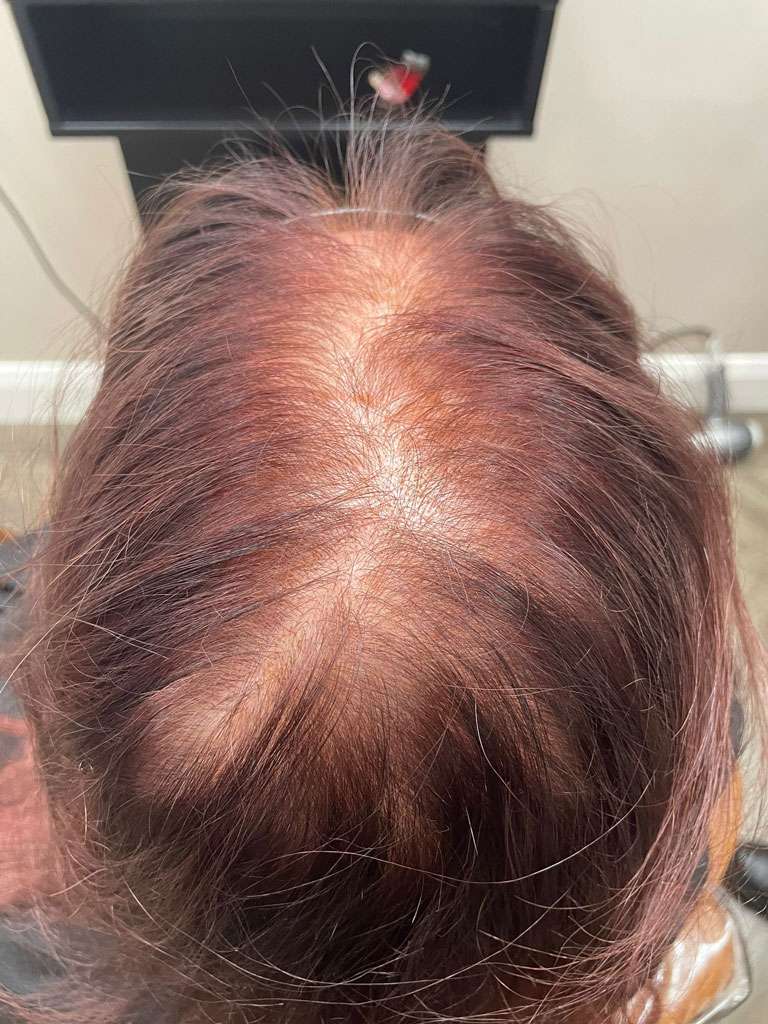
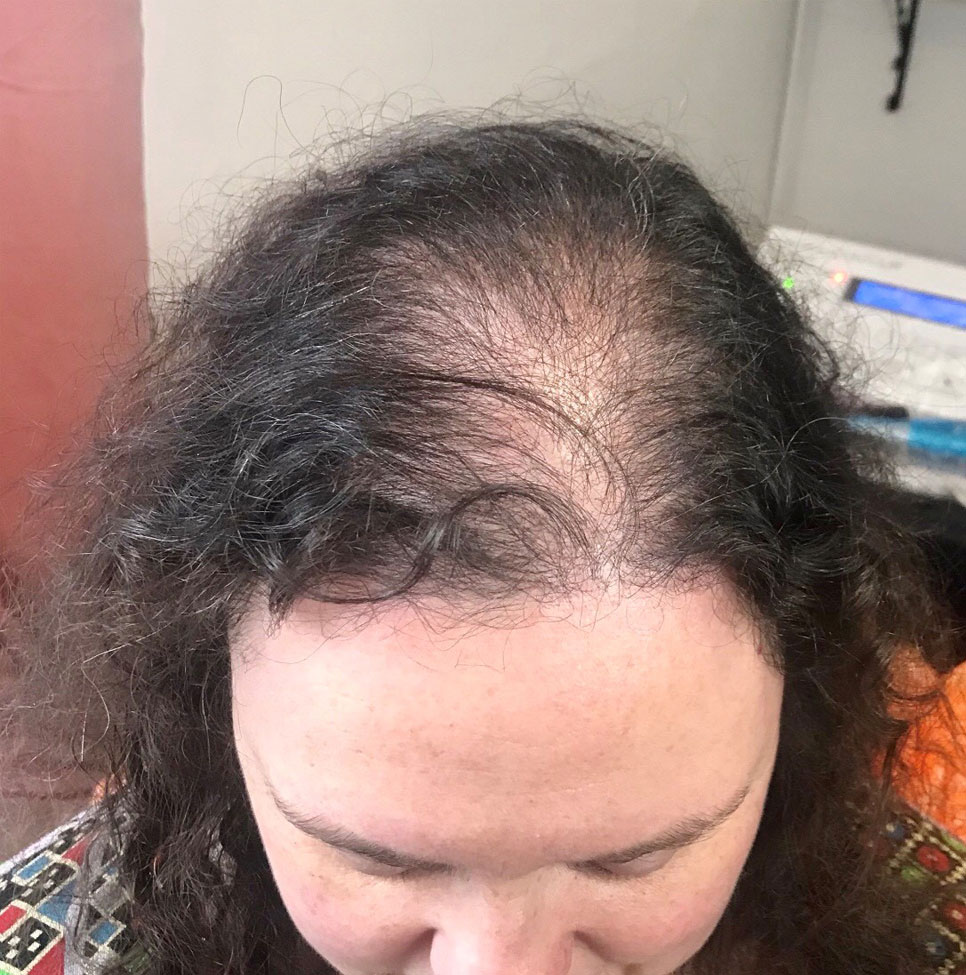
Nobody warned me that your body treats postpartum hair loss and male pattern baldness as the same problem. And yet I've spent the last seven months watching my hair come out in the shower drain, doing everything right, using every supplement anyone recommended, and getting nowhere. Because they were all treating the wrong thing. The thing that sent me down this rabbit hole was a sentence in a 2019 obstetric journal I found at 11pm while my son was finally asleep. "Postpartum oestrogen withdrawal triggers a transient androgen excess state. In genetically susceptible women, DHT-mediated follicle miniaturisation may persist beyond the expected telogen effluvium window." I had to read it three times. Postpartum hair loss — in a significant number of women — isn't just the normal shed that resolves by month six. It's DHT. The same hormone responsible for male pattern baldness. Rising because oestrogen has crashed. Attaching to receptors on your follicles and telling them to miniaturise. I called my mum the next morning. She went through the same thing after she had me. She was told it was normal. She was told to wait it out. She waited three years. "Nobody ever told me it had a name," she said. Nobody told me either. I went back through everything I'd tried. Biotin since week six postpartum — three different brands, two of them the expensive kind. Viviscal for four months because a friend swore by it. Nutrafol for six weeks until I did the maths on £80 a month with a newborn. Collagen in my coffee every single morning. Iron supplements because my GP mentioned ferritin, even though my levels came back borderline normal. £340 in seven months. Hair still coming out in the shower. The midwife said it was normal. The GP said give it time. The health visitor said some women just shed more. Meanwhile I was wearing my hair in a bun every day because a ponytail showed the thinning at my temples. I'd started part-adjusting — moving it slightly left, then slightly right, finding the angle that looked fullest. My husband didn't notice. I noticed every time I passed a mirror. I kept going back to that journal paper. DHT. Androgen receptor. Follicle miniaturisation. None of the supplements I was taking said anything about DHT on the label. And I started to wonder: what if none of them ever could? I found a dermatologist's thread on a professional forum — not a public blog, an actual clinical discussion board — where she was describing what she called "the supplement gap" in postpartum hair loss treatment. Her exact words: "The majority of women presenting with postpartum alopecia are coming in having tried nutritional supplementation for months. The issue is categorical. DHT operates at the androgen receptor. Nutritional supplements operate at the nutrient receptor. These are separate pathways. No amount of biotin has ever inhibited 5-alpha reductase." 5-alpha reductase. The enzyme that creates DHT. I sat with that for a moment. The supplements weren't failing because they were bad products. They were failing because they were aimed at a completely different receptor. I had spent seven months, £340, and enormous mental energy solving the wrong equation. I started looking for what actually inhibited 5-alpha reductase. Not what was marketed at postpartum women — what the clinical literature actually pointed to. Kept hitting two things. Saw palmetto. Pumpkin seed oil. I knew saw palmetto existed. I'd seen it in supplements before. But every time I'd seen it, it was tucked into a proprietary blend with no disclosed dose. The research uses 320mg of standardised extract. Proprietary blends with undisclosed amounts are functionally useless — you're paying for the name on the label, not the mechanism. I found one formula that had both. Saw palmetto at 320mg, fully disclosed. Pumpkin seed oil at 400mg. Ashwagandha for the cortisol-androgen pathway — something I hadn't seen addressed anywhere else. Biotin included, but not as the main event. Supporting cast. For when the DHT environment settles enough for the follicle to actually use it. It felt less like finding a product and more like finding the thing that had been missing from the picture the whole time. I ordered it without telling anyone. I was too tired of recommending things to myself. Here's what I hadn't understood for seven months: Biotin, Viviscal, Nutrafol, marine proteins, keratin supplements — all of them work at the nutrient receptor. That receptor is real. Those ingredients do real things. But DHT doesn't use the nutrient receptor. DHT uses the androgen receptor, and it gets there via 5-alpha reductase. These are not competing doors to the same room. They are different rooms entirely. Every supplement I had taken was knocking on a door that DHT wasn't behind. That's why nothing moved. Not because I wasn't consistent enough. Not because my body was different. Because the tools I was using weren't designed to reach what was causing the problem. I know what I would have thought six months ago reading this. I've tried supplements. They don't work. But that's not quite accurate, is it. We've tried supplements aimed at the nutrient receptor. Most of us have never tried anything aimed at DHT at all — because nothing positioned for postpartum hair loss is built around that mechanism. The products that exist are built around what's marketable to new mothers, not what the physiology actually requires. I also know the other thought: this is just another thing someone on the internet is telling me to try. Fair. I felt that too. But I was three months in before I told anyone about it. Month one nothing visible changed. I told myself it wasn't working. Month two there was less in the drain. Not dramatically less. Measurably less. Month three my mum asked if I'd done something different with my hair. I hadn't done anything different except change the receptor. I think about all the women who go through this. Who do everything they're supposed to do. Who follow every recommendation. Who spend money they don't have on supplements that genuinely can't work for this specific type of hair loss because they're built for a different pathway. The information about DHT and postpartum hair loss exists. It's in obstetric journals. It's in dermatology forums. It's not hidden. It's just not in the places where new mothers look, because postpartum wellness marketing is nutritional, not hormonal. The industry sells us what we'll recognise. Not what we need. Your hair loss might not be your fault. It might not be your consistency, your diet, your genetics, or your body doing something wrong. It might just be that nobody pointed you at the right receptor. If this sounds like your last six months — the trying everything, the supplements that didn't move the number, the hair in the drain that you've made peace with but haven't really made peace with — it might be worth looking into whether DHT is involved in what you're experiencing. Not a new supplement. A different mechanism. My son is eight months old now. There are baby hairs at my temples that weren't there three months ago. My mum noticed them before I pointed them out. I wish someone had told me about the receptor seven months ago. Maybe this is me telling you.
Where the ad sends people
syno-health.com
What actually restored my self-image 👉
SYNO-HEALTH
Learn more: syno-health.com(opens in a new tab)