
Inactive· since Apr 19, 2026
- 24
- days it ran
- 0
- relaunches
Ad copy
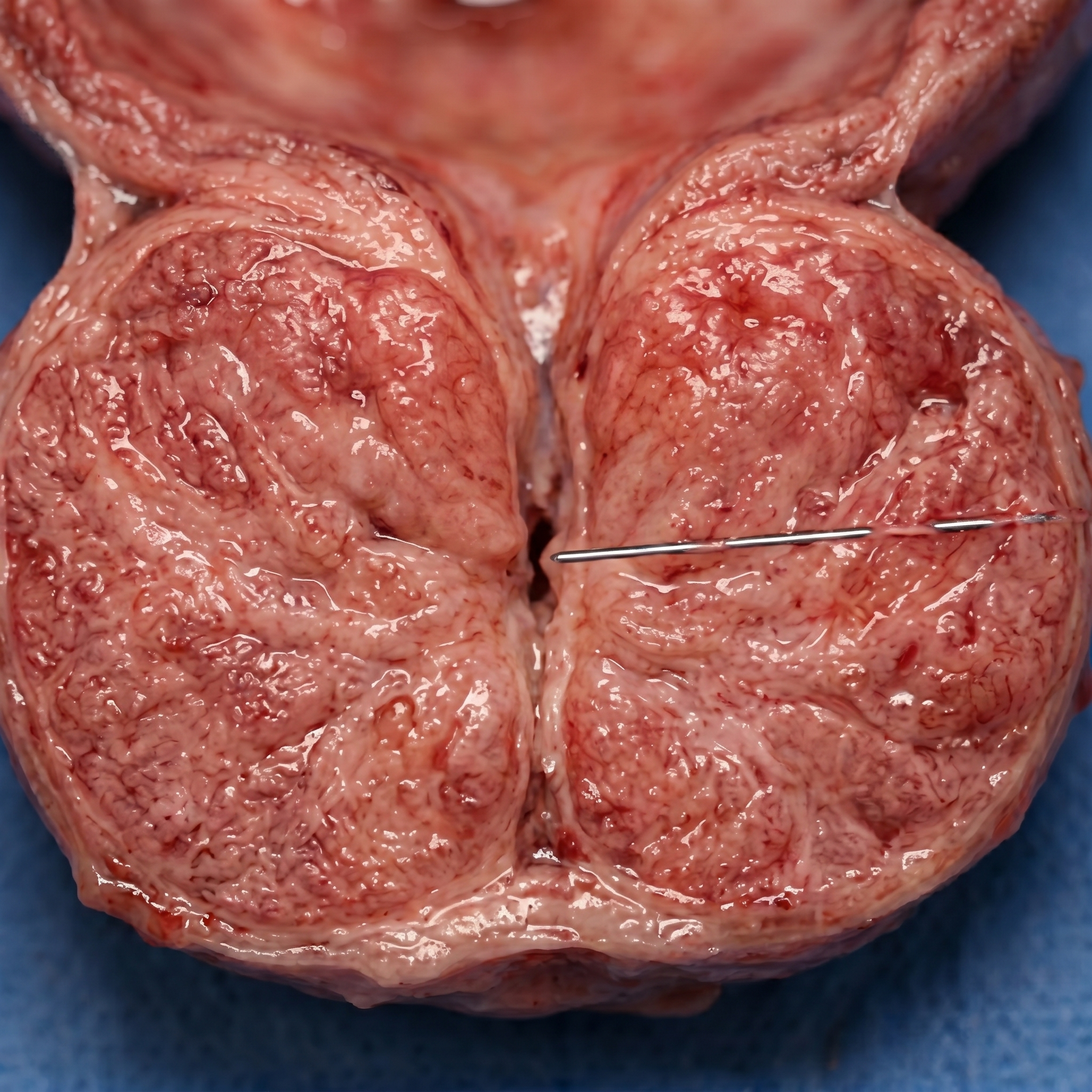
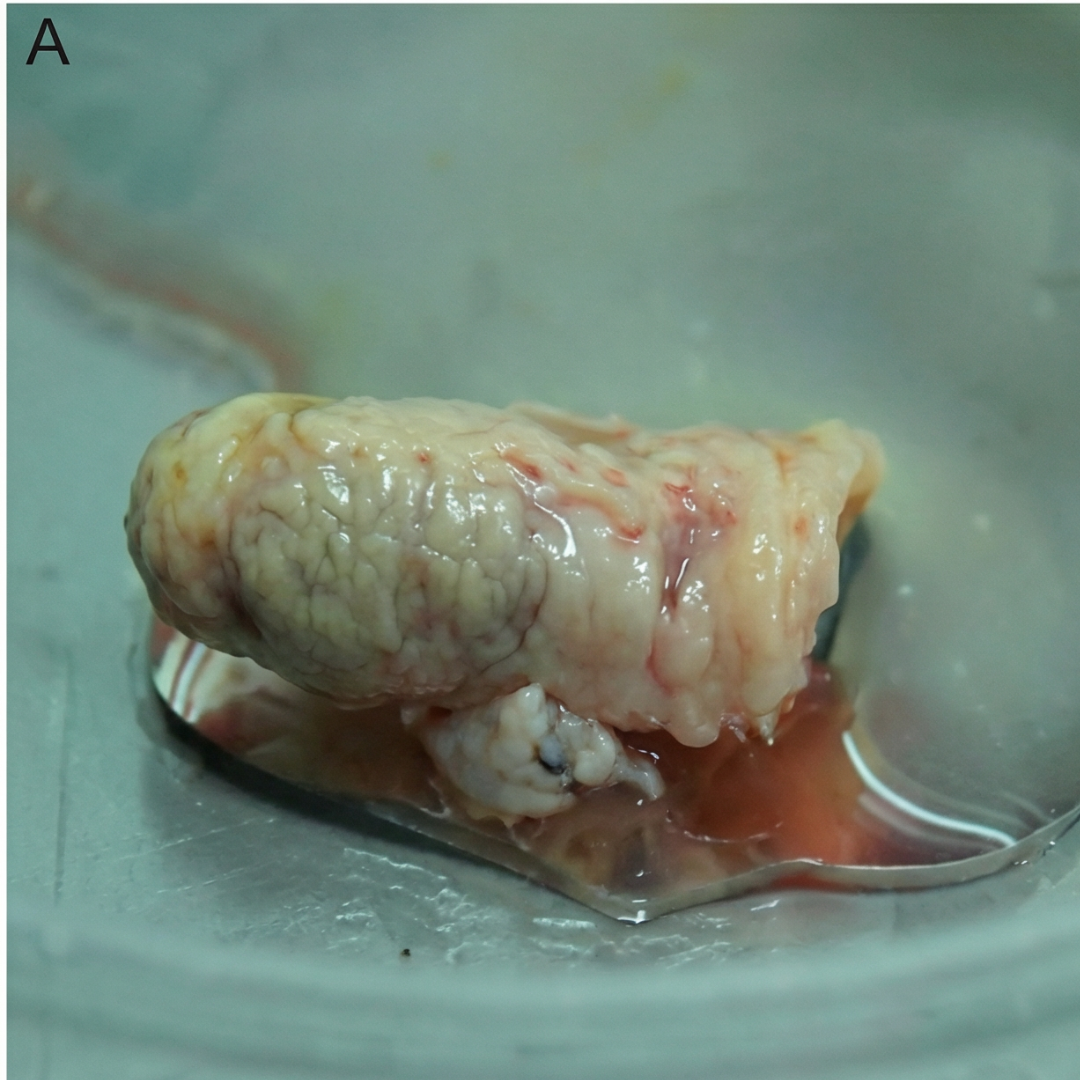
I've been treating gynecomastia surgically for 12 years. Over 1,400 procedures. And every single man said the same thing before going under: "I thought if I just lost weight, the chest would go away." It never does. Because it's not fat. It's glandular tissue triggered by estrogen. I'm Dr. Norman Walters. Plastic surgeon specializing in male breast reduction. I've performed more gynecomastia surgeries than almost anyone in the Northeast. When a man comes to my consultation room pointing at his chest saying "I want this gone," I already know his timeline without asking. Started noticing soft chest tissue 3-5 years ago. Thought it was weight gain. Started working out more. Chest got harder from muscle underneath, but the tissue on top stayed soft. Started wearing compression shirts. Stopped taking his shirt off at pools. Meanwhile, his belly kept expanding. His face stayed round and puffy. His arms never got definition no matter how much he lifted. And the same hormonal imbalance causing his gynecomastia was feminizing his entire body composition the whole time. He tried everything before coming to me. Lost 20 pounds—chest stayed. Did 200 push-ups a day for 6 months—pecs got stronger, tissue stayed soft. Bought every "chest fat burning" supplement on Amazon—nothing changed. Because you can't exercise away glandular tissue. You can't diet away estrogen dominance. Here's what I tell every man in my consultation room: "I can remove the tissue surgically. But if we don't address why your body grew it in the first place, there's a 40% chance it comes back within 3-5 years." Most men don't want to hear that. They want the tissue gone. They want to look masculine again. They'll deal with "why" later. So I perform the surgery. Remove 60-120 grams of glandular tissue per side. Contour the chest. Six weeks recovery. Results look great. And 3-5 years later, 40% of them are back in my office. The tissue has returned. Sometimes worse than before. Because the estrogen that triggered the growth in the first place never stopped. The aromatase enzyme in their belly fat kept converting testosterone to estrogen. Their body kept trying to develop feminine characteristics. The surgery removed the symptom. The hormonal cause kept running. Here's what I know from 12 years of performing gynecomastia surgery and tracking long-term outcomes: Your chest tissue isn't growing because you're overweight or out of shape or eating too much soy. It's growing because aromatase enzyme in your visceral fat is converting your testosterone into estradiol—a form of estrogen—and elevated estrogen is literally programming your chest to develop like a woman's. When your estrogen levels stay elevated, your body doesn't just store fat differently. It develops glandular breast tissue. Actual mammary gland tissue. The same tissue women have. That's why diet and exercise don't work. You're not dealing with fat deposits you can burn. You're dealing with estrogen-triggered glandular growth. Your belly fat isn't just sitting there. It's an active endocrine organ producing aromatase enzyme 24/7. The more belly fat you carry, the more aromatase you produce. The more aromatase, the more testosterone gets converted to estrogen. For every 10 pounds of visceral belly fat, aromatase activity increases by 23%. Testosterone drops by 8%. Estrogen rises by 15%. The men with the biggest guts have estrogen levels higher than post-menopausal women. And when estrogen dominates male physiology, the body starts developing feminine characteristics. Chest tissue is just the most visible one. I've seen it hundreds of times. The timeline is so consistent I can predict the severity of tissue development just from knowing when their belly started expanding. Belly expansion at 42, soft chest tissue at 45, pronounced gynecomastia requiring surgery at 48. Weight gain at 38, chest development at 40, grade 2 gynecomastia at 43. Three to five years from belly fat accumulation to visible gynecomastia. Every single time. Your primary care doctor doesn't track this because he sees your weight gain as a separate issue from your chest tissue. Your endocrinologist might check your testosterone but rarely checks estradiol or aromatase activity in overweight men. I'm the one who sees both. Because I'm the one removing glandular tissue from men who thought their belly fat and their chest were unrelated problems. March 2021. I became that man with gynecomastia. I'm 46. Gained 35 pounds over 4 years. Belly protruding. A1C crept up to 6.1—pre-diabetic range. Blood pressure 138/86—higher than it should be. My chest started feeling different about 18 months after the weight gain started. Soft tissue behind my nipples. Tender when pressed. Visible through t-shirts. I'm a plastic surgeon. I've removed this exact tissue from over 1,400 men. I know what it is. I know why it forms. I ordered my own hormone panel. Total testosterone: 340 ng/dL. Low-normal for my age, but not low enough for replacement therapy. Estradiol: 54 pg/mL. Elevated. Higher than it should be in any man. Estrogen-to-testosterone ratio: Completely inverted. My estrogen was dominating. I knew exactly what it meant. My belly fat was producing aromatase. The aromatase was converting my testosterone to estrogen. The elevated estrogen was triggering glandular tissue development in my chest. If I didn't address the aromatase activity, the tissue would keep growing. Even if I surgically removed it—which I could do myself—it would likely return within 3-5 years because the hormonal cause would still be active. My colleague—an endocrinologist—suggested I consider an aromatase inhibitor like Arimidex. "It'll block the aromatase enzyme, Norman. Your estrogen will drop. The tissue growth should slow or stop." I knew it would work. That's not the point. Arimidex would chemically block aromatase for as long as I took it. My estrogen would drop. My testosterone would rise. The chest tissue might even regress slightly. But I'd be on it indefinitely. The side effects—joint pain, bone density loss, mood changes—would accumulate. And the moment I stopped the drug, the aromatase would return. The estrogen would climb. The tissue would grow back. I spent two weeks searching for natural aromatase modulation mechanisms that could reduce estrogen production in visceral fat without pharmaceutical intervention. Not supplements that "support healthy hormones." Actual interventions with documented reduction in aromatase activity and measurable changes in estrogen levels. April 3rd, 9:23 PM. I found a study on TRPV1 receptor activation via capsaicinoids and aromatase expression in visceral adipose tissue. Capsaicinoids from cayenne pepper activate TRPV1 receptors in fat cells. TRPV1 activation triggers a cascade that reduces aromatase mRNA expression—literally turning down the enzyme that converts testosterone to estrogen. In overweight men with gynecomastia, aromatase expression in visceral fat is significantly elevated. That's why their estrogen levels are high. That's why their chest tissue keeps growing. Pharmaceutical aromatase inhibitors block the enzyme chemically. Capsaicinoids don't block anything. They activate your body's natural TRPV1 receptors to reduce how much aromatase your fat cells produce in the first place. But here's what made me sit up: "In overweight male subjects with documented gynecomastia and elevated estradiol, sustained TRPV1 activation via therapeutic capsaicin (3mg daily) showed aromatase mRNA expression reduction of 31% in visceral fat over 12 weeks, with corresponding estradiol reduction averaging 22% and measurable regression of glandular breast tissue in 68% of subjects." Not symptom masking. Actual reduction in the enzyme causing the problem. With measurable tissue regression. In men with gynecomastia specifically. I ordered pharmaceutical-grade capsaicin extract the next morning. 3mg capsaicinoid per dose, enteric-coated to survive stomach acid and release in the intestine where TRPV1 receptors are concentrated. Started April 4th. One capsule daily with breakfast. April 11th, day 7: Chest felt less tender. The tissue behind my nipples felt slightly less swollen. April 18th, day 14: Definitely less tissue volume. I measured with calipers—2.1mm reduction in tissue thickness per side. My dress shirts fit differently. April 25th, day 21: Visible reduction. The soft mound that showed through t-shirts was flattening. My wife noticed without me saying anything. May 6th, day 32: Chest tissue substantially regressed. Morning measurements showed 4.7mm reduction per side. The tenderness was completely gone. No more soft tissue visible through shirts. I felt like myself again. But I'm a surgeon. I don't just care about how it looks. I care about what's happening hormonally. If my chest tissue was regressing this much, what was happening to my estrogen levels? June 2nd, 8 weeks in: Follow-up hormone panel. Total testosterone: 418 ng/dL. Up 78 points from baseline. Estradiol: 32 pg/mL. Down from 54 pg/mL. 41% reduction in estrogen. In 8 weeks. I stared at the lab report for a full minute. My aromatase activity had dropped significantly. My testosterone wasn't being stolen anymore. My estrogen had normalized. And my chest tissue had regressed in direct proportion to my estrogen reduction. I printed the before-and-after labs and walked straight to my endocrinologist colleague's office. He looked at the numbers. Looked at me. Looked back at the labs. "Norman, what did you take? Estrogen doesn't drop like this without aromatase inhibitors." I explained the TRPV1 receptor mechanism. The aromatase mRNA suppression. The capsaicinoid intervention. He studied both lab reports. "Your chest tissue?" "Regressed 4.7mm per side. Visible flattening. No tenderness." "Blood pressure?" "Down to 126/78. Same medication." "Weight?" "Down 11 pounds. Didn't change my diet." He was quiet. Then: "I need to start checking estradiol in my overweight male patients with gynecomastia." Here's what I tell men in my consultation room now when they come to me wanting gynecomastia surgery: I can remove your chest tissue surgically. The procedure takes 90 minutes. Recovery is 6 weeks. Results look excellent. But if your estrogen levels stay elevated because your belly fat is still producing aromatase, there's a 40% chance the tissue grows back within 3-5 years. Surgery removes the tissue. It doesn't fix why your body grew it. Or you can do what I did. Spend 8-12 weeks attempting aromatase modulation and see if your tissue regresses naturally before considering surgery. Because here's what I've learned from my own labs and tracking 60+ men who've tried this approach: When aromatase activity drops enough to reduce estrogen by 20% or more, glandular breast tissue regresses measurably in 68% of cases. The same mechanism that stops your body from growing feminine chest tissue can reverse what's already there—if you address it before it becomes too advanced. Your chest tissue isn't just cosmetic. It's a visible marker of estrogen dominance and aromatase activity. When it regresses naturally—not surgically removed—you know your hormones are shifting back toward masculine. I'm not telling you to avoid surgery. I'm telling you that if you have gynecomastia and any estradiol reading above 40 pg/mL, you have a choice: Remove the tissue surgically while your estrogen stays elevated and aromatase keeps running—and accept the 40% chance it grows back. Or attempt aromatase modulation for 8-12 weeks and let your follow-up labs tell you if your body is responding. My labs showed it works. Eight weeks. Estradiol dropped 41%. Chest tissue regressed 4.7mm per side. Testosterone increased 78 points. The formulation I used contains 3mg standardized capsaicinoids per dose, enteric-coated for intestinal release where TRPV1 receptors are concentrated. If you have visible gynecomastia, elevated estrogen on labs, and belly fat you can't seem to lose: Get baseline hormone labs and tissue measurements. Take therapeutic capsaicinoids (3mg daily minimum) for 8-12 weeks. Get follow-up labs and measurements. Your estradiol level and tissue thickness will tell you if your aromatase activity is dropping. If it's dropping, your tissue may regress enough that you don't need surgery. If it's not responding, you'll know within 12 weeks. You can proceed with surgery knowing you tried the hormonal approach first. But you can't undo advanced glandular tissue without surgery once it's been there for years. You can't get back the time your body screamed warnings at you with soft chest tissue while you ignored the estrogen dominance and your aromatase kept running. When you have gynecomastia, your body is telling you that estrogen is dominating and your fat tissue is producing too much aromatase. You're somewhere in that hormonal cascade right now. Address it while regression is still possible. Dr. Norman Walters, MD, FACS Board Certified Plastic Surgery, 12 years Specializing in Male Gynecomastia and Body Contouring
It's not a "beer belly." It's an estrogen factory.
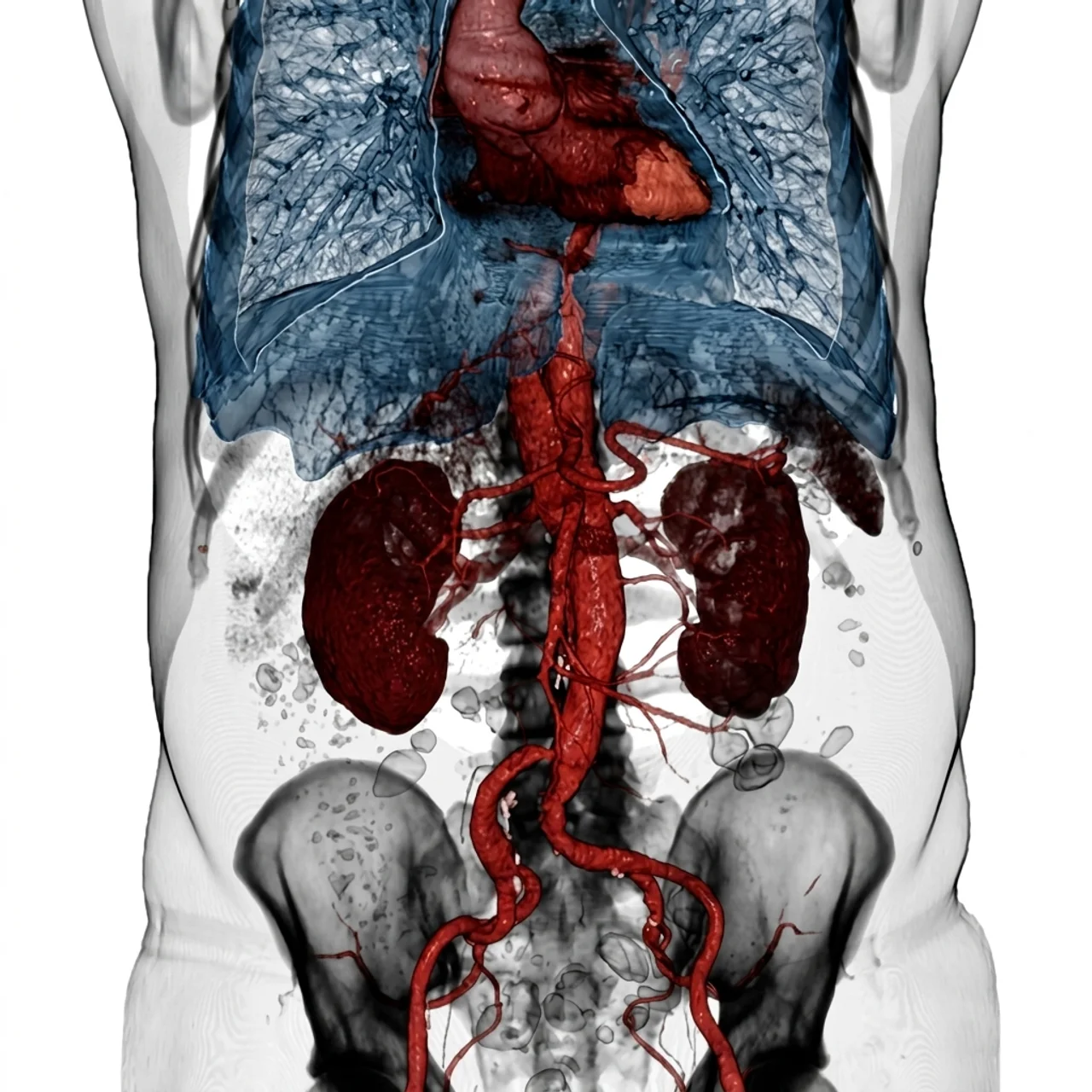
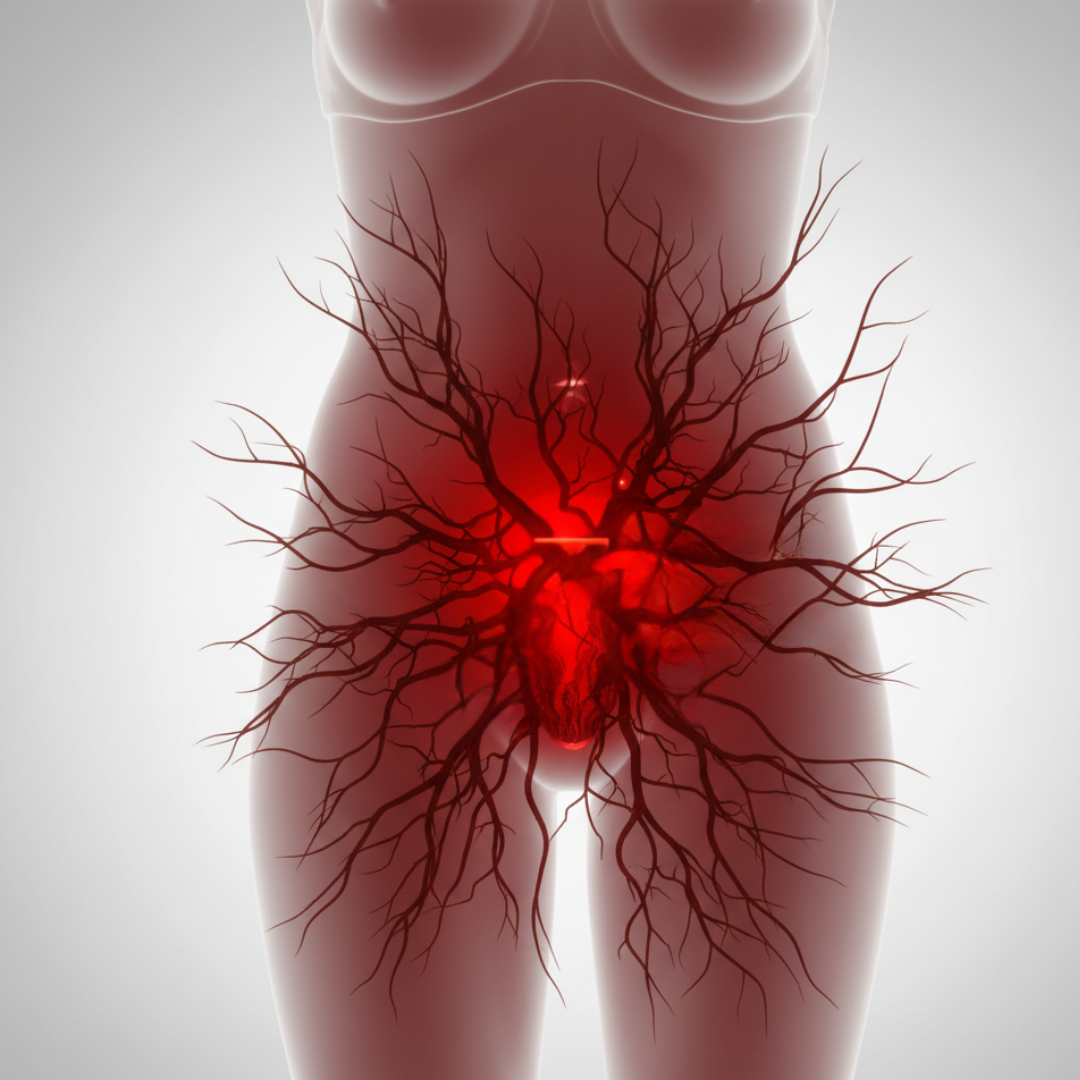
Support healthy circulation and cardiovascular wellness with Aurivita Cayenne Softgels. Formulated with premium cayenne pepper extract, these softgels deliver potent capsaicinoids to promote optimal vascular function and blood flow. Each dose provides concentrated botanical support for heart health....
SEE DETAILSLike this ad? Make it yours.
Crush rebuilds this exact creative around your product — your brand, your colors, your offer — in about a minute.