
Active· since May 15, 2026
- 122
- days running
- 1
- relaunches
Ad copy
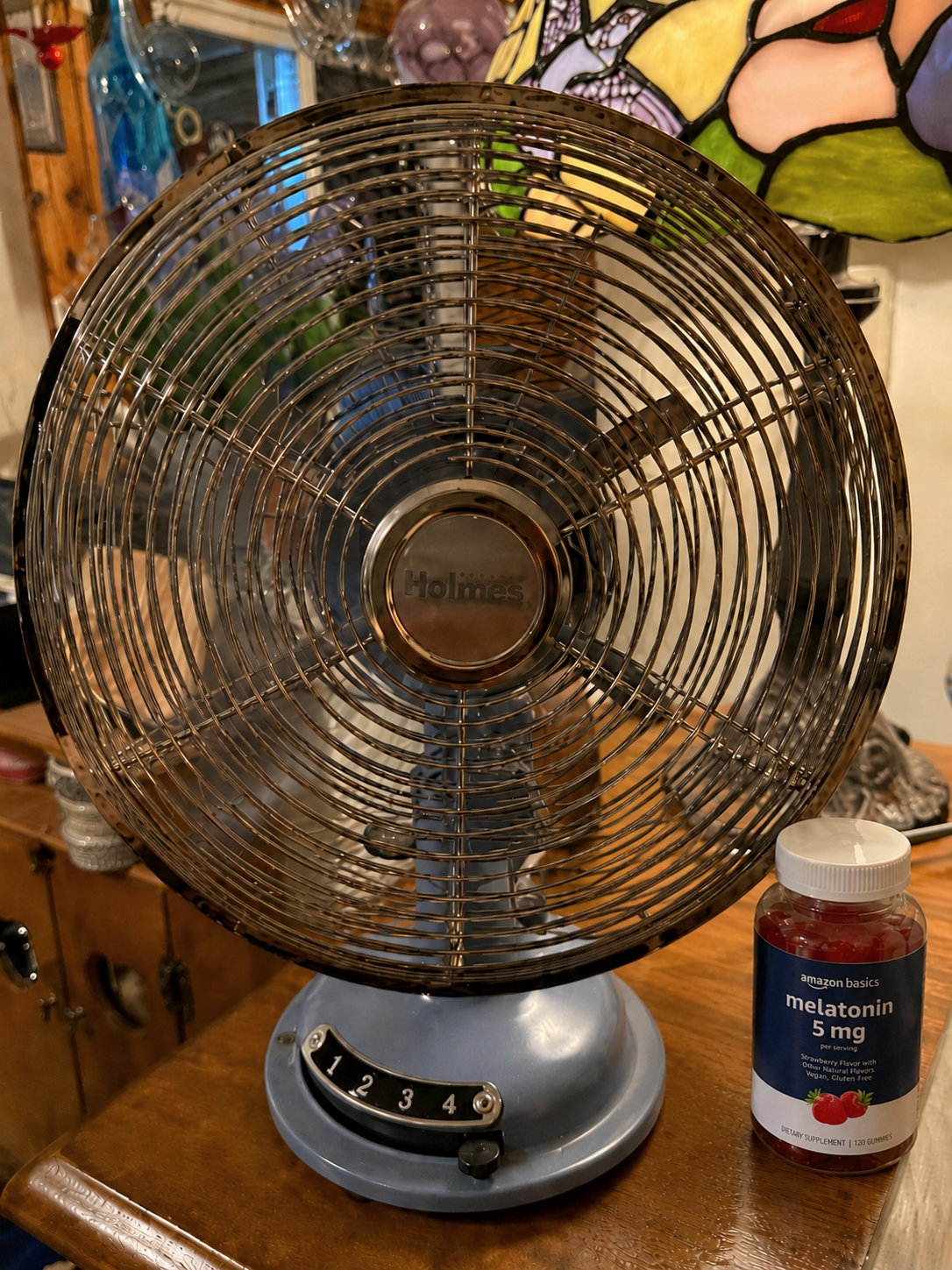
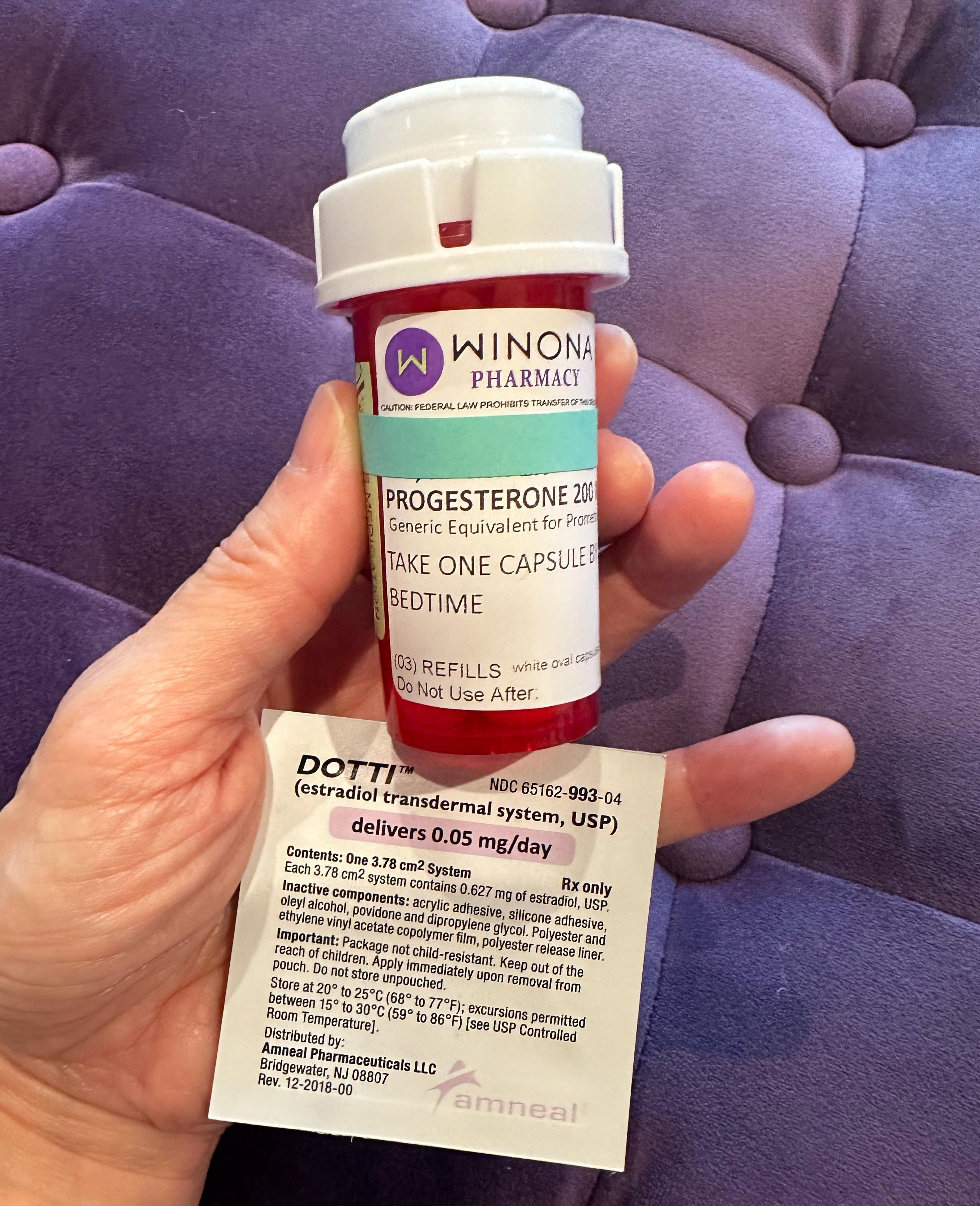
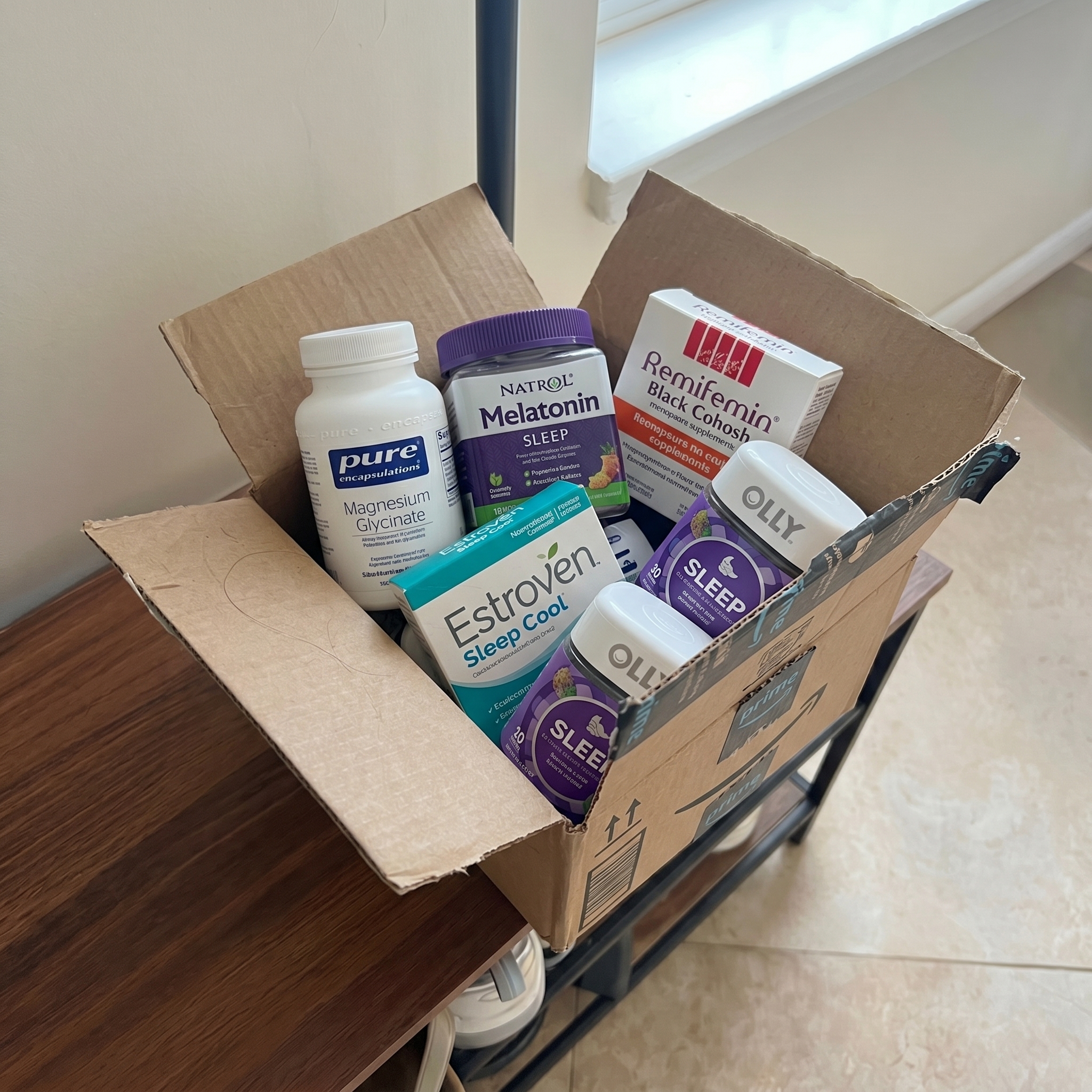
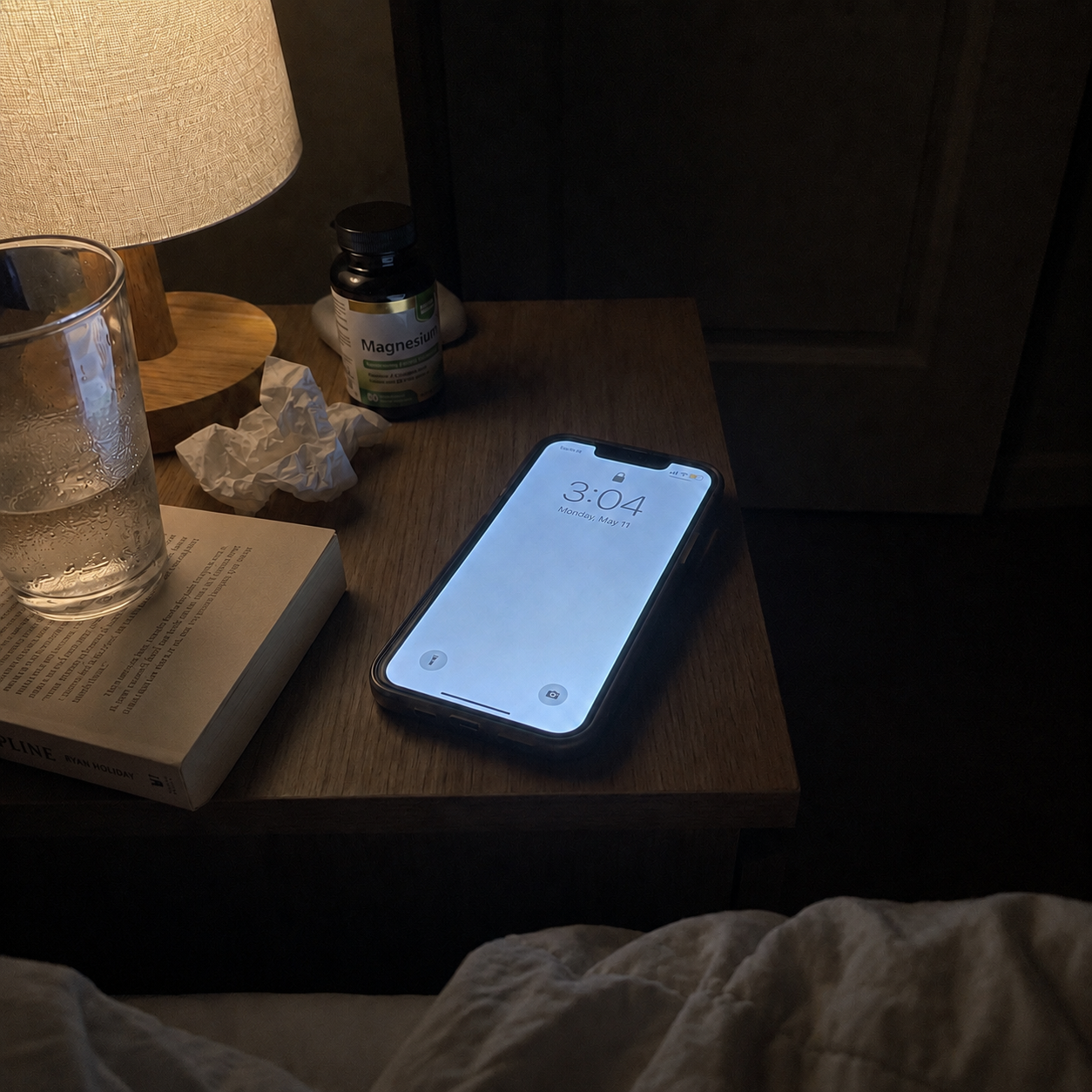
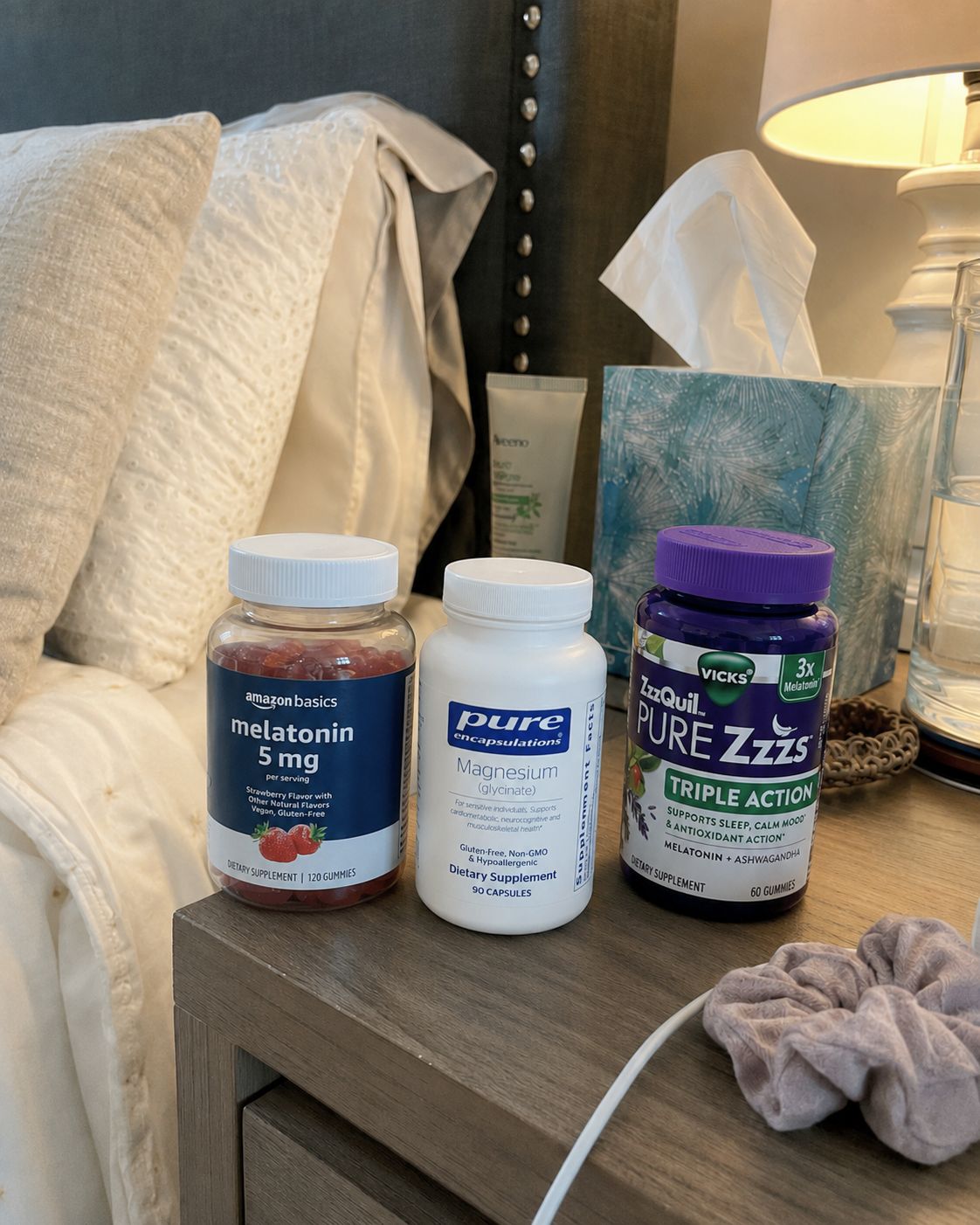
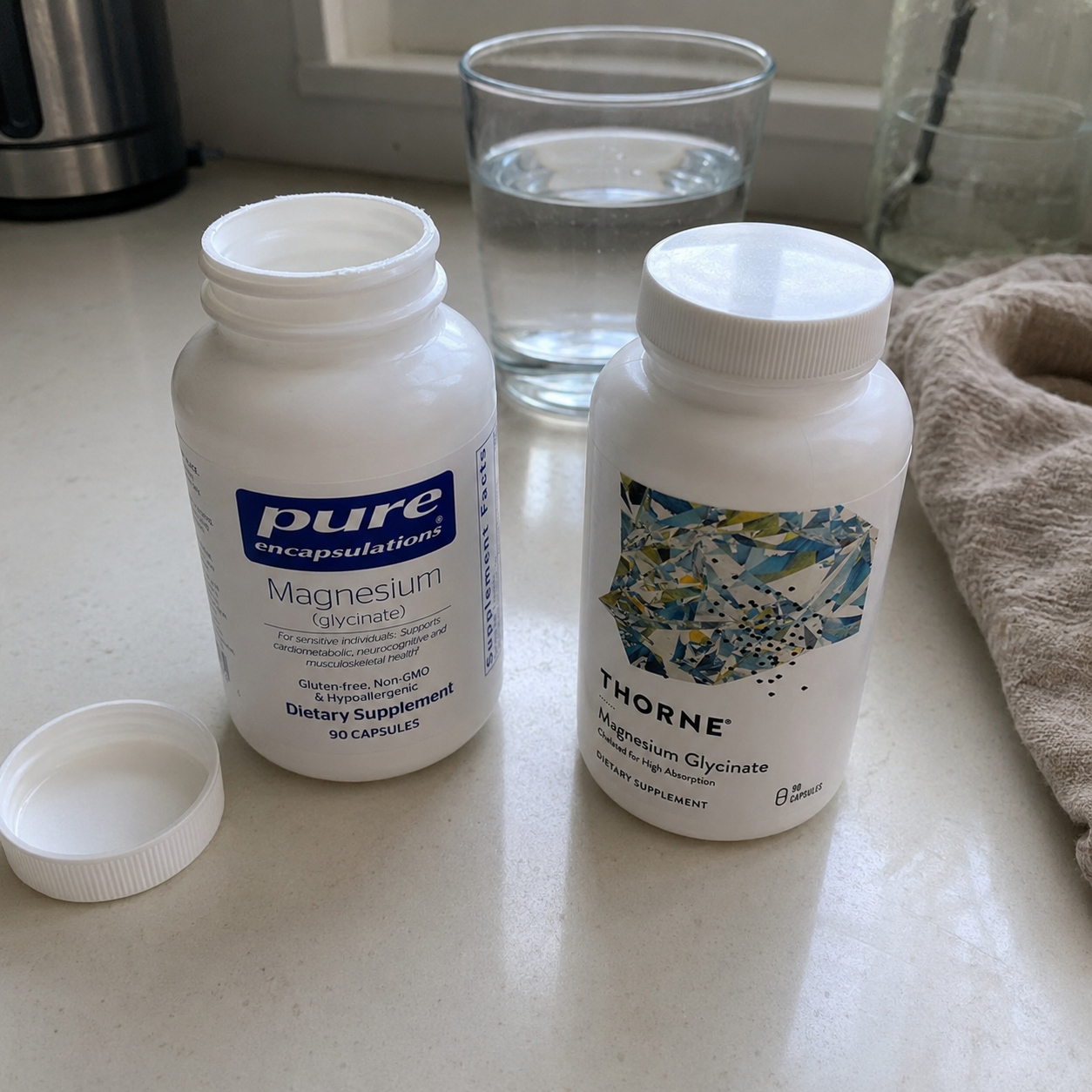
I used to have a little lineup of sleep bottles on the left side of my bathroom counter. Natrol melatonin gummies. Amazon Basics melatonin tablets. A Nature Made bottle I bought because it looked more “serious” than the gummies. A slow-release melatonin bottle with half the label peeled off. Doctor’s Best magnesium glycinate. Natural Vitality Calm powder that clumped at the bottom of the glass no matter how long I stirred it. Every night, I would stand there in my pajamas and do the same sad calculation. Do I take the 1mg tonight because the internet says “less is more”? Do I take the 5mg Natrol gummy because at least that gets me sleepy? Do I try the slow-release one because maybe the problem is that regular melatonin wears off too early? Do I add magnesium because everyone in the menopause groups says magnesium glycinate is the one that finally helped them? Or do I take nothing and see if my body remembers how to sleep on its own? It did not matter what I picked. I could get to sleep fine. I just could not stay asleep. By 2:43am, or 3:12am, or 3:27am, my eyes would snap open like somebody had turned the lights on inside my body. Not drowsy. Not half-asleep. Not “roll over and drift off again.” Wide awake. Just sitting there in the dark, staring at the ceiling, with my husband breathing beside me. That sound used to make me feel insane. I love my husband. He is a good man. But at 3:17am, when he was sleeping so deeply he could have slept through a fire alarm, I would lie there furious at the unfairness of it. How could he just disappear into sleep like that while I was trapped in my own body, counting down the hours until I had to pretend to be normal again? That was the part melatonin never touched. The 3am alarm. The wired body. The intrusive thoughts that did not even wait for me to be fully awake before they started lining up. Did I pay the insurance bill? Why did my chest feel tight? Was Lily annoyed with me yesterday? Am I falling behind at work and just too foggy to realize how bad it’s getting? What if I forget a word in tomorrow’s meeting and everyone notices? What if I never sleep normally again? What if this is just what happens to women my age? What if nothing works because I am the problem? My name is Elaine Walker. I am 55 years old. And I am writing this for the women who have already tried melatonin. Not once. Not casually. I mean really tried it. The Natrol gummies from Target. The Amazon bottle with ten thousand reviews. The 0.3mg “microdose” somebody on Reddit swore by. The 1mg tablets. The 3mg. The 5mg. The 10mg you bought in a moment of desperation and regretted the next morning. The time-release version that sounded logical until you woke up groggy and still awake at 3am. I am writing this for the women who tried magnesium, too. Glycinate. Citrate. Threonate. Calm powder. Capsules from Whole Foods. Capsules from Amazon. Capsules from the functional medicine office that cost enough to make you feel foolish when they did not change anything. And I am writing this for the women who have typed some desperate version of this into Google or Reddit while the rest of the house was asleep: “Why does melatonin knock me out at 10 and abandon me at 3?” Because that was me. For eight years. Eight years of being bone-tired by 8:30pm and somehow wide awake by 3. Eight years of hearing, “Have you tried melatonin?” as if I did not have three different kinds on my counter. Eight years of hearing, “Try magnesium glycinate,” as if I had not already tried the powder, the capsules, the expensive one, the cheap one, the one that upset my stomach, and the one that supposedly crossed the blood-brain barrier. Eight years of trying to explain that falling asleep was not my problem. Staying asleep was. And eight years of being handed the same sleep-hygiene advice like I was a child who had never heard of a bedtime routine. No screens before bed. Keep the room cool. Try meditation. Cut caffeine. Go to bed at the same time. I wanted to scream, “Do you think I haven’t tried that?” Even my doctor, who was kind, made me feel fobbed off at first. “It’s probably hormones.” “It’s probably stress.” “Sleep gets harder at this age.” As if naming the category was the same as giving me a way out of it. At first, I treated it like a puzzle. I am good at puzzles. I read labels. I compare reviews. I save screenshots. I do not like feeling helpless, so I tried to spot a pattern. I was not one of those women with a perfect spreadsheet and a color-coded sleep tracker. I was messier than that. But every few nights, when I was desperate enough, I would open my Notes app and type whatever I could remember. 9:10pm — Natrol 5mg gummy. Asleep fast. Awake 3:08. Wide awake. 9:00pm — 0.5mg melatonin. Magnesium glycinate. Awake 2:57. Couldn’t get back. 10:15pm — Amazon Basics 3mg. Weird dreams. Woke 4:02. Whole morning shot. 9:30pm — slow-release melatonin. Awake 3:31. Felt drugged until lunch. No melatonin. Calm powder only. Awake 3:14. Same. The notes changed. The wake-up did not. 2:48am. 3:09am. 3:17am. 3:22am. 4:01am if I was lucky. The pattern was so consistent it started to feel personal. Like my body had set an alarm I could not turn off. And the worst part was how awake I was when it happened. That is the thing people who sleep do not understand. It was not normal waking. It was not, “Oh, I need the bathroom,” and then back to sleep. It was my body acting like morning had arrived three hours early. My eyes open. My heart too noticeable. My mind already halfway through a list of things I had no ability to solve in the dark. Sometimes I would lie there perfectly still, trying not to wake David. Sometimes I would move into the living room because I could not stand being in bed anymore. Sometimes I would think about taking more melatonin at 3am, then remember all the women online saying, “Don’t do that unless you want your whole morning to be shot.” Sometimes I took it anyway. That is how desperate I got. And yes, my whole morning was usually shot. Not just tired. Spacey. Like being high all day but without the fun parts. I would stand in the kitchen holding my coffee and forget why I had opened the drawer. I would walk into a room and just stand there, blank, waiting for my own brain to tell me why I had come in. I would lose the thread halfway through a conversation with Lily. I would forget ordinary words in meetings and feel my face get hot while I pretended I had only paused to think. I would read the same email three times and still not trust myself to answer it. I would feel technically awake, technically functioning, technically fine. But not really there. Just floating behind my own eyes, hoping no one at work noticed I was slower than I used to be. For a while, I blamed myself. Maybe I was too anxious. Maybe I was too sensitive. Maybe menopause had made me one of those women whose body reacts badly to everything. Melatonin gave some women beautiful sleep. It got me to sleep, then handed me right back to the ceiling at 3am. Higher-dose melatonin made me feel like someone had packed my head with wet cotton. Slow-release melatonin sounded like the answer to staying asleep, but it made the morning thicker without fixing the wake-up. One brand gave me horrible scary dreams. Another seemed to wind me up instead of calm me down. Magnesium glycinate made sense on paper. It was gentle. It sounded adult and responsible. It helped my legs feel a little less tense, maybe. But it did not stop the 3am alarm. Magnesium citrate mostly made my stomach angry. Magnesium threonate was expensive and interesting and still delivered me back to the same blue numbers on the clock. The more things I tried, the more every failed bottle felt like evidence. Evidence that I was the difficult case. The woman nothing worked for. The woman who could do all the sensible things, avoid the scary things, read all the menopause threads, take all the “natural” sleep aids, and still end up sitting in the dark with her mind running like it had been waiting all day to attack her. I want to tell you what finally made me stop changing melatonin doses and start looking for a real explanation. It was the morning I missed my exit with my granddaughter in the back seat. My daughter Lily had asked me to take Emma to preschool. Emma was four then. Pink rain boots, stuffed rabbit, nonstop questions. It should have been one of those small grandmother mornings I love. The night before, I did everything right. No wine. No phone after 9. Bedroom cool. Natrol gummy skipped because I was trying to be “disciplined.” Half a milligram of melatonin at 9:15 because a Reddit thread said tiny doses were better. Magnesium glycinate at 9:30. Lights out by 10. I fell asleep quickly. Of course I did. Falling asleep was never the real problem. Then I woke at 3:17am. Wide awake. Hot under the sheets, cold when I kicked them off. Too tired to get up. Too wired to go back down. My mind throwing up one thought after another, not even big thoughts, just irritating, sticky little ones. Did I send the birthday card? Why did David sigh like that at dinner? What if Lily thinks I am unreliable? What if I miss something important at work because I am too foggy to catch it? What if this is dementia starting? What if I become one of those women who never sleeps again? I lay there until 6. By 7:30, Emma was buckled into the back seat, singing something she had made up about worms having families. I had coffee in the cup holder and that horrible floaty feeling behind my eyes. The route to preschool is not complicated. I have driven it a hundred times. But that morning, while Emma talked and talked in the back, I looked up and realized the exit was already behind me. I had sailed right past it. Nothing dramatic happened. No accident. No screaming. Emma did not even notice. I took the next exit and turned around. But I noticed. I noticed the cold little wave that moved through my body when I realized I was awake enough to drive, but not really awake enough to trust myself. At drop-off, Emma squeezed my hand and said, “Grandma, you’re quiet today.” I smiled and said, “Just tired, sweetheart.” Just tired. That was my line by then. I said it to David. I said it to Lily. I said it to friends. I said it to myself. But sitting in the preschool parking lot after missing that exit, I knew “just tired” was not enough anymore. That night, I sat on the bathroom floor and cried. Not pretty crying. Not dramatic crying. Just the exhausted kind where your body finally admits it cannot keep pretending. And what I kept looking at, through the open bathroom door, was the counter. The Natrol gummies. The Amazon Basics bottle. The Nature Made melatonin. The slow-release tablets. The magnesium glycinate. The Calm powder. The sleep tea. The little sample bottle of L-theanine. The prescription bottle I had filled and never opened. All of it sitting there like a tiny failure graveyard. I had done everything right the night before. And none of it stopped the wake-up. That was when the thought I had been trying not to say finally came out. What if this is just my life now? What if I spend the next twenty years choosing between melatonin that does not keep me asleep, magnesium that does not stop the alarm, and prescription sleep aids I am afraid to rely on? What if I keep losing mornings? What if I keep being technically present for the people I love, but not really there? I know missing one exit does not sound like a crisis. But that is how this kind of sleep loss works. It is not always one dramatic collapse. It is a thousand tiny disappearances. You miss the exit. You forget the word. You walk into the room and cannot remember why. You lose your patience over nothing. You reread the text. You stop answering calls because conversation feels like work. You become a quieter, foggier, flatter version of yourself and hope no one notices. They notice. David noticed. A few nights later, he found me staring at the unopened prescription bottle in my drawer. My doctor had mentioned Ambien. Trazodone. A few other options. She was not careless about it. She explained them gently, and I know prescription sleep aids help some women. I am not judging anyone who uses them. When you have been awake since 3am for years, you stop being precious about “natural.” You just want sleep. But I could not get past the fear. Dependency. Needing more over time. Doing something strange in my sleep. Feeling hungover the next day. Waking up technically rested but flattened, dulled, not quite myself. The word “dependency” landed hard for me because my father needed pills to sleep for years after my mother died. I remember the orange bottles. I remember how anxious he got when he was running low. I remember thinking, even then, that sleep should not feel like something held hostage by a refill. So I would wake at 3:17am, stare toward that drawer, and ask myself: Am I desperate enough tonight? Then I would think about driving Emma in the morning, needing to be sharp at work, or the women online describing that next-day hangover feeling, and I would leave it closed. Which meant I went right back to the counter. Melatonin. Magnesium. Gummies. Powders. Time-release. Maybe this dose. Maybe this brand. Maybe this form. Maybe this time. Here’s what makes me want to scream now: I was trying so hard. I was not ignoring my health. I was not lazy. I was not drinking wine every night and scrolling TikTok until midnight and then complaining about sleep. I was doing the work. I tried melatonin at almost every dose women talk about. 0.3mg. 0.5mg. 1mg. 3mg. 5mg. 10mg. I tried Natrol gummies, Amazon tablets, Nature Made, slow-release, and blends with the little moon-and-stars labels that all promised some version of “restful sleep.” Most of them helped me get sleepy. None of them fixed the part where I woke up wide awake between 2:30 and 4. I tried magnesium in every form I could justify buying. Glycinate because everyone said it was the gentle one. Citrate before I learned what citrate can do to your stomach. Threonate because it sounded like it might work on the brain. Calm powder because it was everywhere. Doctor’s Best because the reviews were convincing. NOW because it was cheaper. Capsules, powders, bedtime drinks. Some of it helped me relax. None of it stopped the 3am alarm. I tried L-theanine. GABA. Valerian. Chamomile. Tart cherry. Ashwagandha. 5-HTP. Olly Sleep. ZzzQuil Pure Zzzs. Sleepytime tea. I even tried one of those trendy “extra strong” bedtime gummies once, which made me feel strange enough that I did not want a second try. I tried cooling sheets, bamboo pajamas, a fan pointed directly at my side of the bed, a cooling pillow, socks, no socks, one leg out, both legs out, and a towel under me during the worst night-sweat months. I tried sleep hygiene so perfectly it became another unpaid job. Same bedtime. Morning sunlight. No screens. No coffee after 10am. No wine. No sugar. No late meals. Hot bath. Cold shower. Journaling. Box breathing. Body scan. White noise. Pink noise. Brown noise. And still: 2:58am. 3:11am. 3:23am. Wide awake. Just sitting there. Every night. That is why “have you tried melatonin?” started to feel almost insulting. Not because melatonin is stupid. It is not. And not because magnesium is stupid. It is not. But by year eight, I did not need another person telling me what to take at bedtime. I needed someone to explain why I could fall asleep and still be wide awake at 3am. Last year, after the missed-exit morning, David asked me to see one more doctor. “I know you’re tired of appointments,” he said. “But I don’t think this is just you getting older. I don’t think this is just stress. I think there has to be a reason.” He had found a doctor named Dr. Rebecca Yu through someone at work. I went mostly because I was too exhausted to argue. I sat in her office and gave her the whole embarrassing inventory. The Natrol. The Amazon Basics. The 0.3mg microdose. The 10mg mistake. The slow-release melatonin. The magnesium glycinate. The Calm powder. The scary dreams. The wired feeling. The 3am wake. The intrusive thoughts. The unopened Ambien prescription. The fear of dependency. The feeling that my whole morning was shot before the sun came up. Then I said something I had never said that directly to a doctor before. “I do not need another sleep hygiene checklist. I have done the checklist. I do not need to be told to try melatonin. I have tried the melatonin. I do not need to be told to add magnesium. I have tried the magnesium. I need to know why falling asleep is easy and staying asleep feels impossible.” Dr. Yu nodded. Then she said the sentence I wish someone had said to me eight years earlier. “Elaine, melatonin may help signal bedtime. But your problem sounds like the part of the night where midlife sleep breaks.” I just stared at her. She kept going. “Melatonin is often misunderstood. It is not a knock-out pill. It is more like a timing signal. For some people, it can help the body recognize that it is time to fall asleep. That is why women often say, ‘It gets me to sleep fine, but I can’t stay asleep.’ It may help the first half of the night while doing very little for the 2:30 to 4am wake-up.” That phrase hit me in the chest. The first half of the night. Because that was exactly it. Melatonin helped the wrong half. Then she talked about magnesium. “Magnesium can be useful. It supports relaxation. But magnesium by itself is not a complete menopause sleep strategy. If your body is waking because your nighttime stress response is firing, your nervous system is not downshifting, and internal heat is disrupting sleep, magnesium alone usually will not cover all of that.” She drew three circles on a notepad. Cortisol rhythm. Nervous-system downshift. Night heat. “Many midlife women get stuck because they are treating one circle at a time,” she said. “Melatonin for the bedtime signal. Magnesium for relaxation. Cooling sheets for heat. Prescriptions for sedation. Breathing apps for anxiety. Each one may touch a piece. But the pattern you are describing is not one piece.” Then she explained it in plain English. In a healthy rhythm, cortisol starts rising gradually in the early morning to prepare your body to wake. But in perimenopause and menopause, that rhythm can feel more abrupt. The body can act like it got an emergency alert at 3am. Your sympathetic nervous system flips on. Your mind starts throwing thoughts at you. You feel awake in a way that does not match how exhausted you are. That is why so many women describe it as being wired. Not worried. Wired. That is why the thoughts feel intrusive. That is why you can be exhausted at 8:30pm and still unable to keep your eyes closed at 3am. And that is why taking more melatonin may not fix it. Because your body does not necessarily need a louder bedtime signal. It needs support for the part of the night where the alarm keeps firing. I sat there feeling angry and relieved at the same time. Angry because no one had explained it this way before. Relieved because, for the first time, my failed bottles did not feel like proof that I was broken. They felt like proof that I had been using incomplete tools. Dr. Yu was careful. She did not say melatonin was bad. She did not say magnesium was useless. She did not tell me to be afraid of prescriptions. She said all of them can have a place for the right person. But for women like me, whose real problem is waking wide awake between 2:30 and 4, the question is different. Not, “What can make me sleepy at bedtime?” But, “What supports the mechanisms that keep waking me in the middle of the night?” She told me to look for three things together. First, support for a healthy cortisol response, especially during that early-morning window. Second, support for the nervous system’s ability to downshift instead of firing into that wired 3am state. Third, support for the internal night heat that can keep breaking sleep even when you are not drenched in sweat. Then she told me to check the label like I was hiring someone for an important job. “Do not buy another pretty bottle that just says sleep,” she said. “Look at what is actually in it. Look at the doses. And be careful with mystery blends.” That night, I went home and searched through menopause groups again, but this time I was looking for something different. Not another melatonin trick. Not another magnesium form. A different approach. I found it in a Facebook support group comment under a post from a woman who could have been me. She wrote that melatonin helped her fall asleep, but did nothing for the 3am wake-up. Underneath, someone replied, “Same. Melatonin got me down. Hourless helped with the part where I kept waking up wired.” I almost scrolled past it because I was tired of miracle comments. But that phrase stopped me. The part where I kept waking up wired. That was my part. So I looked it up. Hourless Sleep Complex. The first thing I noticed was what it did not have. No melatonin. No hormones. No proprietary blend hiding the amounts. Then I looked at what it did have. Phosphatidylserine, which I had already seen mentioned in relation to healthy cortisol support. Magnolia bark, which I had seen women talk about for calm. L-theanine, which I knew my body tolerated. Magnesium bisglycinate, not some random cheap form. Sage leaf, which made sense to me because heat was part of the night for me even when I was not fully drenched. And the doses were printed clearly. It did not read like another moon-and-stars sleep gummy trying to knock me out. It read like someone had built it for the exact window where my nights fell apart. I ordered it that night. When the bottle arrived, I did not feel excited in the way I used to feel excited. Eight years of failed bottles had trained that out of me. I felt cautious. Skeptical. Almost annoyed that some small part of me still wanted to hope. But this time, I was not testing another bedtime gummy. I was testing a different idea. Maybe the reason melatonin and magnesium failed was not that my body was impossible. Maybe they were aimed at the wrong half of the night. I took one capsule about 45 minutes before bed. I did not change anything else. I still went to bed around 10. I still had the fan on. I still expected to see 3:17am. When I woke up, I braced myself before I looked at the clock. 5:42am. I had slept until 5:42am. I cried. Not because I thought one night proved anything. It did not. I cried because my body had done something different for the first time in years. Night two, I woke at 3:49am. But it was different. Softer. I did not feel like someone had pulled a fire alarm inside my chest. The thoughts did not rush in all at once. I was awake for maybe twenty minutes, then I went back to sleep. Night four, I woke at 4:18am, rolled over, and woke again at 6:10. Night six, I slept seven hours and twenty minutes. I know because I checked twice. The daytime changes came next. The first thing I noticed was not dramatic. David asked where the spare house key was, and I answered right away. “Junk drawer, under the tape.” Then I stopped and realized I had not had to dig through fog to find the answer. Day nine, I got through the morning without feeling like my brain was wrapped in plastic. Day twelve, Lily called and I followed the whole conversation without pretending. Week three, I drove Emma to preschool and remembered the route, the questions, the worm song, the tiny argument she was having with her stuffed rabbit. I did not feel like I was performing grandmotherhood from behind a wall of exhaustion. Week four, I cleaned off the bathroom counter. That sounds small. It was not small. I threw away the expired Natrol gummies, the Amazon bottle, the 10mg tablets, the slow-release melatonin, the sticky sleep gummies, and the powder I hated. I kept Hourless on the counter by itself. Not because I suddenly believed in miracle pills. Because for the first time, the bottle on my counter made sense to me. It has been four months now. I still have stressful weeks. I still have a menopausal body. I still wake up some nights. But the wake-up is different. It is not the 3am alarm anymore. It is not that hard snap into being wide awake, hot, anxious, and already thinking. If I wake, I usually roll over and go back to sleep like a normal person. And that may be the most beautiful phrase in this whole story. Like a normal person. Two weeks ago, Lily asked if I could take Emma to preschool again. I said yes without the private fear I used to feel. Emma climbed into the back seat with her pink rain boots and a stuffed rabbit under one arm. She talked the entire way there. About worms. About the moon. About whether teachers live at school. I followed all of it. At drop-off, she hugged me and said, “You’re funny today, Grandma.” Later, Lily called. “Emma said you were more like yourself this morning.” I almost cried again. Because that is what I had really been trying to buy with every bottle on that counter. Not sleep, exactly. Myself. Here is what I need you to hear if your bathroom counter looks anything like mine did. If melatonin gets you to sleep fine, but you still wake between 2:30 and 4am wide awake. If you have tried Natrol, Amazon Basics, Nature Made, 0.3mg, 1mg, 3mg, 5mg, 10mg, slow-release, gummies, tablets, and blends. If you have stood there at bedtime trying to decide whether tonight is a “tiny dose” night, a “stronger dose” night, a magnesium night, or a “take nothing and see what happens” night. If magnesium glycinate sounded like the grown-up, sensible answer but still did not stop the 3am alarm. If you have tried Calm powder, L-theanine, valerian, chamomile, GABA, ashwagandha, THC/CBN gummies, cooling sheets, breathing apps, and sleep hygiene so strict it became another job. If you have considered Ambien, trazodone, or another prescription sleep aid, but something in you is scared of dependency, next-day grogginess, feeling hungover, or not feeling like yourself. If your whole morning is shot before the sun even comes up. If you feel spacey all day, like being high without the fun parts. If you have started to wonder whether you are just the woman nothing works for. Please listen to me. You may not be broken. You may not be too anxious, too sensitive, too old, or too far gone. You may have been treating the wrong half of the night. Melatonin can help signal bedtime. But bedtime was not my battle. My battle was the 2:30 to 4am wake-up. The wired body. The intrusive thoughts. The internal heat. The next morning that felt ruined before it started. Magnesium can support relaxation. But magnesium alone did not address the full pattern that kept waking me. Prescription sleep aids can have a place. But I did not want my only options to be sedation or another night of staring at the ceiling. Hourless was different because it was built around the part of the night where midlife sleep actually breaks. Cortisol rhythm support. Nervous-system downshift. Night heat support. No melatonin. No hormones. No proprietary blend. Just transparent forms and doses in one capsule before bed. I started with the 3-month bundle because I wanted to give it a fair shot. There was a money-back guarantee, which made me feel a little less foolish for hoping again. But the real reason I am telling you this is not the guarantee. It is because I know what it costs to keep losing the same fight every night. It costs you the quiet confidence that your brain will work tomorrow. It costs you patience with people you love. It costs you meetings where you cannot find the word. It costs you mornings with your grandchildren where you are there, but not fully there. It costs you the feeling that bedtime is safe. It costs you the version of yourself who used to wake up and trust her own mind. I lost eight years believing melatonin had failed because I needed a different dose, a different brand, a different timing trick, or a stronger will. I was wrong. The melatonin was not stupid. The magnesium was not stupid. I was not stupid for trying them. They were incomplete. That is the word that changed everything for me. Incomplete. If you are still waking in the dark, listening to someone else sleep beside you, angry enough to cry and tired enough to be scared, do not spend another year blaming yourself. Do not keep letting 3am decide who you get to be the next day. Find out what happens when you stop trying to sedate the first half of the night and start supporting the part where your sleep actually breaks. Visit: https://tryauvera.com/pages/hourless-listicle Because the goal is not just to sleep longer. It is to stop fearing the clock. To stop apologizing for being foggy. To stop watching your life through tired eyes. To wake up clear enough to drive, work, laugh, remember the word, follow the story, answer the question, and be the woman your family has been missing. That is what I wanted back. And that is what finally started coming back to me. — Elaine
Read This If Menopause Wrecked Your Sleep 👆
If 3 a.m. wake-ups, night sweats, or wired-but-tired sound familiar — Hourless was built for exactly that pattern. Try it for 90 days. If your nights don't change, you pay nothing.
LEARN MORELike this ad? Make it yours.
Crush rebuilds this exact creative around your product — your brand, your colors, your offer — in about a minute.