
Inactive· since Jun 17, 2026
- 7
- days it ran
- 0
- relaunches
Ad copy
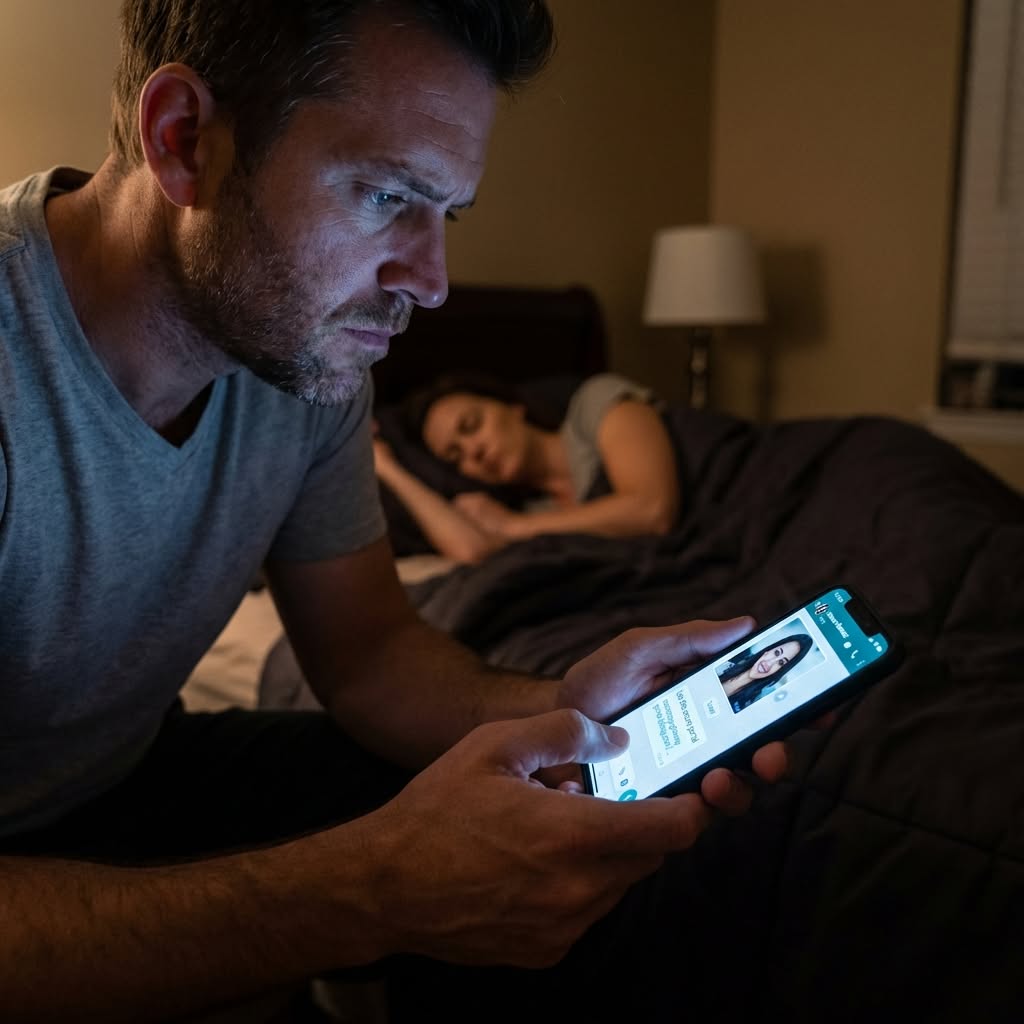
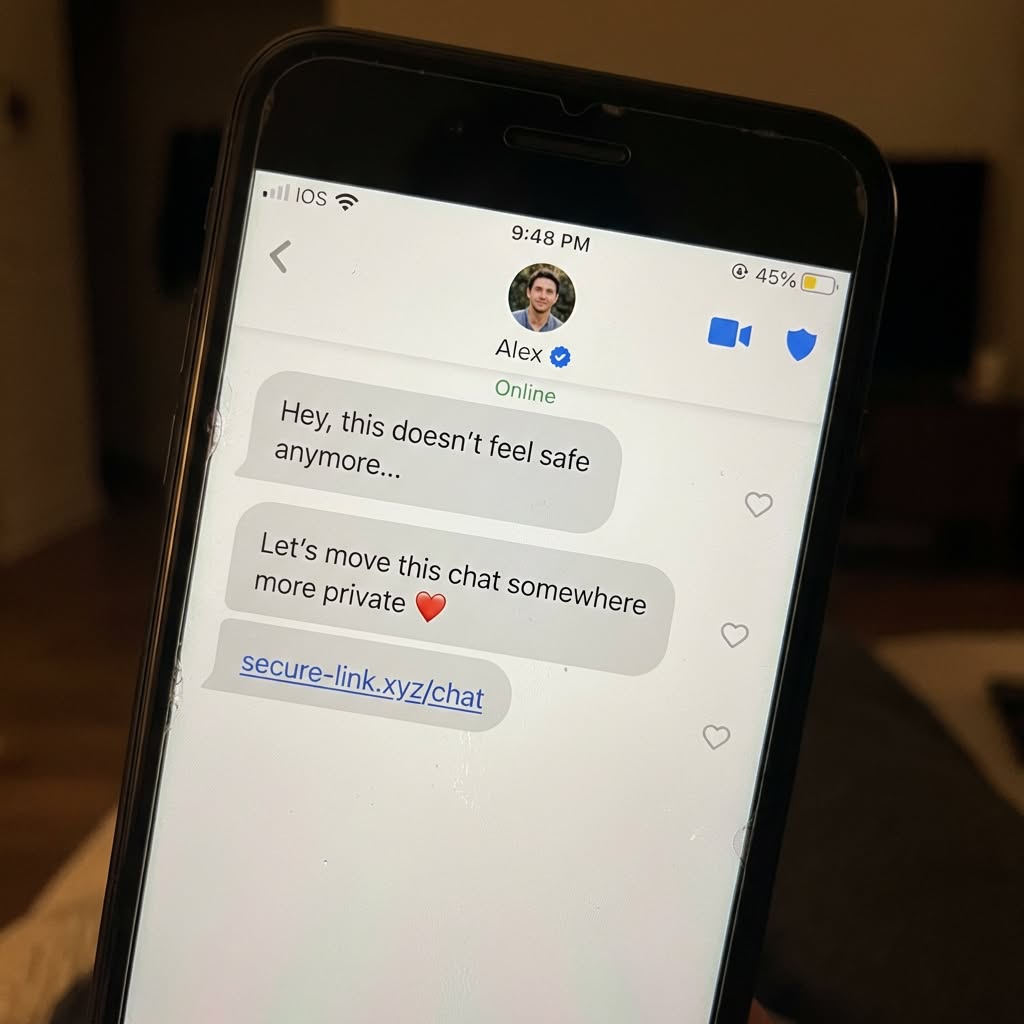
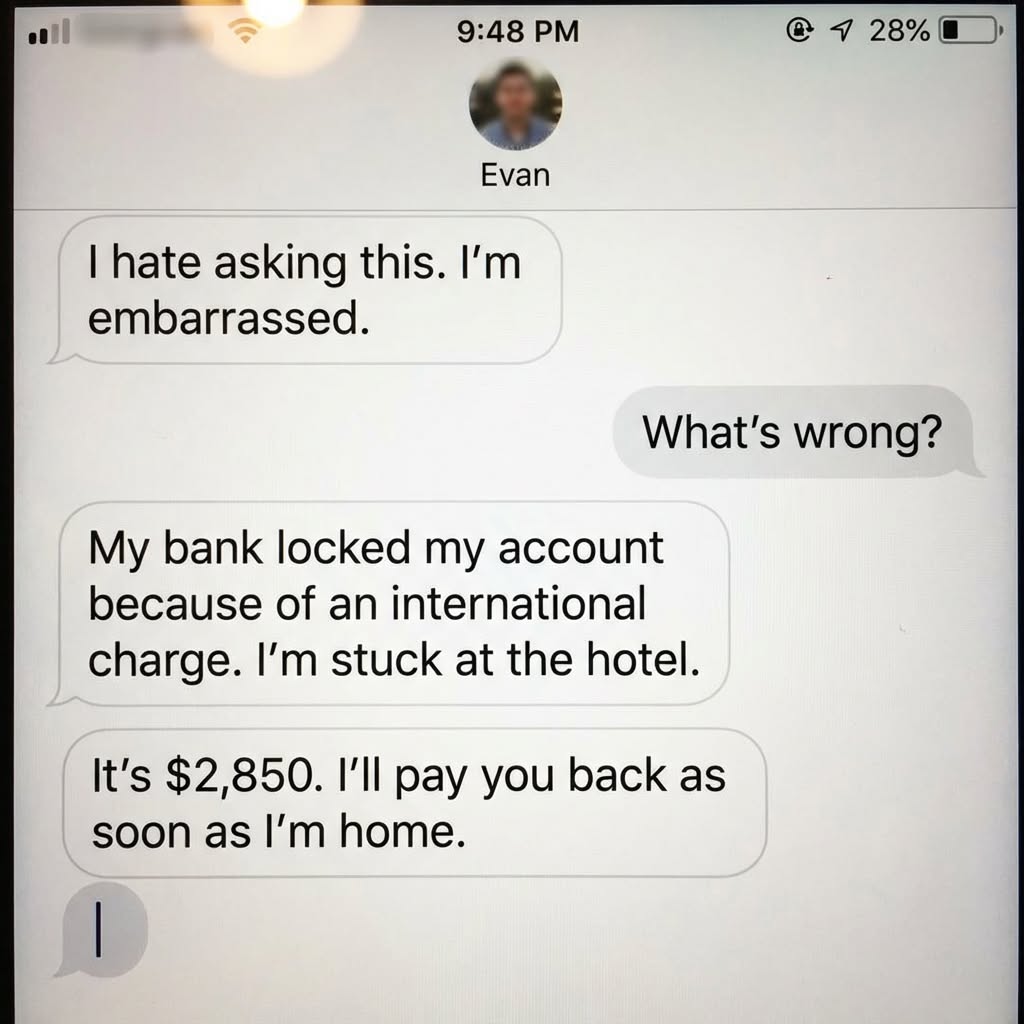
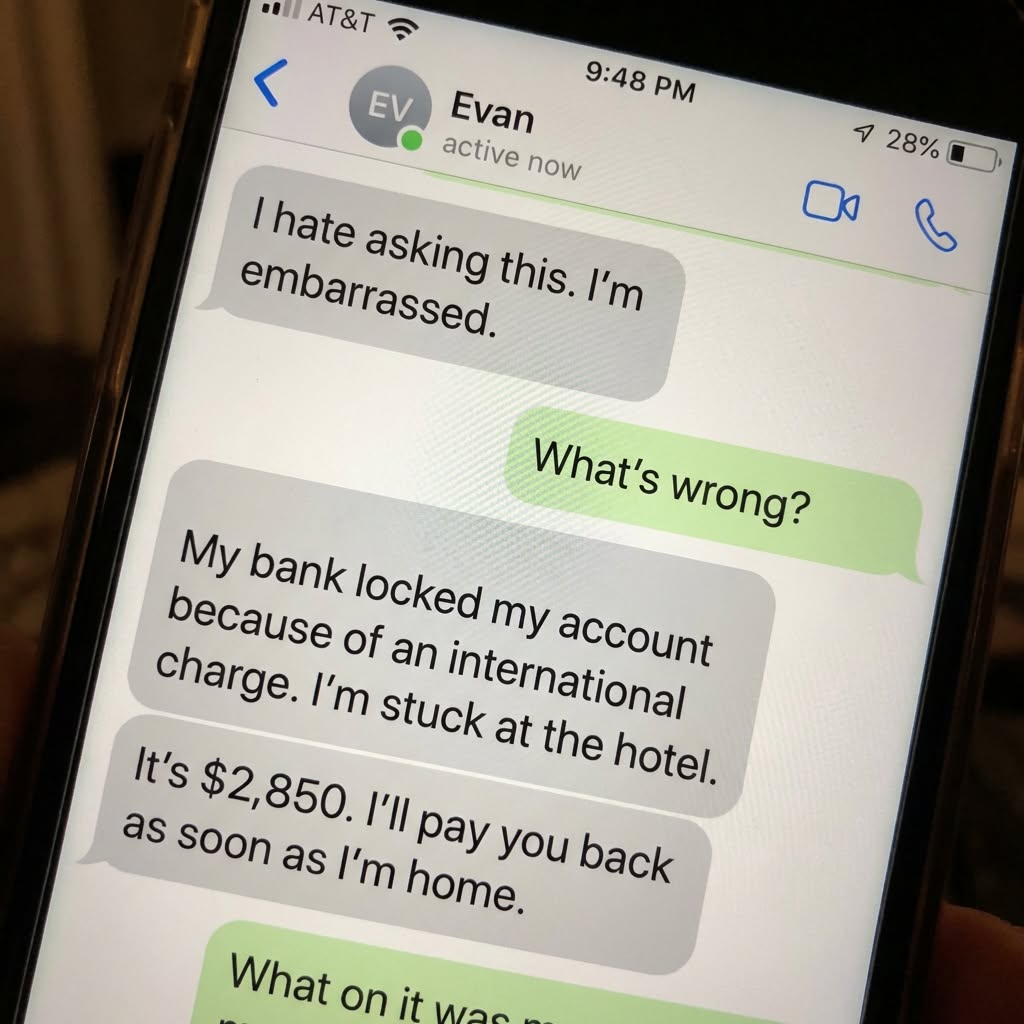
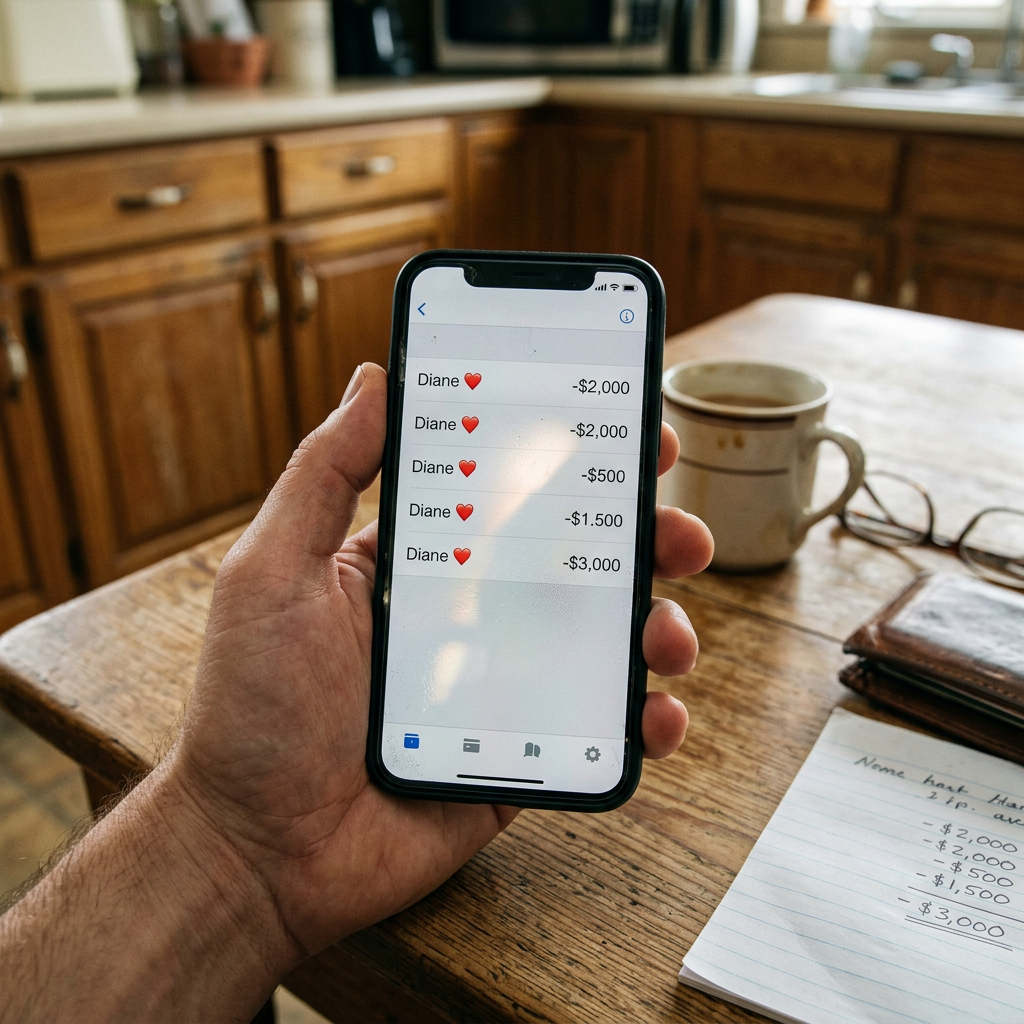
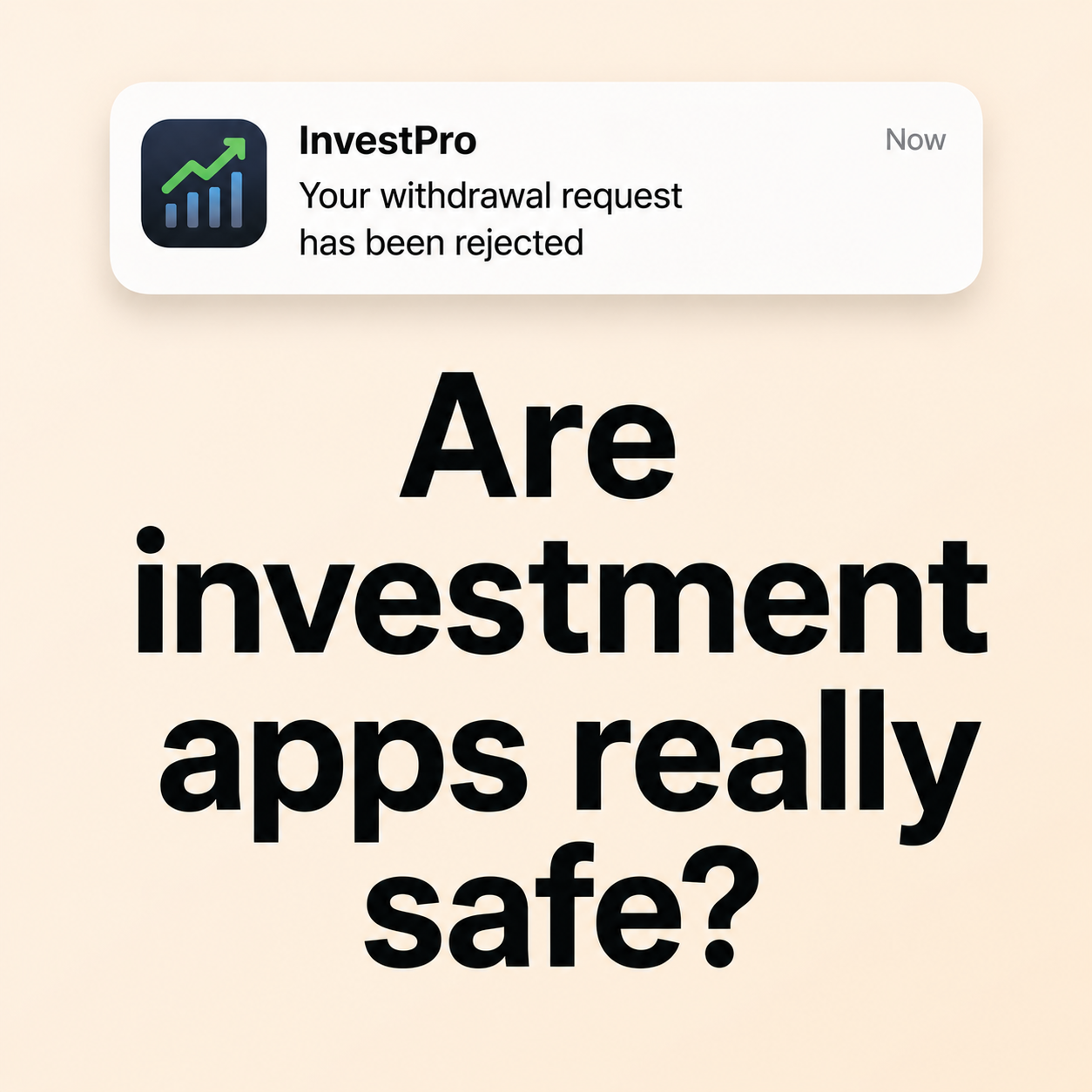
I showed my kids the money on my phone at Sunday dinner. By the next morning, I understood it had never been real. Not one dollar of it. It was around 6:40 on a Sunday evening. My daughter had brought salad, my son was helping my husband clear plates, and my youngest was sitting across from me asking if I was ever going to retire from checking the oven every three minutes. It was one of those ordinary family dinners where everyone talks over each other and half the conversation happens from the kitchen. And for once, I was the one with the news. I told them I had been investing. Not gambling. Not doing anything wild. Investing. I told them about the app I had found months earlier, and the man who had been helping me understand it. I called him my “investment manager,” even though now I can barely write those words without feeling sick. He had been patient with me. Careful. Respectful. He never made me feel stupid for asking questions. He never once asked me for a dollar. That was the part that made me trust him. I opened the app at the table and turned my phone around so they could see the balance. $11,400. My son actually stopped chewing. “That started as four thousand,” I said. I remember exactly how proud I felt when I said it. Not loud proud. Not bragging exactly. Just that warm, quiet kind of proud you feel when you think you’ve finally done something smart with your life. My kids have their apps and their accounts and their ways of making money work for them. I always felt like I was late to all of it. Like everyone else had learned some secret language about investing and I was still keeping money in the safest, slowest place possible. So when that number sat there on my screen, clean and bright and official-looking, I felt like maybe I had caught up. I told them I was going to take out $2,000 and treat everyone to dinner the next weekend. My treat. I tapped Withdraw. The app asked how much. I typed 2,000. I tapped Confirm. Then the screen changed. A red box appeared. “Withdrawal on hold.” I remember my thumb just hovering over the screen. Under it, in smaller writing, it said: “Before $2,000.00 can be released to your bank, a 15% release tax must be paid. Funds will be unlocked within 24 hours of payment.” There was a button underneath. “Pay release tax to continue.” At first, I thought I had done something wrong. I tapped back. I tried again. Same red box. My son looked at me and said, “Everything okay?” And this is the part that still makes my stomach twist. I smiled. I actually smiled. I said, “Yeah, it’s just slow.” Then I pulled the phone closer to my chest so no one could see. A minute before, I had been the smart one at the table. Now I was the woman who couldn’t get her own money off her own phone in front of her own children. My face felt hot. My ears were ringing a little. I kept staring at that red box like if I read it enough times, it would start making sense. It was my money. Why was I being asked to pay money to get my money back? But I also didn’t want to panic. That’s the thing about scams like this. They don’t feel like scams while they’re happening. They feel like a problem you’re embarrassed you don’t understand. And I had been talking myself out of small doubts for months. It started with my walking group. Two women I knew kept mentioning a trading group they were in. Nothing dramatic. Just little comments over coffee. “I made $320 this week.” “My portfolio is finally moving.” “My son helped me set it up.” Then one of them added me to a group chat. There were normal-looking people in there. Photos of grandchildren. Weather complaints. Little screenshots of gains. Nothing about it looked dark or dangerous. Then there was him. He answered questions. He explained what to tap. He told us when to buy and when to wait. He didn’t use pushy language. He never wrote like a scammer. No spelling mistakes. No weird pressure. No “send money now.” He told me to download the trading app. He told me how to move money from my own bank into my own investment account. My money. My account. My decision. That was what made it feel safe. The app looked exactly like every finance app I had seen advertised before. Dark background. Green arrows. Portfolio tab. Account balance. Little charts that moved. And every time I added money, the number grew. Slowly at first. Then faster. I didn’t tell anyone because I wanted to be sure before I said anything. I didn’t want my kids thinking I had fallen for something silly. I wanted to show them when I had proof. So I waited until I had a number worth showing. $11,400. After everyone left that night, I sat at the kitchen table in the dark with only the light above the stove on. The plates were still stacked by the sink. My phone was in my hand. I messaged him. I wrote, “It says I need to pay a release tax before I can withdraw. Is that normal?” He answered in less than a minute. “Completely normal. One-time government release tax. Once paid, your withdrawal will clear within 24 hours and the full balance will be available.” He added, “Don’t worry. Your funds are safe.” I stared at that sentence. Your funds are safe. I wanted to believe it so badly. Because if it was true, I was still the smart one. If it wasn’t, I had just shown my children a fake number at my own dinner table. So I paid. $1,710. I moved it out of savings. I told myself I would laugh about this later. That next week, when the money landed, I would say, “You won’t believe the weird tax thing they made me do.” The next morning, I woke up before my alarm. First thing I did was open the app. There was a new message waiting. “Anti-fraud verification deposit required before funds can be released.” Another payment. Bigger than the first one. That was the moment the floor dropped. Not all at once. More like my body understood before my mind did. My hands went cold. My chest tightened. I sat on the edge of the bed and just kept reading the same line over and over. Anti-fraud verification deposit. Deposit. Before funds can be released. I messaged him again. This time, his answer was still kind, but different. More urgent. “If this step is not completed, your account may remain frozen.” Frozen. That word did something to me. I thought about the $4,000 I started with. Then the extra transfers I had made. Then the $1,710 I had paid the night before. Then the way my son had looked at the dinner table when I told him I had grown it to $11,400. I didn’t cry right away. I just sat there, very still, feeling like someone had quietly moved the ground out from under me. My daughter was the one who finally pulled it out of me two days later. She came over because I wasn’t answering texts the way I normally do. She sat at the same kitchen table where I had shown everyone the app and asked me to show her everything. The app. The messages. The payment page. The link he had sent me. She didn’t make a face. She didn’t scold me. She just got very quiet. Then she said, “Mom, this app isn’t in the real store.” I felt stupid before she even finished the sentence. She searched the company name. Nothing real. She searched the website. Nothing that made sense. Then she looked at me and said, “There are tools that catch this stuff before you ever get this far.” She installed Guardio on my phone. Then she opened the last payment link he had sent me, just to show me what should have happened the first time. The page didn’t even finish loading. Guardio stopped it. The screen went red. It said the page was part of a known investment scam. I just stared at it. That red warning was so simple. So plain. So late. I kept thinking, if I had seen that before I entered anything, before I trusted the app, before I moved money from my savings, before I sat at that table and smiled at my children, I would have stopped. Not because I’m smarter than anyone else. Because I would have had something in front of me saying, “Do not continue.” That’s what I didn’t have when it mattered. Later, Guardio scanned what had been exposed under my name and email. That was the second shock. My name, email, and phone number had been sitting on a list connected to “investors over 55.” I wasn’t random. I wasn’t unlucky in some vague way. I had been selected. Someone had my information, knew my age range, knew I might be interested in catching up financially, and placed me exactly where I would feel curious instead of afraid. A friendly chat. A patient man. A clean app. A balance that only went up. A fee that sounded official. That is what scares me now. Not just that I lost money. But that every step felt normal while I was taking it. He never asked me for a dollar. He just taught me how to give it to him myself. And the cruelest part is that for a while, he made me feel clever while I did it. Someone is being walked through this exact thing right now. Maybe not with the same app. Maybe not with the same “release tax.” Maybe it’s called a withdrawal fee, a verification deposit, a security hold, a fraud check, or a tax clearance. But it will look professional. It will feel urgent. And the person on the other end will know exactly how to keep them calm long enough to pay. I keep thinking about that Sunday dinner. About turning my phone around. About wanting my kids to see that I had done something smart. The app would have cost me nothing to check. The lesson cost me my savings. Before you trust an investment app, a payment page, or a link someone sent you in a chat, check it with Guardio. See if the site is real. See what’s exposed under your name. See if someone already knows how to target you. Because the worst moment isn’t when you realize the money is gone. It’s the moment you realize the warning existed. You just didn’t have it in time.
Click to Read 👉
Forget all about malware, phishing and identity theft. Guardio cleans, protects, and keeps you and your browser safe.
LEARN MORELike this ad? Make it yours.
Crush rebuilds this exact creative around your product — your brand, your colors, your offer — in about a minute.