Garden's Pulse
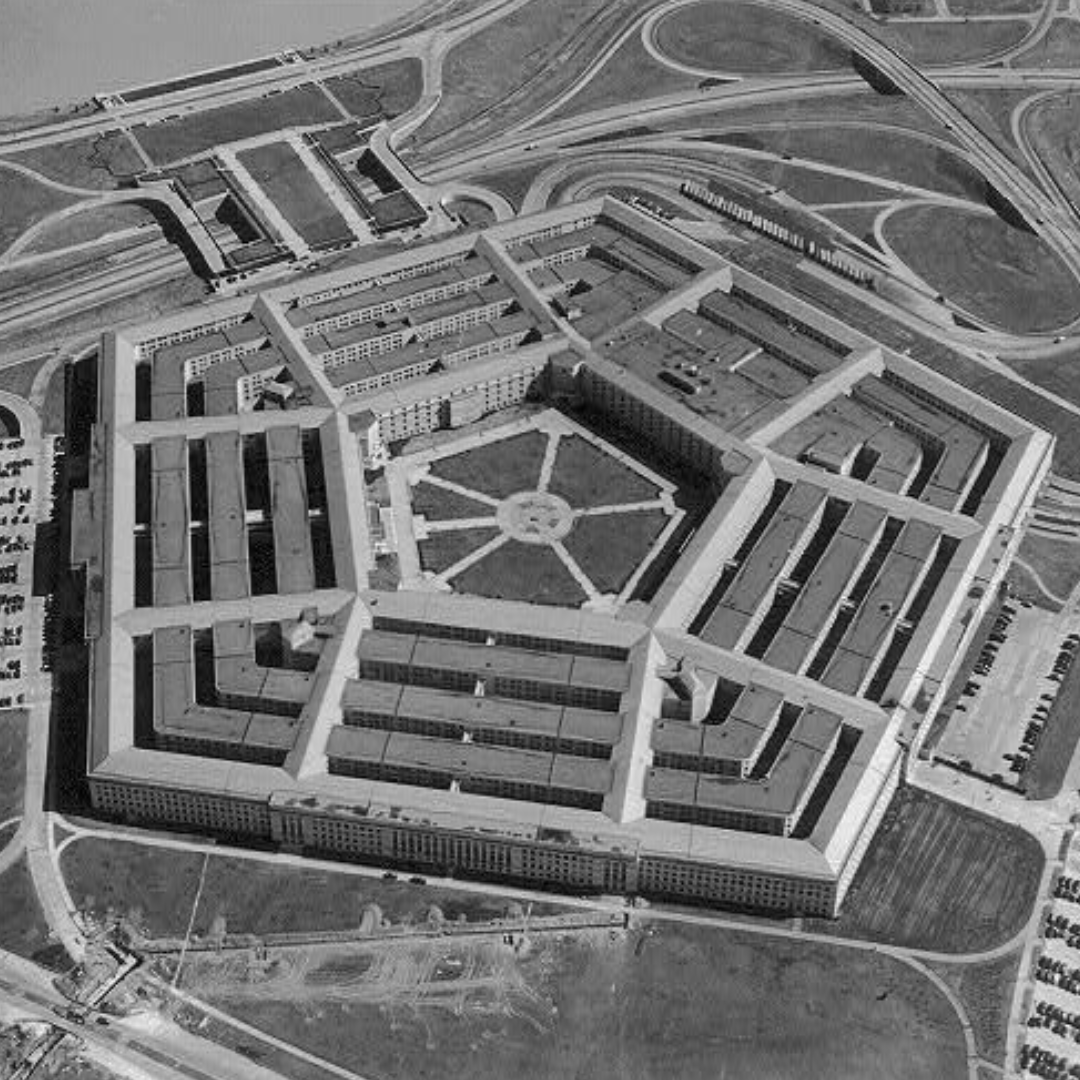
Garden's Pulse Facebook ad: “The last time this happened, grocery shelves went empty.”
Ran for 36 days, from April 23 to May 28, 2026, the last day Crush saw it.
Run by Garden's Pulse on Facebook. Crush is not the advertiser and does not verify its claims. See this ad in Meta's Ad Library(opens in a new tab)
Want an ad like this for your product?
Crush makes new ad images for your product from this ad: your logo, your product photo, your offer.
Trials from $19.95 USD, then $79.95 USD a month. Cancel anytime.
About this ad
- Meta Ad Library ID
- 1492855752430035
- Platforms
- Facebook, Instagram, Audience Network, Messenger and Threads
- Relaunches
- 1
- Niche
- Home & Garden
Ad text
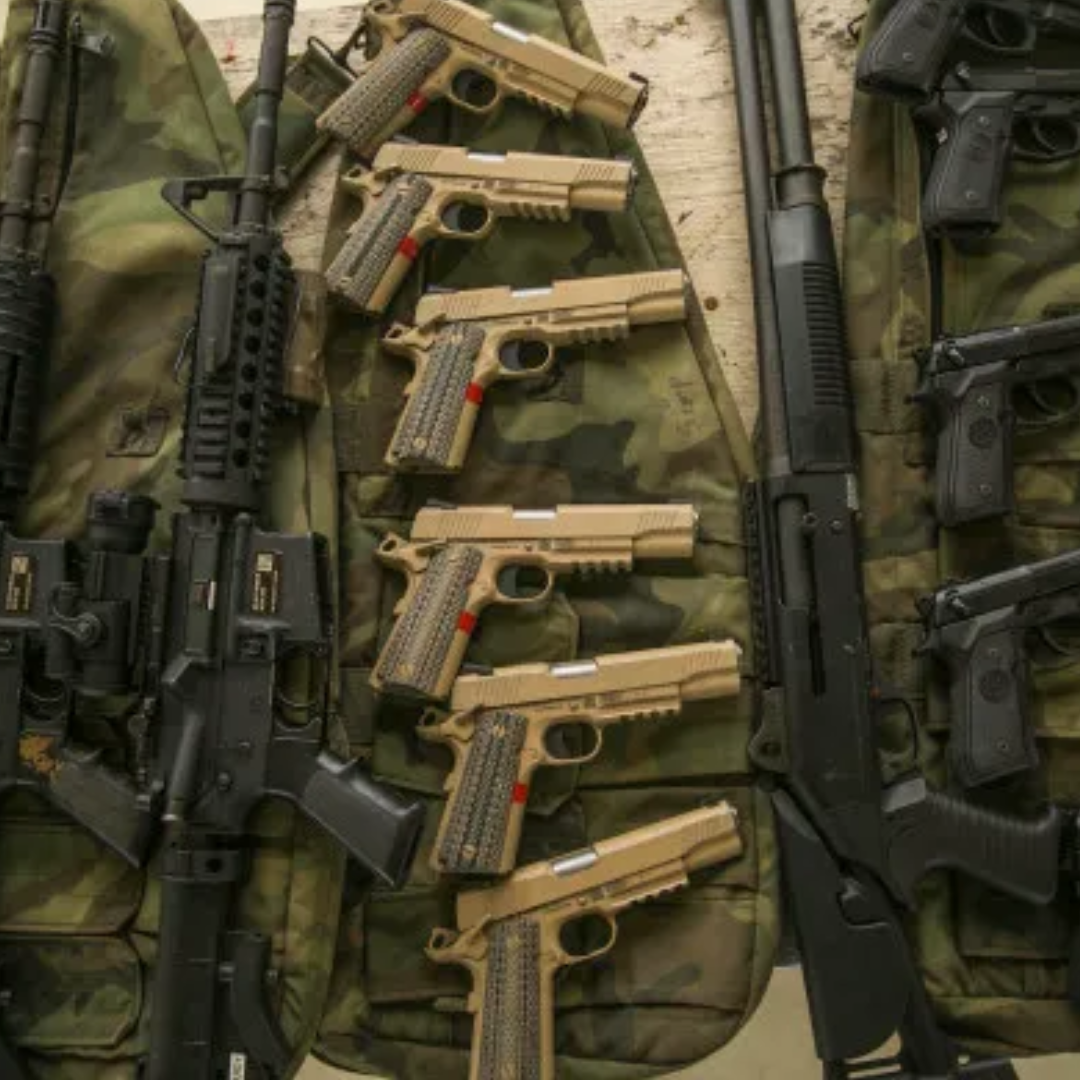
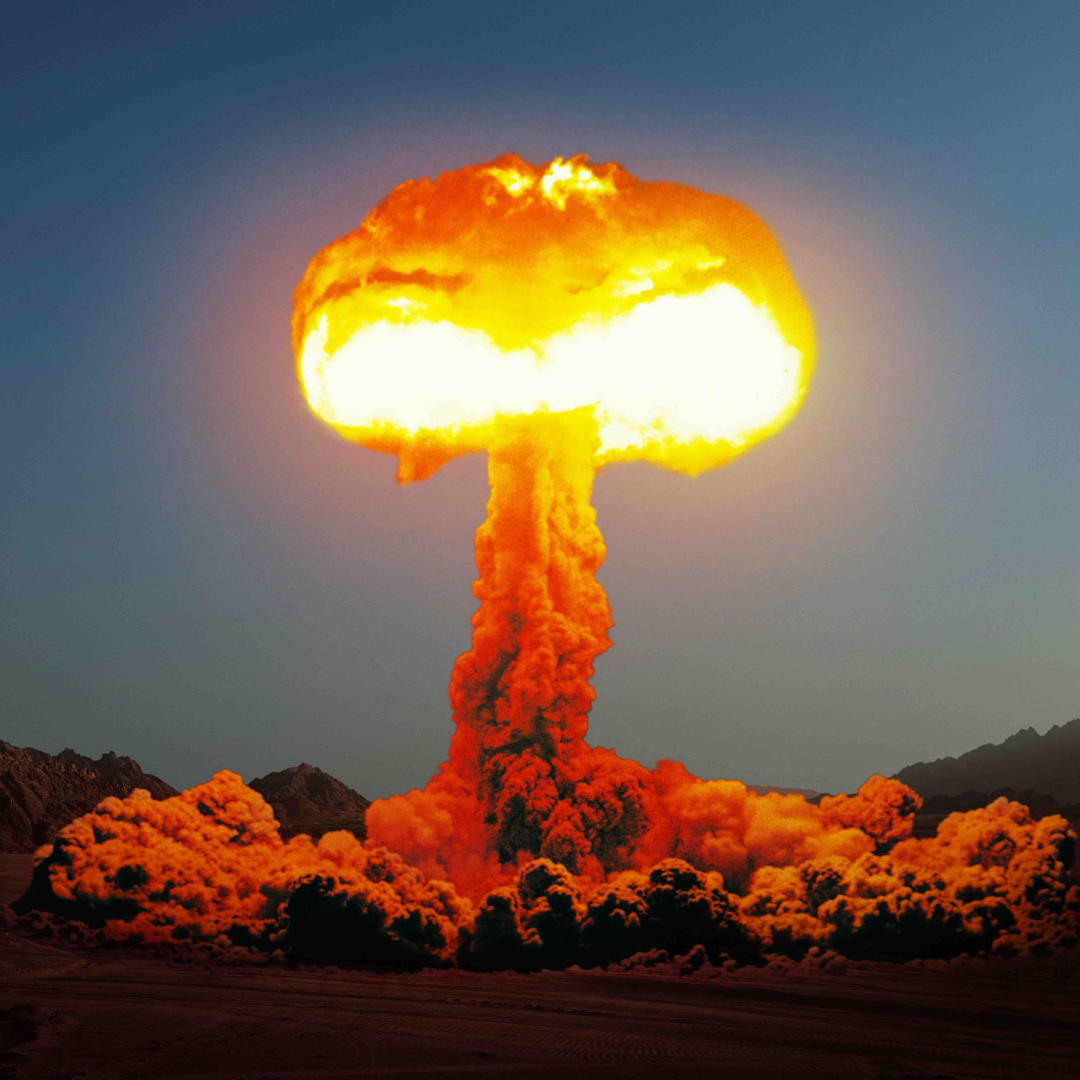
The Pentagon is in active talks with General Motors, Ford, GE Aerospace, and other American manufacturers about shifting production lines to weapons and military supplies. This isn't a rumor. It was reported by the Wall Street Journal this week. Defense officials confirmed it. The Trump administration is requesting a $1.5 trillion military budget. The US is enforcing a blockade near the Strait of Hormuz. Ships are turning back. And the government is asking civilian factories to rapidly shift to defense work. Most people read that headline and think about geopolitics. About Iran. About oil prices. About what happens next in a war most Americans didn't see coming. I read it and thought about something else entirely. The last time the US government asked civilian manufacturers to shift to wartime production, grocery shelves went bare within months. That was 1942. Car factories stopped making cars. They made tanks. Planes. Ammunition. The entire industrial base pivoted to military output overnight. And the food system — which depended on that same industrial infrastructure for processing, packaging, and distribution — buckled. Meat was rationed. Sugar was rationed. Butter, canned goods, coffee — all rationed. The government told American families they could no longer rely on the food supply chain. It was being redirected to feed the military. So they told families to do something that sounds almost unthinkable today. Grow your own food. 22 million Americans did exactly that. They called them Victory Gardens. Families who had never touched soil were tearing up backyards, front yards, vacant lots, even rooftops. By 1944, those gardens were producing nearly 40% of all fresh vegetables consumed in the United States. Not farms. Not the agriculture industry. Families. Regular people with seeds in the ground. And here's the part nobody talks about today. They didn't buy new seeds every year. They couldn't. There was a war on. Supply chains were broken. So they did what families had done for ten thousand years. They saved seeds from their harvest and replanted them the next spring. Same crop. Same quality. Same yield. Year after year. One purchase. Generations of food. That's how 22 million families fed themselves through a World War. Not by depending on a system. By stepping outside of it. Now look at where we are. The Pentagon is asking factories to shift to weapons production. A blockade is choking one of the most critical oil corridors on earth. The military budget is being pushed to $1.5 trillion. And the same pattern that preceded every food disruption in the last century is playing out again — right now, in real time. In 1917, the food system broke when WWI pulled resources away from civilian supply chains. The government created the War Garden Commission and told families to grow food. In 1943, it broke again. WWII. Same crisis. Rationing. Victory Gardens. In 2020, it broke without a war. A pandemic. Baker Creek shut down seed ordering. Burpee was backordered for weeks. Shelves went empty overnight. Three times in a hundred years. And now the conditions for a fourth are forming in front of us. But here's what's different this time. The first two times, the government showed up. They printed planting guides. Distributed seeds. Organized commissions. Taught families how to feed themselves. In 2020? Silence. No guides. No seeds. No help. And if it happens again — while factories are making weapons instead of consumer goods, while oil supply chains are disrupted, while military spending is consuming $1.5 trillion — nobody is coming to save you. You're on your own. But there's something else different this time. Something most people don't realize. The seeds your great-grandparents used during the Victory Gardens aren't the same seeds sitting on the shelf at your hardware store. Those were heirloom seeds. Open-pollinated. Seeds that reproduce true to type. You plant them, save the seeds from the harvest, and replant them the next year. Same crop. Same quality. Forever. What's on the shelf now are hybrids. They grow one season. But save those seeds and replant them? The second generation breaks down. Stunted. Deformed. Useless. Scientists call it F2 breakdown. Hybrid seeds can't be saved. Which means if the supply chain breaks — and it's already showing cracks — you can't fall back on last year's seeds. You're completely dependent on the next shipment. 22 million families in 1943 didn't have that problem. Their seeds worked. Yours don't. Not because you're a worse gardener. Because they changed the seeds. Four companies now control over 60% of the world's seed supply. All hybrids. All designed to bring you back every spring. The same dependency model, applied to the one thing you can't live without. Meanwhile, the Svalbard Global Seed Vault — built into an Arctic mountain, funded by governments worldwide, designed to survive nuclear war — is storing heirloom seeds. Not hybrids. They know which seeds actually sustain life long-term. They're protecting those for themselves. I started looking for a real source. Most of what I found was the same system repackaged. "Seed vaults" with a few hundred seeds. Hybrids mixed in. No guidance. Dependency disguised as preparedness. Then I found Garden's Pulse. 16,000+ heirloom seeds. 35 varieties. Every one non-hybrid, non-GMO, open-pollinated. The same type of seed that fed 22 million families through WWII. The same type governments are storing in an Arctic vault. Seeds that reproduce. Seeds you save. One kit that turns into a lifetime of food. Less than a penny per seed. They include a Beginner's Planting Guide that walks you through every variety step by step. And a Garden Planner that tracks planting dates, harvest windows, and seed-saving schedules. 47,000+ families already have theirs. 90-day guarantee. Plant them. Test them. Save the seeds. Full refund if you're not satisfied. Keep the guides either way. The Pentagon is asking car factories to make weapons. The last time that happened, families who had seeds in the ground ate. Families who didn't went hungry. Right now it's 50% off. This price disappears when planting season starts 👇 https://gardenspulse.com/products/gardens-pulse-seed-vault-kit-1 P.S. — The last time the government asked civilian factories to shift to military production, 22 million families had to grow their own food. They could do it because their seeds reproduced. The seeds at your hardware store can't. 47,000+ families already have their vault. If the link still works, the spring price is still active. https://gardenspulse.com/pages/listicle1 P.P.S. — If you're still reading this, the vault is still in stock. The Pentagon is preparing for extended conflict. Oil corridors are being blockaded. The military budget is $1.5 trillion. And the seeds on your shelf can't survive one replanting. Garden's Pulse has 16,000+ that can. One kit. One time. Don't wait for the shelves to go empty to wish you'd done this 👇 https://gardenspulse.com/pages/listicle-2
Where the ad sends people
gardenspulse.com
The last time this happened, grocery shelves went empty.
35 heirloom varieties — 100% non-GMO and open-pollinated 16,000+ seeds in one vault — enough to plant a full garden Save and replant forever — never buy seeds again Airtight, moisture-resistant packaging with 10-year freshness guarantee
Shop now: gardenspulse.com(opens in a new tab)