
Active· since May 13, 2026
- 126
- days running
- 3
- relaunches
Ad copy
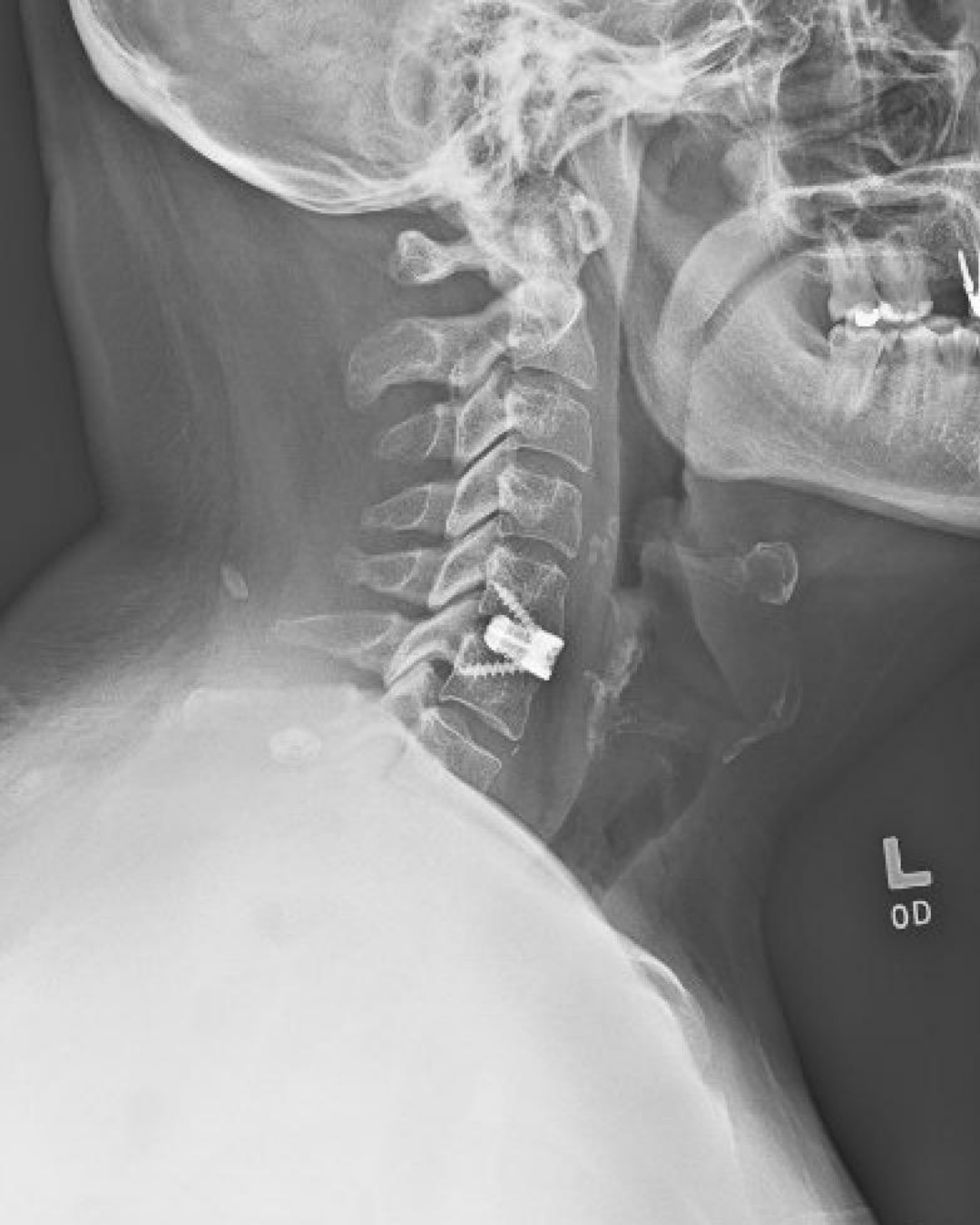
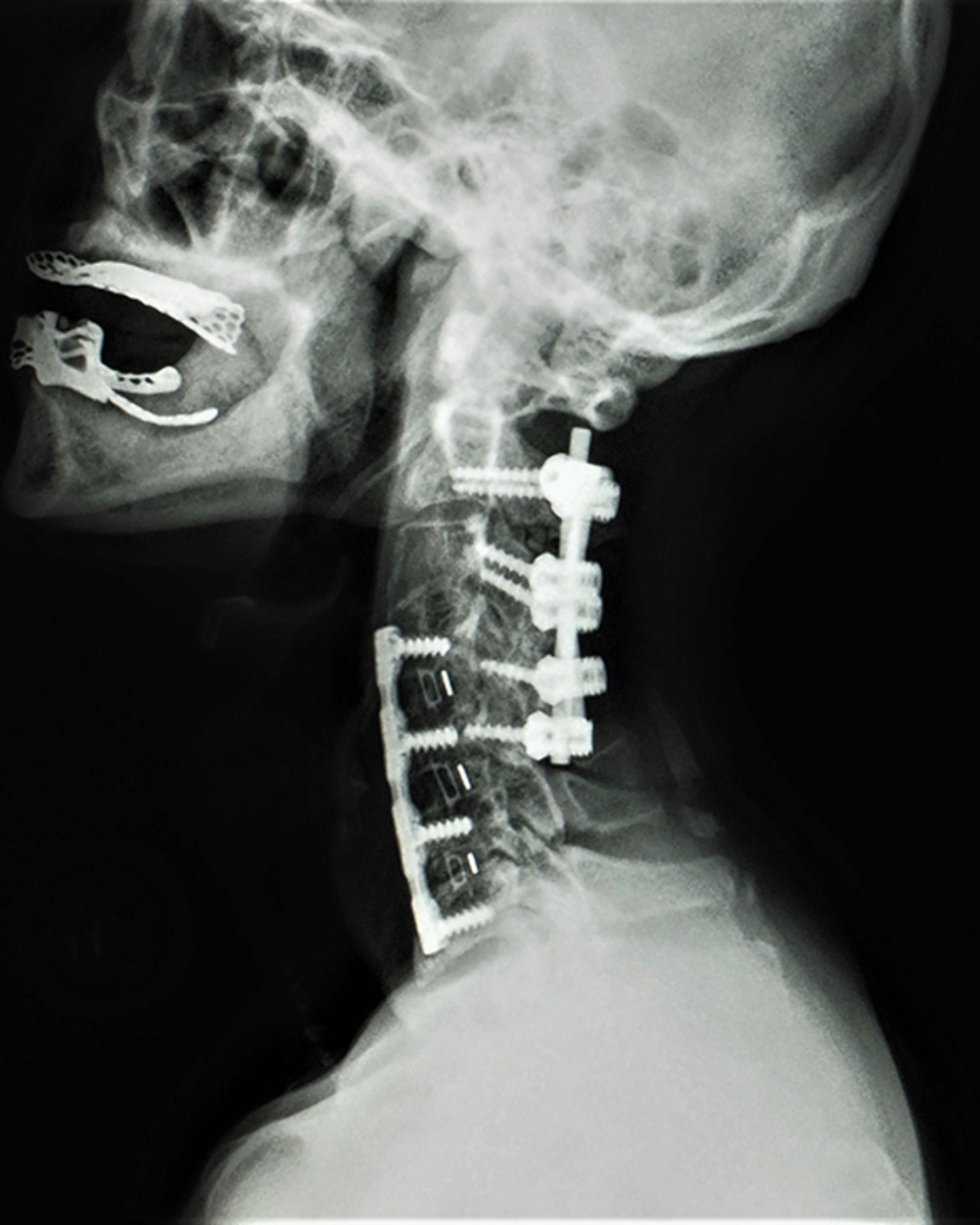
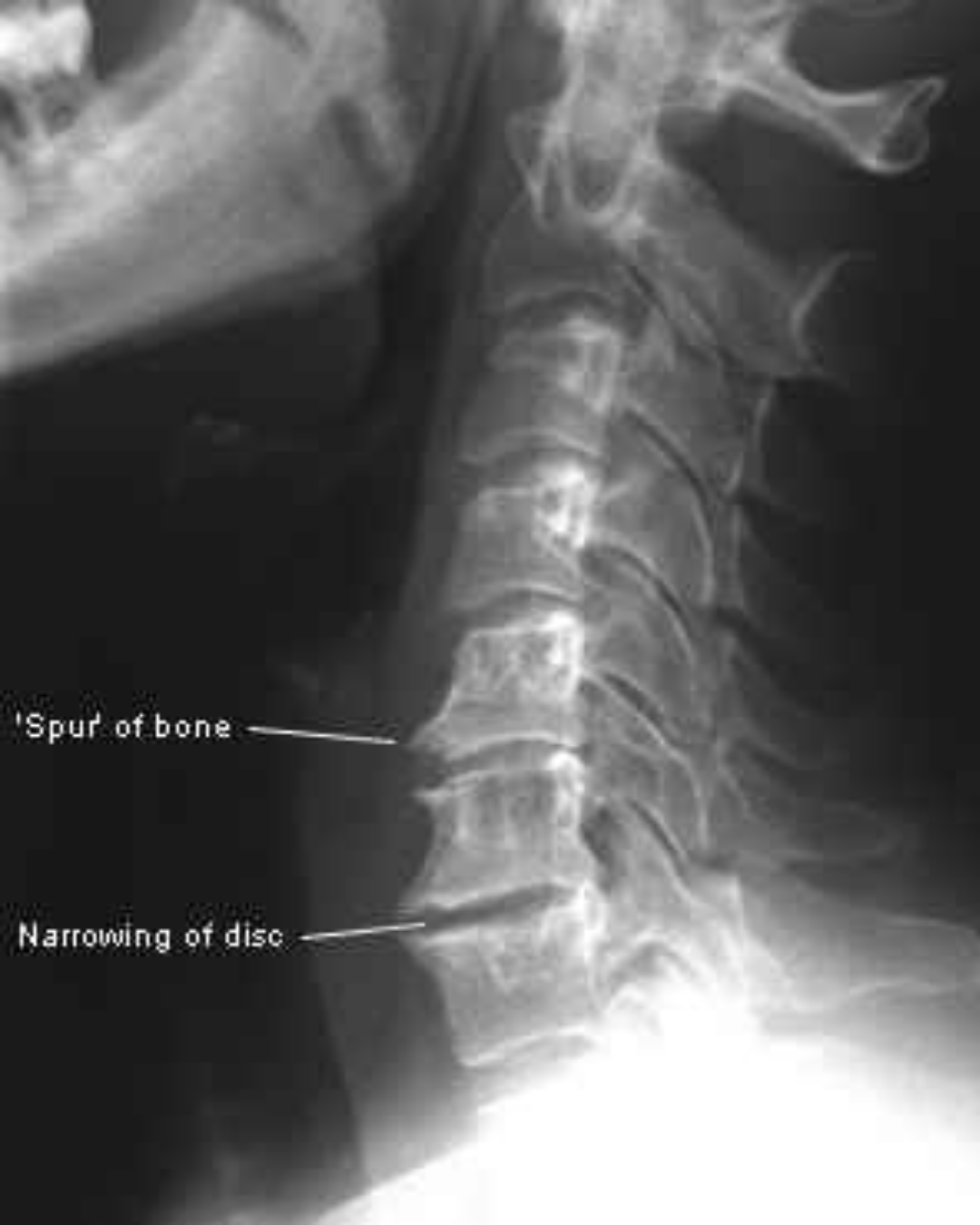
I was diagnosed with cervical spondylosis back in 2015. Hard to believe that was over 10 years ago now. From the very beginning, it was rough. The pain starts in your neck but it doesn't stay there. It shoots into your shoulder, down your arm, sometimes all the way to your fingers. Burning. Tingling. Numbness bad enough to wake me up at night. The doctors put me on Tylenol and Advil. And I stayed on them for years. What nobody tells you is that those medications come with a price. Stomach issues. Nausea. The feeling that you're trading one problem for another while the original one just keeps getting worse. Five years in, I hit my breaking point. I started reading everything I could find about it. I wanted to know what was actually happening inside my neck, and whether I could stop it from getting worse. That's when I came across a forum post that changed how I thought about all of it. A retired physical therapist explained something most doctors never bother to say. Three things have to happen at the same time for cervical disc pain to actually go away. First, you have to decompress the area. The vertebrae need to be pulled apart so the disc can stop pressing on the nerve. Second, you have to rehydrate the disc by getting blood flow back into the cervical spine. Discs have almost no blood supply of their own. Without circulation, they can't heal. Third, you need to relax the muscles near the cervical spine, the ones that spasm whenever the nerve gets pinched. Tight muscles squeeze the disc harder, the disc presses on the nerve more, and the cycle keeps feeding itself. Three things, happening at once. That was the piece I'd been missing. Every solution I'd tried only did one of them. Stretching opened up the area for about thirty seconds. Then, gravity pulled everything back into place. Heating pads relaxed the surface muscles but never reached the joint. Physical therapy actually worked, but at $180 a session, three times a week, my bank account couldn't keep up. Massage felt good in the moment without ever touching the disc. Painkillers muted the signal while the underlying problem got worse. I needed all three things in one place. At home. Without re-mortgaging the house. That's when I came across something a group of physical therapists and spine engineers had been developing. A device that does all three things at once. At home. 15 minutes a day. The shape caught me off guard. A specific 26-degree angle, built into clinical-grade memory foam. It wasn't a pillow, and it wasn't a traction collar. That angle does what stretching can't. It pulls the cervical vertebrae apart and holds them there long enough to take pressure off the disc and give the irritated nerve room to recover. You don't have to do anything. You just lie down. Heat is built directly into it. Not the warm-blanket kind. The kind that drives blood into discs that haven't had real circulation in years. And underneath the foam, deep-muscle vibration works on the upper traps and the muscles around the cervical spine. The ones that have been locked up for so long you forgot what they felt like loose. All three things that the retired PT said had to happen. Happening at the same time. Fifteen minutes a day, lying on your bed. I was skeptical going in. I'd been burned by every "miracle" device the internet had ever shown me. The first morning I used it, the deep ache I'd been waking up with for years was lighter than I could remember it being. By the end of the first week, the burning in my shoulder was much less intense. For the first time in ages, I didn't reach for an Advil before breakfast. By week two, the tingling in my fingers started showing up less often. Some mornings I'd realize halfway through my coffee that my hand wasn't numb. By 30 days, I was sleeping on my side again. The pain that used to be a 9 was something closer to a 2. I could turn my head to check traffic without rotating my whole body. The device is called Fisiorest. Right now it's available direct from the team that built it, with 55% off and a 365-day guarantee. You get a full year to try it. If it doesn't change anything for you, you send it back and they refund you. Supply is the only friction. Every unit is built to clinical-grade standards and they're producing in limited batches. When they sell out, there's usually a two to three week wait for the next run. If you're seeing this and it's in stock, that's the window. The link is below. Hope this helps.
Diagnosed with cervical spondylosis in 2015. Here's what finally worked after 10 years.
Naturally prevent or relieve neck pain and reverse forward head posture in just 15 minutes a day, or your money back.
SHOP NOWLike this ad? Make it yours.
Crush rebuilds this exact creative around your product — your brand, your colors, your offer — in about a minute.