
Active· since May 12, 2026
- 122
- days running
- 9
- relaunches
Ad copy
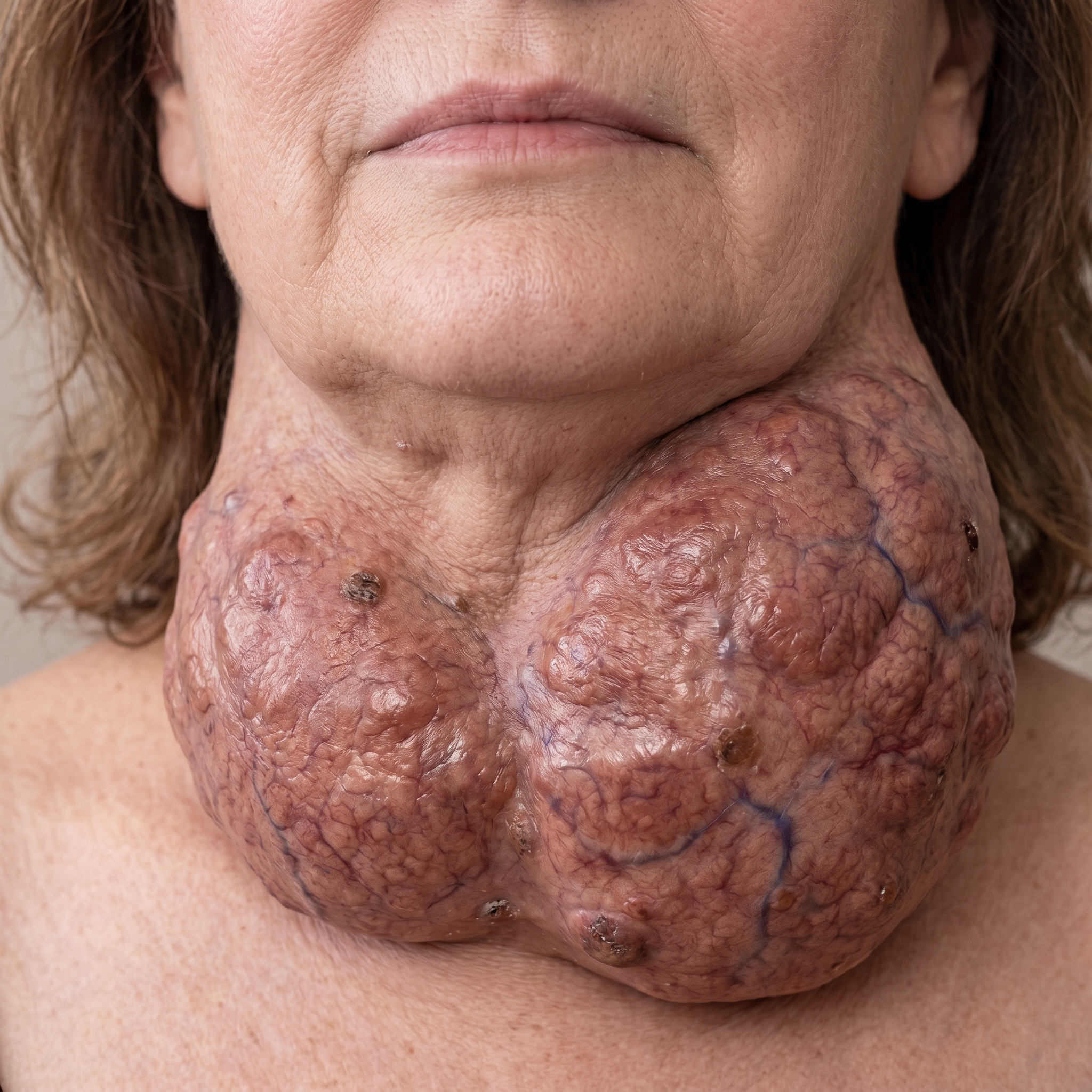
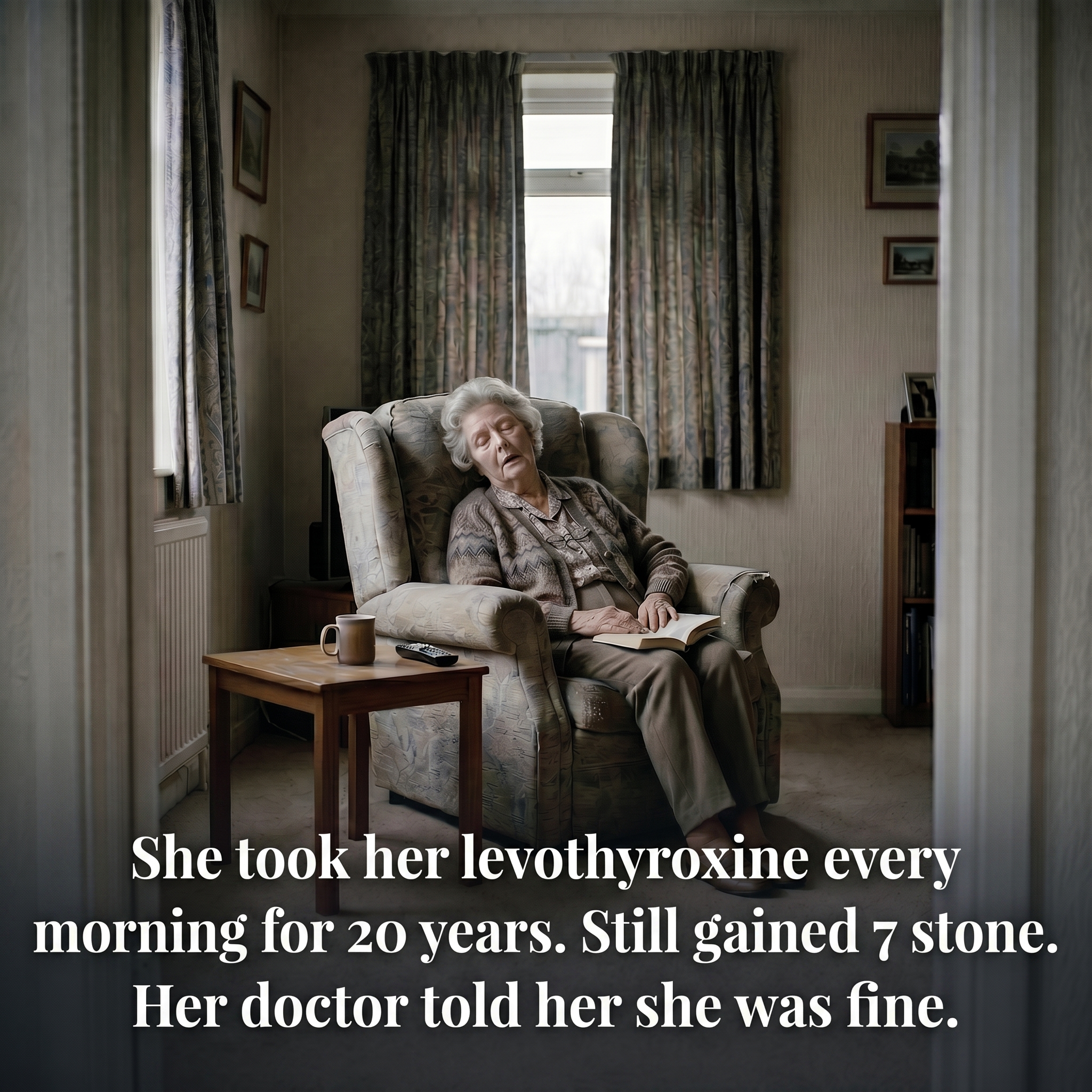
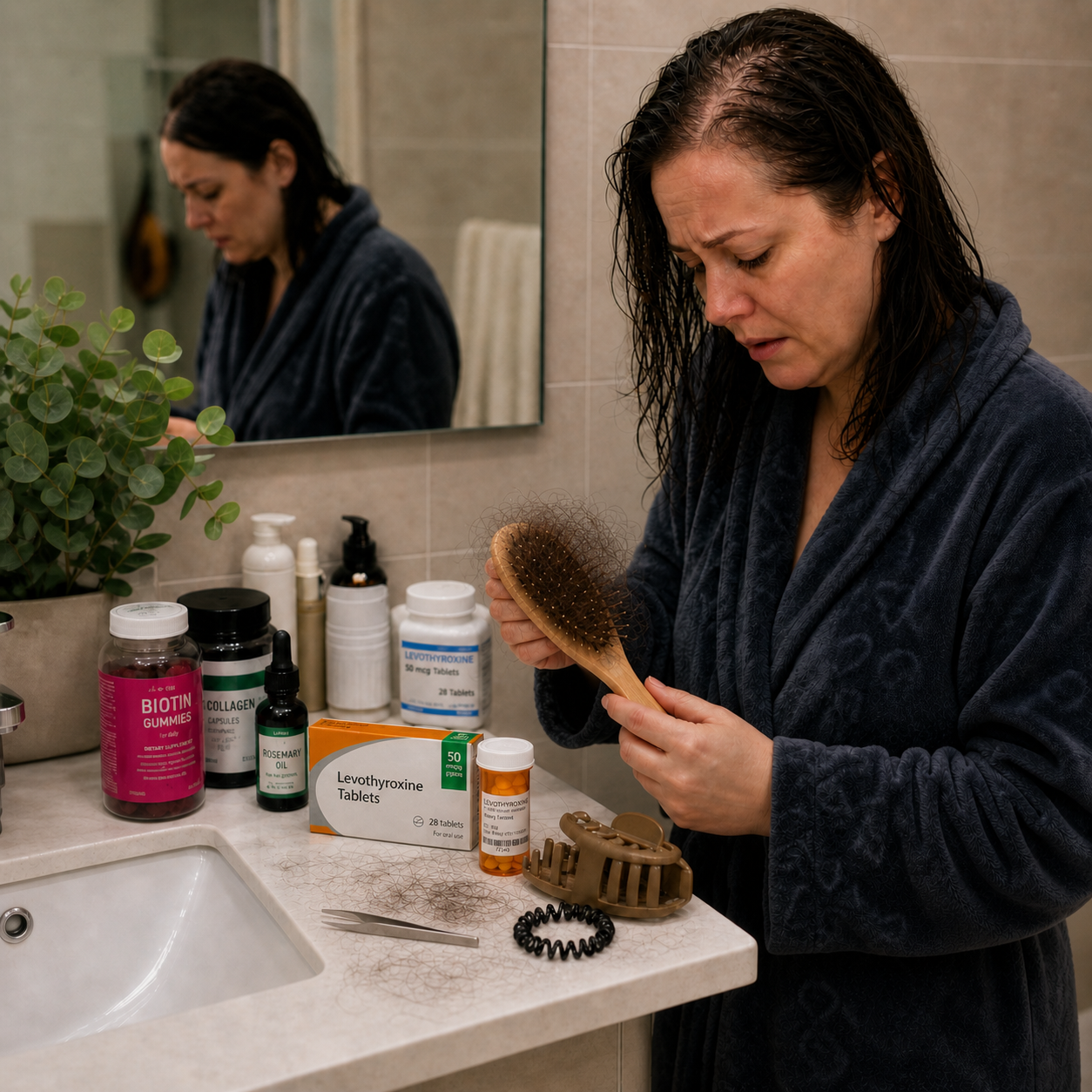
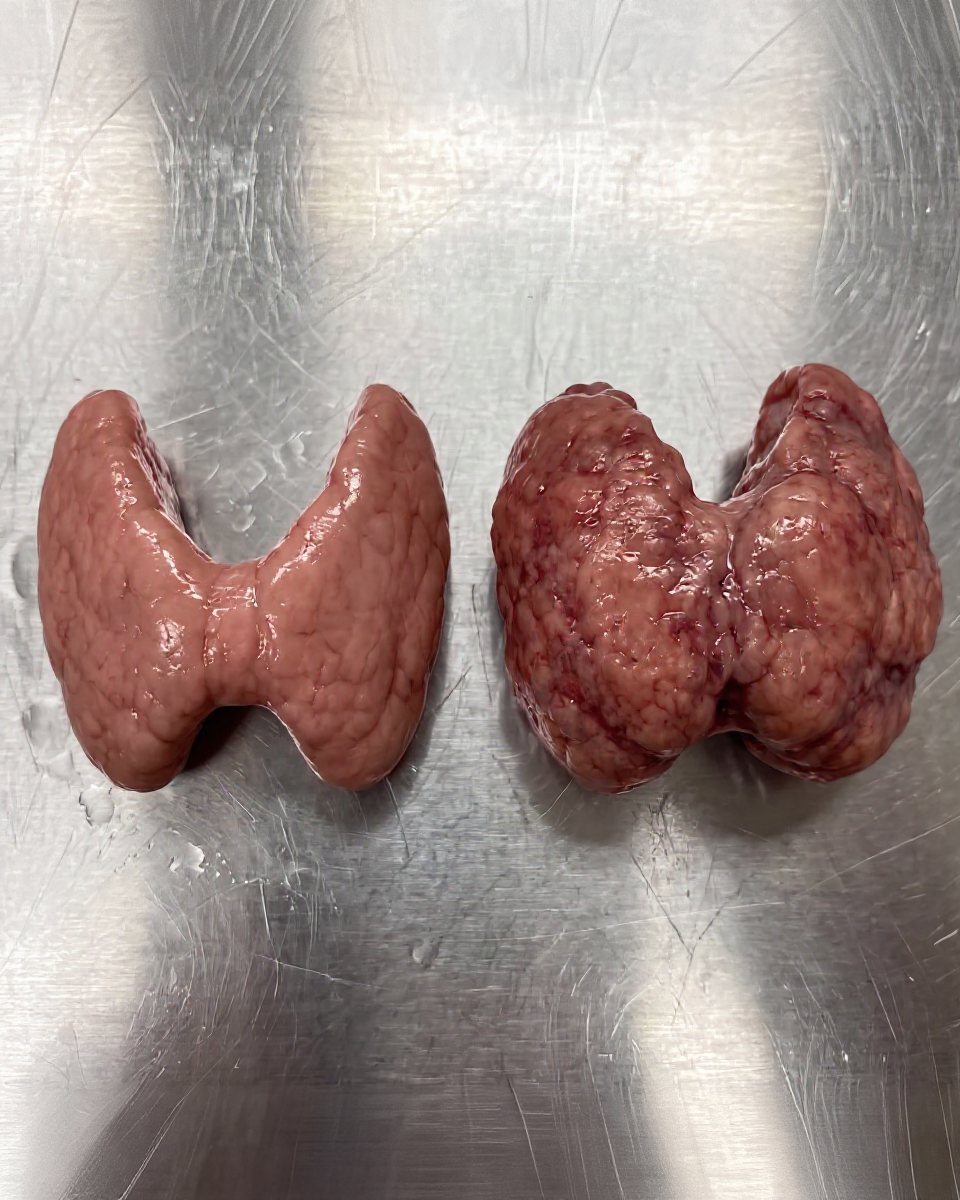
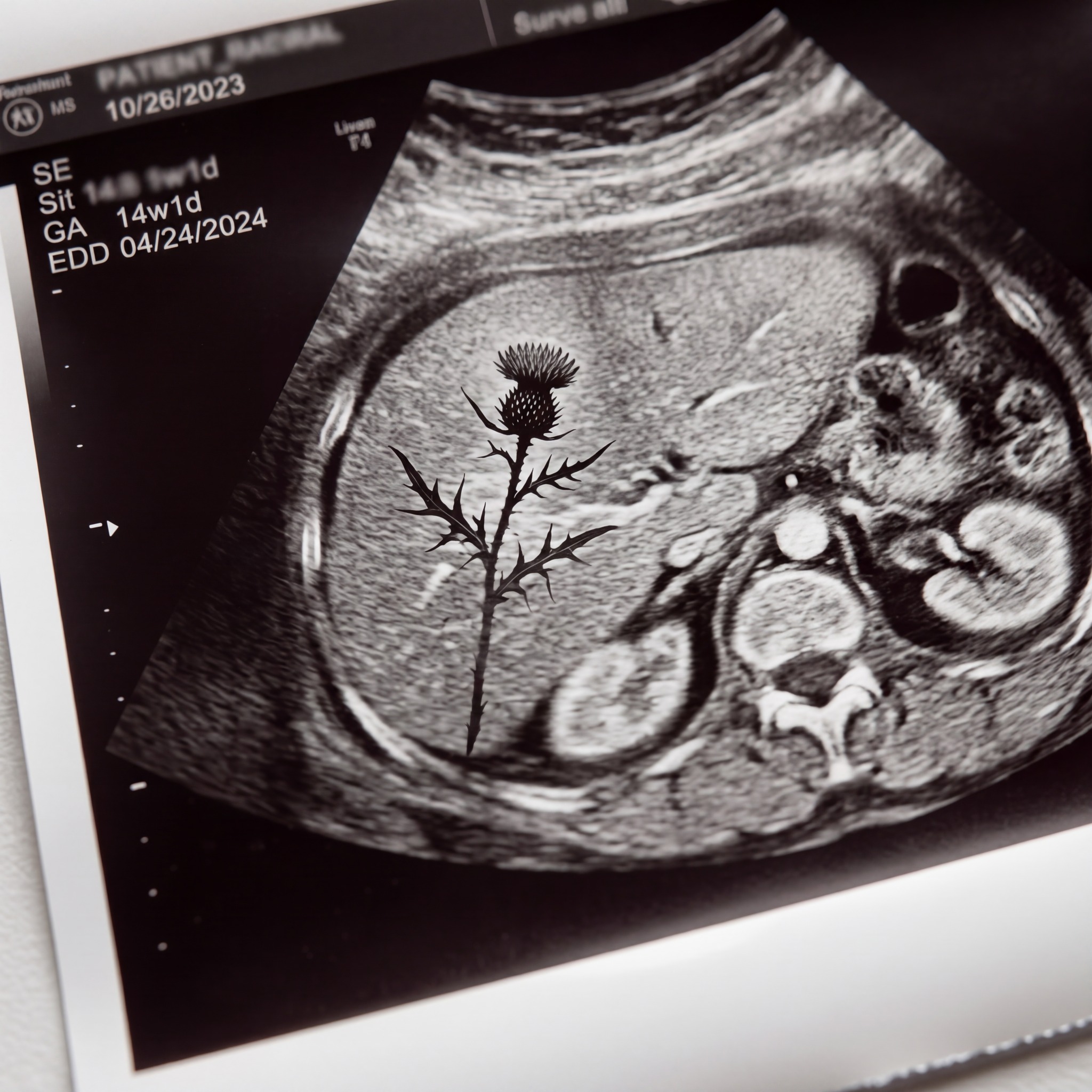
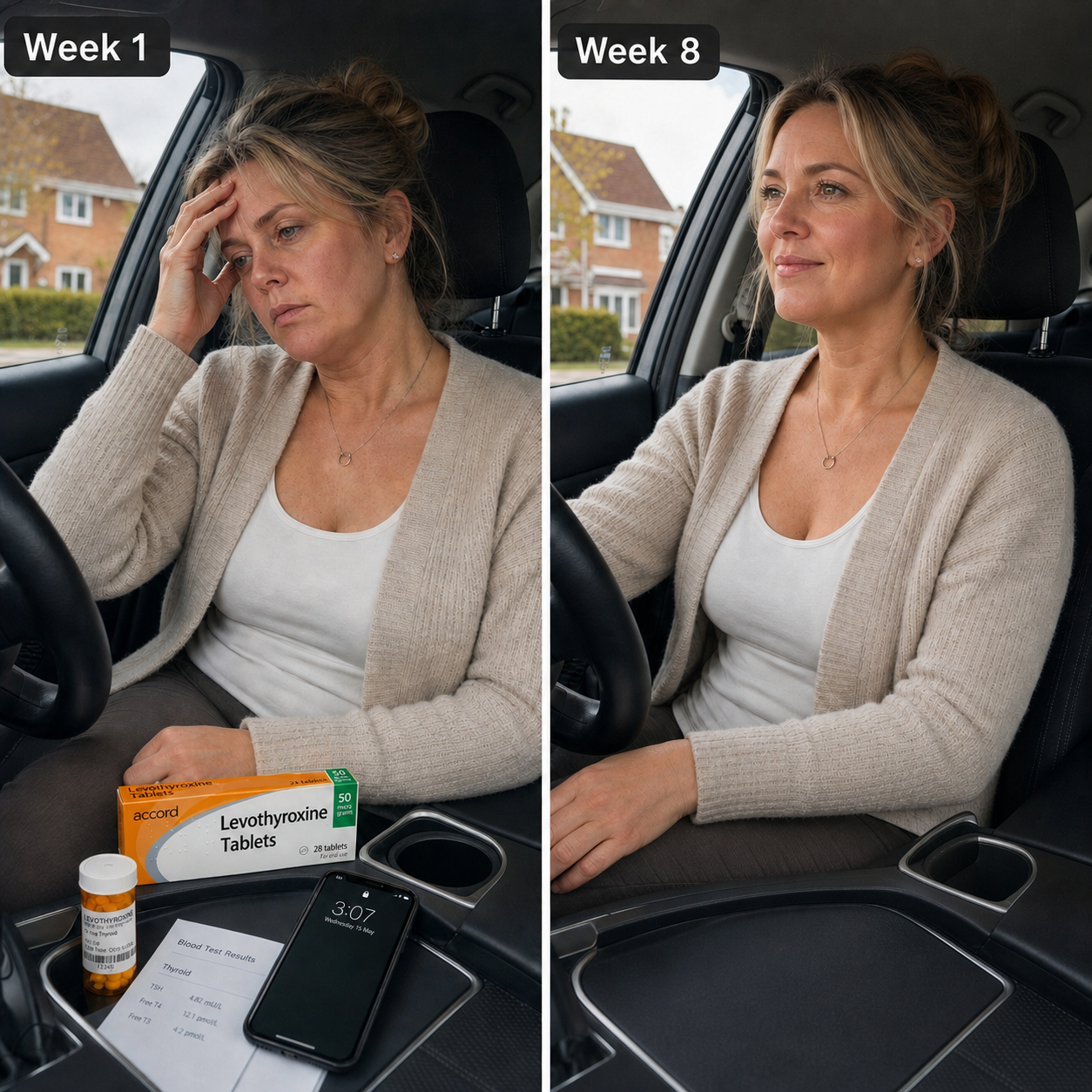
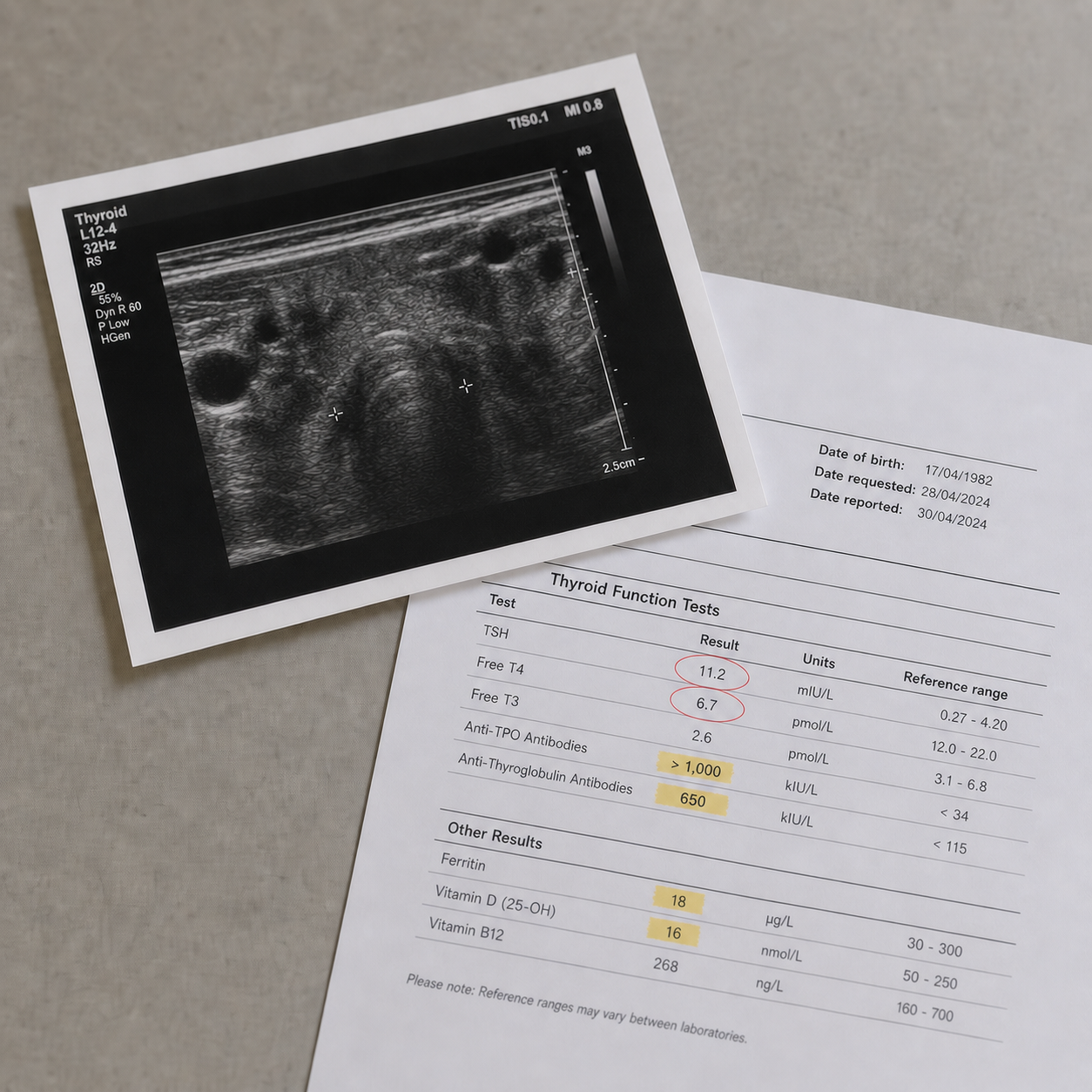
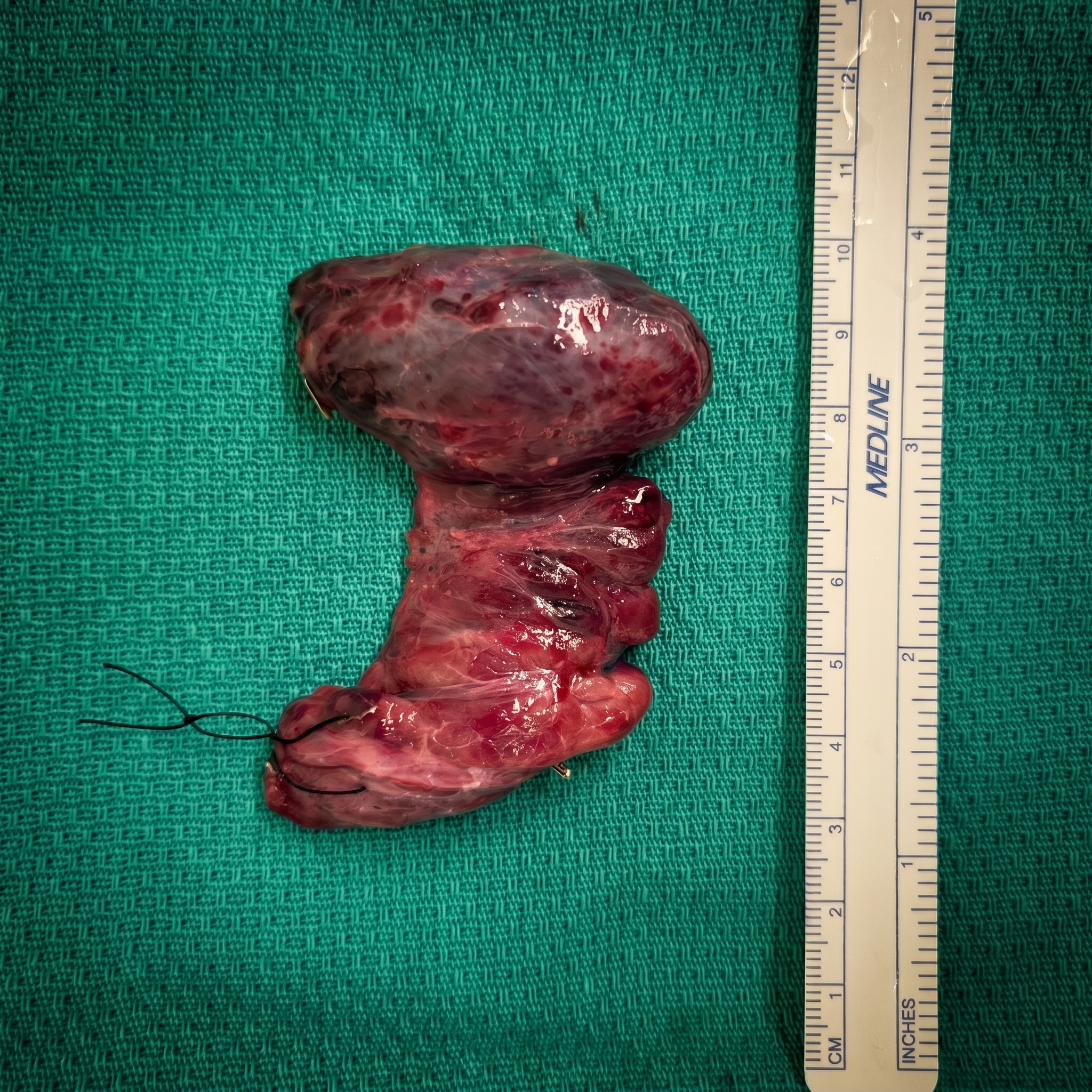
She retired at 63 and waited three years to feel better. Then she found out why it was never going to happen on its own. Normal labs. Perfect TSH. Still exhausted. Still gaining weight. Still foggy. Sound familiar? Fourteen years on levothyroxine. Fourteen annual blood tests. Fourteen times told she was fine. The answer wasn't in any of those appointments. It was in something nobody was looking at. I want to tell you something I read three years into my retirement. Something that made me put my cup of tea down and sit very still for a long time. Women with hypothyroidism on levothyroxine are 17 times more likely to develop heart disease than women whose thyroid is properly supported. Not twice as likely. Not five times. Seventeen. I'd been on levothyroxine for fourteen years when I read that number. My first thought was my mother. My second thought was — nobody ever told her this. My third thought was — nobody ever told me either. Not one GP. Not one appointment. Not one blood test result in fourteen years. Nobody. My mother's name was Jean. She was a dinner lady at the local primary school for thirty-one years. Made gravy from scratch every single day. Knew every child by name. She was diagnosed with hypothyroidism at 52. Put on levothyroxine the same week. Her GP said she'd be on it for life but her levels would stay normal and she'd be absolutely fine. Her levels stayed normal. Everything else fell apart. The weight came first. Then the fatigue. Then the fog. Then the swollen ankles, the puffy face, the wedding ring that had to come off after thirty-eight years because her fingers had swollen until it wouldn't fit. My dad put it in a small dish on the kitchen windowsill. It was still there when she died. Heart attack. Sixty-seven years old. Standing in her kitchen on a Tuesday morning making tea. Every single blood test in the fifteen years before that Tuesday had said she was absolutely fine. I know what tired looks like. Forty-one years as a practice nurse — I've seen it in every form. What I didn't recognise — until it was already fourteen years deep — was what it looked like on me. The weight that arrived without explanation and stayed without permission. A stone in the first year. Then another half. Then another. I was eating less than anyone I knew. Walking every morning regardless of how I felt about it. The scales went up anyway. The brain fog that made me lose words mid-sentence. The exhaustion that sleep stopped fixing somewhere around 2013 and never started fixing again. Every year. Same appointment. Same blood test. Same smile at the screen. Dorothy, your thyroid is absolutely fine. At my last appointment before I retired my GP looked up from the screen. Your thyroid is fine. But your cholesterol is creeping up. Blood pressure 138 over 86. I'd like to keep an eye on both. I sat there and felt something go cold in my chest. Because I had just watched my mother receive those exact words. In that exact order. Fourteen years earlier. Same medication. Same weight climbing. Same numbers creeping in the wrong direction. I was fourteen years behind my mother on the exact same road. And I knew exactly where that road ended. I retired at 63. I had planned it for years. The garden I'd been designing in my head since 2015 — the raised beds along the back wall, the roses, the little vegetable patch I'd promised myself when I finally had the time. The grandchildren I'd been half-present for because forty-one years of nursing and fourteen years of exhaustion don't leave much of you for anyone else — and the guilt of knowing that never quite left. The mornings with nowhere to be and no alarm and a cup of tea that actually went warm. I told myself — when I stop working, I'll finally recover. I'll finally get back to myself. I stopped working. The recovery didn't come. Week three my daughter visited with the grandchildren — two small ones, four and six — and I watched them from the sofa. Not because I didn't want to get down on the floor with them. Because I couldn't. Not couldn't as in wouldn't try. Couldn't as in the body that had been promising to recover for fifteen years was still making the same promise it had never kept. That was June. By October I had stopped making plans. Maybe you know this feeling. The promise your body keeps making. The one it keeps not keeping. Christmas that year my daughter took a family photograph. I sat in the middle. Grandchildren on my lap. Everyone smiling. I looked at the photo that evening on my phone. Then I opened the photo from my youngest's christening. 2011. Twelve years earlier. The woman in that photo was recognisably myself. Something present in the face. Something lit. The woman in the Christmas photo looked like someone doing a very good impression of Dorothy. Same face. Different eyes. I put the phone down. Went to bed at eight. Lay there not sleeping, the way I hadn't slept properly in years. And I thought about my mother. About her ring in that little dish on the windowsill. About her GP smiling at the screen fourteen years before the heart attack. About the words he'd said at my last appointment. Cholesterol creeping up. Blood pressure 138 over 86. And I thought — I am not becoming this story. It was a Tuesday in February when everything changed. Half past eleven at night. My husband asleep. Me at the kitchen table in my dressing gown with my laptop open and a cup of tea gone cold beside me. I wasn't looking for another supplement. I'd tried supplements. Selenium. Zinc. Magnesium. Separate bottles. Holland and Barrett. Amazon. Every recommendation from the thyroid groups I'd spent years reading. Things that helped other women. Things that did absolutely nothing for me. I was looking for one answer to one question. Why doesn't levothyroxine work for weight even when the labs say it's working? Two hours later I had it. I found a specialist. A Dr. Christie Talbot who worked specifically with hypothyroid women. Who had spent fourteen years sitting across from women doing everything right and still failing. I sat across from her three weeks later. She didn't open my chart while I was talking. Didn't type while I was mid-sentence. She just looked at me. Like I was a person and not a set of numbers. When I finished — the weight, the fatigue, the fog, the years, my mother — she was quiet for a moment. Then she said six words I hadn't heard once in fourteen years of appointments. I know exactly what is happening. My eyes started burning. She pulled out a notepad. She wrote two letters. T4. T3. Levothyroxine gives your body T4, she said. But T4 is inactive. Your body cannot use it as it is. It has to be converted first — into T3, the active form that actually reaches your cells. That controls your weight. Your energy. Your temperature. Your ability to think clearly. She paused. And that conversion — 60% of it — happens in the liver. She tapped the notepad. When the liver is healthy, the conversion fires. T3 reaches your cells. Your metabolism works. When the liver becomes sluggish — which happens in the vast majority of women with hypothyroidism over time — the conversion breaks down. T4 sits in your blood. Your labs look fine. But your cells are completely starved of the T3 they need. She looked up. That's why your blood test comes back normal while your body keeps gaining weight. The test measures what's floating in your blood. Not what's actually reaching your cells. The room felt very quiet. So the tablet has been arriving every morning for fourteen years, I said. And just sitting there. Exactly. She underlined something on the pad. And here is the part I need you to hear clearly. You cannot out-discipline a conversion pathway that's blocked. No diet. No walk. No calorie cut. Nothing you do with food or exercise touches the liver. That is why nothing has worked. Not because you weren't trying hard enough. Because the pathway was blocked before anything you tried could reach it. I sat with that for a moment. Fourteen years. Fourteen years of eating less. Walking more. Trying harder. Blaming myself every time the scales went up instead of down. The whole time — the pathway was blocked. It was never going to work. Not the diets. Not the supplements. Not the extra mile. Because I'd been trying to force water through a pipe that couldn't open. I sat at that kitchen table until half past one. Not searching anymore. Just sitting with fourteen years of suddenly making perfect sense. The diets that failed. The supplements that did nothing. The walks that didn't shift a single pound. The appointments where he smiled at the screen while I sat there knowing something was wrong and having no language for what it was. None of it was my fault. The pathway was blocked. And nobody — not once in fourteen years — had looked at the door. I read the label three times. Every single thing Dr. Christie had drawn on that notepad — sitting right there. Liquid selenium — high concentration, bioavailable — the specific form that signals the liver to reopen the conversion pathway. Not the compressed tablet form that has to survive your gut before it reaches anything. The form that goes straight in. The form that unsticks the door. Then zinc, copper, magnesium — all in liquid form, because hypothyroidism damages the gut lining and tablets barely absorb — completing the conversion once the pathway is finally open. Liver first. Minerals second. In that order. The exact sequence that had been missing for fourteen years. In one place. One dropper a day. I ordered it that night. I want to be honest about what happened next. I was waiting for it to fail. I'd been burned enough times that hope felt like a liability. I didn't change my diet. Didn't add exercise. Didn't change a single thing. Just the dropper. That was it. Week one — I slept through the night for the first time in four years. Woke up and lay there for a moment trying to remember the last time I hadn't felt exhausted before the day had started. Week two down four pounds. I stood on the scales three times. Went and got my husband. Look at this. He looked at the number. Looked at me. Keep going, he said. Week four — the fog started lifting. I was on the phone with my daughter and realised I hadn't once lost my thread. Hadn't searched for a word. Hadn't stopped mid-sentence. Week six — down nine pounds total. The jeans I'd stopped wearing two years ago. I tried them on a Tuesday morning for no particular reason. They buttoned. I sat on the bathroom floor for a while. My husband found me there. Didn't ask why. Just looked at me and smiled. I think he already knew. Week eight — I got down on the floor with my grandchildren. Stayed there for forty minutes. Got back up without help. My three month bloods came back last April. Weight: down two stone one pound. Blood pressure: 116 over 74. Resting heart rate: 62. Cholesterol: down. No statin. No dose increase. My GP looked at the screen. Then at me. Dorothy. What did you change? From 138 over 86 to 116 over 74. Without another pill. Without another diet. Without another mile walked in the dark before the rest of the house was awake. Just the pathway. Finally open. My daughter took another photograph at Easter. I looked at it that evening the same way I'd looked at the Christmas one. Same phone. Same kitchen table. It wasn't the christening photo. But it wasn't the Christmas photo either. Something was coming back. Slowly. Steadily. The eyes were different. There are two roads from here. The first road: Keep taking the levothyroxine. Watch the cholesterol creep. Wait for the statin conversation. Then the blood pressure pill. Spend the next ten, fifteen, twenty years on a growing list of medications — while the root cause sits untouched — the pathway still blocked — the cells still starving. End up where my mother ended up. Ring in a dish. GP smiling at the screen right until the end. The second road: Do what I did. Open the door. Clear the pathway. Give your body the minerals it needs to finish the job levothyroxine was never designed to do. One dropper a day. That is the entire difference between the two roads. If you're reading this late at night — If you're tired in a way that sleep stopped fixing years ago — If part of you recognised yourself somewhere in this story — Then you already know what I knew sitting at that kitchen table. Something has been missing. Not willpower. Not discipline. Not effort. The pathway. And it can still be opened. At any age. As long as you start. tryAXIVELLE was built for exactly this. Try it for 90 days. Track how you sleep. Track whether the fog lifts. Track whether getting dressed in the morning starts to feel like the beginning of a day — rather than the first thing the day takes from you. If nothing shifts — full refund. No forms. No questions. But if you are where I was — Something will shift. Because for the first time — The pathway will be open. And your body — which has been trying, God it has been trying — will finally be able to do what it's been waiting fourteen years to do. You are not broken. You never were. Your liver just needed someone to finally look at it. 👇 https://tryaxivelle.com/products/tryaxivelle-thyroid-balance-drops PS — My numbers at 90 days: down two stone one pound. Blood pressure 116 over 74 — from 138 over 86. Resting heart rate 62. Cholesterol down. No statin. No dose increase. Just the dropper. And the door — finally — open. PPS — My mother's ring sat in that little dish on the kitchen windowsill for fifteen years. I have mine on my finger. That's what this is really about. Not a supplement. Not a dropper. Getting back what hypothyroidism quietly took — one year at a time — while everyone told you that you were fine. There is still time. Don't wait the way she waited.
Like this ad? Make it yours.
Crush rebuilds this exact creative around your product — your brand, your colors, your offer — in about a minute.