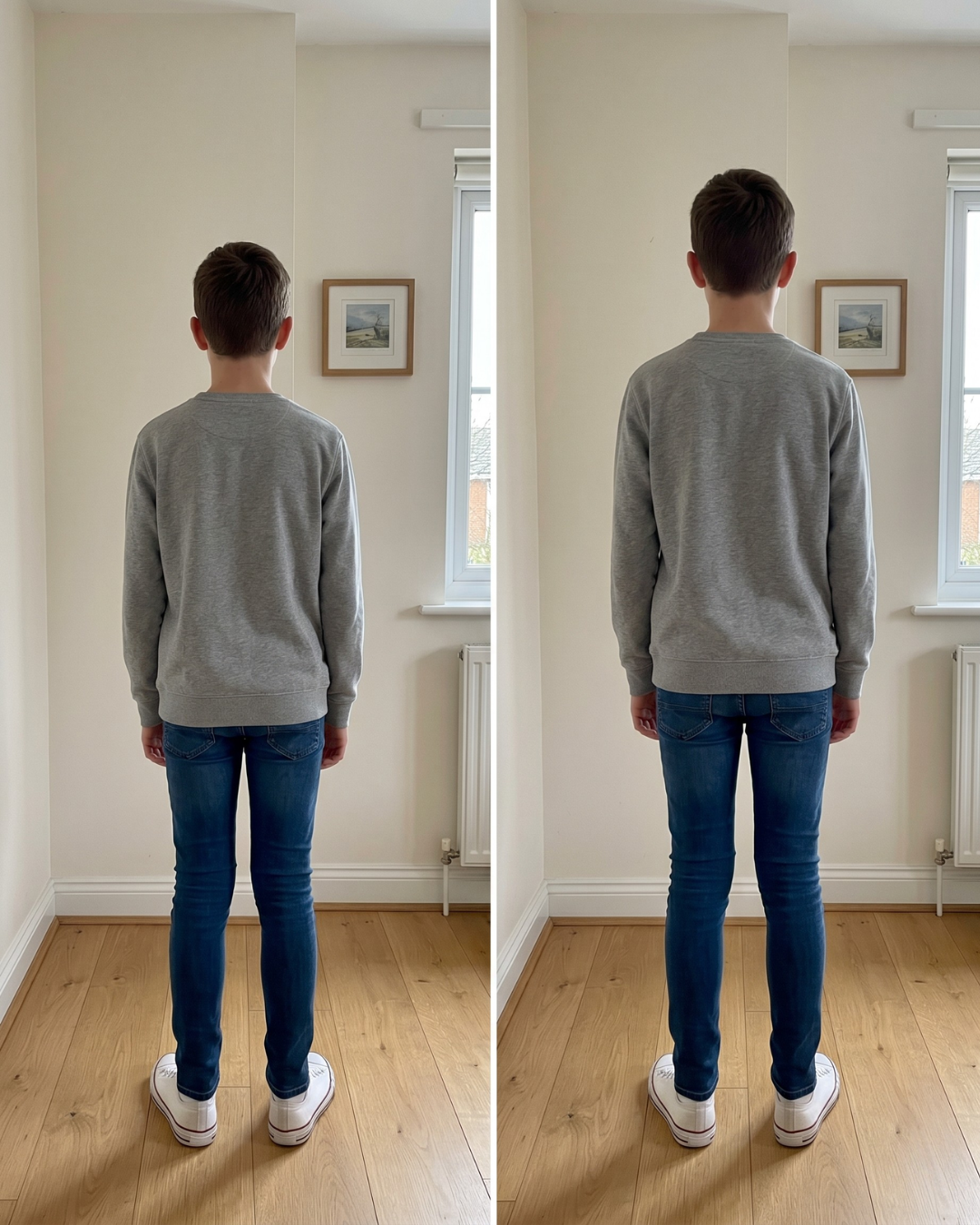
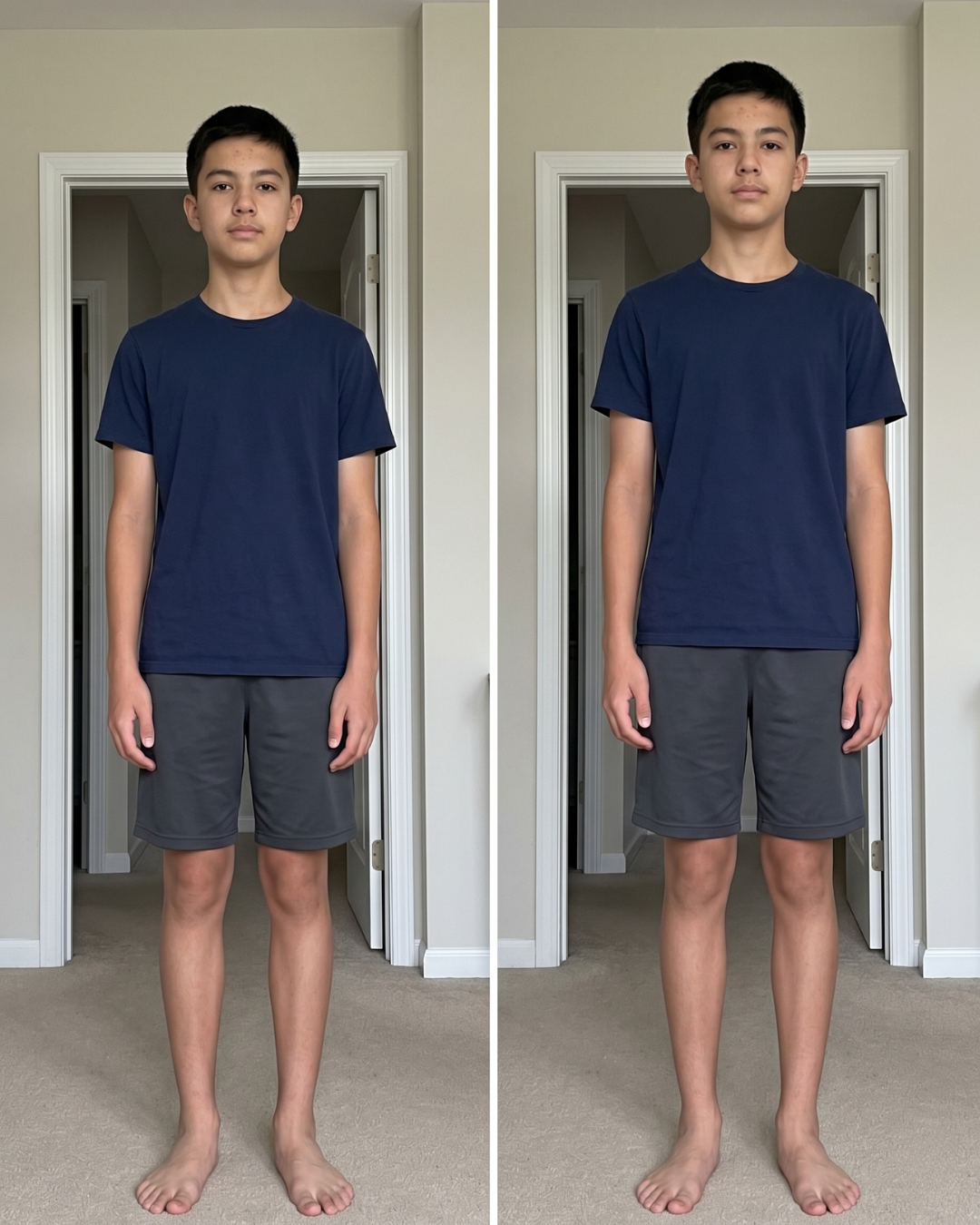
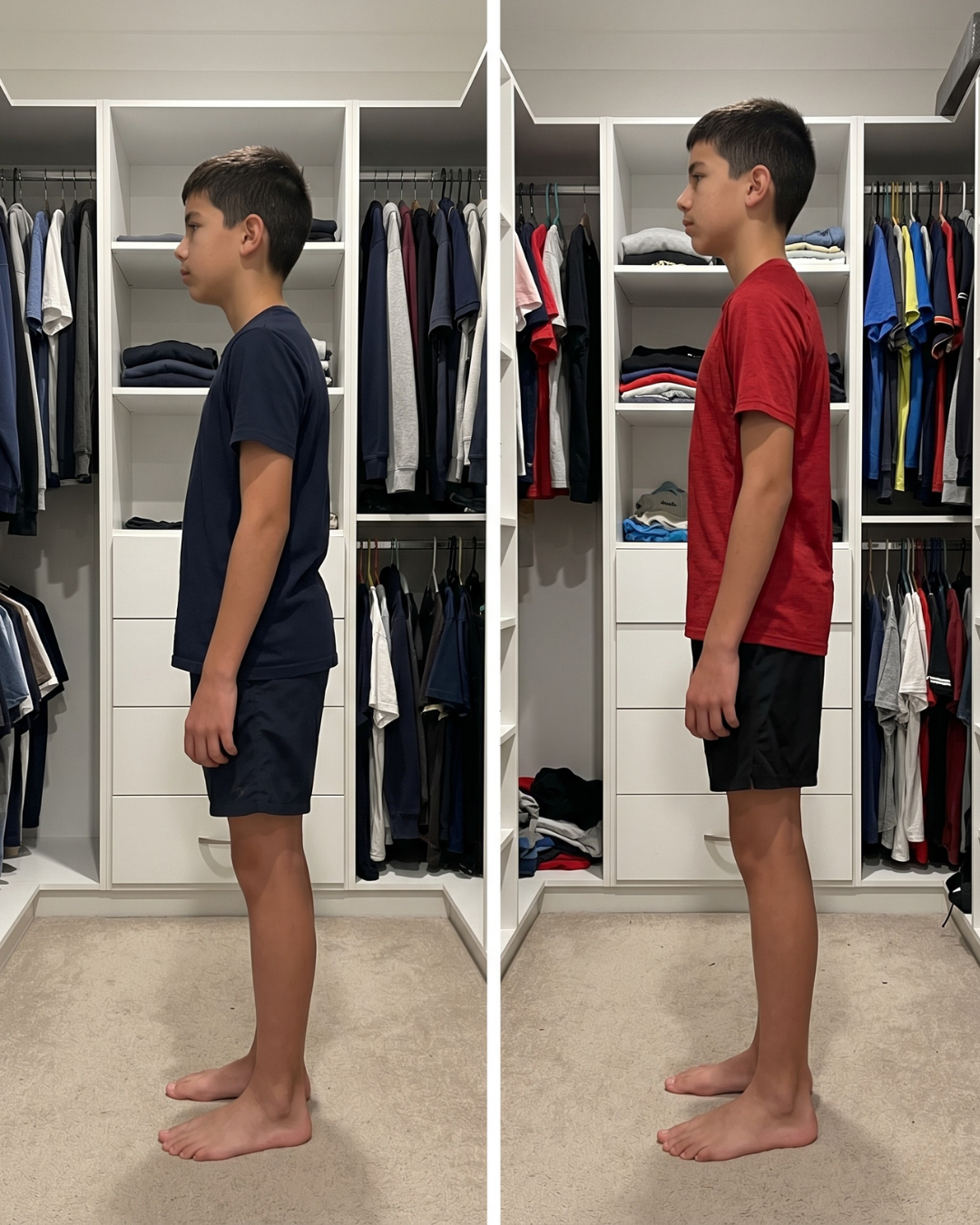
Pediatric Growth Nutrition
Pediatric Growth Nutrition Facebook ad: “Read this if your child's height is a worry.”
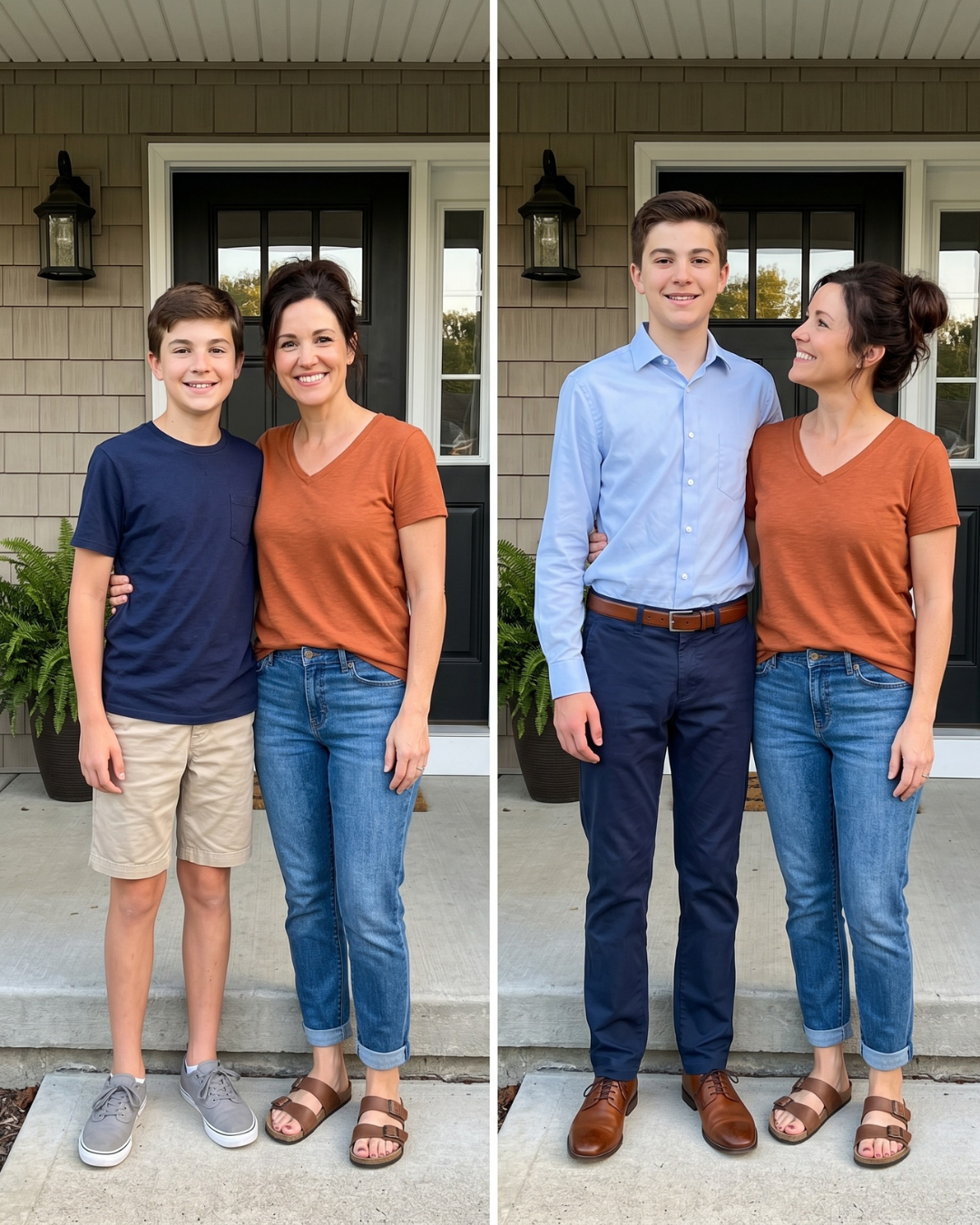
Ran for 5 days, from June 25 to June 30, 2026, the last day Crush saw it.
Run by Pediatric Growth Nutrition on Facebook. Crush is not the advertiser and does not verify its claims. See this ad in Meta's Ad Library(opens in a new tab)
Want an ad like this for your product?
Crush makes new ad images for your product from this ad: your logo, your product photo, your offer.
Trials from $19.95 USD, then $79.95 USD a month. Cancel anytime.
About this ad
- Meta Ad Library ID
- 1497234851483250
- Platforms
- Facebook, Instagram and Messenger
- Relaunches
- 0
Ad text
Japanese children gained nearly 5 inches of average height in a single generation. Not through genetic engineering. Not through growth hormone injections. Not through some secret Asian superfood. Through a national nutrition program that was designed around one thing Western medicine still refuses to talk about. Meanwhile, here in the West, parents are told their child's height is "just genetics." That there's nothing to do. That you should "be patient" and hope for a growth spurt. And our children are falling behind where their own genetics would allow them to be. That never sat right with me. My son is 15. About a year ago, I started noticing something I couldn't ignore anymore. He'd been one of the shorter kids for a while. But I'd accepted the pediatrician's explanation. "He's on his curve. You and your wife aren't tall. It's genetic. Give it time." I'm 5'7". My wife is 5'2". So I accepted it. Short parents, short kid. Makes sense. Except it was doing something to him that I couldn't accept. He'd stopped wanting to go to things. Birthday parties. Sleepovers. Even just kicking a ball around in the park with the neighborhood kids. He used to be the first one out the door. Now I practically had to drag him. He was coming home from school quiet. Going straight to his room. When I asked about his day, I got one word. "Fine." Every day. In a voice that meant everything except fine. Then at pickup one day, his friend's mom told me some boys had been calling him "shrimp." He'd never said a word. That night I sat on his bed and asked him about it. He stared at the ceiling for a long time. Then he said: "It doesn't matter, Dad. I'm just small. That's how it is." He's 15. And he's already given up. That's when I stopped accepting the genetics answer. Not because I knew it was wrong yet. But because watching my son's personality disappear while I did nothing except repeat "be patient" felt like watching a house burn down while holding a bucket with a hole in it. And I kept thinking about something I'd read years ago about Japan. A throwaway line in an article I'd bookmarked and forgotten about. That after World War II, Japanese children got dramatically taller. Not over centuries. Over decades. So one night, after my son went to bed, I went looking for the actual data. Not a blog. Not a Reddit thread. I pulled research papers. What I found kept me up until 4am. And by the time I was done, I understood exactly why my son wasn't growing. And exactly why "it's genetic" was never the full answer. Here's what actually happened in Japan. After 1945, Japan was devastated. Food was scarce. Malnutrition was widespread, especially in children. Japanese children at that time were among the shortest in the developed world. In 1954, the Japanese government implemented the School Lunch Program. Not a vague "eat healthy" campaign. A meticulously designed national nutrition program built around specific nutrients for childhood bone development. The results were staggering. In the decades that followed, the average height of Japanese children increased by nearly 5 inches. Both boys and girls, across the entire population. Their genetics didn't change. They were the same families with the same DNA. The same ethnic background. But the only thing that changed was what their bodies received during the years their growth plates were open. 5 inches. From nutrition alone. When I read that number, I sat back in my chair and thought about my pediatrician telling me "it's genetic, you and your wife aren't tall." If an entire country can gain 5 inches through nutrition, then "it's genetic" is, at best, half an answer. So I kept digging. Because I wanted to know WHAT specifically changed. Not just "better nutrition." What compounds. What mechanisms. What was actually happening inside the bones of Japanese children that wasn't happening before. And here's where it got interesting. A key component of the traditional Japanese diet (which the school lunch program drew heavily from) is fermented foods. Specifically natto, a fermented soybean dish that's been a staple in Japan for centuries. Natto is one of the richest natural sources on earth of a specific nutrient called Vitamin K2, in the MK-7 form. I'd never heard of K2 in the context of growth. I'd heard of calcium. I'd heard of Vitamin D. Every parent has. But K2? Never. Not from a single doctor. Not from a single article aimed at parents. So I looked up what K2 actually does. And everything I thought I understood about my son's growth fell apart. When your child drinks milk or takes a calcium supplement, that calcium enters the bloodstream. But here's what nobody tells you. Calcium has no way to get to the bones on its own. It just floats. No direction. No way to get delivered. It needs K2 to activate a protein called osteocalcin. Osteocalcin is what physically grabs calcium from the blood and deposits it into growing bone tissue. It's the delivery driver. Without it, the packages float around the system and never arrive. Without K2, up to 80% of dietary calcium passes straight through the body. Never touches the bones. Gets flushed out. I thought about the three years I'd spent making sure my son drank his milk. Some days three glasses. All that calcium. And up to 80% of it going nowhere. Because his body had no K2 to direct it to the bones. That was the part that stopped me cold. Because the Japanese kids weren't missing it. They were eating natto. And natto is one of the richest sources of K2 on the planet. Their calcium had a delivery system. My son's didn't. Because western children eating a modern diet get almost zero K2. Meaning the calcium they're getting has nowhere to go. Same mineral. Completely different outcome. Based entirely on whether the delivery system is present. But that was only half of what I found. Even if the calcium reaches the bones, bone doesn't build itself. The growth plates need a signal to start building. And that signal is a hormone. Specifically growth hormone. Picture a load of bricks being dropped off at a building site. K2 is what makes sure they get there. But a pile of bricks doesn't build anything on its own. Someone has to give the order to start. Growth hormone is that order. So I looked up where that signal comes from. And it turned out two things had to be true. Both of them. Or the signal never works. The first thing is what the body builds growth hormone out of. Amino acids. Two of them specifically, called L-arginine and L-glutamine. This is what the body uses as raw material to produce growth hormone through the day. But here's the problem. Most kids aren't getting enough of those two. Not in the amounts a growing body needs. And definitely not a picky eater living on the same five foods. The building blocks just aren't there. So the body can't produce what it doesn't have. But producing it is only half of it. Because growth hormone doesn't get released while your kid is awake. Almost all of it gets released at night. During deep sleep. The deepest stretch, in the first part of the night. And this is where I felt sick. Because I knew my son wasn't getting that deep sleep at all. Phone in his room. TV until midnight. That blue light telling his brain it was still daytime, even though it was pitch black outside. So even on the days he got the building blocks, the signal never got sent. He was producing a little and releasing almost none. The amino acids to produce it. The deep sleep to release it. Miss either one and the growth plates never get the signal. The bricks just sit there. So now I understood what it really came down to. Two mechanisms. Calcium direction, through K2. And growth hormone, produced from the right amino acids and released in deep sleep. Japanese kids after 1954 got both without trying. Their fermented foods gave them the K2. Their structured meals gave them the building blocks. And kids back then slept like kids, no phones glowing in the dark. Western kids today get none of it. And here's what made me angry. None of this is hidden. The role of K2 in bone health is in peer-reviewed journals. And Scientific American laid the bigger picture out plain. Genetics only set the ceiling. They decide how tall your child could be. But the other half comes down to nutrition, sleep, and stress. The exact things nobody told me about. But our pediatricians still say "it's genetic, be patient." My son's bloodwork was normal. His growth plates were open. Every box checked. But the fact that he wasn't growing, and was getting called shrimp at school, didn't show up on any chart. So you go looking for answers yourself. And the supplement aisle is full of height gummies that do almost none of this. Even the top-rated ones on Amazon. Calcium, but no K2 to direct it. No real amino acids to produce growth hormone. No sleep support at all. So I went looking for something that did both. The whole thing. Not half. First I tried the obvious. Just feed him natto. Get the K2 the way Japanese kids do. He took one look at it and said "I'm not eating that." If you've ever smelled natto, you get it. That was never going to happen. So I looked at supplements. Most were a mess. The few that had K2 used the MK-4 form, which clears out of the body too fast to keep directing calcium. The research kept pointing at MK-7. The form that's actually in natto. The one that stays active long enough to do the job. And almost nothing touched the second mechanism. The amino acids to produce growth hormone. The sleep support to release it. I'd find one piece and none of the rest. Then I found Novexa. It had K2 in the MK-7 form, the same as natto. The thing that finally directs calcium to the bone instead of letting it float away. It had the amino acids his body needs to produce growth hormone. The ones a picky eater almost never get enough of. And support for the deep sleep stage, where almost all of that growth hormone gets released. So the signal his body had been skipping for years could finally fire. Bone building. Growth hormone. Deep sleep. The whole chain, in one place. And it wasn't a pill he'd fight me on. It was a strawberry gummy. He actually liked. The first morning I gave it to him, I didn't say much. Just handed him the gummy with breakfast and told him it was for growth. He shrugged and ate it. At this point he wasn't expecting anything. He was twelve and he'd already decided he was just the short kid. That shrug is what got me. He'd stopped hoping. But I made a pencil mark on the doorframe in the kitchen anyway. I just didn't tell him why. Here's exactly what happened. First two weeks, nothing I could point to. Maybe he was sleeping a little better. He wasn't dragging as much in the mornings. But that could've been anything. Month one, I stood him against the doorframe. The mark had moved. Barely. But not enough to be sure of. I told myself to be patient. Month two, just over half an inch above the first mark. That was more than he'd grown in the entire year before. I measured him three times that night just to be sure. Same spot every time. The mark moved. After three years of "it's genetic," the mark finally moved. Month three, his jeans were sitting above his ankles. First time I'd had to think about new jeans in over a year. And that same week something else happened. He came home from school and didn't go straight to his room. He came into the kitchen, grabbed something to eat, and told me a story about his PE class. Just stood there and talked. He hadn't done that in months. I kept my face normal and let him talk. But inside I was holding my breath. Month four, just over an inch up from the start. He asked if his friend could come over. The same friend he'd been avoiding all year, because that kid shot up over the summer and standing next to him made my son feel small. They were out in the backyard for two hours just being kids. I could hear them laughing from the kitchen. I hadn't heard that laugh in a long time. Month five, getting close to two inches. He went to a birthday party on a Saturday and I didn't have to talk him into it. He came home and told me about it at dinner with his hands going, talking fast, the way he used to before he went quiet. My wife caught my eye across the table. She didn't say anything. She didn't have to. Month six, we were at my brother's place for a barbeque party. My son was out in the yard with his cousins. My brother came up next to me and said, "He looks different. Is he taller?" I said, "Yeah. He is." But it wasn't really the height my brother was seeing. It was the way he was standing. In the middle of the group instead of off to the side. Chin up instead of down. Talking instead of hanging back. It's been eight months now. He's not the tallest kid in his class and he probably never will be. But he's not the shortest anymore either. The gap that kept getting wider for three years is finally closing. And the kid who told me "I'm just small, that's how it is" is making weekend plans with his friends. Cracking jokes at the dinner table. Walking into school in the morning without the hunch in his shoulders. I don't have to build his confidence back up every night anymore. It's coming back on its own. Because the thing that was quietly wrecking it is finally turning around. I think about Japan a lot now. A whole country gained almost 5 inches in a single generation. Not from new genes. From giving kids' bodies what they actually needed while the window was still open. And I think about every parent being told the same thing I was told. That it's just genetics. That there's nothing to do. That you should be patient. While their kid gets called names at school. While their kid stops raising his hand and starts sitting in the back. While the window quietly closes and nobody warns them it's closing. That's the part nobody says out loud. The window doesn't stay open forever. For girls it closes sooner than for boys, and nobody can tell you exactly when. That's the cruelest part. It doesn't slam shut with a warning. There's no last growth spurt that tells you it was the last one. It just quietly ends. And once it's closed, it never opens again. Every month you wait is a month of that window gone for good. And every one of those months is another month of your kid shrinking into himself a little more. I'm not a doctor. I'm a dad who got told to be patient and almost listened. What I found is a strawberry gummy called Novexa. One in the morning, one at night. It uses K2 in the MK-7 form, the same kind that's in natto, to activate osteocalcin and actually drive calcium into the bones. It gives the body the amino acids it needs to produce growth hormone. And it supports deep sleep where almost all of that growth hormone gets released. deep sleep. The whole chain. Not half of it. It runs less than a dollar a day. I'd have paid that in a heartbeat to get back the three years I wasted believing there was nothing I could do. If you want to see exactly what I found, where I found it, and how it stacked up against the other supplements you've probably already seen, I put the link here for you: https://trynovexahealth.com/pages/testing-the-top-5-height-supplements The window's still open right now. That's the only reason any of this matters. But it won't stay open forever, and you don't get to choose when it closes.
Where the ad sends people
trynovexahealth.com
Read this if your child's height is a worry...
Novexa Health
Learn more: trynovexahealth.com(opens in a new tab)