
Inactive· since May 13, 2026
- 16
- days it ran
- 1
- relaunches
Ad copy
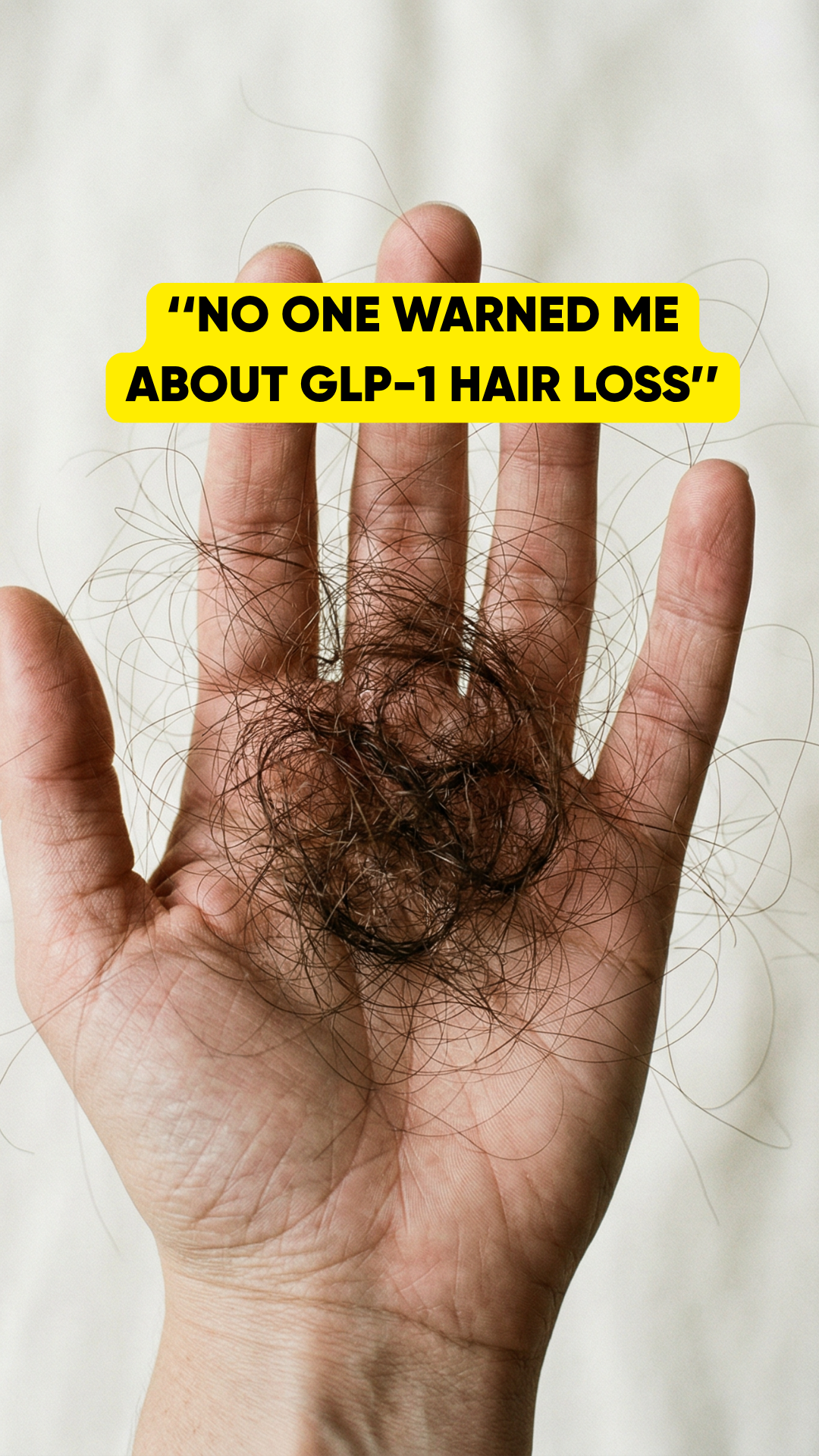
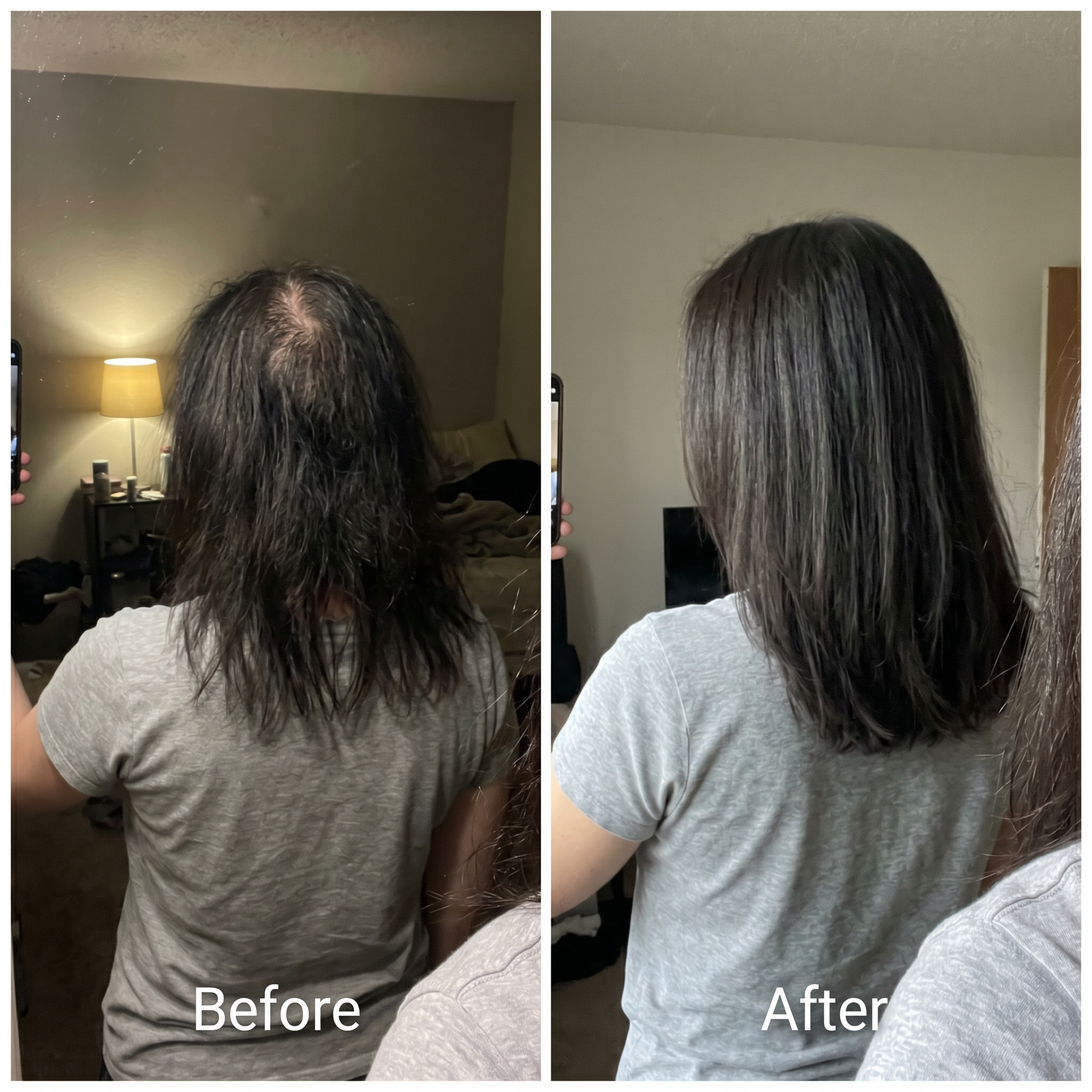
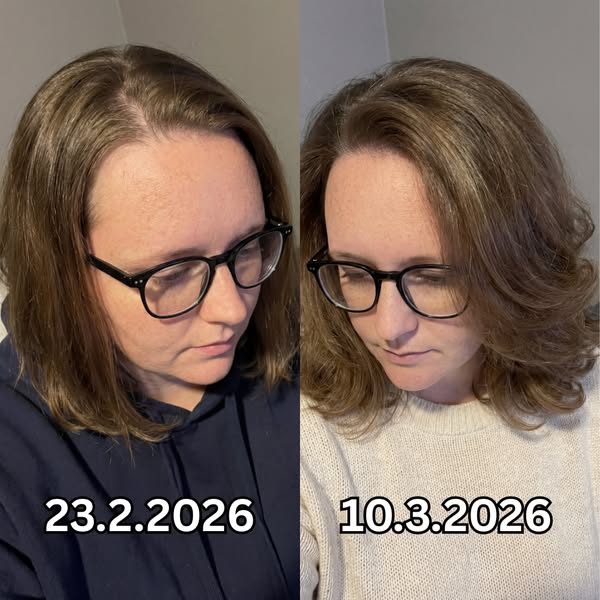
Please stop trying to regrow your hair on weight loss medication. I know that sounds crazy, but every time you take biotin, force down protein shakes, or buy another supplement, you're throwing money at something that has nothing to do with why your hair is actually falling out. I used to be just like you. Standing in the supplement aisle at Target, reading every label on every biotin bottle, desperately hoping the 10,000 mcg ones would be different from the 5,000 mcg ones I'd already tried. Ordering that $47 bottle of collagen powder from Amazon, mixing it into everything even though it made me gag, because the reviews said it saved their hair. Tracking my protein intake obsessively on MyFitnessPal, forcing myself to hit 100+ grams every single day even when I had zero appetite, because everyone in the weight loss medication groups kept saying that's what I needed to do. Spending $89 on Nutrafol because surely something that expensive had to work. Watching my bank account drain while my hair kept falling out. I tried everything. I mean everything. Every supplement the forums recommended. Every miracle solution someone swore by. I did exactly what I was told to do. And my hair loss got worse. Not better. Worse. The shower drain clogs got bigger. My ponytail got thinner. My part got wider. Every single day, handfuls of hair on my brush. Clumps in my hands when I shampooed. I lost 60 pounds on my medication. My blood work improved across the board. My doctor called my progress remarkable. But none of that mattered when I looked in the mirror and could see my scalp through my hair. I was finally getting the health wins I'd worked so hard for. My family kept telling me how proud they were. I felt like I'd finally gotten my life back. But every shower ended with me staring at the drain. Every ponytail felt thinner. Every photo was a calculation — what angle hides my part, what lighting won't expose the thinning. I started wearing my hair down all the time, even in the summer heat. Strategically positioning myself in group photos. Avoiding overhead lighting because it made everything so much worse. The worst part? I felt ungrateful. Here I was, healthier than I'd been in years, and all I could think about was my hair. But it wasn't vanity. It was grief. I was watching a piece of myself disappear, and nothing I did stopped it. I made an appointment with my doctor. Told him everything. He did a full workup — thyroid, iron, vitamin D, B12, protein. Everything. The results came back normal. Every single marker. "Your labs look great," he said, smiling like this was good news. "Whatever you're doing is working." I wanted to scream. If everything was normal, why was I going bald? I posted about it on Reddit. The responses were the same as always: "It's from the rapid weight loss, nothing you can do but wait it out." "You're probably not eating enough protein, even if your labs say you are." "It's just your body adjusting. Give it six months." But here's what kept bothering me. If it was malnutrition, wouldn't my labs show that? If it was just rapid weight loss, why are women 14 times more likely to lose hair on these medications than men taking the same drug at the same dose? Men lose weight faster. They should lose more hair. They don't. Not even close. Nothing added up. And I was running out of hope. Then one night — I remember it was past 2 AM because I'd been lying awake for hours — I grabbed my phone and typed something different into Google. "Why don't topicals work for hair loss on weight loss medication" That's when I found an article that changed everything. It wasn't talking about protein. It wasn't talking about rapid weight loss. It wasn't talking about nutrition at all. It was talking about scalp calcification. Under chronic stress — hormonal stress, metabolic stress, the kind of stress your weight loss medication puts on your entire system — your scalp tissue hardens. Literally calcifies. Like concrete forming over your follicles. Your scalp isn't dead. It's locked. And every topical treatment you've tried — the rosemary oil, the minoxidil, the expensive peptide serums — they're all too big to get through. Their molecules sit on the surface. They can't penetrate a calcified barrier. You're not failing. The products are failing you. Because they were never designed to breach that barrier in the first place. And suddenly everything made sense. That's why Nutrafol didn't work. It's an oral supplement. The nutrients travel through your bloodstream, trying to reach follicles through tissue that's hardened shut. Your scalp gets blood supply last. And even if nutrients made it that far, they can't penetrate from the inside when the barrier is sealed from the outside. That's why rosemary oil didn't work. The molecules are too large. They sit on your scalp surface, making your hair smell like a Mediterranean kitchen, doing absolutely nothing for your follicles 3 millimeters below. That's why minoxidil didn't work. Same problem. Large molecules trying to force their way through calcified tissue. And even if a tiny percentage got through, it needs an enzyme most women don't produce enough of. You got the side effects — the itching, the facial hair — but zero results. That's why biotin didn't work. Pills can't penetrate a calcified scalp barrier from the inside. The circulation is already compromised. The tissue is already locked. Swallowing more nutrients doesn't fix a penetration problem. I wasn't crazy. I wasn't doing something wrong. My scalp had calcified under the metabolic stress of my medication, and every single thing I tried couldn't get through. For the first time since this started, I could breathe. Because if the problem was penetration, not nutrition, that meant there might be something I hadn't tried yet. I spent the rest of that night reading. And that's when I found out about fulvic acid. Fulvic acid is a nano-molecule. It's small enough to slip through calcified tissue. Through the hardened barrier that's been blocking every treatment you've wasted money on. But here's the breakthrough. It doesn't go through alone. It acts like a delivery vehicle, carrying minerals with it. Zinc. Iron. Silica. Selenium. Biotin. All 77 minerals your follicles need to produce hair. Delivered 3 millimeters deep to the dermal papilla — your hair's growth factory. This isn't another supplement hoping nutrients will magically reach your scalp through your bloodstream. This isn't another oil sitting on the surface doing nothing. This is topical penetration. Through the barrier. To the follicle. Where it actually matters. And one company had built their entire system around it. Moerie. A 4-step system. Shampoo. Conditioner. Mask. Spray. Each one designed to work together — not just deliver fulvic acid, but prepare your scalp to receive it, seal it in, and feed your follicles daily. The shampoo removes the buildup that makes calcification worse. Sulfate-free, so it doesn't strip your scalp further. The conditioner locks in moisture without clogging the barrier you're trying to penetrate. The mask provides intensive weekly mineral therapy — a concentrated dose of what your follicles have been starving for. And the spray delivers those 77 minerals daily. Through fulvic acid. Past the calcified barrier. To your roots. I ordered it that night. Told myself not to get my hopes up. I'd been disappointed too many times. It arrived two days later. The instructions said use the system consistently. Morning shampoo and conditioner. Mask once a week. Spray daily. The first two weeks, nothing dramatic. Same hair in the drain. Same thinning when I looked in the mirror. I almost gave up. Almost added it to the pile of things that didn't work. But I kept going. Because for the first time, the science actually matched what was happening in my body. This wasn't hoping nutrients would reach my scalp. This was designed to penetrate the actual barrier blocking everything else. Week three is when I noticed the first change. Subtle. Almost missed it. But one morning after my shower, I looked at the drain and there was less hair than usual. Not dramatically less. But noticeably less. I told myself I was imagining it. But the next day, same thing. And the day after that. By week four, I wasn't imagining it. The clumps on my brush were getting smaller. The drain wasn't clogging. I was still shedding, but it felt normal. Like what shedding felt like before all this started. Week six is when my husband noticed. He didn't say anything at first. Then one night he looked at me and said, "Is your hair getting thicker?" I ran to the bathroom mirror. Pulled my hair back. Looked at my part under the light. He was right. My scalp wasn't as visible. The thinning wasn't reversing overnight, but it had stopped getting worse. Like someone pressed pause. By week eight, tiny baby hairs started appearing along my hairline. Little short pieces that stuck up when I pulled my hair back. I took a photo and compared it to one from three months earlier. The difference was undeniable. My hair was coming back. Month three, my hairstylist said something without me even bringing it up. She was trimming my hair — I'd finally felt confident enough to actually go — and she stopped and said, "Whatever you're doing, keep doing it. Your hair feels completely different than last time." I told her about scalp calcification. About fulvic acid. About how everything I'd tried before couldn't penetrate the barrier. She said she wished more of her clients knew about this. It's been five months now. I still use it every day. Shampoo, conditioner, spray, mask once a week. I haven't stopped my medication. I don't plan to. My hair isn't fully back to where it was before this started. But it's so much better. The shedding is normal now. The thin spots at my crown are filling in. My part looks like a part again, not a highway. I wear my hair up. I take photos without thinking about angles. I stopped doing the mental math of how much worse it'll be next month. But more than that, I don't feel like I'm choosing anymore. I don't have to pick between my health and my hair. Between staying on my medication and keeping what's left on my head. If you're reading this and you see yourself in my story — if you're losing hair on your medication and everyone keeps telling you it's protein or rapid weight loss, but nothing works — I need you to understand something. It's probably not nutritional at all. It's your scalp barrier blocking everything from reaching your follicles. And if that's the problem, all the biotin and collagen and protein shakes in the world won't fix it. Because they can't penetrate calcified tissue. I wasted months trying to fix a nutrition problem I didn't have. Months of forcing down protein I didn't want, taking supplements that didn't work, watching my hair fall out while everyone told me to be patient. The moment I addressed the penetration problem — the actual barrier — everything changed. 50% off and a 90-day money-back guarantee. If it doesn't work, you don't pay. You don't have to choose between your health and your hair. You just have to fix what's actually blocking the solution. And for me, that changed everything.
Like this ad? Make it yours.
Crush rebuilds this exact creative around your product — your brand, your colors, your offer — in about a minute.