
Inactive· since May 27, 2026
- 23
- days it ran
- 0
- relaunches
- 49
- EU reach
Ad copy
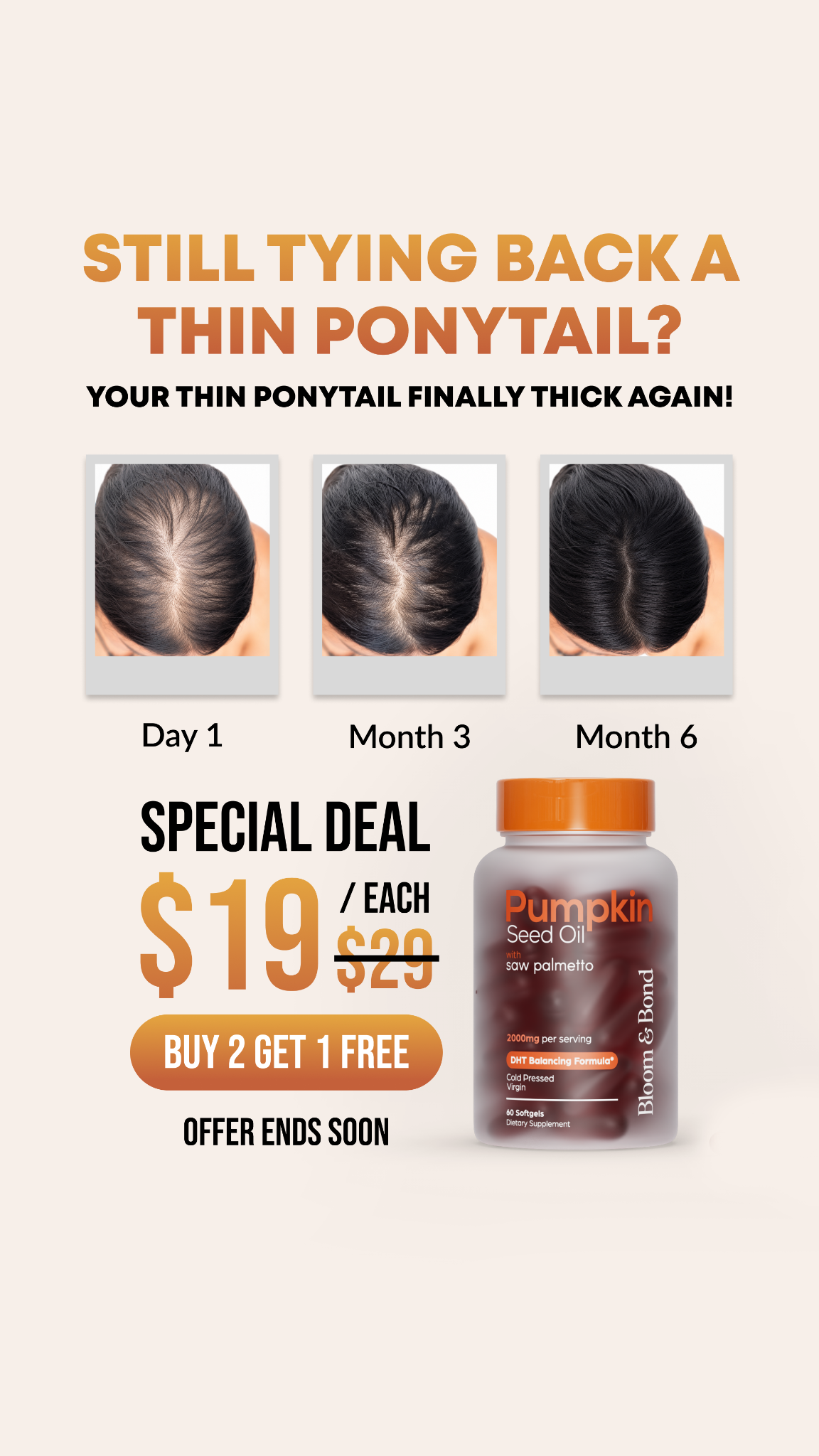
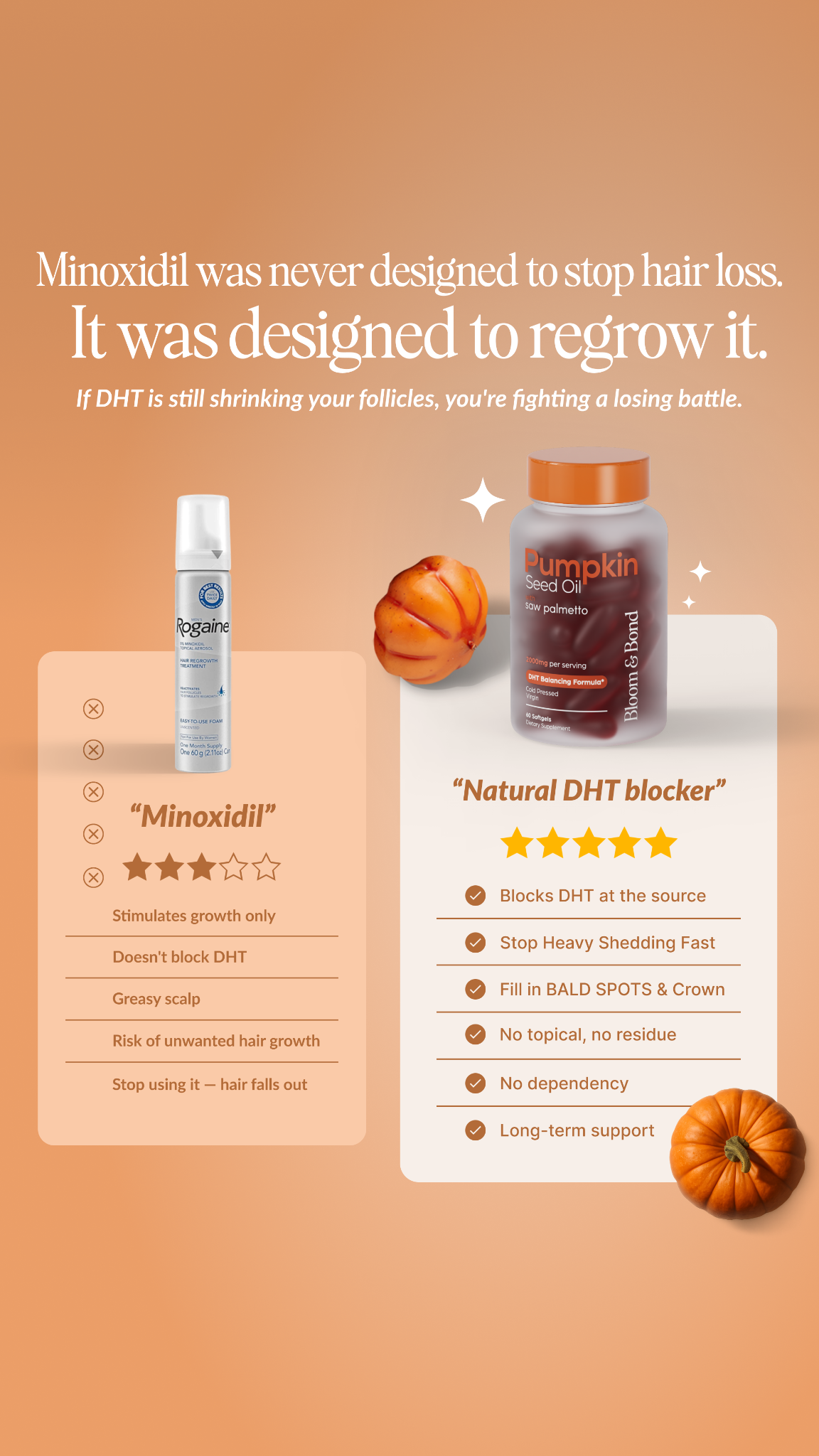
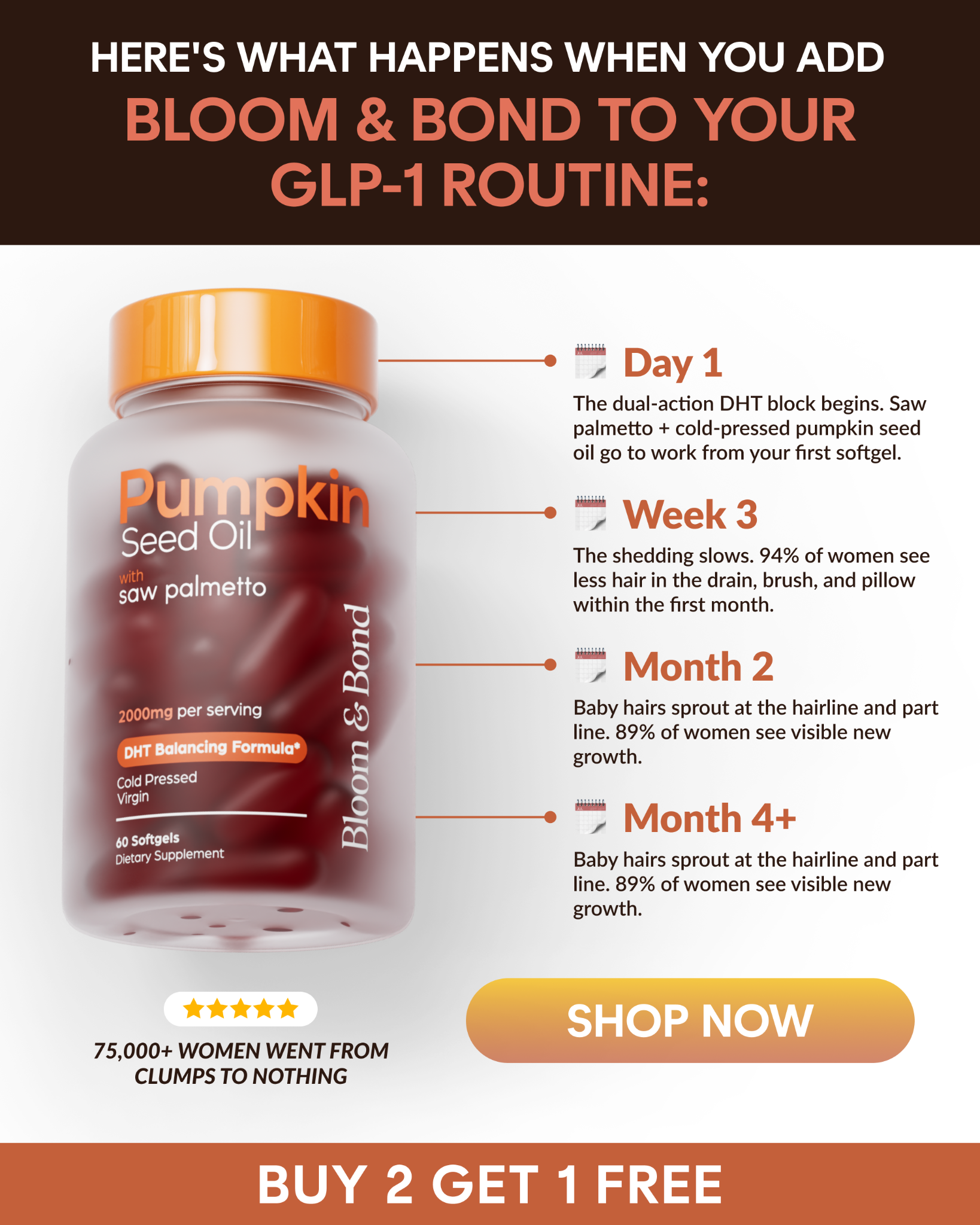
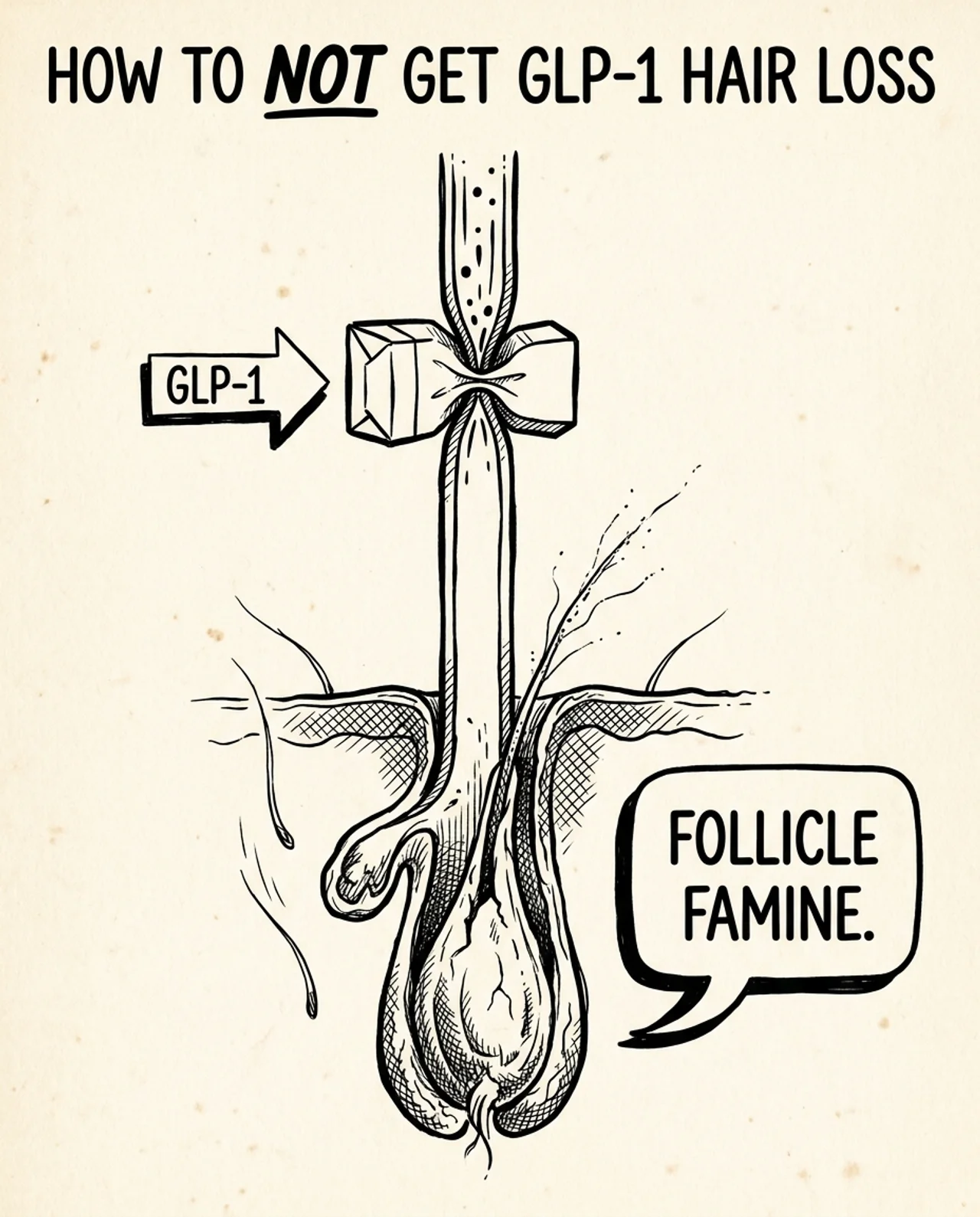
Your GLP-1 f*cked your hair. And the hair vitamins you're taking? Most of it is going straight down the toilet. I need to tell you something about the advice you've probably been given. The "just wait, take your biotin, it'll grow back" advice. Because I've watched that advice waste months of women's time. And I need to explain why before you lose more hair than you have to. My name is Dr. Patricia Sullivan. I've been a dermatologist for 17 years, and I specialize in hair loss in women. Over the last two years, something in my practice has changed. I used to mostly see women in the shower-drain panic. Hair coming out in handfuls. Terrified. That kind of appointment I know how to handle. The appointments that break my heart now are different. They're women whose shedding already slowed down months ago. The scary part is over. And their hair still hasn't come back. They sit down, pull out their phone, and show me two photos. Their hair two years ago. Their hair now. Not bald. Just thin. Flat. Like someone let the air out of it. One of them was Michelle. 46 years old, on Wegovy, down 41 pounds. She was proud of that. She should be. Then the shedding started. About four months in. Her doctor told her what your doctor probably told you. "It's normal. It's called telogen effluvium. It's just the stress of fast weight loss. Take your biotin, eat your protein, give it six months." So she did everything right. She choked down protein shakes on an appetite the Wegovy had killed. She bought the biotin with all the five-star reviews. She waited. And the shedding did slow down. She thought she was in the clear. Then she waited for her hair to fill back in. For her ponytail to feel like her ponytail again. It never happened. Months passed and her part was still wide. The hair at her temples was still thin. She could still see her scalp in the bathroom mirror. "Did I do something wrong?" she asked me. She hadn't. Nobody had told her the truth. Not her doctor, not the pharmacist, not the forums. Because almost no one is looking in the right place. Here's what nobody explains to women on GLP-1s. Your hair loss isn't your medication poisoning your follicles. It's something simpler, and stranger. Your body thinks it's in a famine. Think about what a GLP-1 actually does. It makes you eat less. A lot less. Studies on these medications show women cut their food intake by up to a third or more. And here's the part that matters most: they cut fatty foods the hardest. Around 35% less fat than before. Your body doesn't know you're doing this on purpose. It doesn't know there's a full fridge at home. All it feels is a sudden, steep drop in food. And it responds the way bodies have responded to famine for thousands of years. It triages. It keeps feeding the organs that keep you alive Your heart. Your brain. Your lungs. And it pulls the supply line from everything it decides you can survive without. Your hair is first on that list. Your hair follicle is one of the hungriest, fastest-growing tissues in your entire body. Feeding it costs a lot. So when food gets scarce, your body makes a cold decision. Hair is not essential. And it quietly cuts the follicle off. That's the shedding. That's what I call Follicle Famine. Now here's the part that traps women like Michelle. You figure it out halfway. You think, "okay, my hair needs nutrition, I'll take a hair supplement." Biotin. A hair vitamin. Something. And months later, nothing. Here's why. The nutrients your hair needs most, things like vitamin E and the healthy fats your follicles are actually built from, are fat-soluble. That's a simple idea with a brutal consequence. It means those nutrients can only get into your bloodstream by hitching a ride on the fat in your food. No fat in the meal, no ride. The nutrient goes in your mouth and straight out the other end. You never absorb it. And remember what your GLP-1 did. It cut the fatty foods the hardest. So a woman on Ozempic, eating careful low-fat meals, can swallow every hair vitamin on the shelf and absorb almost none of it. The pill dissolves. The nutrient has no way in. It's like having groceries delivered to a house with no door. The food shows up. It just can't get inside. Nutrition scientists have actually measured this. Below about 5 grams of fat in a meal, your body's ability to absorb these nutrients nearly shuts down. That's also why Michelle's bloodwork came back "normal." A standard lab checks the basics. It does not tell you whether enough is actually reaching a follicle. "Fine on paper" and "enough to grow hair" are two very different things. So let's be honest about what doesn't work here. ❌ Eating more protein doesn't help, because protein isn't the nutrient your follicle is starving for. ❌ A dry biotin pill doesn't help, because biotin only does anything if you were short on biotin, and almost no one is. ❌ Waiting doesn't help, because your body keeps starving the follicle for as long as you keep eating less. None of those reach the actual problem. I've watched patients spend $85 a month on the big-name hair supplements for half a year Most of those are dry powder packed into a capsule. The label says "take with a meal." It never says the meal needs fat. And the woman on a GLP-1 isn't eating fat. So even the good ingredients inside that expensive capsule have no way to get where they need to go. I've watched patients try minoxidil, with its dread shed at the start, the daily routine forever, and hair that falls out worse the moment they stop. None of it solves a famine. None of it gets nutrition across a low-fat gut. So what does? Two things. And the first one works because of what it physically is. Pumpkin seed oil. Not a dried powder. Not a seed extract pressed into a tablet. An actual oil. That single fact matters more than anything else on the label. Because an oil is its own delivery vehicle. The fat-soluble nutrients your follicle is starving for, pumpkin seed oil carries them in, riding on its own fat. It doesn't need you to eat a fatty meal. It brings the fat with it. So it crosses the exact same gut that lets a dry biotin pill pass straight through. And pumpkin seeds happen to be packed with what a starved follicle is begging for. One of the richest natural sources of the vitamin E your hair runs on, plus zinc, magnesium, and the fatty acids follicles are built from. The second thing is saw palmetto. And its job here is one most people have never heard. A starved follicle isn't just hungry. It's stressed. And a stressed follicle burns through the little nutrition it gets faster than a healthy one. Think of it like rust, quietly eating away at the supply. Saw palmetto slows that burn down. So the nutrition you finally deliver actually stays long enough for the follicle to use it. Pumpkin seed oil fills the bucket. Saw palmetto plugs the leak. Now, before you go to Amazon to buy them separately, I've watched patients try exactly that, and it usually fails. Most cheap "pumpkin seed oil" capsules are dried seed powder, not real oil, which throws away the entire advantage. You're right back to a dry pill that can't deliver. And standalone saw palmetto is almost always sold as a men's prostate supplement, at the wrong dose for this. That's why I recommend Bloom & Bond to the women I see dealing with GLP-1 hair loss. It's the only one I've found that gets both parts right. Real concentrated pumpkin seed oil, kept as an oil in a softgel, so the delivery actually works. Plus saw palmetto at a real dose. No biotin filler. No powder fluff. The form is the whole point. And the research behind these two ingredients is strong. In a clinical trial, the pumpkin seed oil and saw palmetto combination, taken daily, increased hair count by around 40% over 24 weeks. Vitamin E, which pumpkin seed oil is packed with, increased hair count by about a third in its own trial. And across seven separate trials, saw palmetto increased hair density in 83% of the people who took it. Here's what I tell patients to expect. ✅ Weeks 2 to 4: The shedding eases. The brush and the drain stop scaring you. Your follicles are finally getting fed. ✅ Weeks 4 to 8: Shedding drops off. A lot of women tell me this is the first time in months they can wash their hair without their stomach dropping. ✅ Weeks 8 to 12: Baby hairs along the part and the hairline. New growth that actually sticks this time ✅ Month 3 to 4: Real fullness coming back. A ponytail that feels like something again. A part that's closing up. Some women move faster than this, some slower. But the women who feed the follicle instead of waiting get a recovery that waiting never gave them. I saw Michelle again about six weeks after that first visit. She didn't pull out her phone this time. She just pulled her hair back into a ponytail when she walked in, looked at me, and smiled. "It's different," she said. "I can feel it." Not finished. Not all the way back. But moving, for the first time in almost a year. If you've been waiting for your hair to come back on its own, I'm asking you to stop waiting. Your body isn't going to call off the famine while you're still eating less. And your hair vitamins can't fix it if they can't get in. You don't have to choose between your GLP-1 and your hair. But you do have to feed the follicle, in a form that can actually reach it. That's what Bloom & Bond does. 👉 https://bloomandbonds.com/products/new-pumpkin-seed-oil-softgels
Like this ad? Make it yours.
Crush rebuilds this exact creative around your product — your brand, your colors, your offer — in about a minute.