Better Dog Daily
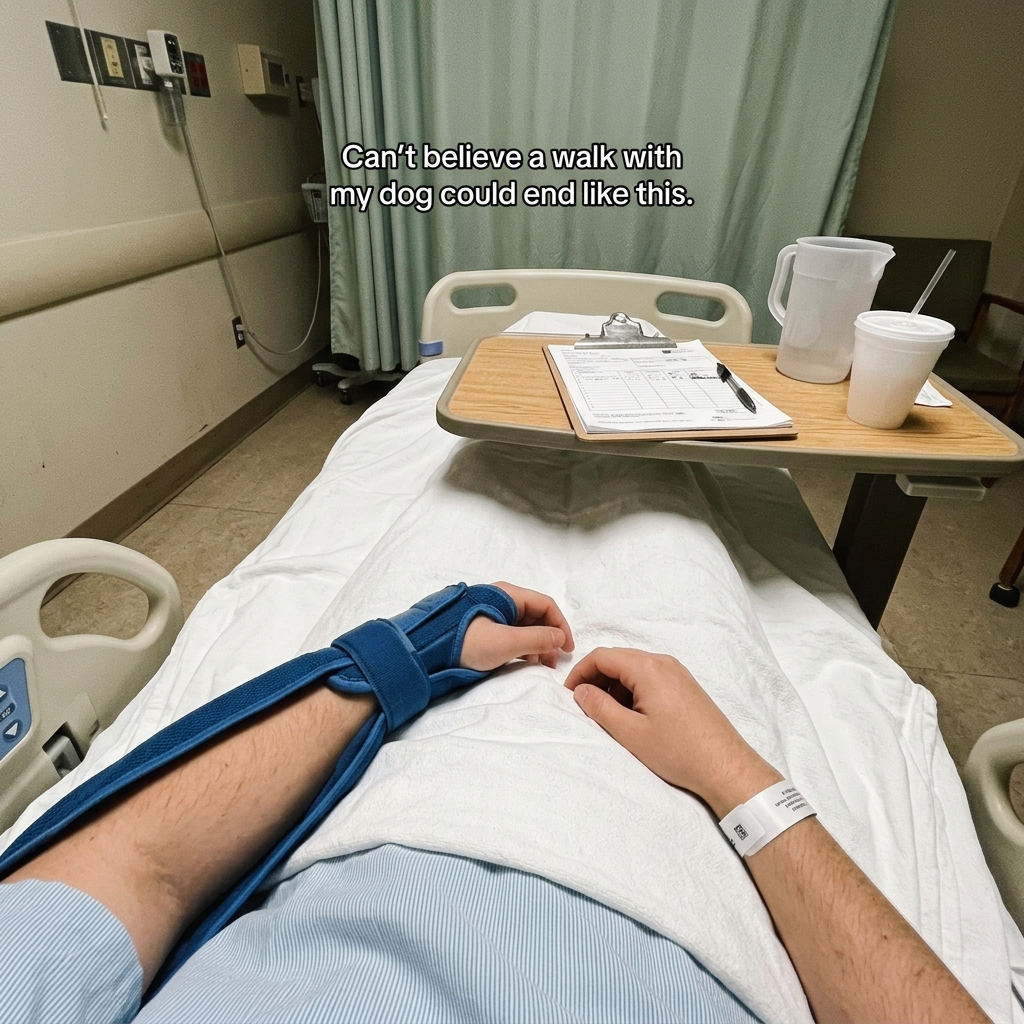
Better Dog Daily Facebook ad: “One Walk, One Hospital Bed”
Ran for 5 days, from September 18 to September 23, 2026, the last day Crush saw it.
Run by Better Dog Daily on Facebook. Crush is not the advertiser and does not verify its claims. See this ad in Meta's Ad Library(opens in a new tab)
Want an ad like this for your product?
Crush makes new ad images for your product from this ad: your logo, your product photo, your offer.
Trials from $19.95 USD, then $79.95 USD a month. Cancel anytime.
About this ad
- Meta Ad Library ID
- 1498220492129143
- Platforms
- Facebook, Instagram, Audience Network and Threads
- Relaunches
- 0
- Niche
- Pets
Ad text
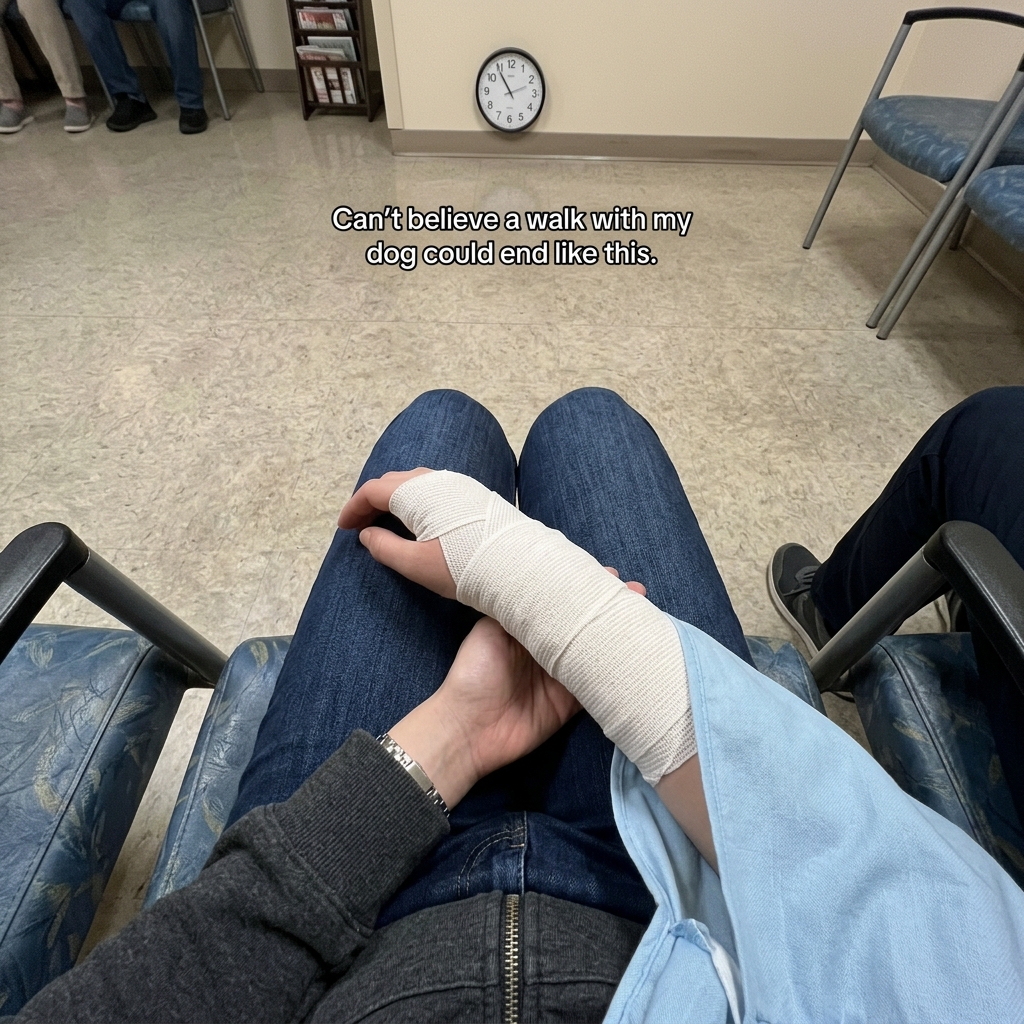
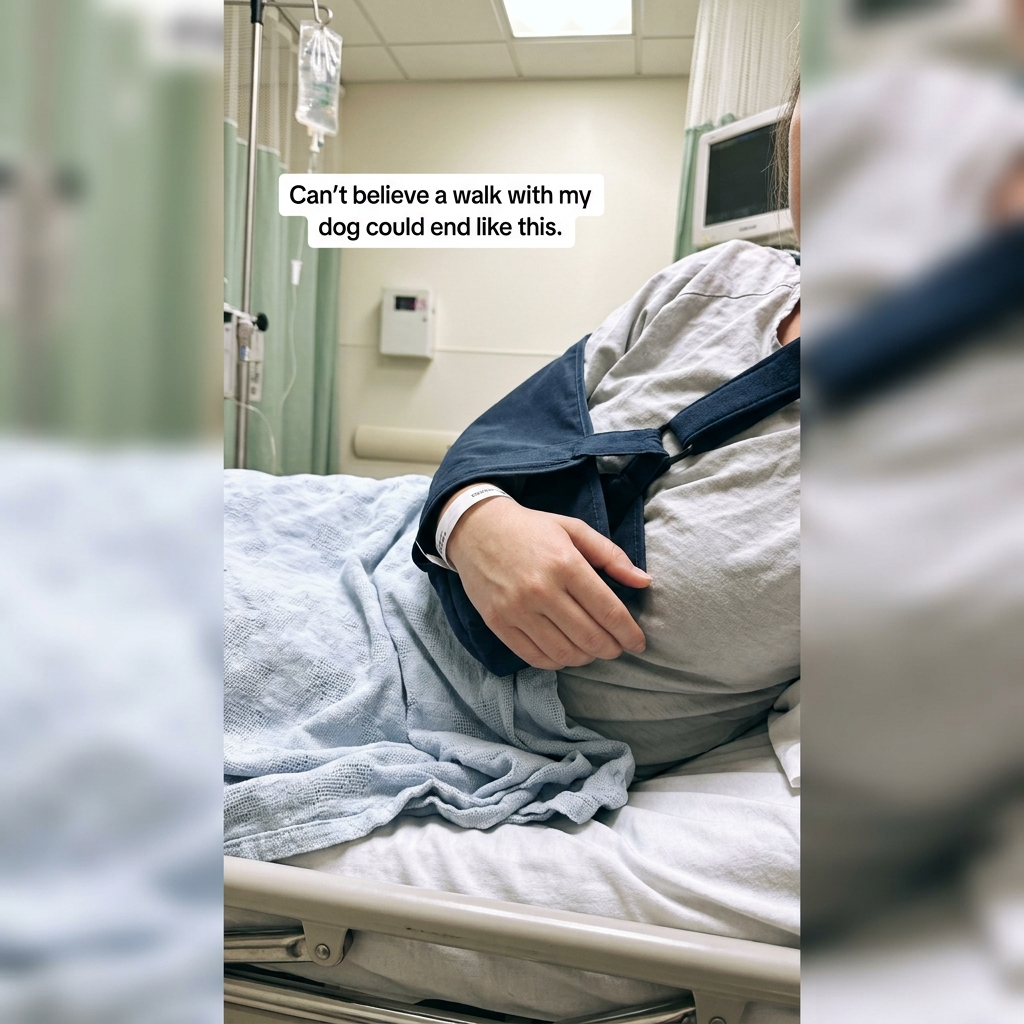
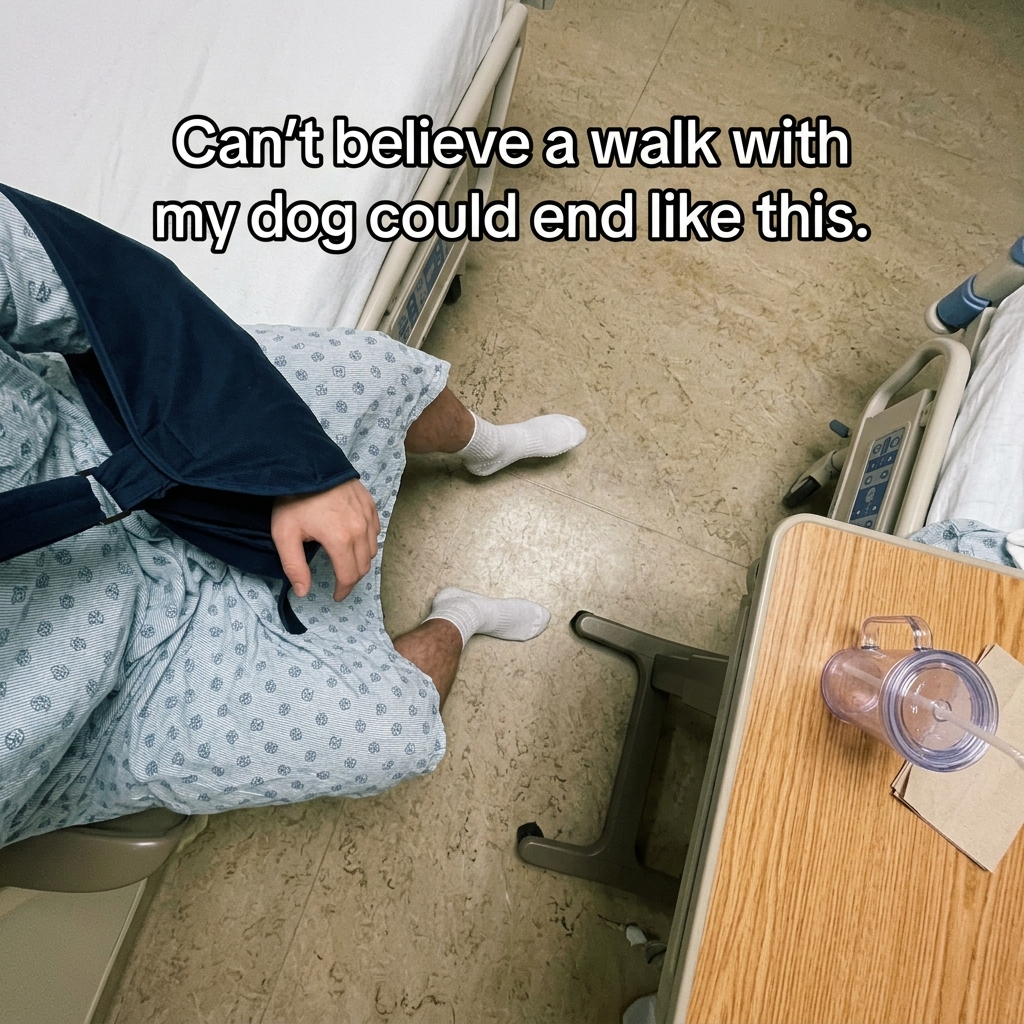
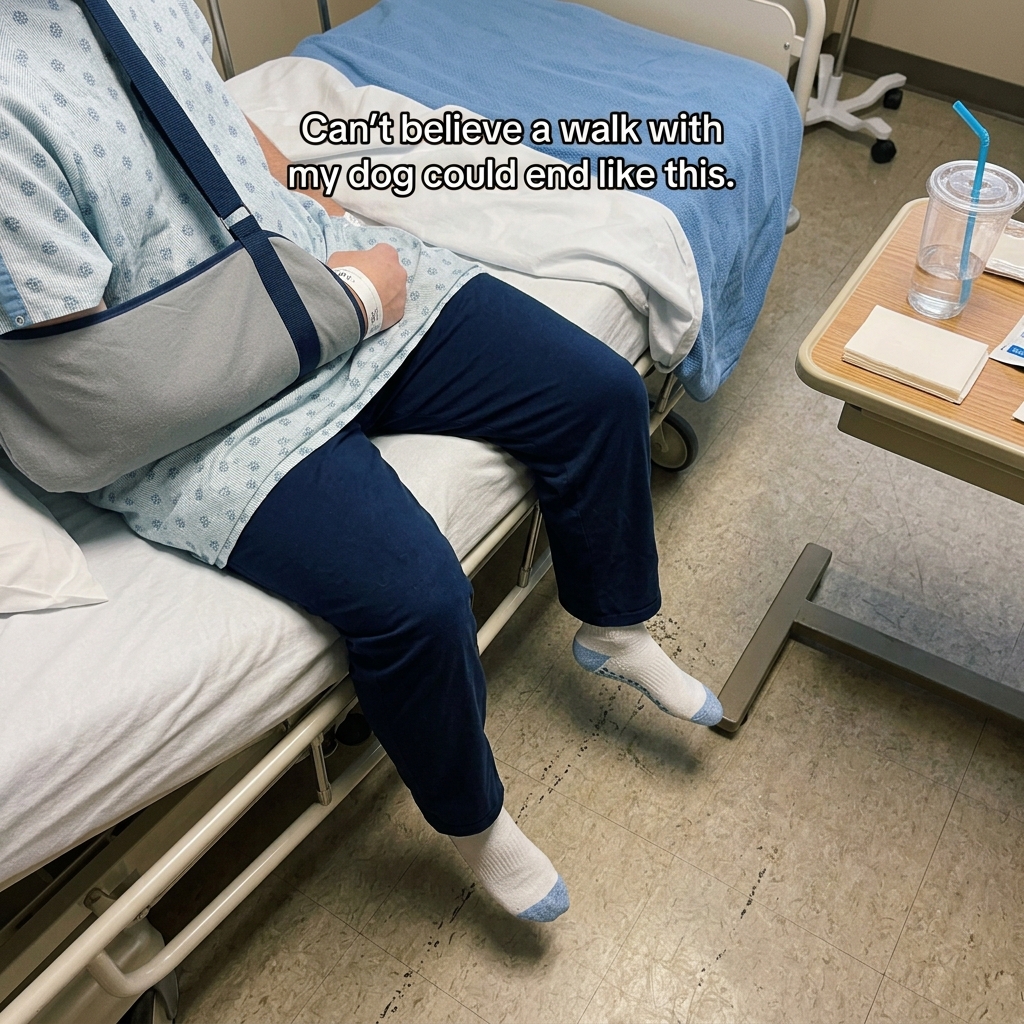
I'm Barbara Whitmore, 58, and I was sitting in a hospital bed in Tucson, Arizona, my arm resting on a pillow beside me. Duke, my 75-pound Weimaraner, had lunged at a passing bicycle, and I went down hard trying to hold on. Dr. Alvarez reviewed my scans and looked up from the chart. "This is going to need surgery. Has anyone in your family been hurt this way before?" Surgery to repair the damage. The same kind of fall my mother, Joan, had seventeen years earlier, on a walk with her own dog. Her fall happened on an ordinary Sunday, no warning, just a hard pull and then the pavement. She had surgery, months of recovery, and never quite got back to living alone the way she had before. She moved in with my brother less than a year later, gave up the garden she'd kept for two decades, gave up driving herself anywhere. At Thanksgiving the year she moved, my mother said something I've never forgotten. "I keep thinking if I'd just changed how I walked him, none of this happens." My husband, Frank, was the one who found me on the sidewalk and called for help, and I could tell he recognized the exact look on my face that my mom described feeling all those years ago. That night, once I was settled at home, I was up at 11:38pm searching for anything connecting dog leashes to falls like mine. By 12:20am I'd read enough accounts that sounded almost identical to my own to stop scrolling and start taking notes. By 1:05am I found an explanation for exactly what kept happening every time Duke pulled hard. I'd tried a few things before this happened. A standard collar, since he was a puppy, no real change beyond the leash cutting into my palm on hard pulls. A back-clip harness, $32, used for over a year, and if anything he leaned into it harder over time, not less. A slip lead a friend recommended, $18, and within a few weeks that was the setup I was using the day I fell. One session with a trainer on top of that, $70 for the hour, helpful for basic commands, useless for the sudden lunges that actually caused the fall. $120 spent, and I still ended up in a hospital bed. During my recovery, a physical therapist named Colleen who worked with me twice a week asked what had actually caused the fall. "I hear this constantly," she said. "A regular leash has zero give. The second a strong dog lunges, all that force transfers in one instant into whoever's holding it. It's the same physics whether it's a bruise or something much worse, just a matter of how much force and where it lands." She mentioned a harness with the clip on the front instead of the back, something built to redirect that force sideways instead of letting it travel straight into the person holding the leash. I ordered ParoPet the week I was cleared to start walking Duke again. Eleven minutes into that first walk, Duke lunged hard at a jogger passing by. I felt maybe a third of what I used to feel. No fall, no jolt through my healing arm. Colleen noted the difference at my next session, unprompted, once I mentioned switching gear. Week one, some soreness after longer walks, but nothing like the sharp jolt from before. Week two, my strength testing held steady for the first time since the injury instead of declining. Week three, I walked the same stretch of sidewalk where I'd fallen, and nothing happened. Week four, at my final PT check-in, Colleen measured my arm mobility twice before saying anything. "Whatever changed about your walks, keep doing it. This is the first month your numbers actually improved instead of holding flat." I'm standing at a fork my mother never got to see in time. One path is the one she was on: absorbing every hard pull the same way, until a fall took away the independence she'd had for decades. The other path is switching the gear before it happens a second time, backed by a 40-day guarantee. "I still can't believe a walk with my dog put me in a hospital bed. Eleven minutes into my first walk back and I already knew it felt different. I think about my mom's garden more than I probably should, and I don't want to lose the things I love the way she did." — Barbara Whitmore Here's what actually made the difference: 1. The front D-ring redirects the pull sideways instead of straight back into the arm, so less force ever reaches the person holding it. 2. Reinforced stitching and real hardware mean it holds up under a hard, sudden lunge instead of shifting or slipping. 3. A physical therapist confirmed the change directly, tracking my strength and mobility across the same sessions before and after the switch. 4. The difference wasn't gradual guesswork. It was felt within eleven minutes on the very first walk, and held up in every PT check since. Link's below if you want to see it for yourself. P.S. I felt the difference in eleven minutes. My PT confirmed it by week two. By week four, for the first time since the fall, my numbers were actually improving instead of just holding steady. Your own timeline might look different. You won't know until you try. P.P.S. Every hard pull sends that same force somewhere in your body, over and over, and it doesn't undo itself between walks. Don't wait for your own version of the conversation my mother and I had that Thanksgiving.
Where the ad sends people
paropet.co.uk
One Walk, One Hospital Bed
The ParoPet No Pull Dog Harness gives you complete control during walks without choking or discomfort. Designed with a front-clip attachment point, it naturally redirects your dog's forward motion when they pull, encouraging loose-leash walking without pain or strain. Built from durable, breathable....
Learn more: paropet.co.uk(opens in a new tab)