Mary Walters
Mary Walters Facebook ad: “What actually restored my self-image”
Ran for 1 day, from February 25 to February 26, 2026, the last day Crush saw it.
Run by Mary Walters on Facebook. Crush is not the advertiser and does not verify its claims. See this ad in Meta's Ad Library(opens in a new tab)
Want an ad like this for your product?
Crush makes new ad images for your product from this ad: your logo, your product photo, your offer.
Trials from $19.95 USD, then $79.95 USD a month. Cancel anytime.
About this ad
- Meta Ad Library ID
- 1498465865045966
- Platforms
- Facebook, Instagram, Audience Network, Messenger and Threads
- Relaunches
- 2
Ad text
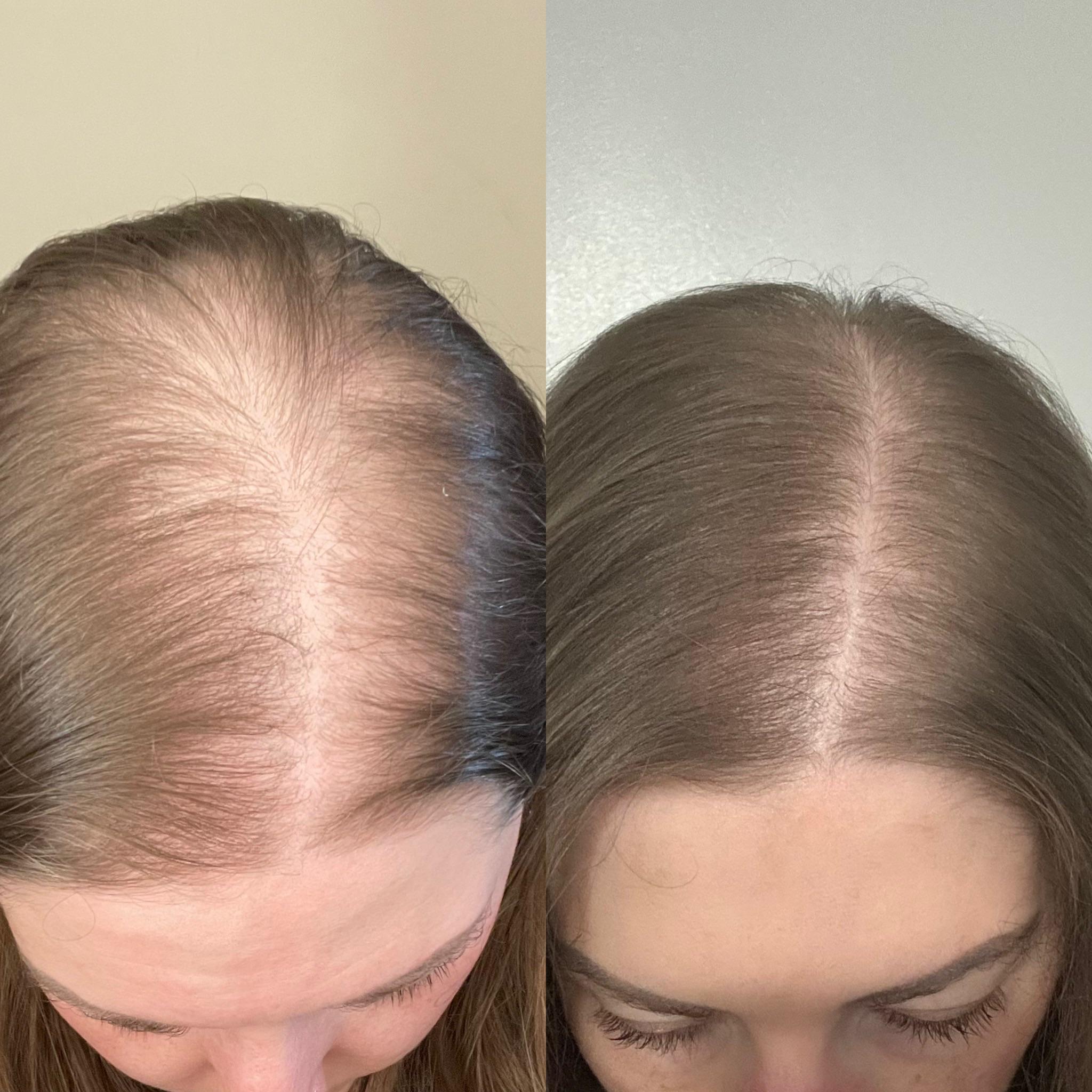
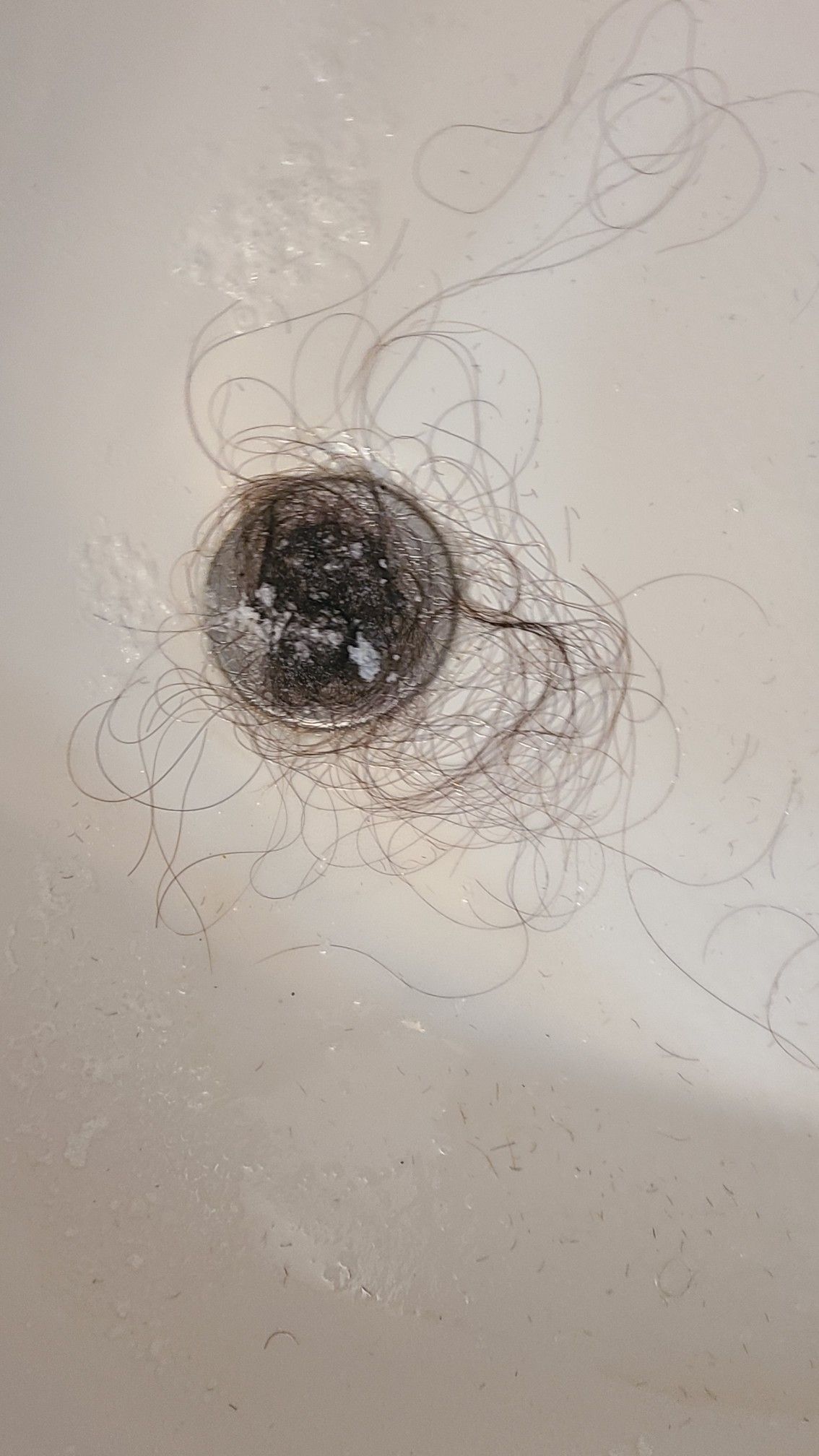
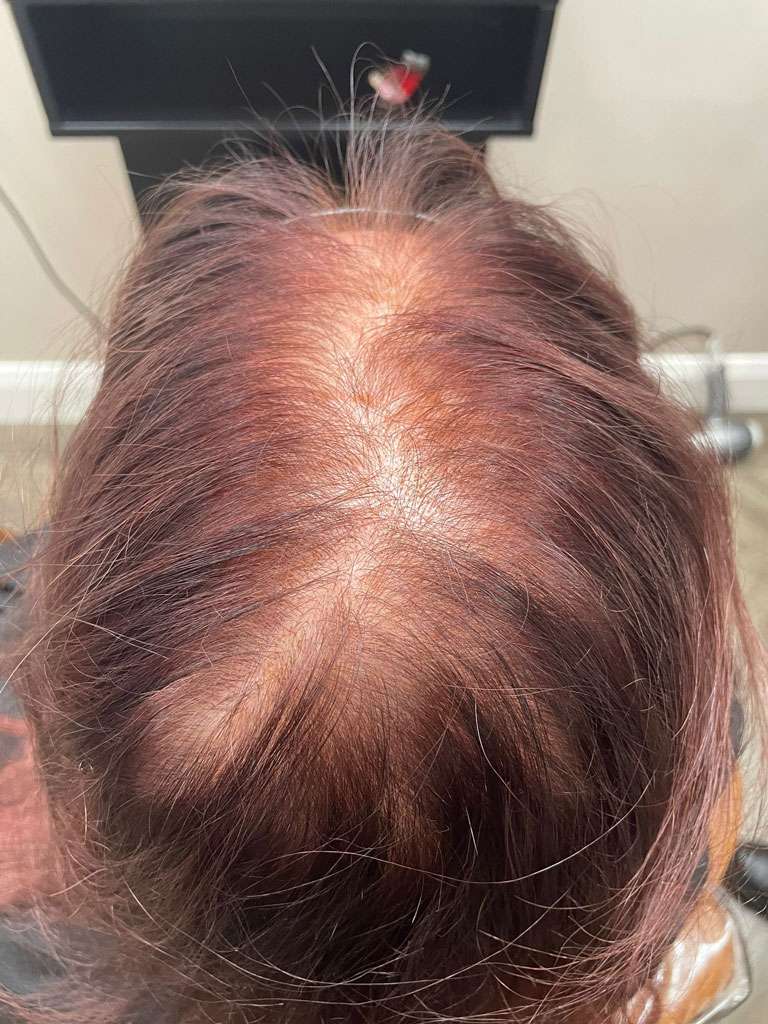
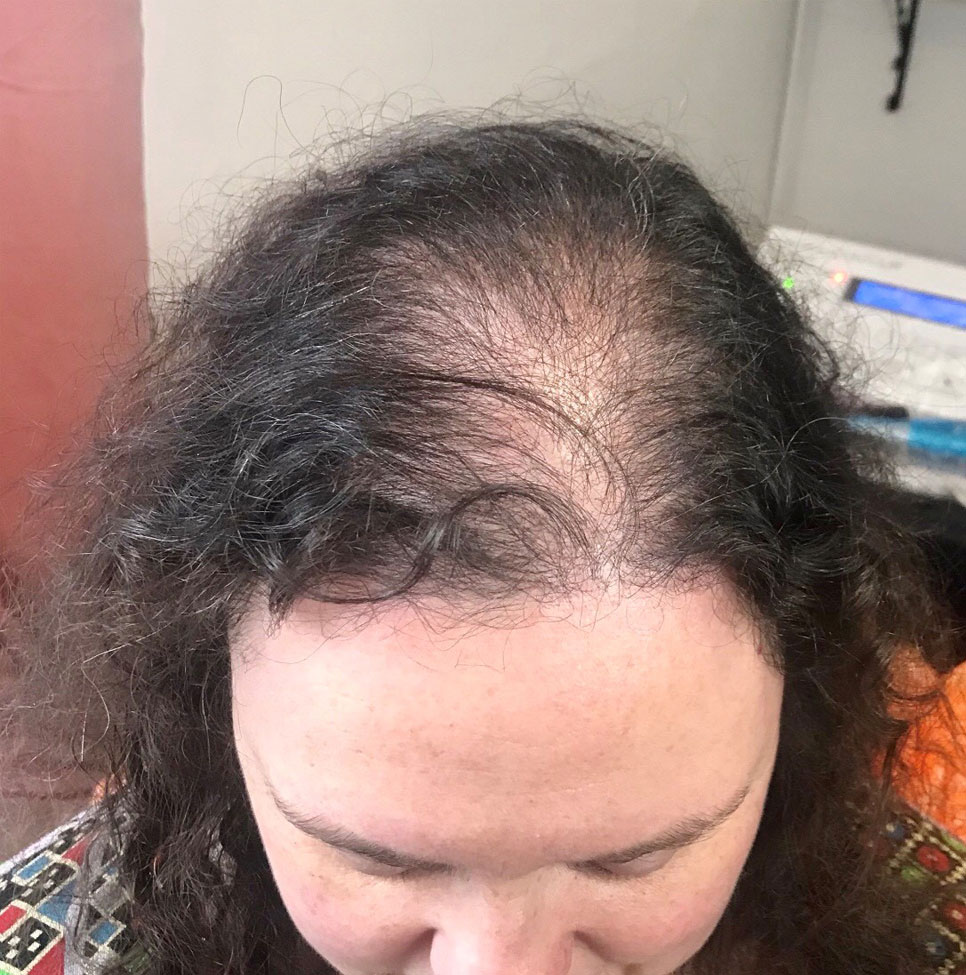
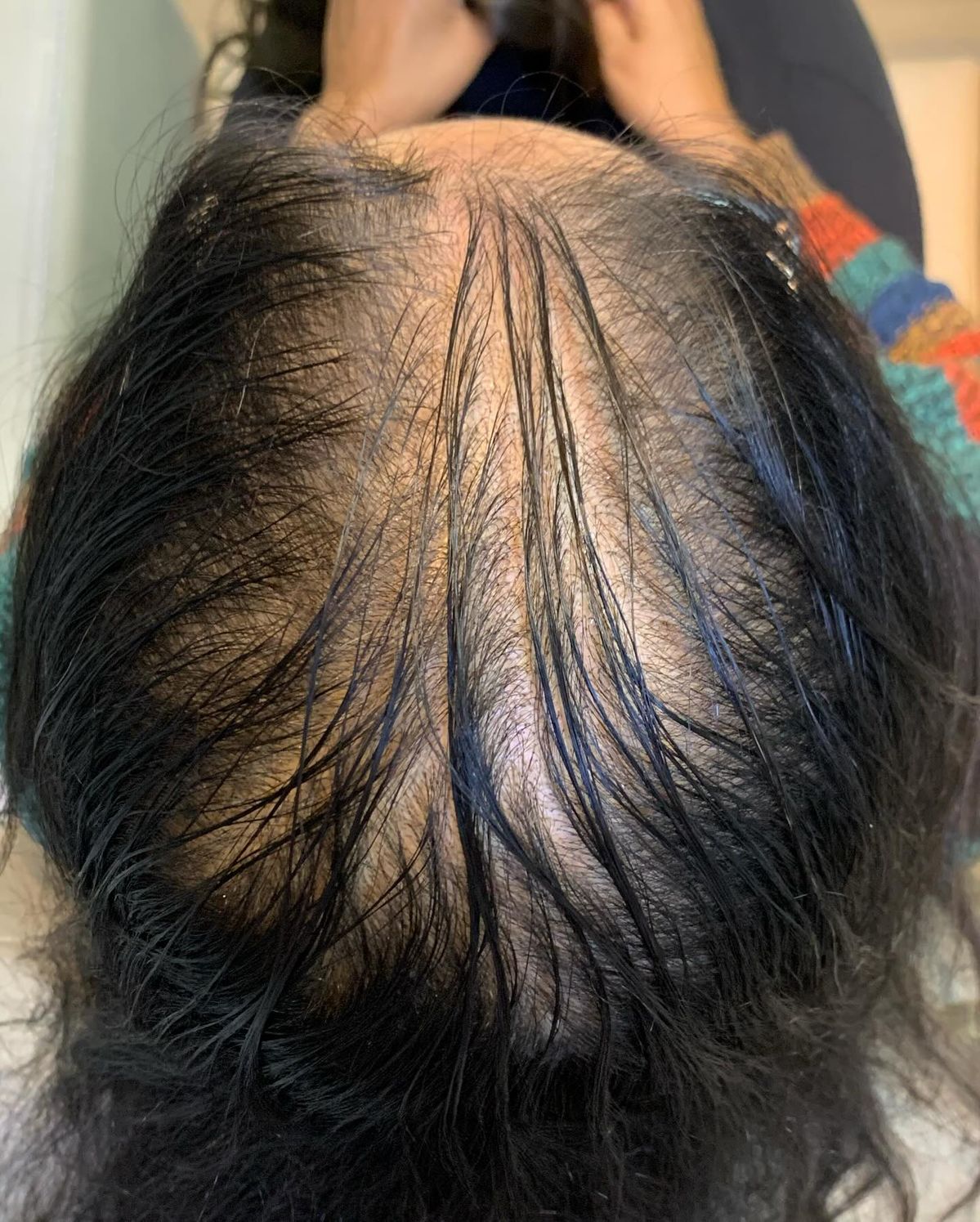
I have a spreadsheet that tracks my hair loss. I've been updating it for eleven months. Month one: shedding score 7 out of 10. Month eleven: 7 out of 10. Eleven months of data. Zero movement. And every supplement I tried was, according to the research I've since read, constitutionally incapable of addressing what was actually causing it. I don't say this to be dramatic. I say it because I wish someone had told me sooner, and I suspect I am not the only person who has a spreadsheet. I have PCOS. I've known this for six years. I know what it does to insulin. I know what it does to oestrogen. I know it elevates androgens. What I did not connect — for six years, through every endocrinologist appointment, through a GP referral, through online communities, through two books specifically about PCOS — was that elevated androgens convert to DHT. And DHT binds to the androgen receptor on hair follicles. And that is why my hair was thinning. Nobody connected those dots for me. I connected them myself at 12:47 AM reading a 2018 paper in the Journal of Clinical Endocrinology and Metabolism titled "5-alpha reductase activity and androgenetic alopecia in hyperandrogenic women." Hyperandrogenic. That's the PCOS category I'm in. Right there in the title of a paper I found by accident searching for something else. The paper's conclusion: women with hyperandrogenism — elevated androgens, which is PCOS — show significantly elevated 5-alpha reductase activity compared to controls. This converts more testosterone to DHT. More DHT reaches the androgen receptor. More follicle miniaturisation occurs. My endocrinologist has never mentioned 5-alpha reductase in relation to my hair. My GP has never mentioned DHT. The PCOS books I read mentioned hair loss as a symptom. Not the mechanism. Not the pathway. Not what to do about it. I had a clinical explanation for my hair loss sitting in academic literature for years. I just hadn't been directed to it. The spreadsheet. Let me tell you what's in it, because the data tells the story better than I can. Column A: date. Column B: shedding score 1-10. Column C: active supplements. Column D: dosage. Column E: notes. Biotin — three brands, eight months. Score: oscillated between 6 and 8. Mean: 7.1. Notes: no trend. Viviscal — four months. Score: 6.8-7.4. Notes: slight improvement in texture, no shedding change. Nutrafol — six months. Score: 6.5-7.6. Notes: contains saw palmetto in proprietary blend, dose undisclosed. Iron supplementation — three months following borderline ferritin result. Score: 6.9-7.2. Notes: ferritin improved, shedding unchanged. Collagen, zinc, evening primrose — concurrent with Nutrafol. Score: no independent variable established due to concurrent use. Methodological limitation. I wrote "methodological limitation" in my own health spreadsheet. That's who I am. Eleven months. Approximately £580 in supplements. A data set that showed, with statistical clarity, that nothing I had tried had worked. I'm an analyst. I look at data and identify the variable that explains the outcome. For eleven months I could not find it. And then I found the paper. I went back and looked at Nutrafol's label. "Proprietary Synergen Complex: [list of ingredients including saw palmetto]." No dose. I emailed them asking for the saw palmetto content. They declined to provide it, citing trade secret protection. The research that establishes saw palmetto's mechanism uses 320mg of standardised lipophilic extract. A proprietary blend with an undisclosed amount could be 50mg. Could be 200mg. Could be anything. Below a certain threshold, 5-alpha reductase inhibition doesn't meaningfully occur — it's not linear. I updated the spreadsheet. Column F: mechanism. Column G: does this address 5-alpha reductase / androgen receptor? For every supplement I had taken for eleven months: No. No. No. No. No. Zero of my interventions had been aimed at the mechanism causing the problem. I found a dermatologist's published commentary in a trichology journal: "The single most consistent finding in patients presenting with chronic androgenic alopecia and a history of supplement use is that they have never been directed toward androgen receptor pathway intervention. They have been adequately nutritioned and inadequately targeted." Adequately nutritioned. Inadequately targeted. I put that in the spreadsheet too. I ran a criteria search. I was looking for: saw palmetto at disclosed dose of 320mg or above, standardised extract, combined with at least one secondary DHT mechanism (pumpkin seed oil, beta-sitosterol, or zinc at receptor level), no proprietary blend, third-party tested. I found one that met all criteria. Saw palmetto 320mg — standardised lipophilic extract, dose on the label. Pumpkin seed oil 400mg — cold pressed, dose on the label. Ashwagandha 300mg for the cortisol-androgen feedback loop. Zinc 15mg at the receptor level. The full supporting cast — biotin, folate, D3 — but positioned as the regrowth infrastructure, not the main mechanism. Everything disclosed. No blend. I cross-referenced every ingredient against the clinical literature. Every dose checked out. The formulation logic was sound. I added it to the spreadsheet. Month one on the new formula: score 7. I expected this. Month two: score 4. I rechecked the data. I looked at the number for a long time. Month three: score 2. Here's the mechanism, as cleanly as I can state it: PCOS elevates androgens. Androgens are converted to DHT by the enzyme 5-alpha reductase. DHT binds to the androgen receptor on the hair follicle. The follicle enters miniaturisation. Hair thins. Biotin, marine proteins, collagen, and evening primrose address none of these steps. They are nutritional supplements working at the nutrient receptor. That receptor is not in this pathway. Saw palmetto at clinical dose inhibits 5-alpha reductase — upstream intervention. Pumpkin seed oil works at the androgen receptor itself — downstream intervention. Ashwagandha reduces cortisol, which drives androgen elevation in PCOS — root cause intervention. Three points of intervention across the same causal chain. This is not a supplement that is better than what I had tried. It is a supplement that addresses what I had tried to address. That is a categorical difference. Two objections I had, and would have maintained until the data changed my mind: First: saw palmetto is in Nutrafol and it didn't work. Yes. Because Nutrafol's saw palmetto is in a proprietary blend at an undisclosed dose. The clinical research uses 320mg. These are not the same thing. If I had tried saw palmetto at 320mg of standardised extract and it had done nothing, that would be meaningful data. I had never tried that. I had tried an unspecified amount inside a blend and concluded the ingredient was ineffective. That's not a fair test. Second: I've been managing this for a year and nothing helps. This might genuinely be true for some people. But if you have been managing it for a year and have never once addressed the androgen receptor pathway — which, if your interventions have all been nutritional, you haven't — then you haven't run the experiment that actually tests the cause. You've run a very thorough nutritional experiment. That's different. Month three. My dermatologist, at a standard follow-up, mentioned unprompted that she could see regrowth at the temples. She asked what had changed. I told her I'd started addressing DHT directly. She paused and said: "That's what I'd have recommended. I'm glad you found your way there." I'd have found my way there eleven months earlier if anyone had pointed me at the mechanism. I still have the spreadsheet. It has 340 rows now. The column that matters is column B. For eleven months: 7, 7, 6, 7, 8, 7, 7, 6, 7, 7, 7. Month twelve: 4. Month thirteen: 2. I am an analyst. I look for the variable that explains the outcome. The variable was the receptor. If you have PCOS and you have been losing hair and you have tried the standard interventions and they have not worked: the question is not whether you've tried hard enough. It is whether you have ever specifically addressed 5-alpha reductase and the androgen receptor. If your interventions have all been nutritional, the answer is no. You haven't failed to solve the problem. You've been solving the wrong equation. I'm not going to tell you what I take. I don't think that's the right information for me to give you, because your biology, your PCOS presentation, and your other medications mean the decision should be yours, made with your own research. But if I were going to give you a starting point: look up 5-alpha reductase inhibition and androgenic alopecia. Look up saw palmetto at clinical dose — specifically 320mg of standardised extract, not proprietary blends. Look up pumpkin seed oil Cho 2014. Read the actual papers, not the summaries. And then look at your own data — whatever form it takes, spreadsheet or memory — and ask yourself whether any of what you've tried has ever been aimed at that pathway. If the answer is no, that's not a failure. That's just a variable you haven't tested yet. Test it.
Where the ad sends people
syno-health.com
What actually restored my self-image 👉
SYNO-HEALTH
Learn more: syno-health.com(opens in a new tab)