Uproot Clean
Uproot Clean Facebook ad: “A $20 Tool Pulled Up What My $350 Dyson Missed”
Ran for 5 days, from April 24 to April 29, 2026, the last day Crush saw it.
Run by Uproot Clean on Facebook. Crush is not the advertiser and does not verify its claims. See this ad in Meta's Ad Library(opens in a new tab)
Make your own version of this ad
Crush makes it, launches it in your own Meta ad account, scales the winners and pauses the losers.
About this ad
- Meta Ad Library ID
- 1499427761892844
- Platforms
- Facebook, Instagram, Messenger and Threads
- Relaunches
- 1
- Niche
- Pets
Ad text
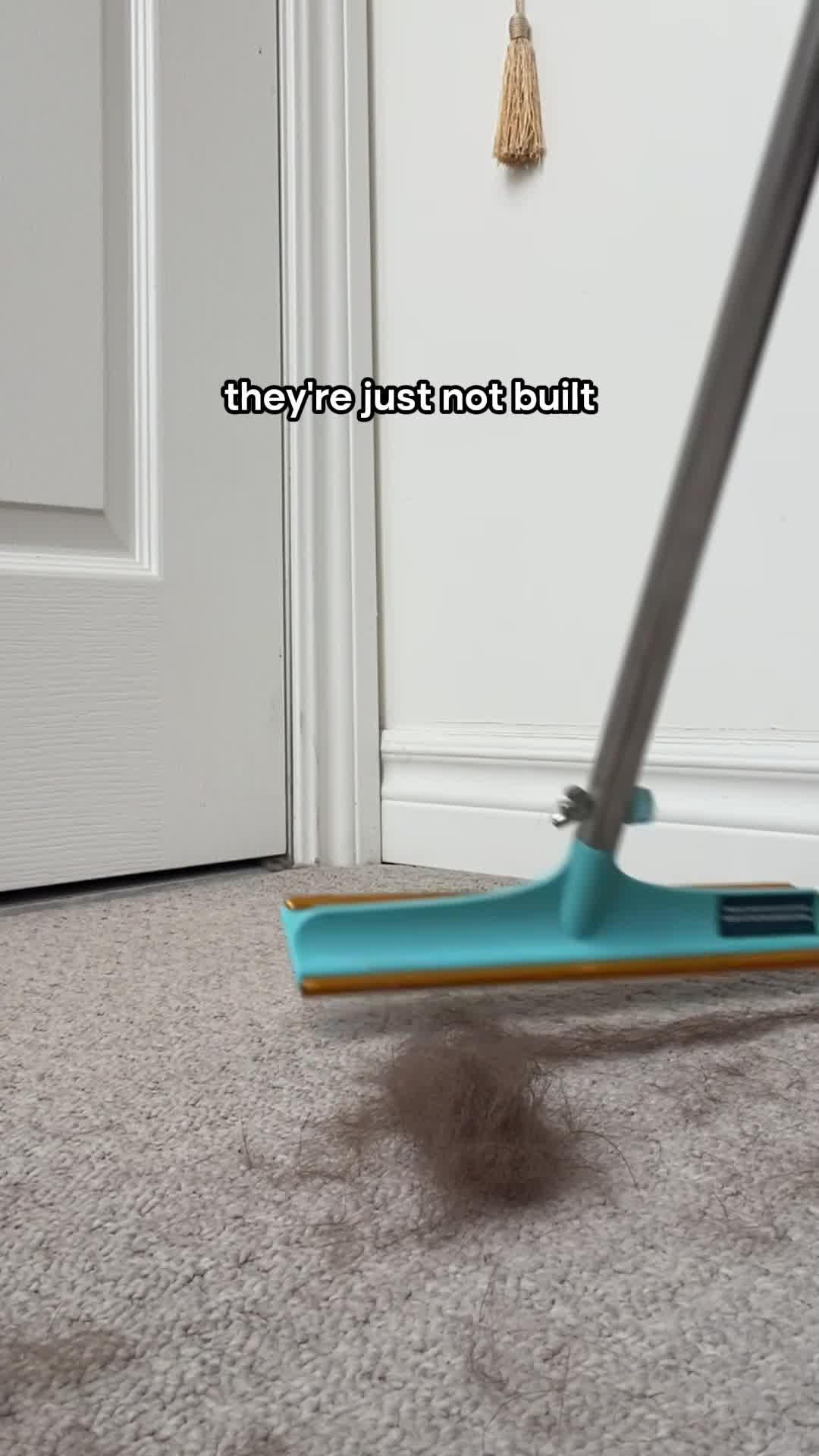
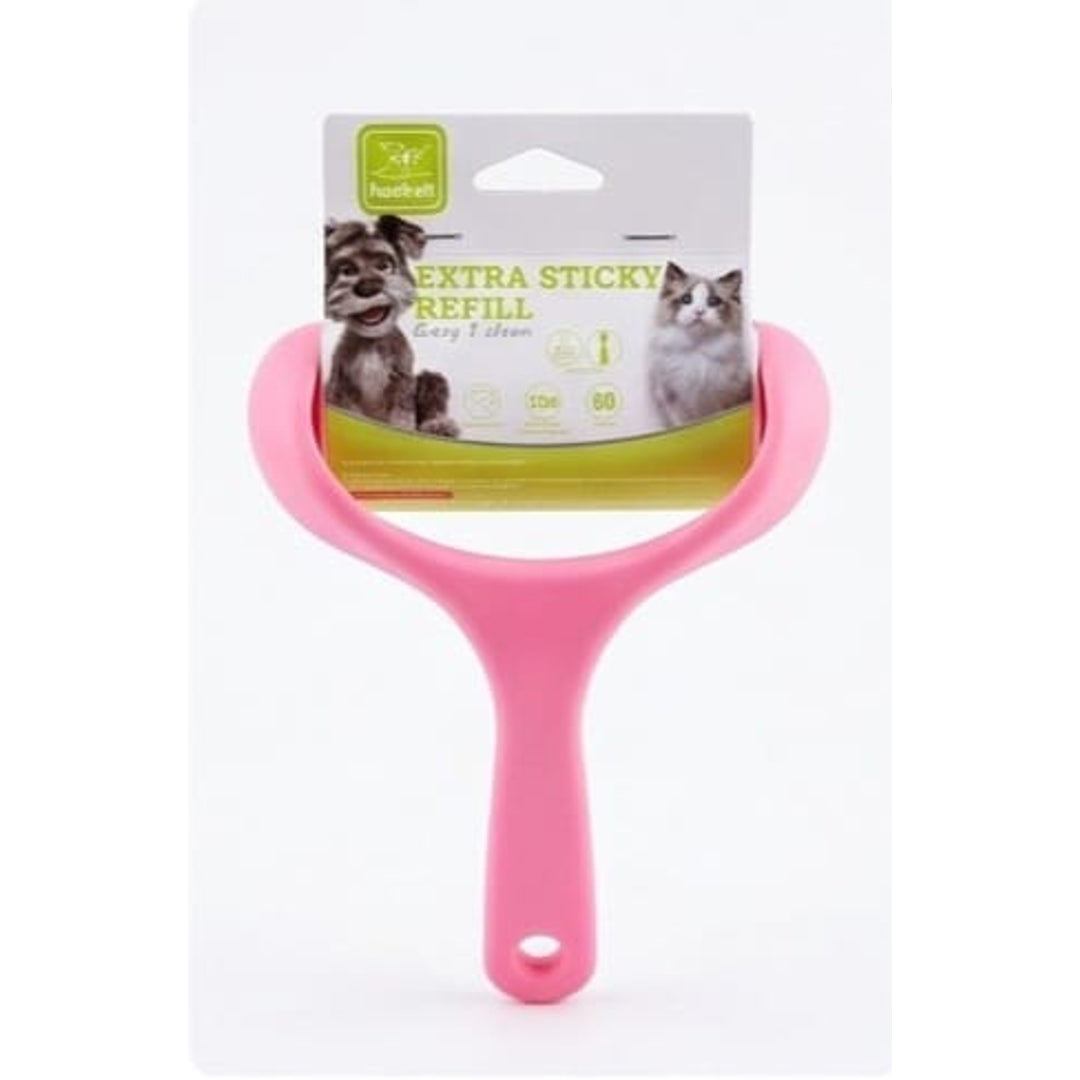
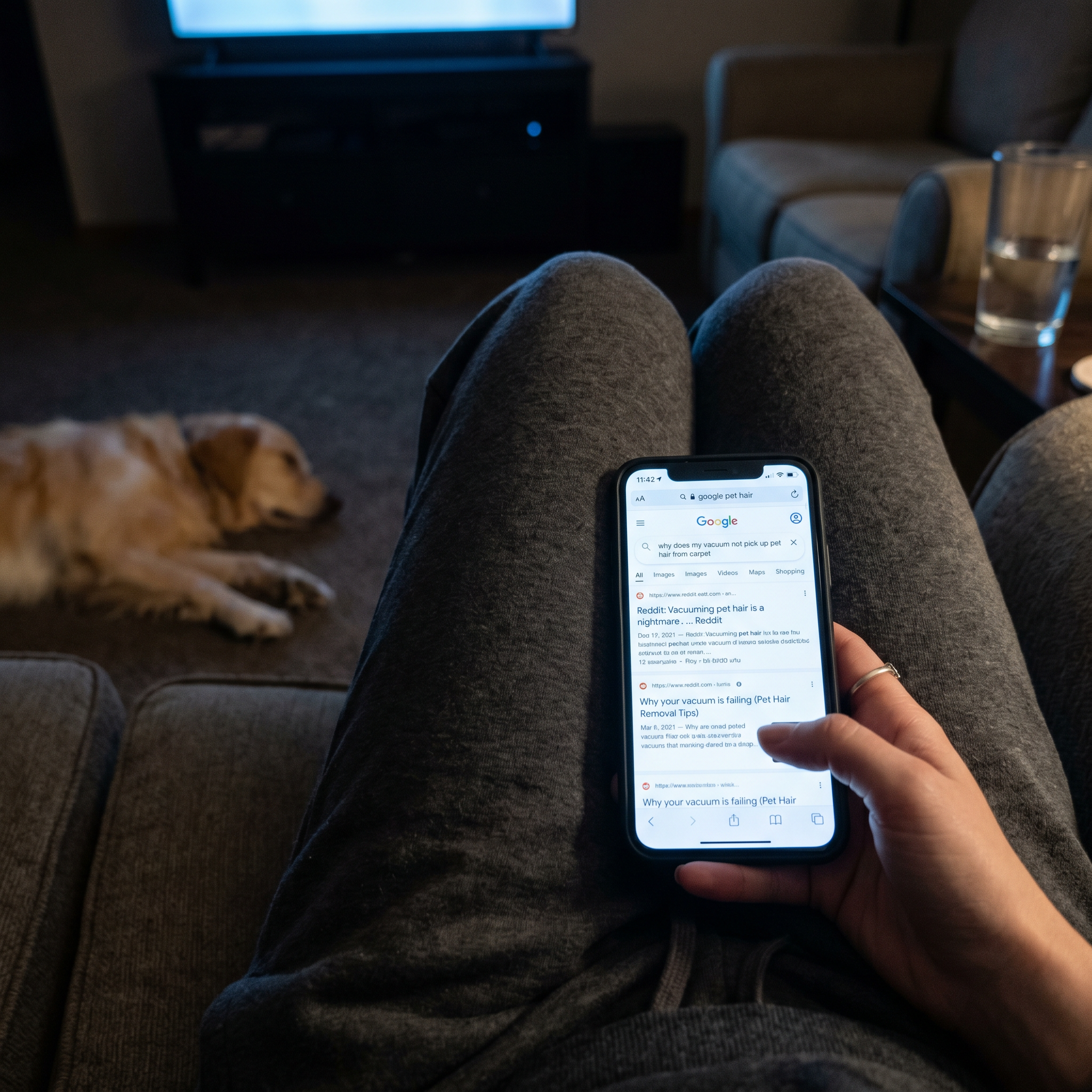
In 1876, people cleaned pet hair from carpets better than you do in 2026. The tools they used applied force in the right direction. Then electric vacuums came along, looked more modern, and everyone stopped asking whether they actually solved the problem. Nobody has asked that question in a hundred years. Until I did, on a Tuesday night, after spending $500 on vacuums that never worked. My name is Diane, I'm 42, and I live in a three-bedroom split-level outside of Raleigh. I have a four-year-old Golden Retriever named Cooper who is, without exaggeration, the love of my life. And also, the greatest source of frustration I have ever experienced when it comes to keeping my home clean. I'm writing this because I spent three and a half years blaming myself for a problem that was never my fault and I genuinely wish someone had told me what I'm about to tell you before I wasted hundreds of dollars and more hours than I can count pushing a vacuum back and forth across carpet that was never going to come clean no matter what I did. Here's what my daily routine looked like for those three and a half years. I vacuumed every single day, sometimes twice on weekends when we were home, and Cooper was shedding his undercoat across the living room like he was trying to carpet the carpet with a second layer of fur. I used the Dyson Animal, which I bought specifically because it said "engineered for homes with pets" right on the box at Target. I went slow, I did the crosshatch pattern, I even sprinkled that baking soda carpet powder I found on a cleaning blog called “Clean Mama” because it supposedly helps lift pet hair from deep in the fibers. And every single time, when I finished and knelt down to run my hand across the carpet near the couch where Cooper lies after his afternoon walk, I could feel it, that roughness under my palm, almost like very fine sandpaper, that tells you the hair is still woven into the carpet fibers, completely untouched by forty minutes of vacuuming. I stopped inviting my mother-in-law over for Sunday dinners. I told my husband it was because I was tired of cooking every weekend. But the real reason is that I could not handle watching her eyes drift down to the carpet near Cooper's spot the second she walked through the front door. Because no matter how long I vacuumed before she arrived, there was always hair visible along the baseboards and around the legs of the couch, and I wanted to disappear into the floor every single time she noticed it and didn't say anything, which was somehow worse than if she had just said something. One Tuesday night last October, after Cooper had fallen asleep on his bed in the corner of the living room, I sat on the couch and looked down at the carpet between my feet, and I could see it. Not clumps or tumbleweeds, just that diffused, embedded look where you know the carpet isn't actually clean even though you spent your entire afternoon cleaning it. And I didn't get up, I didn't grab the vacuum, I just sat there looking at it and thought, this is it, this is just what having a dog means. You vacuum every single day, and your house never actually looks clean, and you have already tried everything you can think of and spent every dollar you're willing to spend, and nothing has changed. That was the night I opened my laptop after Cooper fell asleep and typed "why can't my vacuum pick up pet hair from carpet" into Google. Here's what I found, and it is not complicated at all. It's just something that nobody in my life or any product I ever bought had bothered to explain to me. Vacuum suction pulls air upward, straight up, and for loose stuff sitting on top of the carpet like crumbs, dust, and hair that just fell off Cooper ten minutes ago, that upward pull works perfectly fine. But when Cooper lies on the carpet for an hour after his walk or when I walk back and forth across the area where he's been shedding all afternoon, his hair gets pushed down into the carpet pile. And once it's down there, each strand has these tiny microscopic scales along the shaft, almost like fish scales or the shingles on a roof, and those scales grip the carpet fibers sideways. The hair is literally hooked into the carpet horizontally, and the vacuum is pulling straight up. More suction power does not fix a direction problem, which is exactly why my $350 Dyson performed almost identically to my old $150 Bissell when it came to embedded pet hair. Because the thing holding the hair in place was never about suction strength, it was about suction direction, and every vacuum on the market pulls in the same direction. And then, at about eleven o'clock at night, with Cooper snoring on his bed three feet away from me, I found something that made me genuinely angry, not frustrated, actually angry. When Dyson first launched their "Animal" line, the one I bought and defended to my husband for two straight years every time he pointed out that the carpet still had hair on it, it was the exact same machine as their regular DC07 model. Same engineering, same suction design, same everything under the hood. They painted it purple because their market research showed that 80% of premium vacuum buyers were women, they included a small brush attachment for the hose, and they called it the Dyson Animal. No changes to the suction mechanics whatsoever, it was a marketing decision dressed up as an engineering breakthrough, and I had spent $350 on it and told my husband it was worth every penny. Here's something else I learned that night that I think about constantly now. Before electric vacuums even existed, people cleaned their carpets using friction, not suction. With carpet beaters, rubber brooms, and the Bissell carpet sweeper that was patented in 1876, using rotating bristles that made physical contact with the carpet fibers, no suction was involved at all. These tools applied force horizontally, in the same direction the hair was actually gripping, and they worked. They were replaced not because they stopped working but because electric vacuums felt more modern and more sophisticated in the 1920s. And nobody ever looked back to ask whether the new way actually solved the old problem. I found this tool called the Uproot Pet Hair Remover through a woman in a Golden Retriever Facebook group I'm in, who posted a photo of what she pulled out of her carpet after vacuuming with her Shark that same morning. The clump of hair in the photo was the size of a tennis ball, and she said the tool cost less than $25. I almost didn't order it because I have been burned by so many products that promise to solve this exact problem. But the physics made sense to me by that point, and honestly, what was another $25 compared to the $500 I had already spent on vacuums that were never going to work, no matter how many passes I made. It arrived on a Wednesday. That afternoon, after Cooper's walk, I vacuumed the living room with the Dyson like I always do, full routine, crosshatch pattern, slow passes, the whole thing. Then I knelt down and ran the tool across a two-foot section of carpet right next to the couch where Cooper lies every single day after his walk. What came up was a clump of golden hair roughly the size of my fist, and I had vacuumed that exact spot maybe twenty minutes earlier. Cooper walked over and sniffed the clump of hair, which honestly almost made me laugh because, of course he did. I ran my hand across the section I had just done with the tool and then across a section I hadn't touched yet, and the difference was so obvious it was almost upsetting, because one side was soft, genuinely soft the way carpet is supposed to feel when you sit on it, and the other side, the side I had been walking on and sitting near and calling "clean" for three and a half years, felt rough and gritty under my palm like fine sandpaper. I had no idea carpet could even feel that different. My husband came home that evening and stopped in the living room doorway and said, "Did you get the carpets professionally cleaned?" I told him no, ten minutes with a tool that cost less than a tank of gas, and he looked at me like I was making the whole thing up. I had my mother-in-law over for Sunday dinner last month, first time in almost a year, and I used the tool before she arrived, spent maybe ten minutes total on the living room and dining room carpet. She didn't glance at the floor once, not a single time, and I didn't apologize for my house when she walked in the door, which was the first time in as long as I can honestly remember that I didn't start a visit with some version of "sorry about the dog hair everywhere, I swear I just vacuumed." I wish someone had told me all of this four years ago, because I would have saved myself over $500 on vacuums that were never going to solve the problem I bought them for. And I would have had my mother-in-law over for dinner a lot sooner, and I would have stopped blaming myself every single Thursday when I ran my hand across that carpet and felt the same roughness I always felt, no matter how long I had just spent vacuuming. I can't get those four years back, and I can't un-spend that money, and I can't take back the Sunday dinners I canceled or the times I apologized to guests for the state of my carpet before they even had a chance to sit down. But I can tell you what I found, and I can tell you why it works, and you can decide for yourself whether it's worth trying. If you want to see how it works, I've linked the page below where I found it, and there's a money-back guarantee, so if it doesn't pull up hair your vacuum missed, you just send it back. https://order.uprootclean.com/phr008-l-vacuum-industry
Where the ad sends people
order.uprootclean.com
A $20 Tool Pulled Up What My $350 Dyson Missed
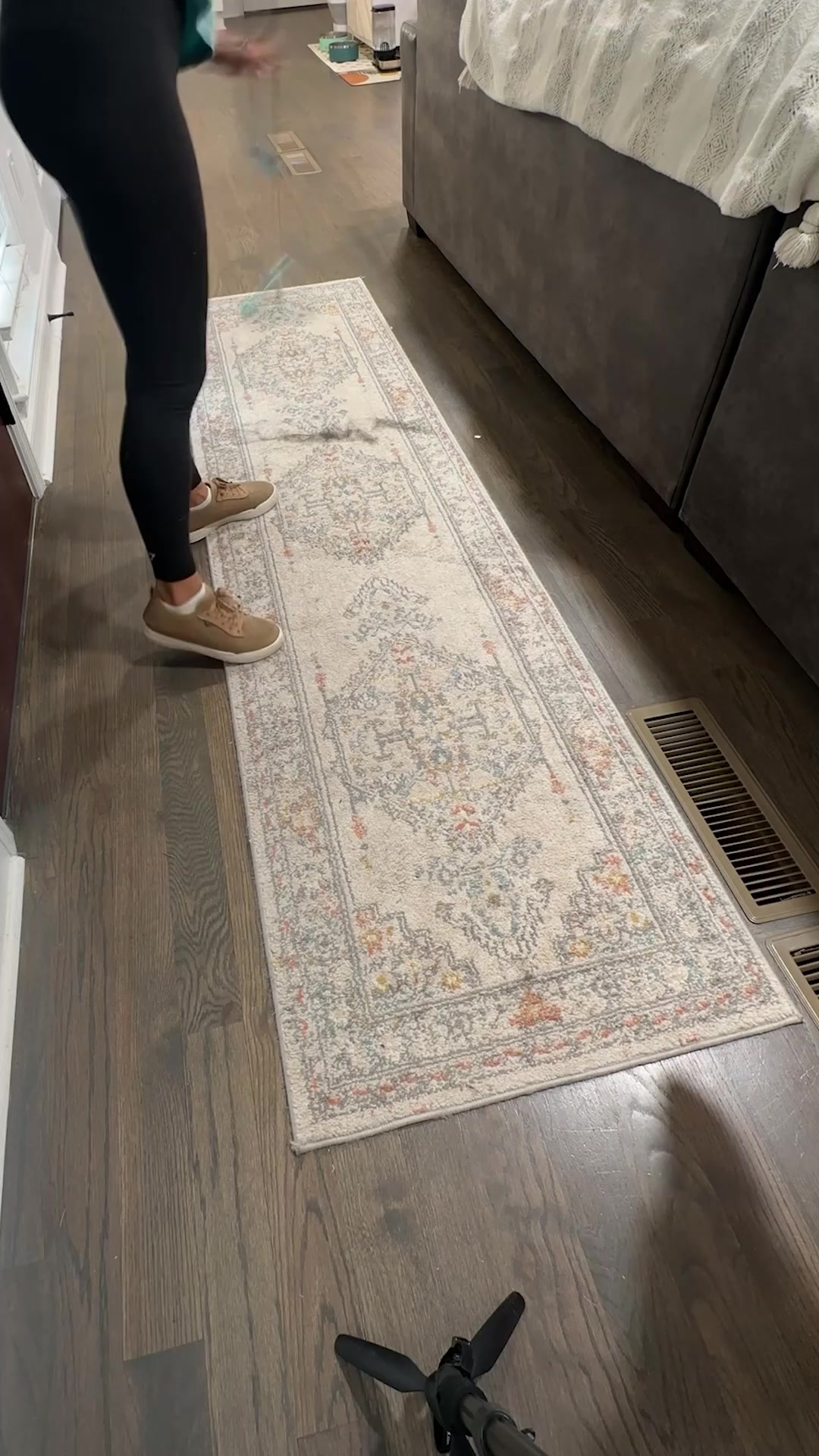
On hard floors like tile or hardwood, the vacuum nozzle creates a tight seal against the surface. Air can't escape through the floor, so it has to pull debris UP into the vacuum.
Shop now: order.uprootclean.com(opens in a new tab)