
Inactive· since May 25, 2026
- 19
- days it ran
- 5
- relaunches
Ad copy
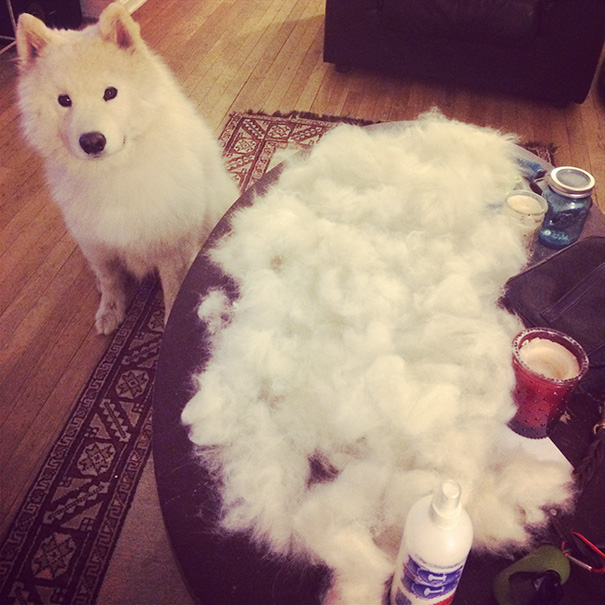
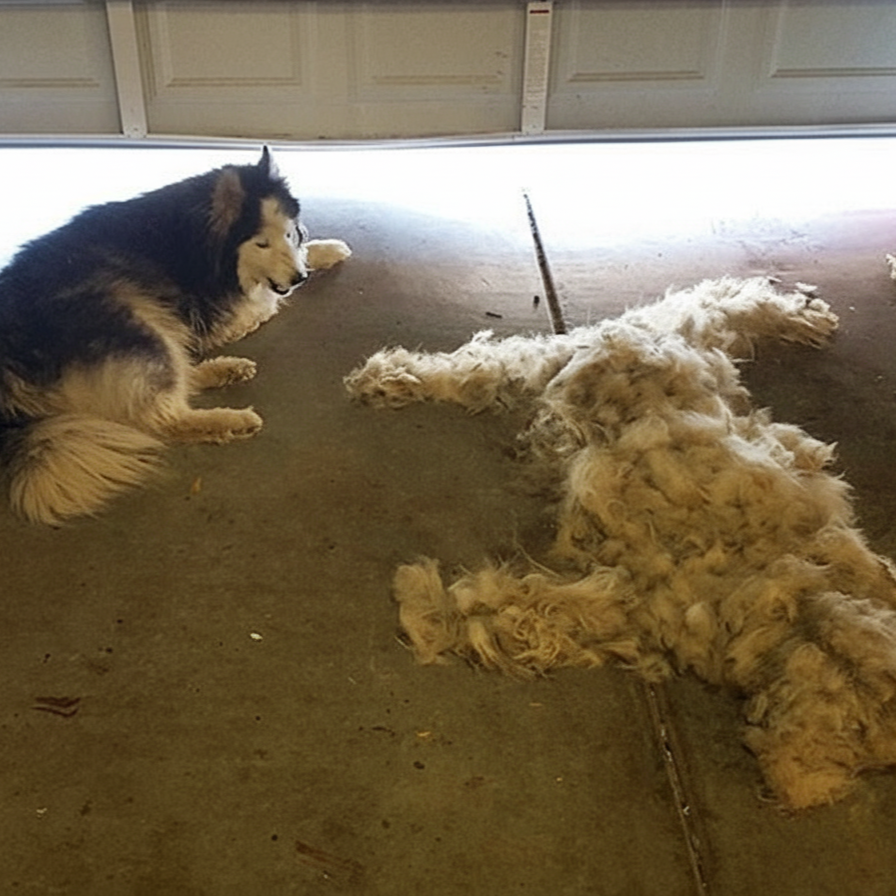
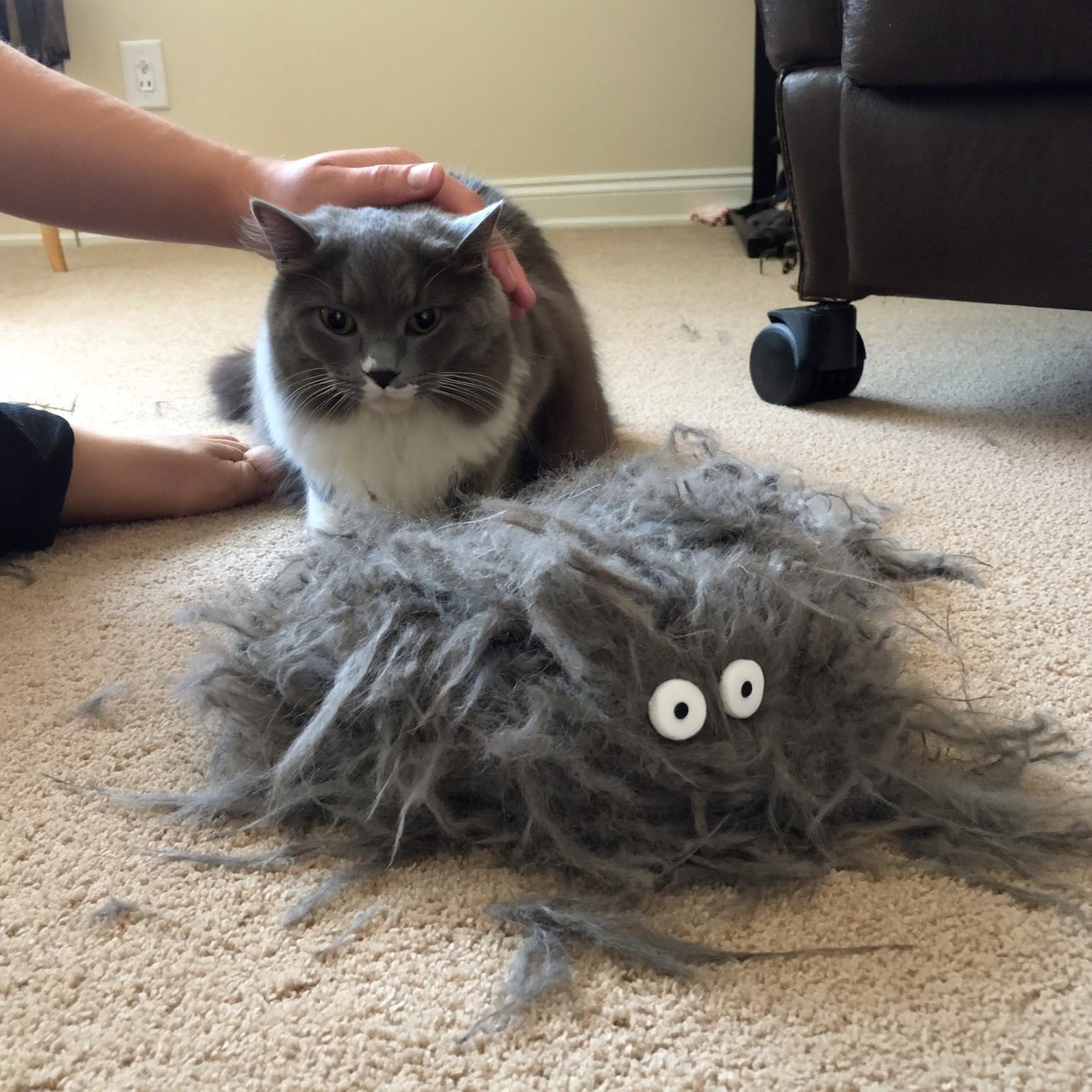
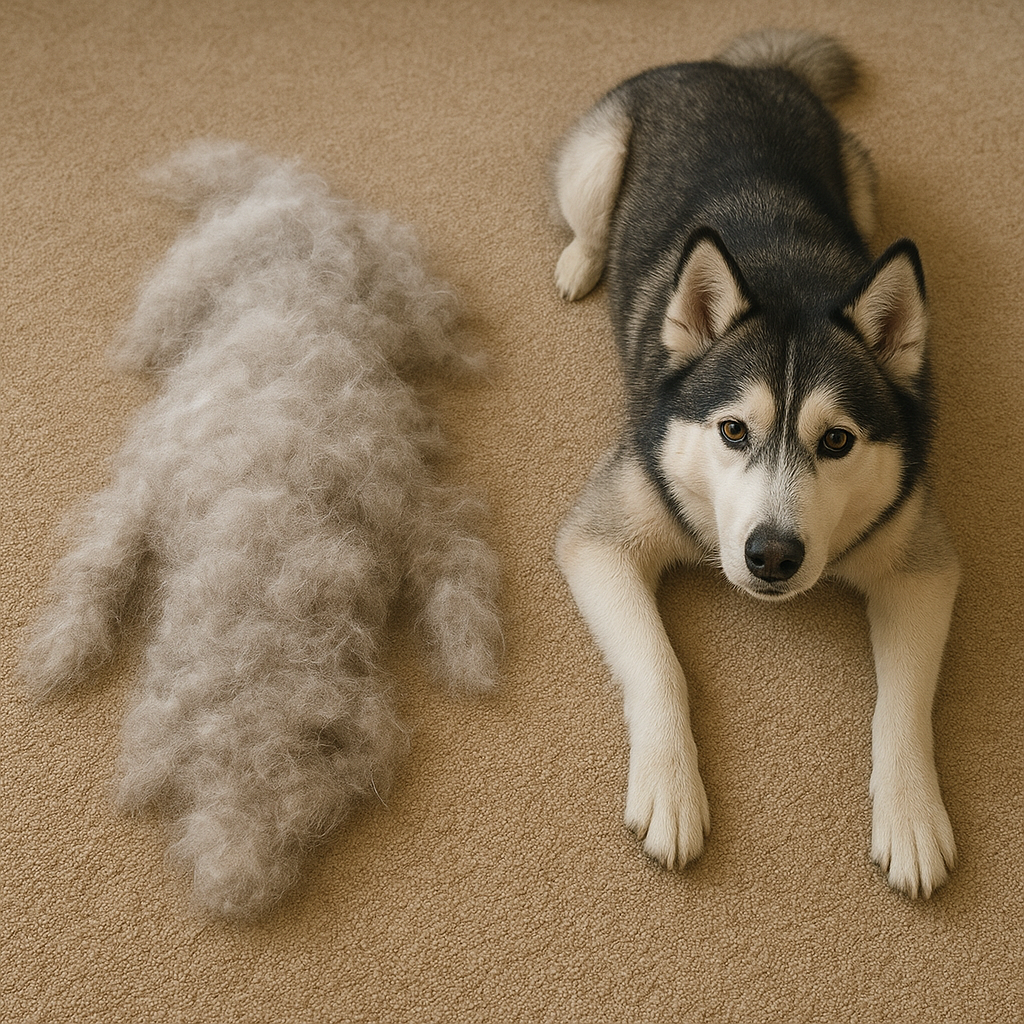
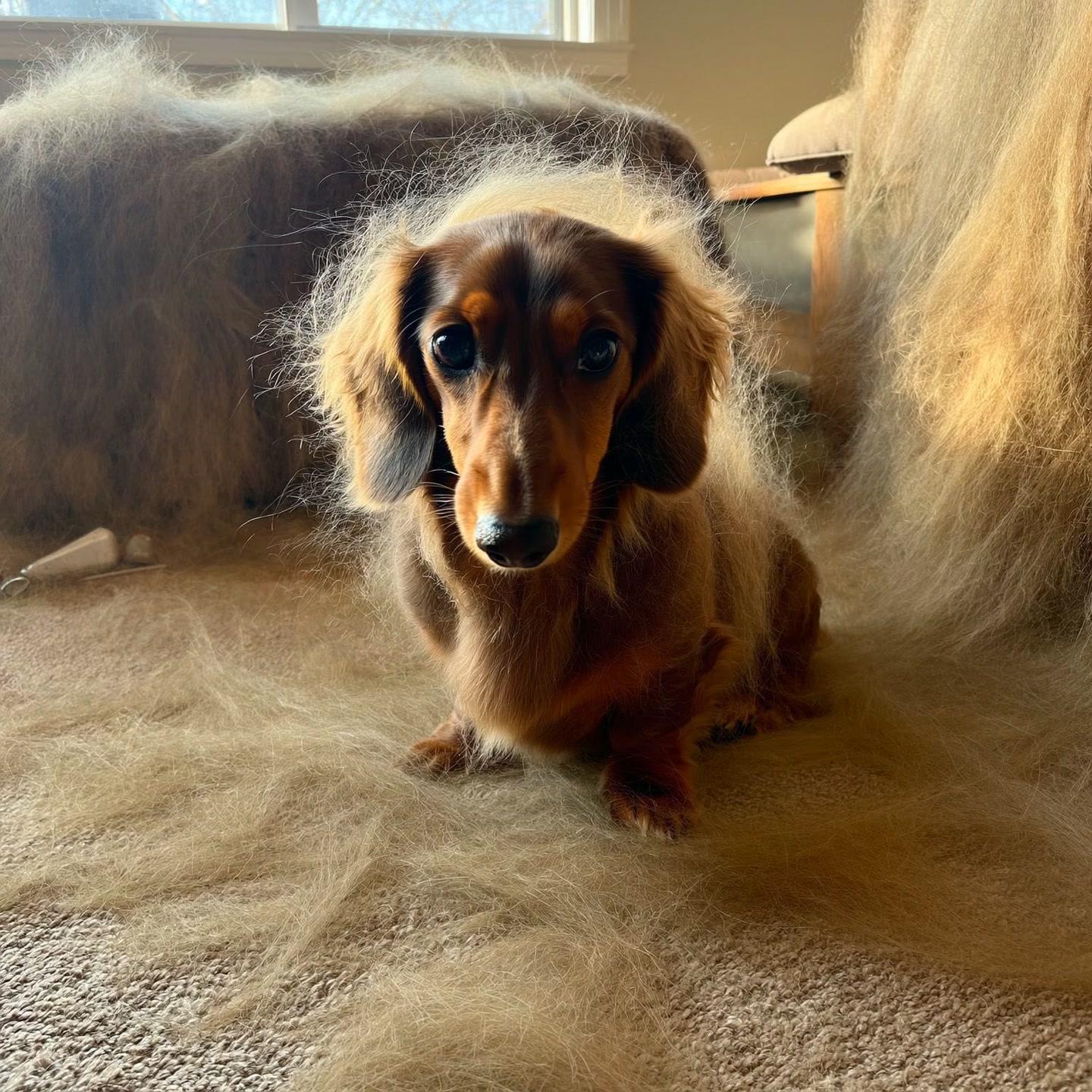
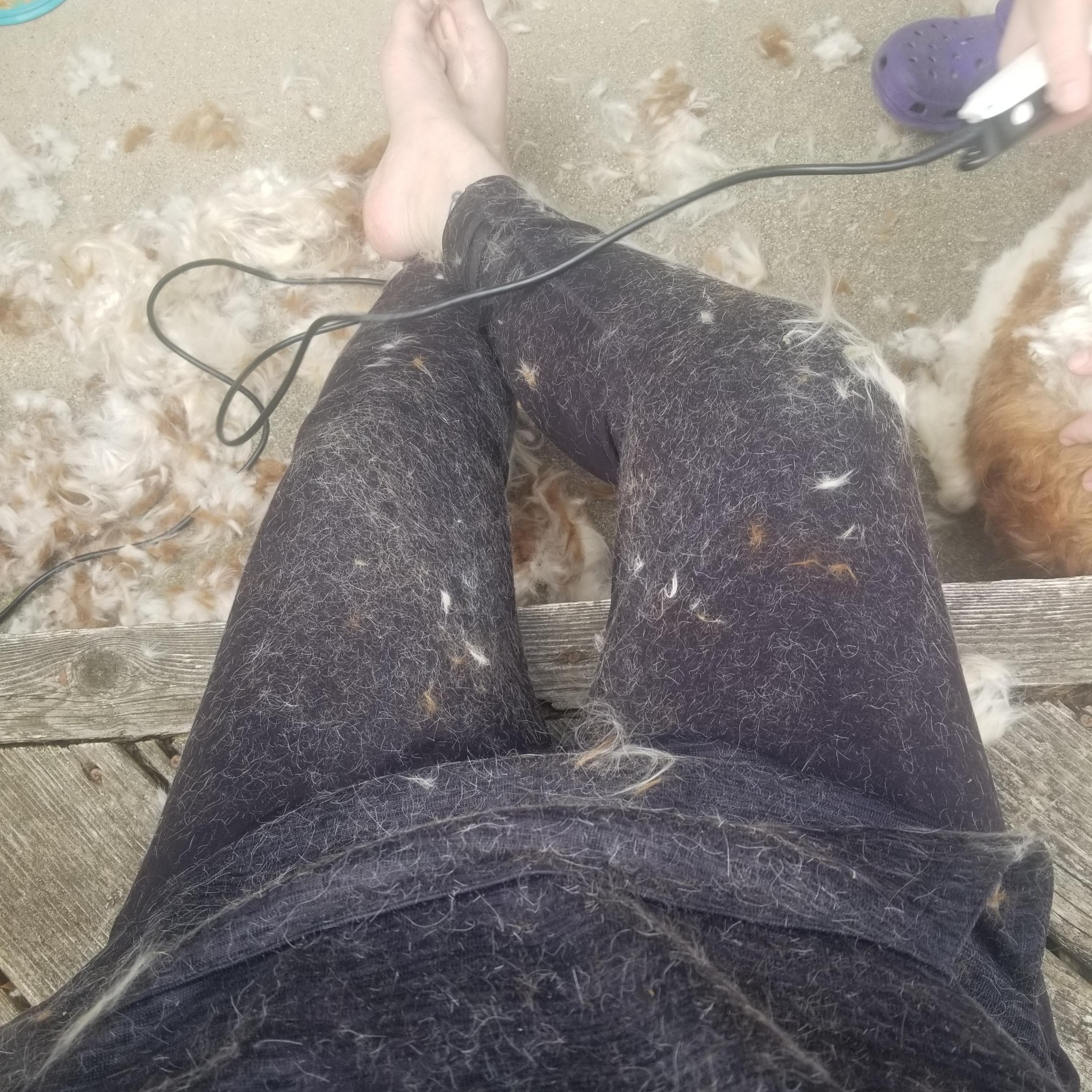
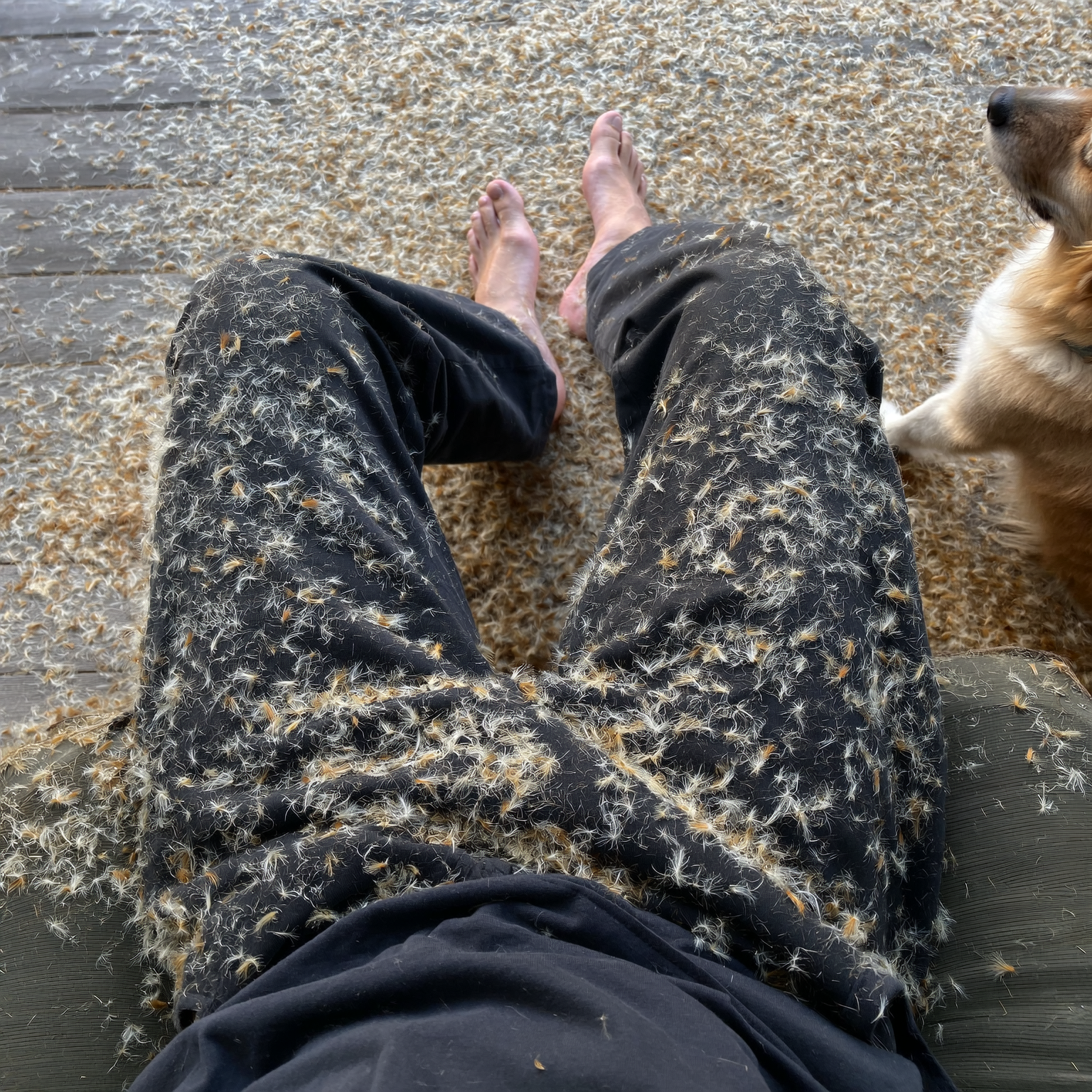
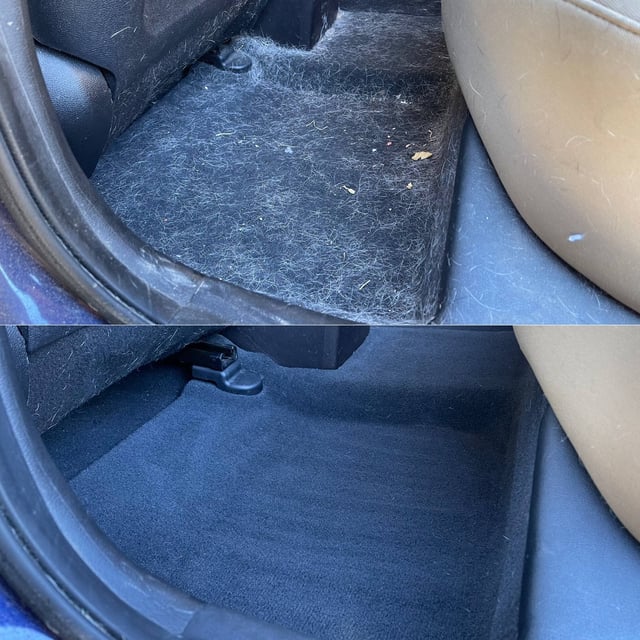
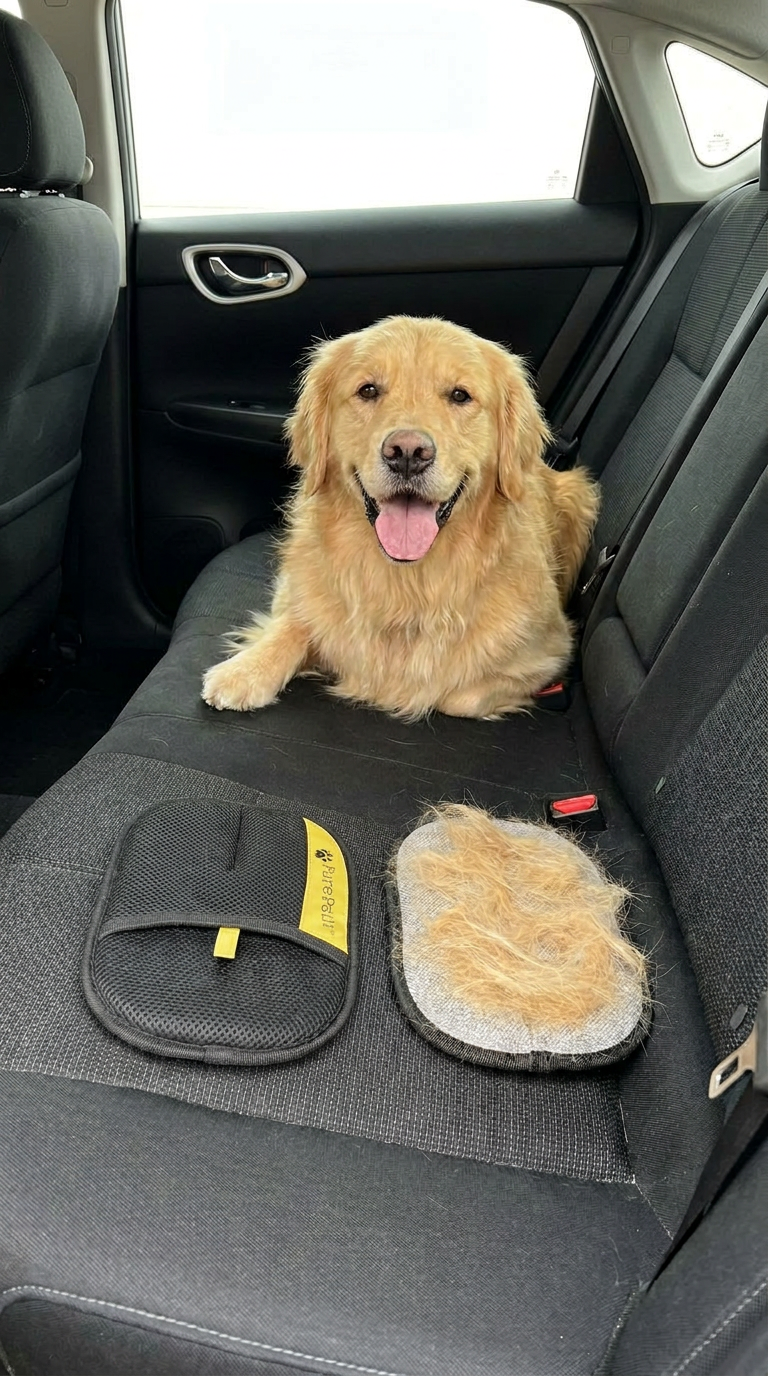
Failed system journey — exhaustive list of attempts Let me tell you what I tried before I found the thing that actually worked. Handheld vacuum. The pet hair laughed at it. Got maybe thirty percent of the surface hair and left everything embedded in the upholstery completely untouched. Lint roller. Cannot bend around the headrest. Leaves a gap between the contact surface and the curve of the seat. Made contact with maybe half the actual surface area and left the rest. Rubber glove and water. Worked better than the roller. Still missed the gaps and crevices. Left my hands cramped. Took forty five minutes for one seat and it still was not clean. Duct tape wrapped around my hand. I will not explain how desperate this moment was. Did not work. Made the seat slightly sticky. Stiff brush. Actually damaged the upholstery pile on my microfibre seat. Did not remove the hair. Just redistributed it and left the fabric looking worse. Professional detail. $220. Looked incredible for exactly four car rides. Then back to the same situation. I have a Golden Retriever. She has been in my car almost every day for three years. The back seat, the boot, the floor mats, the gap between the front seats where she shoves her nose. All of it. Permanently coated in blonde hair so embedded in the fabric that I had genuinely started to think the seat had always been that colour. The thing nobody tells you about pet hair in car seats is that the problem is not the volume of hair. The problem is the physics of how it gets in. Car seat fabric has a woven pile with a directional lean. When your dog sits on it, the static charge on their coat transfers to individual hair strands and those strands enter the weave in the direction of the pile and get anchored there by electrostatic bonding at the fibre level. They are not sitting on the surface. They are locked inside it. Suction cannot reverse a static bond. That is why the vacuum does nothing meaningful. A flat roller cannot follow the curve of a headrest or push into a seat gap. That is why the lint roller leaves half the surface untouched. A brush can physically move the hair but it has no mechanism to release the electrostatic bond holding the hair in the weave. That is why it just redistributes instead of removes. You need something that reverses the charge. That is the only thing that actually releases the hair from where it is bonded inside the fabric. The PurePath Glove does this. The electrostatic mesh targets the static bond directly and reverses it. The hair releases from the fibre and comes out in one directional pass. And because it is a glove worn on your hand, it conforms to every surface your hand can touch. The headrest curve. The gap between the seat and the door panel. The seatbelt housing. The boot liner. Every surface a flat tool has a geometry problem with. First time I used it I did the whole car in about twelve minutes. What came off the back seat in that single session was more hair than every previous cleaning attempt combined. Not slightly more. Dramatically more. Because it was the first time I had used something that was actually designed to solve the right problem. My Golden is still in the car every day. The seats still accumulate hair between cleans. But now a twelve minute pass with the glove before anything important and the car looks like a car again. I genuinely wish someone had explained the physics to me three years and one professional detail ago. 60 day guarantee if it does not work for you. It is going to work for you.
The First Tool That Actually Worked
Struggling with pet hair in your car? We tested the best cleaning method for carpets & seats—see how to actually remove stubborn hair fast.
LEARN MORELike this ad? Make it yours.
Crush rebuilds this exact creative around your product — your brand, your colors, your offer — in about a minute.