
Inactive· since Mar 6, 2026
- 42
- days it ran
- 0
- relaunches
Ad copy
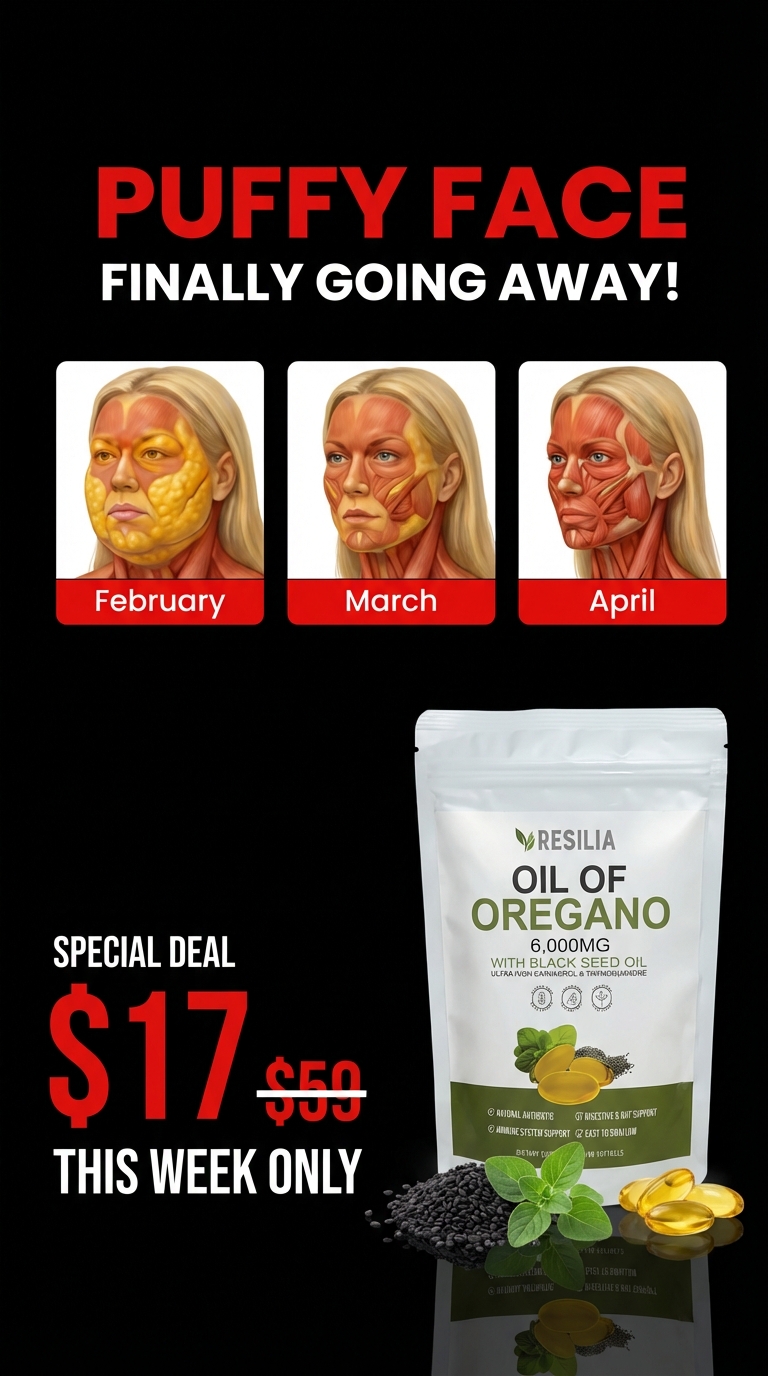
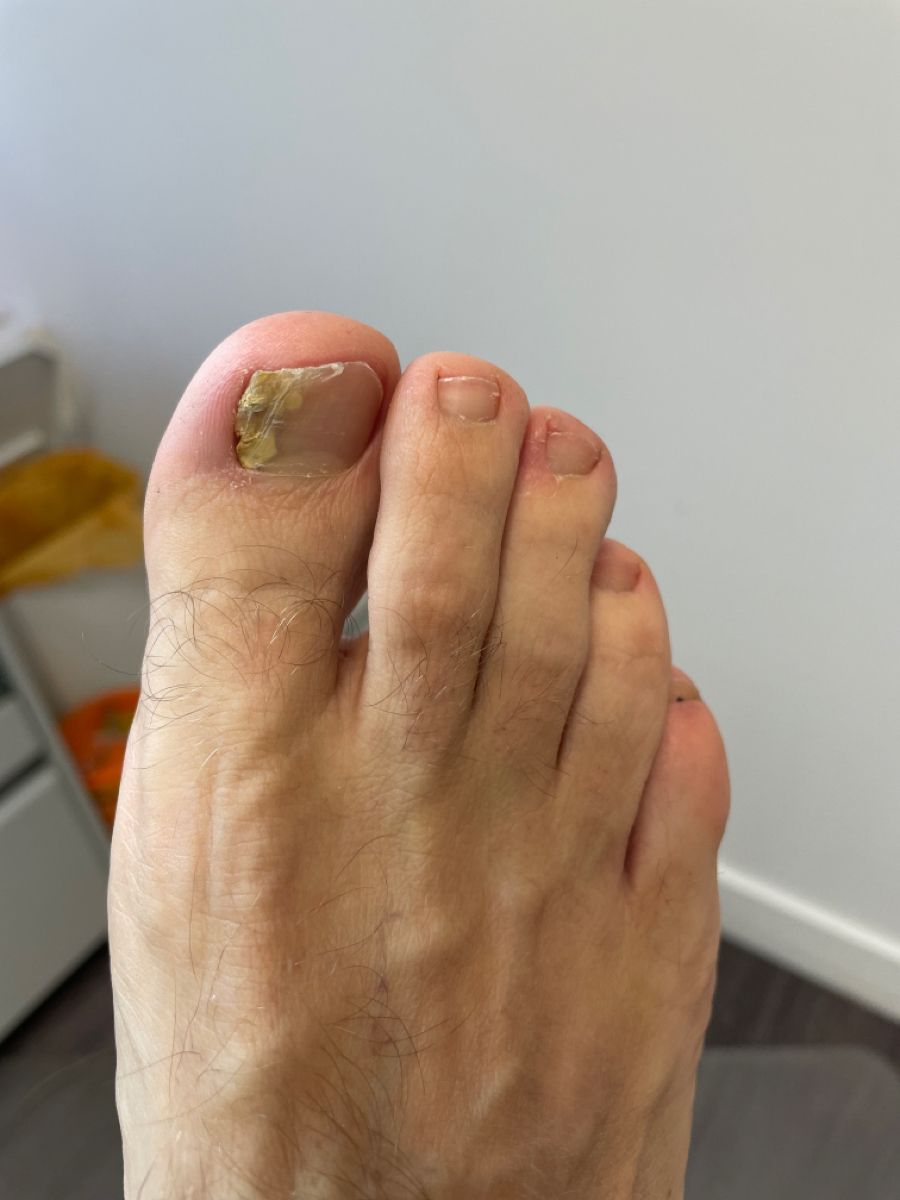
There's a question dermatologists don't love answering. It goes like this: "If prescription antifungal creams and polishes work... why do they fail more than 60% of the time?" Not a hypothetical number. Ciclopirox — the most commonly prescribed topical antifungal nail lacquer — has a clinical failure rate exceeding 60%. The majority of patients who use it exactly as directed, for the full course of treatment, still have fungal nails at the end. That's the prescription. The gold-standard topical. Applied directly to the infected nail for months. And it fails more often than it works. Here's a harder question: Why do oral antifungals — pills you swallow that enter your bloodstream and reach the nail from the inside — work significantly better than creams you paint directly onto the problem? Terbinafine taken by mouth achieves cure rates around 75-80%. That's roughly double the success rate of topical treatments applied right to the nail surface. Think about that for a moment. A pill you swallow works better at clearing a nail infection than a cream you apply directly to the infected nail. That should tell you something fundamental about where the problem actually lives. Most people — and most treatments — approach nail fungus as a nail problem. The nail looks bad. The nail is discolored, thickened, crumbly, yellowed. So the logic follows: treat the nail. Paint something on it. Soak it. File it down. Laser it. In extreme cases, remove the entire nail and let a new one grow. Every one of these approaches treats the nail as if the fungus is a surface contamination — something sitting on or under the nail that can be reached and killed from the outside. This is the fundamental misunderstanding. And it's why the recurrence rate for nail fungus, even after successful treatment, runs between 10% and 50%. Half of successfully treated patients get the infection back. Not because they re-caught it from a gym shower. Not because they wore the wrong socks. Because the organism never left their body. The fungus that causes 90% of toenail infections is called Trichophyton rubrum. It's not a random environmental contaminant. It's one of the most sophisticated parasitic organisms that colonizes the human body. It evolved — over millions of years — specifically to live on humans. Not animals. Not soil. Humans. It's an exclusively human parasite. And it doesn't just live in your nail. T. rubrum is the single most common cause of athlete's foot, jock itch, ringworm, and nail fungus worldwide. The same organism. In different locations. Roughly 30% of people with any fungal skin infection also have nail fungus. Not because these are separate infections — because it's the same organism colonizing different parts of the same body. The nail is just where it becomes most visible, most entrenched, and most difficult to reach with topical treatment. Here's what the fungus actually needs to survive: keratin. The structural protein that makes your nails hard. It's also the protein in your skin, the outer layer of your feet, your scalp, your hair. Every surface of your body that T. rubrum infects is a keratin surface. The organism produces specialized enzymes called keratinases that dissolve keratin — essentially digesting the hardest protein your body makes. It's one of the only organisms on earth that can do this. The same protein that makes rhino horns and eagle talons nearly indestructible is food for this fungus. And the nail — that thick plate of compressed keratin sitting in a warm, dark, moist environment inside your shoe — is the perfect habitat. High keratin concentration, minimal blood flow, virtually no immune cell access, and protection from the external environment. This is why topical treatments fail. The nail plate itself is a fortress wall. It's designed to be impermeable. That's literally its biological function — to protect the nail bed underneath from the outside world. When you paint an antifungal cream or lacquer onto the surface, you're asking a chemical to penetrate a barrier that evolution spent millions of years engineering to be impenetrable. The fungus isn't on the surface. It's embedded in the nail bed — the living tissue underneath the nail plate. And it's simultaneously living in the surrounding skin, between your toes, possibly in your groin, potentially in your gut. The nail is the symptom. The colonization is the problem. This is why oral antifungals outperform topical ones by a wide margin. Terbinafine, itraconazole, fluconazole — these are pills you swallow. They enter your bloodstream, circulate through your body, and reach the nail bed from the inside. From the blood supply underneath. They don't try to penetrate the fortress wall. They come through the tunnel underneath. And they don't just reach the nail — they reach every keratin surface in the body simultaneously. The skin between your toes. The sole of your foot. Every site where the organism has established a colony. They attack the entire colonization at once, not just the one visible outpost. This is why oral antifungals work roughly twice as well as topical ones. But they come with a cost. Terbinafine carries a risk of liver toxicity. Patients need liver function monitoring. It interacts with other medications. Treatment courses run 3-6 months. Side effects include gastrointestinal issues, skin reactions, and — in rare cases — serious hepatic damage. For a condition that isn't life-threatening, that risk profile gives many people and their doctors pause. Itraconazole carries an FDA boxed warning — the most serious type — about the risk of heart failure. Ketoconazole was pulled from use for superficial fungal infections in both Europe and the United States because the risk of liver injury was deemed unacceptable for a non-life-threatening condition. So the medical system is left with a dilemma: topical treatments that mostly don't work, and oral treatments that mostly do work but carry meaningful organ toxicity risks. This is the gap. And it's been open for decades. The reason oral prescription antifungals work is not mysterious. They deliver antifungal compounds to the nail bed through the bloodstream. They reach the organism from the inside. They address the systemic colonization, not just the visible outpost. The question is whether there's a way to deliver potent antifungal compounds systemically — through internal supplementation — without the liver toxicity, the boxed warnings, and the organ damage risk. This is where two ancient herbs become relevant. Oregano oil — specifically its primary compound, carvacrol — is one of the most studied natural antifungals in existence. Carvacrol destroys fungal cells by disrupting their cell membrane — the lipid barrier that holds the organism together. It causes the cell's essential contents to leak out, leading to death. This is the same mechanism by which many prescription antifungals work — just a different compound targeting the same vulnerability. Lab studies show oregano oil is effective against Trichophyton rubrum — the specific organism behind 90% of nail fungus. It's also effective against T. mentagrophytes, Candida albicans, and the range of dermatophytes and yeasts that cause fungal infections throughout the body. In a comprehensive study testing essential oils against 16 clinical strains of dermatophytes, oregano was among the most potent — completely inhibiting all genera and species tested for 21 days following a single application. Cassia, cinnamon, and thyme showed similar potency, but oregano demonstrated synergistic effects when combined with other antifungals. In a clinical study on 20 onychomycosis patients, a topical formulation containing oregano oil achieved a 78.5% complete cure rate — a result that exceeds most prescription topical antifungals. Scanning electron microscopy of treated nails showed flattened, destroyed fungal hyphae with visible loss of cytoplasmic content — direct evidence of cell membrane disruption. And crucially: carvacrol also disrupts biofilms. Biofilms are the protective microbial communities that fungi build around themselves — slime-like fortresses that shield them from both the immune system and antifungal drugs. Biofilm formation is one of the primary reasons nail fungus is so resistant to treatment. Carvacrol breaks through them. Black seed oil — specifically thymoquinone — complements this with anti-inflammatory and immunomodulatory effects. The chronic inflammation that accompanies long-term fungal colonization suppresses the local immune response and creates conditions that allow the organism to persist. Thymoquinone modulates that inflammatory response and supports immune function — the body's own antifungal defense system. Together, taken internally as a supplement, they deliver antifungal compounds through the bloodstream — reaching the nail bed, the skin between the toes, and every other colonized surface from the inside. The same strategic advantage that makes oral prescription antifungals more effective than topical ones. Without the liver warnings. This is the part most treatments miss entirely. You can kill the fungus in the nail. You can clear the visible infection. You can grow out a clean, healthy-looking nail over 12-18 months of treatment. And then — somewhere between 10% and 50% of the time — it comes back. Because the organism was never eradicated from the body. It was hiding in the skin between your toes. In the sole of your foot. Potentially in your gut — where Candida, the same genus that causes fingernail infections, thrives when the gut microbiome is disrupted. Broad-spectrum antibiotic use — which kills beneficial gut bacteria and allows fungal organisms to overgrow — is a recognized risk factor for fungal infections. The same Candida species that colonizes the gut under these conditions is the organism behind fingernail fungus and contributes to systemic fungal vulnerability. Treating the nail while ignoring the systemic fungal load is like mopping the floor while the pipe is still leaking. The water keeps coming back because you haven't fixed the source. An internal antifungal approach — oregano oil to actively kill the organism across all colonized surfaces, black seed oil to reduce the systemic inflammation and support immune recovery — addresses the colonization, not just the symptom. Resilia is a 2-in-1 softgel combining wild Mediterranean oregano oil (standardized to 70% carvacrol) with black seed oil (thymoquinone). Two capsules daily. The 70% carvacrol standardization is critical. Most oregano supplements contain 20-40% carvacrol — concentrations too low to produce meaningful antifungal effects. The studies showing efficacy against dermatophytes use high-carvacrol oregano oil. Resilia delivers it. The wild-harvested Mediterranean oregano produces significantly higher carvacrol concentrations than cultivated varieties — stressed by harsh growing conditions, the plant produces more of the defensive compounds that make it medicinally potent. The softgel delivery ensures the compounds enter your system and reach the bloodstream — which then delivers them to the nail bed, the skin, and every other surface where the organism has established itself. This is internal antifungal action. The same strategic principle that makes oral prescription antifungals more effective — reaching the infection from the blood supply side, not the nail surface — without the liver toxicity and FDA boxed warnings. Topical antifungal creams and polishes can't penetrate the nail plate effectively. That's why the most commonly prescribed topical — ciclopirox — fails more than 60% of the time. They treat the surface. The fungus lives underneath. Tea tree oil has antifungal properties but lower potency than carvacrol against dermatophytes. Applied topically, it faces the same nail penetration problem as prescription topicals. Useful as a complement, not a solution. Vinegar soaks and home remedies may create a temporarily unfavorable pH on the nail surface but don't kill the organism or address systemic colonization. There's no clinical evidence they cure nail fungus. Laser treatments are FDA-approved for "temporary increase of clear nail" — not cure. Cure rates are lower than both oral and topical medications. They're expensive and don't prevent recurrence because they don't address the organism living beyond the nail. Nail removal eliminates the infected nail but not the fungus. The new nail grows into the same infected nail bed and frequently becomes reinfected. Prescription oral antifungals are the most effective conventional option (~75-80% cure rate) but carry liver toxicity risk, drug interactions, and FDA boxed warnings. They require medical monitoring throughout treatment. Nail fungus took months or years to establish itself. It won't resolve overnight. But the systemic effects of clearing the fungal load are felt well before the nail shows visible improvement. Week 1-2: Athlete's foot symptoms improve. Skin between toes dries and normalizes. Itching decreases. These areas have faster cellular turnover than nails, so they respond to reduced fungal load first. Week 3-4: Energy improves. Digestive symptoms (bloating, cravings) decrease if gut candida was contributing to systemic fungal load. Skin clarity improves. These reflect reduced systemic inflammation as the overall fungal colonization decreases. Month 2-3: Nail growth from the cuticle begins to appear clearer. The new nail growing in is forming in a nail bed with lower fungal burden. This is where patience matters — toenails grow roughly 1mm per month. Full nail replacement takes 12-18 months. Month 4-6+: Progressive clearing as healthy nail grows out and replaces infected nail. The critical difference: because the systemic fungal load has been addressed — not just the nail — the recurrence rate should be significantly lower than with nail-only treatments. Here's the thing about nail fungus that nobody talks about: It's not dangerous. It's not life-threatening. Dermatologists will tell you that. And they're right. But you already know that. You're not worried about dying from nail fungus. You're hiding your feet. You're skipping the beach, the pool, the sandals. You're feeling a small, quiet shame every time someone might see your toes. You've tried the creams, the polishes, the soaks, the home remedies — and every time, the discolored, thickened nail is still there. Or it clears up and comes back. And nobody can tell you why it keeps coming back. Now you know. It keeps coming back because it was never just a nail problem. The nail is where you can see it. The organism lives throughout your body — skin, feet, potentially your gut. Every treatment that only addresses the nail is treating the symptom. The colonization continues. The reason oral prescription antifungals work better than topical ones is the same reason internal oregano oil supplementation makes strategic sense: the only way to address a systemic colonization is from the inside. The organism that eats keratin — the hardest protein your body produces — has a cell membrane that carvacrol destroys. The biofilms it builds to hide from your immune system are structures that carvacrol breaks down. The chronic inflammation it causes is a condition that thymoquinone modulates. Your nail fungus isn't a nail problem. It's a fungal colonization problem. Treat it like one. 90-day money-back guarantee. Two softgels daily. Wild Mediterranean oregano oil + black seed oil. 70% carvacrol. The fungus doesn't just live in your nail. Neither should your treatment.
🧽 Flush Out What Doesn’t Belong – Feel the Reset
“I’ve been feeling stronger and more balanced since taking Resilia Oil of Oregano. My energy feels steady throughout the day, and I haven’t been getting sick like before. I love how natural it feels — just pure support for my body.”
LEARN MORELike this ad? Make it yours.
Crush rebuilds this exact creative around your product — your brand, your colors, your offer — in about a minute.