
Inactive· since Jul 7, 2026
- 33
- days it ran
- 0
- relaunches
- 11
- EU reach
Ad copy
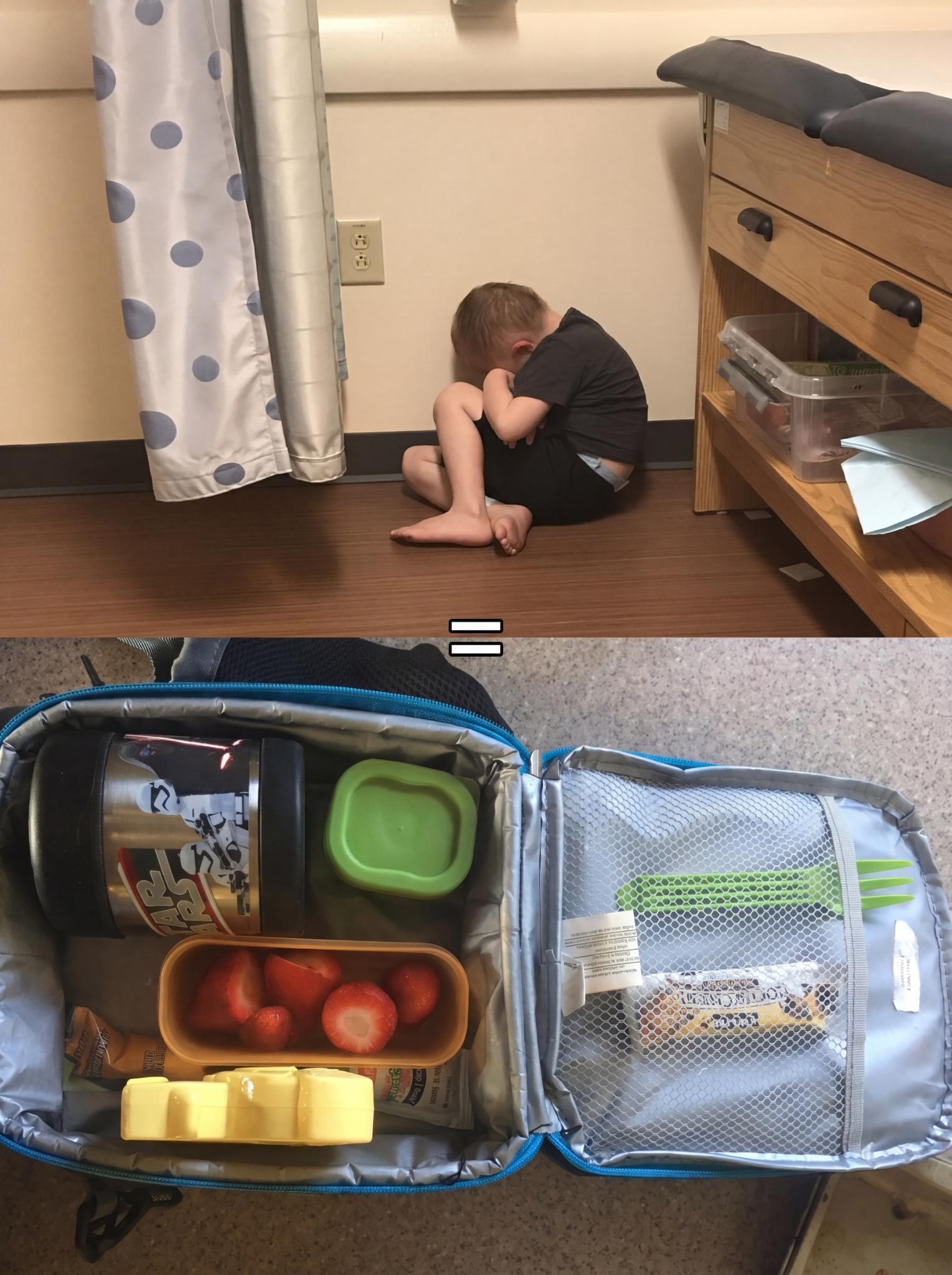
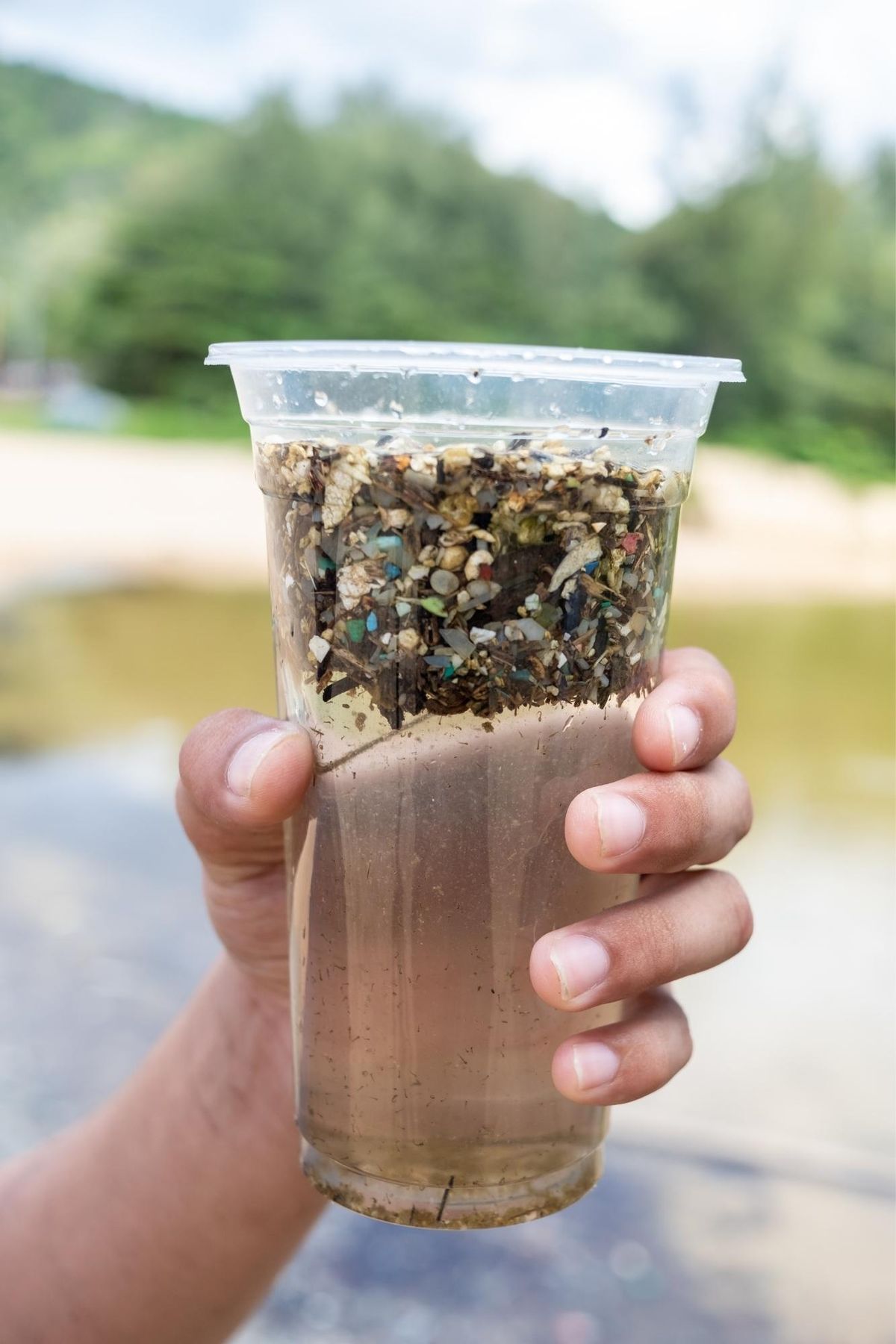
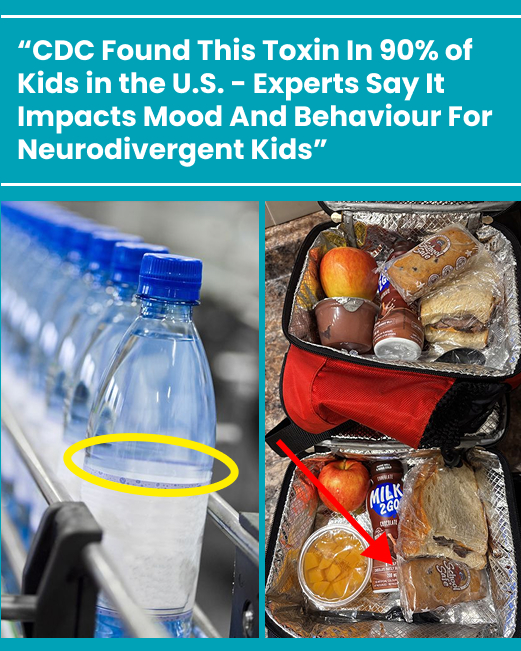
IMy son is 8 and was diagnosed with ADHD at 6. After a gut-wrenching discovery I tossed his lunch box in the trash. But I found something natural that was able to detox my son. So every parent with a child who struggles with focus, big emotions, and meltdowns needs to hear this. Because there's something in every lunchbox, every water bottle, every plastic container your child eats from...that has been quietly building up inside their bodies since they were toddlers. That’s been the culprit behind: Meltdowns at 4pm that seem to come from nowhere, over something that shouldn't matter. Homework that take 2 hours of struggle. Mornings that end in tears before 8am. Bedtime that runs an hour longer than it should, every single night. Teachers using words like "defiant," "on the go," or "not reaching his potential". That feeling of walking on eggshells at home after work. And if you can relate to at least two of these, you've probably also been through the long list of obvious solutions. To be “stricter”, to try “gentle parenting”, to let their child “grow out of this phase”. Some parents try different diets, different supplements or even prescriptions to help support their child. But what if there was an invisible culprit most parents miss? But after going through mountains of research, I've told every parent I know that it has nothing to do with their behavior, effort, or parenting. Because most don't even know about these toxins. These toxins leach into food and water. Especially when heated, scratched, and just from regular use over time. And odds are you've probably heard of them or heard someone talk about them. Those toxins are BPAs. And according to the CDC, they were found in over 90% of Americans. Every plastic container, every water bottle, every piece of Tupperware your kid eats from contains these BPAs. The EPA classifies them as endocrine disruptors, meaning they interfere with how the body regulates itself at the hormonal level. A 2023 study from Rowan University found that children with ADHD and Autism have a reduced ability to detoxify the BPA from their bodies. Most children's bodies are able to clear these toxins out. But a child with ADHD? Their body can't clear it the same way. The toxins stay and build up. So even if your child's plastic exposure is identical to the kid sitting next to them in class...their internal exposure is significantly higher. And when those toxins build up, two specific things happen inside an ADHD brain. 1. Dopamine disruption Dopamine is the fuel behind focus, motivation, and impulse control. It's the reason your child can play Minecraft for three hours without blinking but can't sit through 10 minutes of homework. Dopamine is what makes the brain say "this task matters, stay with it." But BPA and phthalates are endocrine disruptors. They interfere directly with how your child's brain produces and signals dopamine. That's why the morning routine takes an hour and ends in tears. That's why "time to get dressed" turns into a 45-minute war. 2. Serotonin imbalance Serotonin is the emotional shock absorber that helps your child regulate their emotions and control their big feelings. These same plastic toxins also disrupt serotonin signaling. That's why any tiny trigger sets off a full blown meltdown. That's why you feel like you're walking on eggshells every afternoon. So no. It's not your parenting. It's not their behavior. Their fuel system has been quietly disrupted by something in their lunchbox since kindergarten. But that’s not all. You might have already switched. Bought the BPA-free water bottle. Replaced the old containers. Most parents did exactly that. What most parents don't know is that "BPA-free" doesn't mean the problem is gone. Manufacturers replaced BPA with two similar compounds, BPS and BPF. Just a different name on the label with the same hormone-disrupting effect on the brain. It's not something you caused. And it's not something anyone warned you about. I had never heard this from any of these experts. So I sat on my couch at 11pm after the kids were in bed and looked at my kitchen. The plastic cups. The plastic plates. The lunchbox he's used since kindergarten. The water bottle he drinks from every day at school. I felt like I'd been poisoning my son without knowing it. I wanted to chuck everything out in the trash. Now you might be thinking, "okay, I'll just throw out all the plastic, switch to only glass, problem solved...right?" I thought the same thing. But you can't remove all plastic from your child's life. It's in the lining of canned food, the school cafeteria trays, the receipts at the grocery store...It's literally in our air and water. The couples in the documentary did a full 3-month detox where they swapped everything. And even then, they could only reduce their BPA levels but not eliminate it. And here's the part that wrecked me. Even if you could remove every piece of plastic from your child's environment today... the damage done to their dopamine and serotonin signaling has already been happening for years. Removing plastic won't repair the brain chemistry that's already been disrupted. Think of it like a savings account that's been getting quietly withdrawn from for years without you knowing. You can stop the withdrawals today. But the account is still empty. Stopping the drain doesn't put the money back. Now, I’m not posting this to scare you. That doesn’t help anyone. I'm posting this because of what I found after. A natural solution built around that chemistry. There was a clinical study in 2019 that compared saffron extract with Ritalin in children with ADHD. They found saffron to be just as effective for mood, focus, and behavioral improvements. I was shocked, so I looked more into it. And what I found made my eyes well up. Saffron extract contains two active compounds, crocin and safranal, that function as reuptake inhibitors. They basically slow the rate at how fast the brain clears dopamine and serotonin out of the brain. That way, both dopamine and serotonin stay active long enough to do their jobs. Their brain is simply being given more time to use what it produces naturally. And we now know that BPA suppresses dopamine and serotonin by interfering with their signaling pathways. BPA closes the door. Crocin and safranal reopen it. They work on those same pathways from the other direction. It fights back against what BPA has been doing in these childrens’ brains all this time. And before you go get some saffron from Amazon or the closest grocery store. Just be careful. I wasted money on 3 different saffron labels that did nothing. The clinical trial that matched Ritalin used a specific concentration of saffron extract. A precise amount that uses 95% of crocin and safranal, that crosses the threshold where brain chemistry actually changes. But products on Amazon and at health food stores use less than 20% of active compounds. Just enough to slap "saffron" on the label, but not enough to actually do anything. That's why some parents said saffron didn't work. And why my 3 other saffron supplements did nothing. The one I now recommend to parents in my group is Mood Balance from Lumexa since it had saffron extract with 95% pure active compounds. When I first tried it I was scared of being disappointed again. But they had a strong track record and a 30 day refund guarantee. And here's what I saw with my son. Week one was hard to say. Maybe slightly less explosive after school. Week two was something different. He sat down for homework Tuesday and finished the first page without getting up. I didn't say anything because I didn't want to jinx it. But it kept happening. My husband walked past the kitchen table Thursday night, stopped, looked at Caleb, turned to me and mouthed: what is happening honey? Week three, his teacher messaged me. I get a pit in my stomach every time I see her name pop up on my notifications. Just a reflex after years of bad news. "I don't know what you've changed but Caleb has had a remarkable couple of weeks. He's completing his assignments. He participated in group discussion and stayed engaged the whole time. I moved his desk so he doesn't have to sit in front of me anymore." I had to read that twice. It's been almost 2 months now. He still has his moments. He still wants to play Fortnite and I still set limits. That hasn't changed. But he can control his emotions much better. Our home, feels like home. I don't always feel on-guard anymore. We get to actually enjoy each other after school now. So if you're where I was, doing everything right, trying everything they told you to try, and still watching your kid struggle every single day… You're not failing. And you're not a bad parent. These plastic toxins are everywhere. And you can't avoid all of them. But YOU CAN do something about the damage they're doing to your child's brain chemistry. And once their brain has natural support for both dopamine and serotonin, everything you've already been doing finally gets to work. That's the real difference. I hope this helps =) EDIT: So sorry! I’ve been getting many messages asking what my son takes every morning. So it’s from Lumexa and it comes as a gummy. It contains saffron extract and supporting nutrients for their brain. Non-GMO and third-party tested. I’ve linked it here https://uselumexa.com/pages/saffron-2 P.S. So sorry if I’m too late and they sold out, but they should have just restocked. packed my son's lunch every morning for two years. But I had no idea I was making his ADHD WORSE every day. I tossed it all in the trash after I found out what was inside. There's a chemical the CDC found in over 90% of Americans - and I learned what it specifically does to a brain that already has ADHD. I'm still angry nobody told me sooner. — My son's name is Tyler. He's 9. And for 2 WHOLE YEARS, our afternoons looked the same. He'd walk through the door at 3:45PM and then…I'd feel my whole body tense up. Because I knew something was coming. Some days it was homework. He'd sit at the table for thirty seconds, then the pencil would go down, then the arguing would start. A worksheet that should take twenty minutes turned into ninety. By the end, one of us was in tears. Some days it was the iPad. I'd say "time's up" and his whole face would change. Not a grumble or a protest. A FULL SHUTDOWN. Screaming, crying, sometimes throwing things. His little sister learned to take her plate to her room before I gave the warning. She was 7 and already had a system for it. Dinner happened in silence most nights because nobody had anything left. My husband and I stopped talking after 8pm because we were both drained by the end of the day. I'd lie in bed running through what I did wrong that day. Thinking if I was more patient, more consistent, more something, it would stop. His teacher used words like “defiant.” The school counselor said he was oppositional. And I sat in every meeting nodding, saying "we'll work on it at home." Like it was something I could fix if I just tried harder. — The thing about being told your kid is defiant is that you start to believe it. Not about him. About yourself. Every article I read implied the same thing. More structure. Firmer limits. More consistency. Be the calm in the storm. If you parent correctly, the child responds. So if he isn't responding, the math says it's you. I carried that for two years. I tried stricter consequences. The meltdowns got bigger. I tried gentle parenting. Same result. I took the iPad away for a full month. That was the WORST month of our lives. The meltdowns didn't stop. They spread to everything. Getting dressed, brushing his teeth, being told it was dinnertime It wasn't the iPad…confiscating it proved that. So I tried the supplements. Magnesium gummies. Omega-3s. Those Olly focus vitamins from Target. A calm drops thing from Amazon that a mom in my Facebook group swore by. Nothing moved. And with every failed attempt, I got a little quieter about it. Stopped posting in the groups. Stopped bringing it up at his checkups. Started just managing it. Building our entire afternoon around surviving the next meltdown 😔 I told myself this was just who he was. Or hoping that he would “grow out of it” one day. I was wrong. But not in the way I thought. He wasn't defiant. Nor was he broken. And it wasn't my parenting. Something was happening in his brain every single day that I didn't know about. Something nobody told me. And the more I tried to discipline my way through it, the more I was fighting a problem that had nothing to do with behavior. — A few months ago I was up late going down a rabbit hole. I'd seen a post in one of my groups about plastics. I almost kept scrolling. I'd read enough things that turned out to be nothing. But I clicked. BPAs? You may or may not have heard it, but it’s a chemical found in plastic food containers, water bottles, cafeteria trays, microwave-safe packaging, the lining of food cans. The EPA classifies it as an endocrine disruptor. So when it enters the body, it interferes with hormone signaling. When it reaches the brain, it DISRUPTS dopamine and serotonin pathways. The two chemical messengers ADHD children are already producing less of. The CDC's own biomonitoring program found detectable BPA in over 90% of Americans tested. I kept reading. Then I found the part that stopped me cold. A study published in PLOS ONE found that children with ADHD metabolize BPA 17% less efficiently than other kids. Which means instead of getting cleared, it builds up. Day after day, in a brain that's already running low on the exact chemicals BPA disrupts. I thought about his lunchbox. The water bottle I refilled every morning. The containers I packed his snacks in. The school cafeteria trays he ate off of five days a week. I had been handing him the thing that was making it harder…Every single day without even knowing. — Then it made sense why everything I tried didn't work because I was always going after things I could see, like his behavior and meltdowns, focus problems… But none of them touched what was causing all of it underneath. The reward charts. I tried three different systems over eighteen months. They worked for a few days, then fell apart completely. Because you can't reward a brain into producing chemicals it doesn't have. The therapy. His therapist was kind and patient and Tyler liked her. The breathing exercises worked in her office. They fell apart in the car on the way home. Because the techniques were real. The tank was still empty. The magnesium gummies. Bought two different brands. Took them for three months each. Nothing changed. Magnesium targets one pathway. His brain was struggling with two. The fish oil. Same problem. One pathway. One ingredient. A system that runs on three chemicals doesn't get fixed by addressing one of them. The Olly focus vitamins from Target. The calm drops from Amazon. The melatonin for the sleep. Each one targeting a single symptom while the root chemistry kept running low. We almost went the prescription route, but after what I found out, you'll see why we didn't have to risk that route with the harsh stim side effects (i’d heard many kids can’t tolerate the appetite loss and sleep disruption) And the whole time, BPA was suppressing the very chemicals every one of those supplements was trying to support. It's like trying to fill a bathtub with the drain open. You can keep adding water. You can switch brands of water. You can add more water faster. But the tub will never fill until someone closes the drain. And I'd been adding water for two years. Yet nobody told me about the drain that was behind my son’s dysregulation. — I posted about what I'd found in one of my ADHD groups. And a mom named Dana messaged me an hour later. She said she'd been where I was eight months ago, in the exact same rabbit hole of BPAs and plastic toxins. Turns out there’s a whole community around it. But she'd kept going further than I had. She told me what her son's specialist had explained to her after she brought the BPA research in. BPA suppresses dopamine and serotonin by interfering with their signaling pathways. That part I already knew. What I didn't know was that there was a natural compound that worked on those same pathways from the other direction. Saffron extract. Not the cooking spice though, a clinical-strength extract with two compounds named crocin and safranal. I almost stopped reading there. Because I'd heard "natural remedy" enough times to be tired of the nonsense online. But Dana sent me the studies. The first one was published in 2019 in a medical journal where researchers from a medical university took clinical-strength saffron extract and compared it head-to-head against methylphenidate in children with ADHD. That's the compound used in Ritalin. They found saffron extract was just as effective for focus, attention, behavior, and anxiety. I read that twice. Comparable to…Ritalin. Without the appetite loss, sleep destruction, or personality disappearing. Dana explained what her son's specialist told her about why it worked. BPA closes the door on dopamine and serotonin by disrupting their signaling. Meanwhile, crocin and safranal work as reuptake inhibitors. They slow the rate at which the brain clears those chemicals out of circulation, so the signal stays active long enough to actually do its job. Basically, BPA shuts the door, while saffron reopens it. — I told Dana I was going to order saffron that night. She told me to wait. The saffron in that study wasn't generic saffron. It wasn't the kind sitting on the shelf at Whole Foods or the kind inside those Amazon focus gummies. It was a standardized extract with two specific compounds isolated and concentrated to a precise percentage. The trial used extract standardized to 95% pure crocin and safranal. Which is the threshold where the brain chemistry actually changes. Most saffron supplements on the market sit around 20% active compounds. Some even less. Just “enough” so they can put the word saffron on the label. Dana tried two of them before her son's specialist explained this. Nothing happened with either one. She'd written saffron off completely before she understood why they didn't work. That's why moms in the groups kept saying saffron gave their kid headaches and nothing else. It was the wrong form and wrong concentration. Not even close to what the study used. She told me there was one more thing the specialist had flagged. Saffron slows the drain. But if the tank is still empty, there's nothing to protect. BPA had been suppressing dopamine and serotonin production for months. The brain also needs raw materials to build those chemicals in the first place. B6, B12, and Magnesium glycinate are the necessary building blocks that most kids aren't getting enough of from food. Saffron at clinical dose addresses what BPA suppressed. While the building blocks address what BPA depleted. You need both sides at the same time. — I asked Dana which one had both. She sent me a link from Mood Balance by Lumexa, which I believe is their name. Clinical-dose saffron extract standardized to 95% pure crocin and safranal. The actual concentration from the study. Magnesium glycinate, in the form that actually crosses the blood-brain barrier, not the oxide version that barely absorbs and ends up passing straight through. B6 and B12 to fuel the production chain. The raw materials the brain needs to build dopamine and serotonin in the first place. Lion's mane to support natural long term brain development. L-theanine for the calm, focused state that lets the brain actually use what it's producing. Both sides of the problem supported by one formula. — I asked her the question I'd asked about every supplement for two years. “Does he actually take it?” She said it's a gummy and tastes like candy (NON-GMO and no additives) Her son asks for it every morning. Easy peasy. Ten seconds and it's down the hatchet. I ordered it before we finished the conversation. Saw they had a 30 day refund guarantee so saw there was nothing to lose. — The first week I didn't let myself read into anything. Week two, he came through the door, dropped his bag, and asked what was for snack. That was it. No tension in the room. I told myself it was one afternoon. It kept happening. Week three, homework. He sat down and worked through his worksheet. 32 min! He got up twice but came back. No screaming or throwing his pencil at all =) I stood at the counter making dinner and didn't say a word because I didn't want to jinx it. Week four, the iPad. I said time's up. I watched his hands tighten around it. I braced. He looked up, set it down, and walked to the kitchen. His sister didn't leave the table. That was the moment I knew something had actually changed. Week five I got an email from his teacher. My stomach dropped the way it always does when I see the school's name on my phone. She said Tyler had been finishing his work in class. That he'd raised his hand twice during discussion. That transitions had been easier. She said whatever I was doing at home, keep doing it. I sat in the school parking lot and cried 🥲 — Here’s what’s changed. Tyler still has ADHD. He still has hard days. He's still loud and energetic and will argue about bedtime every single night. That's not what changed. What changed is his brain finally has what it was missing. The drain is closing. The tank is filling. And the version of him that was always in there has room to show up now. I think about all the afternoons I spent convinced I was the problem. All the supplements I bought that went after one symptom at a time while the root chemistry kept running low. All the mornings I braced for impact before anything had even happened. None of that was my fault. But I also can't get that time back. What I can do is tell you what I found. Because nobody told me and I'm still angry about that. If your child has ADHD or shows signs of it without a formal diagnosis - and nothing you've tried has moved the needle, it might not be the approach. It might be that every approach you've taken went after the visible problem - while something invisible kept making it worse every single day. You don't have to figure that part out alone. Mood Balance has a 30-day money-back guarantee. If you don't see a meaningful difference in your child's focus, mood, or emotional regulation, they'll refund you in full. You have nothing to lose and they've made it completely risk-free. One gummy. Every morning. Ten seconds. That's what changed our house. EDIT: I keep getting asked what I actually gave him. It's called Mood Balance by Lumexa. Clinical-dose saffron extract with 95% active compounds, magnesium glycinate, lion's mane, L-theanine, B6, B12. Real concentrations, not filler. This is what Tyler takes every morning. uselumexa.com/pages/saffron-2 "My son with ADHD has increasingly started negative self-talk. Should I be concerned?" I saw this comment in an ADHD parenting group three months ago. Yes, you should be concerned. And I don't say that to scare you. I say it because most parents hear "negative self-talk" and think it's a phase. Something they'll grow out of. Something a little encouragement can fix. But here’s what studies say. Psychiatrist Dr. William Dodson found the average child with ADHD receives 20,000 more pieces of negative feedback before their 12th birthday than most children. 20,000. Before turning 12. Every "why can't you just sit still." Every correction in front of the class. Every birthday party they weren't invited to. And here's what nobody tells you about what happens to all of that feedback inside an ADHD brain. Your child's brain has a filter. It lives in the prefrontal cortex. Its job is to take incoming criticism, contextualize it, and say: “that's one moment. It's not who you are.” And in most kids, that prefrontal cortex system works. Negative feedback comes in, gets processed, and files itself as temporary. But studies show that children with ADHD have an imbalance in dopamine and serotonin levels, and that affects how they process negative feedback. The amygdala becomes overactive. The amygdala acts as the brain's alarm system, that fires when there’s a real threat to your child. But when it's overactive, it fires at things that are NOT threats. A correction from their teacher, being the last one picked, a desk moved to the front of the class. Every time it fires, your child’s prefrontal cortex shuts down. So the brain can't contextualize the feedback they receive, and it ends up landing as a fact. Now think of this happening over thousands of those moments, they start to become a child’s inner voice. This is a neurological event happening inside your child every time they get corrected, excluded, or told they did something wrong. It has nothing to do with their character. And your child isn't choosing to believe they’re a bad kid. Their brain simply doesn't have the internal support to tell them otherwise. I always tell parents it's not their fault either. The parents I see who are furthest down this road all tried the same things. They encouraged. They corrected gently. They cheered every win loud enough to try to drown out the losses. But their kids still went to bed asking if they were a bad person, had low self esteem and it took a toll on their social skills. Because the problem isn't the messages parents were sending. The problem is the brain doesn't have the chemistry to hold onto the good ones and let go of the bad ones. No amount of reassurance gives the brain the chemistry it's missing. I want to address what most parents try first. Positive reinforcement. It helps in the moment. It matters. But it doesn't change the underlying chemistry. The reassurance passes, while the baseline stays the same. Therapy. Cognitive behavioral work. Social skills training. These are great real tools, and I recommend them. But the limit is this: therapy gives your child the skills. But it doesn't give his brain the chemistry to use them under pressure. When the amygdala fires, everything they learned in a calm office goes offline with the prefrontal cortex. And then there's medication. Medication works. For some children it is absolutely the right choice. But something most parents never hear is what medication does and doesn't do for the self-image problem. Methylphenidate, Adderall, Vyvanse all force dopamine up artificially, one chemical at a time, and they work fast. Focus improves, the teacher notices, and homework gets done. But the negative self-talk doesn't stop. I've had mothers sit across from me and say: "He's focused now. His teacher loves him. But he still says he hates himself." I've heard that sentence more times than I can count. And for a long time I didn't have a good answer. Because medication targets dopamine. Serotonin, the chemical that governs how criticism lands and how the brain contextualizes feedback, doesn't come up with it. In some kids it gets disrupted. So the focus comes. But the self-image doesn't move. Something most parents never get told: Most pediatricians will never explain this to you. Not because they don't care. Because they're generalists. Medical school covers every system in the human body. Neurotransmitter biochemistry gets maybe 19 hours total of coverage. They weren't trained to explain why the ADHD brain processes negative feedback differently. Or what to do about it at a chemical level. So most parents never get this explanation. They get a diagnosis, a behavior plan, and sometimes a prescription. They go home not understanding why. And they spend years fighting the symptoms without knowing what's underneath, causing them in the first place. Now they finally understand why and most importantly what to do about it. This all started three years ago when a colleague sent me a paper I almost didn't read. It was peer-reviewed, published in a medical journal. Researchers took clinical-strength saffron extract and put it head-to-head against methylphenidate in children with ADHD. That’s the compound found in Ritalin. They measured focus, attention, behavior, and anxiety. Ratings came from both parents and teachers. The results were comparable. I read it twice. Then I read the full study. Then I found the follow-up research that confirmed it. Same improvements across every measure. The reason comes down to the chemistry. Saffron contains two compounds: crocin and safranal. What they do in the brain is different from what medication does. Medication forces dopamine up artificially and leaves everything else alone or disrupted. Crocin and safranal support the brain's natural production of dopamine, serotonin, and norepinephrine, all three, not just the one medication addresses. And they help the brain hold onto what it produces instead of breaking it down too fast. When serotonin comes up naturally, the prefrontal cortex stays online under pressure. The brain can contextualize criticism again. One moment instead of a verdict. Dopamine comes up. And the part of the brain that protects how your child sees himself comes up with it. When both dopamine and serotonin levels are balanced, the amygdala stops being overactive and the prefrontal cortex stays online. But please be careful. I don't want you just getting saffron because I told you to get saffron. Most parents who tell me saffron didn't work tried the wrong product. Most supplements on the shelf use generic extract. Maybe 20% active compounds. The study used extract standardized to over 95% pure crocin and safranal. Below that concentration, brain chemistry doesn't change. The dose wasn't there, which is why it didn't work. And saffron alone isn't enough either. The brain still needs raw materials to build what saffron helps produce. Specifically B6, B12, and magnesium. The same nutrients most kids aren't getting from a modern diet built on chicken nuggets, goldfish, and granola bars. That way, they can produce enough dopamine and serotonin that Saffron can protect. The only formula I’ve seen with these clinically researched ingredients is from Mood Balance. Clinical-dose saffron at the right concentration. Magnesium glycinate, B6 and B12 to fuel the production chain. And it comes as a gummy so parents don’t struggle to consistently give it to their kids. I want to tell you about a patient I saw last year. He was 9, sharp, but he couldn't get through homework without a meltdown. His teacher emailed his mom constantly. And every few weeks, his mom would tell me what he said at bedtime. "I'm the worst kid." "Nobody likes me." "I don't know why I'm like this." His mom had tried everything. She was exhausted and running out of ways to tell him those things weren't true. A year ago I would have gone straight to methylphenidate. Instead I said: give this three weeks. If nothing changes, we'll have the medication conversation. Two weeks later she called my office. She was crying. "He came home yesterday and told me about his day. Not what went wrong. Just his day. He was happy." And the bedtime conversations changed. He stopped asking her if he was a bad kid. She looked at me and said: "Why didn't anyone tell me about this sooner?" And honestly? I didn't have a good answer. I still don't. If your child is starting to believe the story that 20,000 pieces of negative feedback are writing about them, this is the window. That story gets harder to rewrite the longer it runs. The brain is most plastic right now. What gets reinforced in these years tends to stick. You can't encourage your way past a chemistry problem. You can't talk a brain into contextualizing criticism it doesn't have the chemistry to process. But you can give it what it's been missing. EDIT: I keep getting asked which product. Mood Balance from Lumexa. They have clinical-dose saffron extract, 95%+ active compounds, magnesium glycinate, lion's mane, L-theanine, B6, B12. Link is below. (Also third-party tested, non-GMO and no additives) [uselumexa.com/pages/saffron-2]
My son is 8 and was diagnosed with ADHD at 6. After a gut-wrenching discovery I tossed his lunch box in the trash.
Lumexa
SEE DETAILSLike this ad? Make it yours.
Crush rebuilds this exact creative around your product — your brand, your colors, your offer — in about a minute.