
Inactive· since Mar 16, 2026
- 9
- days it ran
- 2
- relaunches
Ad copy
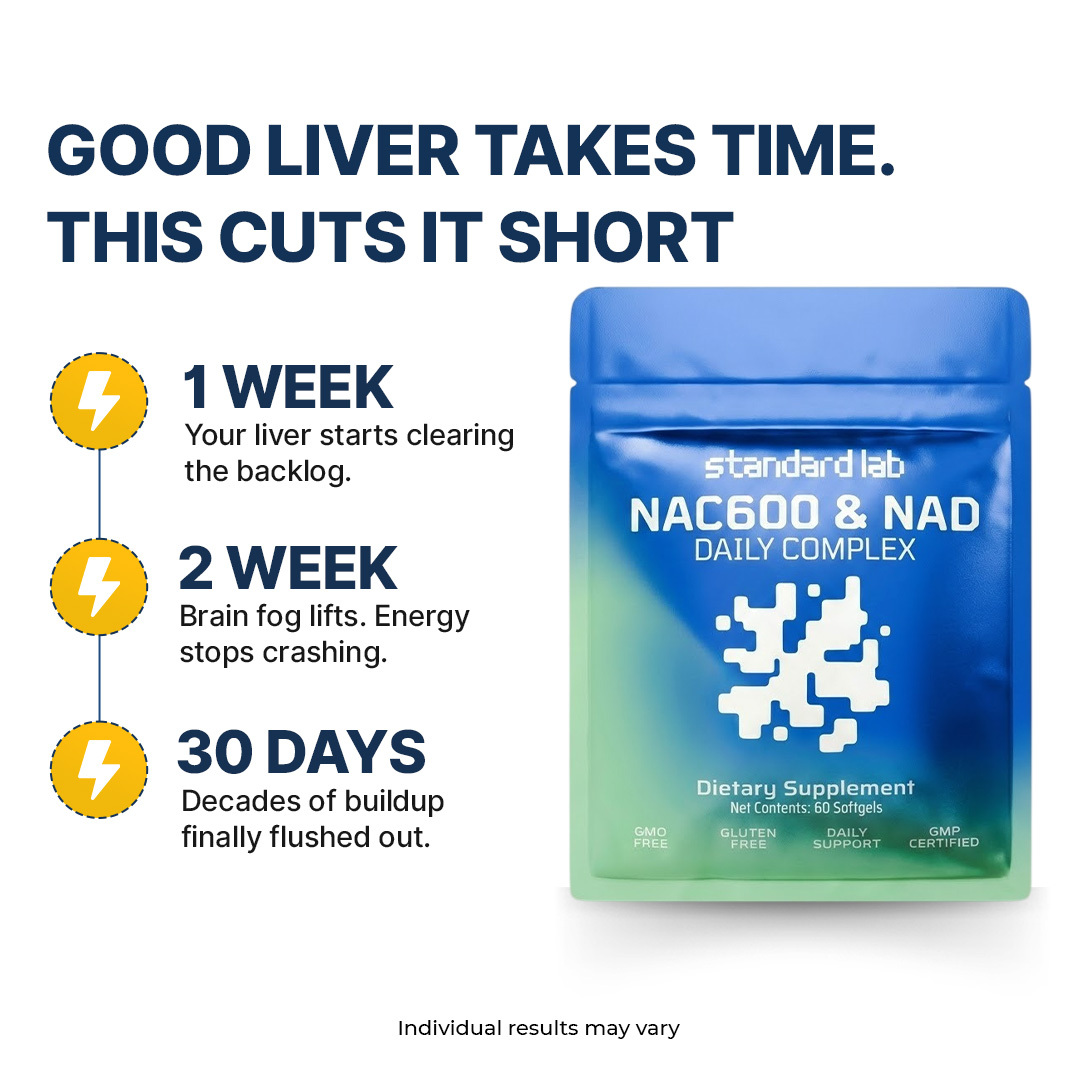
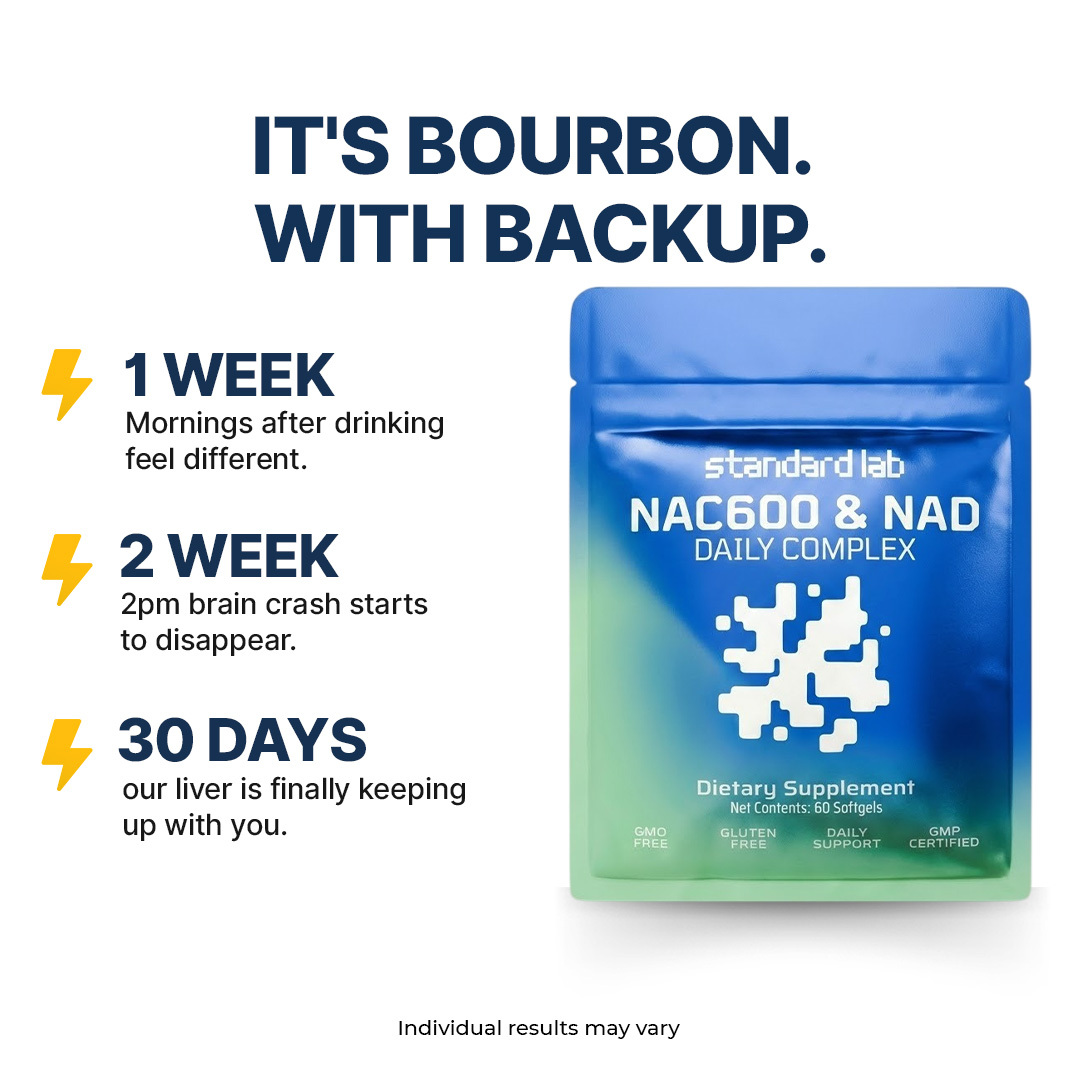
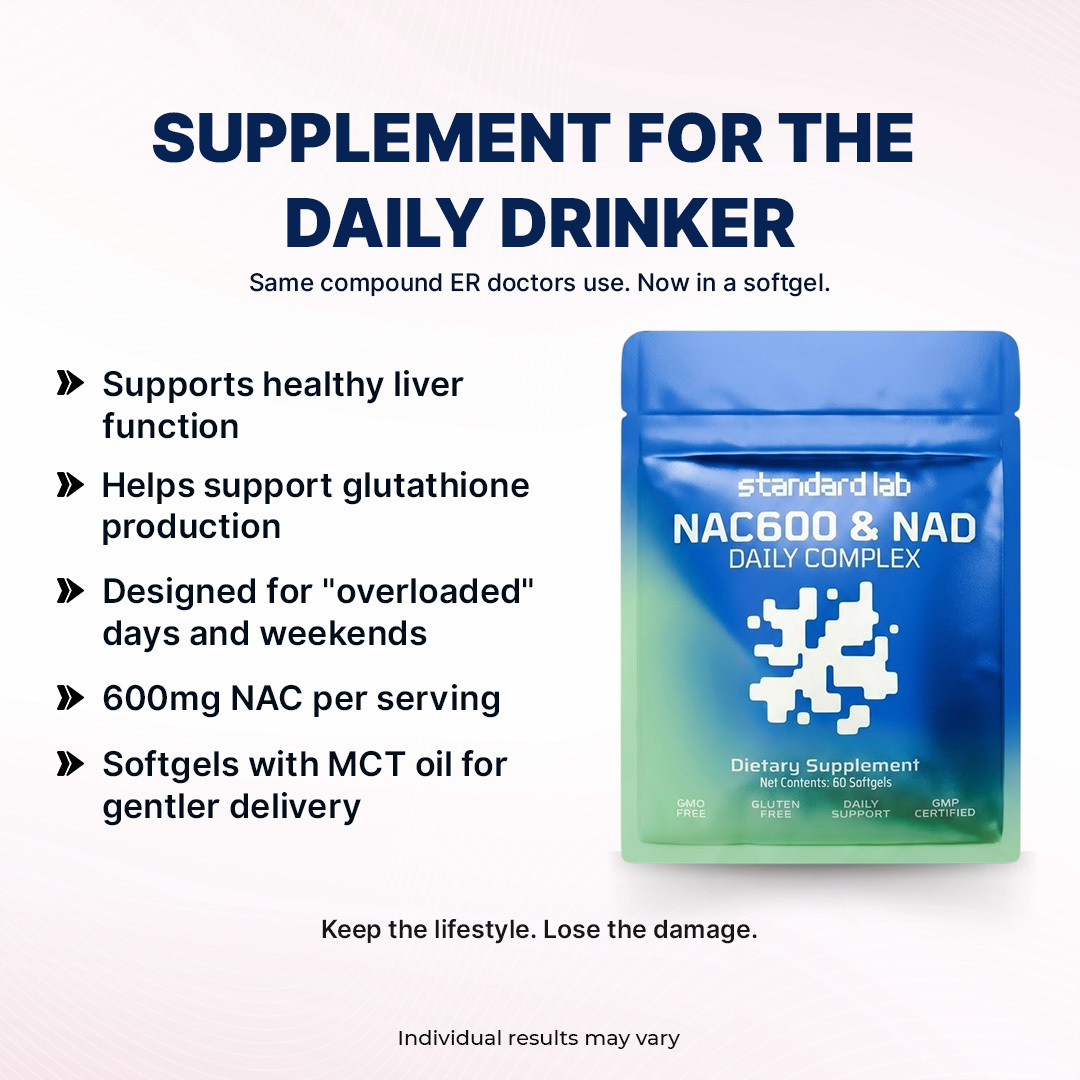
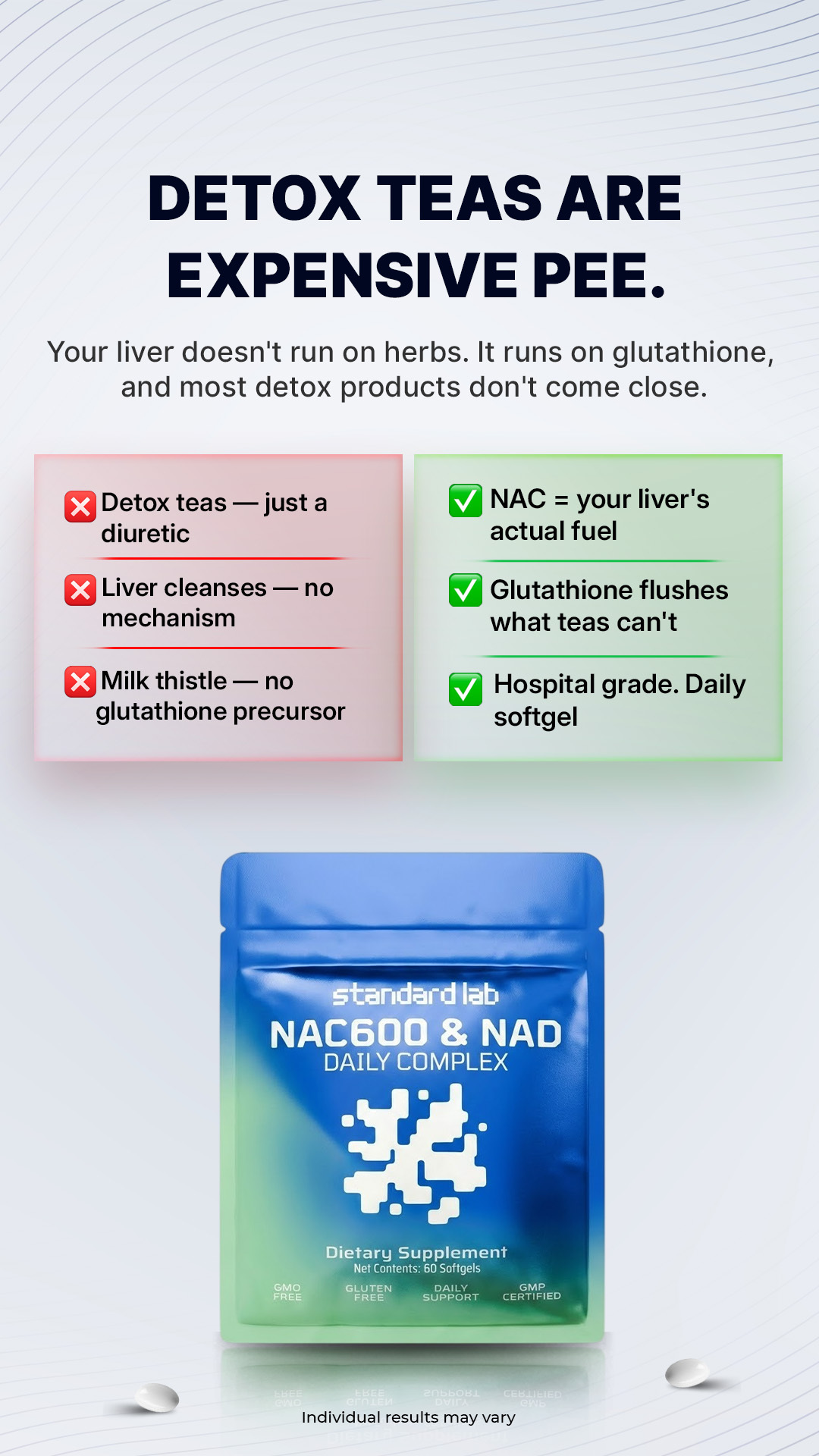
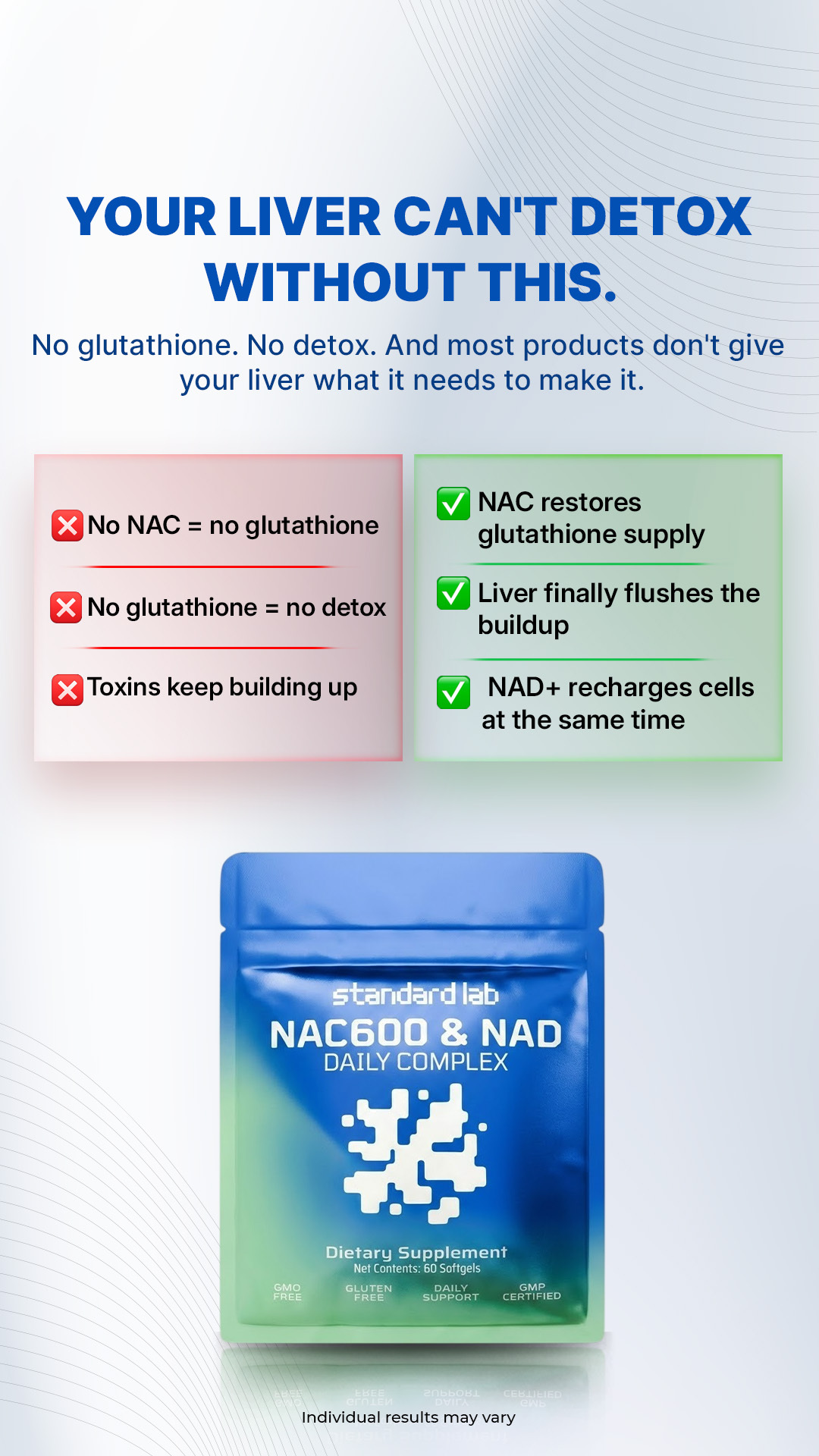
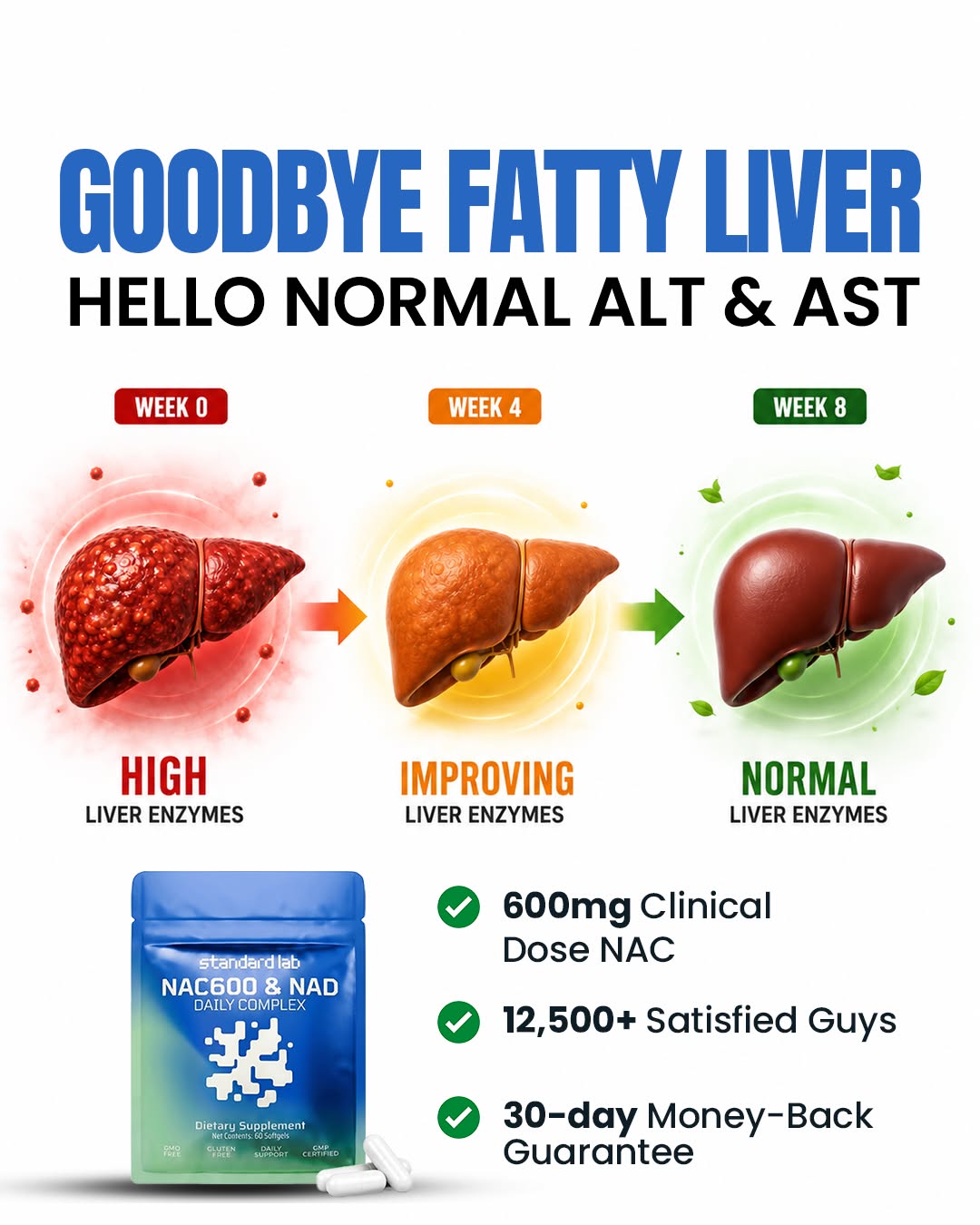
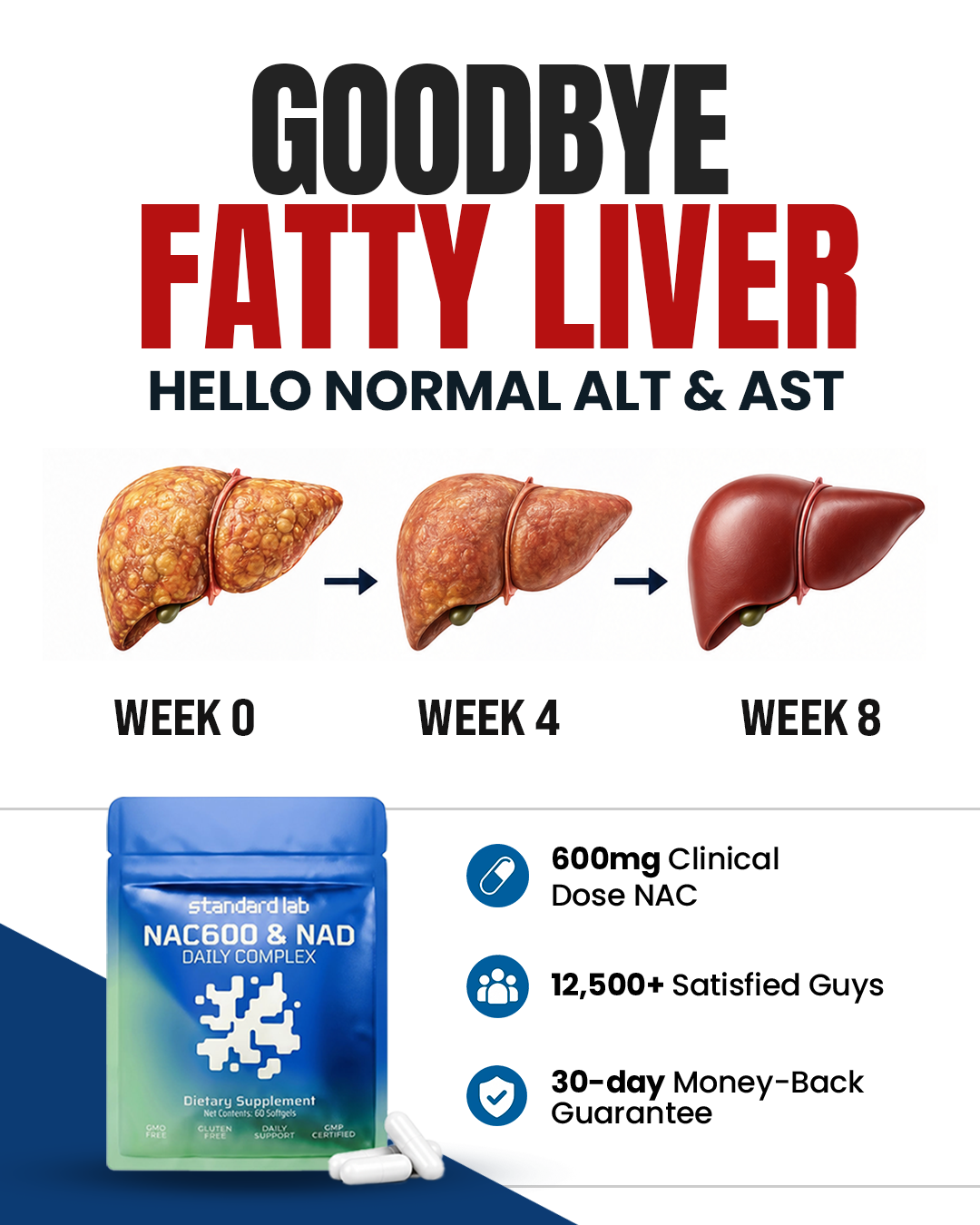
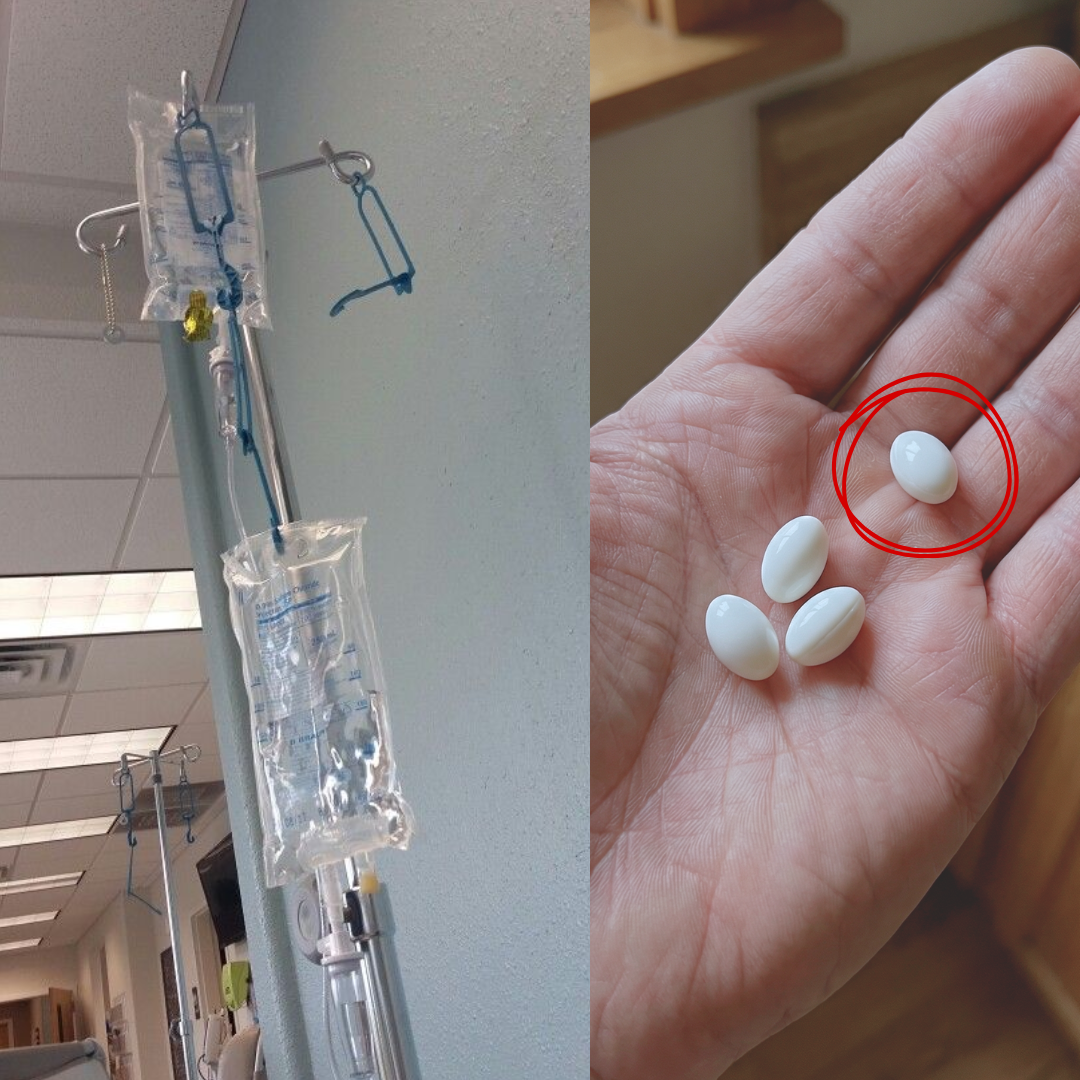
My patient's liver enzymes had been climbing for four years. Every single appointment, same conversation. "Cut back on the drinking." He'd have maybe 3 drinks a week. "Lose some weight." He'd lost 18 pounds that year. "Try milk thistle." He'd been on it for nine months. His ALT was 94. AST was 81. And at his last appointment, I used a word I hate using. "Trajectory." As in: if this trajectory continues, we're talking about something I can't reverse. He's 47 years old. Two kids. Runs his own business. And I almost let him walk out of my office with another milk thistle recommendation. I'm glad I didn't. My name is Dr. Suresh Reddy. I've been practicing internal medicine for 19 years. I've had my own practice for 11. And I'm writing this because there is something happening inside men in their 40s and 50s that most doctors are completely missing. Not because they're bad doctors. Because they were never taught to look for it. —— Here's what nobody tells you about liver enzymes. When your ALT and AST start creeping up year after year — and your doctor can't point to a single dramatic cause — it almost always comes down to one thing. Your liver is losing its ability to neutralize the toxic load you've been accumulating for decades. I'm not talking about alcoholism. I'm not talking about some rare disease. I'm talking about the perfectly normal accumulation of alcohol metabolites, acetaminophen byproducts, processed food chemicals, and environmental toxins that every man over 40 is carrying. Your liver has been processing all of it. Every drink, every Tylenol for a headache, every takeout meal, every decade. And the system it uses to do that processing runs entirely on one molecule. Glutathione. Glutathione is your liver's primary detox compound. Your body's master antioxidant. The thing your liver needs to convert every toxic metabolite into something harmless and flush it out. Here's the problem. After 40, your glutathione levels fall off a cliff. Studies out of Baylor College of Medicine found that adults over 45 are walking around with glutathione levels 30-40% lower than they had in their 30s. Some closer to 50% lower. Which means your liver is working with half the cleaning capacity it had a decade ago. Same toxic load coming in. Half the tools to process it. So it accumulates. And that accumulation is what shows up as elevated enzymes on your bloodwork. Your liver isn't broken. It's overwhelmed. —— Now here's where I almost made the same mistake every other doctor makes. When I figured this out, my first instinct was obvious. Just supplement glutathione directly. Problem solved. Except — and this is the part that should make you angry if you've ever paid $60 for a glutathione supplement — oral glutathione is almost completely destroyed in your digestive tract before it reaches your liver. The stomach acid breaks it apart. The gut enzymes finish the job. By the time it gets to where it needs to go, there's essentially nothing left. Researchers have known this for years. The only ways to actually get glutathione into your system are IV injection or bypassing the gut entirely. Which means every "glutathione supplement" at GNC, every "liver detox" pill at Whole Foods, every capsule your doctor has probably mentioned — if it contains glutathione directly? You're flushing it. Literally. —— So how do you actually raise glutathione levels? This is what changed everything for me. And for my patient. Your body doesn't need glutathione delivered to it. It needs the raw material to make its own. Glutathione is synthesized in your liver cells from three amino acids. The rate-limiting one — the one your body runs out of first, the one that determines how much glutathione you can actually produce — is called cysteine. And the only clinically proven way to raise your body's cysteine levels enough to meaningfully restore glutathione production is a compound called NAC. N-Acetyl Cysteine. It's not a wellness supplement. It's not a herbal blend. It's a pharmaceutical-grade compound that hospitals have used since 1985 as the standard emergency treatment for liver failure from Tylenol overdose. The American College of Emergency Physicians has a policy on it. Failure to administer NAC when a patient's liver is in crisis is considered — and I'm quoting directly — "medically and legally inappropriate." A randomized clinical trial at Baylor found that NAC-based supplementation restored glutathione levels by 164% in 16 weeks. Not a modest improvement. 164%. The liver got its cleaning crew back. And when the liver can process its toxic load again — enzymes normalize. Inflammation drops. The downstream symptoms that nobody connects to liver function start clearing up. I'll get to those in a moment. —— Back to my patient. When I explained the glutathione mechanism to him, I watched something shift in his face. Not the glazed-over look I usually get when I start talking biochemistry. Something else. Recognition. "So my liver isn't damaged," he said. "It's just running low on something it needs." That's exactly right. I put him on 600mg of NAC daily. That's the clinical dose — the dose used in the studies, the dose the hospital protocol is built on. Not the 200mg token amounts you find in most liver supplements. And I told him to be patient. This isn't a detox tea. It works through a real mechanism, which means it works on a real timeline. —— Here's what he reported back. Week two — the afternoon wall he'd been hitting every day around 2pm started easing. He mentioned it almost as an aside. Didn't connect it to the liver at first. I wasn't surprised. When the liver is congested, it doesn't just affect enzyme numbers. It affects everything downstream. Brain fog. Afternoon fatigue. The feeling of being vaguely off that most men in their 40s just chalk up to aging. They're not aging. Their liver filter is clogged. Week four — he told me he was sleeping better. Waking up less groggy. The low-grade heaviness he'd been carrying around had started to lift. His words: "I feel like I'm running on actual fuel instead of whatever I was running on before." Week eight — he sent me a message I don't usually get from patients. "My wife asked me last night what I've been doing differently. She said I seem like myself again." She'd noticed before he had. Week twelve — I ran his labs. ALT: 34. Down from 94. AST: 28. Down from 81. Both inside normal range. For the first time in four years. —— He's not a special case. Since that appointment, I've recommended this protocol to dozens of patients presenting with the same pattern — elevated enzymes, unexplained fatigue, brain fog, slow recovery, the vague sense that their body isn't keeping up anymore. The results are consistent because the mechanism is consistent. You restore glutathione. The liver processes its backlog. The downstream symptoms clear. But here's what I need you to understand — and I want you to sit with this for a second. Liver enzymes don't spike dramatically. They creep. ALT goes from 32 to 41. Then to 58. Then to 71. Over years. And at every appointment, unless it crosses some threshold that triggers an official diagnosis, most doctors will tell you the same thing mine almost told my patient for the fourth year in a row. Watch it. Modify your diet. Maybe try milk thistle. Meanwhile the trajectory continues. F1 fibrosis doesn't announce itself. Neither does F2. By the time most men are having a serious conversation with a hepatologist, they've spent 5 to 10 years on a slope they didn't know they were on. I'm not telling you this to scare you. I'm telling you because the solution is straightforward. The biology is clear. And you don't need to wait until the conversation gets serious. —— The product I recommend is made by a company called The Standard Lab. I looked at a lot of options before recommending anything. Dose matters — most products are underdosed at 200-300mg, which won't move glutathione levels meaningfully. 600mg is the clinical threshold. Delivery matters too. Standard dry powder NAC capsules cause stomach issues for a significant percentage of people — sulfur burps, cramping, enough discomfort that they stop taking it. The Standard Lab uses MCT oil suspension, which eliminates the GI problem and actually improves absorption. They've also combined it with NAD+, which addresses the cellular energy piece — NAD+ levels drop 40-50% between your 30s and 50s, which is the other half of why men in this age range feel like they're operating at 60%. Clean the filter and restore the power source. That's the formula. 30-day money-back guarantee. Less than 1% of customers ask for it. I'll leave the link below. If your labs have been trending in the wrong direction, or if you've been writing off your fatigue and brain fog as just what your 40s feel like — this is worth understanding. Your liver isn't broken. It just needs what it actually needs. And now you know what that is. https://thestandardlab.com/products/nac600-nad-daily-complex —— P.S. — I don't get paid to recommend this. I recommend it because in 19 years of practice, I've rarely seen a supplement protocol produce results this consistent, this quickly, with this clear a mechanism behind it. The research is real. The compound is hospital-grade. Try it.
Like this ad? Make it yours.
Crush rebuilds this exact creative around your product — your brand, your colors, your offer — in about a minute.