
Stopped· since Apr 10, 2026
- 79
- days it ran
- 0
- relaunches
Ad copy
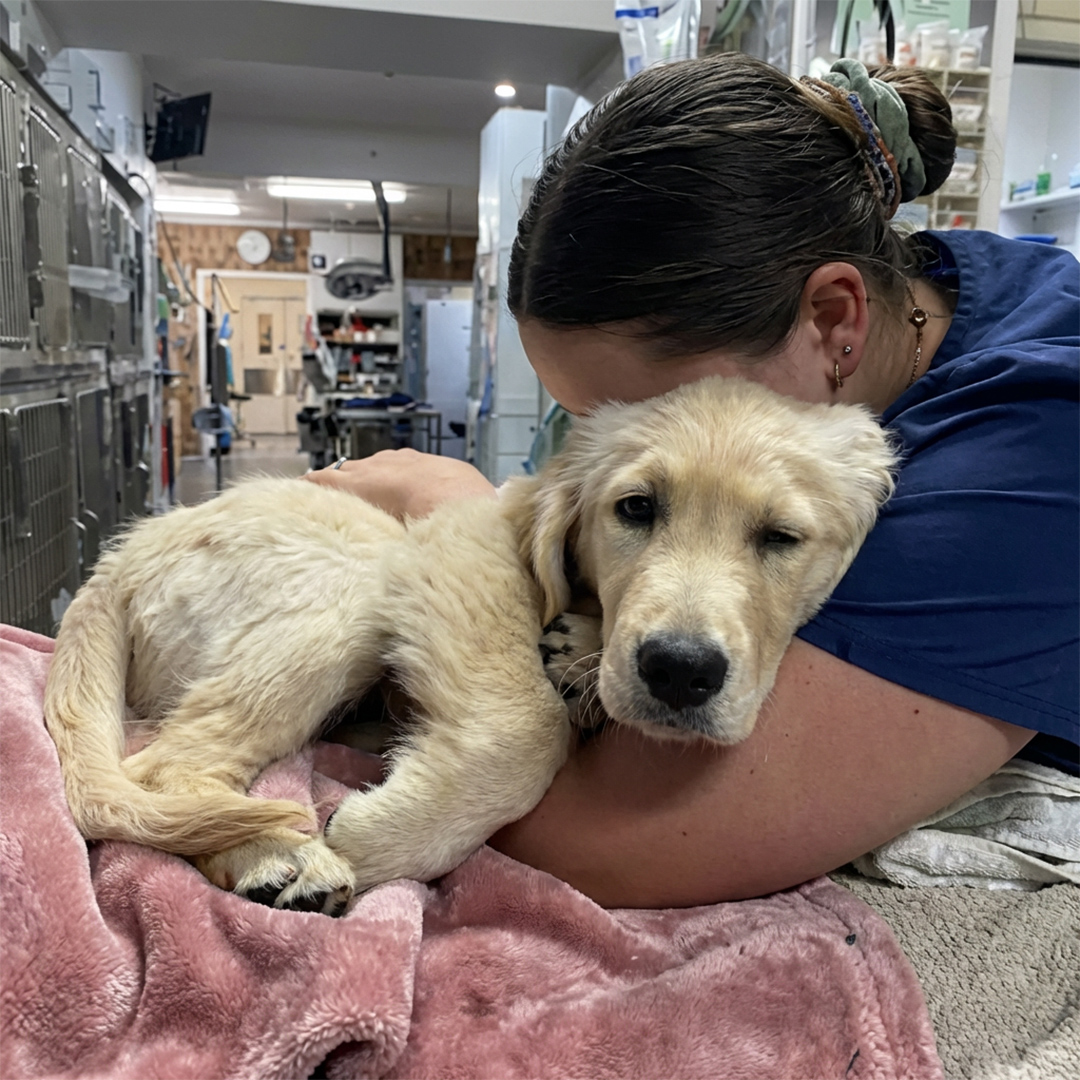
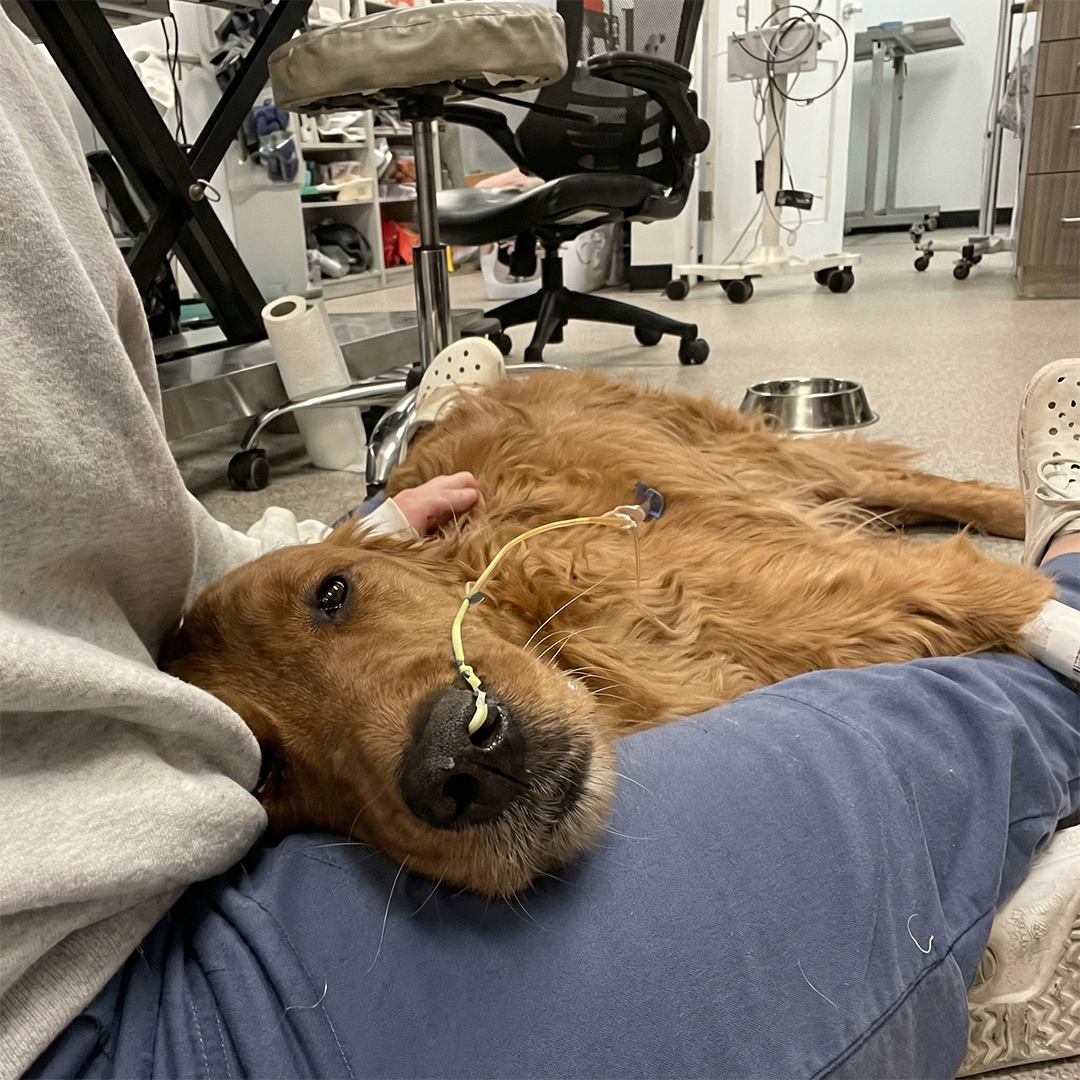
Please STOP scrubbing your dog's water bowl every day. I know that sounds crazy. But my emergency vet explained why a "clean" bowl with fresh water can still destroy your dog's kidneys. I used to think I was doing everything right. Cooper is my 6-year-old Golden Retriever. The kind of dog who makes strangers smile on the street. Tail always going. Always carrying a sock around the house like it's his prized possession. Always following me from room to room like my shadow. Three months ago, I almost lost him. It started so small I almost missed it. Cooper stopped finishing his water. He'd walk up to his bowl, sniff it, maybe take a few laps, then walk away. I didn't think much of it. Maybe he wasn't that thirsty. Maybe the weather was cooler. Then I caught him drinking from the toilet. I yelled at him. Thought it was gross. Scrubbed his bowl extra hard that night because obviously it needed to be cleaner. He still wouldn't drink from it. So I did what every "good dog parent" does. I upgraded to a stainless steel bowl. The expensive kind. $40 from the fancy pet store. The reviews said it was the most hygienic option. I filled it with filtered water from the fridge every single morning. I scrubbed it every night. I did everything right. Cooper still wouldn't drink. I started adding chicken broth to get him interested. Sometimes it worked. Mostly it didn't. I figured he was just being picky. Some dogs are like that, right? Then three weeks later, I came home from work and Cooper didn't greet me at the door. I found him in the corner of the living room. Lying on his side. Barely moving. His gums were pale and tacky. I grabbed him and drove to the emergency vet going 90 on the highway, crying the whole way. They rushed him into the back. I sat in that waiting room for two hours, shaking, praying, bargaining with God. When the vet finally came out, I knew something was wrong before she said a word. "Your dog's kidneys are functioning at about 30 percent. He's in acute kidney failure." I couldn't breathe. "That's impossible. He's only 6. He was fine. He was FINE." The vet sat down across from me. "When did you first notice changes in his water intake?" My stomach dropped. "Maybe... three weeks ago? He stopped drinking from his bowl. I thought he was being picky. I added broth to get him to drink more." She nodded slowly, like she'd heard this exact story a hundred times. "How often do you clean his water bowl?" "Every single day. I scrub it every night and refill it with fresh filtered water every morning." "And the water looks clean when you refill it?" "Crystal clear." She leaned forward. "Here's what most dog owners don't realize. Within 24 to 48 hours of sitting in any container, water develops something called biofilm. It's a thin layer of bacteria that coats every surface the water touches. You can't see it. You can't smell it. But your dog can." I just stared at her. "Dogs have over 220 million scent receptors. They can detect bacterial contamination long before it's visible to us. So when your dog suddenly becomes 'picky' about water, or starts avoiding his bowl, or drinks from the toilet instead ,that's not random. That's your dog trying to tell you something is wrong with his water source." I felt like I was going to throw up. "But I cleaned it. I cleaned it every single day." "You cleaned what you could see. But biofilm forms in microscopic scratches and grooves that exist in every bowl material. Stainless steel has them. Ceramic has them. Plastic is the worst. Once biofilm establishes in those microscopic crevices, you can scrub until your hands bleed and never fully remove it. The bacterial colonies have roots. Within hours of refilling, the contamination returns." I put my head in my hands. "So every time I gave him fresh water..." "It was contaminated within hours. And his kidneys have been working overtime to filter that bacterial load. Every single day. For who knows how long." I started crying right there in the exam room. Because I thought I was doing everything right. Fresh water every morning. Filtered from the fridge. Expensive stainless steel bowl. Scrubbed every night. The exact routine I'd done since he was a puppy. And the whole time, I was slowly poisoning my dog. The vet continued. "Kidney damage is cumulative and silent. Dogs don't show symptoms until they've lost 65 to 75 percent of kidney function. By the time you notice the lethargy, the appetite changes, the pale gums, the damage is already severe and often permanent." She paused. "Your dog tried to tell you something was wrong three weeks ago when he stopped drinking. He was protecting himself the only way he knew how." I thought about all those times I got frustrated with him for being "picky." All those times I forced him to drink by adding broth. All those times he tried to tell me the water was wrong, and I didn't listen. They kept Cooper overnight. IV fluids. Medications. Monitoring. Bloodwork every six hours. The bill was $4,200. I paid it on a credit card I couldn't afford because what else was I going to do. When I brought him home two days later, he was alive but fragile. The vet gave me medications, a prescription diet, and a warning. "We'll need to recheck his levels every few weeks. Manage this carefully and he might have a few good years left." A few years. My 6-year-old dog went from stealing socks to "a few good years." Because of something invisible growing in his water bowl. I couldn't sleep that night. So I started researching that night. Obsessively. I joined every Facebook group for dogs with kidney issues. Read every post. Every comment. Every desperate question from owners going through what I was going through. And I kept seeing the same pattern over and over. "My dog stopped drinking from his bowl." "I thought he was just being picky." "The vet said his kidneys were failing." "I had no idea." Hundreds of people with the exact same story as mine. Then I started seeing people mention water fountains. The logic made sense. Moving water doesn't let biofilm establish the same way standing water does. Bacteria can't colonize a surface that's constantly in motion. I ordered a fountain from Amazon that same night. $35. Hundreds of five-star reviews. "Keeps water fresh." "Dogs love it." "So much better than a bowl." It arrived two days later. I set it up, filled it with fresh water, plugged it in. Cooper approached it cautiously. Took a few laps. Seemed to like the moving water. I felt hopeful for the first time in weeks. That hope lasted about 10 days. I noticed a weird smell coming from the fountain. A musty, almost swampy odor. I took it apart to clean it. The inside of the pump housing was covered in slimy black residue. The plastic reservoir had a film on it that I could feel with my fingers. The fountain had grown more bacteria than the bowl. I threw it in the trash and felt like an idiot. Back to the Facebook groups. This time searching for "fountain mold" and "fountain biofilm." Post after post after post. "My fountain grew mold inside the pump after two weeks." "The plastic gets slimy no matter how often I clean it." "Tried three different fountains, they all do the same thing." "My dog stopped drinking from the fountain too. We're back to the bowl." One comment in particular stopped me cold: "Pet fountains are designed wrong. The pump sits IN the water, which means it becomes a breeding ground for bacteria. And the plastic scratches and holds biofilm just like bowls do. You're not solving the problem. You're making it worse with extra parts that are impossible to clean." I felt hopeless. Bowls grow biofilm. Fountains grow biofilm. What was I supposed to do? Hand-deliver water to Cooper's mouth every 30 minutes? Then I found a thread from a woman named Michelle. Her dog had been diagnosed with kidney disease two years earlier. Given six months to live. Her dog was still alive. Still healthy. Still playing fetch. Everyone was asking what she did. Her answer: "The single biggest change was water. My vet explained that most fountains are designed wrong, pump in the water, plastic parts, impossible to sterilize. She told me about a fountain designed by a veterinary anesthesiologist that works completely differently. External pump that never touches the water. Food-grade stainless steel that doesn't scratch. Continuous circulation that prevents biofilm formation. I've been using it for two years. Never once had slime. Never once had my dog refuse it." Someone asked what brand. "It's called Selene. It was designed for veterinary ICU wards where water contamination could kill patients. The same technology they use on dogs recovering from surgery." I looked it up that night. It looked completely different from every other fountain I'd seen. The pump was external. Not sitting in the water. The entire water contact surface was food-grade stainless steel, the same grade used in human medical implants. No plastic anywhere the water touched. The water circulated continuously. 24 hours a day. Never sitting. Never stagnant. I read the reviews. Specifically looking for complaints about mold or slime or biofilm. Couldn't find any. One review said: "I've tried four different fountains over the years. All of them grew disgusting slime. This is the first one that's stayed completely clean. My dog drinks constantly now." Another said: "My vet recommended this after my dog's kidney diagnosis. She said it's the only fountain she trusts because it's designed the way hospital water systems are designed." Another: "I was so skeptical after wasting money on Amazon fountains that all failed. This thing is built like medical equipment because it basically IS medical equipment." I ordered it that night. When it arrived, I could immediately tell the difference. The weight. The construction. The way it was packaged. This wasn't a cheap pet product. This was medical-grade equipment. I set it up next to Cooper's old bowl. He approached it cautiously. Sniffed it. Walked away. Day two he sniffed it again. Took a few laps. Day three, something changed. He drank from it for almost a full minute. Like he couldn't get enough. Like he'd been waiting for clean water his entire life. By day five, he was ignoring his old bowl completely. By week two, something happened that I didn't expect. He had more energy. He was following me around the house again. He brought me a sock, something he hadn't done since before the diagnosis. His eyes looked brighter. His coat looked better. I took him for a recheck at the vet. They ran his bloodwork and the vet came back looking surprised. "His creatinine dropped from 4.2 to 3.1. His BUN improved. This is unusual, I almost never see kidney values move in the right direction." "I got him a different water fountain. One designed for veterinary ICUs." She nodded slowly. "That would make sense. Reducing the daily bacterial load gives the kidneys a chance to stop fighting and start healing. It doesn't reverse structural damage, but it can stop the ongoing assault and let remaining function stabilize." That was four months ago. Cooper just had his latest bloodwork last week. His kidney values have stabilized. Some markers actually improved further. The vet no longer talks about "a few good years." She talks about management. Quality of life. About how if we keep the bacterial load low, his remaining kidney function could last much longer than originally expected. Cooper is lying at my feet right now as I type this. He just brought me a sock five minutes ago. I spent $4,200 at the emergency vet learning a lesson I could have learned for the cost of one fountain. I'm writing this because I see the same posts every day that I used to write. "My dog won't drink from his bowl, is this normal?" "He keeps drinking from the toilet instead, so gross lol" "I scrub his bowl every day but he's still picky" "Should I add broth to get him to drink more?" "He seems more tired lately but he's getting older I guess" I read these posts and I want to scream. Because that was me. Every single one of those posts was me three months ago. And I had no idea that my dog was trying to save his own life by refusing contaminated water. I had no idea that the "fresh" water I was so proud of was toxic within hours. I had no idea that scrubbing did nothing because the bacterial colonies had roots in microscopic scratches I couldn't see. I had no idea that by the time dogs show symptoms, 75% of kidney function is already gone. Forever. If your dog has been avoiding their water bowl lately... If they drink from the toilet or puddles instead... If they seem less energetic than they used to be... If you've been adding broth or flavoring to trick them into drinking... Please don't ignore it. Your dog is trying to tell you something. And the answer isn't scrubbing harder. The answer isn't a new bowl. The answer isn't a cheap plastic fountain from Amazon that grows mold in two weeks. The answer is water that stays clean. Actually clean. Not "looks clean." Actually clean. I know how this sounds. I know it sounds like I'm selling something. I'm not. I don't work for Selene. I don't get paid by them. I'm just a dog mom who almost lost her best friend because I didn't know that fresh-looking water and clean water aren't the same thing. Here's where I got Cooper's fountain: https://selenepets.com/products/fun-8-page-16-11? I wish someone had told me about this before Cooper collapsed. I'm telling you now. Please don't wait for your emergency vet visit to find out. P.S. Cooper stopped drinking from the toilet the day after I set up the Selene. He knew. He always knew. I just didn't listen.
Like this ad? Make it yours.
Crush rebuilds this exact creative around your product — your brand, your colors, your offer — in about a minute.