
Active· since Dec 14, 2025
- 274
- days running
- 1
- relaunches
Ad copy
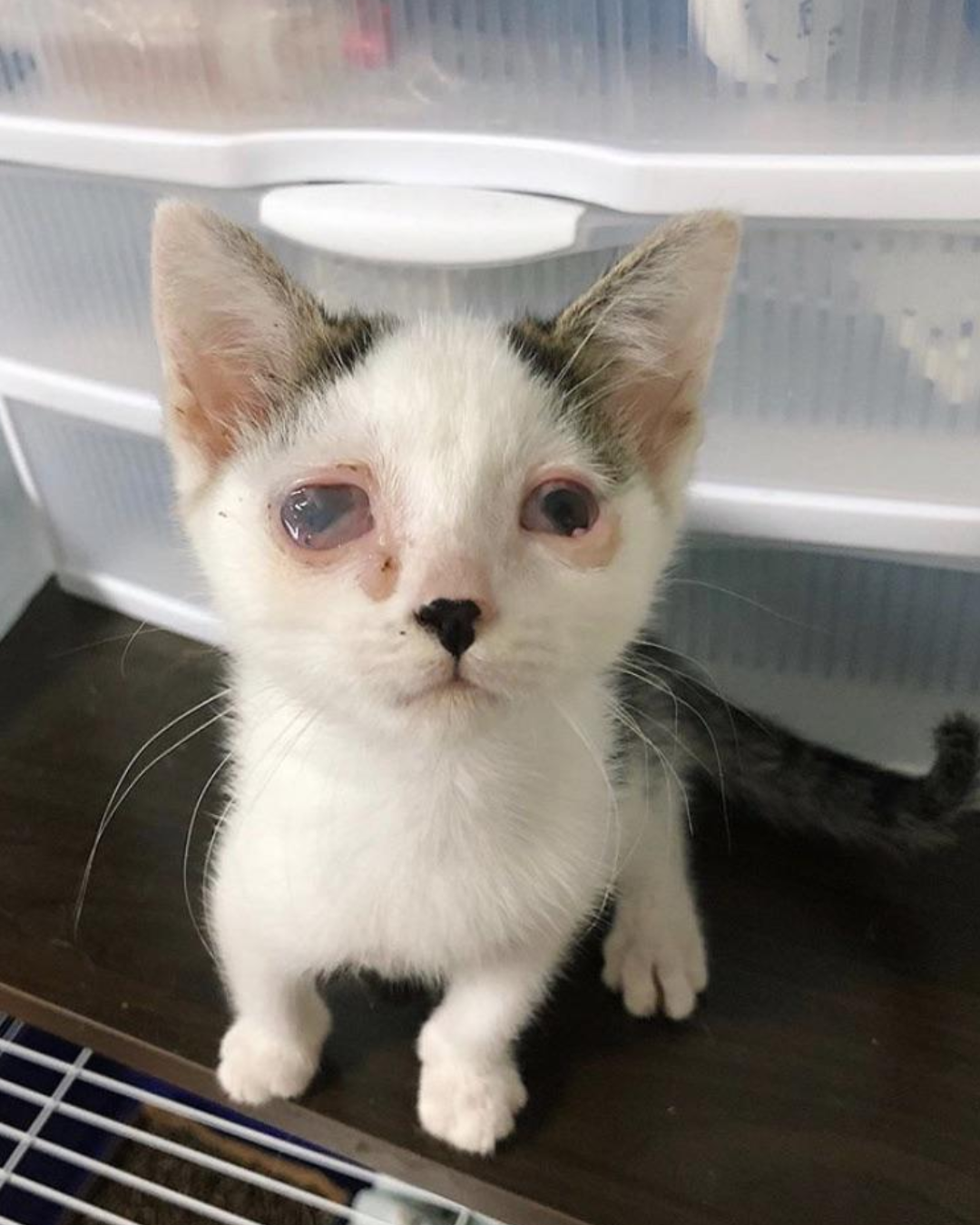
I've fostered 89 cats in 11 years—14 of them ended up in emergency vets within 8 months of adoption, and it was my fault. Every single one left my house healthy. Then six to eight months later, the calls would come. Always late at night. Always panicked. "Something's wrong." "She can't breathe." "He collapsed." "What do I do?" My name is Susan Davis. For 11 years, I've been fostering cats through North Valley Animal Rescue. I thought I was saving them. Turns out I was sending them home to slowly decline. Not because the adopters were bad. Because I forgot to tell them one thing. Cat number 1 was Pepper. Black and white tuxedo. Came to me dying from a parking garage rescue. Four months of intensive care brought him back. Emma adopted him at five months. Healthy. Playing. Thriving. Seven months later: 10:43 PM call. "He can't breathe." Emergency vet. $3,847. Diagnosis: Dilated cardiomyopathy. Heart failure. Cat number 3 was Biscuit. Gray tabby. Six years old. Heart murmur when he arrived. Severe malnutrition. Five months of careful feeding. Supplements. Monitoring. The Chens adopted him. Eight months later: midnight call. "He's panting. Just sitting there panting." Emergency vet. $2,100. Same diagnosis. Heart failure. Cat number 7 was Mochi. Calico. Four years old. URI so bad she couldn't breathe through her nose. Three months to full recovery. Sarah adopted her. Six months later: 11 PM call. "She tried to jump on the bed and her legs just gave out. She's dragging them." Emergency vet. $4,200. Blood clot from heart disease. By the time I hit 14 emergency calls, I couldn't pretend anymore. This wasn't bad luck. This was a pattern. Different cats. Different families. Different homes. Different diets. Same timeline: 6-8 months after adoption. Same symptoms: breathing issues, weakness, lethargy. Same diagnosis: heart failure from taurine deficiency. Every. Single. Time. I spent two months obsessively tracking everything. What food are they eating? Some: premium grain-free ($80/bag). Some: regular Purina. Some: mix of wet and dry. No pattern. What's their environment? Some: apartments. Some: houses with yards. Some: other pets. Some: only cat. No pattern. What's their activity level? Completely varied. The only pattern was this: Every cat thrived at my house. Every cat got adopted. Every cat started declining 6-8 months later. What was different between my house and theirs? One night at 2 AM, I was reorganizing my foster supplies. Frustrated. Desperate for answers. I saw it sitting there. A bulk container of white crystalline powder. I'd been adding one scoop to every foster cat's food for 11 years. Every morning. Every cat. Never missed a day. North Valley gave me the protocol in 2014 when I started fostering. Routine. Automatic. Didn't think about it. Scoop in the food. Stir. Done. Never questioned it. Never asked why. Never mentioned it to adopters. Because the shelter never said it mattered after adoption. I grabbed the container and finally looked up what it actually was. Taurine. And at 2:34 AM, everything clicked into place. Here's what I learned that night: Cats cannot synthesize taurine. Their bodies don't make it. Period. They need 100% from food. But here's the part that destroyed me: Cats can't store taurine either. Unlike other nutrients that accumulate, taurine flushes completely out of their system every 72 hours. Which means they need constant, daily replenishment. Or cellular damage starts within three days. Every shelter in America knows this. That's why taurine supplementation is mandatory protocol. Every cat. Every day. No exceptions. Because internal shelter data—data the public never sees—shows that cats on commercial food alone develop taurine deficiency symptoms within 4-8 months. Even premium food. Even grain-free. Even the $90 vet-approved brands. The "complete and balanced" on the bag? Based on 1985 minimum standards. Designed to prevent acute deficiency—the kind that causes blindness in six months or immediate collapse. Not the slow, silent cellular starvation that causes heart failure in 6-12 months. Every cat in my foster room got pharmaceutical-grade taurine added to their food. Every single day. Their taurine levels: optimal. Their heart cells: functioning. Their bodies: thriving. Then they got adopted. And the supplementation stopped. Not because Emma didn't love Pepper. Not because the Chens didn't care about Biscuit. Not because Sarah wasn't attentive to Mochi. Because nobody told them it needed to continue. I didn't tell them. The shelter didn't tell them. Their new vets didn't tell them. So these 14 cats went from daily pharmaceutical-grade taurine supplementation... To relying solely on whatever trace amounts survived the high-heat kibble manufacturing process. And their bodies started the 72-hour depletion cycle. Day 1: Taurine reserves begin dropping. Day 3: Cellular function starts declining. Week 2: Heart muscle cells aren't getting adequate taurine. Week 3: Microscopic cellular damage begins. Month 2: Damage accumulating. Still invisible. Month 4: Heart starting to struggle. No symptoms yet. Month 6: You notice something's off. Month 7: The midnight call. Month 8: The emergency vet. $3,847. $2,100. $4,200. $5,600. The bills varied. The diagnosis didn't. Preventable heart failure. After I figured it out, I did something I'd never done. I called all 14 adopters. "I think I know what happened. I need you to try something." Some thought I'd lost it. Most were desperate enough to try anything. I overnighted them each a container of the pharmaceutical-grade taurine I use. The exact same taurine North Valley Animal Rescue uses. "Add one scoop to their food every morning. Just like they were getting at my house. Try it for 30 days and call me." Day 9: Marcus called. "Biscuit's breathing is normal again. The panting stopped." Day 12: Emma called. Crying. "Pepper jumped on the couch today. Just jumped up like it was nothing. He hasn't done that in nine months." Day 15: Sarah called. "Mochi's walking normally. Her back legs are working again." Day 18: The Chens called. "His energy is back. He's playing with the cat toy for the first time in months." By day 30: all 14 cats showing measurable improvement. Same cats that were in heart failure six weeks earlier. Same cats vets said had "chronic progressive conditions." Same cats on $160/month medications. All improving from adding back the one thing they'd stopped getting when they left my care. The supplement is called KittySupps Taurine. It's the exact pharmaceutical-grade taurine North Valley Animal Rescue switched to in 2019. 99.9% pure crystalline taurine. Same quality we use in our shelter medical protocol. Not the cheap synthetic stuff from pet stores. It's a powder, not a pill. You sprinkle one small scoop on their food. Takes five seconds. Most cats don't even notice it's there. And I foster the world's pickiest eaters. One scoop a day. Same protection they had at the shelter. Now I do something different. Every single adopter who takes a cat from my foster room gets a container of KittySupps with their adoption packet. "This is not optional," I tell them. "Your cat has been getting this every single day at my house." "They need to keep getting it at yours." "This is the difference between your rescue cat thriving for 15 years and ending up in an emergency vet in 8 months." Since I started doing this 19 months ago, I have had zero decline reports. Not one emergency call. Not one heart failure diagnosis. Zero. If you adopted a rescue cat from any shelter in America, there's a 99% chance your cat was getting pharmaceutical-grade taurine supplementation every single day before you brought them home. Now they're not getting it. And maybe you're starting to notice things: The jump they used to make but don't attempt anymore. The toy they stare at instead of chasing. Sleeping 18, 19, 20 hours a day. Pupils that look blown wide even in bright light. Breathing that sounds slightly off. Energy that's just... gone. You're not imagining it. You're not being paranoid. You're not a bad cat parent. You just don't know about the adoption shutdown. The moment your cat left the shelter, their taurine supplementation protocol ended. And their 72-hour depletion cycle began. KittySupps Taurine costs $1.35 per day. Less than a single can of Fancy Feast. It comes with a 90-day money-back guarantee. If you don't see improvement in their energy, breathing, coat quality, and eye brightness, you get every penny back. No questions asked. But based on the 14 cats I personally tracked from emergency vet to recovery, you won't need that refund. You'll message me in three weeks asking why the shelter didn't send this home with your cat. Here's the truth: You can order it tonight and have it by Thursday. You can start the same shelter protocol they were on before you adopted them. Or you can wait. Next week you'll forget about this. Next month you'll start noticing them sleeping more. Next year you'll be standing in an emergency vet at 11 PM watching them struggle to breathe while a doctor tells you their heart is failing. I've gotten that call 14 times now. 14 families standing under fluorescent lights at midnight. Sobbing. Holding vet bills for $3,000-$5,000. Asking me what they did wrong. The answer is always the same: Nothing. They just didn't know about the adoption shutdown. Now you do. Give your rescue cat what the shelter was giving them → kittysupps.com/taurine P.S. I've fostered 89 cats over 11 years. The ones who kept getting taurine after adoption are still thriving years later. The ones who stopped got the midnight emergency calls. Every. Single. One. I'll never let that happen again. Neither should you. → kittysupps.com/taurine
67% of rescue cats start failing within 6 months – here's why
Rescue cats get medical-grade supplementation at shelters that keeps their hearts strong. The moment you adopt, it stops. 72 hours later, cellular damage begins. Learn what 14 emergency vet calls taught one foster parent.
ORDER NOWLike this ad? Make it yours.
Crush rebuilds this exact creative around your product — your brand, your colors, your offer — in about a minute.