
Inactive· since Jun 20, 2026
- 80
- days it ran
- 0
- relaunches
Ad copy
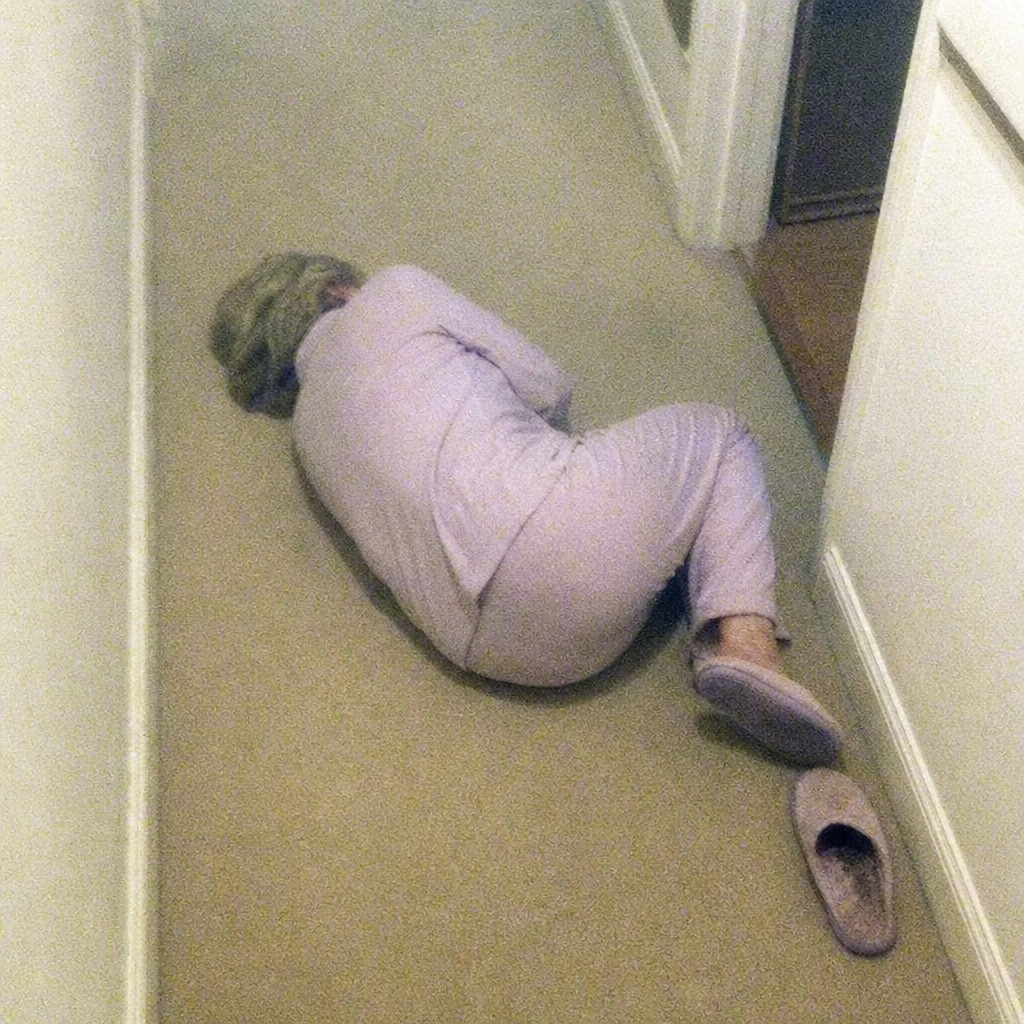
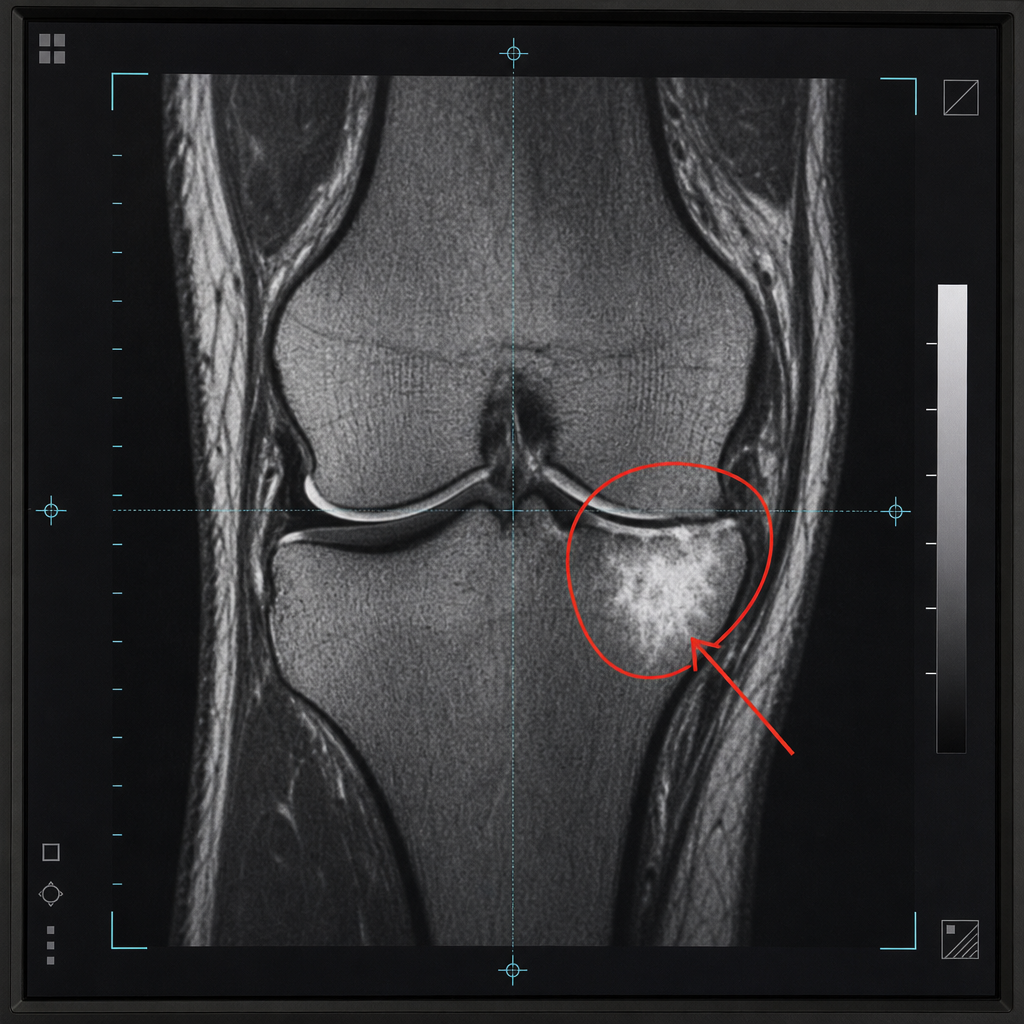
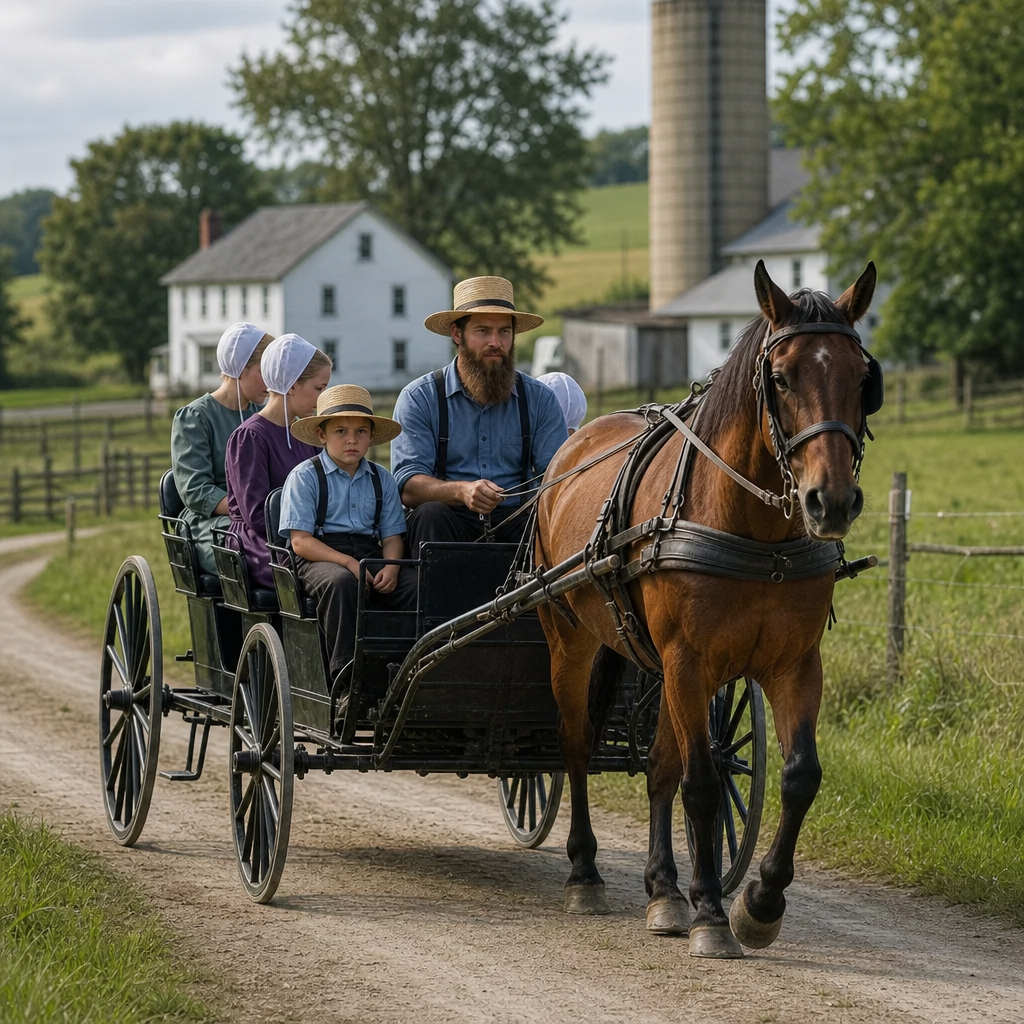
I read a number last spring that I couldn't get out of my head. 1 in 4 women who break a hip are dead within a year. Not from the broken bone. From everything that follows it. That's a higher death rate than most cancers a woman my age is screened for. Nobody screens for the fall. I didn't believe it at first. I'd had bad joints for almost 20 years and not one doctor had ever once said the word "hip" to me, let alone "fall." But here's the truth. Your knee doctor looks at your knee. Your bone-density nurse looks at your bones. Nobody looks at the whole chain that runs from one to the other. Nobody is paid to. That's why most of us never hear this. That's why my mother never heard it either. My mother was part of that number. Twenty-two years on a daily anti-inflammatory. A broken hip put her in a bed at 68, and she never got out of it. I'm 61. Last month my doctor told me to double my pill and start cortisone shots in the knee. I refused. And what I found instead, in an Amish farming community in Ohio, took me from a woman who held the railing with both hands to get down her own porch steps, to a woman who walks two miles a morning and squats down to weed her garden. No higher dose. No shots. But to understand why I was scared enough to drive five hours to an Amish farm at 6 AM, you have to know what I watched those pills do to my mother. And what I didn't know they were quietly doing to me too. For 22 YEARS, my mother was trapped on that medication. Started with the basics. Her doctor called it the safe choice. Said she'd take one every morning for the rest of her life, but that was fine, because it would keep the pain managed. Her pain stayed managed. Her body fell apart anyway. Within the first year she stopped kneeling in church. Doctor said that was just arthritis, normal for her age. By year three she was using the stair rail with both hands and planning her whole day around how far she'd have to walk. Her strength, gone. This was a woman who ran a daycare for 30 years, on the floor with toddlers all day. By year five she couldn't get up off that floor without something to pull on. Her knees got thicker. Her hands knotted up. She quit gardening, then the stairs, then going anywhere that didn't have a chair near the door. And every time we brought it up, her doctor said the same thing. "Your pain's controlled, Ruth. The stiffness is age. The weakness is age. Keep moving and you'll be fine." She was moving every day. Moving wasn't the problem. My dad said it was like watching her get smaller and stiffer one month at a time. They had her on those pills for TWENTY-TWO YEARS. Twenty-two years of doing less. Twenty-two years of a body that kept locking up on her. Twenty-two years of appointments where they'd raise her dose or add another pill, but never once, not ONE TIME, did anyone say, "Maybe something is wrong here that these pills aren't fixing." And then the fall took her anyway. 68 years old. Sixty-eight. Caught her slipper on the back step carrying a laundry basket. Hip snapped before she hit the ground. She had the surgery. Then the pneumonia. Then a clot. Eleven weeks after that step, she was gone. At the funeral my dad held my hand and said something I'll never forget. "For 22 years they told her the pills were doing their job, Carol. They were managing the wrong thing the whole time." So fast forward to four months ago. I'm 61. Diagnosed with osteoarthritis at 43. I've been a good patient. Take my pill every morning. Lost the weight they told me to lose. Walk every day. I've tried turmeric. Glucosamine. Collagen powders. Three different tart cherry bottles off the pharmacy shelf. My knees are worse than they've ever been. I go in for my checkup. They do the knee bend, the grip test, the little walk down the hall and back. Doctor pulls up the imaging. "Carol, your pain scores are controlled, which is good. But the joint space is narrowing. The cartilage is thinning faster than I'd like. I want to bump your dose. And I think it's time we start cortisone in that right knee." My chest went tight. Cortisone. Twenty-two years of watching my mother plan her whole life around a chair. Twenty-two years of her quitting one thing after another because her body kept shutting doors on her. And then the fall took her anyway. "No," I said. She looked up. "Sorry?" "I'm not doing it. My mother was on these pills for 22 years. I watched what they did to her. And I watched a fall kill her anyway." She gave me that patient look. "Carol, we need to keep you comfortable. The cortisone will help the inflammation." "What's the point of more pills and shots if they didn't keep her on her feet?" She didn't have an answer. I asked her for three months. She wasn't happy. Typed something into my chart. I didn't care. For three months I did everything right. Cut the inflammatory foods. Walked the long way. Added fish oil. Iced every night. Three months later I went back. Joint space the same. Two new little bone spurs. My morning stiffness lasting longer, not shorter. She reached for her pad again. "Carol, it's time." "Give me three more months." "Carol—" "Three more months." She sighed. I didn't care what she wrote down. That night I couldn't sleep. I kept thinking about my mother. Same joints. Same pills. Same "you're controlled" right up until the day a back step ended her. At 2 AM I gave up. Went down to the kitchen. Opened my laptop. I started searching. What actually wears cartilage down. Why the pills never stop it. Why some women keep getting worse even when their pain is "controlled." Every site said the same thing. Take your anti-inflammatory. Lose weight. Stay active. Manage it. I'd done all of it. So I kept digging. Looking for people who'd actually stopped the slide. Not managed it. Stopped it. That's when I found the thread. A forum post with over 3,000 comments. The title. "Why don't Amish women break their hips?" I almost scrolled past. But something made me click. Holmes County, Ohio. Hip fractures and joint-replacement rates 64% lower than the rest of the state. Not a little lower. Sixty-four percent. Person after person in the comments. Stories. Pictures of Amish women in their 80s, kneeling in gardens, hauling water, climbing into buggies without a hand up. Someone posted a map link. An Amish farm with a produce stand. I looked at the clock. 2:51 AM. By 6 AM I was in my car. By late morning I was in Ohio. I didn't have an address. Just drove until the fields started, then turned down a gravel lane when I saw a hand-painted sign. "Produce and Herbs." First farm I came to, there was an old woman on the porch. Had to be pushing 80. Small. Straight-backed. Gray hair pinned under a white cap. She was snapping beans into a pan so fast her hands blurred. No cane. No brace. No hunch. Just easy, steady work. I parked and walked up. By the time I reached the steps my knees were already aching from the drive. "Excuse me," I said. "I don't mean to bother you. But how old are you?" She looked up with sharp, clear eyes. "Eighty-one." I just stood there. 61 years old, sore from sitting in a car. And this woman 20 years older was snapping beans like she was 40. "I'm 61," I said. "I have bad arthritis. My doctor wants me on a higher dose and cortisone shots. My mother took those pills for 22 years. A broken hip killed her at 68." She set down the pan. Looked at me for a long moment. "You came here for a reason," she said. "Come inside. I'll show you something." Her kitchen smelled like coffee and bread dough. She poured me a cup without asking. Pulled out a chair. "Your pill," she said. "It's quieting the pain. But it's not touching what's actually putting women like you in a bed." I didn't follow. "There's a chain inside a bad joint that nobody tells you about. It started the day the arthritis did. And once it starts, no pain pill on earth stops it." She folded her hands on the table. "A bad joint sits in a slow burn of inflammation. You don't feel it like a cut. You feel it as stiffness, as a knee that's worse in the cold. But it's there. Every hour. Quiet." She tapped her own knee. "And every year, that burn eats away at the cartilage. The cushion. Slow. Until bone is grinding closer to bone. And here's the part that kills women. The pill takes the hurt away. So you keep walking on a joint that's falling apart, and you never feel how bad it's gotten." I stared at her. "And a joint that hurts is a joint you stop using. The muscle melts off the leg. Month after month. Until the legs that are supposed to catch you when you stumble just aren't strong enough anymore." She shook her head slowly. "Most women with what you have. Most of them. Their legs have gone weak under them and their bones have gone thin, and nobody looks. Their doctors don't look. Their doctors aren't taught to look. They look at the pain number, and the pain number is fine." She looked me straight in the eye. "And here's the part that will make you angry. The pills make it worse. The strong anti-inflammatories thin the bone over the years. The shots they want to put in your knee weaken the cartilage and soften the bone around it. So the pain stays quiet while the leg gets weaker and the bone gets thinner and the joint keeps grinding down. The pill keeps you comfortable. And every year you take it, you're closer to the floor." She leaned back. "That's why your bend test looks fine. Your pain's controlled. Your doctor sees that and tells you you're doing well. But your cartilage is thinning, your legs are getting weaker, your bones are getting more brittle. And the day comes when you catch a slipper on a step, and there's nothing left to catch you." My eyes started to burn. "That's why the stiffness lasts longer every year. That's why you hold the rail now when you didn't used to. And no pill fixes it. No shot fixes it. Because none of them touch the inflammation that's eating the joint. They just hide it from you." She reached across the table and tapped her finger once. "That is what killed your mother. Not the arthritis. Not the fall itself. A joint that quietly ground down for 22 years, legs that got too weak to hold her, bone that got too thin to take the impact, and a back step on a Tuesday that finished it." I asked her how she knew. She smiled. A small smile. "My grandmother was a healer. Her grandmother was a healer. Every farmhouse I grew up in kept tart cherries by the kitchen. For three hundred years our women have used them. Not the dried-out kind. The real thing." Tart cherry. I'd just thrown three bottles of it in the trash. She must have read my face. "That's not what you think it is," she said. "What's in your pharmacy is the husk of it." She stood up. Walked to a cupboard. Pulled down a small glass jar of dark red capsules. "A real tart cherry is full of the pigment that calms that burn," she said. "Anthocyanins. They're what's in the deep red. And they are delicate. The minute you cook them, they're gone." She held up the jar. "The factories spray and bake their cherries into a powder with high heat because it's cheap and fast. The heat destroys nearly all of the pigment. The part that does the work starts breaking down around 104 degrees, and those machines run far hotter than that. Then they grind the dead powder into capsules and put a tart-cherry label on it. The women who buy it get the husk. Their joints keep burning. Their cartilage keeps thinning." She set the jar down. "You press the cherry cold instead. No heat. You keep the pigment alive. And you standardize it, so every capsule carries the same strength of the part that matters, not whatever's left after the oven. That's the whole difference. A pharmacy bottle and a real one can both say tart cherry on the front. One of them is mostly dust." She looked at me. "Cold-pressed. Standardized to the real strength. Taken every day so the burn never gets ahead of you. That's it. That's all of it." I asked her if anyone sold it the way she was describing. She nodded. "My grandson works with one company. Only one. Took them years to get it right. Cherries pressed cold, never heat-dried. Standardized to the strength the studies actually used. Tested by an outside lab, with the paperwork posted so you can read it yourself. One capsule a day." She wrote the name on a piece of paper and handed it to me. GoodGrove. I ordered it from her kitchen table. The bottle came two days later. I took the first capsule that night with dinner. Didn't expect to feel anything, and I didn't. You don't, the first day. It's a slow build, not a switch. The next morning, though, I noticed I got out of bed without the usual count to three. Too soon to call it. I wrote down the date anyway. Week one. The stiffness that usually rode me till lunch was gone by the time the coffee was done. I checked the lot number on the bottle against the test paperwork online. It matched. The strength was real. Week two. I knelt down to plug in the vacuum and got back up holding nothing. I hadn't done that without a hand on the couch in two years. Week three. I walked to the end of my street and back. Twice. My knees didn't swell that night. I didn't reach for the ice. Week four. I came down my own porch steps and noticed, halfway down, that I'd let go of the rail without thinking about it. I'd let go of the rail. My follow-up was at the end of month two. They did the bend test. The grip test. The walk down the hall. The nurse frowned at the walk and asked me to do it again. Doctor came in. Pulled up the new imaging. Stopped. Scrolled. Looked at me. "Carol. What did you change?" I told her. The Amish grandmother. The cold-pressed cherries. The real strength. Every day. She typed. Nodded slowly. "The joint space hasn't lost any ground since spring. The inflammation markers are down. Let's hold the dose where it is. And let's hold off on the cortisone." We held off on the cortisone. That was three months ago. My morning stiffness is the shortest it's been in a decade. I take one capsule a day. Nothing else changed. Same dose I was already on. Same walk. No shots. Last Saturday I took my granddaughter to the apple orchard. Walked the whole back field with her. Squatted down twice to help her reach the low branches and got up both times on my own. She grabbed my hand on the way to the car. "Grandma, you're not slow anymore." I didn't tell her I was crying behind my sunglasses. I called my dad that night. Told him my numbers. Long silence. "Your mother would be proud, Carol. You found another way before it found you." If you're reading this, you probably see yourself in my story. Your pain is "controlled" and your joints keep getting worse anyway. Your doctor has mentioned a higher dose, or shots, or a stronger pill. You've tried turmeric. You've tried glucosamine. You've tried collagen. You've tried tart cherry off the pharmacy shelf. Maybe two bottles. Maybe all of them. They didn't work. But now you know why. You weren't taking real tart cherry. You were taking heat-dried husk with a label on it. The burn inside your joints never let up. The cartilage kept thinning. Your legs kept getting weaker. And your hips have been getting more brittle this whole time, just like my mother's were, waiting for a step you'd never see coming. GoodGrove is different. Cold-pressed, never heat-dried. Standardized to the same anthocyanin strength the research used, not the watered-down trace amount most bottles quietly contain. One ingredient. No filler. Tested by an independent lab, with the Certificate of Analysis posted so you can match the lot number on your own bottle and see exactly what's inside it. One capsule a day. Try GoodGrove for 90 days. Notice your morning stiffness on Sunday mornings. See how far you can walk before the joint talks back. Ask your doctor to check the joint space and your inflammation markers at day 60. If the stiffness hasn't eased, if you're not moving easier, if your markers haven't budged, full refund. No questions. You're at a crossroads. One path. Keep taking the pill. Watch the cartilage thin. Add the cortisone when the pain breaks through. Add a stronger pill when that one stops working. Let your legs get weaker and your bones get thinner for another 20 years while the real problem never gets touched. End up where my mother did, on a back step you never saw coming. Another path. Try what I tried. Calm the burn that's eating the joint. Keep the cartilage you have left. Keep your legs strong enough to catch you. Track your numbers. See what changes in 90 days. I chose the second path. It gave me my mornings back. And it may have kept me off a number I refuse to be part of. The medical system isn't coming to save you. Your knee doctor isn't watching your hips. Your bone-density nurse isn't watching your cartilage. Nobody is watching the whole chain. Every year you wait is another year your cartilage thins. Another year your legs get weaker. Another year closer to the step my mother caught her slipper on. My mother didn't have this information. You do. -Carol Mercer https://trygoodgrove.com/cherry P.S. I noticed shorter morning stiffness within the first week. Let go of the stair rail by week four. Held off the dose increase and the cortisone at month two. Joint space held steady and inflammation markers down at month three. Your timeline might be different. But you won't know until you try. P.P.S. My sister Eileen started GoodGrove six weeks after I did. She's 64, same bad knees Mom had. Her stiffness is easing and she canceled the knee injection she had on the books. Last Sunday she called me, half crying. "I'm not going to end up like Mom." Neither am I. Neither should you.
Everyone with joint issues needs to see this 👆
Clean, science-backed supplements crafted without anything artificial. Vegan, non-GMO, and third-party tested, with a 90-day money-back guarantee so you can shop with confidence.
LEARN MORELike this ad? Make it yours.
Crush rebuilds this exact creative around your product — your brand, your colors, your offer — in about a minute.