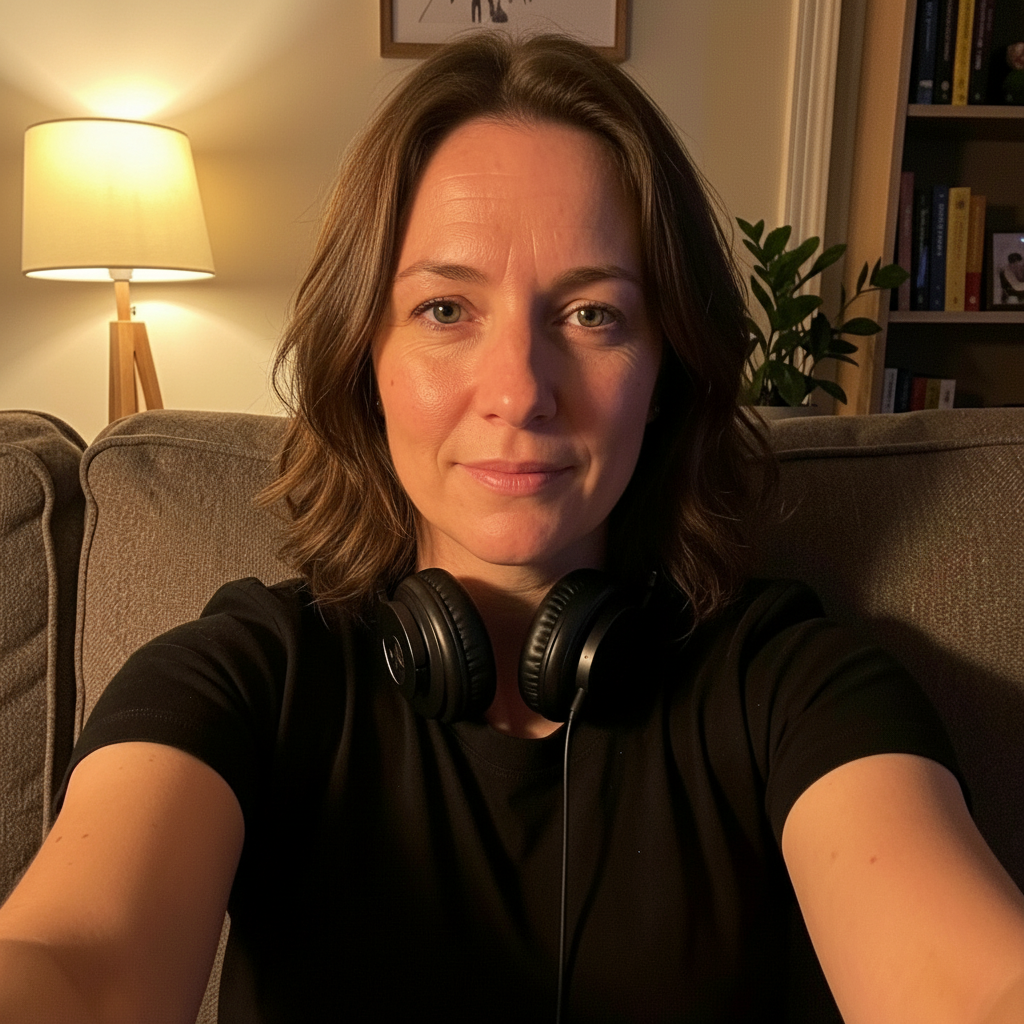
Serena Vance
Serena Vance Facebook ad: “Discover Your Perfect Match”
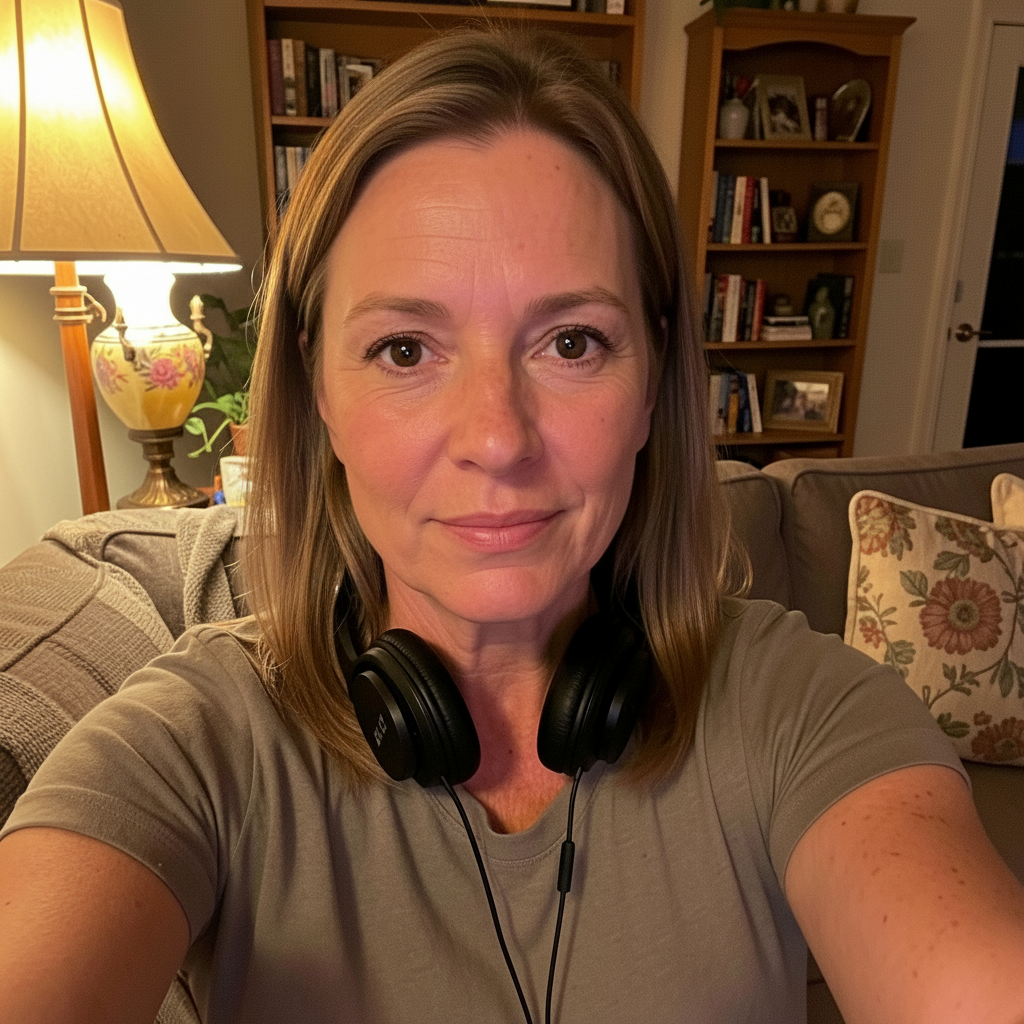
Ran for 30 days, from May 8 to June 7, 2026, the last day Crush saw it.
Run by Serena Vance on Facebook. Crush is not the advertiser and does not verify its claims. See this ad in Meta's Ad Library(opens in a new tab)
Want an ad like this for your product?
Crush makes new ad images for your product from this ad: your logo, your product photo, your offer.
Trials from $19.95 USD, then $79.95 USD a month. Cancel anytime.
About this ad
- Meta Ad Library ID
- 1509917814162311
- Platforms
- Facebook, Instagram, Audience Network, Messenger and Threads
- Relaunches
- 3
- EU reach
- 3
Ad text
If men's cancer treatment routinely turned off all intimacy feeling for years and the medical answer was "manage your expectations," every oncology center would have a department dedicated to fixing it. Mine did. The answer was nothing. I am writing this because the medical system, even when it is doing its best work in saving your life, has not yet figured out how to give the rest of your life back. ======== I'm 51. I was diagnosed with breast cancer at 47. Stage 2A, hormone-receptor positive. I had a lumpectomy, six weeks of radiation, and was put on an aromatase inhibitor for ten years to prevent recurrence. I want to be clear about something before I go any further. The treatment worked. I am four years out and clean. The oncology team that managed my care is the team I would choose again. They were extraordinary. I am alive because of them. The trade-off is the part this letter is about. ======== Aromatase inhibitors work by suppressing estrogen production. For women whose cancers feed on estrogen, this is exactly what saves us. It is also what tips us, often overnight, into surgical menopause. The on-paper symptoms of surgical menopause are: hot flashes, joint pain, vaginal dryness, decreased libido, mood changes. The on-paper symptoms are dispatched in a single page in the patient handout. What the patient handout does not say is that the dryness can be severe enough to make intimacy impossible. That the libido decrease can be total. That the numbness — the part nobody talks about — can be the symptom that scares you the most. That the years of treatment ahead of you can become, without intervention, years in a body that no longer feels like home. ======== I asked my oncologist at month six of treatment. I described the dryness. I described the pain. I described the numbness, which had arrived around month four and had scared me more than the original cancer diagnosis had. She listened. She is one of the kindest doctors I have ever had. She said: "This is, unfortunately, a known side effect. There are some lubricants you can try. Beyond that — at this stage of treatment, with your specific cancer — there isn't much more we can offer." I said: "What about vaginal estrogen?" I had read about it. She said: "Not for hormone-positive breast cancer. The risk-benefit profile is too uncertain." I said: "What about anything else?" She said: "I'd recommend a intimacy therapist if you'd like to work through the emotional side." She was being kind. She was also confirming, gently, that the medical system had no further tools for my specific situation. The treatment that was saving my life had also closed a door, and the door was going to stay closed for the foreseeable future. ======== The advice I got from non-medical sources was somehow worse. A women's health blog: "Reframe your relationship to pleasure post-cancer." A support group I attended for two months: "Many women find peace with the new normal." A book a friend gave me: "This is an invitation to redefine intimacy." I did not want to redefine intimacy. I wanted my body back. The reframing-and-redefining genre of post-cancer wellness writing is full of women who have made peace with the loss. I respect them. I was not going to be one of them at 47. ======== The breaking point came at month eight of treatment. My husband and I had been together for nineteen years at that point. We had been through the diagnosis, the surgery, the radiation, the medication. He had been a saint. He had also, at month eight, started looking like a man who was watching his wife disappear into a treatment that was working, and who did not know how to ask for the part of her that the treatment had taken without seeming like a monster. He did not ask. I saw him not asking. I went into the bathroom one Sunday afternoon and sat on the edge of the tub and thought clearly for the first time in eight months. I thought: the cancer is being handled. The marriage is being handled. The thing I have not handled is my own body. Nobody is going to handle it for me. I am going to have to find what works without help from the team that is otherwise saving my life. ======== I started reading. Specifically. With my full clinical-grade attention. I learned about genitourinary syndrome of menopause (GSM). I learned that aromatase inhibitors essentially induce a more severe version of natural menopause. I learned that the underlying physiology — decreased blood flow to genital tissue — was the same regardless of whether menopause was natural or treatment-induced. The treatment options were the same too. Lubricants for the symptoms. Hormone-based interventions that I could not use. And — buried in a single forum post written by another breast-cancer survivor — air-pulse devices, which apparently restored blood flow without involving hormones. I went down the rabbit hole. The forum post linked to Nancy Lem. ======== I read the science. The mechanism is non-hormonal. It is purely mechanical. Pressure waves restore blood flow to thinning tissue without any input that an aromatase inhibitor would interact with. The reviewers included other women on aromatase inhibitors. The reviewers included women post-mastectomy. The reviewers included women on tamoxifen. I emailed customer service before I bought it. I asked, plainly: "I am on an aromatase inhibitor for hormone-positive breast cancer. Can you confirm this device is appropriate for me?" They wrote back the same day. They said: "The mechanism is non-hormonal and external. We have many customers in your situation. We always recommend confirming with your oncologist before starting anything new." I emailed my oncologist. I attached the spec sheet for the device. She wrote back the next morning: "This looks fine. It's purely mechanical. Try it." ======== It arrived in a box. Inside was a small yellow lemon-shaped device. I read the card. I plugged it in. Day 1. Setting one for ten minutes. The first thing I felt that was not pain or nothing in eight months. Week 2. Natural moisture, partial but present. The first time my body had produced anything resembling natural lubrication since I had started the inhibitor. Week 4. It happened. The first O in over a year. Slowly. Gently. Real. Month 3. I had intimacy with my husband. He cried before I did. ======== Three years in, I am still on the aromatase inhibitor. I am still in surgical menopause. The Lem has not changed any of those facts. What it has changed is that within those constraints, my body is mine again. I want to be specific about something for any other woman reading this who is on hormone-suppressing treatment. The Lem does not interfere with your treatment. It does not raise your estrogen. It does not work through any hormonal mechanism. It is purely mechanical. Confirm with your oncologist as I did. Mine confirmed. Yours probably will too. ======== We are told, after cancer, that we should be grateful to be alive. We are. We can be grateful and also want our bodies back. Both can be true. The medical system that is good at saving lives is not yet good at restoring them. The gap is what the wellness industry should have filled and largely has not. Air-pulse is what fills it. ======== I spent eight months in a body that the cancer treatment had closed. The fix that opened it again cost $89. ======== End the post-treatment silence with Nancy Lem. 🩶 100% discreet shipping. 🛁 Waterproof. 🤫 Whisper-quiet. 🌸 Body-safe medical silicone — purely mechanical, non-hormonal, safe for women on aromatase inhibitors and tamoxifen (confirm with your oncologist). ======== P.S. To every woman reading this who is on an aromatase inhibitor or tamoxifen and has been told by her oncologist that there is nothing more to be done about the side effects: there is. The mechanism is mechanical. It does not interact with your treatment. Confirm with your oncologist. Mine said yes. Yours probably will too.
Where the ad sends people
get.officialnancy.com
Discover Your Perfect Match
End the Dry Era
Learn more: get.officialnancy.com(opens in a new tab)