
Inactive· since Jun 7, 2026
- 79
- days it ran
- 0
- relaunches
Ad copy
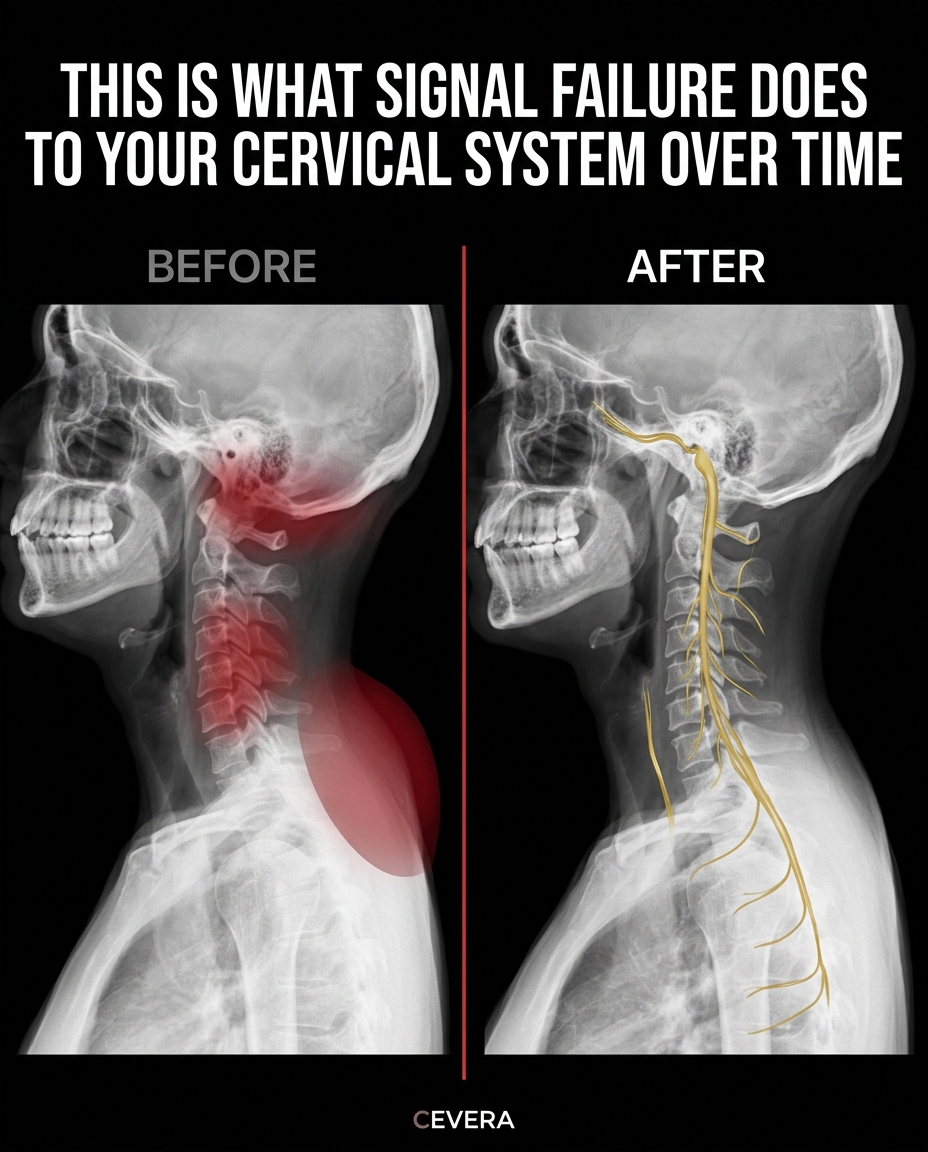
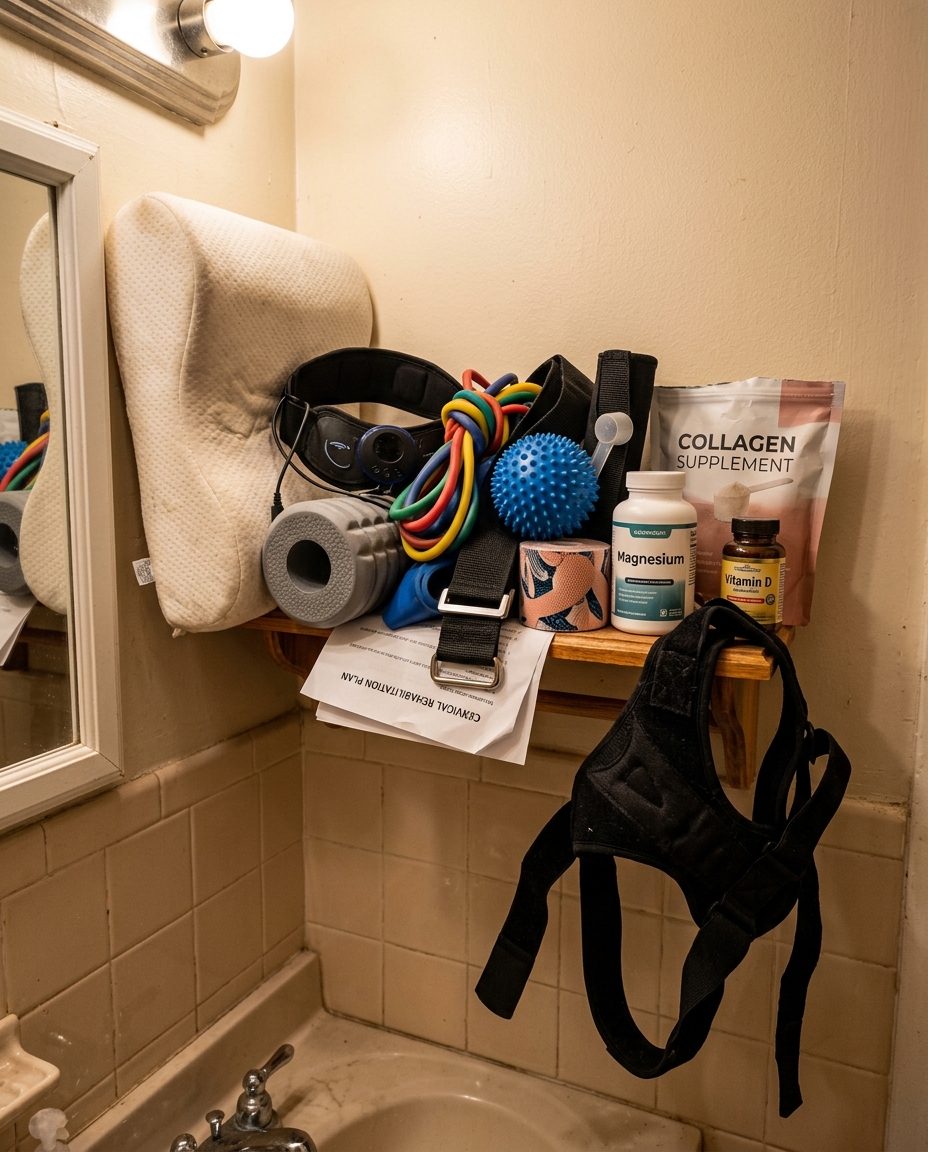
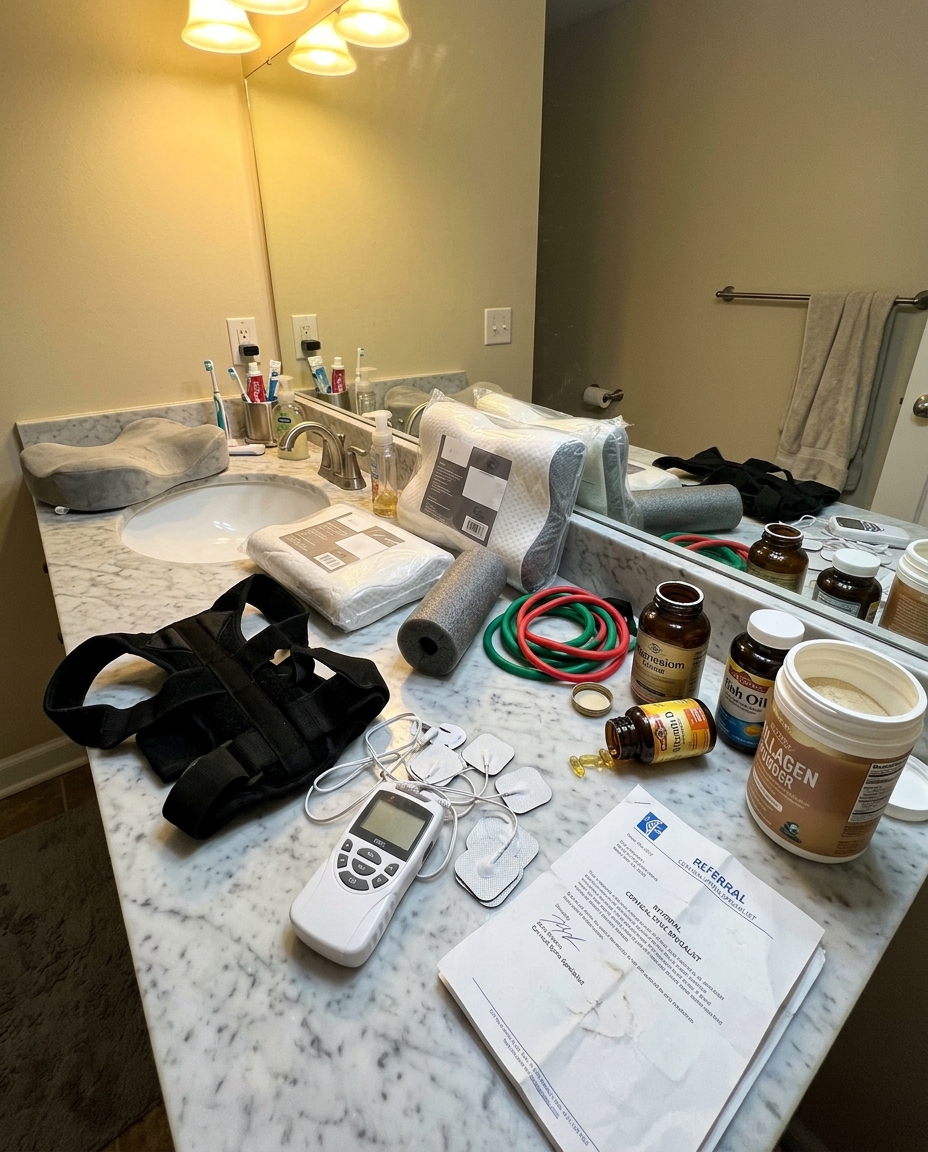
I've spent 9 years studying Blue Zones. These are the five places on earth where people routinely live past 100 — not in nursing homes, but actually healthy, sharp, and active well into their 90s and beyond. Sardinia, Italy. Okinawa, Japan. Ikaria, Greece. Nicoya, Costa Rica. Loma Linda, California. I've visited all five. Multiple trips. And I noticed something that every single researcher before me had missed entirely. Not because it wasn't visible. Because nobody was looking at the right thing. Every longevity researcher studies what these people eat. What they drink. How they move. How they sleep. Nobody was looking at how they carried themselves. And I found something that every single Blue Zone has in common. Something that has nothing to do with diet, exercise, community, or any of the things you've been told. Nobody in the wellness world talks about it. And when I tell you what it is, you're going to understand why. — Let me start with what made no sense. The Blue Zone narrative you've heard goes like this: these people live long because of what they eat. Mediterranean diet. Plant-based. Whole grains. Good fats. I believed that too. For the first three years of my research. Then I actually spent time in all five zones. Not a week in each. Months. Living with families. Eating with them. Watching how they actually live day to day. And the diet theory fell apart immediately when I noticed something else. In Sardinia, the women in their 80s and 90s who are still working, still walking mountain paths, still fully present in their lives — they carry themselves differently. Not just better posture. Something more specific than that. Their heads sit back. Their cervical spine is neutral. Their necks are long and unencumbered. At 88, at 93, at 101. In Okinawa, same thing. I watched Fumiko — 98 years old, tends her garden every morning — and the first thing I noticed wasn't what she was eating. It was how her head sat on her neck. Upright. Back. Free. In Ikaria, Dimitri at 94. In Nicoya, Luz at 89. In Loma Linda, women in their late 90s still teaching, still socializing, still moving through the world with a physical ease that stopped me every time. All of them. Every single one. Heads back. Necks free. No tissue building at the base of the cervical spine. No forward pull. No compensation. No drift. I started asking a different question. If diet doesn't explain this — because they eat nothing alike — what are they all doing that keeps their cervical posture intact into their 90s? That question changed everything. — The answer didn't come from a study. It came from Maria in a mountain village in Sardinia. I was staying with her through a homestay program. She still herds goats every morning before sunrise. Still walks mountain paths that would leave most 40-year-olds gasping. Still carries herself with an ease that I had to stop and photograph three times because I couldn't believe what I was seeing. She was 97. Her head sat back the way mine did when I was thirty. On day three I asked her: how do you still carry yourself like that? She looked at me like I'd asked something very obvious. "I have always done my neck work. Every morning since I was a girl. My mother taught me. Her mother taught her." She stood up and showed me. Not exercises. Not a brace. Not anything I recognized from any rehabilitation protocol I'd ever studied. She placed both hands on the back of her neck at the base — the cervicothoracic junction — and held a slow, sustained pressure there. Then she tilted her chin back slightly and held. Breathing slowly. "Five minutes. Every morning. Since I was young. You must keep the signal alive." Keep the signal alive. I wrote it down. I thought it was interesting. A cultural practice. Maybe superstition. Maybe something worth a paragraph in my book. I didn't realize yet that I'd just heard the answer I'd been looking for across all five zones. — Six weeks later, I was in Okinawa. Different country. Different culture. Different language. Different food. No contact with Sardinia. No shared history. No overlapping traditions. I was staying with Fumiko. 98 years old. Lives alone. Tends her garden every morning. Sharp, clear-eyed, more present than most people half her age. I watched her morning routine. Before anything else — before the raw fish, before the garden, before tea — she stood at her window and did something with her hands at the base of her neck. I asked her about it. She explained the same thing Maria had explained. In different words. Through a translator. "The muscles here must be told to work every day. If you stop telling them, they forget. My grandmother taught me. Every woman in this village who lives past 90 does this." I sat there with my notes from Sardinia open next to my translator's transcription. Two women on opposite sides of the planet who have never heard of each other. Same practice. Same target — the base of the cervical spine. Same explanation — the muscles must be told to work, the signal must be kept alive. My hands were shaking. — In Ikaria, Dimitri showed me his morning routine. Different hand placement, same principle. Sustained activation of the deep cervical zone at the base of the neck. Every morning. Since childhood. Taught by his father. In Nicoya, Luz kept a small wooden tool on her windowsill that her grandmother had carved. She used it every morning to press into the cervicothoracic junction. "Mi abuela me enseñó." My grandmother taught me. Every morning. Never missed. Every single Blue Zone. Every single one. Different foods. Different climates. Different religions. Different genetics. Different languages. Zero contact with each other across human history. Same practice. Same method. Same target — the base of the cervical spine. Same explanation — you must keep the signal alive because if you stop, the muscles forget. In nine years of research, across all five zones, this is the only physical practice I found in every single one. Not diet. Not exercise type. Not prayer. Not olive oil. Not red wine. Daily intentional activation of the deep cervical signal. The one thing nobody in the longevity world has ever mentioned. — I need to explain why that matters. Because when I brought this finding back and started digging into the neuroscience, I realized these elderly villagers understood something that modern rehabilitation has been ignoring — or missing entirely. Here's what's actually happening. Your deep cervical muscles — the small, layered muscles that run along the front and back of your cervical spine — are controlled by a brain-muscle signal. A continuous connection that tells them to hold your head back against the forward pull of daily life. When that signal is active and maintained, the muscles work. The head stays back. No tissue builds at the base. No drift. No compensation. When that signal is disrupted — which happens to most people after decades of accumulated forward load — the muscles switch off. The brain stops sending the signal. Not suddenly. Gradually. Year by year. This is called neuromuscular inhibition. And once those muscles switch off, the head drifts forward. The body builds compensatory tissue at the base of the neck to absorb the constant forward stress. The tissue grows. The signal gets quieter. The signal getting quieter allows the tissue to grow faster. It's a cycle. And nothing in modern rehabilitation addresses the cycle directly. Standard approaches address the position. Adjustments, exercises, braces — all of them work on the symptom. None of them go to where the failure is occurring: the deep cervical motor nerves where the signal has gone quiet. What Maria does every morning. What Fumiko does. What Dimitri and Luz do. What every centenarian I've interviewed does. They are maintaining the signal. Every day. Since childhood. Not because they understood the neuroscience. Because every culture that listened to the body figured out that you have to keep telling the muscles to work, or they forget. The one culture that stopped listening? Modern America. — Now think about what that means. The entire longevity research world is arguing about diet. Keto or Mediterranean. Fasting or frequent meals. Supplements or whole foods. I've been to all five Blue Zones. The people who live the longest on earth can't agree on what to eat. They eat completely different things. They agree on one physical practice. And it has nothing to do with what goes in your mouth. Meanwhile women in America are sitting at their desks, looking down at screens, driving for hours, and watching a tissue buildup appear at the base of their neck that nobody can fully explain and nothing can fully stop. Maria eats full-fat cheese and drinks wine every night. Her head sits back the way mine did at thirty. Fumiko eats raw fish twice a day. Her cervical posture at 98 is better than most 45-year-olds I know. Dimitri and Luz and every centenarian I've interviewed carries themselves the same way. Not because of what they eat. Because of what they do every morning with the signal at the base of their neck. The contrast is so extreme it made me question nine years of longevity research. — I started the practice myself when I came home from my last research trip. I did what they do — sustained morning activation of the deep cervical zone. Every morning. Before anything else. Day 5, something shifted in how my head was sitting. A quality I couldn't entirely name — like something was holding that had been slowly letting go. Week 2, the forward pull I'd been carrying for years started easing. Not because I was consciously correcting it. Because the muscles that were supposed to be doing the work were starting to do the work again. Week 3, I woke up and noticed I hadn't done the morning mirror calculation. That automatic sequence of checking the back of my neck, checking the angle, planning what I'd wear — I hadn't done it. Not because I forgot. Because it hadn't felt necessary. Week 4, a colleague told me I looked different. I hadn't changed my diet. Hadn't started a new routine. I was just doing what Maria does. What Fumiko does. What every centenarian I've ever interviewed does. Week 6, full shift. The tissue at the base of my neck was measurably different. The calculation was gone. I was wearing necklines I hadn't considered in years. Every symptom that had been part of my daily life — the forward pull, the morning stiffness, the planning — just gone. I am 44 years old. And I carry myself the way Maria does at 97. Not because I found some supplement. Because I finally did the one thing that every long-lived population on earth does and that nobody in the longevity world told me about. — Now — before you try doing this with random morning neck exercises from YouTube, let me save you the frustration. I tried. Five different exercise programs. Three different adjustment protocols. A brace. A cervical pillow. All of them asked the inhibited muscles to respond to a signal that wasn't reaching them. Two good weeks, then a plateau. The surface muscles would compensate. The deep cervical motor nerves — the ones that were actually switched off — would stay switched off. What Maria and Fumiko and Dimitri and Luz are doing works differently. It's not asking the muscles to perform. It's activating the signal directly. Bypassing the broken connection and forcing the motor nerves to fire regardless of what the brain is or isn't sending. The modern version of what they're doing — the one that delivers the same direct motor nerve activation in a calibrated, consistent, home-based format — is a device called Cevera. Not a brace that holds from the outside. Not an exercise that asks inhibited muscles to respond. Direct electrical muscle stimulation delivered to the inhibited deep cervical motor nerves. Forcing them to activate. Restoring the signal the same way Maria's practice maintains it — but reaching it directly, at the motor nerve level, in 15 minutes rather than through decades of daily morning activation. 8 unique programs targeting different stages of inhibition. 19 adjustable intensity levels that build as the signal restores. One device. 15 minutes. Every morning. The modern convergence of what five independent Blue Zone cultures arrived at separately — direct daily activation of the deep cervical signal — delivered through clinical-grade electrical muscle stimulation that reaches where nothing else can. — I've spent nine years asking why these people live so long and carry themselves the way they do. The answer was never on the plate. It was in what they do with their hands at the base of their neck every morning before anything else. Five Blue Zones. Five different diets. Five different cultures with no connection to each other. One shared practice. If your neck hump has been building. If the morning calculation runs before you've had coffee. If your measurements keep creeping despite doing everything right. If practitioners keep telling you to keep monitoring while the tissue keeps consolidating. Those aren't separate problems. Those are signs that the signal has gone quiet. Your practitioner's exercises don't reach it. The brace doesn't restore it. The adjustment mobilizes the joint above it and then the head drifts back within 48 hours because the signal underneath was never addressed. I've been to the five healthiest, longest-lived places on earth. None of them wait for tissue to consolidate. None of them rely on external positioning. None of them trust approaches that don't reach the signal directly. They all do the same thing. Every morning. Directly at the motor nerve level. Since childhood. Every morning you skip this is another morning the signal gets quieter. Another morning the tissue builds. Another morning the window for easy reversal narrows. You can start today. 👉 https://trycevera.com/pages/adv2-womens-wellness-report P.S. Cevera is a small company and they sometimes have limited availability. If you check and they're out of stock, it's worth signing up for the restock notification. What I found in five Blue Zones took me nine years to find. The device that delivers it took me another year to locate. It's worth the wait. Stop letting the signal go quiet while you look for another exercise program. 👉 https://trycevera.com/pages/adv2-womens-wellness-report
Like this ad? Make it yours.
Crush rebuilds this exact creative around your product — your brand, your colors, your offer — in about a minute.