
Active· since Dec 22, 2025
- 266
- days running
- 1
- relaunches
- 1,994
- EU reach
Ad copy
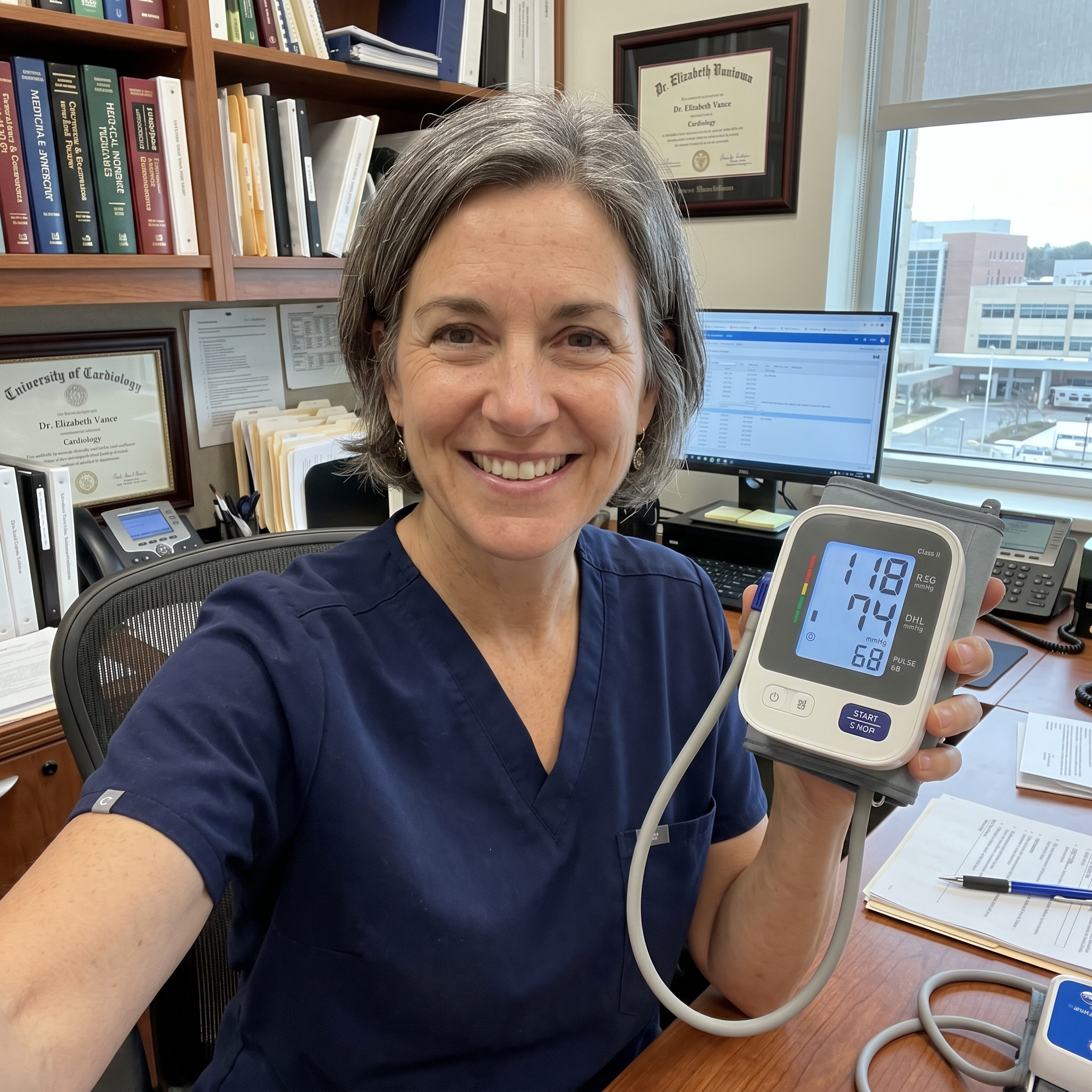
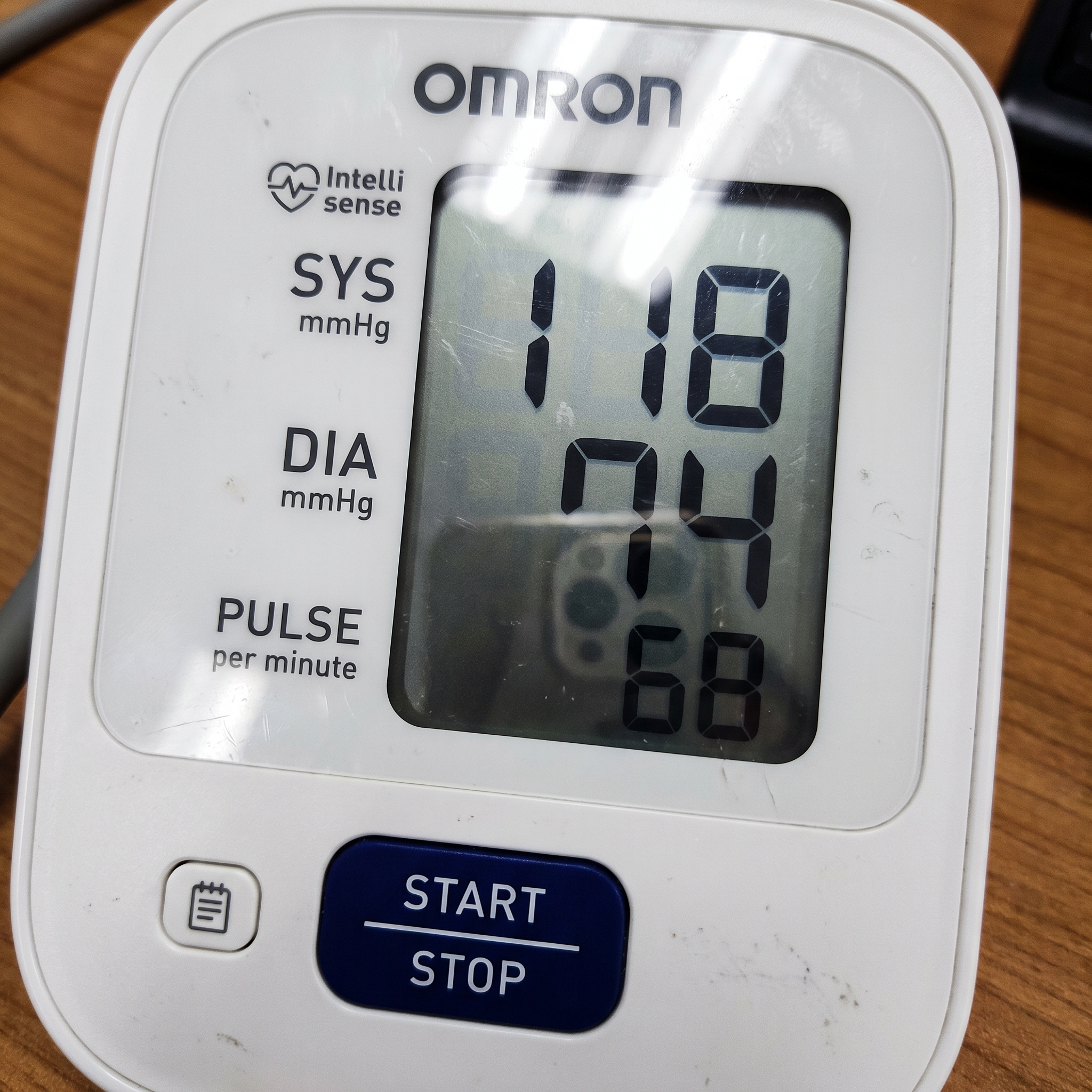
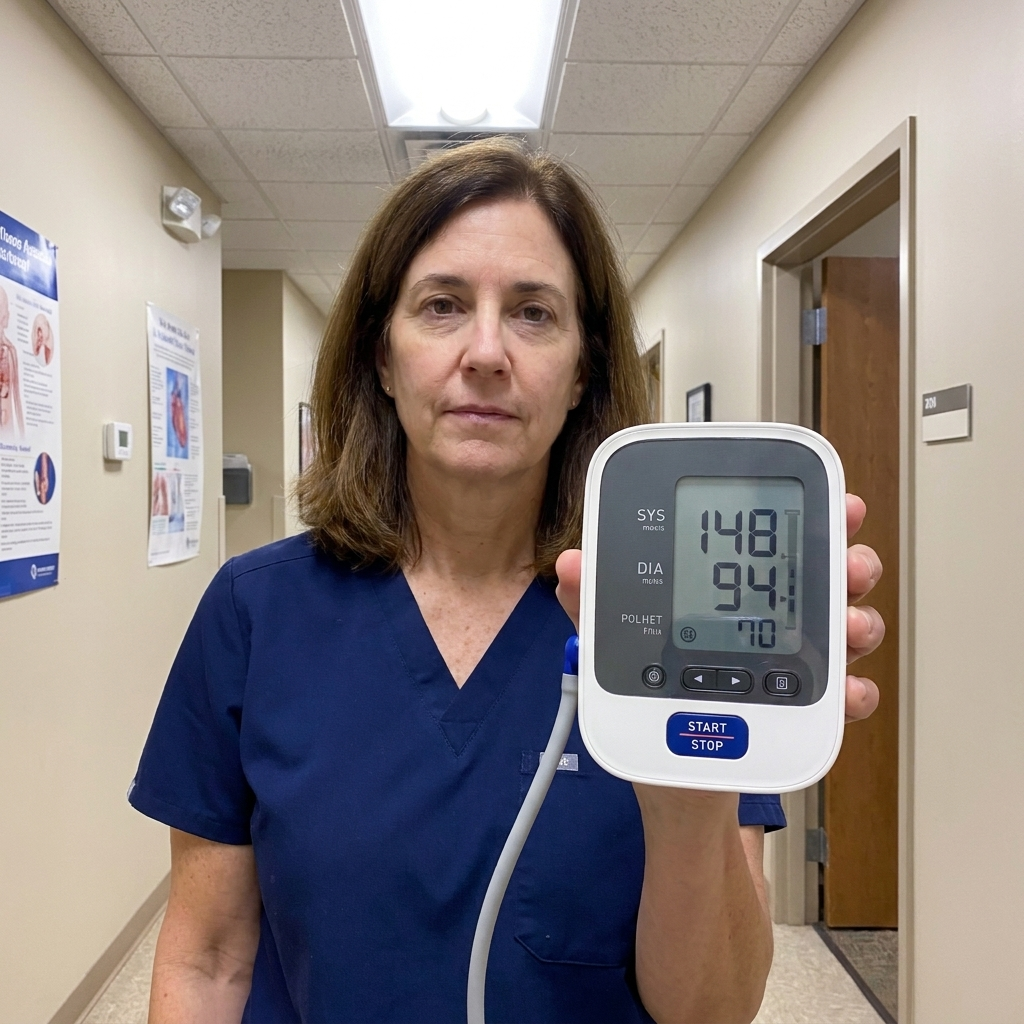
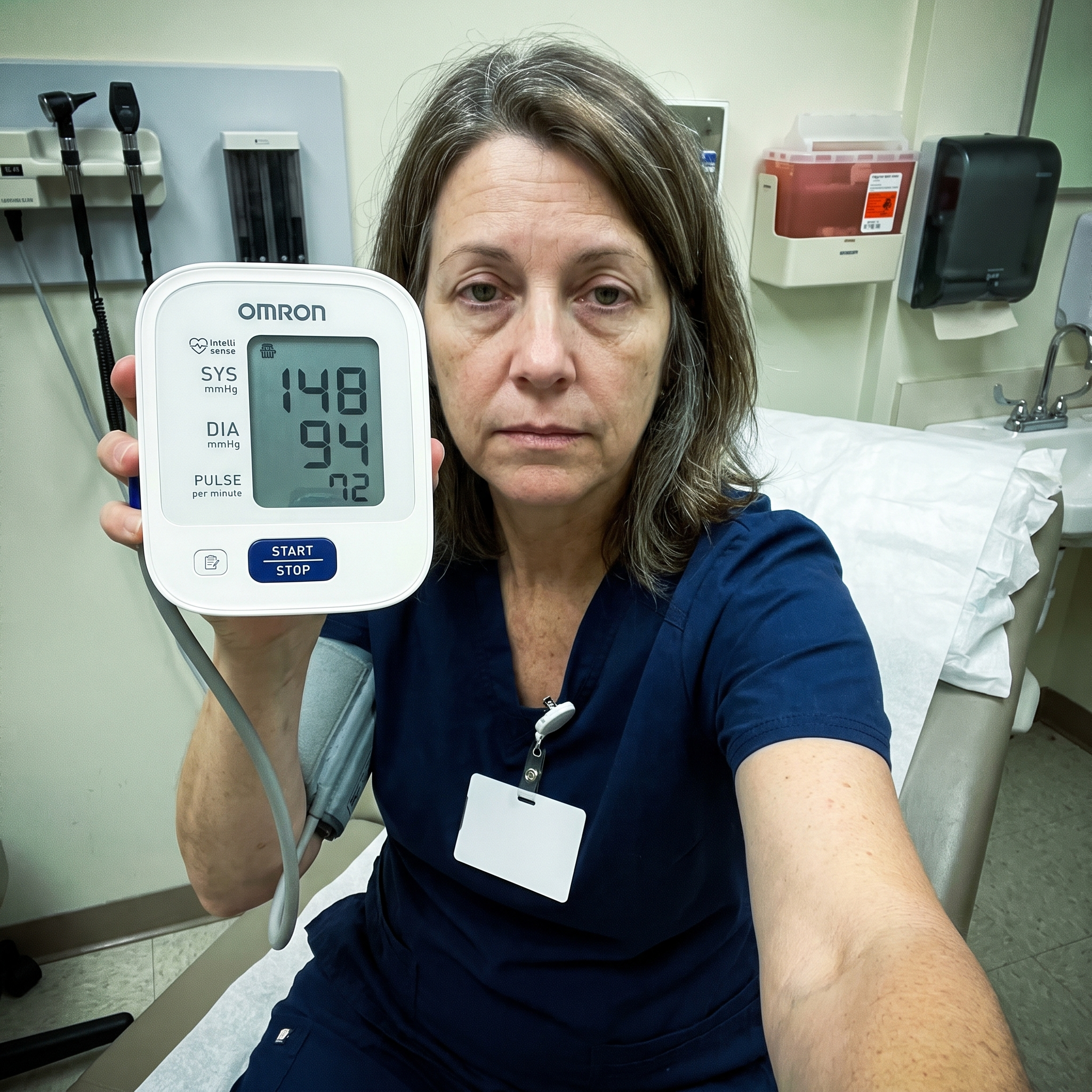
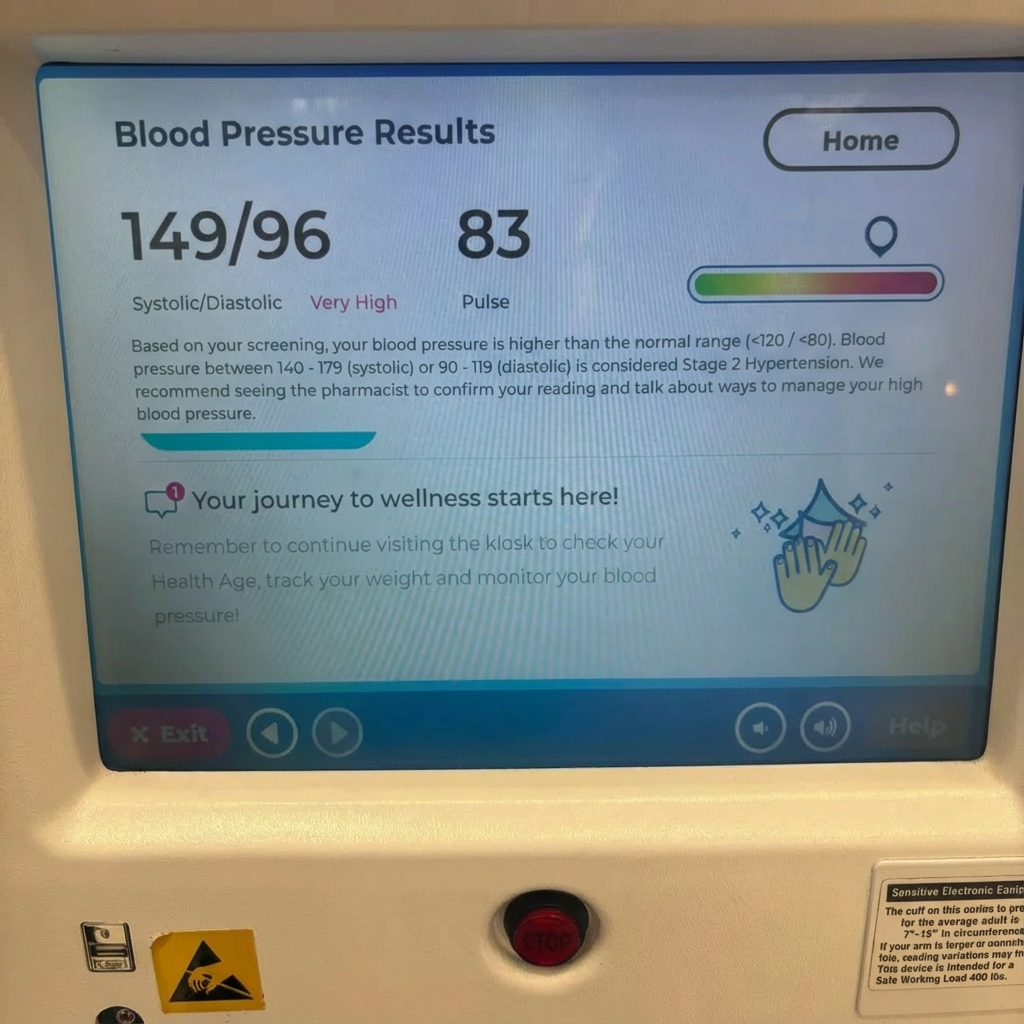
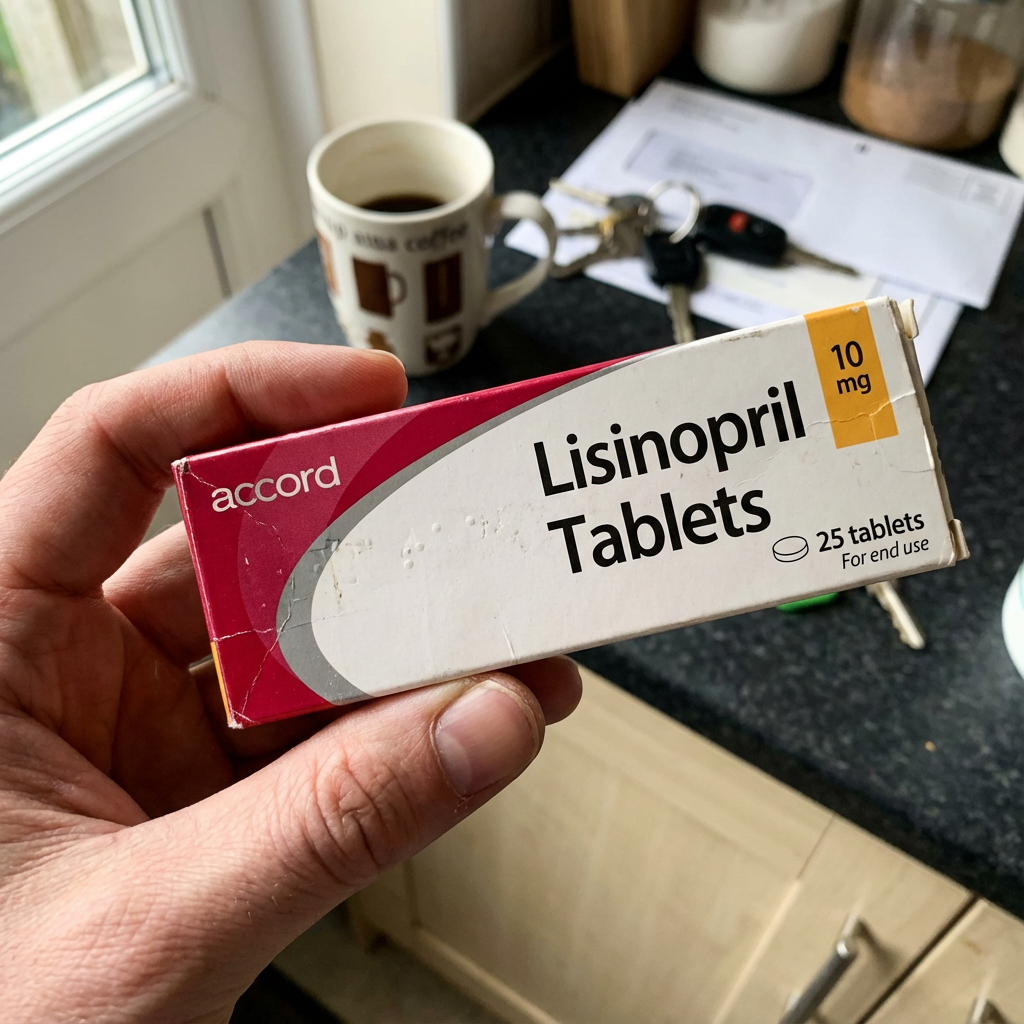
After 23 Years, I Can Spot Them the Moment They Walk In: Sons and Daughters Whose Parents Died from Heart Disease. Their BP is 147/95. They're Scared. And They Should Be. I pull up their chart. Blood pressure: 145/94. They lean forward. Hands gripping the armrests. Jaw tight. "Doc... that's the same number my father had. Before the medication. Before the dialysis. Before everything went wrong." I see this three times a week. Sometimes more. My name is Dr. Sarah Martinez, and I specialize in hypertension management at Northwest Cardiovascular Associates. I've treated over 8,700 patients with high blood pressure in the past two decades. The ones who keep me up at night? The ones with family history. Because they're not just managing numbers on a screen. They're carrying memories that haunt them. Let me tell you about John Morrison. 61 years old. Came to see me four months ago with blood pressure readings of 147/96. He sat in my exam room and said the words I hear constantly: "High BP runs in my family. My dad, me, my brother—we all have it." His father had been on Lisinopril for 11 years. Started at age 58. The medication controlled his blood pressure reasonably well at first. Numbers stayed around 135/88 for the first few years. But John watched what happened over time. Year three, his father's ankles started swelling. Not dramatically. Just enough that his shoes felt tight by evening. Just enough that he switched to wearing slippers around the house most days. Year five, the chronic cough started. That dry, hacking cough that wouldn't stop. Three AM, every night. The whole house awake. His mother sleeping in the guest room just to get rest. Year seven, the dizziness. His father grabbed walls walking to the bathroom. Grabbed furniture crossing the living room. One morning, he collapsed in the kitchen. Forehead split open on the counter. Eight stitches. Year nine, his kidney function started declining. Creatinine climbing. Stage 2. Stage 3. Stage 4. "The medication will protect your kidneys," they'd told him. At Stage 5, the dialysis started. Three times a week. Four hours each session. Needles in his arm. Blood cycling out, filtered, pumped back in. Year after year. John’s father lasted three and a half years on dialysis before his heart gave out. John told me all of this sitting in my exam room. His hands were shaking. His voice kept breaking. "I'm 61, Dr. Chen. My dad was 58 when they started him on the same medication you're about to prescribe me. I know how this story ends." I see this terror in their eyes constantly. And I understand it. Because the research shows they're not wrong to be worried. If you have a parent who died from cardiovascular disease before age 65, your risk increases by 40 to 60 percent. That's not fear. That's statistics. But here's what breaks my heart: most of my patients have already tried to avoid this outcome on their own. They've been fighting for months, sometimes years, before they finally come see me. John had been taking beetroot supplements for seven months. "Currently on the ole' beetroot juice, morning and night," he told me. Exact words. He'd started with SuperBeets. The one with the TV commercials. Took it every single day for two months. Checked his blood pressure religiously every morning. Numbers barely moved. 145/95. Then he tried Force Factor. Another two months. Another $89.99. Still 147/96. Then organic beetroot powder from Amazon. Mixed into orange juice every morning because, as he put it, "two glasses of that a day is expensive and not very tasty." Three more months of choking down something that tasted like drinking dirt. His blood pressure? Still 147/96. Seven months of effort. Hundreds of dollars spent. Zero meaningful improvement. This is the pattern I see constantly. Patients come to me exhausted from trying supplements that don't work. Frustrated that nothing's moving the needle. Terrified that time is running out. And when I pull up their chart and recommend medication, I see that look in their eyes. That flash of: "This is how it starts. This is the path my father was on." I used to just prescribe the medication and move on to the next patient. Not anymore. Because three years ago, something changed my approach entirely. A patient named Robert Kim came in for his six-month follow-up. He'd been on Amlodipine for eight months. His blood pressure was well-controlled at 128/81. But he looked terrible. His face was drawn. Dark circles under his eyes. He'd gained 18 pounds. He kept rubbing his temples like he had a constant headache. "How are you feeling on the medication?" I asked. He was quiet for a long moment. Then: "I was feeling dead with all the medication, Dr. Chen." That exact phrase. "Feeling dead." He described constant fatigue. Swelling in his ankles by afternoon. Blurred vision that came and went. Headaches that made him short-tempered with his wife and kids. "But my numbers are good," he said. "So I should just deal with it, right?" I'd heard versions of this dozens of times. Patients suffering through side effects because they thought that was the trade-off for controlling their blood pressure. I started asking more questions. Really listening to what my patients were telling me about their quality of life on these medications. The responses were devastating. "Awful chronic cough that I can't get rid of." "Shortness of breath, ankle swelling." "This med is giving more stroke feelings than the BP itself." "Light headache, blurred vision every day." "Amlodipine kept me up all night. When I stopped taking it, my BP actually went down once I started sleeping again." "Doctor took me off meds but still feeling like I'm on them." And the one that hit me hardest: "Worst experience of my life." These are direct quotes from my patients. Their actual words. I realized I was achieving blood pressure targets while destroying quality of life. My patients were living longer, technically. But they were miserable. That's when I started looking for alternatives. I'd read the research on dietary nitrates and blood pressure reduction. Studies from Duke, Stanford, Johns Hopkins showing that 400-500mg of dietary nitrates could reduce blood pressure by 8-10 points. The science was solid. But every patient I asked said the same thing: "I tried beetroot supplements. They didn't work." That's when I started investigating why. I discovered that most beetroot supplements are manufactured using high-heat spray drying. It's cheap. It's fast. But it destroys up to 90% of the dietary nitrates—the active compounds that actually lower blood pressure. The clinical studies showing benefits used 400 milligrams of dietary nitrates daily. When I checked the labels of the supplements my patients had tried, most contained less than 50mg of actual nitrates. Some as low as 10mg. They weren't failing. The supplements were failing them. I found one company willing to publish their actual nitrate content: BeetWise by Zenther. They use cold-extraction processing that preserves the heat-sensitive nitrates. They standardize each serving to 400mg of dietary nitrates—the actual clinical dose. And they publish third-party Certificate of Analysis results showing exact nitrate content, heavy metal screening, pesticide testing. Most supplement companies won't publish this data. Because their results would be embarrassing. I started recommending BeetWise to patients who were hesitant about medication. Patients with family history of side effects. Patients whose blood pressure was elevated but not yet in crisis range. The first was Robert Kim. His blood pressure on Amlodipine was 128/81. Good control. But he was miserable. I had him continue the medication while adding BeetWise. We monitored his blood pressure weekly at home. Within two weeks, his readings were consistently 122-126 over 78-82. Lower than they'd been on medication alone. We reduced his Amlodipine dose by half. His energy returned. The ankle swelling disappeared. The headaches stopped. He started sleeping normally again. At week six, we discontinued the Amlodipine entirely. His blood pressure stayed at 124/79. No medication. Just the BeetWise. That was two and a half years ago. His blood pressure is still normal range. He's off all medication. Then there was John Morrison. The one whose father died after 11 years of medication and dialysis. John was terrified of starting Lisinopril. I could see it in his face when I mentioned it. "Doc, I know you have to prescribe it. I know that's the protocol. But can we try something else first? Just give me 90 days. If it doesn't work, I'll start the medication. No arguments." His blood pressure was 147/96. Not immediately dangerous, but concerning. Stage 2 hypertension. Risk of organ damage increasing every day he waited. I made him a deal. We'd try BeetWise for 90 days with strict monitoring. Blood pressure checks three times weekly at home. Weekly check-ins with my nurse. If his numbers climbed or stayed the same, we'd start medication immediately. He agreed. Week one, he texted my nurse: "I can always tell even when there's a slight rise in my blood pressure. I feel on edge all the time, had frequent headaches. But I feel... different now. Like something shifted." His readings: 143/93. Small drop, but a drop. Week two: 140/90. Week three: 137/87. I saw him at week four. Blood pressure: 133/84. He looked different. More color in his face. Standing straighter. The tension in his shoulders was gone. "When it's really high I feel exhausted and get headaches," he told me. "I haven't felt either in two weeks." Week six: 130/82. Week eight: 127/80. At week twelve, his blood pressure was 125/78. Consistently. Every reading. Normal range. No medication. John cried in my office. "I'm not following my father's path," he said. That was four months ago. His blood pressure this week was 123/77. I've now recommended BeetWise to over 200 patients. Approximately 70% achieve significant blood pressure reductions—typically 8-12 points systolic, 5-8 points diastolic—within 4-8 weeks. Some are able to discontinue medication entirely under supervision. Others reduce dosages and eliminate side effects. Some use it alongside medication for better control with fewer pills. But I need to be clear about something: this isn't a miracle cure. This isn't a replacement for medical supervision. And it doesn't work for everyone. If you have Stage 3 hypertension (readings consistently above 180/120), you need medication immediately. If you've had a heart attack or stroke, you need medication. If your doctor has diagnosed secondary hypertension caused by another condition, supplements won't address the root cause. But if you're in that middle zone—blood pressure elevated but not yet in crisis, family history making you terrified of starting medication, or already on medication and suffering through side effects—this is an option worth discussing with your doctor. Here's why I believe BeetWise works when other beetroot supplements fail: First, the cold-extraction processing. Most supplements use heat that destroys the nitrates. BeetWise preserves them. You're actually getting the active compounds that work. Second, the dosing. The research showing blood pressure benefits used 400-500mg of dietary nitrates. Most supplements contain 10-50mg. BeetWise delivers 400mg per serving—the actual clinical dose. Third, the transparency. They publish third-party Certificate of Analysis results. You can see exactly what you're getting. Exact nitrate content. Heavy metal screening. Pesticide testing. Most companies won't publish this because they don't test, or their results are embarrassing. Fourth, patients feel it working. Within 15-20 minutes of taking it, most patients report increased energy and mental clarity. That's the nitric oxide pathway activating—proof it's reaching your bloodstream and doing something. Then over 2-4 weeks, blood pressure drops consistently. They don't have to wonder if it's working. They can feel it. Measure it. Track it. The patients I recommend this to have tried everything else first. They've spent months—sometimes years—trying different beetroot powders, juices, capsules. They've spent hundreds of dollars. They've gotten zero results. They come to my office exhausted. Frustrated. Scared. Convinced they're out of options except medication they're terrified to start. And I understand that fear. I've watched what medication side effects do to quality of life. I've seen the statistics on long-term outcomes for patients with family history. But I've also watched over 200 patients try BeetWise and see their blood pressure drop into normal range. I've watched them avoid medication entirely, or reduce doses, or eliminate side effects while maintaining control. I've watched men in their 60s start playing with their grandchildren again without getting winded. I've watched women whose mothers died young stop living in constant fear. I've watched patients who were "feeling dead with all the medication" come back to life. If you're reading this and you see yourself in these stories—if you have family history that terrifies you, if you've tried other beetroot supplements that didn't work, if you're scared of starting medication or already on it and suffering—talk to your doctor about trying BeetWise. Show them the published research on dietary nitrates and blood pressure. Show them the Certificate of Analysis. Ask if they're willing to supervise a 90-day trial with strict blood pressure monitoring. If they say no, if they insist on immediate medication without even discussing alternatives, consider getting a second opinion from a doctor who's willing to work with you. Because this isn't about refusing medical treatment. This is about exploring all options before committing to lifelong medication. Your father's path doesn't have to be your path. My patients prove that every week. John Morrison proved it at 61 with blood pressure that matched his father's numbers exactly. Robert Kim proved it after eight months of suffering through medication side effects. Over 200 of my patients have proved it over the past three years. You can too. Try BeetWise for 90 days under medical supervision. Track your blood pressure three times weekly. Monitor how you feel. Be honest about the results. If it works, you've avoided medication or reduced your dependence on it. If it doesn't work after 90 days, you haven't lost anything—BeetWise offers a full refund for any reason, and you've gathered valuable data to discuss with your doctor about next steps. You risk nothing. You potentially gain everything. "High BP runs in my family. My dad, me, my brother—we all have it." I hear this constantly. But increasingly, I'm hearing something else: "I tried what you recommended, Dr. Chen. My blood pressure is 126/79. I'm not on medication. I'm not following my father's path." That's the conversation I want to have with every patient. Including you. — Dr. Sarah Martinez, MD, FACC Cardiologist, 23 years specializing in hypertension management P.S. — The patients who get the best results start with realistic expectations and strict monitoring. They check their blood pressure three times weekly. They track how they feel. They stay in communication with their doctor. They give it a full 90-day trial. This isn't a quick fix. This is a methodical approach to avoiding medication if possible. P.P.S. — If your doctor won't even discuss this option, that's a red flag. A good physician should be willing to supervise a monitored trial of evidence-based alternatives before committing you to lifelong medication. If they refuse, consider whether that's the doctor you want managing your long-term cardiovascular health.
23 Years, I Spot Them Instantly: Children of Heart Disease Victims. 147/95. Scared. Rightfully.
Zenther Beetwise, 400mg verified nitrates per serving—not 5mg like most brands. Cold-extracted beetroot supplement with published lab results. 90-day guarantee. Try BeetWise today.
LEARN MORELike this ad? Make it yours.
Crush rebuilds this exact creative around your product — your brand, your colors, your offer — in about a minute.