
Active· since May 21, 2026
- 116
- days running
- 0
- relaunches
Ad copy
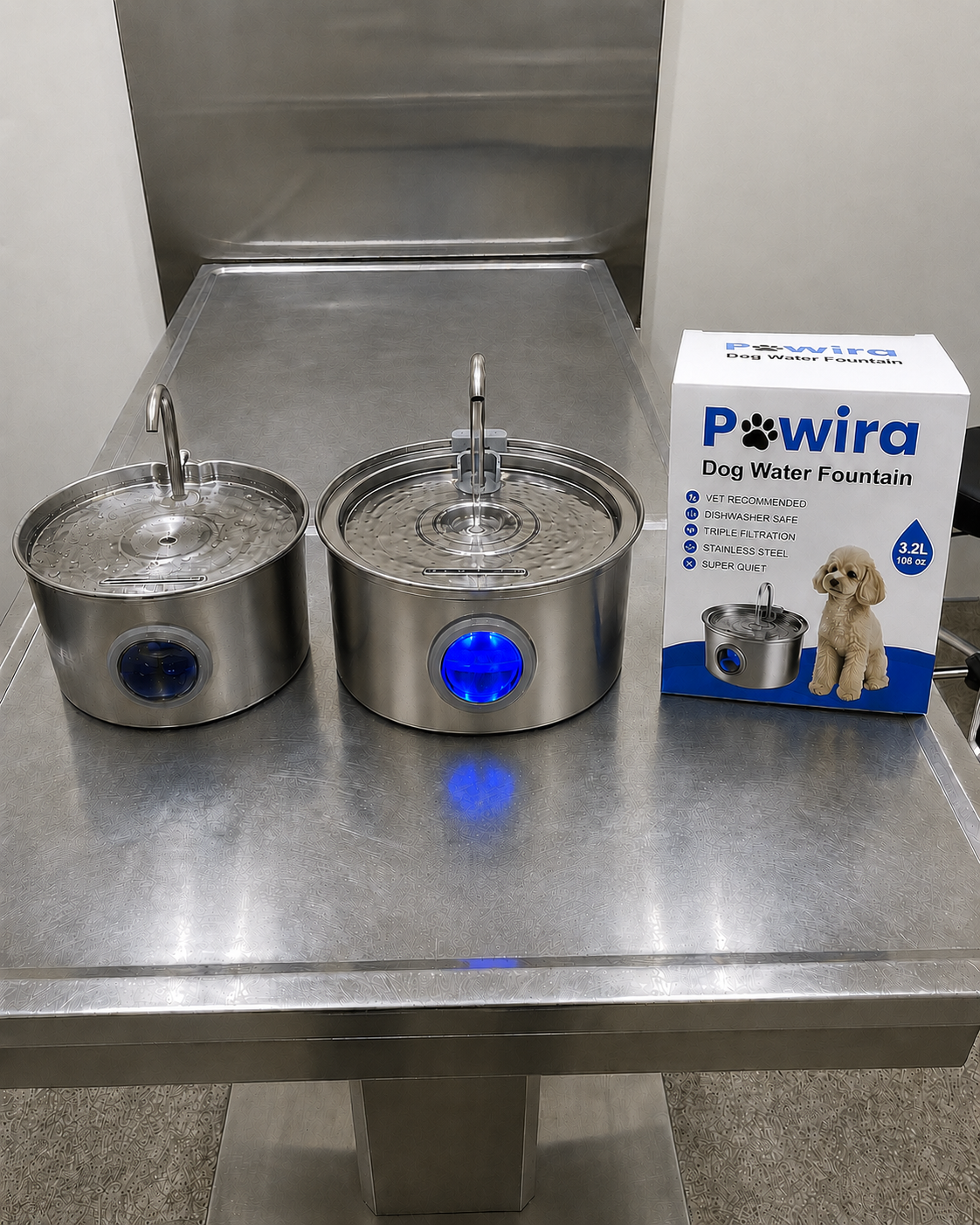
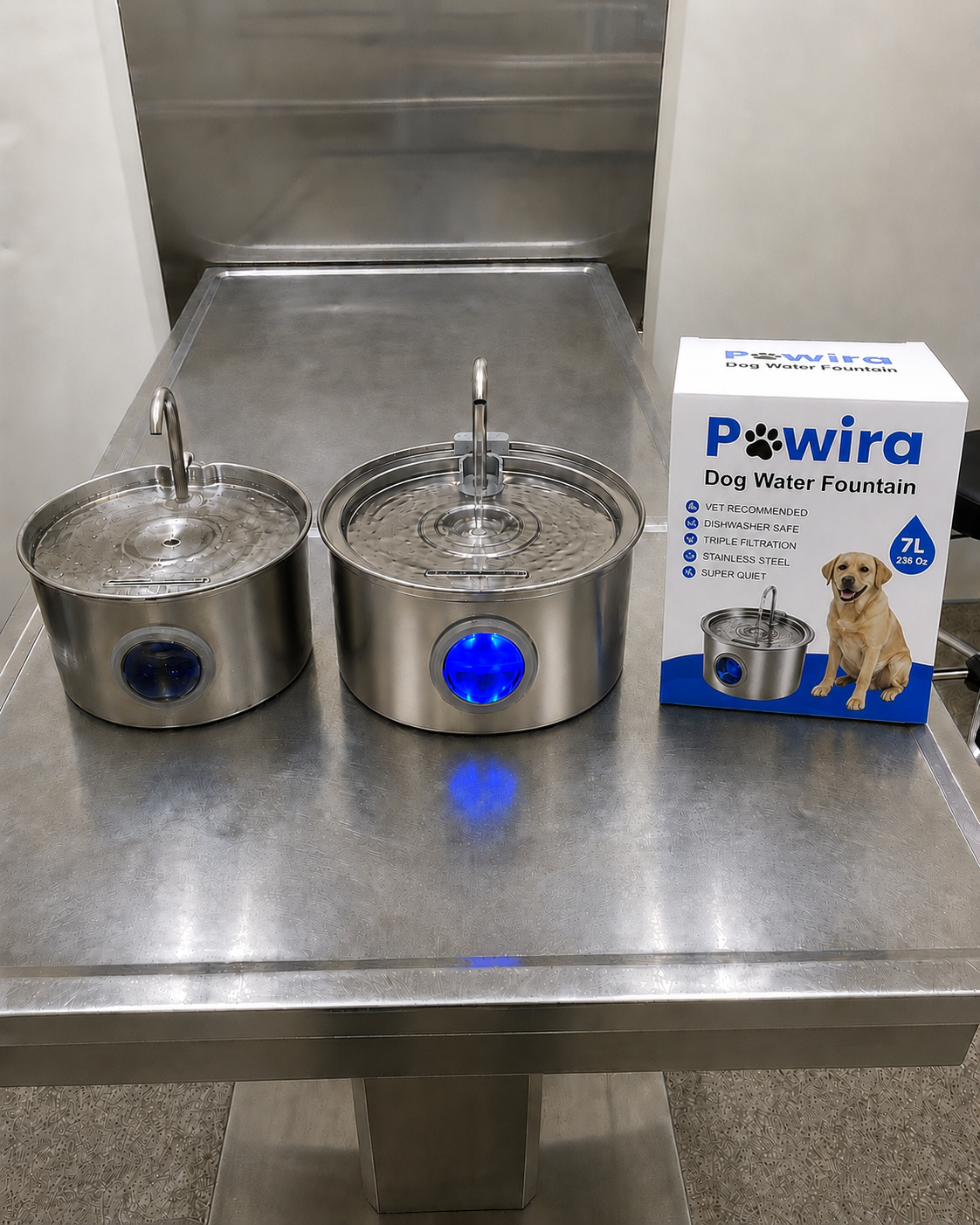
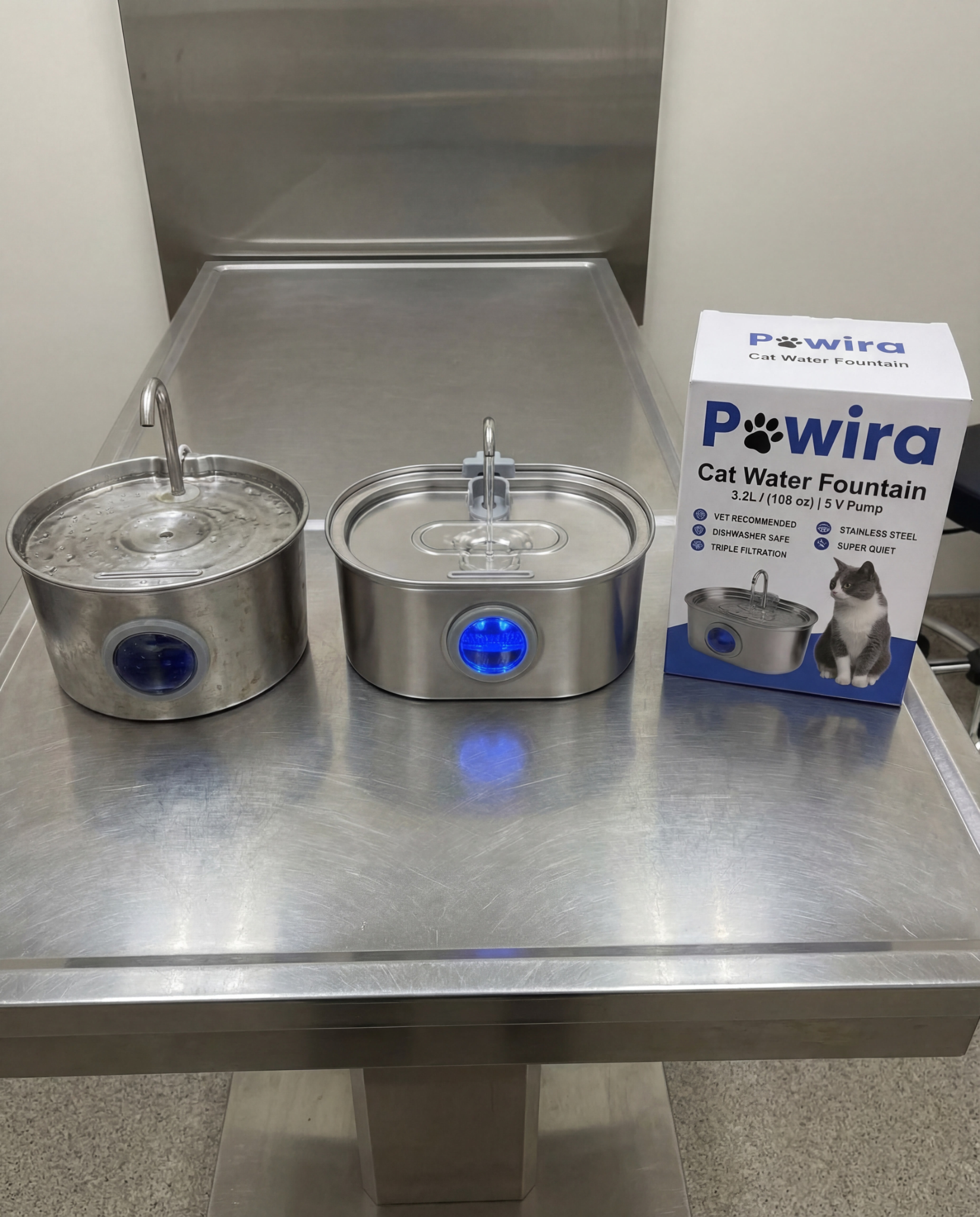
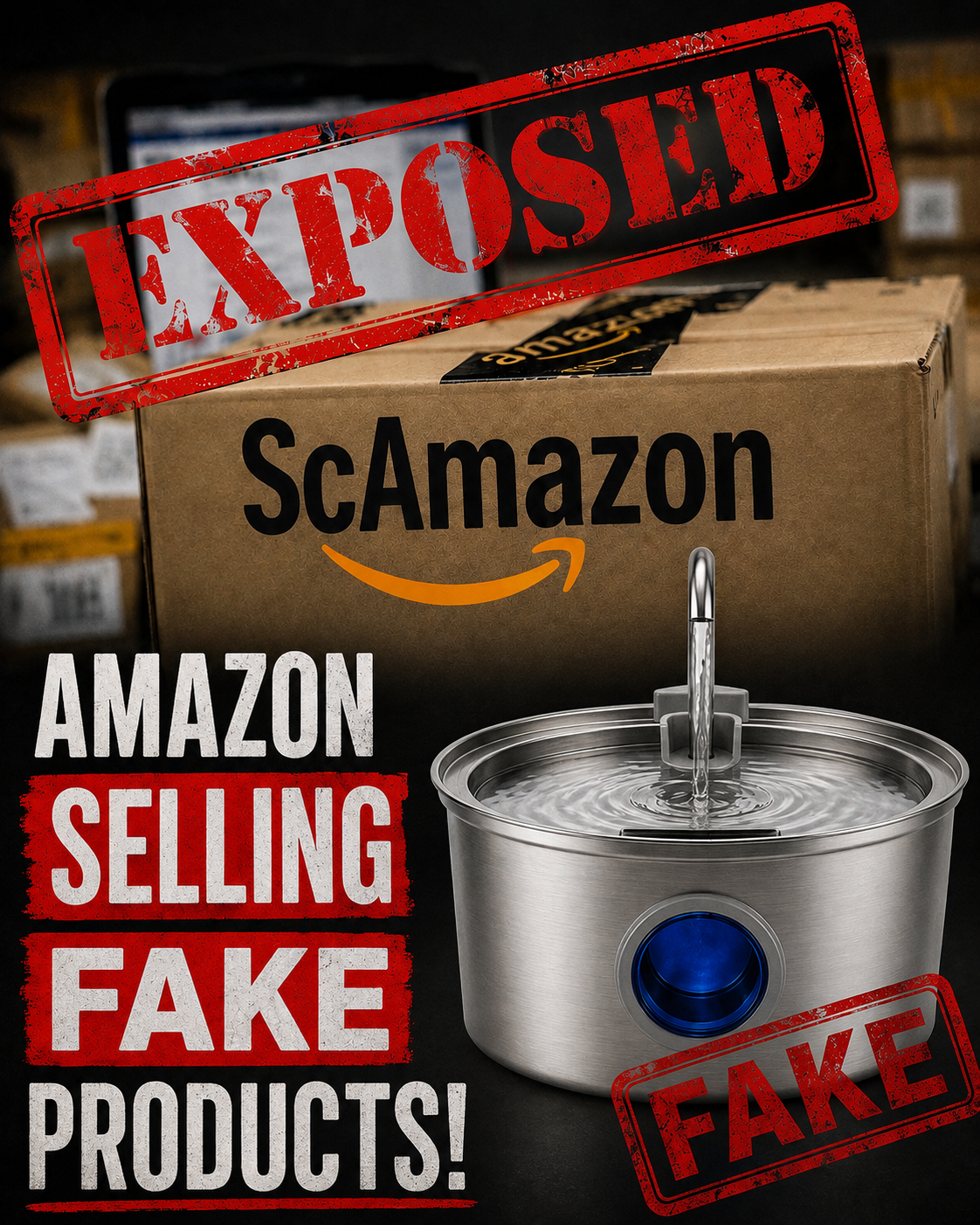
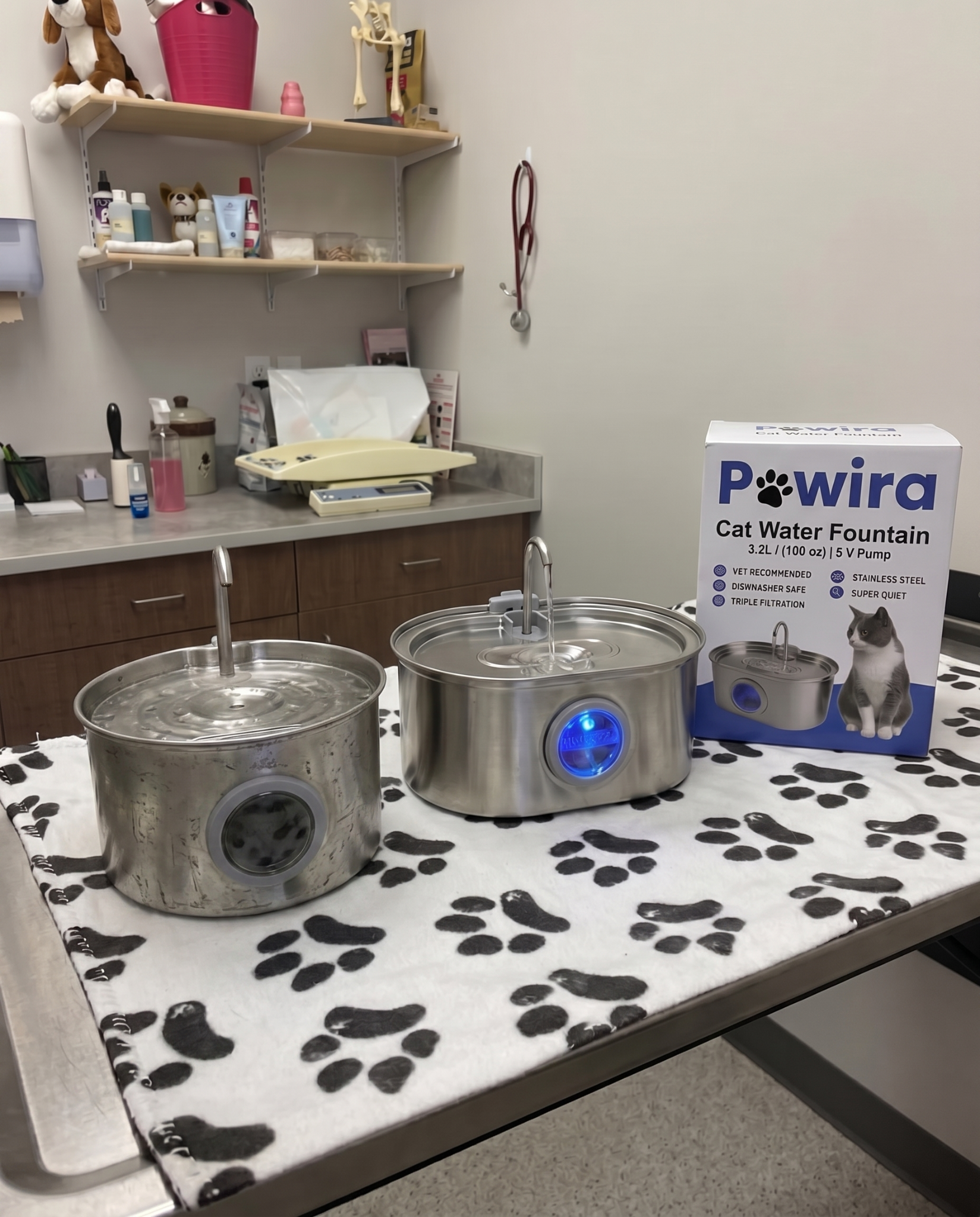
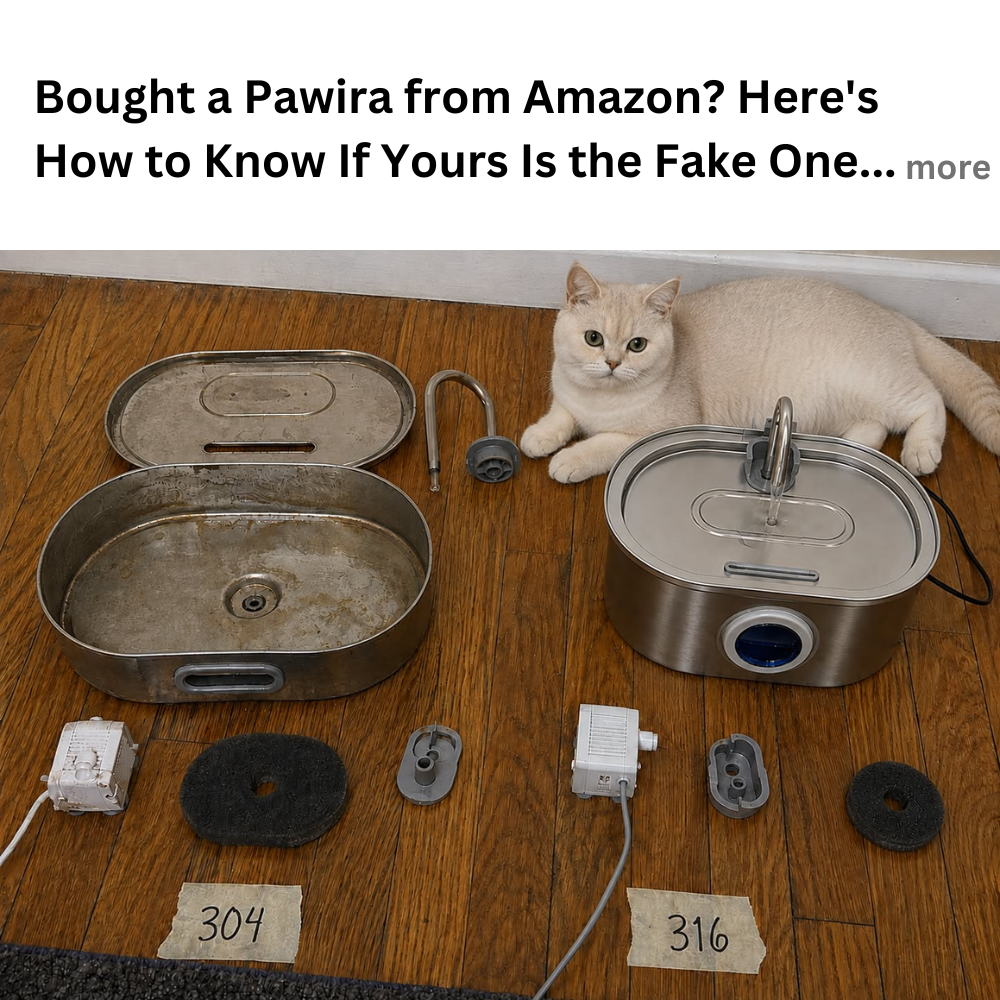
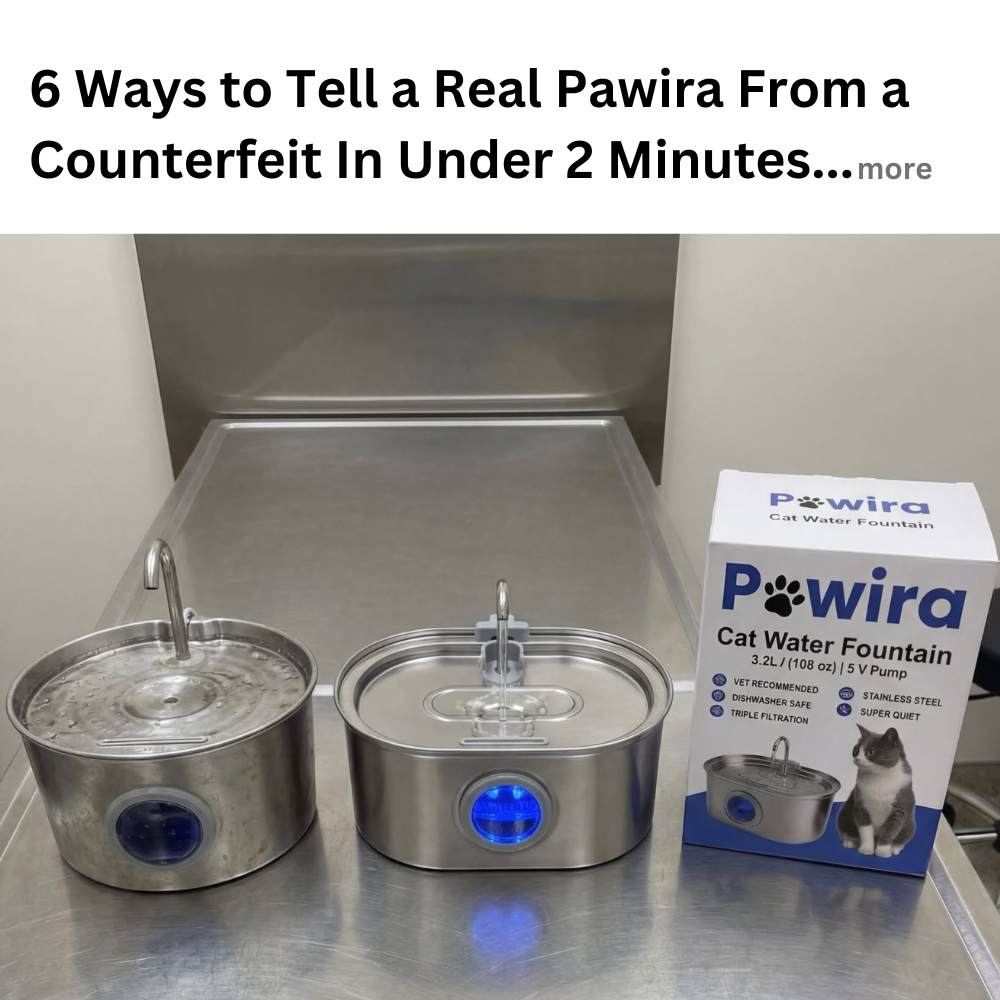
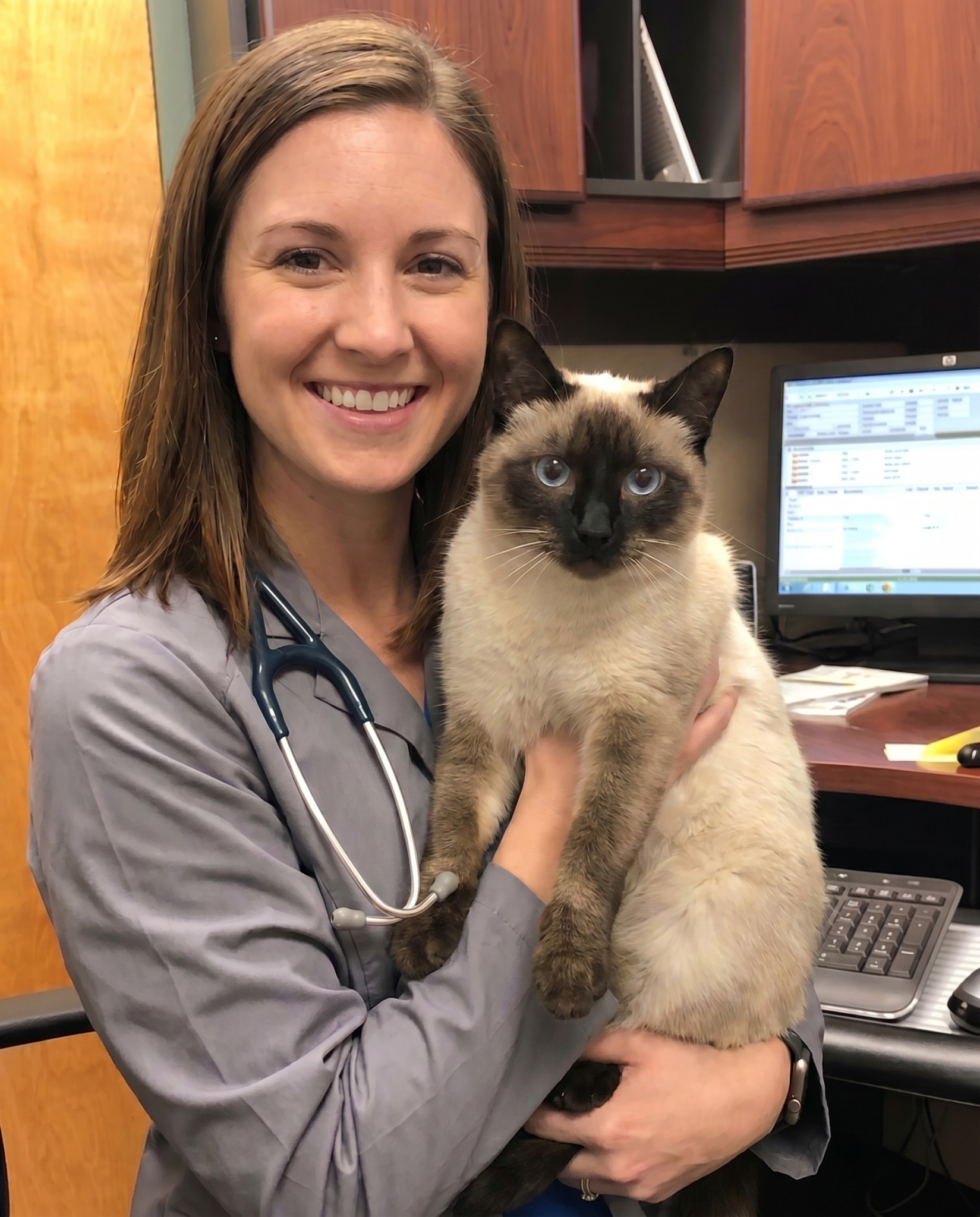
I've euthanized over 200 cats in 5 years. I stopped counting because the number started keeping me up at night. The majority died from the same thing. Kidney failure. And the majority of their owners said the same thing while I held their cat for the last time: "I had no idea anything was wrong." I'm Dr. Madison Cole. I specialize in feline internal medicine at a practice in Minneapolis. And I need to explain something that could change how long your cat lives. Kidney disease is the number one killer of cats over 7. One in three will develop it. By age 15, it's closer to 80%. And once the damage is done, it doesn't reverse. It doesn't heal. All we can do is manage it and try to slow it down. The single most important factor in preventing kidney disease is hydration. Cats who drink enough water have kidneys that function properly. Cats who don't, lose kidney tissue year after year until there's nothing left. This sounds simple. Fill a bowl. Give them water. Problem solved. It's not that simple. And the reasons are something most cat owners and even most vets don't fully understand. Let me explain why your cat is probably dehydrated right now even if you think she's fine. First, cats evolved as desert animals. In the wild, they got 70 to 80% of their water from prey. Their bodies were never designed to drink large amounts of water on their own. They have an extremely low thirst drive. They don't feel thirsty until they're already dehydrated. So even with a full bowl available around the clock, most cats don't drink nearly enough. Second, cats hide everything. Pain. Illness. Discomfort. In the wild, showing weakness makes you a target. So cats evolved to mask symptoms until their body physically can't anymore. A dehydrated cat won't act thirsty. She'll sleep a little more. Groom a little less. Slow down in ways so gradual that you chalk it up to aging or personality. By the time you notice something is actually wrong, 75% of her kidney function is already destroyed. I've had owners bring in a cat they swore was perfectly healthy. Eating fine. Playing. Seemed normal. Bloodwork comes back and the kidneys are failing. The owner breaks down. "How did I miss this?" You didn't miss it. Your cat hid it from you. That's what they do. Third, and this is the part nobody talks about enough, the water itself is working against you. Your tap water is treated to meet EPA standards for human consumption. Chlorine. Chloramine. Fluoride. Lead and mercury from aging city pipes. Pharmaceutical residue. Agricultural runoff. Whether that's actually safe for humans is a separate conversation. I personally don't drink it and I wouldn't recommend it to anyone I care about. But for a 10-pound cat, it's a different situation entirely. Your cat weighs 10 pounds. Her kidneys are the size of grapes. Every contaminant in that water is roughly fifteen times more concentrated in her system relative to her body weight. Chlorine corrodes kidney tissue at that concentration. Lead accumulates in small organs. Pharmaceutical residue was never tested on a 10-pound animal. And your cat can sense it. She has 200 million scent receptors. You have 5 million. She approaches the bowl and smells chlorine, metals, pharmaceutical traces at concentrations you'll never detect. Her instincts tell her: dangerous. So she takes a few reluctant sips and avoids it the rest of the day. Fourth, fountains. I hear it all the time. Owners telling me they've tried two or three different fountains but their cat is scared of them or just doesn't trust them. They keep buying new ones thinking the next one will be different. But it's not about trust or fear. Here's what's actually happening. Every fountain I've tested made from plastic, ceramic, or standard 304 stainless steel grows bacterial biofilm within days. It starts with your cat's saliva. Enzymes from the saliva break down into sugars. The sugars feed bacteria. Colonies form on the water surface and embed in porous materials where no brush can reach. Scrubbing creates new scratches that give bacteria more places to hide. The fountain gets more contaminated with every wash. Your cat uses it for two or three days while the water is fresh. Then her nose catches the biofilm. She walks away. You think she's picky. She's detecting contamination you can't see. So here's where most cats actually are. Low thirst drive from evolution. Hiding their dehydration from you. Tap water full of contaminants their grape-sized kidneys can't handle. Bowls and fountains growing bacteria their noses catch within days. Failed on every level. And nobody connects it until the bloodwork comes back and I'm explaining that 75% of kidney function is already gone. This is why I euthanize cats every week. Not because kidney disease is unavoidable. Because the hydration problem is far more serious than most people think and almost nobody addresses the real cause. After I found these patterns in my records, I spent months looking for something I could recommend that actually solved the full problem. A colleague at a veterinary conference mentioned Pawira. I tested it on my own cat first, then started recommending it to patients. 316 surgical-grade stainless steel. Not the 304 every other fountain uses. 304 is more porous, prone to corrosion, and bacteria grips the surface within days. 316 is what hospitals use in implants. Non-porous at the molecular level. Pawira adds an antibacterial coating on top. UV sterilization built into the base. Kills bacteria continuously before biofilm can form. The only consumer fountain with UV built in. Hospital-grade triple filtration. Removes chlorine, heavy metals, pharmaceutical residue at the molecular level. The tap water contaminants your cat is detecting with those 200 million scent receptors. Gone before the water reaches her. Continuous circulation. Water never stops moving. Biofilm needs stillness and cats instinctively trust flowing water over still water. Nearly silent. I ran bacterial counts at 72 hours and one week. Both undetectable. I've been recommending it to every patient who comes in with hydration issues or early kidney markers. Every single cat eventually started drinking from it consistently. Kidney values stabilized or improved in the majority at their three-month recheck. It's the only thing I've found that actually solves the hydration problem at its root instead of putting a bandaid on it. If your cat seems healthy but barely drinks... If you've had a fountain that got rejected after a few days... If you give your cat tap water and assume it's fine... If your cat is over 7 and you've never had her kidney values checked... Any of these apply to you. Probably more than one. Pawira. 316 surgical-grade steel with antibacterial coating. UV sterilization. Medical-grade triple filtration. Continuous circulation. Nearly silent. 30-day guarantee. Cat doesn't drink more, full refund. Lifetime warranty, anything breaks, they replace it. I've never seen another pet company stand behind their product like that. Order from pawira.com. There are fakes on Amazon using their name. They don't sell there or anywhere else. Only their website. I've euthanized over 200 cats from kidney failure. Most of them didn't have to die when they did. Most of them were dehydrated for years while their owners thought everything was fine. If this reaches one person before their cat's bloodwork tells them what they could have prevented, then writing this was worth every minute.
Read If You Have A Cat👆
Vet with 200+ euthanized cats reveals the one thing she wishes every cat owner knew before it's too late.
LEARN MORELike this ad? Make it yours.
Crush rebuilds this exact creative around your product — your brand, your colors, your offer — in about a minute.