
Active· since Jul 2, 2026
- 73
- days running
- 0
- relaunches
Ad copy
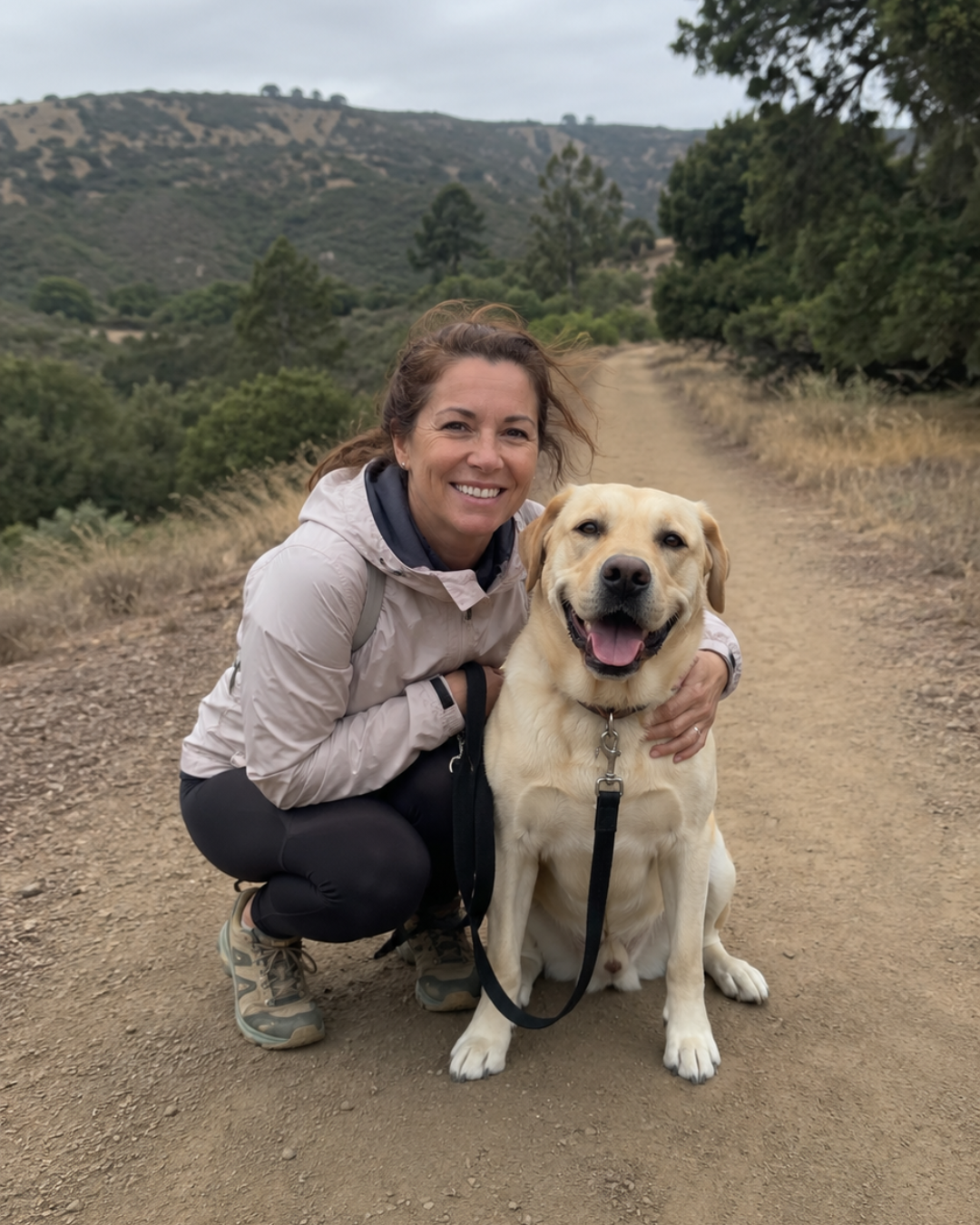
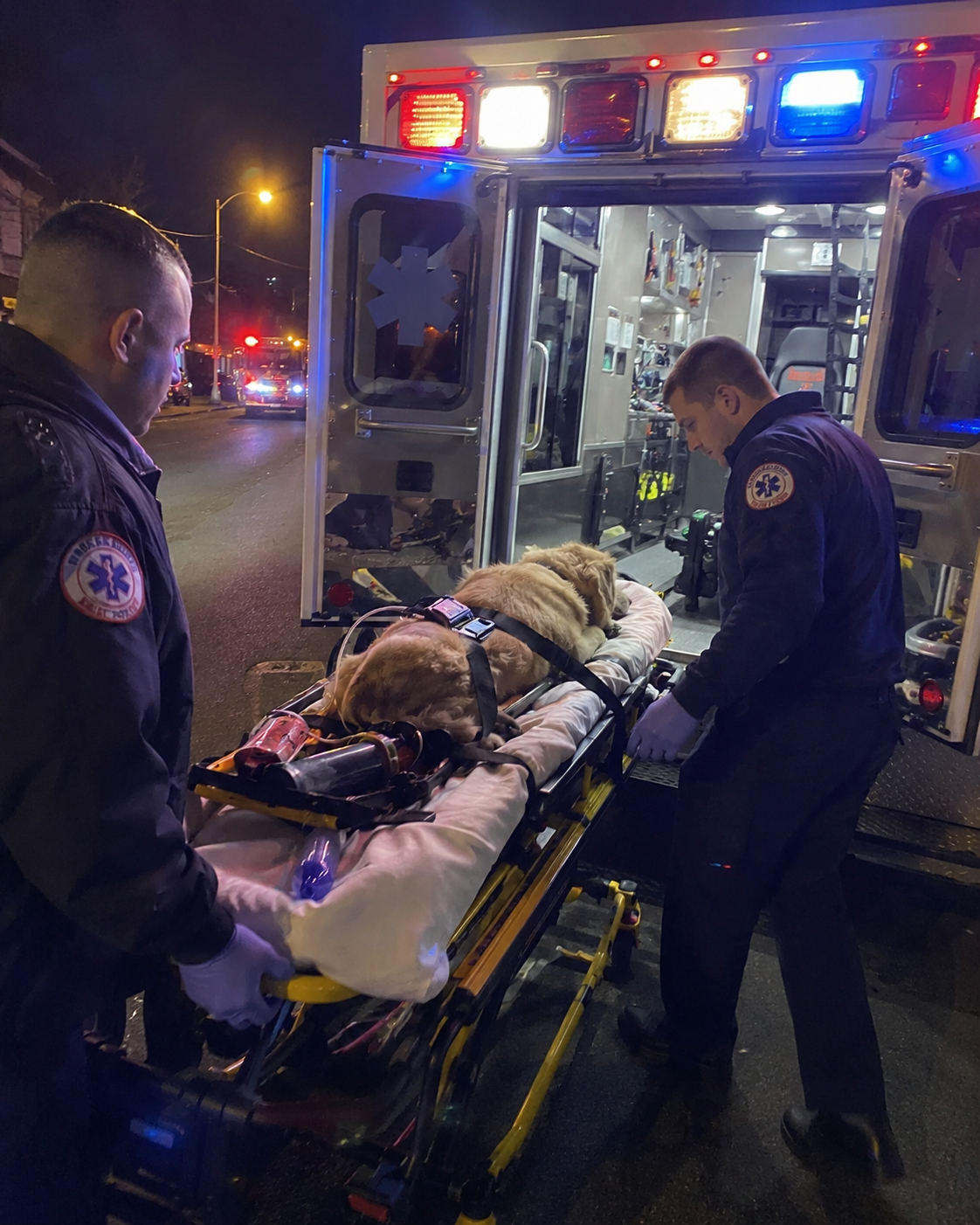
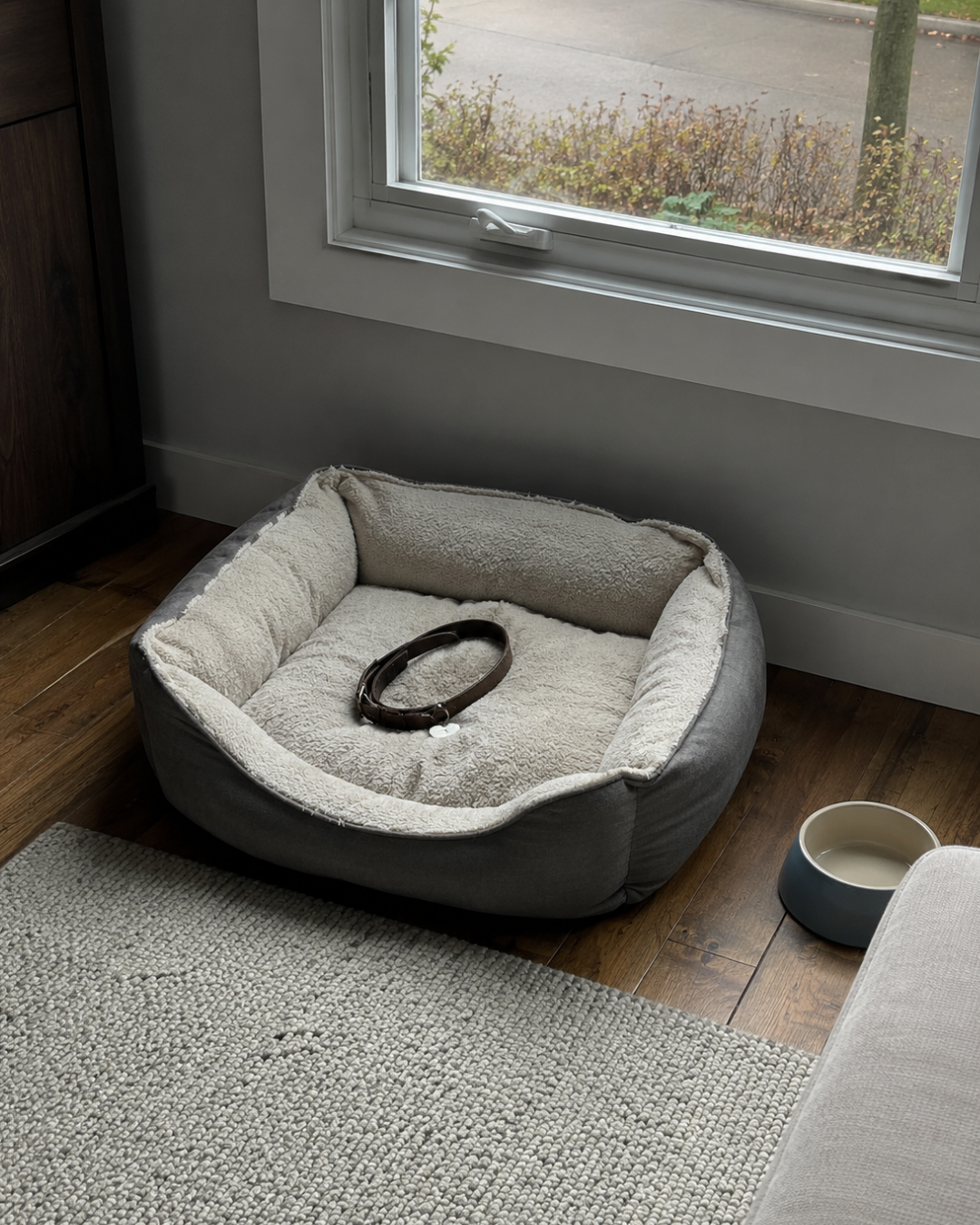
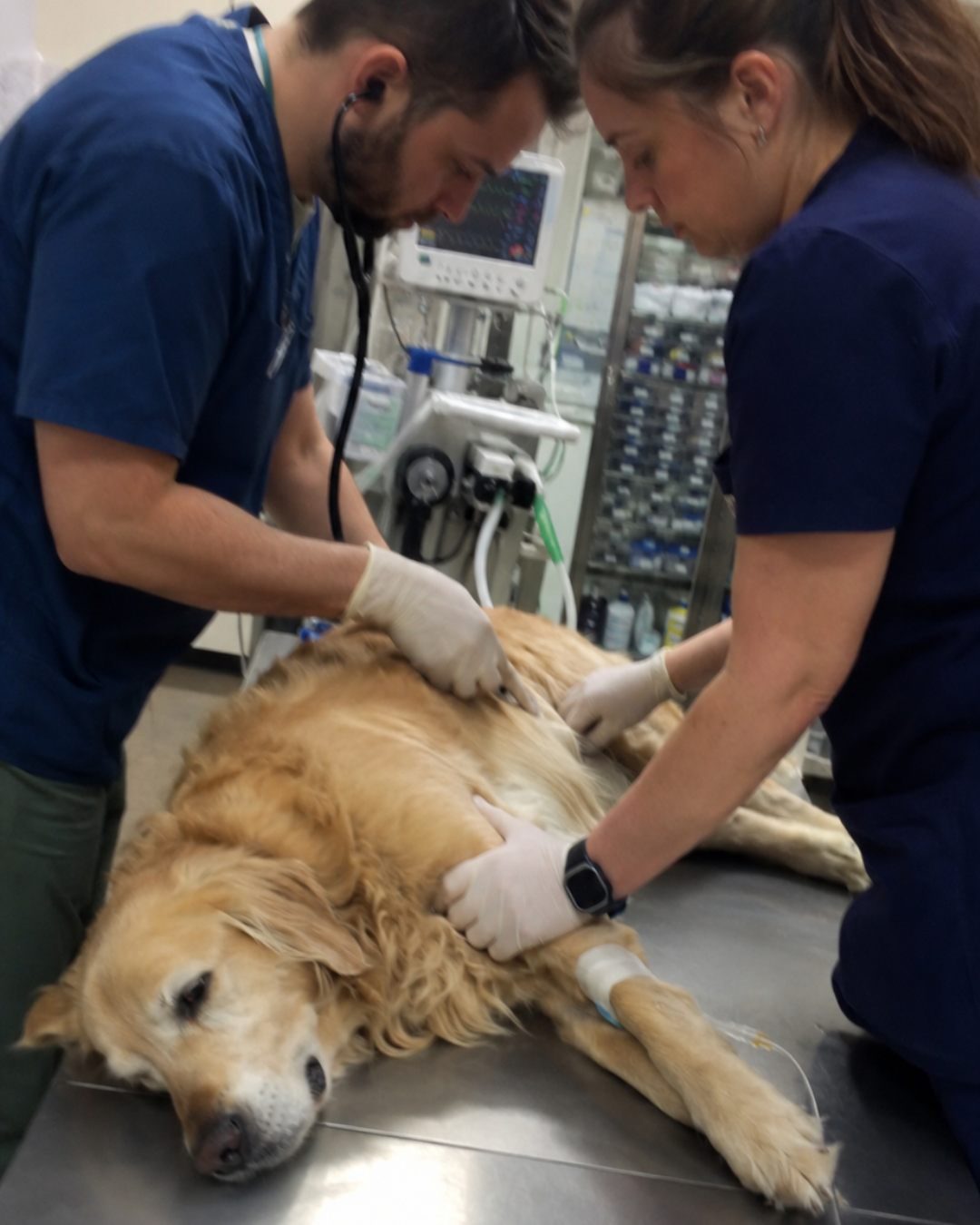
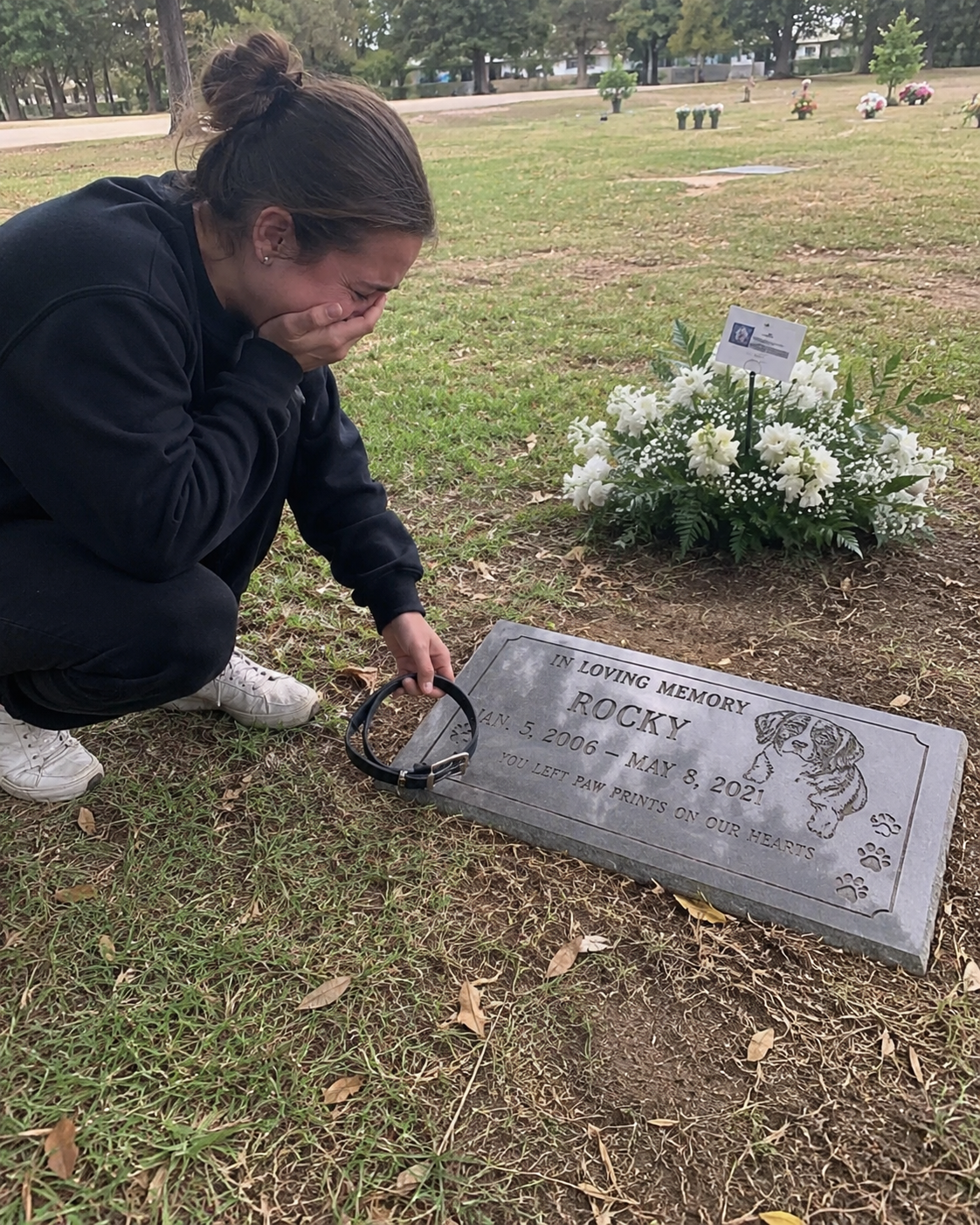
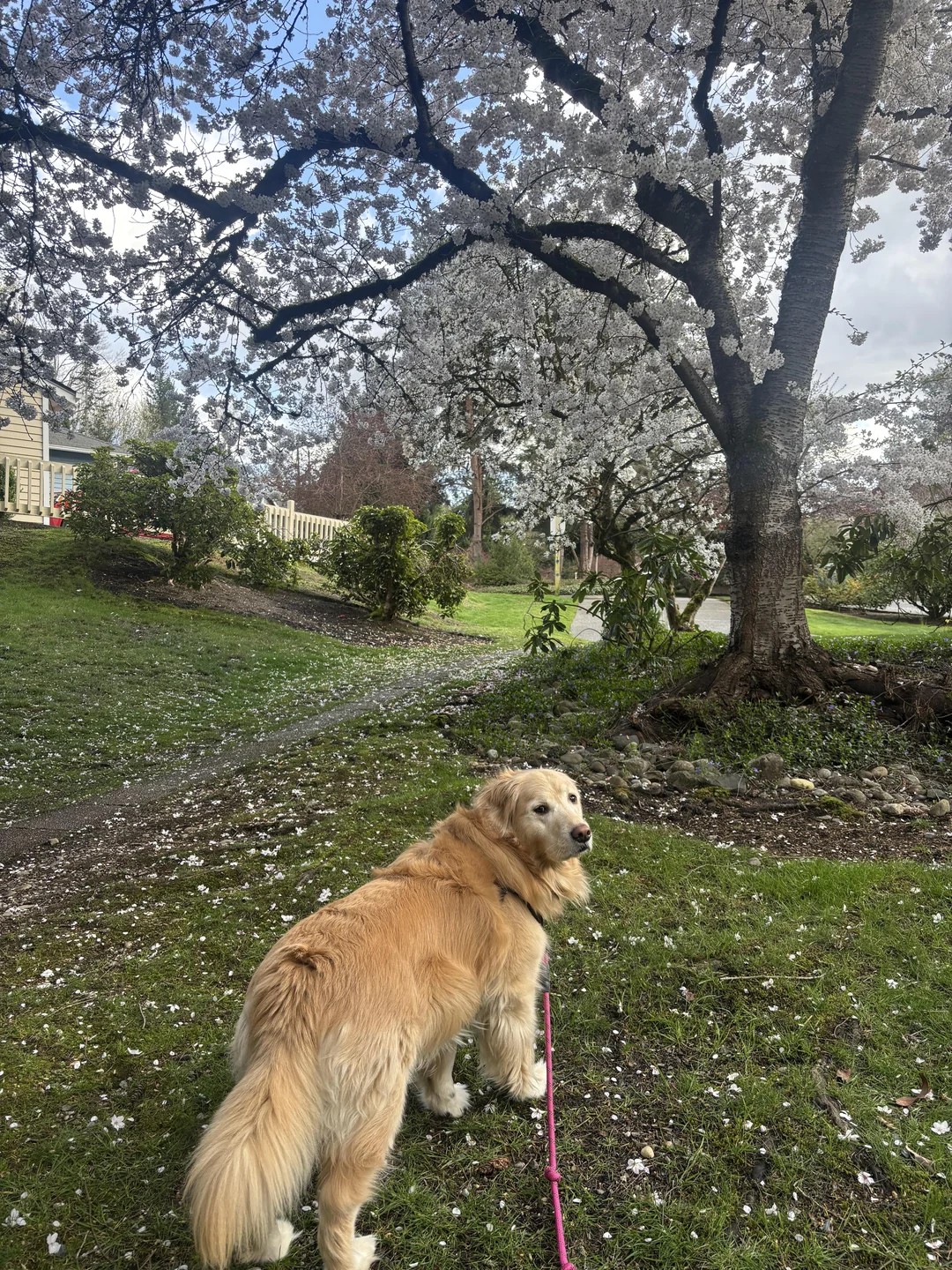
💔 Several dogs die EVERY NIGHT from heatstroke. This is Max. He was only 3 years old and perfectly healthy when he passed last week. It was only 78 degrees, and he loved his evening walks more than anything. He died last Thursday evening, on the exact same walk I take him on every night at sunset. Halfway through, Max was fine... and then abruptly, he wasn't. Let me tell you the whole thing, and everything the vet told me afterward, because there was one sign sitting in my own living room for a week before Max died. I didn't know to look for it. By the time you finish reading this, you will. And it might be the thing that saves your dog's life. Max was only 3 years old. Perfectly healthy. A golden retriever mix who loved our evening walks more than anything in the world… Our route was nothing extreme - maybe two-thirds of a mile through the neighborhood, mostly shaded. We weren't out longer than 20 minutes, maybe 30 tops. We'd done this exact walk hundreds of times before. It was 78 degrees. I had his water bottle with me like I always did, and I gave him sips the whole way, like I always did. I thought I was being a responsible dog mom. But about halfway through, something seemed wrong. At first, I thought he was just tired. But as he started panting more, I realized something was very wrong with him. Once he started to overheat, he went downhill super fast. I dumped my bottle of cold water on him to cool him down, but it made no difference. He vomited shortly after that, and that's when I ran home to get the car. When I came back, he was unconscious. I'd say from the time he started looking bad to going unconscious was less than 15 minutes. II rushed him to the emergency vet, and they initially told me he would be fine. I thought I'd caught it in time and my boy was going to be okay. An hour later, they called me back. He wasn't getting any better. I had to say goodbye to my best friend that night. I'm not looking for pity. I know some people will say I should have known better, and they're probably right. I want to put this out there so people are aware and don't make the same mistake. What the vet told me after changed everything I thought I knew about dog safety in the summer: "In the summer, we have a few dogs die every night from heat exhaustion." Every. Single. Night. Not dogs left in hot cars. Not dogs with careless owners. Dogs like Max. With moms like me. I told him it was the same route we always take. The same time of day. Cooler than a lot of evenings, even. He looked at me with this tired, sad expression, like he'd had this exact conversation a hundred times. "I hear that all the time," he said. "Just a couple degrees difference. Them drinking slightly less water. Or even just being hotter at home that day. Any of it can make all the difference." Then he said the thing that broke me. "The owners who lose dogs to heat stroke are usually the ones trying hardest to be good dog parents. They're out walking them, giving them exercise and attention. The tragedy is, they're doing it out of love." That hit me like a truck. I wasn't negligent. I was doing everything I thought was right. He explained that most people have no idea how quickly dogs can overheat. "They're fine, fine, fine… until suddenly they're NOT," he said. "By the time you see the symptoms, you're already in the danger zone." I started thinking about all the times I'd seen dogs panting heavily on walks and thought, "At least they're getting exercise." All the times I'd taken Max out because I felt guilty keeping him inside. All the walks where I thought I was being a good dog mom. These are are the 6 things EVERY dog parent should know to keep their pup safe: 1: Never walk when it's above 85 degrees - even 76 degrees with humidity can be deadly 2: Test the ground with your hand - If it's too hot for you to hold the back of your hand on the pavement for 5 seconds, it's too hot for their paws. 3: Watch for a excessive panting & gray tongue - Excessive panting is obvious, but a grayish tongue instead of pink means they're already at risk. 4: Dogs can't sweat... they have a tipping point because they can only cool down through panting and tiny amounts through their paw pads. 5: It happens faster than you think - things can go from "seems fine" to "something's wrong" in seconds. 6: (This is the root cause behind heatstroke that 99% miss...) Make sure your dog isn't stressed from heat at home I mentioned before that prevention is the most important thing. But "prevention" is not just checking things 5 minutes before a walk. It goes way beyond that. It's important that dogs aren't already starting to overwork their cooling system at home. If a dog is already stressed from sitting inside a hot house, even a mild walk can push them over the edge. As the vet explained it, I realized this was probably what happened to Max. My house has normal air conditioning, but nothing crazy. It had been warm inside all day - probably around 76-78 degrees. Not uncomfortable for me, but for a dog in a fur coat who can't sweat? Max had likely been mildly overheated before we even left the house. "What was it like inside your house that day?" I told him the truth. My AC works, but nothing crazy. It had been warm in there all day, probably 76 to 78. Comfortable for me. He nodded slowly. "For a dog in a fur coat who can't sweat, 76 inside isn't comfortable. It's work. He'd already been panting lightly to cool himself down all day, before you ever clipped the leash on. His cooling system was already running on empty." "Think of it this way," he said. "If you spent all day in a sauna, and then someone turned it up and asked you to run a marathon inside, how would that go?" That's what I'd done to Max. Not on purpose. Out of love. But that's what happened. He spent the whole day quietly working to stay cool in a warm house, and then I took him out and asked his body for more than it had left. The walk didn't kill my dog. The walk was just the last straw. And then he said one more thing, almost gently, and it's the sentence that haunts me most. "The dogs we lose are usually overheating at home for days before it happens. The owners just don't recognize it. The dog gets restless. Stops sleeping in their bed. Starts lying on the bare floor like the tile, the bathroom, the hardwood. People think it's a cute little quirk. It's a cry for help." I went cold. Because all that week, Max had stopped sleeping in his bed. He'd been lying on the kitchen tile. I'd noticed it. I'd even joked about it to my sister. He was telling me he was overheating. Every single night. And I didn't understand the language. If I had put it together he might still be here. After I lost him, I couldn't let it go. I needed to understand what I should have done. Partly so I could maybe save someone else's dog, and partly, if I'm honest, because the guilt wouldn't let me sleep. So I did what you're probably doing right now. I started reading. Late at night, for hours. Dog forums, Reddit threads, vet articles. And the stories were everywhere. The exact same story, over and over, in other people's words. "My beagle started leaving her spot on the bed for the hard floor in the middle of the night." "He's flat as a pancake on the kitchen tile every single day now." "He needs his soft bed for his old joints, but the bed makes him overheat, so he just keeps moving from bed to floor and back, panting all night, struggling to get up." Every one of those dogs was doing what Max did. Begging for cold. So the real answer, the thing the vet kept coming back to, was prevention. Not five minutes before a walk. All day. Keeping them from ever starting to overheat at home, so they're never already halfway to the tipping point before the walk even begins. The question was how. I asked my vet a few things and researched the rest obsessively. Here are my vets 4 recommendations for your dog: Kiddie pools came up a lot. They're cheap, and if you've got a backyard and a dog who likes water, they're not nothing. But they're messy, you can't use one inside, you have to watch the dog the whole time, and most dogs won't actually choose to go lie in one when they're hot. Not a real all-day solution. Elevated mesh beds were next. They lift the dog off the ground and let air flow underneath. The two problems are that good ones run over $250, and while they help with airflow, they don't provide direct cooling relief. They just keep the floor's heat off them. On a hot day, moving air isn't enough. Then fans. Better than nothing, but fans don't cool dogs the way they cool us. I'd always assumed a fan would help. It barely does. We cool down through sweat evaporation; dogs primarily cool through panting and through their paw pads. A fan just moves hot air around. The CDC even warns that above about 90 degrees, a fan can make things worse, not better. CDC article: https://www.cdc.gov/heat-health/about/index.html My vet said cooling mats are usually the best option for dog owners. EXCEPT for GEL cooling mats. Most cooling mats on the market are gel. And the vet told me, flatly, to stay away from gel. If a dog chews or punctures one they can swallow the gel inside. Even the ones labeled "non-toxic" are still gel, still a risk, and still the last thing you want inside your dog. What he actually recommended was a completely different kind. A fabric cooling mat. No gel, no water, no electricity. The good ones are made of a cooling fabric that pulls heat away from whatever's touching it, so the surface stays colder than the room and cool to the touch, all the time. The dog lies down, and the mat draws the heat right out of their body. No tipping point. No spiral. Just relief the moment they start to feel hot. Since most of the ones on the market are gel, and I don't want anyone's dog being hurt, I'm going to link to the company my vet recommends: https://trybarkly.com/products/dog-cooling-mat I bought one the week after Max passed away. I know how that sounds. I didn't even have a dog anymore. My sister has a senior lab, Cooper, so I gave it to her. She texted me three days later. Cooper hadn't left the mat. For the first time all summer, he was sleeping through the night, on something soft, without panting. He'd stopped the bed-to-floor shuffle completely. "I didn't realize how much he was struggling," she wrote. I read that text and cried. But you can still do it for yours. So don't keep going the way most good dog parents are. The daily walks, the water, the shade, all the right things. The ones whose dog keeps lying on the cold floor and you keep thinking it's a quirk. And maybe you get lucky for years. Or maybe one ordinary evening, at a temperature that never once scared you, your dog crosses a line you didn't know existed, and you get fifteen minutes that you will replay for the rest of your life. Recognize the sign for what it actually is. You give your dog a cold place to lie down at home, so they never start the day on empty. I didn't have this information. You do. I hope this article helps even one dog's life. I don't know if I'm the right person to be giving advice, but please help others avoid the same mistakes I made. Every share of Max's story helps. — Jenny Howe SHORT SUMMARY: 1: Never walk above 85° - Even 76° with humidity is dangerous 2: Test pavement temperature - Do the 5-second hand test before walks 3: Watch for gray tongue & excessive panting - Catch these signs early to save your pup 4: Understand the tipping point - Panting can create more heat than it removes 5: It happens in seconds - They're fine until they're NOT 6: Keep them cool at home - Something like a cooling mat helps prevent heat stress buildup
Like this ad? Make it yours.
Crush rebuilds this exact creative around your product — your brand, your colors, your offer — in about a minute.