
Inactive· since Jul 24, 2026
- 20
- days it ran
- 0
- relaunches
Ad copy
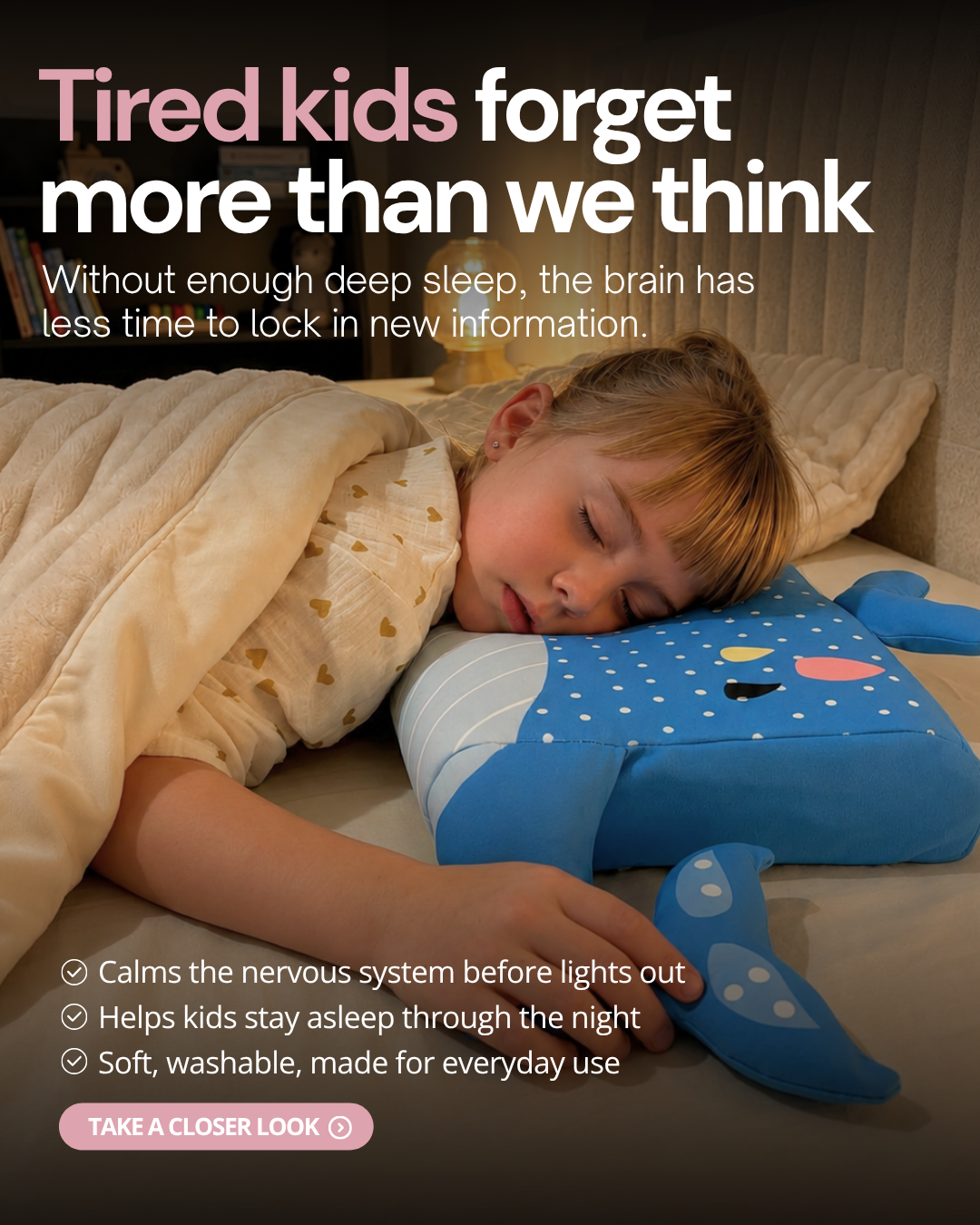
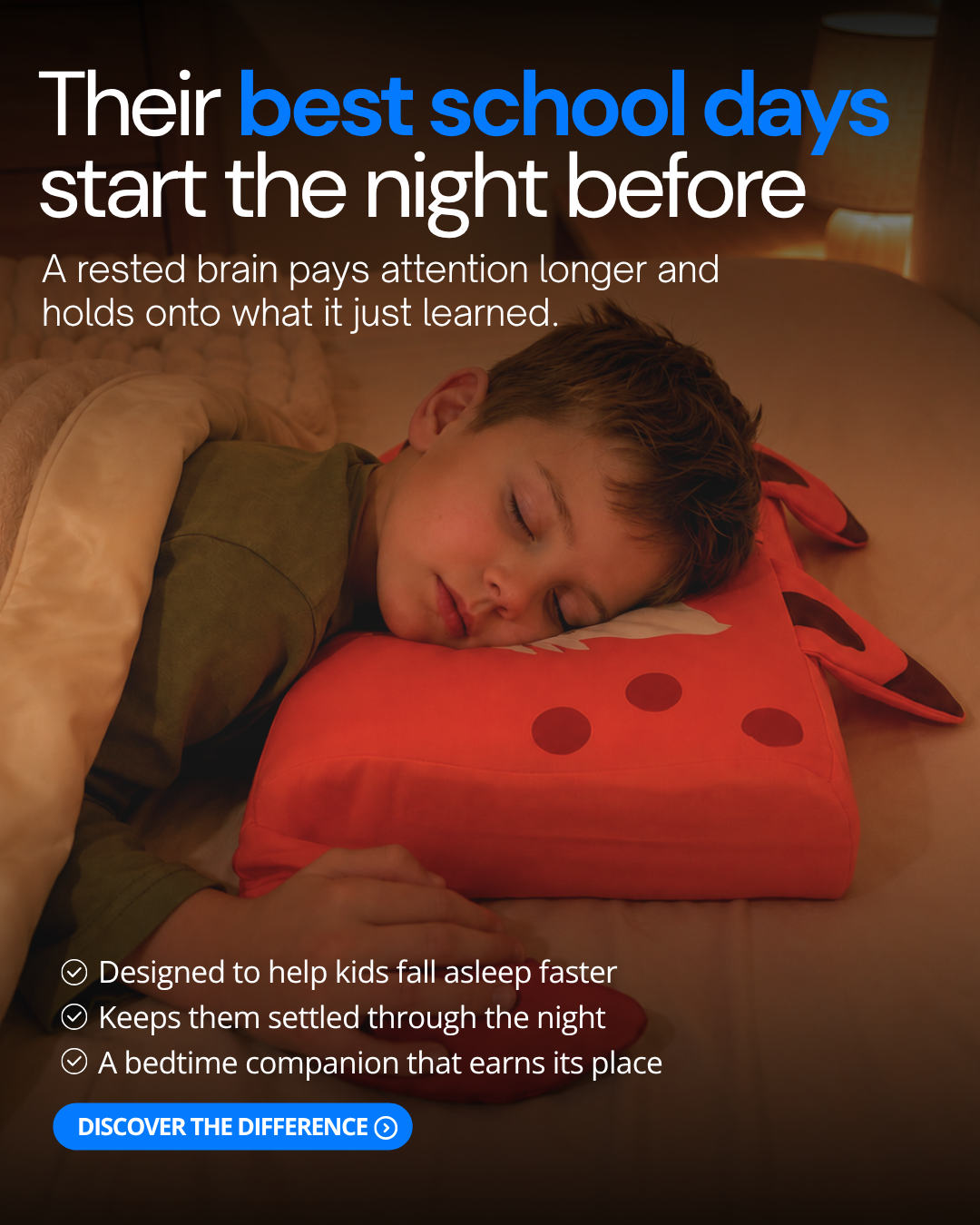
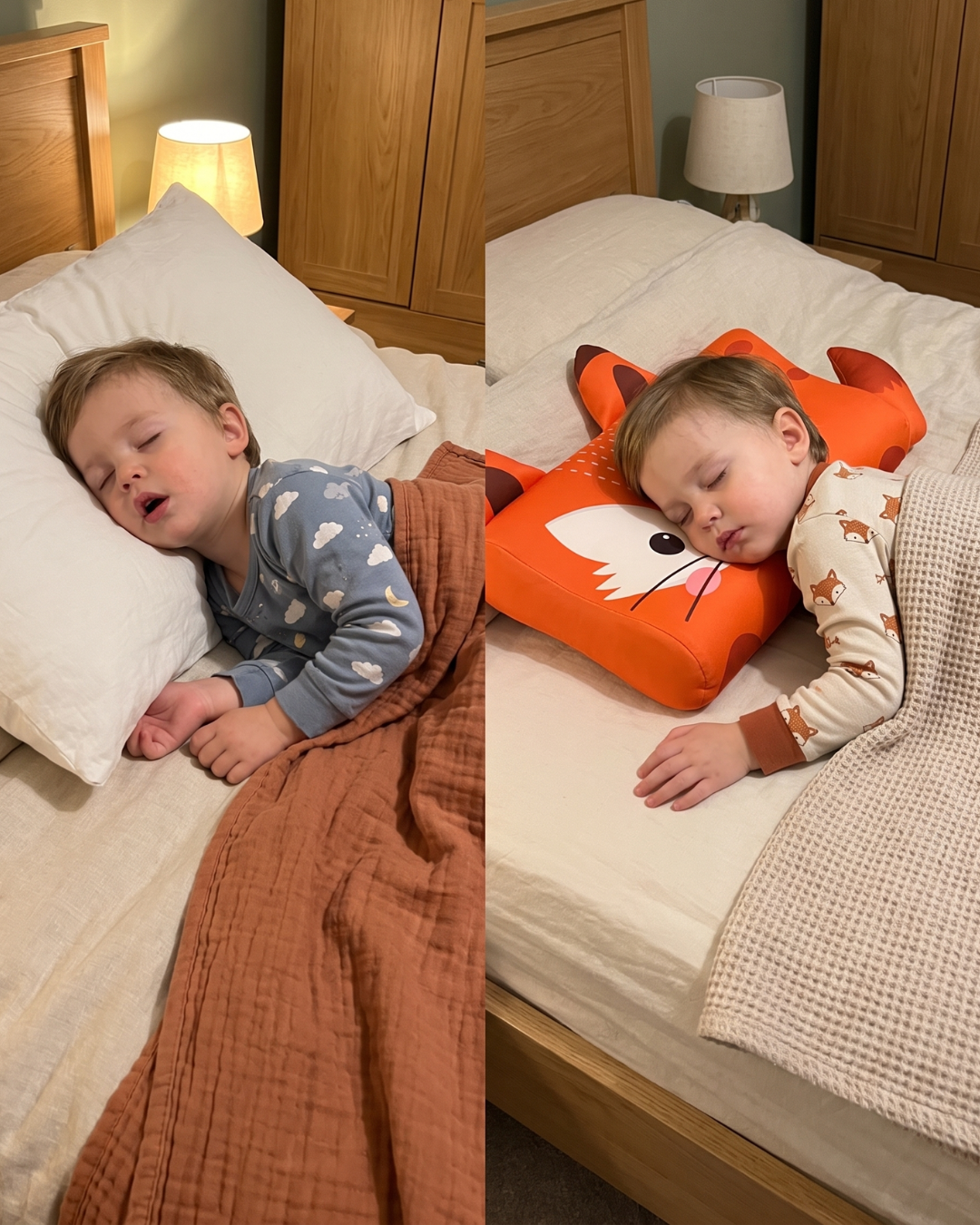
I've been following sleep research for 11 years. Last spring, a single sentence from a parent in my comments stopped me completely. I'm a pediatric sleep consultant. Have been since my own child was a toddler. Helping families fix bedtime isn't what I do. It's who I am. Which is why I'm still surprised it took me this long to understand what I'm about to share. For three years, I quietly watched my own child struggle with the one thing I was supposed to know everything about. Riley was four when the evenings stopped working. Not for Riley. For us. Bedtime at half past seven became a battle that stretched past ten. Not screaming. Not tantrums. Something quieter and harder to watch. Riley lying there, eyes wide open, whispering: "I'm trying, Mommy. My brain won't stop." Every. Single. Night. During the day: explosive over nothing. Couldn't finish a meal. Couldn't sit through a book. Started things and walked away from them in minutes. On a Wednesday in October, the teacher called. Not to report an incident. Just to ask if everything was okay at home. "Riley seems exhausted," she said. "But not the kind of tired that sleep fixes. Like something is running in the background all the time." I knew exactly what she meant. I just didn't have an answer. I told myself I was objective. That I would find the solution the way I always did. We tried everything. Bath, book, dim light, same sequence every night. Six weeks. Nothing changed. Magnesium supplements. A weighted blanket. White noise at three different volumes. A stricter no-screens rule that turned our evenings into a negotiation. A lavender diffuser that made the room smell like a spa and did absolutely nothing for sleep. I adjusted sleep windows. I shifted wake times. I restructured the entire pre-bed routine based on the latest research I had recommended to hundreds of other families. Riley slept no better. I remember sitting on the edge of the bed one Friday night, Riley finally asleep from pure exhaustion beside me, and thinking: I teach other parents how to do this. And I cannot do it for my own child. That thought stayed with me for a long time. Then came the comment that changed everything. A parent had replied to one of my posts about overstimulated children. She wrote: "What finally worked for us wasn't a routine at all. It was giving my child something to do with their hands while they fell asleep. Their body needed an outlet before their brain could let go." I had read variations of that sentence before. Sensory regulation. Tactile input. Bottom-up calming. I knew the theory. But I had never connected it to what Riley was doing every single night. Because Riley always fell asleep holding something. A corner of the duvet. A sleeve. Whatever was closest. The hands were always moving, always searching, always needing something to anchor to. It wasn't a habit. It was the nervous system asking for what it needed. That night I started researching differently. Not sleep schedules. Not cortisol curves. Not melatonin timing. I looked for what happens in the body when a child cannot self-regulate at bedtime. What the hands are actually doing when they fidget. What the brain is waiting for before it allows the shift from alert to calm. What I found had been in occupational therapy literature for years. Children with sensitive or overactive nervous systems don't respond to stillness. They respond to input. Gentle, repetitive tactile contact activates what researchers call C-tactile afferents. Nerve fibres in the skin tuned specifically to slow, soft touch. They send signals directly to the parts of the brain that manage emotional regulation and calm. Heart rate drops. Breathing slows. The nervous system finally receives the message it has been waiting for all evening. You cannot tell a child's nervous system to calm down. But you can give it something to respond to. I kept reading. At some point I came across parents describing a specific pillow. Not a weighted blanket. Not a regular comfort object. Something designed with small tactile elements built into the surface. Buttons, textures, raised seams. Something for the hands to find and return to, slowly, in the dark. The Bombees Calming Kids Pillow. I ordered it without telling Riley what it was for. I didn't want to create any expectation. I just put it on the bed and said nothing. Riley picked it up immediately. Ran both thumbs along the edge. Pressed a cheek into the corner. Then, without being asked, lay down. Twenty-two minutes later, Riley was asleep. I sat outside the door and cried. Not from relief. From the realization that the answer had been this simple the whole time, and I had spent three years looking everywhere except here. That was four months ago. The teacher called again last week. Unprompted. "I don't know what changed," she said. "But Riley is a different child. Focused. Patient. Happy in the mornings. I wanted to make sure you knew." I told her about the pillow. She asked me to send the link for two other children in her class. I'm sharing this because I know there are parents reading this who are where I was. Who have tried everything the research recommends. Who feel like they are failing a child they would do anything for. You are not failing. The approach is wrong. Not because you chose badly. Because nobody told you that some children's nervous systems cannot be reasoned into calm. They need to arrive there through the body, not the mind. One thing before you go looking. There are versions on Amazon that look identical. Same shape, same size, similar photos. A parent I know ordered one and her child felt nothing different after three weeks. When she looked closely, there were no tactile elements built in. Just soft filling inside a smooth cover. The fidget mechanics are the entire point. Without them, it is just a pillow. Order from the official Bombees site. The link is below. They are running 50% off at the moment and there is a 60-night trial. If your child does not sleep better, you return it and pay nothing. No forms. No questions. Riley's pillow has been washed twelve times. It goes everywhere we go. Your child is not broken. They are overtired. And so are you. Go read the full story below. Then decide. https://www.bombees.com/pages/calmingpillow-adv-1
Like this ad? Make it yours.
Crush rebuilds this exact creative around your product — your brand, your colors, your offer — in about a minute.