Elizabeth white
Elizabeth white Facebook ad: “Menopause: How did they get their hair back?”
Ran for 5 days, from May 26 to May 30, 2026, the last day Crush saw it.
Run by Elizabeth white on Facebook. Crush is not the advertiser and does not verify its claims. See this ad in Meta's Ad Library(opens in a new tab)
Want an ad like this for your product?
Crush makes new ad images for your product from this ad: your logo, your product photo, your offer.
Trials from $19.95 USD, then $79.95 USD a month. Cancel anytime.
About this ad
- Meta Ad Library ID
- 1516368700155139
- Platforms
- Facebook and Instagram
- Relaunches
- 0
- Niche
- Hair Care
Ad text
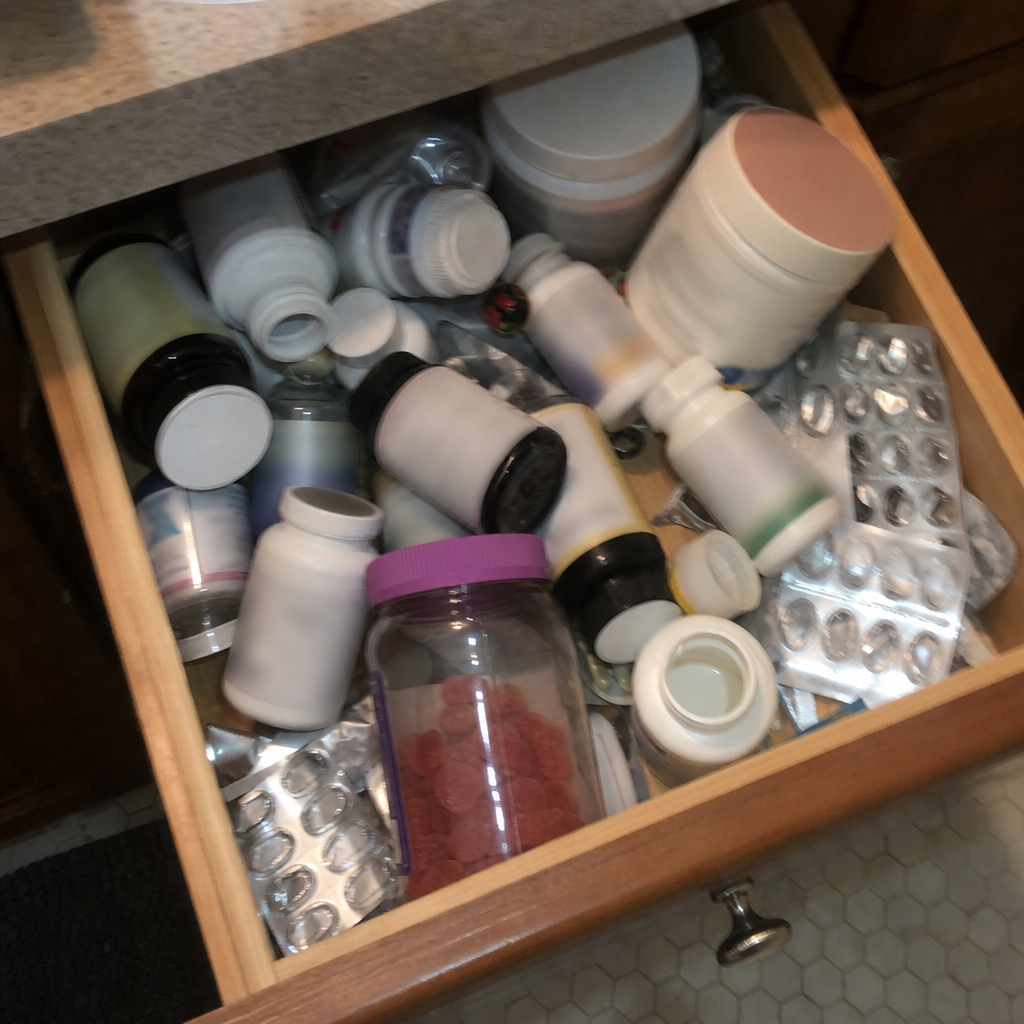
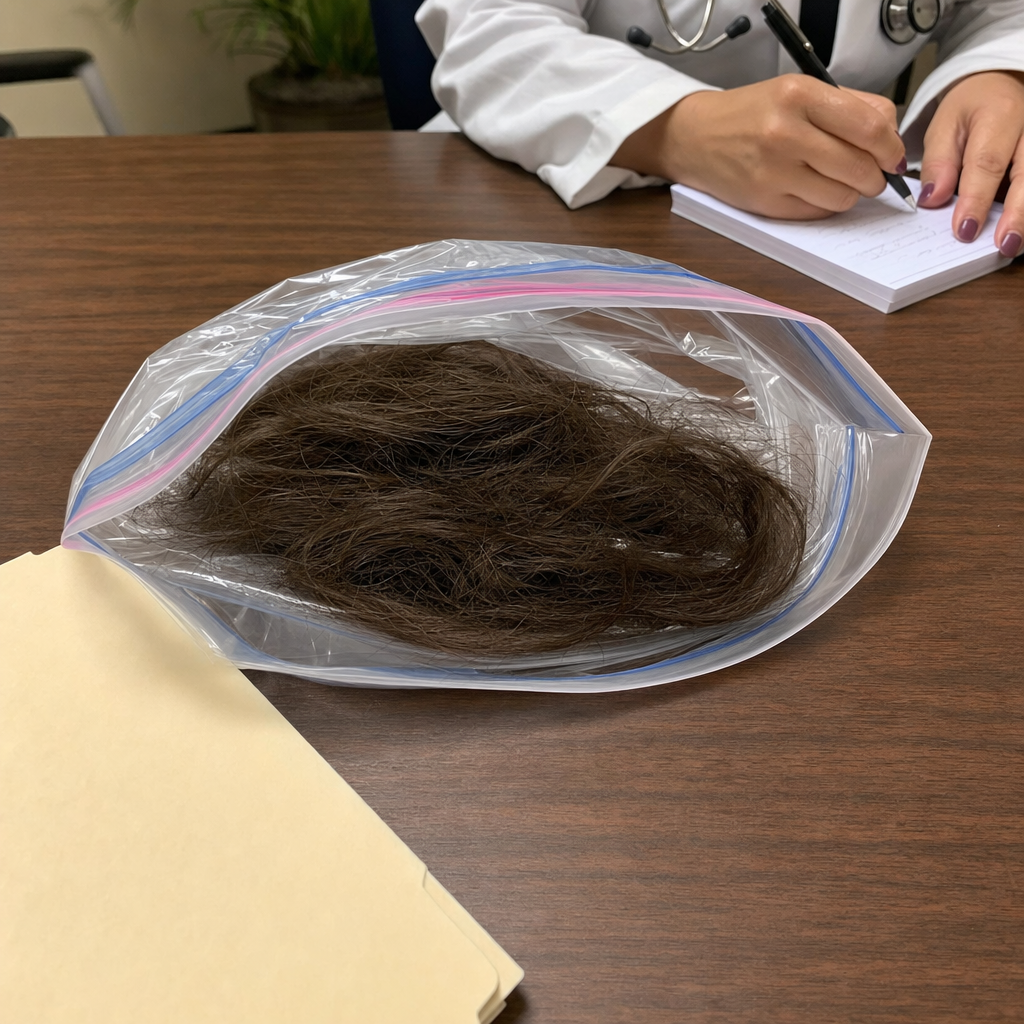
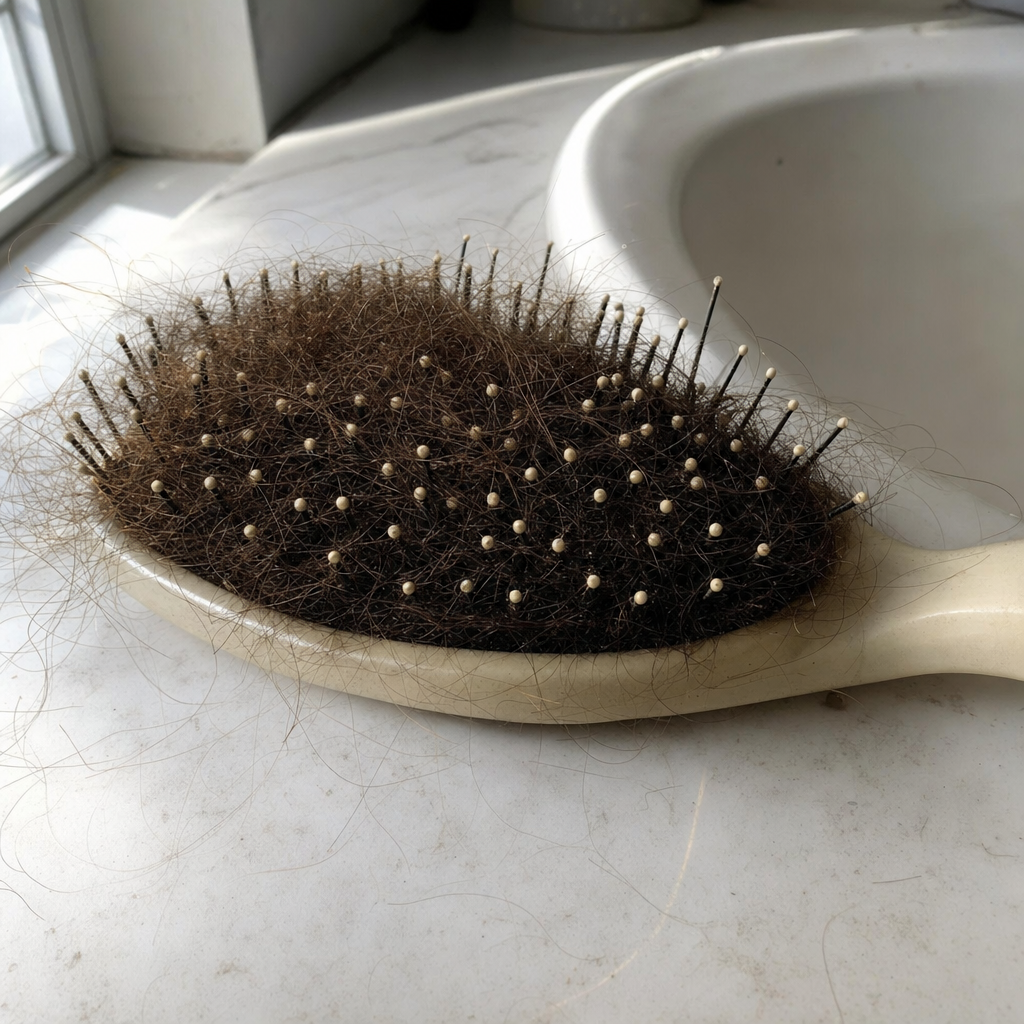
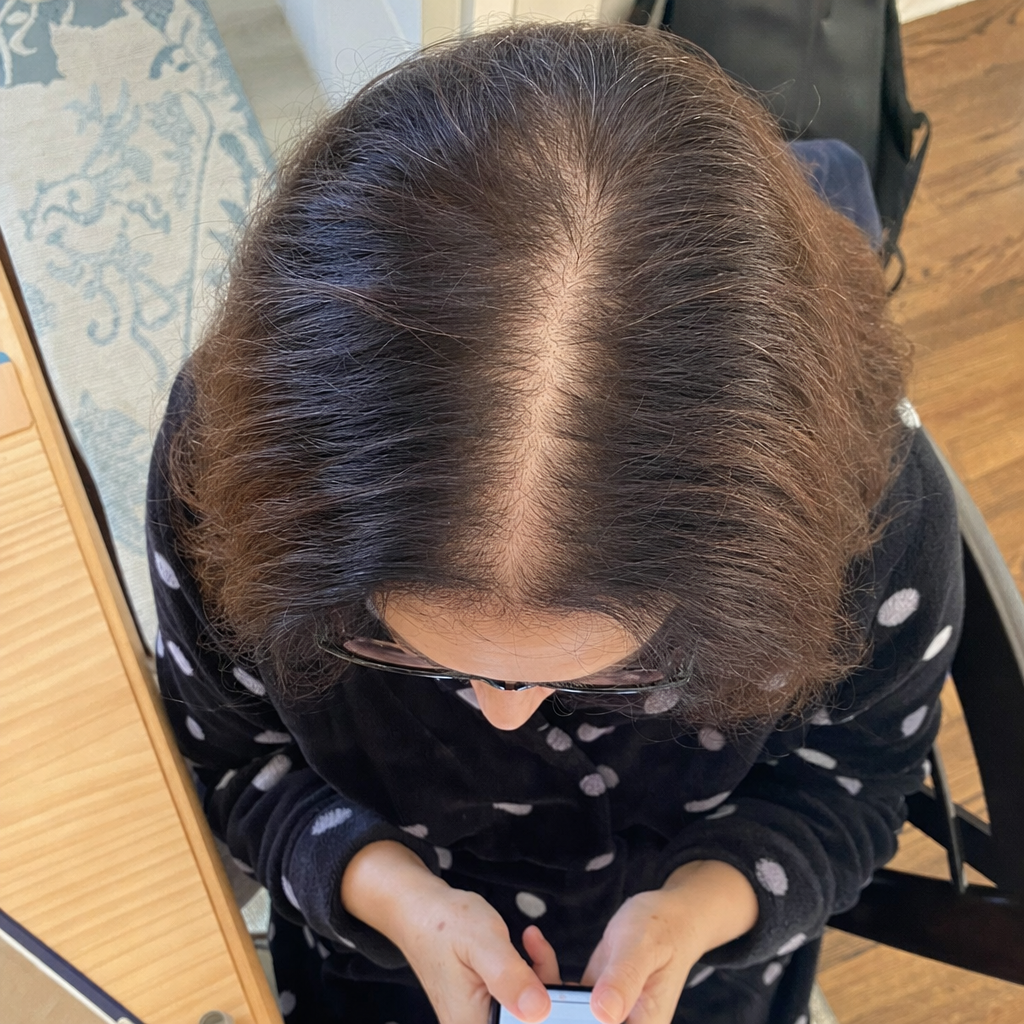
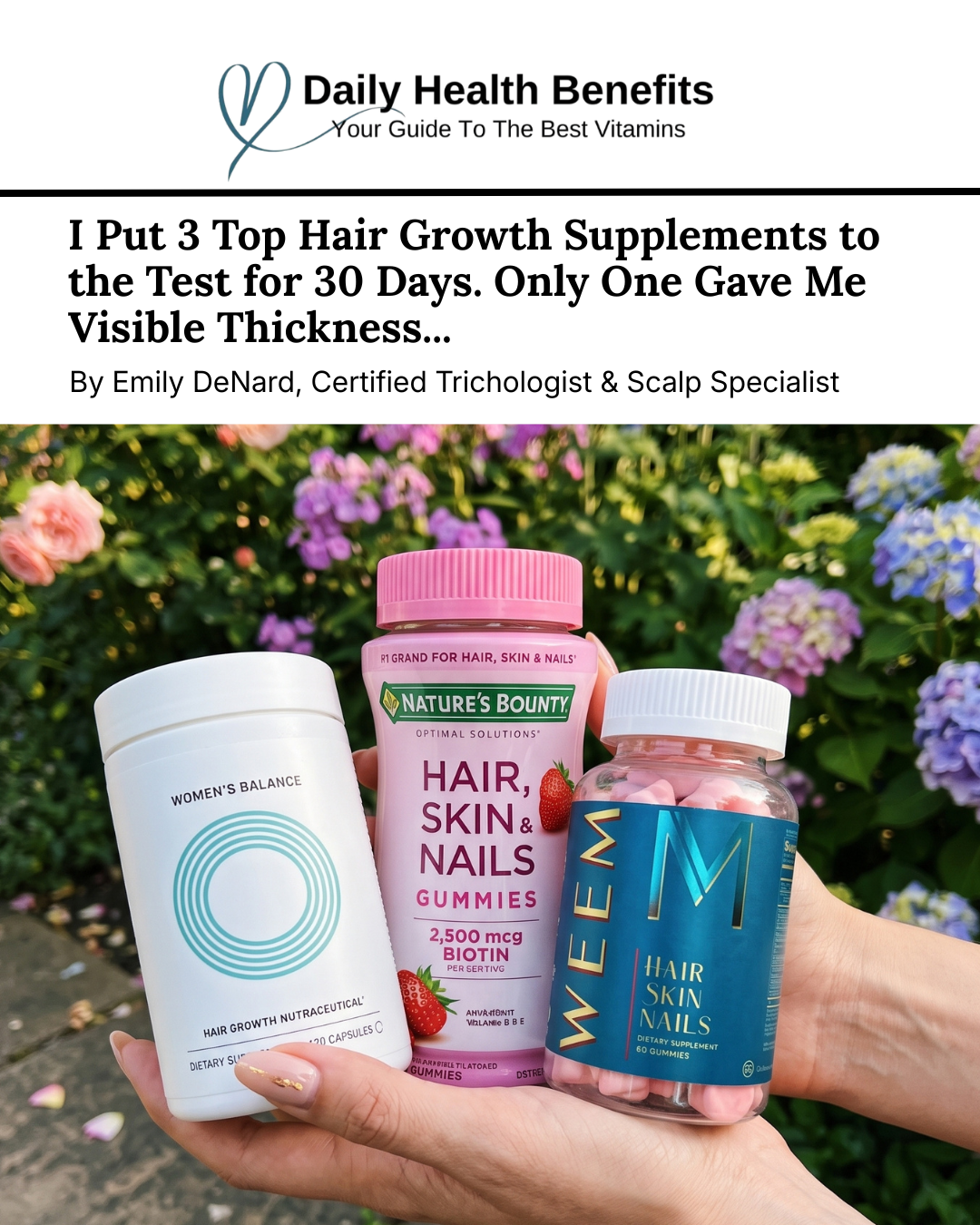
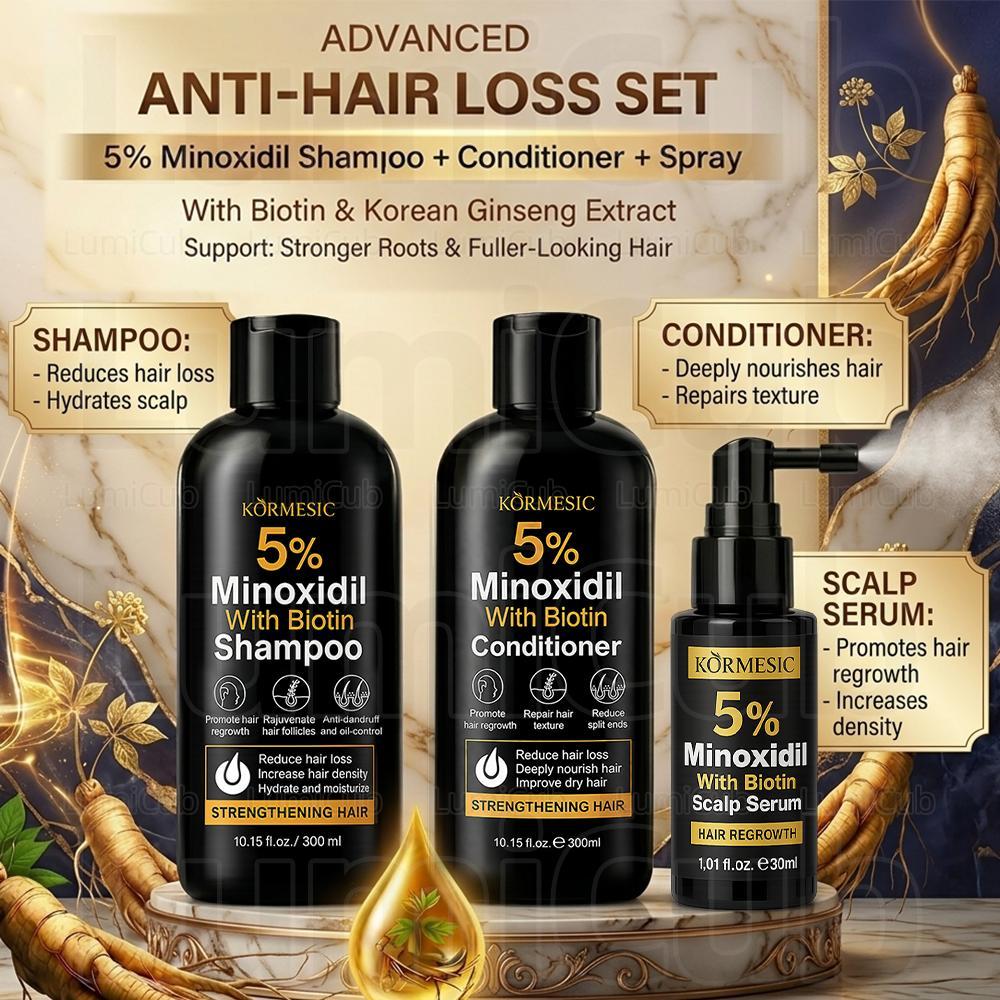
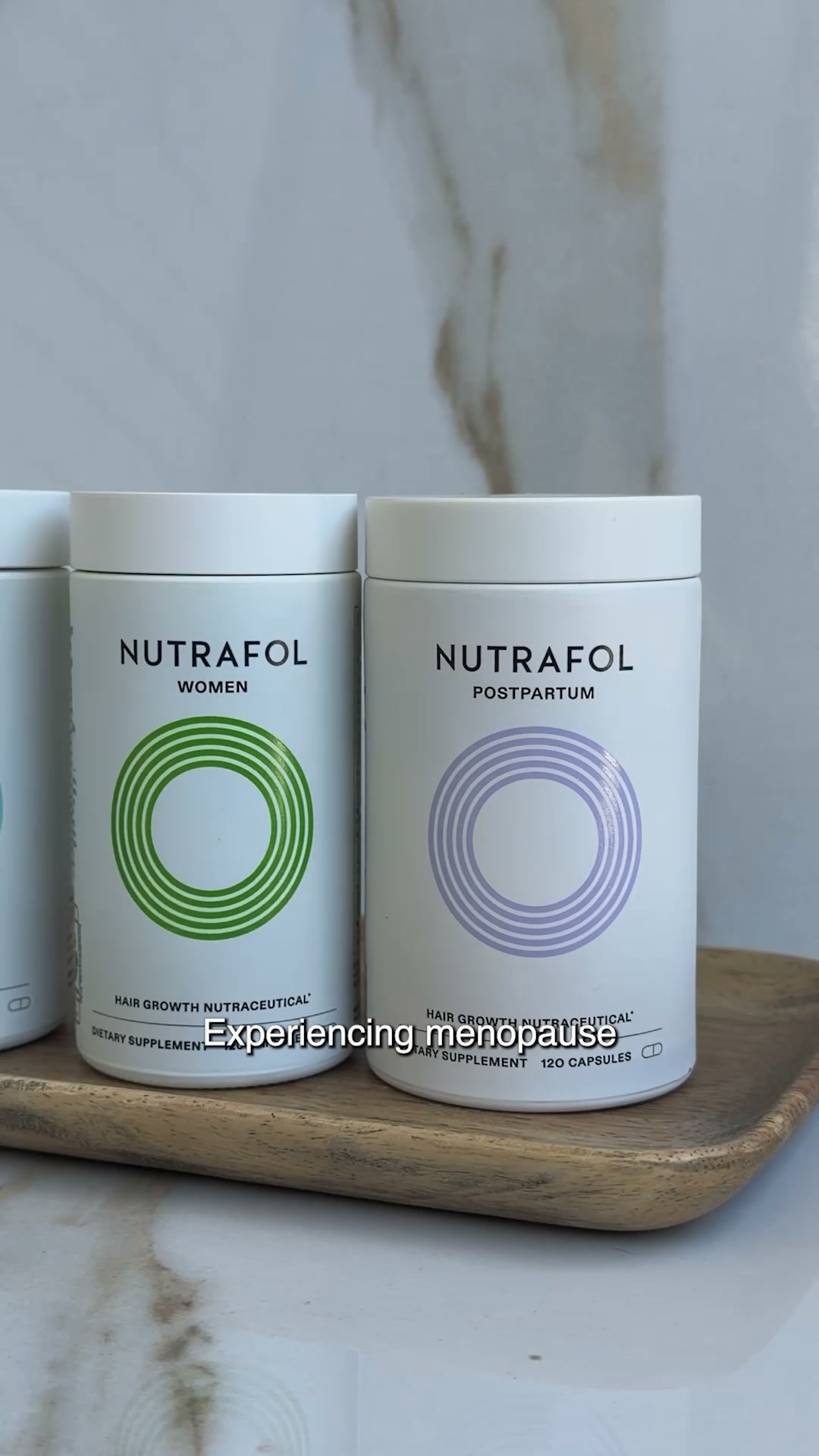
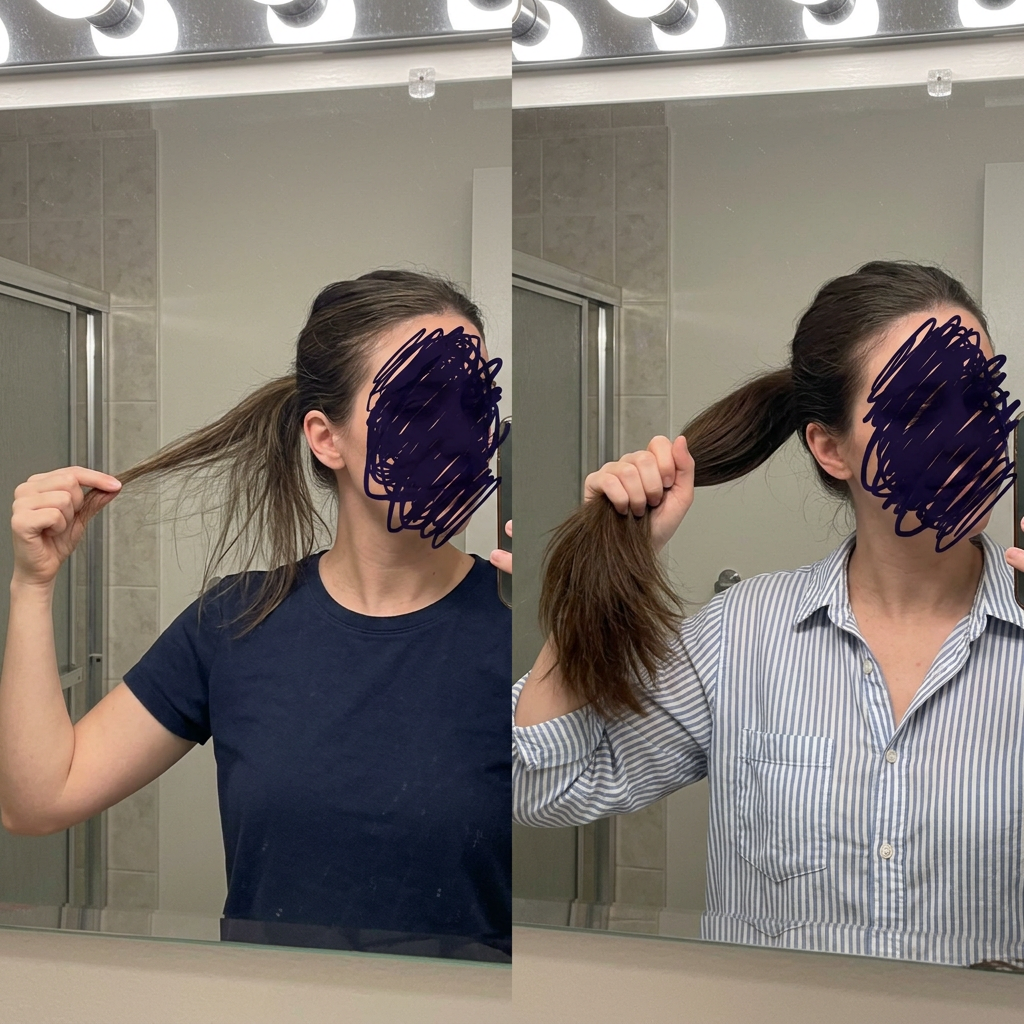
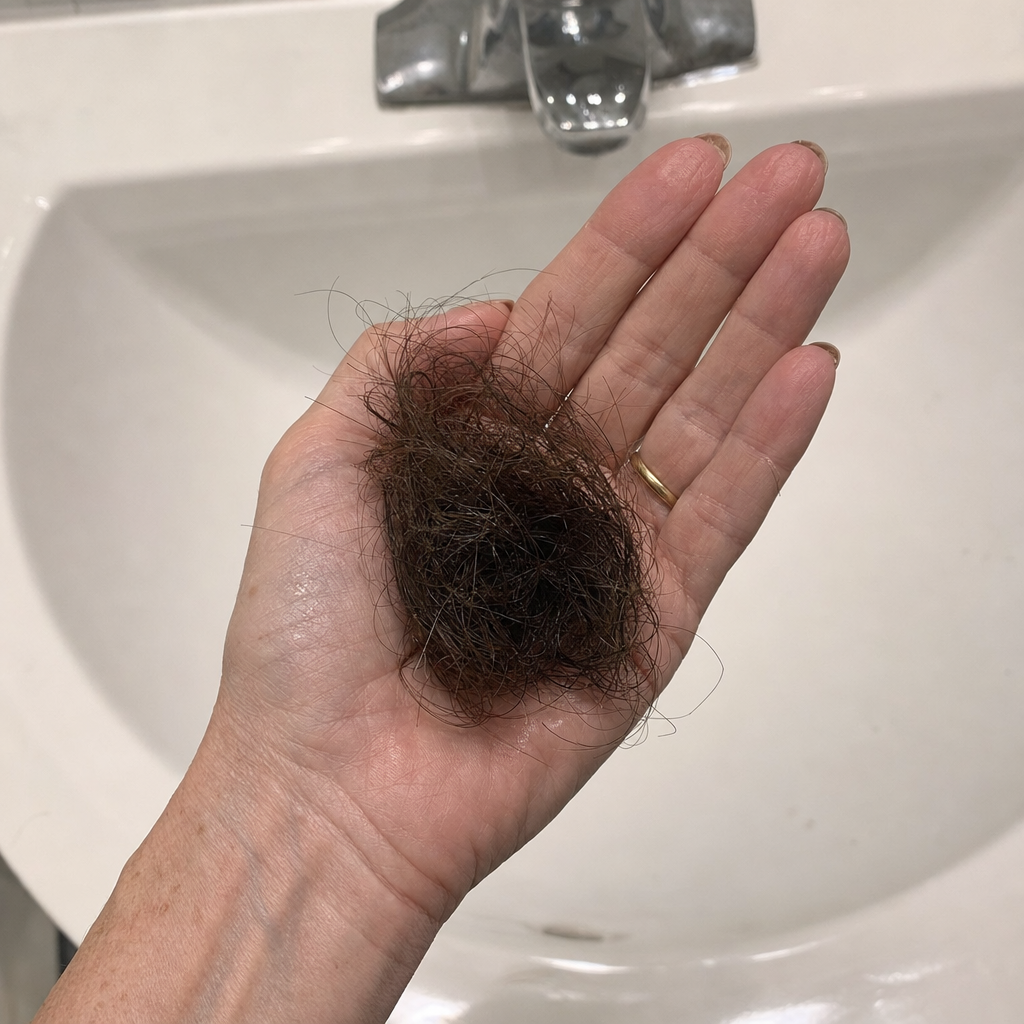
Three dermatologists in eighteen months. Three blood panels totaling $1,020. Three shrugs. Not one of them mentioned the enzyme inside the follicle that stops working when estrogen drops. The third dermatologist was the worst. I had waited four months for the appointment. I drove forty-five minutes each way. I had brought a typed list — every supplement, every topical, every dosage, every date. She looked at my list for maybe nine seconds, then at my crown for under a minute, and started writing me a prescription for the same minoxidil I had already failed on twice. When I told her that, she shrugged. She actually shrugged. And she said — almost apologetically — "It's just menopause, honey. We all get there." I am 49. I run a $14M agency. I have not been called "honey" by a stranger in twenty years. I sat in her parking lot and screamed into the steering wheel for what I now know was eleven minutes, because the meter ran out and the attendant tapped on my window. I went home, opened my laptop, and made a vow that no one in a white coat was going to fix this for me, because no one in a white coat had even tried. I want to be honest. I am not anti-doctor. But the dermatology profession has failed women in their forties and fifties in a way I now believe is structural. What I learned over the next four nights, after eighteen months of running in circles between specialists, can be summarized in two minutes. And it should have been said to me at the second appointment. By the time I got home that afternoon I had already tried everything. I had paid Nutrafol $79 a month for eleven months — almost $900 — because my second dermatologist called it the "natural" option. I had bought topical Rogaine in the women's pharmacy aisle. It made my scalp burn and my hair look greasy at client lunches. I tried the oral version and stopped after six weeks because I started growing dark hair on the side of my jaw. I had rubbed rosemary water into my scalp every night for two months. I had used castor oil until my pillowcase was permanently stained. I had bought a $40 hair serum from a TikTok ad and carried it in my purse for a year. I had bought a $79 red light cap on Amazon, worn it twice, and put it in a drawer. I had spent — I added it up at 1 a.m. — somewhere over $2,400 trying to fix this. Not one of those three dermatologists had asked me a single question about how my cells were producing energy. Which, it turns out, was the only question that mattered. A hair follicle is not powered by vitamins or minoxidil. It is powered by a chemical called ATP — cellular energy — manufactured inside tiny structures called mitochondria inside each follicle cell. When estrogen drops in perimenopause, those mitochondria slow down. They produce less and less ATP. The follicle is not dying. It is starving. And here is the part nobody had told me. A starving follicle will eventually scar shut. Quietly, over years. Once it scars shut, it does not reopen. I had to put the laptop down. Because that one paragraph, from a 2019 paper out of a Brazilian research hospital, explained — with cold and almost insulting precision — why everything I had spent $2,400 on had failed. Every supplement I had swallowed had traveled through my bloodstream, and the body decides where things go. Heart, liver, immune system, bones — all get fed first. The scalp is dead last on that list. Nutrafol doesn't fail because it is a bad product. It fails because biology has bigger priorities than your hair. And the topicals were worse, in a way the dermatologist had absolutely no excuse not to know. Your scalp is skin. Skin is built to be a barrier — that is its entire biological job. Castor oil, rosemary oil, the $40 serums I'd carried for a year — they sit on the surface and your skin sweats them off within hours. The actual hair follicle sits about four millimeters underneath. At a cellular scale, that is an eternity. A topical looking for a follicle has the same odds as throwing a pebble at the moon. Topical Rogaine is the one exception, and it works only because it forces blood vessels at the very surface to widen — which gives the follicle a little more circulation but never restarts the energy supply inside the cell. That is why you have to apply it twice a day for the rest of your life. The day you stop is the day it stops. Then I did the actual math. Nutrafol is $79 a month. Women's Rogaine is $40 to $50. Add the biotin and vitamin D the dermatologists tack on, and you are looking at $130 a month, every month, for as long as you want to hold the line. That is $1,560 a year. Five years is $7,800. Ten years is $15,600. You do not get to stop. The day you stop is the day the shedding comes back. It is not treatment. It is rent — on the version of yourself you used to be. None of those three women, with their MDs and their malpractice insurance and their leaflets, had touched the actual mechanism. They were powering the lights when the wiring is what was broken. There is exactly one thing that restarts ATP at the follicle level. Red light at 660 nanometers gets absorbed by an enzyme inside the mitochondria called cytochrome c oxidase. That enzyme turns the ATP factory back on. Pair it with 808-nanometer near-infrared, which penetrates deeper and reduces the inflammation suffocating the follicle, and you are addressing what is actually happening underneath the skin. Light doesn't need to be absorbed through the surface. It passes through. It was the only thing in the entire failure stack on my bathroom counter that actually reached the place the problem was. This is not new. NASA stumbled onto it in the 1980s. Dermatologists — the ones who actually pay attention — have used these exact wavelengths on chemotherapy patients to regrow hair for over a decade. It was just never aimed at women in their forties and fifties. I am methodical when I'm angry. I read for four more nights. I checked the studies. I noticed the legacy brands charging $1,200 to $3,000 were using the exact same 272 diodes — and that one newer company had finally priced the same technology fairly, without the legacy markup, in a cap built specifically for women in their forties and fifties going through what I was going through. What I use is a 272-diode dual-wavelength cap. I wear it for six minutes a day at my desk while I answer email. That is the entire daily commitment. It cost less than I had given Nutrafol in a year. And I will never pay for it again. No subscription. No renewal email. No monthly box arriving reminding me my body is broken. One purchase. The cap is mine. I am sixteen weeks in. I want to tell you the truth about the timeline. The first three weeks I felt stupid wearing it. The shedding did not stop. I almost returned it. Week four: less hair on the pillow. I noticed before I let myself believe it. Week eight: three baby hairs along my left temple. I texted a photo to my best friend. Week twelve: my hairstylist stopped mid-blowdry and asked what I was doing differently. And last Friday I saw a new dermatologist — a younger woman, recommended by a friend — because I needed a mole checked. She looked at my hairline at the end of the appointment and asked, gently, what I was on. I told her. I watched her write the word "mitochondria" on her notepad with what I can only describe as quiet embarrassment. I want to tell you something, and I want you to take it seriously, because nobody told it to me and I almost waited too long. The window your follicles have is real. They do not stay dormant forever. The longer you wait, the more of them quietly scar shut, and that part of your scalp does not come back. I'm not selling you anything. I am sharing what three different doctors should have told me — at the first appointment, before I gave the supplement industry $2,400 — and didn't. If you've been to a dermatologist in the last two years and the word mitochondria did not come up — if she shrugged at your hair and reached for the same prescription you'd already failed on — please do not wait for the appointment with a fourth one. You have a window. It is open right now. It does not reopen. Read the next part below.
Where the ad sends people
revivestore.co
Menopause: How did they get their hair back?
Women's Health · Hair Loss After 45 I Got My Hair Back at 52. Here Are 10 Things My Dermatologist Never Told Me About Menopausal Hair Loss. I tried biotin, Nutrafol, and three doctors. None of them mentioned the one thing that actually mattered. By Anna Mercer · Health Columnist · May 23, 2026 ·...
Shop now: revivestore.co(opens in a new tab)