
Inactive· since May 7, 2026
- 52
- days it ran
- 0
- relaunches
Ad copy
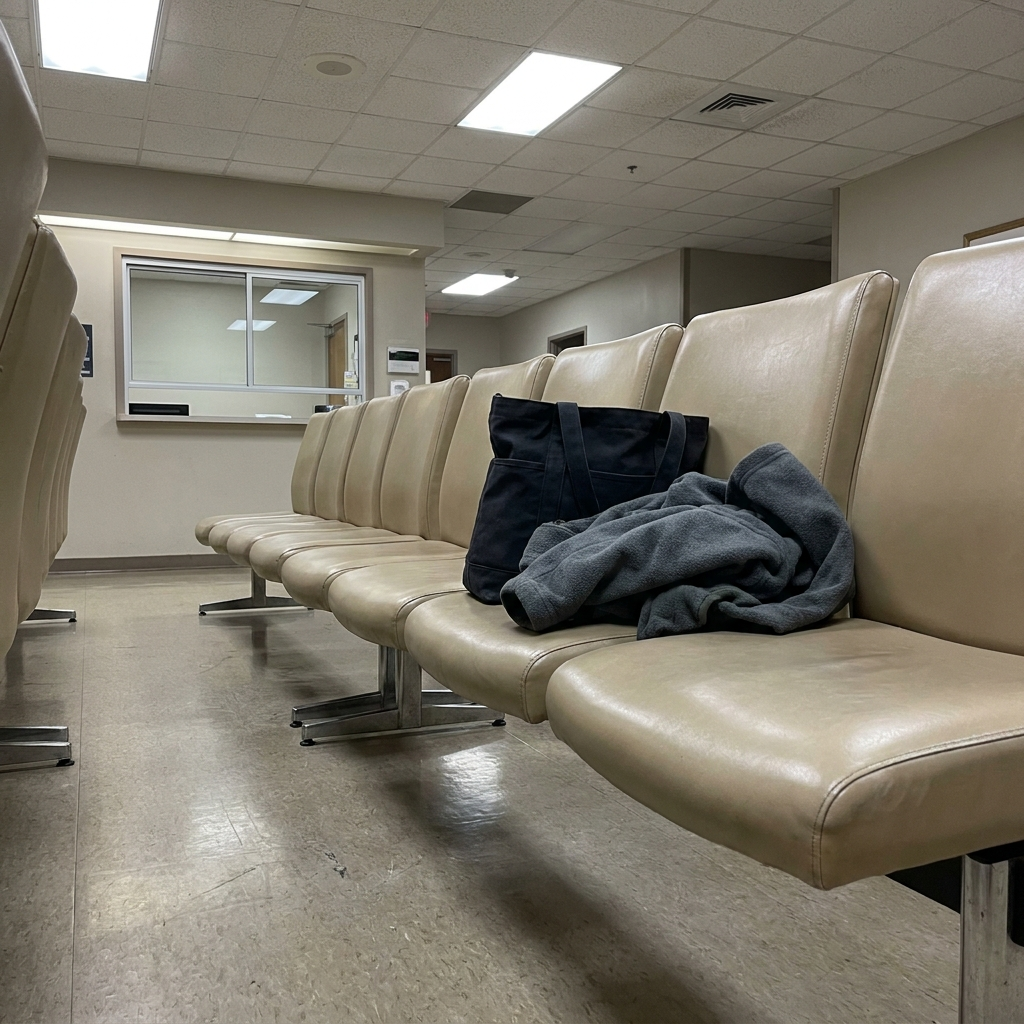
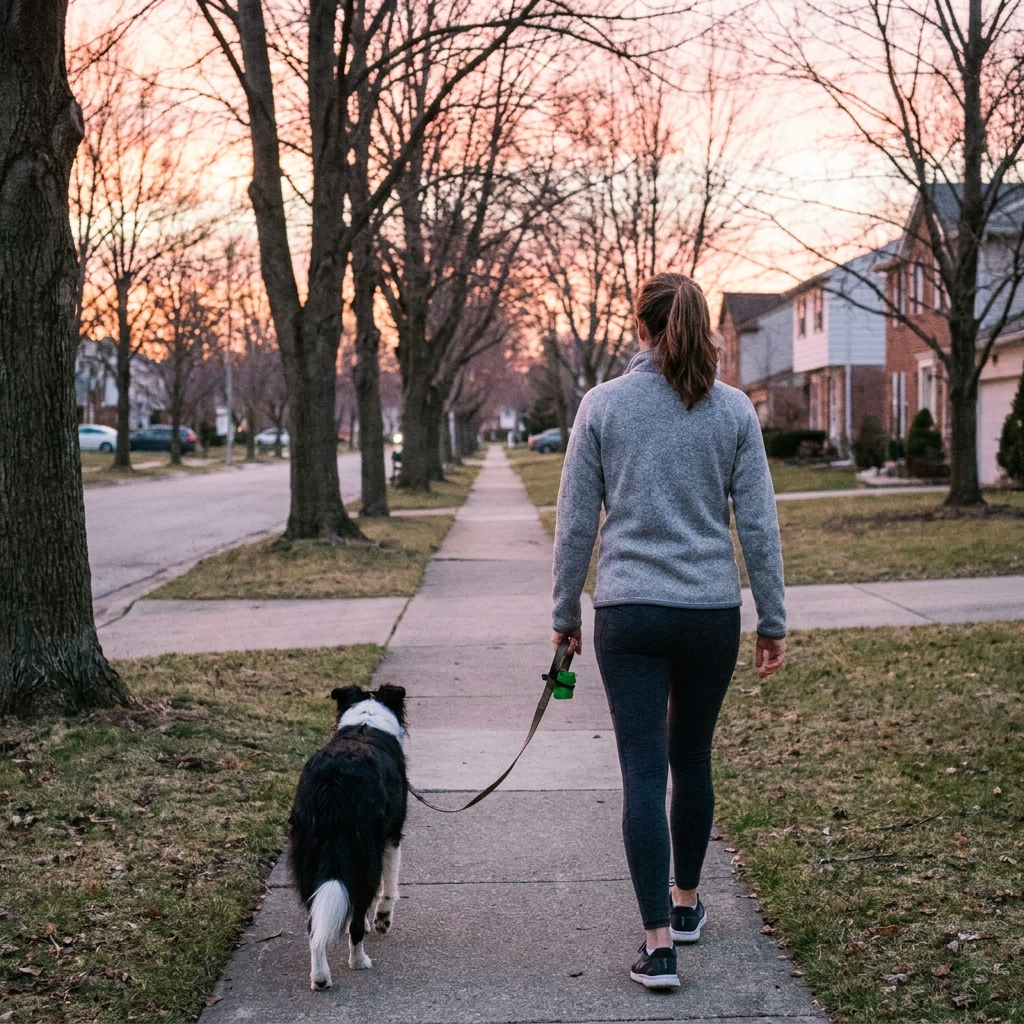
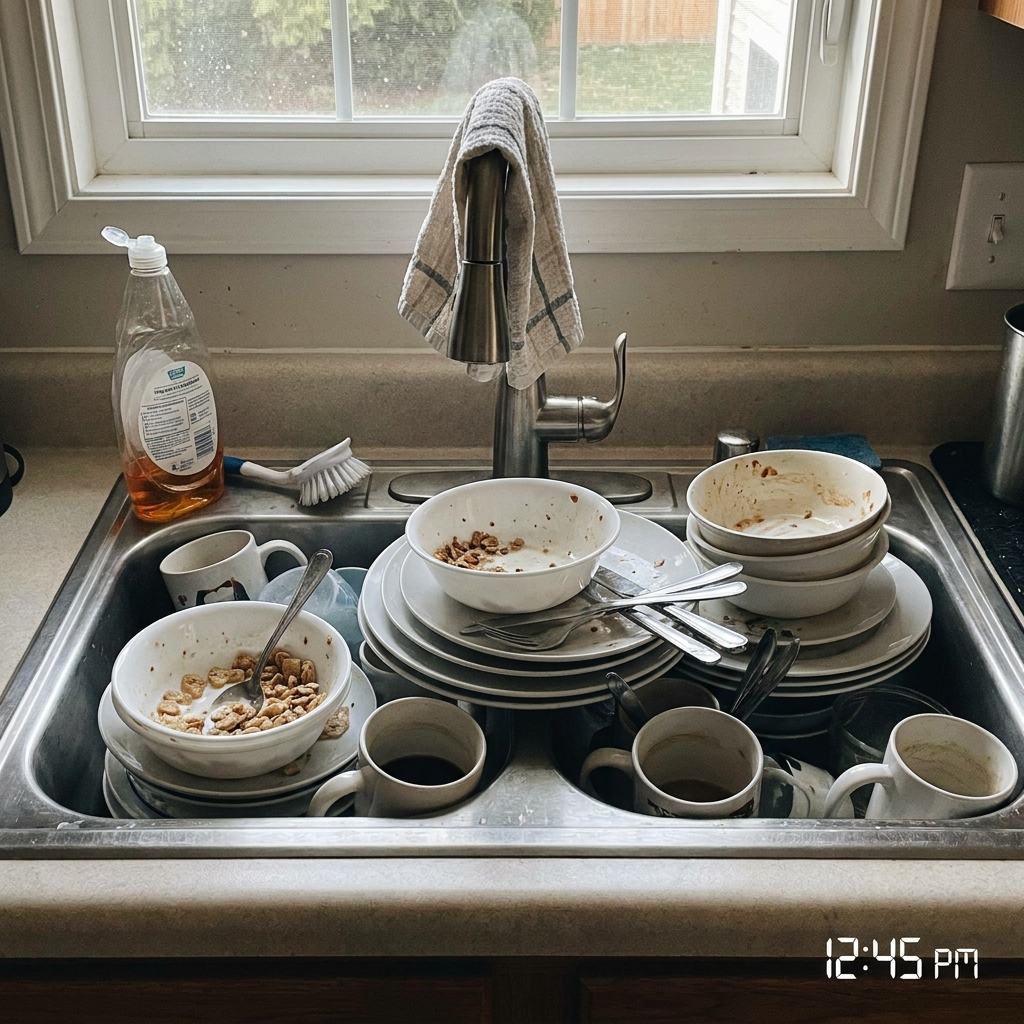
I want to ask you a question before I tell you this story. When was the last time you got a good morning text from your best friend. Mine used to come every single day at 6:42 AM. Sometimes 6:43. Sometimes 6:38 if she was up early with her dog. It was always something dumb. A coffee emoji. A picture of the sunrise from her kitchen window. The word "Monday" with three eye roll emojis. For 22 years that text was as much a part of my morning as my coffee. I sat at my kitchen table on a Sunday in October and I scrolled back through our message thread and I realized the last good morning text I'd gotten from her was August 14th. It was October 26th. That's 73 days. 73 mornings. And I hadn't noticed. I want you to read this whole thing because what I figured out about my best friend, and what I figured out about myself in the process, is something I think is happening to a lot of women our age and nobody is naming it. We're disappearing one quiet morning at a time and the people who love us aren't noticing because we're disappearing too slowly to register. Until something cracks. My name is Renata. I'm 54 years old and I'm a project manager at a logistics firm in Charlotte. I've been married to my husband Brent for 28 years. We have one son in graduate school in Raleigh and a 15 year old border collie named Penny who follows me from room to room because she's never not slept on my feet since 2010. My best friend's name is Marisol. She's 53. She lives 14 minutes from me in a townhouse in Matthews. We met in 2003 at a prenatal yoga class because we were both pregnant with our first kids and we both hated yoga and we hid in the back row making fun of the instructor's voice. Our boys are 21 days apart in age. They were each other's first friends. We were each other's first real friends, the kind you make as adults, after you've already been married long enough to know what kind of friend you actually need. For 22 years I have known Marisol's coffee order. I have known her mother's birthday. I have known the names of every man she dated before her ex husband and the order in which they broke her heart. I have known when her thyroid was acting up and when her marriage was bad and when her son flunked Algebra 2 and didn't tell anyone but me. And I sat at my kitchen table on a Sunday in October and I realized I hadn't actually talked to her in three months. Sure, we'd texted. Quick stuff. Logistics. Are you coming to the thing. Did you see the email about the school reunion. We'd liked each other's Instagram posts. We'd commented "love you" on a photo of her dog. But we hadn't talked. The good morning texts had stopped on August 14th and I'd been so busy with a software rollout at work that I'd somehow let 10 weeks go by without picking up the phone. I picked up the phone that Sunday morning. Called her. Went straight to voicemail. I texted her. "Hey. Brunch?" The three dots came up. Then they went away. Then they came up again. Then they went away. She texted back twenty minutes later. "Maybe next week. Bad day. Love you." I'm going to tell you something about Marisol that you need to know to understand the rest of this story. She is not a "bad day" person. In 22 years of friendship I have seen her power through a divorce, a breast cancer scare that turned out to be a cyst, her father's funeral, and her son's mono semester. She does not text you "bad day." She texts you "you will not believe the morning I am having." She tells you the whole story. She is funny about it. She makes you laugh. "Bad day. Love you" was not Marisol. I put my phone down on the kitchen table and I looked at it for a minute and then I picked up my purse and my keys and I told Brent I was going to Marisol's. He was watching the Panthers game. He said, "Now? Did something happen?" I said, "I don't know yet." I drove to Matthews. I rang her doorbell at 1:47 PM. She opened the door in pajama pants and a Charlotte Knights t-shirt I recognized as one she'd had since 2014. Her hair was greasy. Not casually unwashed. Greasy. The kind of greasy where you know it's been more than three days. There were dishes piled in the kitchen behind her that I could see from the doorway. Her dog Murphy was barking at me from the couch. She didn't tell him to stop. She looked at me and she said, "I told you not to come." I said, "You didn't tell me that. You said maybe next week." "I meant don't come." I walked past her into the house anyway. Sat on her couch next to Murphy. Patted the cushion next to me. She closed the door behind me. Stood there for a second. And then she walked over and sat down and started crying in a way that was so quiet I almost didn't hear it. I'm 54 years old and I have known this woman for 22 years and I have never once seen her cry quietly. Marisol is a loud crier. She announces it. She narrates her own crying. She'll tell you "I am about to cry over this and I want you to know it is happening." This was something else. I let her cry for about a minute and a half and then I said, "Talk to me." She said, "I don't know what's wrong with me." That was the sentence that broke me open. She told me everything in the next 90 minutes. She told me she'd been so tired in August she stopped going on her morning walks because she couldn't make it to the end of her street. She told me she'd called in sick to work twice in September which she had never done in her life. She told me she'd been forgetting words. Not big words. Small words. The word "remote." The word "sister." She'd be talking to someone and the word would just be gone and her brain would scramble for it and find something close like "sibling" and she'd panic. She told me she'd been going to bed at 8:30 PM and waking up at 7:00 AM and feeling like she hadn't slept. She told me she'd been to her doctor in September. The doctor ran a thyroid panel, an iron panel, a vitamin D panel, and a basic metabolic panel. Everything came back "within normal limits." The doctor told her she was probably stressed and recommended she try meditating. Marisol said, "Renata, I tried meditating. I sat on my floor for 10 minutes and I cried. That's not meditating. That's just crying." I said, "Why didn't you tell me." She looked at me. Her face was puffy. Her eyes were red. She said, "Because if I told you, I'd have to admit it was real." I sat with her on that couch for a long time. Murphy fell asleep with his head on her leg. The Panthers game was on her TV with the sound off and I could see Brent texting me from the corner of my eye but I didn't pick up my phone. After a while she got up to make coffee and her sister called. Marisol's sister is named Renée. She lives in Asheville. She's 49. She's a labor and delivery nurse and she has the kind of energy you'd want in a labor and delivery nurse. Direct. Calm. Funny. Tells the truth. Marisol put her on speaker. She told Renée I was there. Renée said, "Good. Renata, I have been trying to get her to listen to me for six weeks." I said, "About what." Renée told me about Amla. I had never heard the word in my life. I want you to know that. I have a master's degree. I read three books a month. I listen to podcasts about women's health on my commute. I had never once heard the word Amla. Renée told us she'd had her own version of what Marisol was going through last year. She'd been a labor and delivery nurse for 23 years and at 48 she'd hit a wall she couldn't explain. The exhaustion. The brain fog. The mornings where she stood in her shower and forgot what she'd come in there to do. She'd been to her own doctor. Got the same answer Marisol had gotten. Within normal limits. Probably stress. Maybe try meditating. Then one of her colleagues, a woman in her 60s who was still pulling 12 hour shifts and looked like she could pull 12 more, told her about Amla. Renée said, "Marisol, you have to actually listen this time. I'm not telling you to take a magic berry. I'm telling you to look at what this fruit has been associated with in research about cellular energy production. Because that's what's going on with you. It's not your thyroid. It's not your iron. It's underneath all of that." That was the word that hit me. Cellular. I'm going to tell you what I read in the next 4 days because I think it explains what was happening to my best friend, and what I started to suspect was also happening to me, and what I think is happening quietly to a lot of women between 50 and 60 right now. When you're tired in the way Marisol was tired, the way Renée had been tired, the way I was starting to admit I was tired, the problem is rarely the obvious things your doctor checks for. Your thyroid is fine. Your iron is fine. Your D is fine. Your blood sugar is fine. The problem is happening one layer down. It's happening at the level of the cells themselves. Inside every one of your cells are tiny structures called mitochondria. They're the part of the cell that produces energy. Your body has trillions of them. They take in fuel and oxygen and they produce something called ATP, which is what your body actually uses to do everything. Move your muscles. Think a thought. Hold up your eyelids on a Tuesday afternoon. When your mitochondria are working well, you feel like yourself. When they're under siege from oxidative stress and chronic low grade inflammation, they make less energy. And they make it less efficiently. And the body keeps demanding more, but the supply isn't there. That's not a thyroid problem. That's not an iron problem. Those things are downstream. The fuel is fine. The factory is just exhausted. Amla, from what I read, has been studied for its effects on the very things that wear mitochondria down. It's high in antioxidants and polyphenols that have been associated with reduced oxidative stress. It's been linked to lower markers of chronic inflammation. There's research suggesting it influences a pathway called AMPK, which is a kind of master switch in your cells that helps regulate energy production and metabolism. When AMPK is active, your mitochondria are pushed toward doing what they're supposed to do. The body's natural energy production gets better support. And the kind of tiredness that doesn't show up on bloodwork, the kind that lives in the cells themselves, has a chance to ease. I am not telling you Amla is a cure. I am not telling you it's a magic berry. I am telling you what I read, and what made sense to me as someone who works in logistics and thinks about systems for a living. Marisol's body wasn't broken. It was running on a battery that hadn't been able to hold a full charge in months. And nobody had been looking at the battery. Renée had been on Amla for 8 months by the time we talked to her on speakerphone. She told us about her mornings. About the way she stopped reaching for a third cup of coffee. About finishing 12 hour shifts without crashing. About the words coming back. Marisol ordered Alevia Amla that night. From her couch. With me sitting next to her. Renée stayed on the phone the whole time. I want to tell you why we picked Alevia. I'm a project manager. I research everything. I looked at the cheap powder on Amazon. I looked at the random brands with names I'd never heard. Alevia uses a clean form of the fruit, the form that's been used in actual human research, in a dose that lines up with the studies. They have a 90 day money back guarantee. The bottle showed up at Marisol's house 3 days later. She started taking it on a Thursday morning at 6:42 AM. The same time she used to send me good morning texts. I didn't hear from her for the first 9 days. I checked in. She said she felt the same. I told her to keep going. Day 12 she sent me a text at 6:42 AM. It was a coffee emoji and the word "morning." That was it. I sat at my kitchen table and I cried into my hand because Brent was still asleep and I didn't want to wake him. Day 17 she texted me a picture of the sunrise from her kitchen window. Day 23 she called me on her drive to work. She talked the whole way. About a podcast she'd started listening to again. About a book she'd just finished. About a stupid thing her boss had done on Tuesday. She talked the way Marisol talks, which is to say at full volume, with full opinions, with the full Marisol energy I'd been missing for three months without knowing it. Day 31 we went to brunch. She wore lipstick. She'd washed her hair. I want to tell you what happened to me in the meantime, because this story isn't only about Marisol. Three weeks into watching her come back to herself I started taking Alevia Amla too. Not because I'd had a breakdown. Because I'd started to notice things in myself I'd been ignoring. The 3 PM crash that I'd been blaming on my workload. The fact that I'd stopped going to my Wednesday night yoga class because I couldn't muster the will to put on the pants. The way I'd been falling asleep on the couch at 9:15 watching shows I used to stay up to finish. I'd been telling myself I was 54. I'd been telling myself this is what 54 looks like. By week 3 of taking Amla I was finishing my workdays without the crash. By week 5 I was back at yoga. By week 7 I was the one initiating texts to Marisol at 6:42 in the morning. Sometimes I beat her to it. I think a lot of women my age are having a quiet version of what happened to Marisol. They're not collapsing. They're not in pajamas at 2 PM. But they're slowly losing pieces of themselves. The morning text. The yoga class. The phone call on the drive home. The version of themselves that used to send a coffee emoji to her best friend at 6:42 AM because that was the small daily ritual that kept the friendship alive. Those pieces don't fall off all at once. They fall off one at a time and you don't notice until 73 days have gone by and you're sitting at a kitchen table wondering when you last actually heard your friend's voice. If you're reading this and you're tired in a way that nobody has been able to explain to you, please don't keep accepting "within normal limits" as an answer. There is a layer underneath the bloodwork. The fuel is fine. The factory is exhausted. And the factory needs different support than your doctor has been trained to think about. Read about Amla. Read about cellular energy. Read about what a fruit that's been used in Ayurvedic medicine for 3,000 years has been associated with in human research. Read it for yourself. Don't take my word for it. If you want to try it, Alevia Amla has a 90 day money back guarantee. That's what got me to click the order button after Marisol clicked hers. If it doesn't work for you, you send it back. That's the whole arrangement. That's the only fair deal. It's 6:42 AM on a Sunday as I'm finishing this. I just got a text from Marisol. It's a coffee emoji and the word "Sunday" with three eye roll emojis. I didn't know how much I'd missed it until it came back. P.S. Marisol read this before I posted it. She's the one who told me to use her name. She said if even one woman reads this and recognizes herself, it's worth the embarrassment. She's like that. She's always been like that. I'd missed her so much. P.P.S. The 90 day money back guarantee is the thing that gets me about Alevia. Most companies want your money and want you to disappear. This one will refund you in full if you don't see what you're looking for in 90 days. That's a long enough window to actually know. I respect a company that knows their product is real and is willing to stand behind it that way. P.P.P.S. Renée ordered another bottle for one of her hospice colleagues last week. She told us on a group FaceTime that the colleague was crying on the phone after a week and a half. She'd been telling herself she was just getting older. She's 51. 51 is not getting older. 51 is in the middle of a life. P.P.P.P.S. If you're reading this and you have a friend you haven't actually heard from in a while, the kind of friend you used to text every morning, please pick up the phone. Don't text. Call. And if she doesn't answer, drive over. I'm so glad I drove over. I cannot tell you how glad I am that I drove over. 👉 https://alevia.com/amla/33
Like this ad? Make it yours.
Crush rebuilds this exact creative around your product — your brand, your colors, your offer — in about a minute.