
Active· since Jun 9, 2026
- 96
- days running
- 0
- relaunches
Ad copy
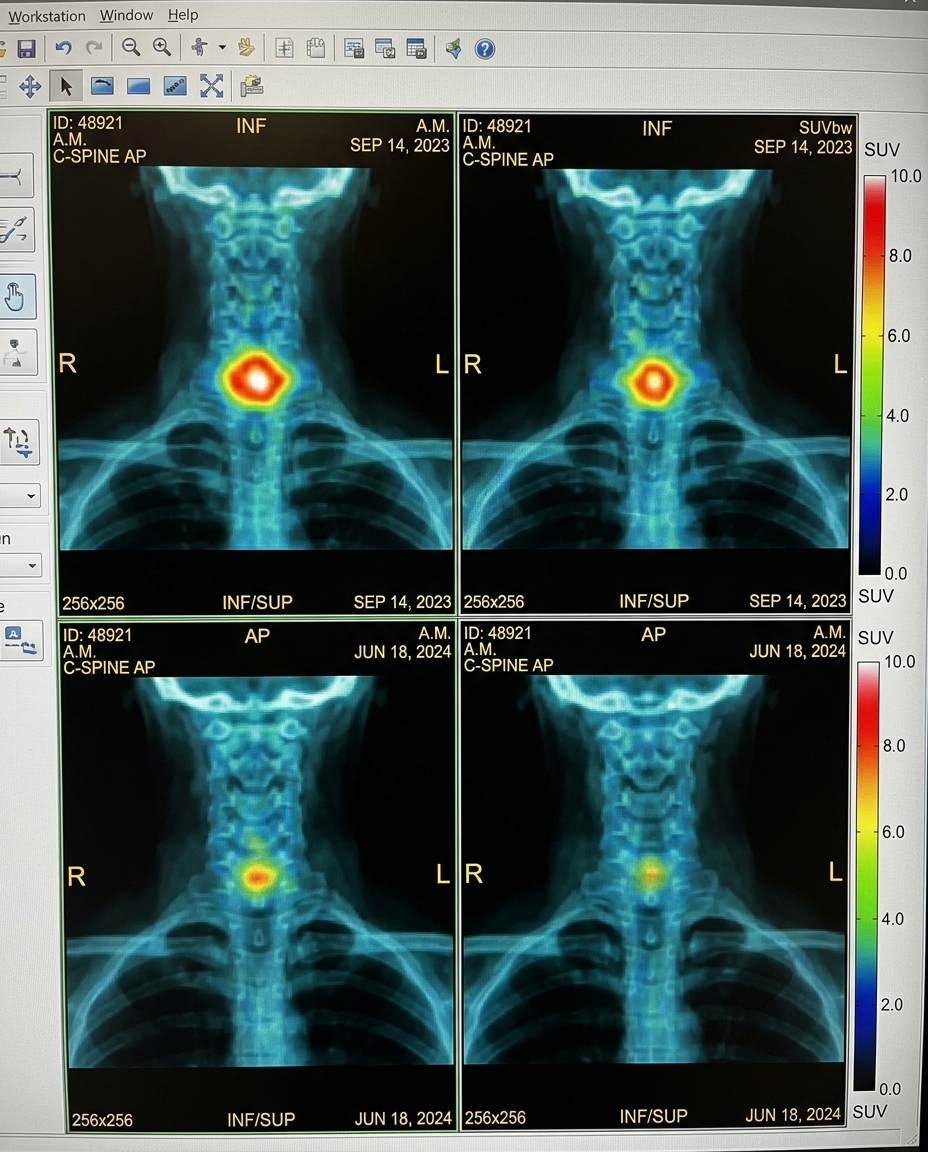
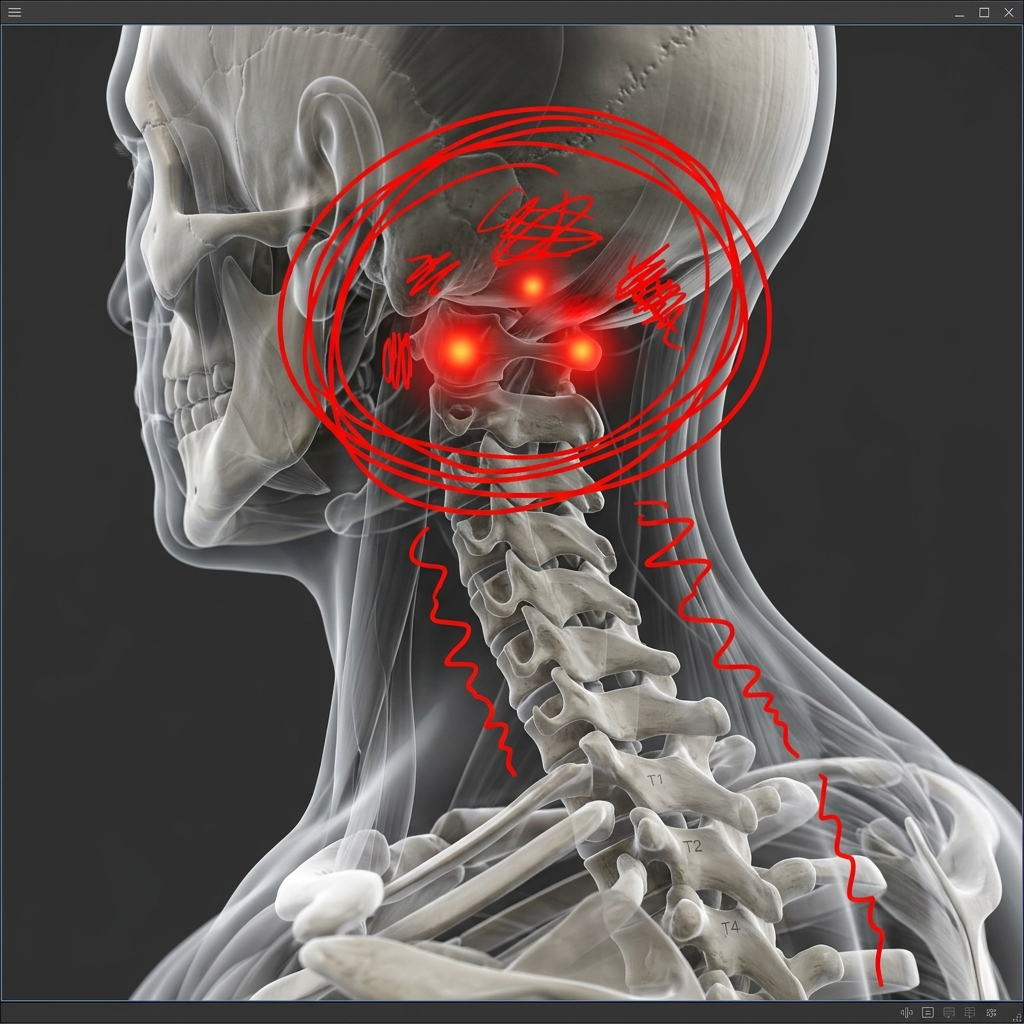
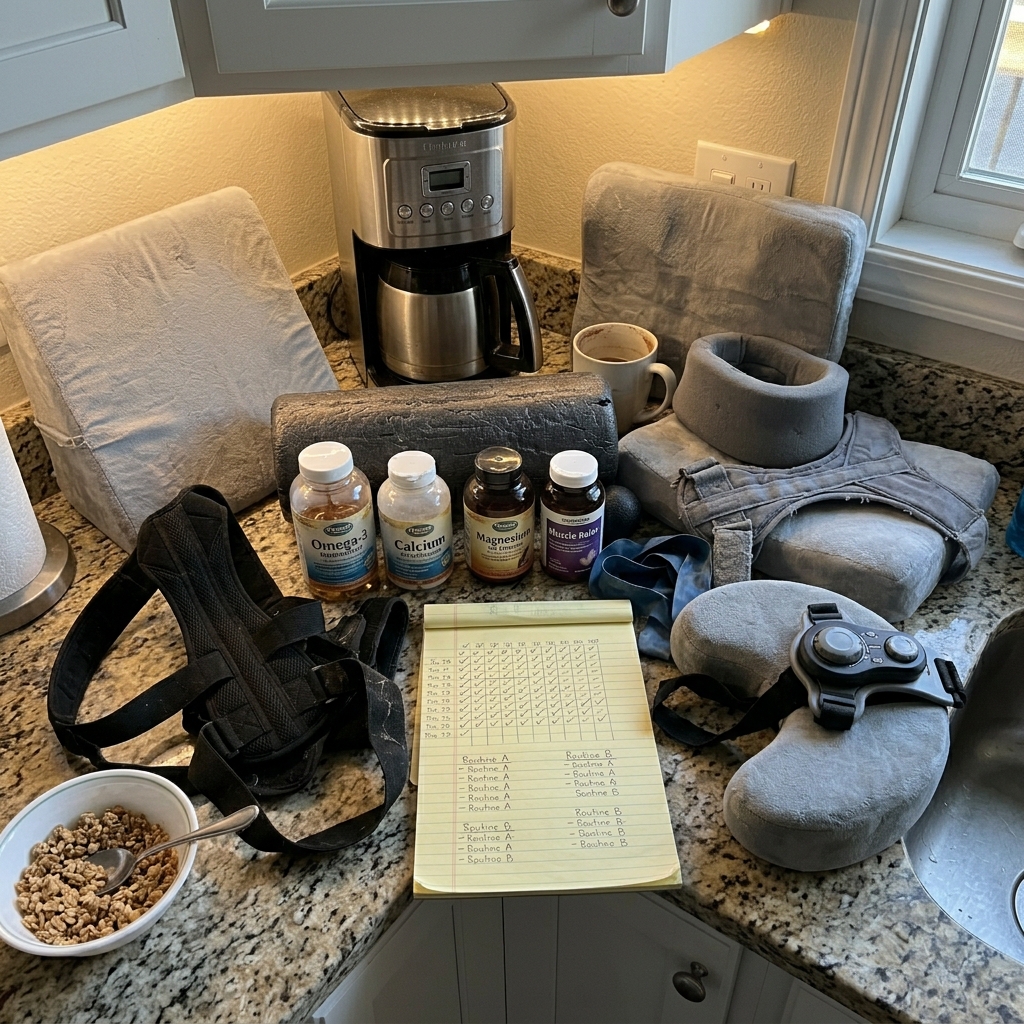
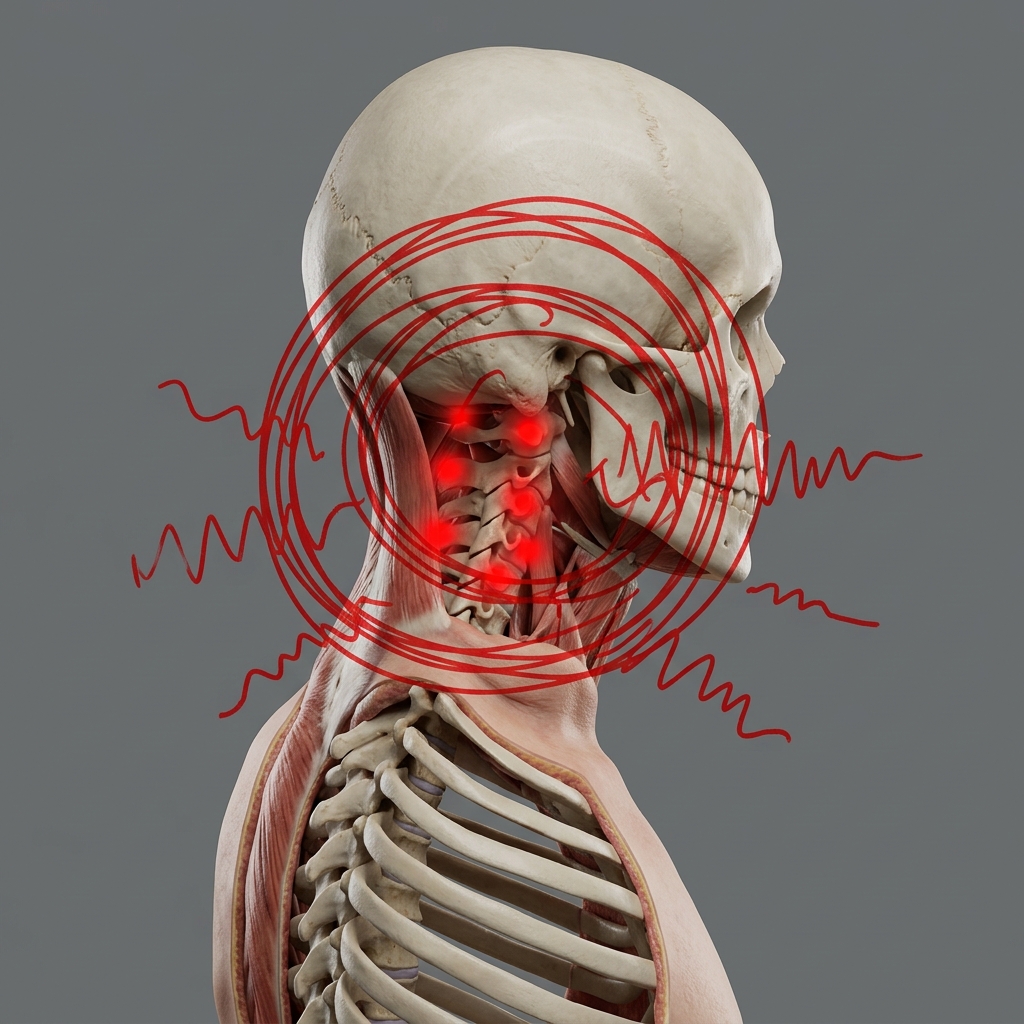
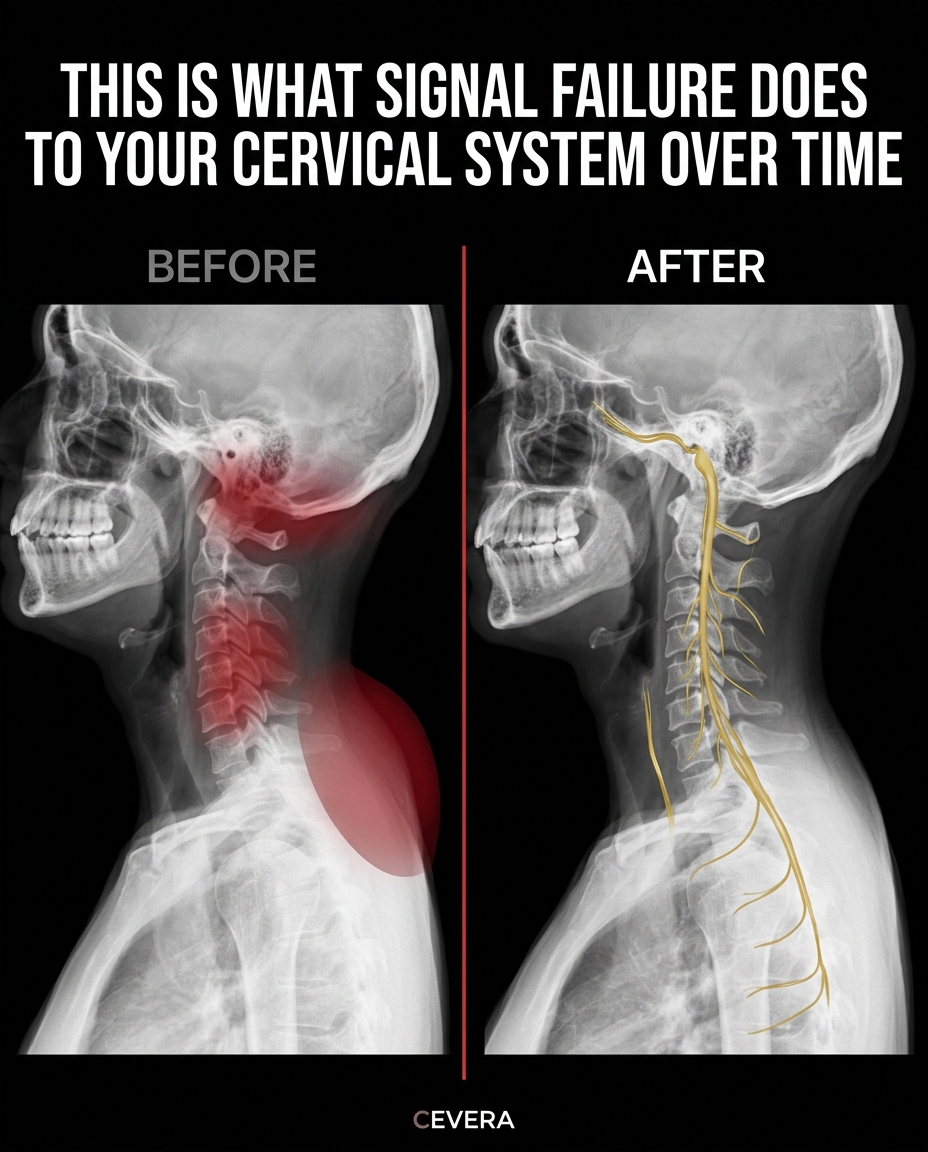
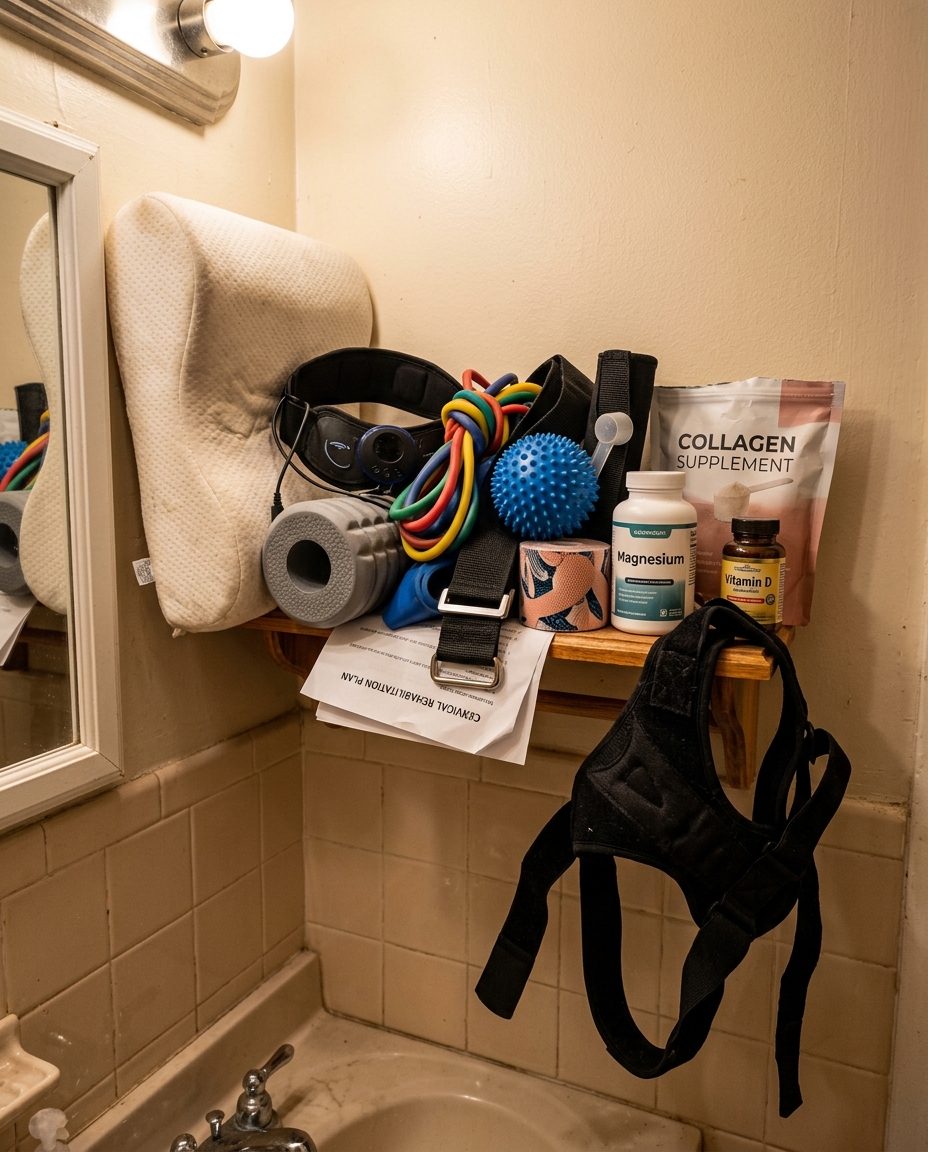
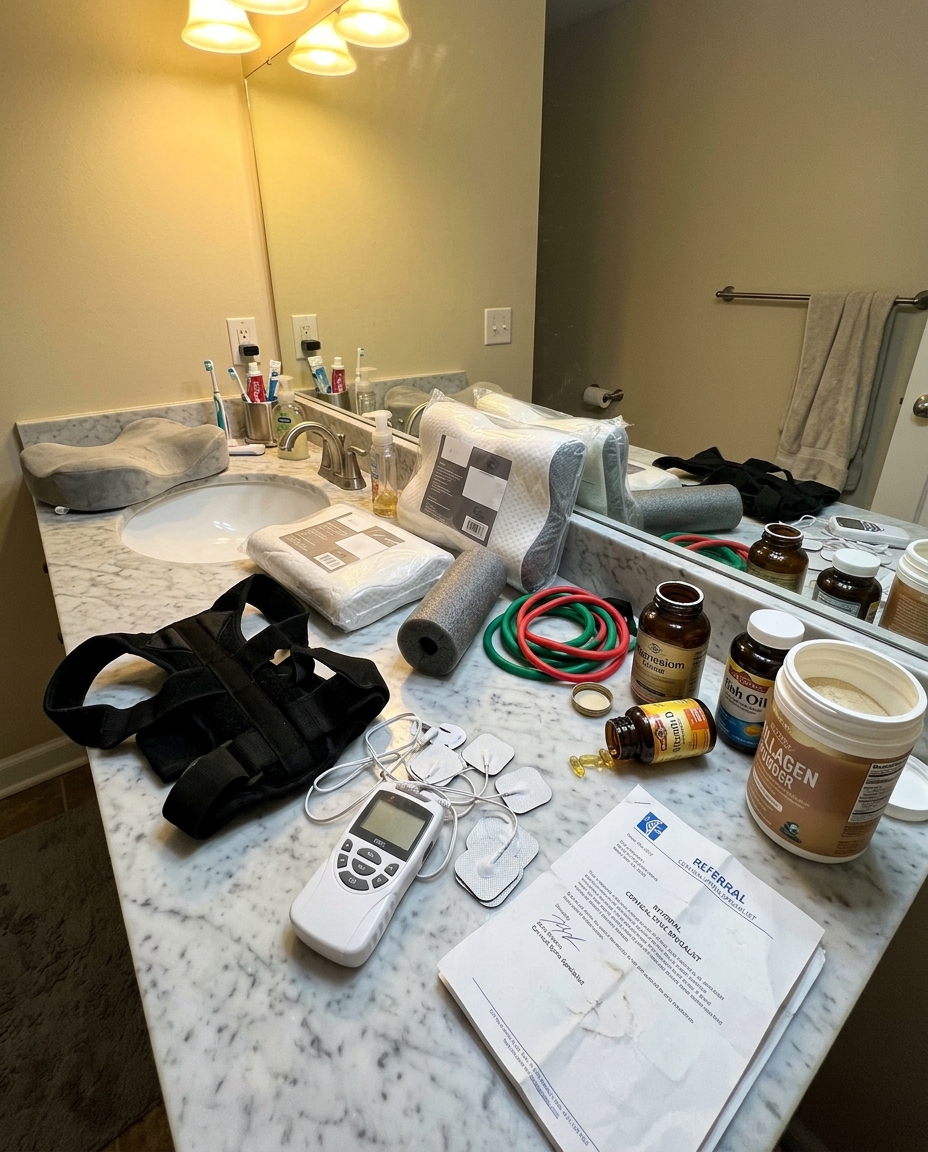
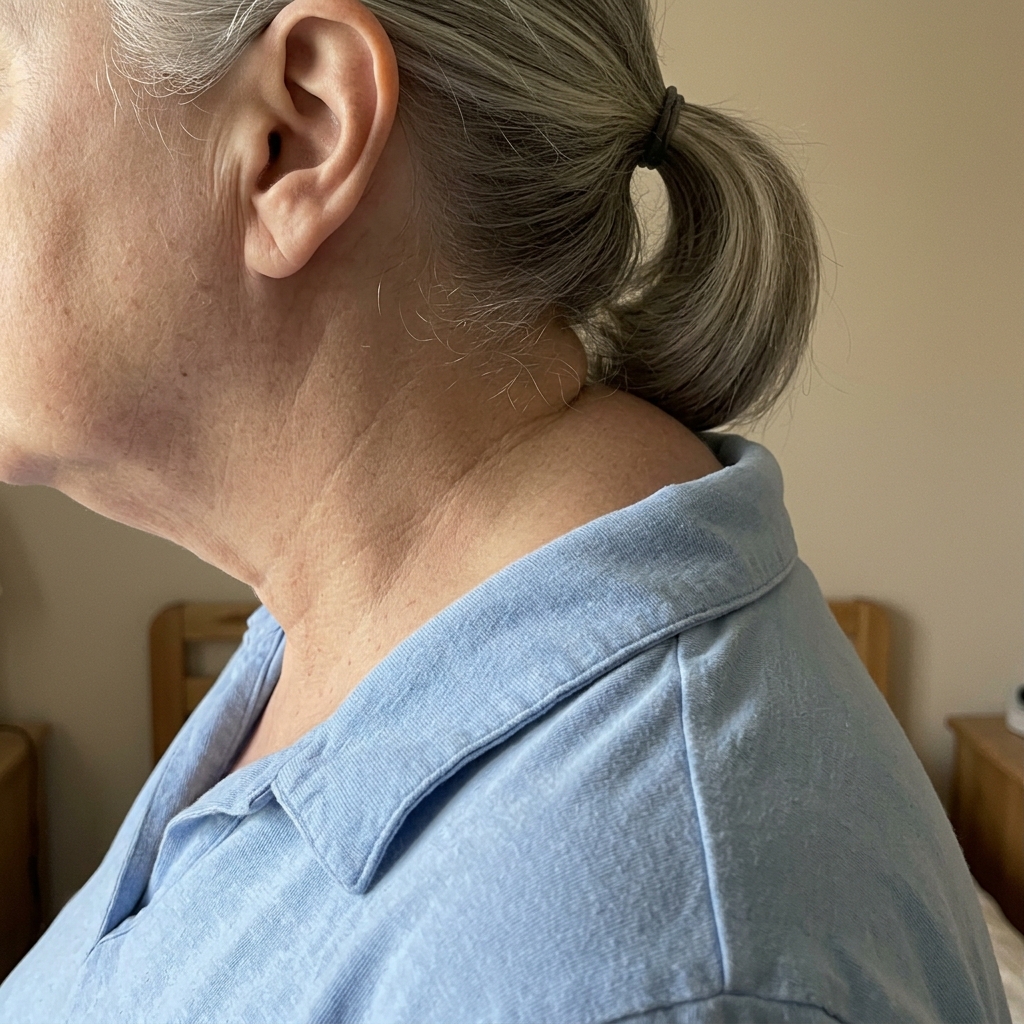
I saw a statistic that stopped me cold. 90% of women with a progressing neck hump are doing exercises that physically cannot reach the muscle layer driving the progression. Not some of them. Not most of them. Ninety percent. I didn't believe it when I read it. I'd had my neck hump for 11 years and not one practitioner had ever mentioned that the exercises they were giving me couldn't reach the layer that actually mattered. But here's the truth. Your cervical specialist adjusts your joint. Your GP checks your posture habits. Your physiotherapist gives you exercises. The problem sits between them... and nobody is paid to look there. That's why most of us never heard the real explanation. That's why my mother never heard it either. My mother was part of that statistic. Neck hump progression starting in her late 40s. They gave her adjustment protocols. Said they were managing it. 17 years of twice-weekly sessions. The tissue consolidated anyway. By 62 she had stopped going to family events entirely. I'm 60. Last month my practitioner told me to increase my session frequency and consider specialist referral. I refused. And what I found instead... in an Amish farming community in Pennsylvania... took me from measurements that hadn't moved in four years... to the first meaningful improvement I'd seen since the progression began. No referral. No intensive intervention program. But to understand why I was desperate enough to drive six hours to an Amish farm at 6 AM, you have to know what I watched those protocols do to my mother. And what I didn't know they were quietly doing to me too. For 17 years... over a decade and a half... my mother was trapped on adjustment protocols after her progression became established. They told her it was management. Said it was the best available approach. Said as long as she kept coming in twice a week, they'd keep it stable. Her measurements would stay controlled. Her measurements did stay controlled. Everything else fell apart. Within the first year she stopped wearing the necklines she'd worn her whole life. Practitioner said that was normal, that she was adjusting to the management process. By year three she was avoiding photos and positioning herself with her back to every light source at family gatherings. They said this was common in women with established progression. By year five she'd stopped coming to certain events entirely. "Just not feeling up to it." We all knew that wasn't why. Her confidence? Gone. This was a woman who had run a department of 22 people for 31 years, commanding every room she walked into. By year five she was standing at the edge of every gathering, jacket collar up, calculating her angle. And every time we raised it with her specialist, she said the same thing. "Her measurements are stable, Joan. The withdrawal is from the adjustment process. Keep coming in and walking more." She was doing everything right. Doing more wasn't the problem. My dad said it was like watching her disappear one backwards step at a time. They had her on that protocol for SEVENTEEN YEARS. Seventeen years of the tissue consolidating further. Seventeen years of feeling like a stranger in her own body. Seventeen of "stable" measurements. Seventeen years of appointments where they'd add another protocol or check her forward head again... but never once... not ONE TIME... did anyone say, "Maybe something is wrong that these adjustments aren't fixing." And the tissue consolidated anyway. 62 years old. Sixty-two. At her retirement party my dad grabbed my hand and said something I'll never forget. "They managed the measurements, Barbara. Then they spent seventeen years missing what was actually driving the progression." So fast forward to three months ago. I'm 60. Had my first assessment at 49 — same progression pattern my mother had. I've been a good patient. Three sessions a week. Never miss. No screens after 8. Walk every day. I've tried posture braces. Cervical pillows. Foam rollers. Traction devices. Two different generic EMS devices from online. I'm still measuring 2.7cm forward head. The tissue is still building. I go to my assessment. Practitioner pulls up my chart. "Barbara, your forward head is at 2.7cm. Your tissue at the cervicothoracic junction has consolidated further. Your deep cervical activation is at 12% of clinical threshold. We should increase your session frequency. And I'd like to refer you to a specialist." My chest tightened. More sessions. Specialist referral. Seventeen years of watching my mother stand at the edge of every room. Seventeen of her collar always up. Her angle always calculated. And the tissue consolidated anyway. "No," I said. She blinked. "Excuse me?" "I'm not doing it. My mother had the same progression at 49. Same diagnosis as me. They put her on twice-weekly adjustments. Her measurements were stable right up to the day she stopped going to events entirely." She gave me that look. "Barbara, we need to stabilize your tissue. The referral—" "What's the point of more sessions if they didn't stop her progression?" She didn't have an answer. I told her to give me three months. She wasn't happy. Wrote something in my chart. I didn't care. For three months I did everything right. Added extra morning exercises. Walked an hour every day. Added a new cervical pillow. Wore the brace more consistently. Three months later: 2.7cm. Unchanged. Tissue at the cervicothoracic junction: same. Practitioner pulled out her referral pad again. "Barbara, it's time." "Give me three more months." "Barbara—" "Three more months." She sighed. I didn't care what she wrote. That night I couldn't sleep. I kept thinking about my mother. Same assessment. Same protocol. Same measurements coming back "stable" right up to the day she stopped living the life she wanted. At 2 AM I gave up. Went downstairs. Opened my laptop. I started searching. What actually happens to the deep cervical muscles during years of adjustment protocols. Why the measurements never truly reverse. Why some of us keep progressing even when our assessments look controlled. Why so many of us end up on specialist referral a few years in. Every site said the same thing. Keep doing your adjustments. Eat well. Exercise. Reduce forward load. I'd done all of it. So I kept digging. Looking for people who'd actually solved this. Not managed it. Solved it. That's when I found the thread. A forum post with over 3,000 comments. The title — "Why don't Amish women develop neck humps at the same rate?" I almost scrolled past. But something made me click. Lancaster County, Pennsylvania. Neck hump progression rates 64% lower than the national average for women over 50. Not a little lower. Sixty-four percent. Person after person in the comments. Stories. Studies. Pictures of Amish women in their 70s, upright, easy posture, working sunup to sundown. A few of them well past the age when progression typically accelerates. None of them on adjustment protocols. Someone posted a Google Maps link. An Amish farm. I looked at the clock. 2:51 AM. By 6 AM I was in my car. By noon I was in Pennsylvania. I didn't have an address. Just drove until I saw farmland. Turned down a dirt road when I spotted a hand-painted sign. "Vegetables and Herbs." First farm I came to, there was an old woman on the porch. Had to be pushing 80. Small. Upright. Gray hair pulled back under a white cap. She was shelling peas into a bowl so fast her fingers blurred. No reading glasses. No forward head. No rounding at the base of her neck. Just easy, steady presence. I parked and walked up to the porch. By the time I reached the steps I was already calculating my angle the way I always do when I know someone might see me from behind. "Excuse me," I said. "I don't want to bother you. But how old are you?" She looked up with sharp, clear eyes. "Seventy-eight." I stood there. 60 years old. Already managing my angle. And this woman 18 years older was sitting completely unselfconsciously, head back, neck free, shelling peas like she'd never thought about her posture once in her life. "I'm 60," I said. "I've had neck hump progression for 11 years. My practitioner wants to refer me to a specialist. My mother had the same progression. By 62 she'd stopped going to events entirely." She set down the bowl. Looked at me for a long moment. "You came here for a reason," she said. "Come inside. I'll show you something." Her kitchen smelled like coffee and rising bread. She poured me a cup without asking. Pulled out a chair. "Your adjustments," she said. "They're working on the wrong part." I didn't understand. "There are two parts to neck hump progression. The tissue you can see. And the signal you can't." She folded her hands on the table. "The tissue is just the result. Your body builds it because your head is drifting forward. And your head drifts forward because the deep muscles that are supposed to hold it back have been switched off. Not weakened. Switched off. The brain stopped sending the signal." She tapped the side of her neck. "That signal — from brain to muscle — that's what holds the head back. Without it, nothing holds. The tissue builds because the head has nowhere else to go." I stared at her. "And here's what nobody told you when your progression began. Your deep cervical muscles — the ones designed to hold your head back — they can only respond to a signal that reaches them. Your adjustments work on the joint above them. The head sits back for a day or two. But the signal underneath is still broken. The muscles are still switched off. So the head drifts forward again. Every single time." She shook her head slowly. "Your practitioner sees the joint move and tells you it's working. But your muscles never received the signal. And muscles that don't receive a signal don't hold anything." She looked me straight in the eye. "And here's the part that will make you angry. No adjustment on earth can put the signal inside your motor nerves. Not more sessions. Not a higher frequency. Not a different specialist. The only road back to your muscles runs through the signal itself. If the signal is broken, no appointment your practitioner can schedule will ever reach them." She leaned back. "That's why your measurement comes back the same. The joint is moving. Your practitioner sees it and tells you you're stable. But your muscles — your muscles are still switched off. And your head is still drifting forward. And your body is still building tissue to compensate." My eyes started to burn. "That's why the tissue keeps building. That's why the calculation runs every morning before you've had coffee. That's why women like you, with established inhibition, keep progressing despite doing everything right. Not because of bad posture. Because of what stops happening in the signal after the inhibition sets in. And no exercise fixes it. No adjustment fixes it. No brace fixes it. Because none of those things reach the signal." She reached across the table and tapped her finger once. "That is what happened to your mother. Not bad posture. Not lack of effort. A signal that went quiet — and a life that ran on management for 17 years while her practitioner told her she was stable." I asked her how she knew. She smiled. A small smile. "My grandmother understood the body. Her grandmother understood the body. Every woman I grew up with knew that you must keep the signal alive. That you must reach the motor nerves directly, not ask them to respond through a joint that isn't the problem." She stood up. Walked to a shelf. Pulled down a small device in a worn case. "Real cervical signal restoration doesn't come from adjustments," she said. "What's in your clinic is management." She must have read my face. "That's not what you think it is," she said. "What your practitioner uses barely reaches the surface." She held up the device. "Real signal restoration delivers electrical activation directly to the inhibited motor nerves. Not to the joint above them. Not to the surface muscles. To the deep layer where the inhibition is actually occurring. That's the only layer that matters. Everything else is just moving what's above the problem." She set it down. "And the second part. Once the signal starts reaching the motor nerves, you need graduated intensity — building as the nerves begin to respond. Eight distinct programs for different stages of inhibition. Nineteen levels that increase as the signal restores. Not one fixed frequency for everything. The right parameters for exactly where the inhibition is." She looked at me. "Reach the signal directly. Deliver it at the right parameters. In the right order. That's it. That's all of it." I asked her if anyone made this the way she was describing. She nodded. "My grandson works with one company. Only one. Took them years to get it right. Clinical-grade motor nerve pathway targeting. 8 unique programs. 19 adjustable intensity levels. The parameters that actually reach the deep cervical motor nerves. Already calibrated for home use. 15 minutes a day." She wrote the name on a piece of paper and handed it to me. Cevera. I ordered it from her kitchen table. Device arrived two days later. I used it for the first time that evening. 15 minutes. About 10 minutes in I felt it. A depth of activation that nothing I'd used before had reached. Not surface buzzing. Something deeper. Something that felt like a muscle being reminded it existed. I went to the mirror. 2.7cm same as always. Too early. Week one: The morning forward pull was measurably quieter. I got dressed without running the calculation for the first time I could remember. Week two: The tissue at the base of my neck felt different when I ran my hand along it. Less prominent. Less insistent. My forward head home measurement: 2.3cm. Week three: I wore a boat-neck top to a team dinner. Open neckline. No calculation. No positioning. Just present for the first time in years. Forward head: 2.1cm. Week four: I checked it three days in a row because I didn't believe it. 2.0cm. 1.9cm. 2.0cm. 0.7cm in four weeks. Without changing anything else. My follow-up was at the end of month two. My practitioner ran my assessment. Stopped. Ran it again. "1.4cm forward head. Deep cervical activation at 38% of clinical threshold. Up from 12%." She looked at me. "Barbara. What did you change?" I told her. The Amish grandmother. The direct motor nerve activation. The 8 programs. The 19 intensity levels. The 15 minutes. She typed. Nodded slowly. "Let's run a full cervical panel and activation testing in four weeks. If your signal keeps restoring... no referral. No intensive program." Four weeks later my forward head was at 1.2cm. Motor nerve activation at 44% of clinical threshold. No referral. No specialist program. That was four months ago. My measurement this morning? 1.0cm. 1.7cm improvement. Without another appointment. Without another protocol. Without another session that reset in 48 hours. My morning calculation is gone. I sleep through the night without the low-level cervical tension I'd been carrying for years. Last Saturday I took my granddaughter to the farmers market. Walked the whole thing in an open-neck blouse. She said, "Grandma, you seem so relaxed now." I didn't tell her I was crying behind my sunglasses. I called my dad that night. Told him my numbers. Long silence. "Your mother would be proud, honey. You found another way." If you're reading this, you probably see yourself in my story. You've had your neck hump for years. They told you management was the best available option. You do your adjustments and your exercises. Your measurements are "stable" and you still feel like the life you want is slightly out of reach. The tissue keeps building. The morning calculation keeps running. Your practitioner has mentioned a referral. Or more sessions. Or that you should "increase the frequency." You've tried posture braces. Cervical pillows. Foam rollers. Traction devices. Maybe generic EMS. None of it reached the signal. But now you know why. You weren't using something that reached the deep cervical motor nerves. You were using surface approaches with a label. Your signal never got the activation it needed. Your muscles never received the direct input that would make them hold. The day the inhibition set in, your motor nerves became your only path back — and nobody has ever sent the right signal there. And your head has been drifting forward this whole time... just like my mother's was... waiting for a signal that never came. Cevera is different. 8 unique programs targeting different stages of cervical motor nerve inhibition, not generic fixed-frequency. 19 adjustable intensity levels that build as the signal restores, not one setting for everything. Clinical-grade motor nerve pathway targeting, not surface stimulation. Third-party tested parameters. 15 minutes a day. Try Cevera for 90 days. Measure yourself every Sunday morning. Check your morning calculation — is it still running? Ask your practitioner for a full cervical activation assessment at day 60. If the measurement isn't moving, if your signal hasn't shifted, if your markers haven't improved... full refund. No questions. You're at a crossroads. One path. Keep doing the adjustments. Watch the measurements stay stable while the tissue consolidates further. Add the specialist referral when your activation drops further. Add the intensive program. Add the indefinite management protocol. Spend the next 20 years collecting appointments while the real problem never gets touched. End up where my mother did. Standing at the edge of every room, collar up, calculating her angle. Another path. Try what I tried. Reach the signal directly. Let your deep cervical muscles do their job for the first time since the inhibition set in. Protect your posture and your presence before the window closes. Track your numbers. See what changes in 90 days. I chose the second path. It gave me my measurements back. And it gave me my mornings back. The management system isn't coming to save you. Your cervical specialist isn't looking at your signal. Your GP isn't looking at your motor nerve activation. Your physiotherapist won't reach the deep layer until someone tells them to look there. Nobody is looking at your signal. Every year you wait is another year your muscles run on empty. Another year your head drifts further. Another year the tissue consolidates a little more. Another year closer to becoming the statistic I refuse to be. My mother didn't have this information. You do. — Barbara Linfield 👉 https://trycevera.com/pages/adv2-womens-wellness-report P.S. I felt the difference in activation depth within the first session. Forward head down 0.7cm by week four. Avoided the referral and intensive program at month two. Motor nerve activation at 44% of clinical threshold at month three — up from 12%. Forward head at 1.0cm now. Your timeline might be different. But you won't know until you try. P.P.S. My older sister Janice started Cevera six weeks after I did. She's 64. Also had established neck hump progression. Forward head down 0.9cm in six weeks. Morning calculation gone. Last Sunday she called me. "I'm not going to be standing at the back of every photo anymore, Barbara." Neither am I. Neither should you. 👉 https://trycevera.com/pages/adv2-womens-wellness-report
Like this ad? Make it yours.
Crush rebuilds this exact creative around your product — your brand, your colors, your offer — in about a minute.