
Stopped· since May 20, 2026
- 9
- days it ran
- 0
- relaunches
Ad copy
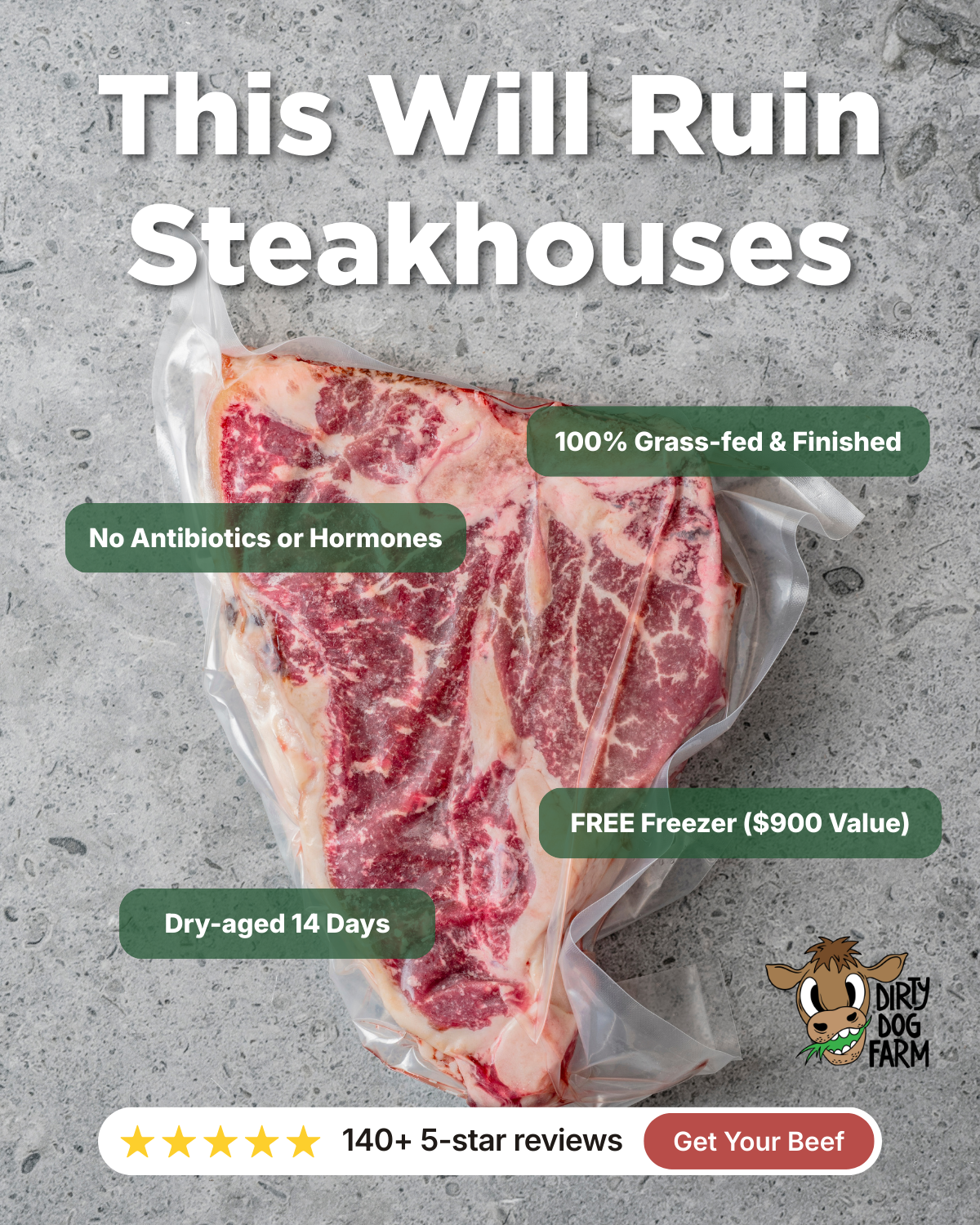
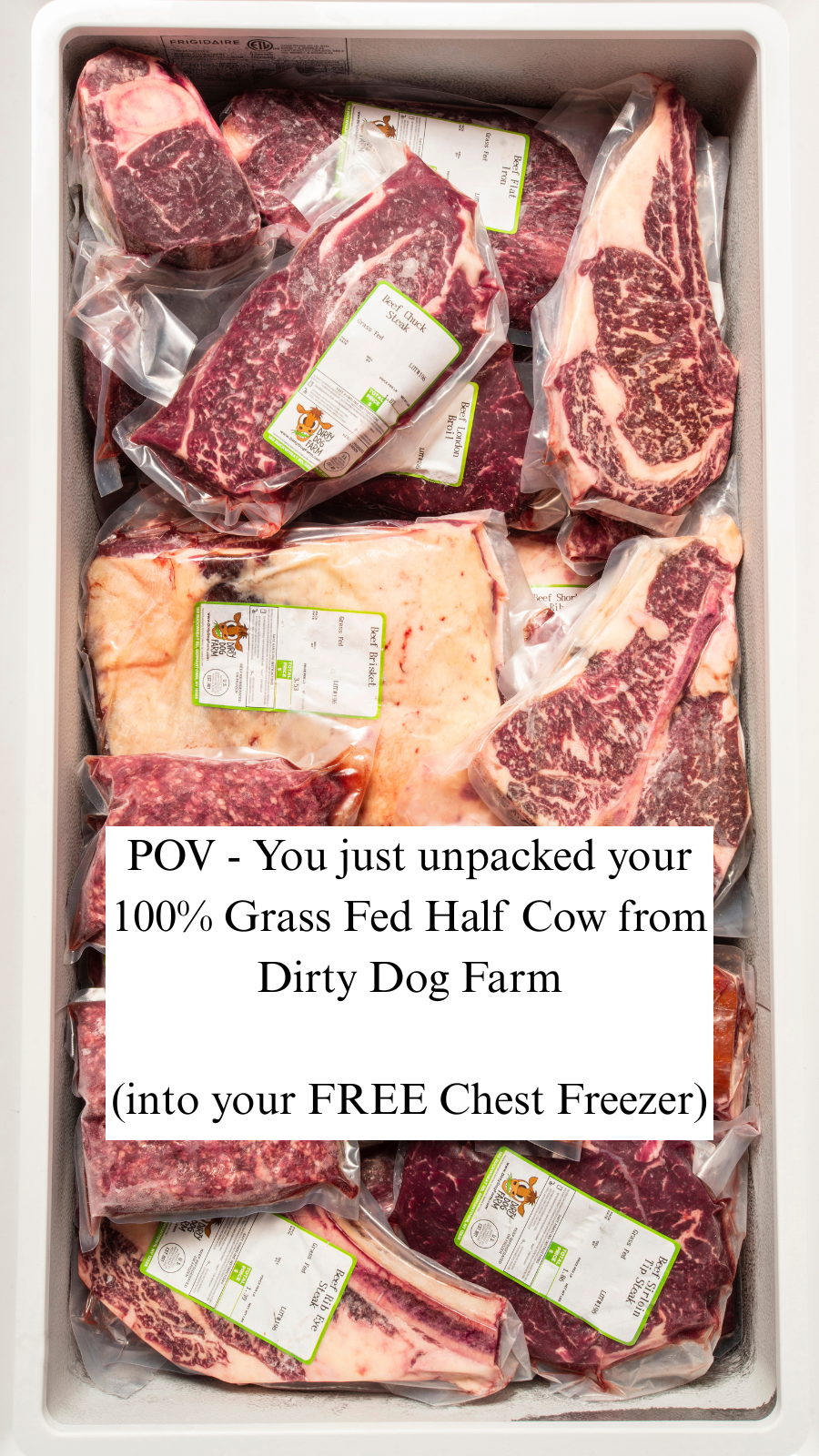
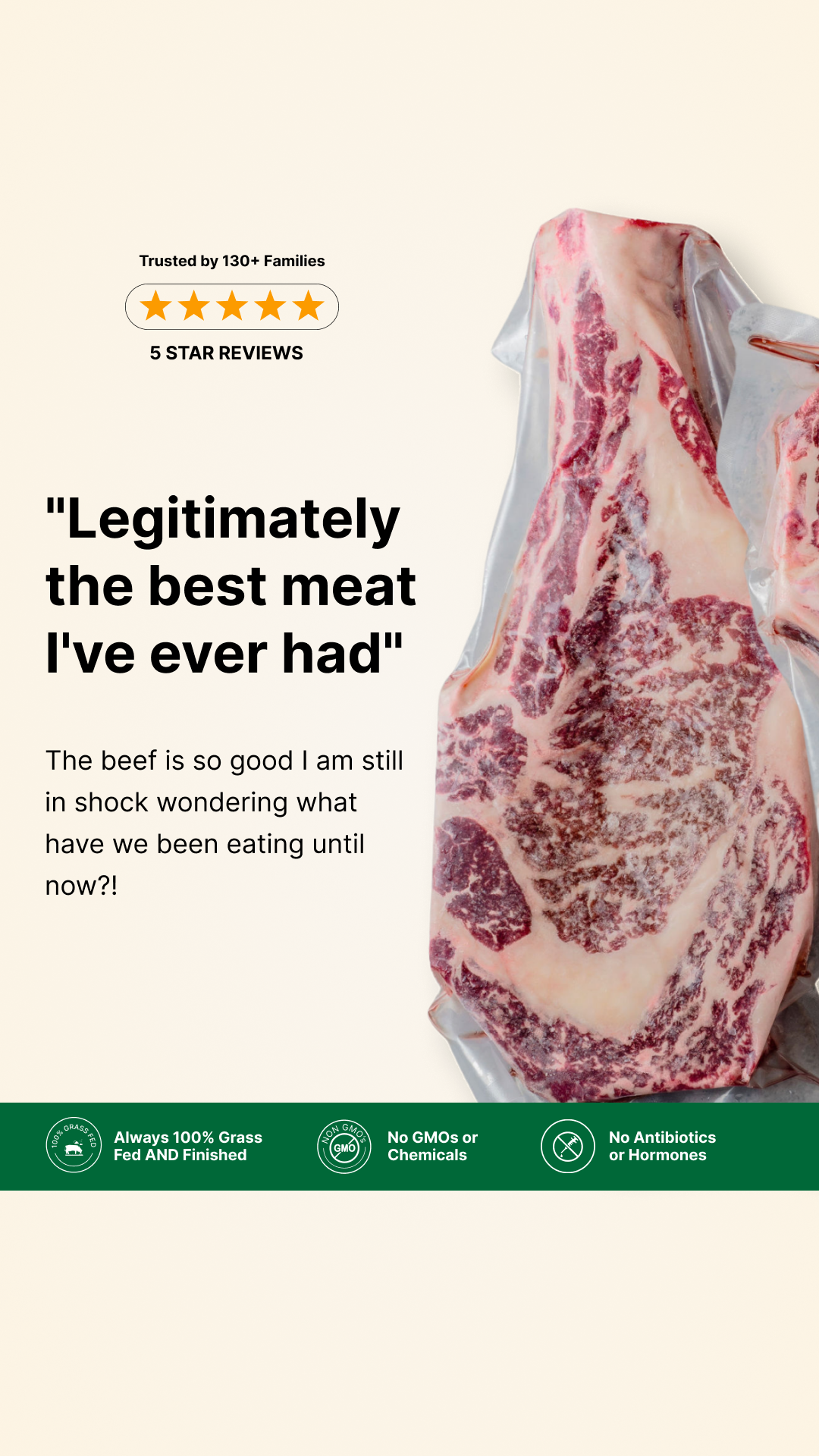
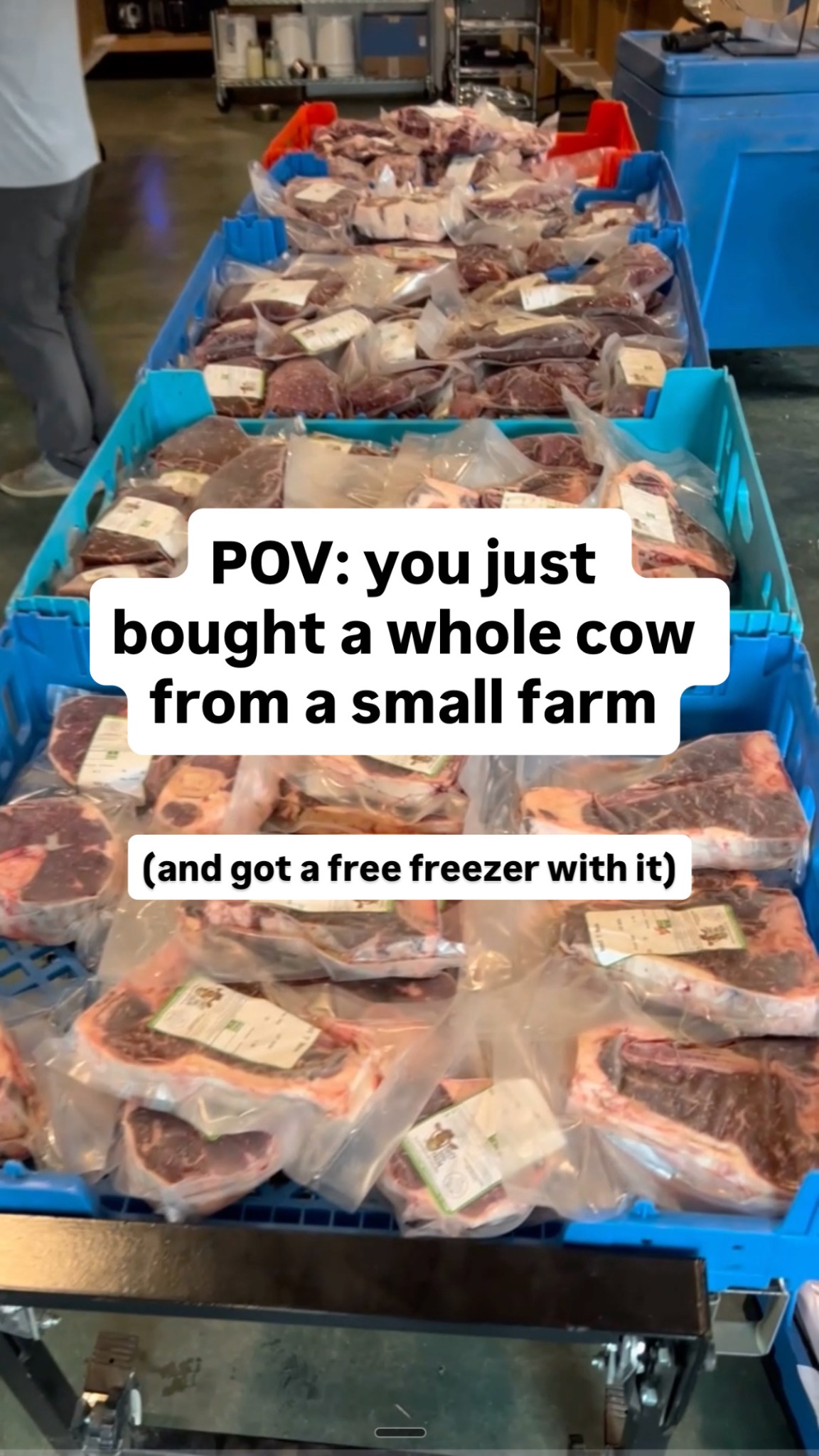
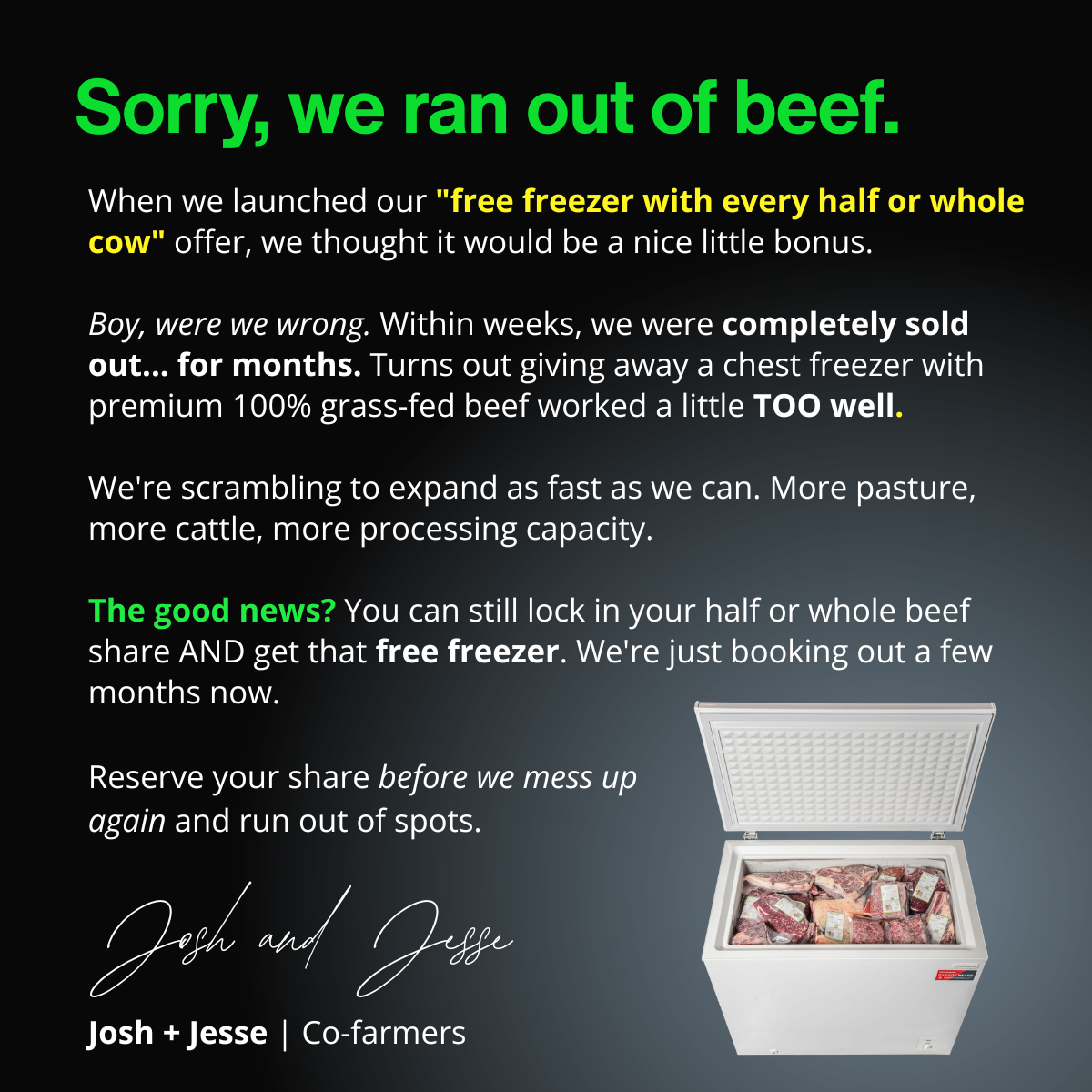
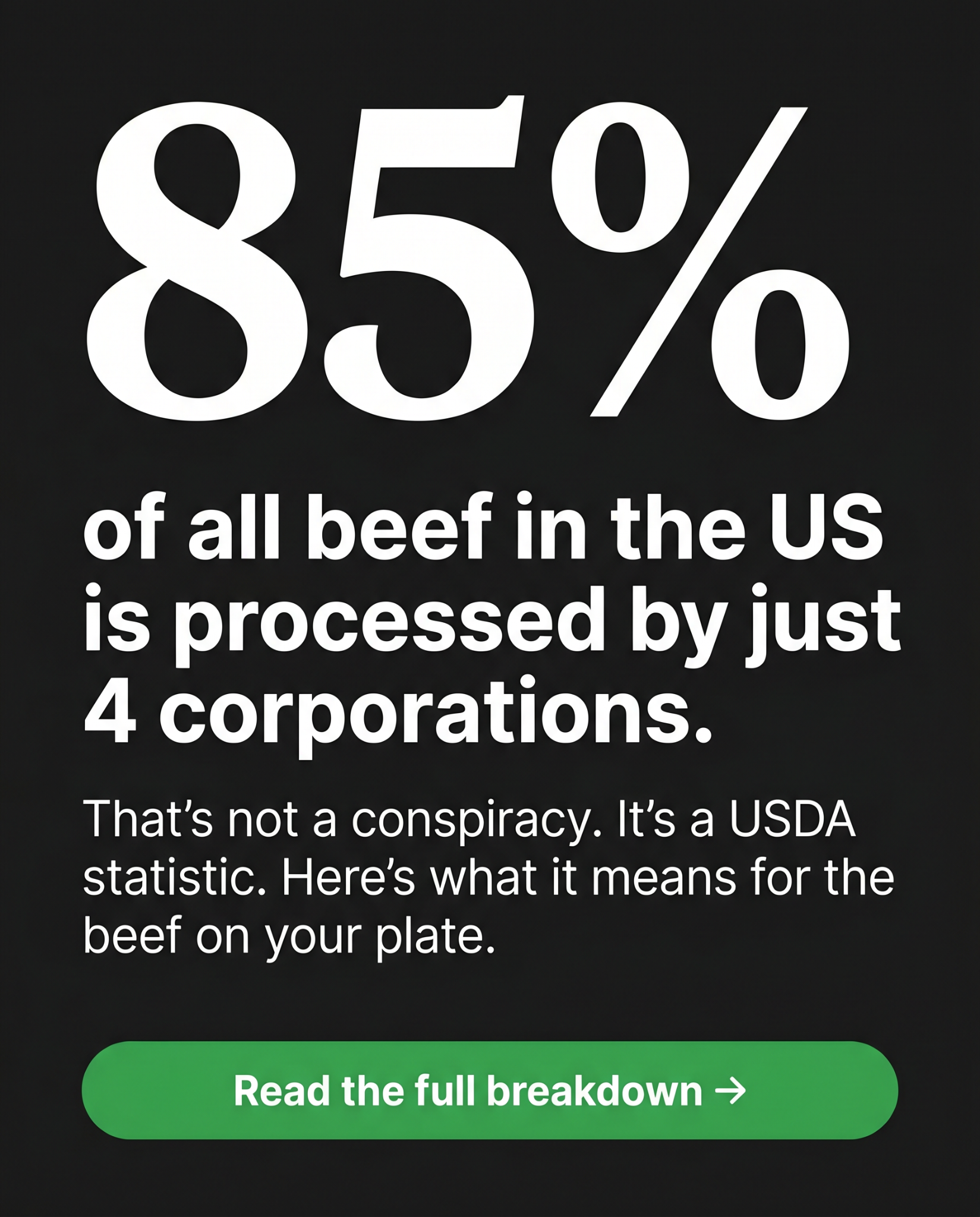
Pick five beef brands you've bought from in the last year. Grocery store, subscription box, farmers' market, whatever. Send each of them an email with these five questions: Where was the beef raised? How was it grazed? How old was the animal at harvest? What did they eat for the last six months of their life? Where was the carcass aged, and for how long? Now watch what happens. The grocery store beef counter will not be able to answer any of them. The big subscription beef brands (the ones with the influencer partnerships and the impossible-to-cancel auto-ship and the glossy magazine inserts) will probably get one or two and then start dodging. Every small farm worth buying from will answer all five in a sentence apiece. Most of the American beef industry, in any honest accounting, simply cannot. Here are our answers, in 30 seconds or less. Where was it raised? Right here in the Hudson Valley of New York. The Northeast climate, deep rainfall, and long cold-season recovery produce dense, mineral-rich pasture you simply cannot grow in the hot Australian or Uruguayan climates that most grocery store "grass-fed" beef is imported from. How was it grazed? Rotationally. We move our cattle to a fresh paddock every single day, sometimes more than once a day. That keeps the grass in its highest-energy growth stage, lets the soil recover, and builds organic matter every season instead of stripping it. How old at harvest? Roughly 28 months. The conventional industry average is 14 to 18 months. Those extra grazing seasons are where the marbling, the flavor, and the deeply nourishing grass-fed fat actually come from. There is no shortcut for time. What did they eat for the last six months? Grass and forage. No grain. No corn. No soy. Ever. Not "mostly." Not "supplemented." Ever. Where was the carcass aged, and for how long? Dry-aged 14 days at a USDA-inspected facility one hour from our farm. That's it. That's our whole operation, exposed. The reason most of the industry can't answer those five questions is that four corporations process roughly 85% of the beef in America, and the entire system is designed to disguise where your food came from, what it ate, how it lived, and how it died, behind meaningless labels and corporate branding. If you knew the answers, you'd buy less of their beef. So the answers are made hard to find on purpose. We do not have that problem. Full transparency turns out to be remarkably easy when you're proud of what you're doing. Dirty Dog Farm is a small family operation in Germantown, NY. Jesse and Josh started it in 2017 with seven cows and a hose dragged from a bathtub. Today we raise 100% Grass Fed, 100% Grass Finished cattle, dry-age them for two weeks, and ship them direct to families like yours. We do not sell to grocery stores. We do not have a subscription box. There are no influencer codes. We just sell bulk beef shares, with a FREE Chest Freezer included on every Half or Whole Share, to people who'd like to know the answer to those five questions about every bite they feed their kids. The full investigation, with all five answers, photos of the pastures, and three real customer stories (including one from a woman who couldn't believe her ground beef wasn't watery for the first time in her life), is at the link below. We're booked out through the summer. Reserve your share now or take the 60-second Beef Share Quiz if you're not sure what size your family needs.
Beef From a Farmer, Not a Conglomerate
Hudson Valley grass-finished beef. Half Share includes a FREE Chest Freezer.
SEE DETAILSLike this ad? Make it yours.
Crush rebuilds this exact creative around your product — your brand, your colors, your offer — in about a minute.