Diane Kowalski
 Facebook ad: “PLEASE STOP scrubbing your cat's water bowl.”
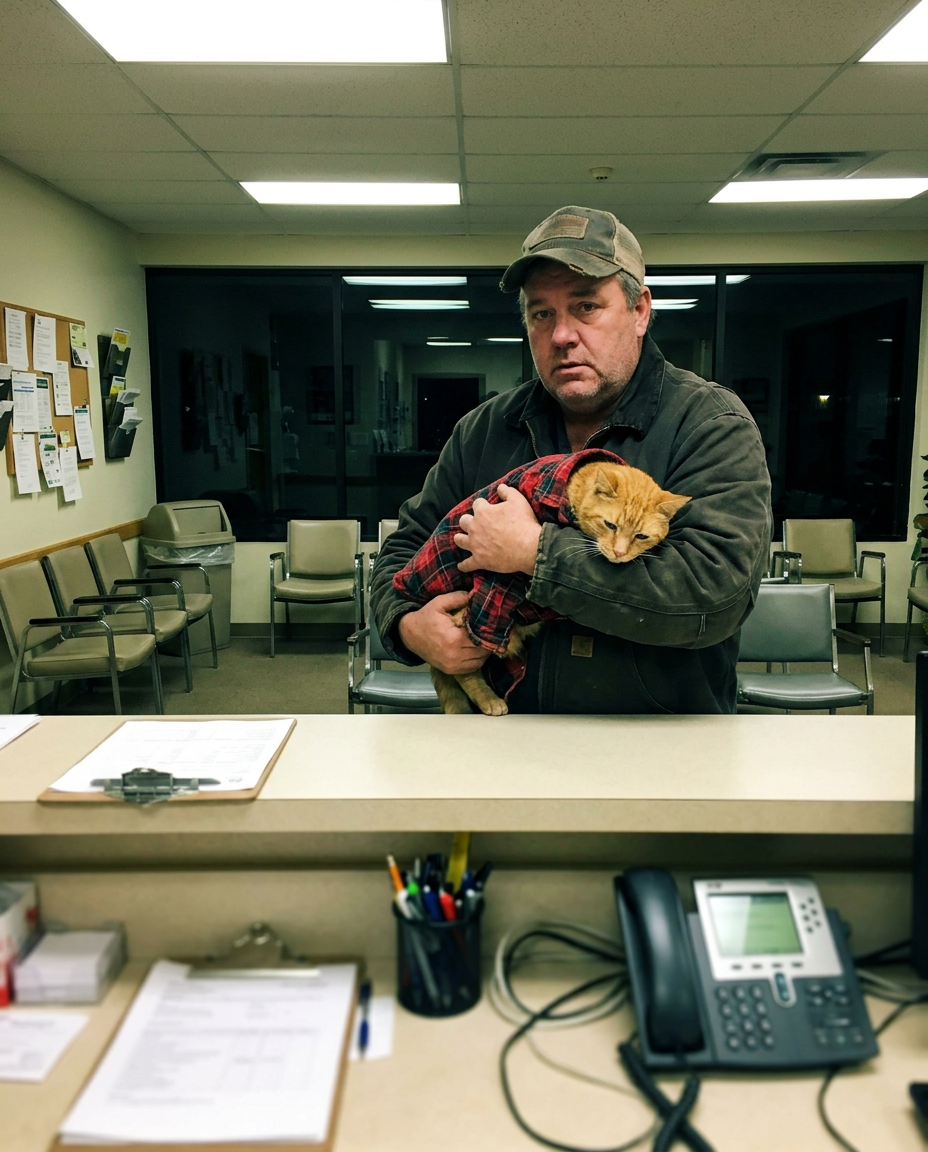
Ran for 7 days, from November 11 to November 18, 2026, the last day Crush saw it.
Run by Diane Kowalski on Facebook. Crush is not the advertiser and does not verify its claims. See this ad in Meta's Ad Library(opens in a new tab)
Make your own version of this ad
Crush makes it, launches it in your own Meta ad account, scales the winners and pauses the losers.
About this ad
- Meta Ad Library ID
- 1520433140145393
- Platforms
- Facebook, Instagram, WhatsApp and Threads
- Relaunches
- 1
Ad text
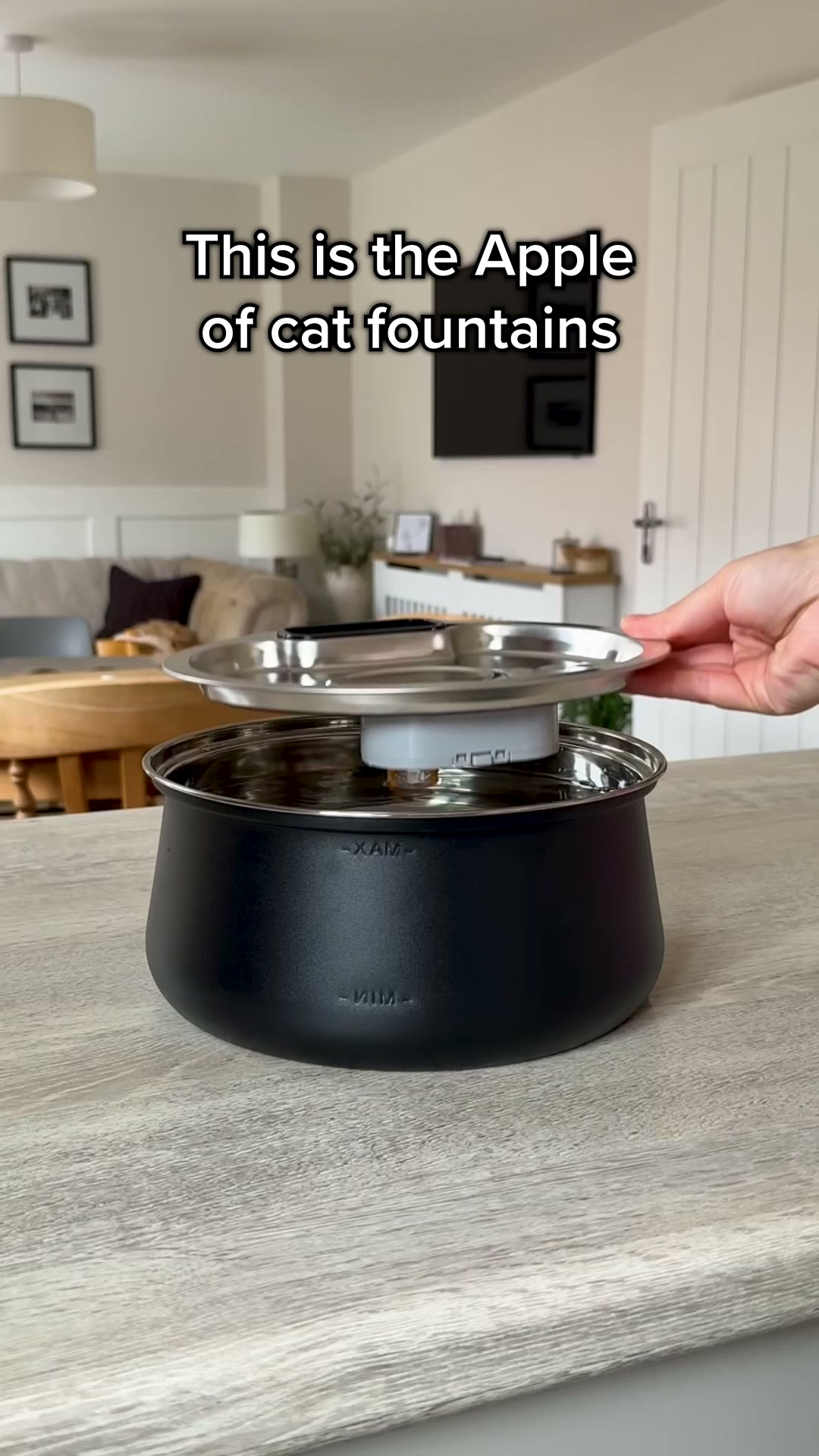
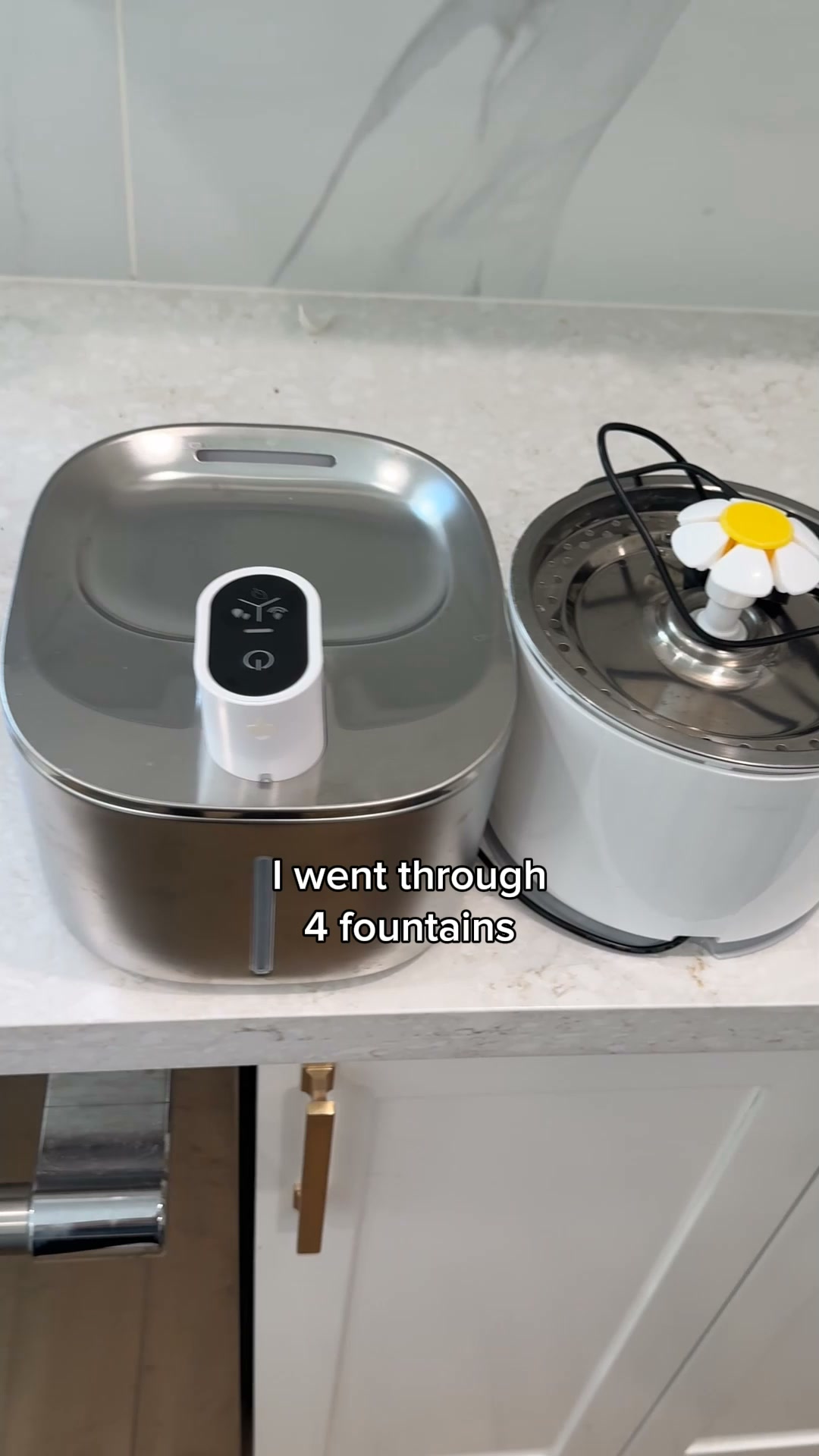
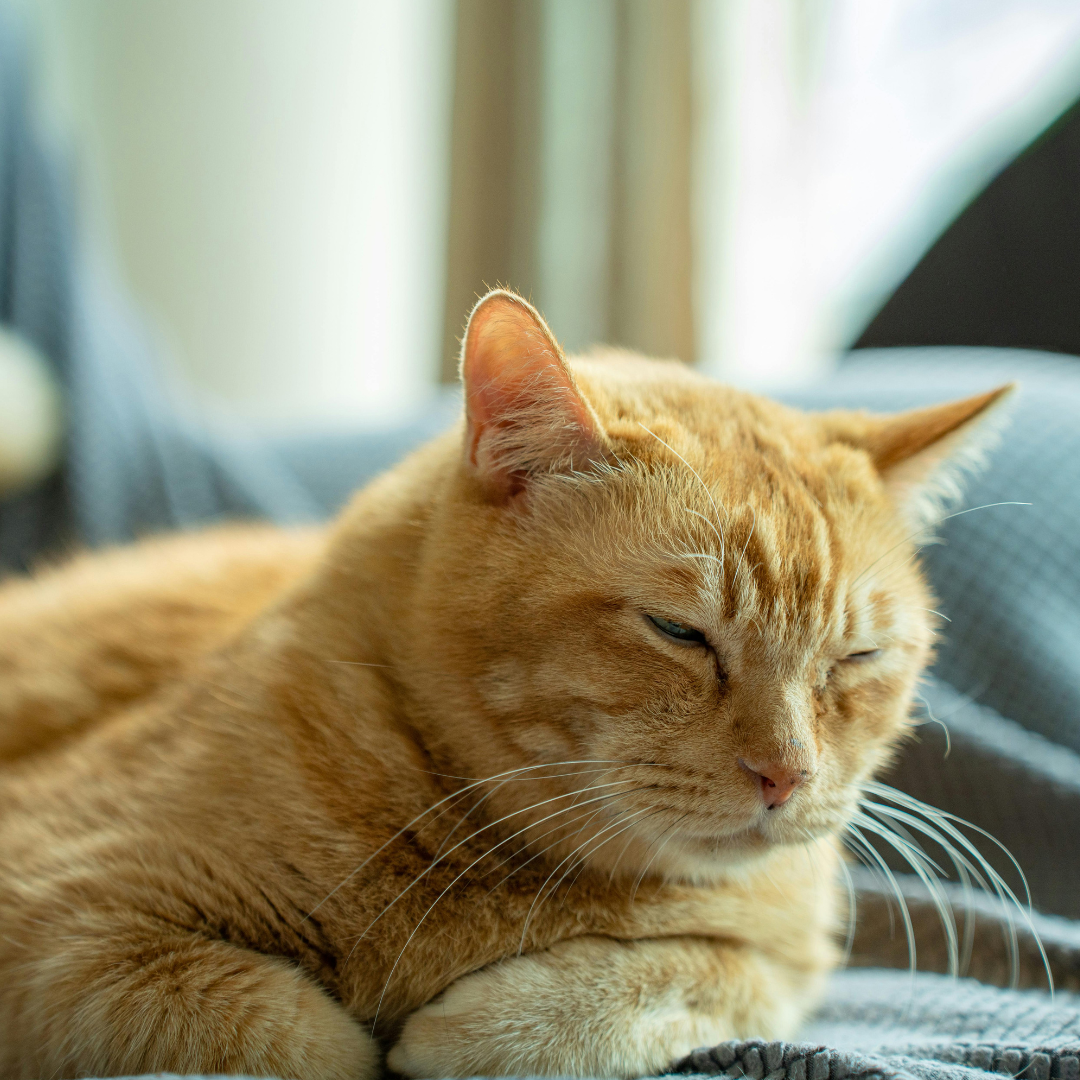
Please STOP scrubbing your cat's water bowl. Coming from somebody who works at an animal hospital, that sounds strange. But after 14 years on the overnight desk at a 24-hour animal ER in Columbus, I finally understand something that makes me sick to think about. Scrubbing a bowl does not get it clean. It makes the problem you can't see worse. Here's what I mean. And if your cat's bowl feels even a little slimy right now, please stop and read every word. Because this might be what keeps your cat alive. Marmalade changed everything for me. 4:06 AM. A Thursday. The doors slide open. I looked up expecting the usual for that hour. A blocked tom. A lily. Something sudden. Instead, a big man in a trucker cap hurries in with an orange tabby wrapped in a flannel shirt. Marmalade. 11 years old. Never sick a day, he said. Now she could barely lift her head. Dr. Nwosu checked her gums right on my counter. Pale. Tacky. Badly dehydrated, and something toxic on top of it. They rushed her to the back. IV fluids. Bloodwork. Dr. Nwosu came back with the results. I knew before she said a word. Kidney failure. Stage 4. Marmalade's kidneys were working at under 15%. She went into exam room 2, where Lyle was waiting, and I followed with his paperwork. He grabbed her sleeve before she could open her mouth. "Please tell me she's gonna be okay. PLEASE. I do everything right by her. Good food. Checkup every spring. Every morning before I pull out, I scrub her bowl in the truck-stop sink with scalding water. Every day, Doc." He was crying into his cap. Dr. Nwosu gave him the answer they all get taught to give. Genetics. Her age. Some cats just go this way. Nothing he could have done. But standing in that doorway watching a grown man sob, I knew it didn't add up. Because I'd already checked in TWO other kidney cats that month with almost the same story. Not old cats. Not sickly cats. Cats whose people doted on them. Then kidney failure out of nowhere. One died that week. All three owners had told me the same thing at that counter: "But I clean her bowl every day." That isn't bad luck or genes. It's a pattern. And when the same thing keeps happening, somebody is missing something. So I couldn't let it go. I started asking every owner at check-in about water. Bowl material. How often they washed it. Tap or filtered. Then Dr. Nwosu did something she had never done in her career. She had me collect water from the bowls of 87 cats. Every one from a careful owner. Every bowl washed that same morning. She sent them all to a lab. When the report came back, I nearly threw up. 81 of the 87 bowls came back with heavy bacterial contamination. Bowls that looked spotless. Bowls that got scrubbed that morning. Bowls their owners would have sworn were clean. Every one of them contaminated with something the report called biofilm. And once Dr. Nwosu explained what biofilm is, I saw we'd all been cleaning the wrong way. "Biofilm isn't loose bacteria," she said. "It's bacteria stuck together under a slimy coating that protects them." Here's what she said goes on inside your cat's "clean" bowl. "About 15 minutes after you fill a freshly scrubbed bowl, bacteria start settling on it. Right away they grab onto the tiny scratches in the surface." "By 90 minutes, the bacteria are putting out a slimy coating that shields them. Soap doesn't get through it. A sponge doesn't get through it." "By hour 6, that colony is 800 times harder to get off than bacteria floating loose in the water." And then she said the part I still hear at night. "The scrubbing people do every day doesn't take biofilm off." "It gives biofilm MORE scratches to hide in." "Every time you scrub a plastic bowl, you cut tiny grooves into it. Plastic is the worst for it. Even the scratched-up ones you think are fine." "The bacteria settle into those grooves and never leave." "Scrub for a whole hour. Won't matter. What's in the grooves stays and spreads back the minute you set the bowl down." That's why 81 of those "clean" bowls were contaminated. Those owners weren't lazy. They weren't careless. They were doing what they'd been told was right. And it was making it worse. "And biofilm doesn't only protect bacteria," Dr. Nwosu said. "It holds on to toxins." "Lead. Arsenic. Chlorine byproducts. Pesticide residue. Whatever is in the tap water gets caught in that slimy layer and turns it toxic." "It builds up. Gets thicker. Every hour. Every day." "So the cat isn't drinking water anymore." "She's drinking a toxic, contaminated buildup that gets worse every time somebody tops off the bowl." Then she told me the worst part. "The cat already knows." "A cat's nose picks up bacteria long before we'd ever see them. Her sense of smell is 14 times stronger than ours." "So when she leans over that bowl, she smells what's in it." "Contaminated water." "That's why she sniffs it and walks off." "That's why she jumps up by the sink and licks the faucet." "That's why she drinks the drip in the tub, or paws at any water that's moving." "She knows to stay away from that bowl." Most owners see that and decide the cat is just being fussy. Or they decide it's normal. "Cats don't drink much." I hear that at my counter every week. So they stir tuna juice into the water. Or they get fed up and figure she'll drink when she's thirsty enough. "And meanwhile, the cat drinks less," Dr. Nwosu said. "A sip, then she walks away." "And every day she doesn't drink enough, her kidneys work harder to make up for it. For months. For years." "Being a little dehydrated all the time wears on the kidneys." "Her urine gets concentrated and forms crystals. Crystals lead to infections." "Infections scar the kidneys." "And scarred kidney tissue doesn't heal." "By the time you see the signs, the tiredness, the weight loss, the hiding, you're too late." "Most owners don't notice a single thing until 70% of the kidneys are gone for good." That's what happened to Marmalade. Lyle did everything right. Fresh water every morning. A scrubbed bowl every day. Good food. A spring checkup. For years, contamination nobody could see grew in that bowl. She smelled it, drank less, and her kidneys took the damage every single day. By the time he carried her in at 4:06 AM, Dr. Nwosu told me, nothing could undo it. Marmalade made it through that night. Just barely. But her kidneys never fully recovered. Medication. A kidney diet. Fluids under the skin every night, which Lyle gives her in the sleeper cab. A few weeks later at a recheck, Lyle leaned on my counter: "I just wish somebody had told me sooner." I still hear him say it. Because I should have known. 12 years at that desk. Thousands of kidney cats. Hundreds of "but I clean her bowl every day." I'd never once checked my own cat's bowl. After that shift I did. Slimy. Biofilm. Pepperjack, my 9 year old gray-and-white shorthair, still wears a paper visitor wristband I clipped on him for my 10th anniversary. So Dr. Nwosu and I read everything we could. Vet journals. Microbiology papers. How human hospitals keep water lines clean. We needed to know if there was any way to stop biofilm from forming at all. That's when Dr. Nwosu turned up a study from a veterinary school in California. It looked at how biofilm grows on surfaces inside animal hospitals. And it named three conditions that keep biofilm from forming to begin with. One: the water has to keep moving. "Biofilm needs still water to take hold," she said. "If the water never stops, bacteria can't build that layer. They need 5 to 7 hours of still water to settle in." Two: filter out what the bacteria feed on. "Not only the bacteria. The organic bits, the minerals, the debris they need to grow. Take that away and they can't survive." Three: keep diluting it. "Fresh filtered water mixing in all the time keeps the bacteria count too low for biofilm to form." "Hospitals do the same thing in the pipes that feed patients with weak immune systems." "And no bowl can do any of that," she said. "A bowl holds still water. Still water is exactly where bacteria build biofilm." So I started looking at fountains for Pepperjack. And I ran right into another problem. I bought nine different cat fountains. All with good reviews. Cheap ones off Amazon, pricey ones from the pet store. Within three weeks, all nine had problems. Mold growing in the pump housing. Slime in corners I couldn't get a brush into. Plastic parts scratched up and full of bacteria, same as a bowl. The pumps sat down in the water, so the pumps themselves were spreading contamination. One looked perfectly clear from the top. When I pulled the pump apart, black slime was caked all over it. And it was going right into the water Pepperjack was drinking. It was no better than his bowl. Maybe worse. I almost quit. Then I asked around the hospital, and at the other ERs in town, whether anybody had found something that worked. A vet tech I worked nights with years ago, now at a clinic across town, said her vets had been sending clients to something called KittySpout for about two years. The name meant nothing to me. She said it wasn't built like the fountains at the pet store. A stainless steel basin. Stainless steel where he drinks. Water always moving. And 3-layer filtration on everything going through it. I didn't believe her. I'd already wasted money on 9 fountains that promised the same kind of things. But then she told me something that made me listen. Her vets had been watching senior cats with early kidney disease whose owners switched to it. At rechecks, those cats were drinking more, their gums were wet, and they were holding their weight. That's not what usually happens. Kidney cats get thinner. They lose weight. They don't put it back on. I ordered one that night. When it came, the first thing I noticed was the size of it. It wasn't some little plastic thing. Brushed stainless steel, a big round basin, a copper spout on top. I read the box. Stainless steel. A 3-layer filter. Brushed stainless steel, the same inside as out. Smooth steel that doesn't soak anything in. The water was always moving. Not on and off. All day and all night. And every drop went back through the 3-layer filter before it came out of the spout. I set it where his bowl used to be. Day one: Pepperjack sniffed it and walked away. The water stayed clear. Day seven: Still clear. No slime. That night he finally drank from it, with his paper wristband hanging right over the water. Day fourteen: I ran my finger around the inside of the basin. Smooth. No slime. No biofilm. Day thirty: Dr. Nwosu mailed a sample of the water to the lab that tested the 87 bowls. No biofilm found. In all my years at that hospital, I had never seen water stay that clean that long. So Dr. Nwosu started recommending it. To owners whose cats showed early signs of kidney trouble. She asked them to watch how much their cats drank and call in. Within weeks, the calls started coming to my desk. One owner left a message with me: "I don't know what's going on, but Noodle won't stop drinking. I've never seen her drink like this. She used to smell her bowl and leave. Now she's at that fountain every hour or so." Another owner had a 13 year old Maine Coon who had never been much of a drinker. She'd been mixing tuna water into everything to get fluid in her. The first day with the fountain, that cat drank for almost 4 minutes straight. Her owner called the desk crying. The rechecks started saying the same thing. Cats drinking more. Weight coming back on. Dr. Nwosu tracked 17 cats over two months. All seniors with early kidney disease. 16 of the 17 held or gained weight, with wet gums and skin that snapped back. Every single one drank at least 35% more water. No urinary tract infections and no kidney crashes the whole two months. One cat's owner stopped giving fluids under the skin at home. Dr. Nwosu said she was drinking enough on her own. "Clean water, actually clean, gets them drinking," Dr. Nwosu told me. "They stay hydrated. Their kidneys stop straining over toxins that never belonged in the water." Marmalade is still alive. She's 13 now. Her kidneys never fully came back. The damage from years of drinking too little out of that bowl was done. At her last recheck Dr. Nwosu came out smiling. Up half a pound. Gums wet. "See you next checkup." She's comfortable. She plays. She drinks from the fountain Lyle bought after I told him about it. Every recheck he leans on my counter and says it again: "I just wish somebody had told me sooner." I wish I'd known too. I spent 12 years at that desk checking in kidney cats without knowing a slimy bowl could be why they stopped drinking. Nobody teaches biofilm at the front desk. But now I tell every owner who walks up. If your cat has never been much of a drinker and you've always figured that's just cats. If she walks up to her bowl, sniffs it, and walks away without drinking. If she gets up on the counter for the faucet, or drinks from the tub instead of her bowl. That isn't fussiness, and it isn't how cats are. She's smelling something wrong in her water. And if you scrub that bowl daily thinking that fixes it, you need to hear this. You aren't fixing it. You're giving the bacteria deeper scratches to hide in. I realize this sounds like a sales pitch. It isn't. I don't work for KittySpout. Nobody pays me to say this. I'm just the woman at the front desk who has seen too many cats get sick from something preventable. Who has handed tissues to too many crying owners. Who has heard "but cats just don't drink much" over and over. Here's where I got Pepperjack's fountain: https://www.kittyspout.com/products/2-2l-fountain Look at it, at least. Right now it's 50% off with free gifts, free shipping and a 365-day money-back guarantee. You don't even have to return the box. Because with kidney disease, you don't see anything until it's late. And once the signs show up, most of the kidneys are already gone. Lyle and Marmalade taught me that. Please don't find out the way they did. P.S. Go feel the inside of your cat's bowl tonight. If it's slimy at all, that isn't hard water. It's biofilm, live bacteria that grow back within hours of a scrubbing. Your cat is smelling that contaminated water right now, so she drinks less, and her kidneys work harder every day she doesn't drink enough. Scrubbing harder won't fix it. I watched owners try for 12 years before I knew better. What works is water that never sits still long enough for biofilm to form. That's why Pepperjack drinks from a KittySpout now. He's still wearing that paper wristband from my 10th anniversary, and he still rides on my shoulder over to the fountain every morning.
Where the ad sends people
kittyspout.com
PLEASE STOP scrubbing your cat's water bowl.
Our most compact fountain
Learn more: kittyspout.com(opens in a new tab)