
Inactive· since Jun 16, 2026
- 65
- days it ran
- 2
- relaunches
- 41,263
- EU reach
Ad copy
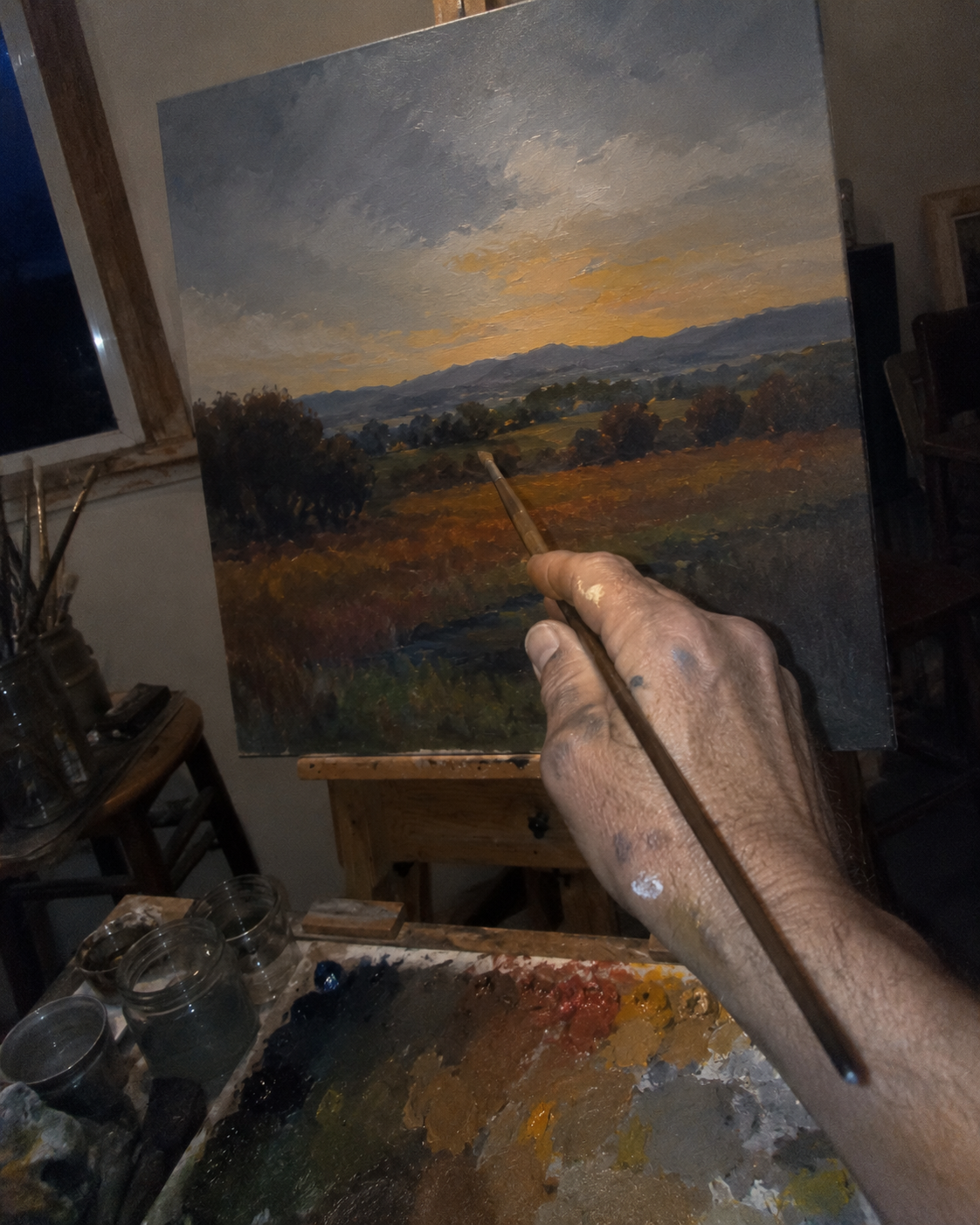
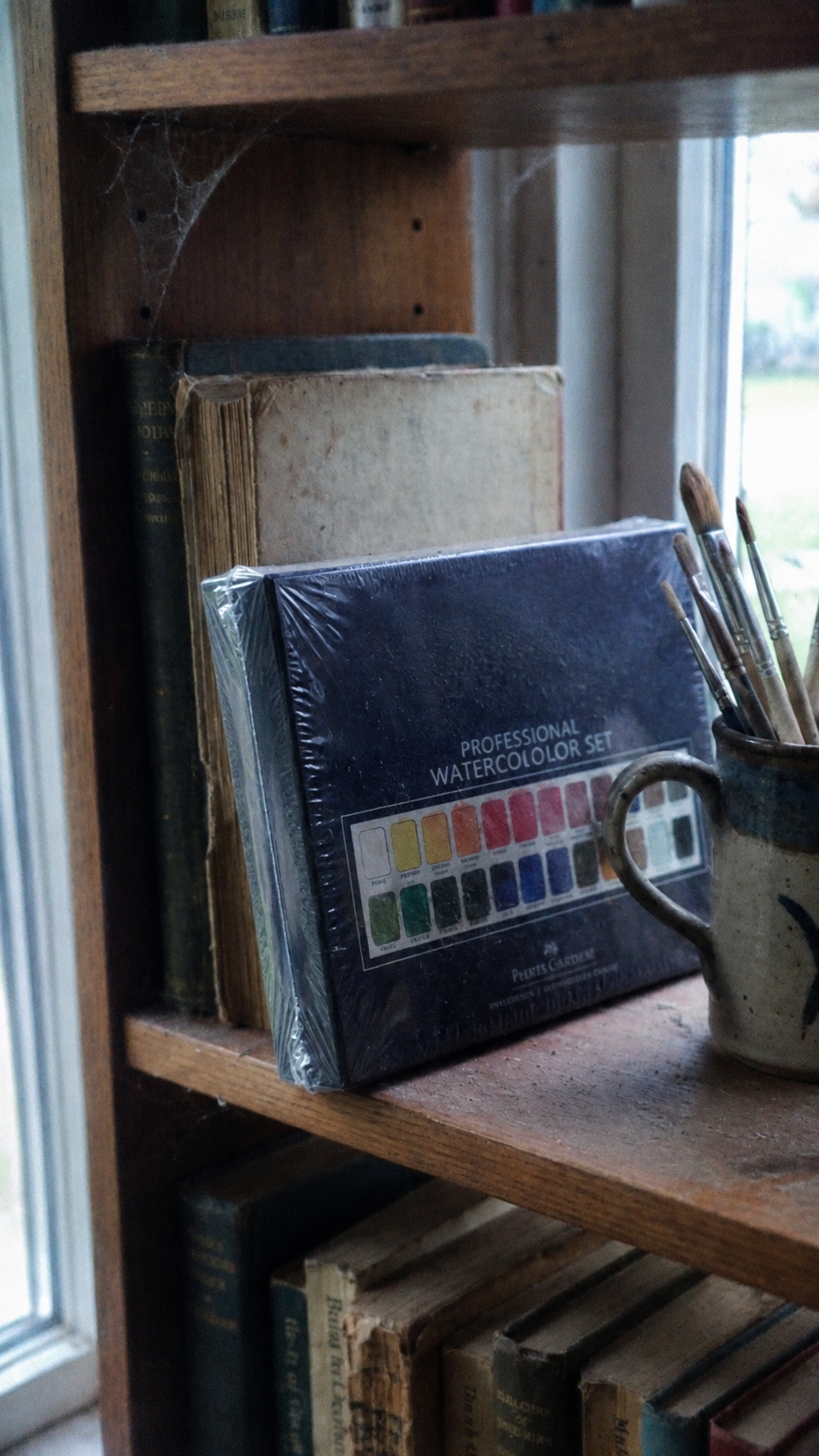
I did everything the doctors and the magazines told me to. I still felt like I was watching my own life through a window. A woman at a delayed gate finally said the thing out loud. I have spent my whole life being the responsible one. The oldest of five. The reliable friend. The teacher who never called in sick in thirty-one years. I retired from the classroom three years ago at sixty-one, and I approached my own health the way I approached a lesson plan. Thoroughly. I eat the way the good articles say to eat. I walk every morning, the full loop, before the day can talk me out of it. I sleep with my phone in the other room. I take my vitamins from a daily organizer with a little door for every day of the week. I get my checkups, on schedule, no excuses. I am, in short, exactly the woman the health pamphlets are written for. And for the last few years, I have felt like I was watching my own life through a window instead of living inside it. Let me be careful, because there's nothing dramatic to point at. I wasn't sick. I want to say that plainly. No pain, no symptom I could circle on a form. I just felt... behind glass. Like the bright, present version of me had stepped out of the room and left a quieter one to keep things running. The energy was the first thing. I'd do my morning walk and instead of feeling lit up, I'd feel like I'd spent something I wasn't going to get back. By mid-afternoon I was running on empty. Not sleepy, exactly. Just dimmed. I'd sit down with a book — me, a lifelong reader — and find I'd read the same paragraph three times without it landing. And here's the thing that gnawed at me. I'd done everything. Everything they tell you. If anyone had earned the right to feel wonderful in her sixties, it was me. I'd done the homework, every bit of it. And I felt like I was living my one retirement at half-brightness. My sister was the first to name it. We were on the phone and she said, "You sound far away lately. Not sad. Just... not all the way here." And she was right, and it stung, the way it stings when someone says the thing you've been refusing to say. I'd stopped doing the things I'd retired for. I'd planned to travel. I'd planned to take the watercolor class. I'd planned to finally be the woman with time and energy for her own life. Instead I kept finding reasons. The trip could wait. The class would still be there next term. The truth under the truth was that I didn't have the fuel to be the version of me those plans needed. So they sat there, all my lovely retirement plans, gathering dust, while I watched my own life through the glass. I did the sensible thing, of course. I'm me. I went to my doctor — a thorough, kind woman I trust completely. I laid it all out. The behind-glass feeling. The afternoon emptiness. The walk that took more than it gave. She listened, and she took me seriously, and she ran the full workup. The send-away panels, the whole set. And the results came back, and I could hear the satisfaction in the nurse's voice on the phone. Everything was excellent. Not just fine. Excellent. In range across the board, better than women half my age. I went back in, because "you're doing wonderfully" did not match a woman watching her life through a window. And my doctor was honest with me. She told me, truthfully, that she rarely sees results as clean as mine. That I was doing everything right. That she had no concern for my health and, frankly, no next thing to recommend — because I was already doing every single thing she'd recommend. She wasn't dismissive. It was almost the opposite. I'd done such a thorough job that there was nothing left for her to hand me. And she was decent enough not to invent something. So I drove home with a perfect report. And the glass still up between me and my own life. There was a whole layer of how I felt that no panel was measuring. Nobody had a tool for it. And I'd done everything right to avoid this exact feeling, and gotten it anyway. That was the part I couldn't make peace with. Now here's where the door cracked open. In the least likely place: an airport. I was finally taking a small trip — pushing myself to do one of the things I'd been putting off — and my flight got delayed. Three hours. I found a seat at the gate and resigned myself to it. And the woman beside me, about my age, with a paperback and the unbothered air of a frequent traveler, struck up the easy kind of conversation you have when you're both stuck and going nowhere. Her name was Doreen. We talked about nothing for a while — the delay, the bad airport coffee, where we were each headed. And then she asked me, kindly, the way a stranger can, whether I was looking forward to my trip. And I surprised myself. Instead of the bright, polite answer, I told her the truth. That I'd planned this trip for two years and almost talked myself out of it a dozen times. That I did everything right and still felt like I was watching my own life through a window. And Doreen set down her paperback and looked at me and said, "Oh, I know that window. I lived behind it for the better part of two years. Can I tell you about it? We've certainly got the time." Doreen had been me. A planner. A do-it-right woman. She'd been a hospital administrator for thirty years — organized to the bone, applied the same rigor to her own health that she applied to a budget. The clean eating, the walking, the vitamins in the little doors. And somewhere in her late fifties, she said, the glass came up and stayed there. "I'd done everything," she said. "I'd earned the good years. And I was watching them happen to me from a little distance. And every test came back perfect, which somehow made it lonelier — there's no comfort in a problem nobody can find." I felt something loosen in my chest. Because that was it. Word for word, the thing I hadn't managed to say to my own sister. "What did you do?" I asked her. And she smiled and said, "First — and I mean this — I'm not a doctor. I ran the building, I didn't practice in it. So you take this for exactly what it's worth, and you check it with your own people. Promise me that." I promised. "After about a year behind the glass," Doreen said, "I got stubborn. I started reading at night. Not the junk — I spent thirty years separating the real from the oversold in budget meetings. I can spot a hopeful claim. The actual research." What she kept circling back to, she said, was a growing body of research on molecular hydrogen and cellular wellness. Quiet research. Not flashy. Not a cure for everything under the sun. Just a steady, patient interest in something very small. "Molecular hydrogen is the smallest molecule there is," she told me. "I won't pretend I followed all the science. What I took away was that it's about supporting the body's natural antioxidant balance and supporting healthy cellular energy. The ordinary, day-to-day running of the machine." That landed on me. Cellular energy. The glass. The walk that took more than it gave. That was the layer nobody had a tool for — the layer underneath a perfect chart. "I'm not going to sit here and tell you it's a miracle," Doreen said. "I won't do that to you. I'll just tell you what I did and what I noticed, and you do whatever you think is right." What she did was the sensible thing. And it's the part I'd most want you to copy. Before Doreen put one new thing in her body, she called her doctor. She told her exactly what she was looking at. And she asked the only question that mattered. Is this a sensible thing to add to everything I'm already doing — not in place of any of it? The doctor looked into it. She told Doreen there was nothing about it that concerned her as an addition to everything Doreen was already doing. And that added on top of all of it, not replacing any of it, it was a reasonable thing to try. So that's what Doreen did. She added it. She didn't stop her walking, her eating, her vitamins — not one thing. She just added it on top. The one she used is called PrimeCell H2. It's a rapid-dissolve tablet. You drop it into a tall glass of cool water. It dissolves and releases the hydrogen. And you drink it fresh, right away. She was firm about that part. Cool water, fresh, drunk in the moment. Hydrogen is the smallest molecule there is, she said. It escapes the second it's exposed to heat or left sitting out. So you don't mix it and walk away. You drink it right then. One tablet. One glass. Once a day. Doreen drank hers next to her morning coffee and got on with her life. And she didn't change a single other thing. She just added the glass of water. They called our flight, eventually. We were seated rows apart, but Doreen leaned across before we split off and wrote her number on the corner of her boarding pass and pressed it into my hand. "Check it with your doctor," she said. "Then decide. Either way it was the best-spent three-hour delay of my life." I traveled, and I came home, and I did not jump. I'm a careful woman. You know that about me by now. So I did exactly what Doreen did. I called my pharmacist first — same fellow for fifteen years, who doesn't sugarcoat anything. I told him exactly what I was looking at, and everything I was already taking. And I asked whether there was any reason it'd be a problem alongside all of it. He looked into it and told me there was nothing he'd be concerned about as an addition to my routine. Then I brought it to my own doctor at my next visit. I said it plainly: "I'm thinking of adding this. Not instead of anything I'm already doing. On top of all of it. Is that sensible?" She said it sounded reasonable. And that adding it to everything I was already doing — not replacing any of it — was a perfectly fine thing to try. Two careful people, both saying the same thing, before I spent a dime. That was the green light. Now I have to be honest with you, because I was a teacher for thirty-one years and I cannot abide a story that overpromises. Nothing happened the first morning. Or the third. I stood at my own counter feeling slightly absurd — a woman who'd organized her whole life around doing things right, drinking fizzy water and waiting to feel like herself again. I nearly quit twice, mostly out of impatience. I can't tell you which week it turned. I truly can't. But somewhere in there, I was on my morning walk. And I came home and didn't sink into the chair. I got out the watercolors I'd bought a year before and never opened, and I painted the maple in the backyard, badly and happily, until the light changed. I looked up and the afternoon had gone by. The glass — the one I'd been looking through for two years — wasn't there. I was just in the room. In my own life. Painting a tree. The second thing happened a few weeks later. I signed up for the watercolor class I'd been putting off. The Tuesday one. The one I'd told myself, term after term, I'd take "when I had more energy." I went. Every week. I sat with strangers and made a mess and laughed and drove home tired in the good way — the way you're tired after a life, not after a Tuesday. I'd forgotten what that kind of tired even felt like. The third thing is the smallest, and it's the one I keep coming back to. It was three in the afternoon on an ordinary day. And the emptiness didn't come. I kept waiting for it — I'd built my afternoons around managing it for so long — and it simply didn't arrive. I read a chapter and it landed. I had a whole afternoon, and an evening on top of it. A full day, end to end, lived from the inside. I can't prove to you any of it was the tablet. I won't pretend I can — and as a woman who graded thousands of papers on the strength of the evidence, believe me, I wanted a clean proof. I was doing a hundred things right, the way I always had. Maybe one of them finally caught. Maybe it was the one I added. But I'd been doing all those other right things for years while the glass stayed up. And somewhere after the glass of water, quietly, it came down. That's the honest version. It's the only one I'll give you. At my next checkup, my doctor went through everything. She said my numbers were still excellent and to keep doing exactly whatever I was doing. I told her I'd taken up watercolors. She smiled and said, "Good. That's worth more than anything on this chart." I didn't explain. I just agreed, because she wasn't wrong. I've thought a lot about why the glass came down. And the most honest answer I have — and it costs me something to admit, as a woman who likes a clear answer at the end of the lesson — is that I don't fully know. So I'll just tell you what the product is for, plainly. PrimeCell supports healthy cellular energy. It supports the body's natural antioxidant balance. It supports cellular wellness. That's not a promise about your window, or your watercolors, or anything at all. It's not a promise about anything. It's just what it's for. Some people notice something in the first week or two. Others take a lot longer. Some, I'd imagine, don't notice much at all. Bodies are different. Mine is just one body, with one story. And this is something you do consistently, over time. The cellular processes it supports build up gradually, not overnight. It isn't a pill you reach for on a dimmed afternoon. It's a glass of water you drink every morning whether you feel anything that day or not. So here's what I'd tell you, if we'd been stuck at that gate together. If you've done everything right — the eating, the walking, the sleep, the vitamins in the little doors — and you still feel like you're watching your own life through a window, and your bloodwork keeps coming back fine or better than fine, and your doctor has run out of next things to hand you because you're already doing them all: First, talk to your doctor or your pharmacist. Both, if you can. Especially if you're already taking something for your blood pressure, your blood sugar, or your heart. Ask them the same plain question I asked. Is this a sensible thing to add to what I'm already doing? And they may well say yes — then it really is just a tablet and a glass of cool water in the morning. Added to everything else you're already doing, not replacing any of it. Then give it a few weeks. Don't watch it like a pot. Just set the glass next to the coffee and let your body keep its own time. Be patient with yourself. You've followed everyone else's good instructions for so long. You're allowed to feel like yourself while you do. That's the whole of it. That's what a stranger named Doreen did for me over bad coffee at a delayed gate. And I'd be a poor sort of person not to pass it on. P.S. I called the number on the boarding pass. Doreen and I are friends now — we've even taken a trip together, the kind I used to plan and never take. She still has the paperback habit and the no-nonsense streak. I told her she'd ruined my talent for talking myself out of things, and she said that was precisely the point. P.P.S. I keep a spare box of it in the cupboard now. PrimeCell is a small company and they've sold out before, and I — a woman with a labeled door for every day of the week — do not care to get down to the last few tablets and have to think about it. I'd rather it just be there in the morning, next to the coffee. P.P.P.S. Here's exactly what I'd do, in order. Call your doctor or pharmacist first and ask if it's a sensible thing to add to what you're already on. If they say yes, drop one tablet into a tall glass of cool water in the morning and drink it right away while it's fresh. Don't change anything else you're doing — just add this on top of it. Then give it a few weeks. Some people notice something in the first week or two. Others take longer. Some bodies take their own sweet time. Be patient with yours. P.P.P.P.S. PrimeCell H2 has a 90-day money-back guarantee. If you're not satisfied for any reason at all, every penny back, no questions asked. I think that's a sensible policy for a supplement. It gives you enough time to actually see whether it does anything for you, instead of deciding in a week. I'd take the full ninety days before making up my mind. P.P.P.P.P.S. My watercolor of that backyard maple is framed in the hallway now. It's not very good. My granddaughter says the tree looks like broccoli, and she's not entirely wrong. But I painted it on the first afternoon in two years that I felt all the way present in my own life, so it stays on the wall, broccoli and all. That's not a headline. It's just a small quiet thing. But the small quiet things — a badly painted tree, a yes to the trip, a full day lived from the inside — those are the ones worth telling a stranger about at a gate. https://track.getamalahealth.com/5548c06d-d9c3-4785-b466-fec64a6fdb28 The people and events depicted in this ad are illustrative and not based on any specific individual. Individual experiences vary. These statements have not been evaluated by the FDA. This product is not intended to diagnose, treat, cure, or prevent any disease.
Fix Yourself at the Cellular Level
PrimeCell H2 is a next-generation molecular hydrogen tablet formulated to support your body's natural antioxidant defenses — helping you feel sharper, more energized, and more like yourself.
LEARN MORELike this ad? Make it yours.
Crush rebuilds this exact creative around your product — your brand, your colors, your offer — in about a minute.