
Inactive· since Aug 19, 2026
- 8
- days it ran
- 0
- relaunches
Ad copy
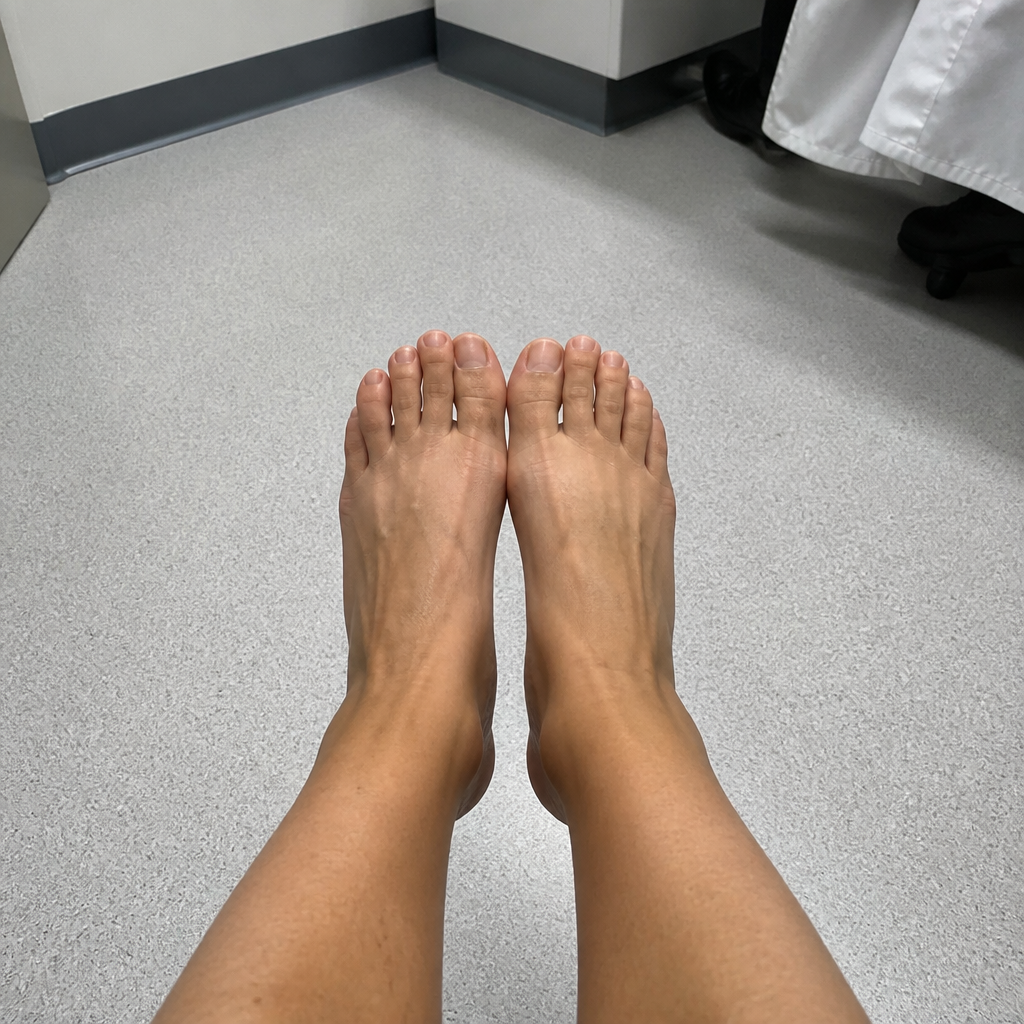
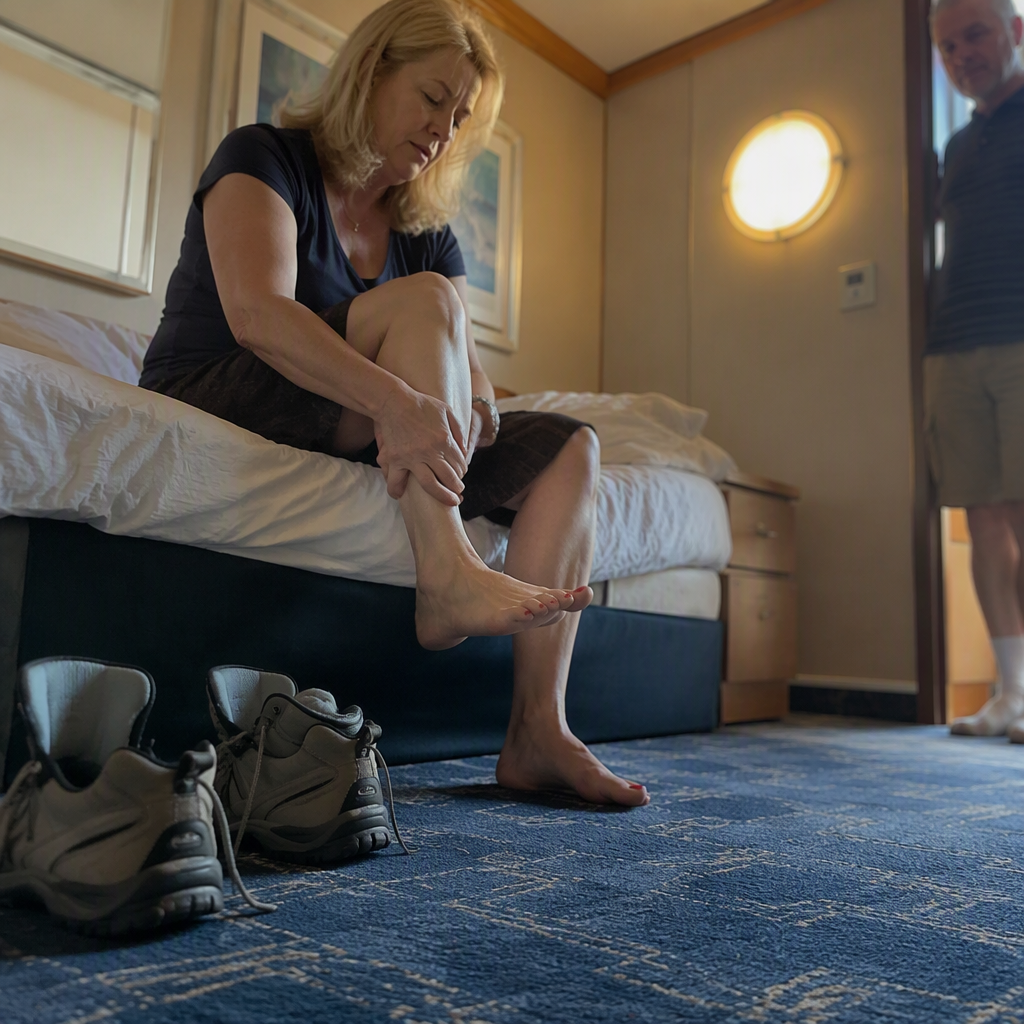
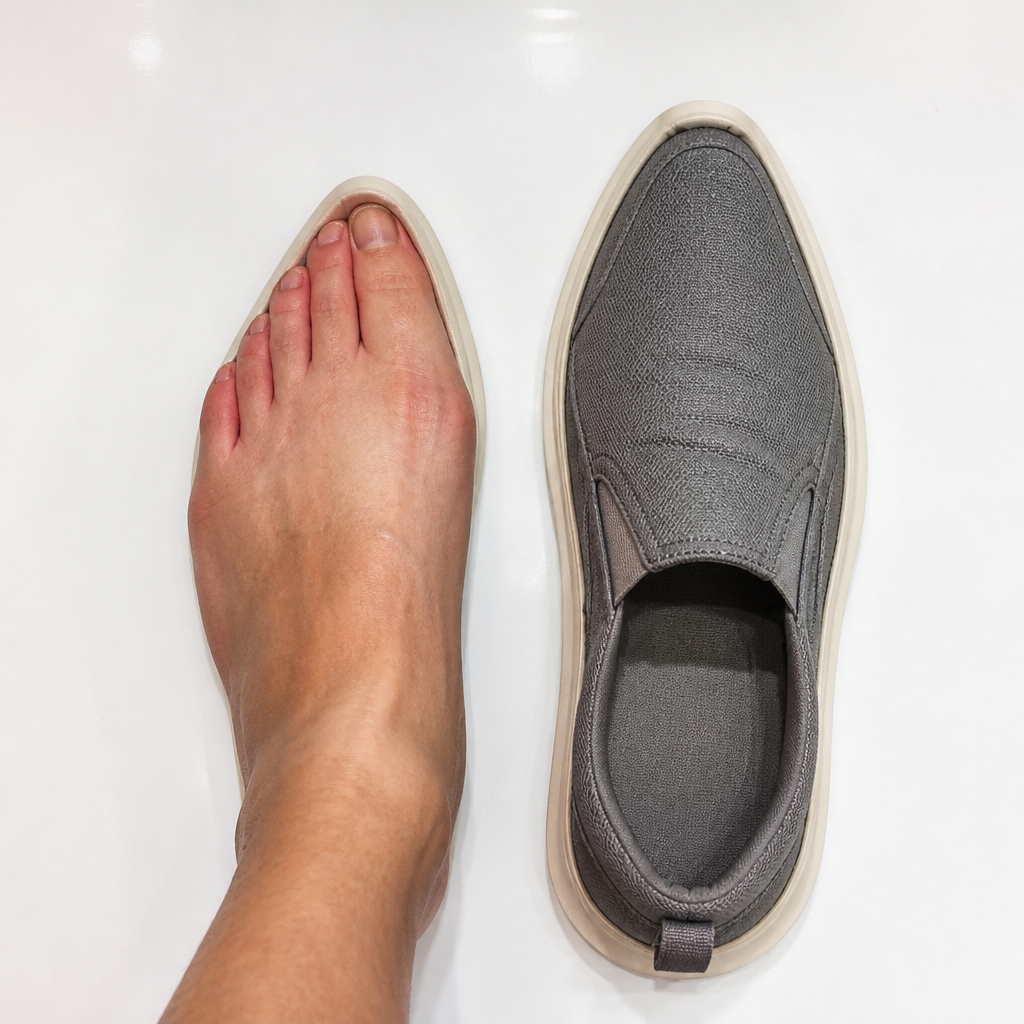
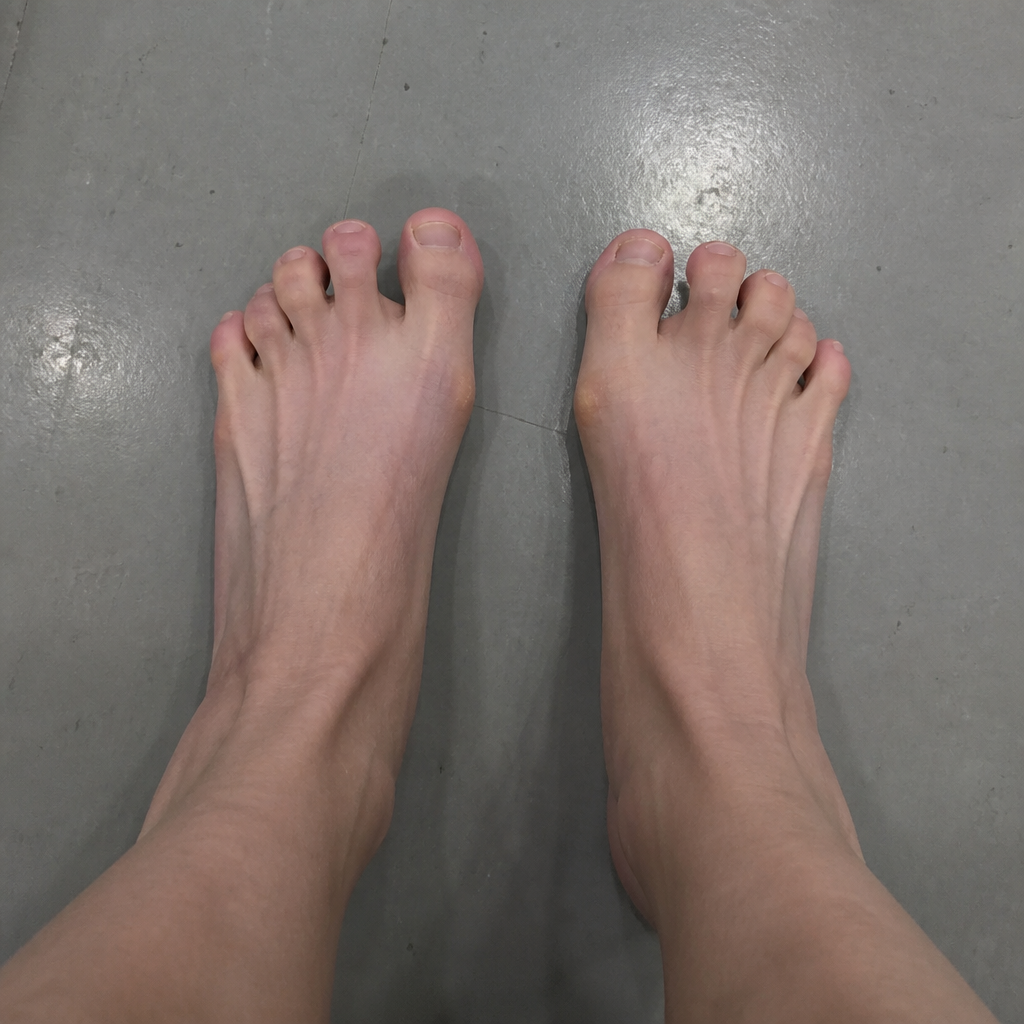
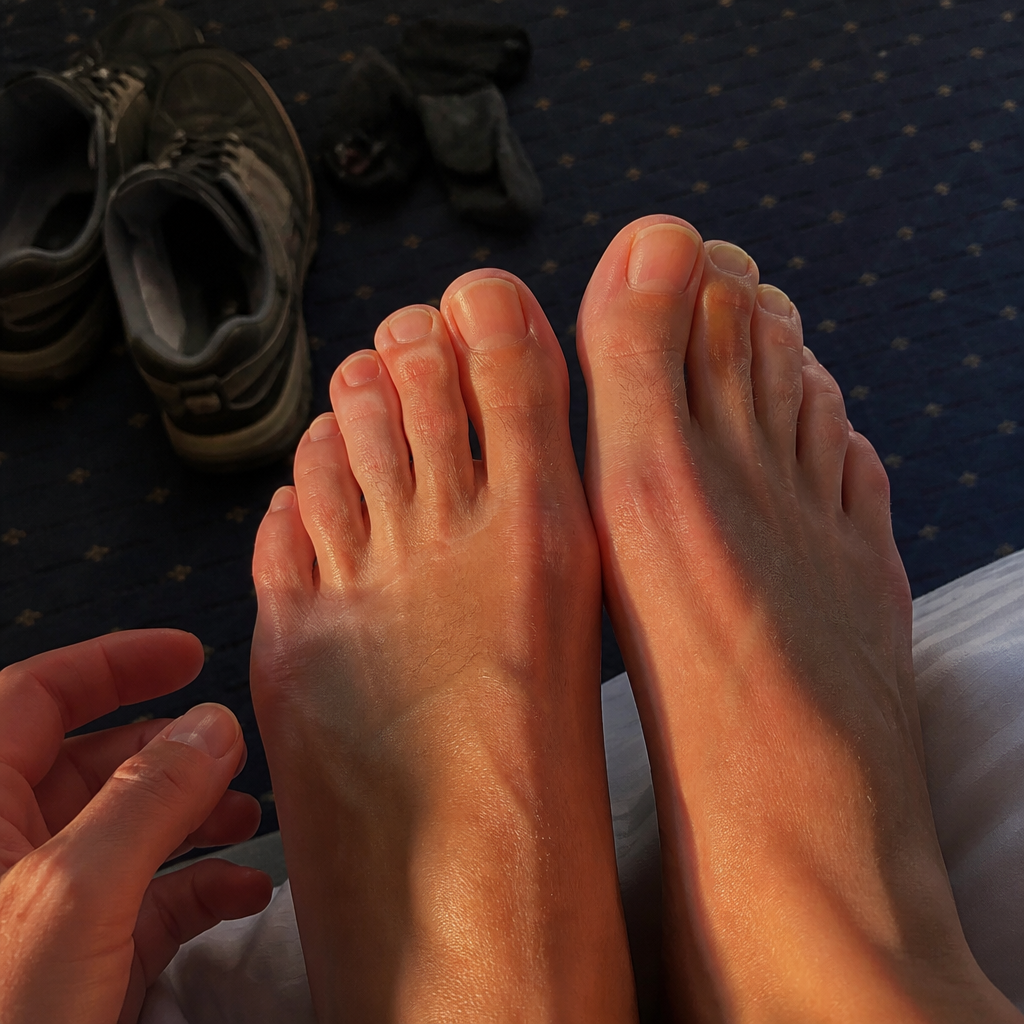
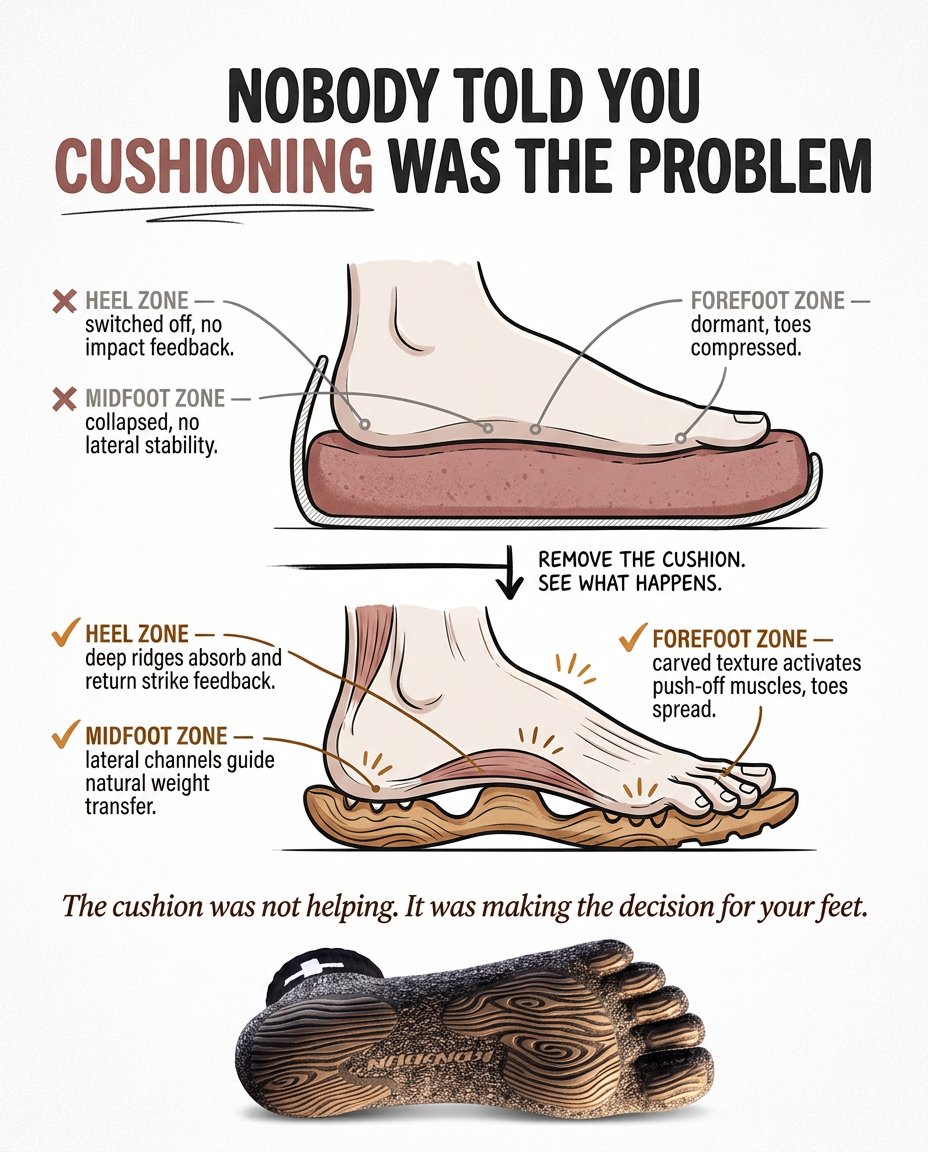
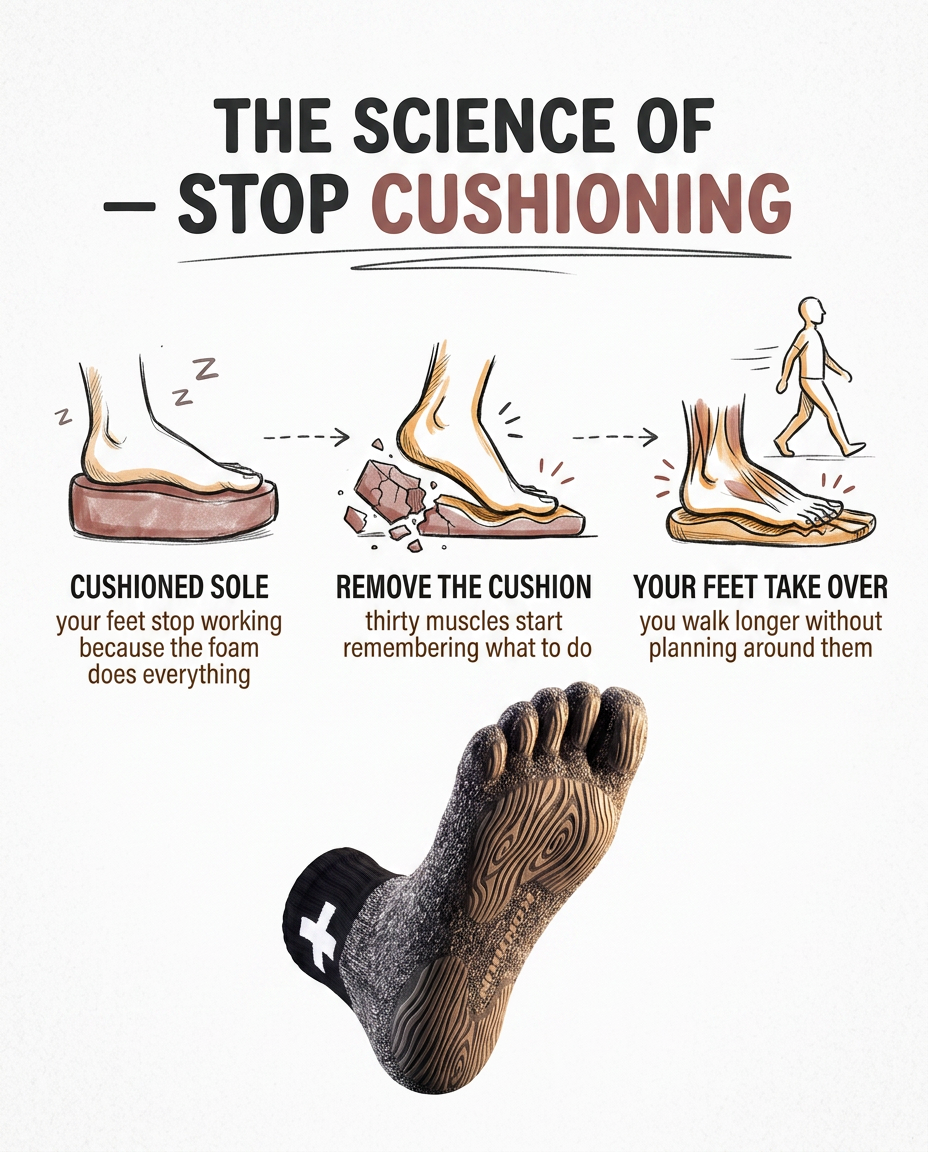
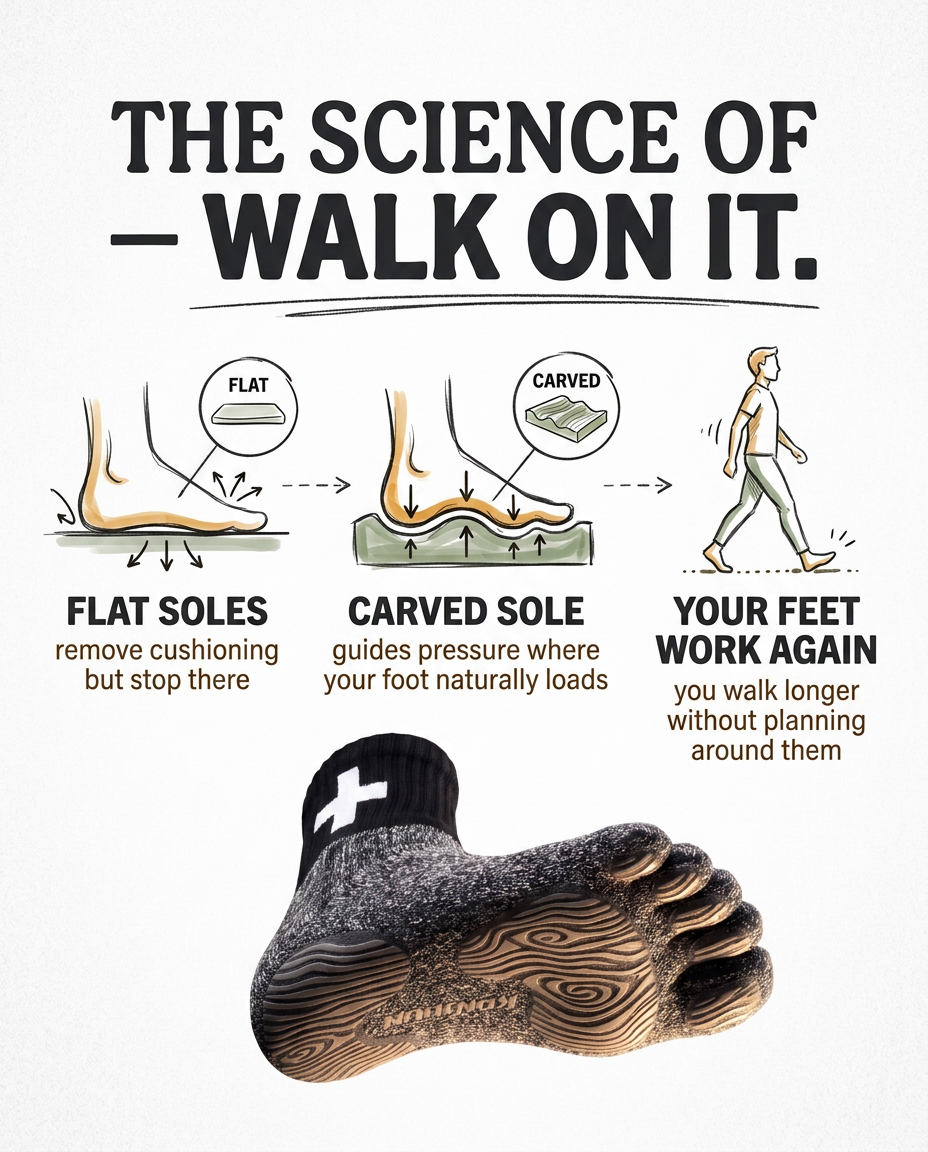
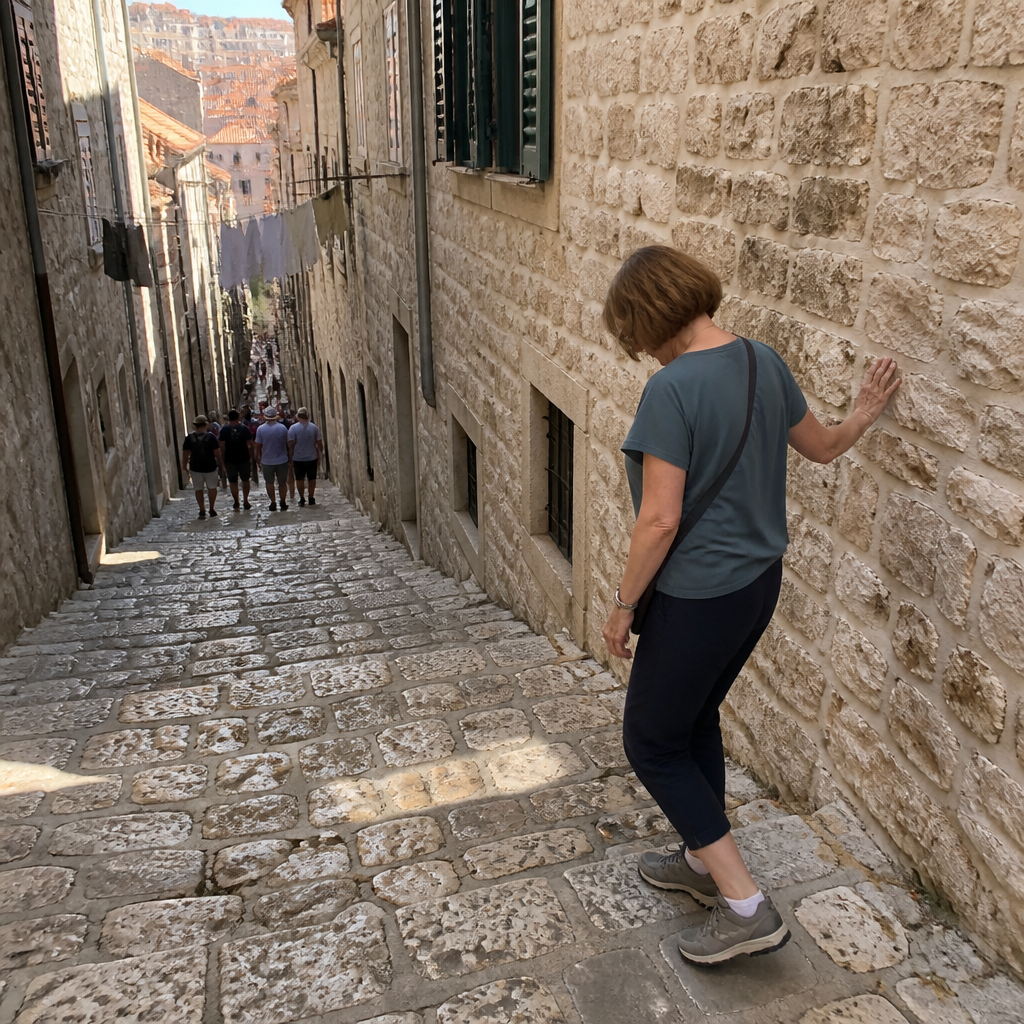
I had a foot problem on a Mediterranean cruise. The ship's doctor was from Germany. She asked me to do ONE thing that made my American podiatrist's advice look 15 years behind. I'm 58 years old. My husband and I saved for three years for this trip. Sixteen days through the Mediterranean. Greece, Turkey, Croatia, Italy. Day five, we're walking through Dubrovnik. Stone streets. Steep staircases. Narrow passageways hundreds of years old. I'm wearing my $180 walking shoes. The ones my podiatrist recommended. Extra cushioning. Arch support. Structured heel cup. And I can barely keep up with the tour group. Not because I'm out of shape. Because every uneven cobblestone feels like a threat. My ankles feel uncertain. My feet are tired in a way that doesn't match the distance. I keep looking down to plan every step. My husband has started walking slower without saying anything. By the time we get back to the ship, I'm done. My feet ache. The arches feel stiff. My calves are burning from compensating on the uneven ground. My husband watches me lower myself onto the bed and pull my shoes off. "This isn't normal," he says. "You used to hike the Whites with me. Something's going on with your feet." He's right. Three years ago, I could walk six miles without thinking about it. Now a ninety-minute guided tour on cobblestone makes me feel like I need to sit down for an hour. I don't want to spend the rest of this cruise sitting on a deck chair while my husband explores. So the next morning, I ask the concierge about the ship's doctor. Her office is small. Lower deck. Immaculate. Dr. Seidel. German accent. Maybe early 60s. I tell her what's been happening. The foot fatigue. The instability on uneven surfaces. The stiffness every morning. The aching after moderate walks. "I've been to my podiatrist," I say. "She recommended motion control shoes with maximum cushioning and custom orthotics. I've tried three different pairs of insoles. I do stretches every morning." "And how long have you been following that protocol?" she asks. "About four years." "And your feet feel stronger?" I pause. "No," I say. "They feel worse. But my podiatrist says that's just aging." Dr. Seidel nods slowly. Then she says something I don't expect. "Take your shoes off. Now try to spread your toes apart." I slip off my walking shoes and my compression socks. I look down at my bare feet on the clinic floor. I try to spread my toes. Nothing happens. I mean, I'm trying. My brain is sending the signal. But my toes barely move. They stay pressed together like they've forgotten how to separate. Dr. Seidel watches. "Try to lift just your big toe without lifting the others." I can't. "Now press your toes into the floor like you're gripping it." I try. Barely any movement. My toes twitch, but they don't grip. She leans back. "When was the last time your feet were on an uneven surface with nothing between your skin and the ground?" I stare at her. I genuinely cannot remember. "I don't know," I say. "Years. Maybe a decade." "That's the problem," she says. "Not aging." I don't understand yet. She continues. "Your foot has 29 muscles, 26 bones, 33 joints, and over 200,000 nerve endings. It is one of the most complex sensory and mechanical structures in your body. It was designed to feel the ground, adapt to surfaces, spread under load, grip terrain, and send thousands of signals to your brain every second about where you are in space." "But you've been wearing shoes with thick cushioned soles and rigid arch support for decades. Your toes have been compressed into a tapered toe box. The sole is so thick that your foot can't feel the difference between cobblestone and carpet. The arch support holds the structure so your muscles don't have to." She points at my feet. "Your foot hasn't failed because you're 58. It's been gradually disengaged. Your toes can't spread because they've been pressed together for years. Your intrinsic foot muscles have weakened because the shoe has been doing their job. Your balance feels worse because your feet are receiving almost no sensory information from the ground." She pauses. "Every thick, cushioned shoe you've worn was designed to feel comfortable immediately. But comfort and function are not the same thing. Your feet feel comfortable in those shoes because they don't have to do anything. And that's exactly why they're getting weaker." I feel something tighten in my chest. Because suddenly, everything makes sense. The instability on cobblestone. The fatigue after short walks. The morning stiffness. The feeling that my feet are somehow failing me. They're not failing. They've been gradually shut down. By the very shoes I bought to help them. "But my podiatrist told me I need more support," I say. Dr. Seidel chooses her words carefully. "In American podiatry, the standard approach is to support the foot externally. Cushion the heel. Brace the arch. Restrict movement to reduce discomfort. It's effective for acute injuries. But for chronic foot weakness? For declining balance? For feet that feel less capable year over year?" She shakes her head slightly. "You don't strengthen a muscle by preventing it from working. You don't improve sensory function by blocking sensation. In European sports medicine and rehabilitation, we've understood for years that the foot must be progressively re-engaged. Not supported into further passivity." "So what do I do?" I ask. "Walk barefoot everywhere?" "No," she says. "Most people can't do that safely. Especially not immediately. The feet have been deconditioned. Walking barefoot on hard or rough surfaces with weakened foot muscles and reduced sensation is asking for injury." "What you need is a way to give your feet freedom, sensation, and protection at the same time. Something that lets your toes spread naturally. Something thin enough that your foot can actually feel the surface beneath it. And ideally, something that provides variable texture under the sole so your foot gets different feedback at the forefoot, the midfoot, and the heel." "Something that encourages your feet to participate again instead of being carried." She said it simply. Like it was obvious. But in four years of appointments, my podiatrist at home had never once mentioned anything like it. I thanked Dr. Seidel and left. But I couldn't stop thinking about it. For the rest of the cruise, every time I laced up my cushioned walking shoes, I thought about what she'd said. I tried to spread my toes inside them. Couldn't. I tried to feel the difference between the ship's deck and the stone streets of Kotor. Couldn't. The sole was too thick. Everything felt the same. I watched my husband walk ahead of me and realized he was wearing thinner shoes. Old trail shoes with almost no cushion left. His feet looked different when he walked. More natural. More alive. When we got home, I couldn't let it go. The night we unpacked, I opened my laptop at the kitchen table. 11:30 PM. "intrinsic foot muscle atrophy cushioned shoes" "toe splay restricted footwear" "sensory feedback foot balance" "barefoot movement foot strength research" At 1:00 AM, I found the studies. Published biomechanics research. Peer-reviewed journals. Research showing that habitually shod populations have weaker intrinsic foot muscles than those who spend more time barefoot or in minimal footwear. Studies demonstrating that thick soles reduce the sensory information reaching the brain during walking. Data showing that toe splay, the ability of the toes to spread naturally under load, is directly associated with balance performance. Research on how reduced ground sensation may contribute to compensatory patterns through the ankles, knees, and hips. The research was there. Published. Some of it years old. My podiatrist had never mentioned any of it. She had measured my arches. Molded custom orthotics. Told me to buy shoes with maximum cushioning and motion control. And every year, my feet felt less capable. I kept reading. At 2:00 AM, I started looking at products. Most barefoot shoes were clunky. Expensive. They still felt like shoes. Just thinner. Minimalist socks existed but were basically just socks. Thin fabric. No protection. No grip. Nothing to help the foot actually get better at sensing the ground. Then I found something different. A protective barefoot sock with a carved textured sole. KONJOUN SuperSocks Wood Carved Edition. I almost scrolled past them. They looked unusual. Five individual toe compartments. A sole with a visible carved pattern. But I read the description and everything Dr. Seidel had said came back. Thin, flexible construction so the foot could feel the ground. Five-toe separation so each toe could spread and move independently. Zero-drop design. No elevated heel, no arch brace. And the thing that stopped me: The sole wasn't flat. It had a wood-carved texture designed around three zones. Forefoot. Midfoot. Heel. Each zone had different carved patterns intended to create varying sensory feedback as the foot moved through a step. That's what Dr. Seidel had described. Variable texture under the sole. Different feedback at different areas. Not just freedom. Feedback. The material was protective. Durable. Grip-locked sole for traction on smooth and outdoor surfaces. Machine washable. Quick drying. Not a shoe. Not a regular sock. Something specifically designed to let the foot sense, spread, grip, and participate while still being protected. I read the reviews for over an hour. People describing exactly what I'd been experiencing. The stiffness. The weakness. The instability. Years of buying more supportive shoes and feeling less capable without them. And then descriptions of what changed when they gave their feet more freedom and feedback. I ordered a pair at 2:45 AM. When the box arrived, I held them in my hands and almost didn't put them on. They were so thin. So different from anything I'd worn. I could feel the carved texture through the sole with my fingers. Three distinct zones. It felt deliberate. Intentional. I slipped them on. The first thing I noticed was my toes. They separated. Each one sitting in its own compartment. I looked down and could see them spread slightly under my weight for the first time in years. Then I stood up. And I could feel the floor. Not the muted, vague, same-everywhere sensation I got through my walking shoes. I could feel the kitchen tile. The texture. The temperature. The slight unevenness near the grout line. I took a step. Then another. The carved sole pressed gently into different areas of my foot as my weight shifted. Forefoot. Midfoot. Heel. Each step felt... detailed. Like someone had turned the volume back up. I wore them around the house for thirty minutes that first day. My feet felt tired afterward. Not hurt. Tired. Like muscles that hadn't been asked to work in years were waking up. I started slow. First week: Thirty minutes a day around the house. My toes were visibly more active. I caught myself gripping the floor while standing at the kitchen counter. Something I'd never noticed my feet doing before. Week two: An hour a day. I wore them on the back patio. Felt the concrete. The edge where it meets the grass. A pebble under my heel that I would never have noticed through my old shoes. My morning stiffness was less noticeable. Not gone. Less. Week three: I wore them on a short walk around the neighborhood. The grip held on the sidewalk. I could feel the transition from pavement to the gravel shoulder. My ankles felt more responsive. My steps felt less cautious. Week four: I tried spreading my toes while standing. They moved. Not perfectly. But they separated. My big toe lifted independently for the first time since Dr. Seidel's office. Week six: My husband and I walked two miles on the rail trail near our house. I wore the SuperSocks with a looser pair of trail sandals over them for the rockier sections. My feet felt present. Engaged. I wasn't looking down planning every step. He noticed before I said anything. "You're not holding my arm," he said. I hadn't realized I'd stopped. Week eight: I walked the cobblestone path at the botanical garden downtown. The same kind of surface that had wrecked me in Dubrovnik. My feet adjusted. I could feel each stone. My toes gripped. My arches responded. It wasn't effortless, but it wasn't threatening. I stood there on the uneven stone and felt steady. That was the moment. Not dramatic. Not miraculous. I just stood on cobblestone and felt like my feet knew what to do. At three months, I went back to my podiatrist. She had me stand on one foot. Walk heel-to-toe across the room. Rise onto my toes. Then she checked my chart from the previous year. "Your balance metrics are improved," she said. "Your toe spread is noticeably better. What changed?" "I stopped wearing maximum cushion shoes for most of my day," I said. "I've been wearing a barefoot sock with a textured sole. Five-toe separation. Thin construction. Lets my feet feel the ground." She looked at my feet. "I'm not familiar with that approach specifically," she said. "But whatever you're doing, keep doing it. Your foot engagement is measurably better than last year." I left her office feeling something I hadn't felt in years. Not vindicated. Just awake. My podiatrist wasn't wrong to prescribe what she prescribed. She just didn't know the other side of the equation. She knew how to support a foot. She hadn't been trained to re-engage one. I'm 59 now. Last month, my husband and I hiked four miles at Acadia. Rocky terrain. Switchbacks. Uneven granite. I wore proper trail shoes for the rough sections. But in the weeks leading up to the trip, I wore my SuperSocks every day. Walking, stretching, doing yard work. Letting my feet practice sensing, spreading, gripping, and stabilizing on their own. On the trail, my feet felt like they remembered what to do. And I think about Dr. Seidel all the time. The one who didn't prescribe another shoe. Didn't add another insole. Didn't write another script. She just said, "Try to spread your toes." And when I couldn't, she told me why. Something my podiatrist hadn't mentioned in four years. If your feet feel weaker than they used to. If your balance feels less reliable. If every pair of shoes seems to need more cushion and more support just to feel okay. If you keep buying more structured footwear and somehow feel less stable without it. You need to know something. The research exists. Published biomechanics studies. Peer-reviewed data. Showing that thick-soled, narrow, supportive shoes can gradually reduce toe mobility, weaken intrinsic foot muscles, and diminish the sensory feedback your brain depends on for balance and coordination. Your podiatrist probably hasn't discussed it. Not because she's incompetent. But because American podiatry training focuses heavily on external support, orthotic correction, and cushioned footwear protocols. Progressive foot re-engagement through sensory feedback and natural movement isn't standard protocol yet. So when your podiatrist says "get more supportive shoes," she's telling you what she was trained to recommend. But she's not telling you that your feet might need less support and more participation. The product I use is KONJOUN SuperSocks Wood Carved Edition. Thin, flexible, protective barefoot socks with a carved textured sole mapped to the forefoot, midfoot, and heel. Five-toe separation. Zero-drop. Grip-locked sole. I don't get anything from sharing this. I just know what it's like to spend four years buying thicker, softer, more supportive shoes and watching your feet get weaker every year. And I know what it's like to have a doctor on a cruise ship, someone I met by accident because my feet gave out on cobblestone, ask me to do one simple thing my podiatrist never tested. Spread your toes. If you can't, your feet aren't aging. They're disengaged. And no amount of cushioning will change that. 👉 See how the Wood Carved sole is designed to work The feet don't need to be carried. They need to be asked to participate again. P.S. My husband found the photo from Dubrovnik. Me sitting on a stone wall while the tour group walked ahead. Thick shoes, tight grip on the railing, exhaustion on my face after five blocks. Last month at Acadia, he took another photo. Same woman. Four miles into a granite trail. Standing on a rock ledge looking out at the coast. No railing. No bench. No plan to sit down.
Like this ad? Make it yours.
Crush rebuilds this exact creative around your product — your brand, your colors, your offer — in about a minute.