Dr Pia Winberg
 Facebook ad: “What My Lab Accident Taught Me About Skin”
Ran for 6 days, from November 6 to November 12, 2026, the last day Crush saw it.
Run by Dr Pia Winberg on Facebook. Crush is not the advertiser and does not verify its claims. See this ad in Meta's Ad Library(opens in a new tab)
Make your own version of this ad
Crush makes it, launches it in your own Meta ad account, scales the winners and pauses the losers.
About this ad
- Meta Ad Library ID
- 1524875436134192
- Platforms
- Facebook and Instagram
- Relaunches
- 0
- Niche
- Skincare & Beauty
Ad text
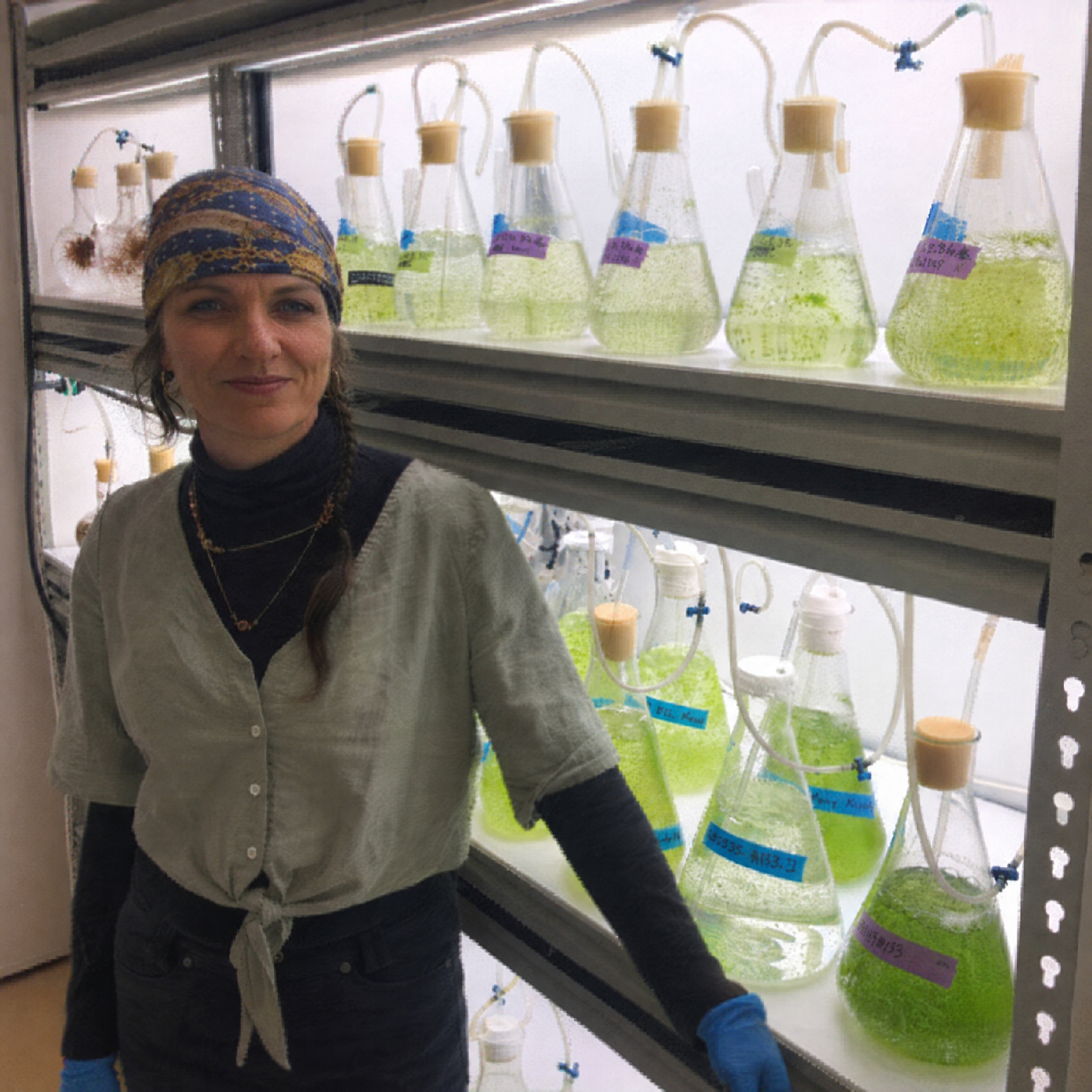
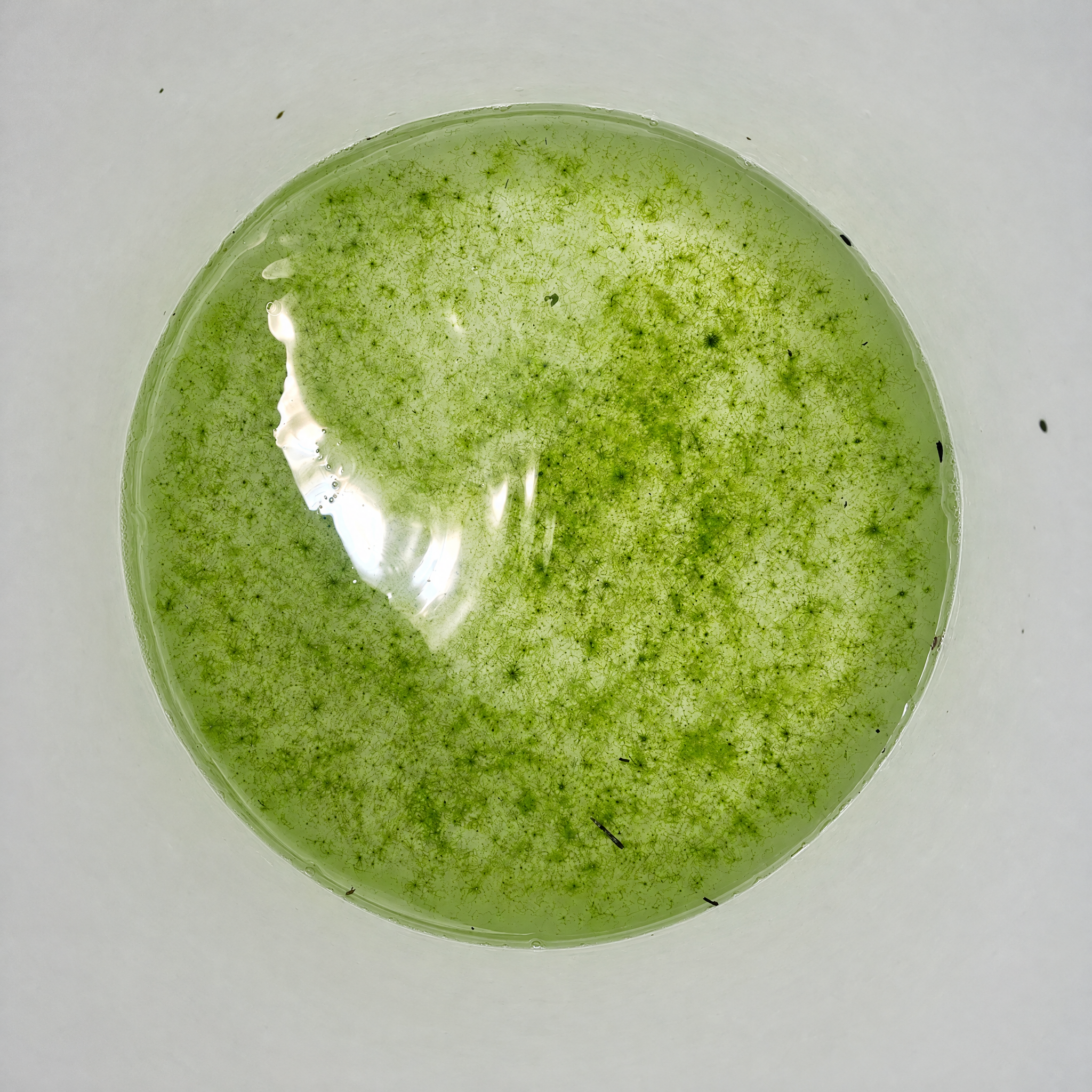
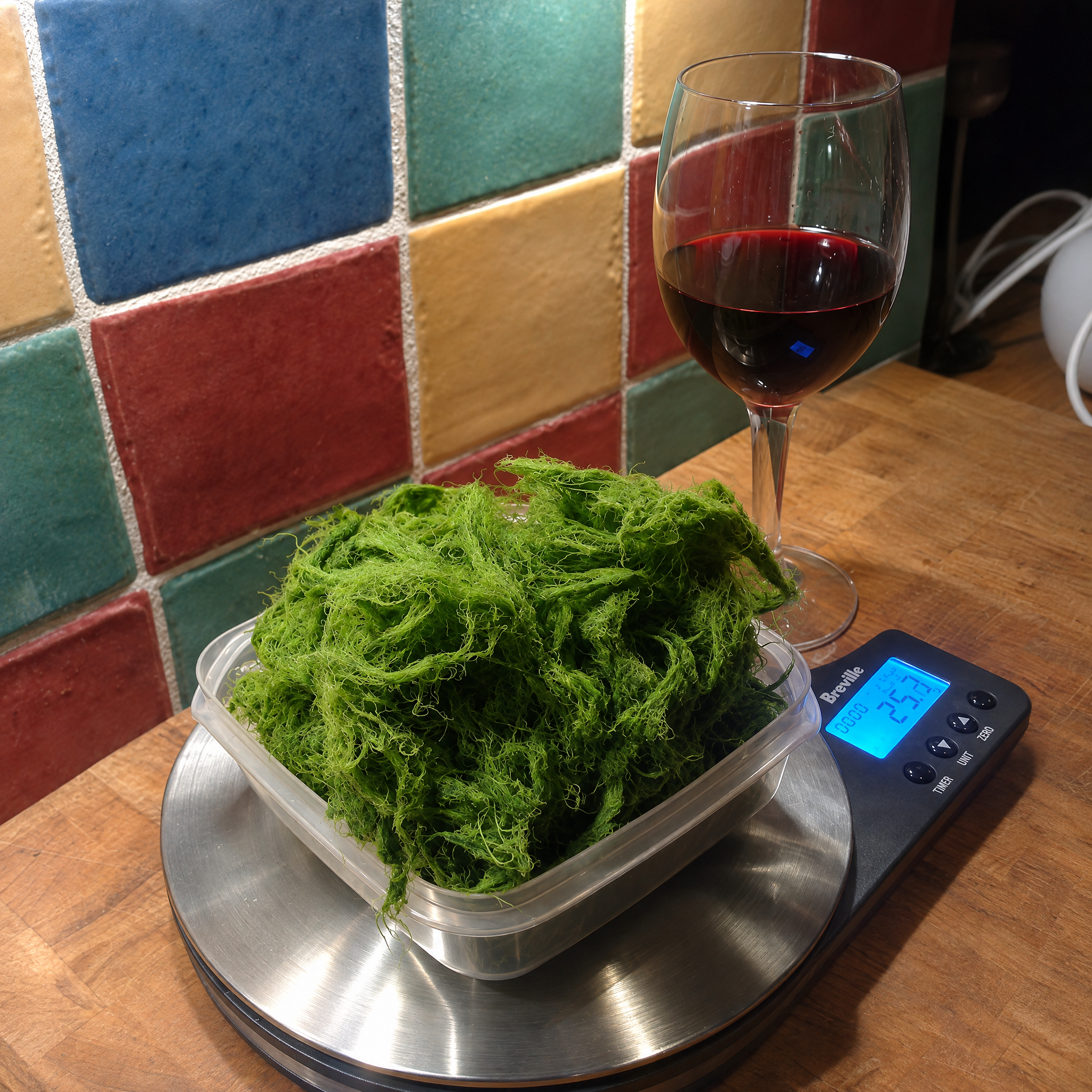
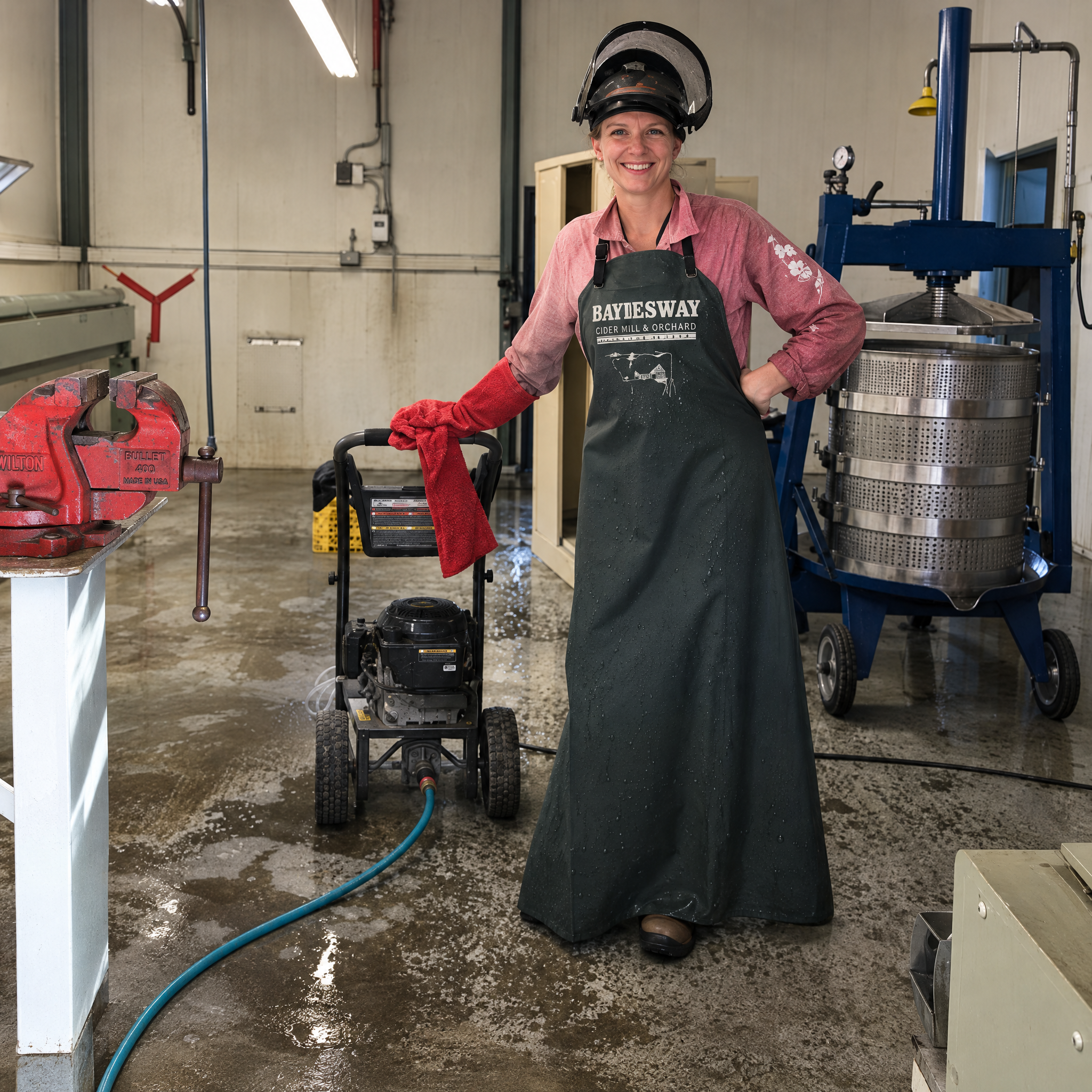
I was researching seaweed materials for damaged skin when a machine tore away a large section of my own scalp. And if your skin has become dry, lined and crepey during menopause, there’s a reason I want to tell you what happened next. I’m Dr. Pia Winberg. I was 48. Six reconstructive surgeries followed. During my recovery, I used formulations from our seaweed research alongside my medical treatment. Suddenly, the skin biology I’d spent years studying had become deeply personal. But the connection to menopausal skin isn’t the injury. It’s something we’d been investigating long before my accident. Something that helps healthy skin stay hydrated, full and supple—and that changes as estrogen declines. It isn’t collagen. And the Australian seaweed we were studying had a surprisingly similar way of doing its job. To understand that connection, we need to look at what surrounds the collagen in your skin. Because collagen doesn’t sit there on its own. Around the fibres and living cells is a naturally hydrated, gel-like environment. It contains specialised molecules that attract water and help hold it in place. Hyaluronic acid is one of them. Together, these water-binding components contribute to the fullness and suppleness we associate with healthy-looking skin. Think of a sponge. The fibres give it structure. But the water held between those fibres helps keep it full, soft and flexible. Let that sponge dry out, and you haven’t simply changed how wet it feels. You’ve changed its appearance. Its fullness. The way its surface creases. Skin is far more complicated than a sponge, of course. But the comparison helps explain why looking at collagen alone leaves out an important part of the picture. And during menopause, that other part changes too. As estrogen declines, the skin becomes less effective at producing and maintaining some of its natural water-binding components. The water-rich environment loses some of its hydration. At the same time, changes in collagen and skin thickness affect its structural support. And suddenly, several things begin showing up in the mirror. Your cheeks feel drier. The little lines around your eyes look more pronounced. The skin across your neck starts looking thin and crinkled. And that fresh, smooth appearance becomes harder to maintain. You might think you’re looking at four different problems. So you buy something for the lines. Something richer for the dryness. Something else for the neck. But those concerns can share an important contributing factor. Changes in the way your skin maintains its natural water-rich environment. That doesn’t mean every wrinkle is caused by dehydration. It means hydration deserves more attention than it often gets in the conversation about ageing skin. And this is where a question begins to form. If water is so important, why doesn’t applying more moisturiser always give women the result they’re looking for? After all, many women experiencing these changes are already taking excellent care of their skin. They haven’t forgotten to moisturise. They’re doing it every morning. Sometimes again during the day. Often with a richer cream before bed. Moisturisers have an important role. They attract moisture, soften the surface and help reduce water loss. But choosing a thicker cream doesn’t automatically restore the natural water-binding components that change during menopause. And a richer feeling doesn’t, by itself, tell you how a formula holds onto moisture. That was the question I wanted to investigate. Not simply how to make another cream feel richer. How to use a material whose own structure was particularly interesting for holding water. And the material that kept drawing my attention was already part of our research. Australian seaweed. I know that seems a long way from the skin around your eyes. But consider what certain seaweeds have to manage. Changing salt concentrations. Intense sunlight. Depending on where they grow, periods of tidal exposure and drying. Their structure needs to remain hydrated and flexible through changing conditions. One way they do that is through specialised molecules called marine polysaccharides. These are long chains of natural sugars that attract water and help hold it within a hydrated, gel-like network. The seaweed isn’t simply surrounded by water. Its own molecular structure helps it manage that water. And when we studied one of these materials, its water-binding capacity was remarkable. In laboratory testing, the dry seaweed-derived material could bind more than 20 times its own weight in water. One gram could hold more than twenty grams of water. That was a laboratory measurement of the material—not a claim that applying a serum makes skin twenty times more hydrated. But it gave us a clear reason to keep investigating. And the quantity of water was only part of what interested us. The other part was how those molecules held it. Within a hydrated, gel-like structure. Something with an interesting resemblance to the water-binding environment we had been studying in human tissue. This was the connection. Human skin uses specialised molecules to help maintain its natural hydrated environment. Seaweed uses specialised marine molecules to maintain its own. They aren’t identical. But certain marine polysaccharides share structural features and water-binding behaviours with components of the skin’s natural environment. That is what makes the material skin-mimicking. Not because skin mistakes seaweed for itself. Because the marine material mimics important properties of the system that helps skin hold water. And now you can see why it interested me for mature skincare. On one side, we were looking at skin whose natural hydration system was changing. On the other, we were studying a marine material whose properties were built around retaining water within a gel. The next question was practical. How could we put those properties to work in a formula women could use every day? My accident didn’t create that question. The research was already underway. But my recovery made the work deeply personal. I had experienced how complex skin reconstruction is, and how much there is to appreciate about the tissue we often judge only by its appearance. It strengthened my determination to turn what we were learning into something useful. For everyday skincare, the goal was different from the medical treatment involved in my recovery. We wanted to support the hydration, comfort and appearance of dry, mature skin. That is what eventually led our team to develop Phyaluronic®. A marine complex built around the water-binding and gel-forming properties of Australian seaweed. When applied, its molecules help create a thin, water-rich, gel-like layer against the skin’s surface. That layer helps keep moisture close to the outer skin cells. As those cells become better hydrated, the surface becomes more supple. Fine dehydration lines can look softer. Dry, crepey-looking texture can appear smoother. And skin that has looked dull and parched can take on a fresher, fuller, more luminous appearance. Those benefits follow the same central idea. Helping the outer skin maintain a hydrated environment. We aren’t replacing your hormones or claiming to rebuild the deeper structures of your skin. We’re using the marine gel’s water-binding properties to support surface hydration. And when we formulated Phyaluronic® Serum, I wanted that marine complex to be central to it. Not a small addition to a formula built around something else. So we made it with 50% Phyaluronic®. Our highest concentration. The percentage tells you how much of our marine complex is included. The research explains why we chose it. And the finished formula brings those properties into a lightweight serum that fits into an ordinary skincare routine. Just two drops once a day. Apply to clean, slightly damp skin, allow it to absorb, then follow with your usual moisturiser to help seal in hydration. There’s no need to turn caring for your skin into a complicated nightly project. And there’s no need to judge it by an overnight transformation. Pay attention to the things that brought you here. How comfortable your skin feels. How noticeable those fine dehydration lines look. Whether the dry, papery-looking areas feel softer and appear smoother. Whether your skin looks fresher rather than dull and parched. Individual results vary, but those are the kinds of changes our hydration-focused formula is designed to support. Because what matters to me isn’t simply that a molecule behaves in an interesting way in the laboratory. It’s whether we can turn those properties into useful everyday skincare. For the woman who moisturises carefully but still feels dry. For the woman who has started noticing fine crinkles around her eyes. For the woman looking at her neck and wondering why the texture seems so different from the skin she remembers. You deserve to understand those changes. Not simply be told that you’re getting older. And you deserve to understand what a product is designed to do before deciding whether to try it. That’s why I developed a short skin quiz. It asks about your age, your skin concerns, the areas you’d most like to improve and the products you’ve already tried. It also asks about sensitivity and your stage of menopause, so your profile reflects the concerns you’ve described. At the end, you’ll discover your personal skin profile and whether our 50% Phyaluronic® Serum is a match for your concerns. And if you’re a match, you’ll unlock a special offer reserved for women who qualify through the quiz. Your purchase also comes with my 90-day money-back guarantee. Use the serum consistently for 90 days. If your skin isn’t noticeably plumper and your dehydration lines haven’t visibly softened, send our South Coast team an email for a refund. You can keep the bottle. There is nothing to post back. When I began studying Australian seaweed more than 25 years ago, I couldn’t have imagined where that work would take me. Into research involving human tissue. Through an accident that made skin science deeply personal. And eventually into a formula women could use to care for their changing skin. My recovery is part of why this work matters to me. The research is why we chose the marine material. And the changes you’re noticing are where the next conversation begins. Before you buy another richer cream or decide there’s nothing more to understand about your skin, take a moment to discover your profile. Click below to take my 60-second skin quiz and see if you qualify for my special Phyaluronic® offer. Dr. Pia Winberg, PhD Founder, PhycoHealth
Where the ad sends people
phycohealth.com
What My Lab Accident Taught Me About Skin
When you smile, dry skin creases. Because there is no water underneath pushing it flat, those normal folds settle into lines that stay.
Learn more: phycohealth.com(opens in a new tab)