
Inactive· since Apr 17, 2026
- 75
- days it ran
- 0
- relaunches
Ad copy
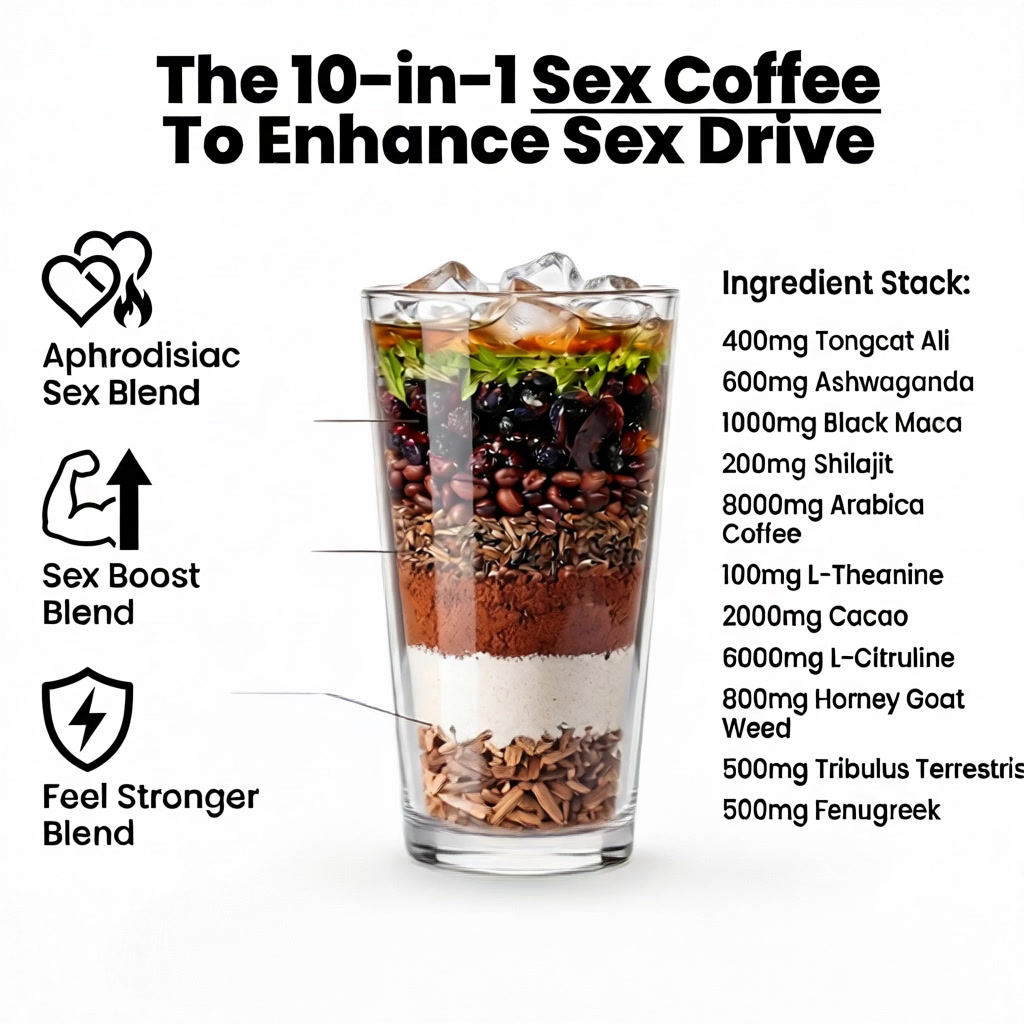
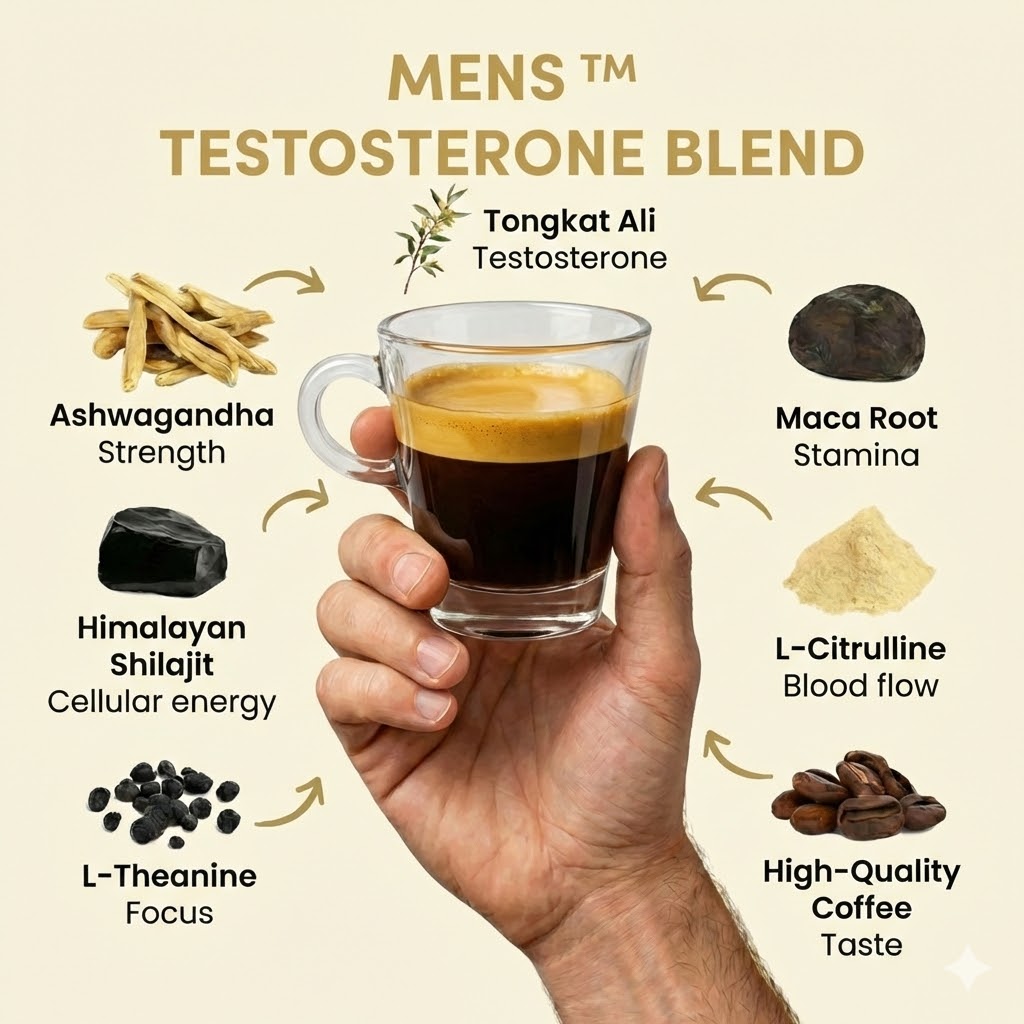
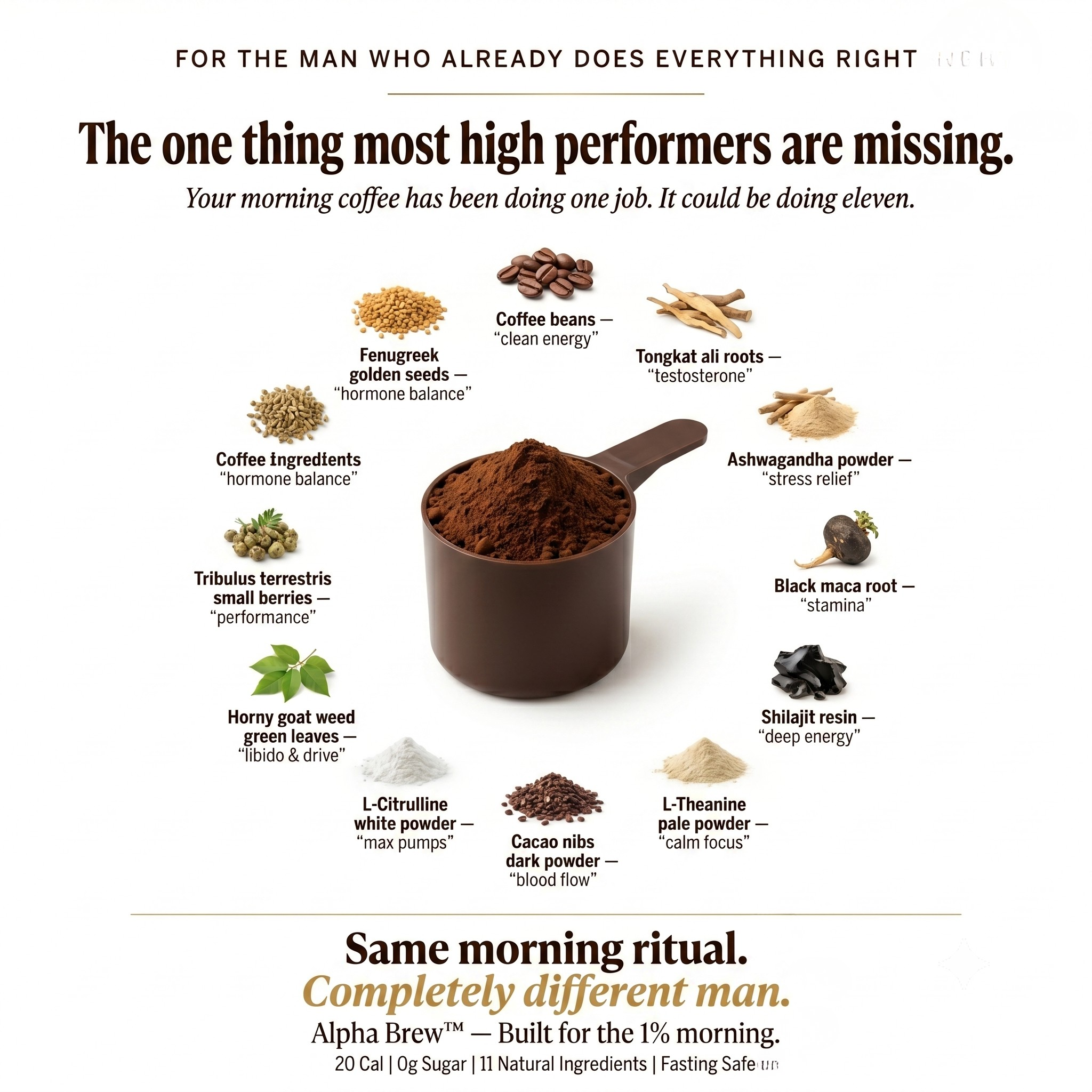
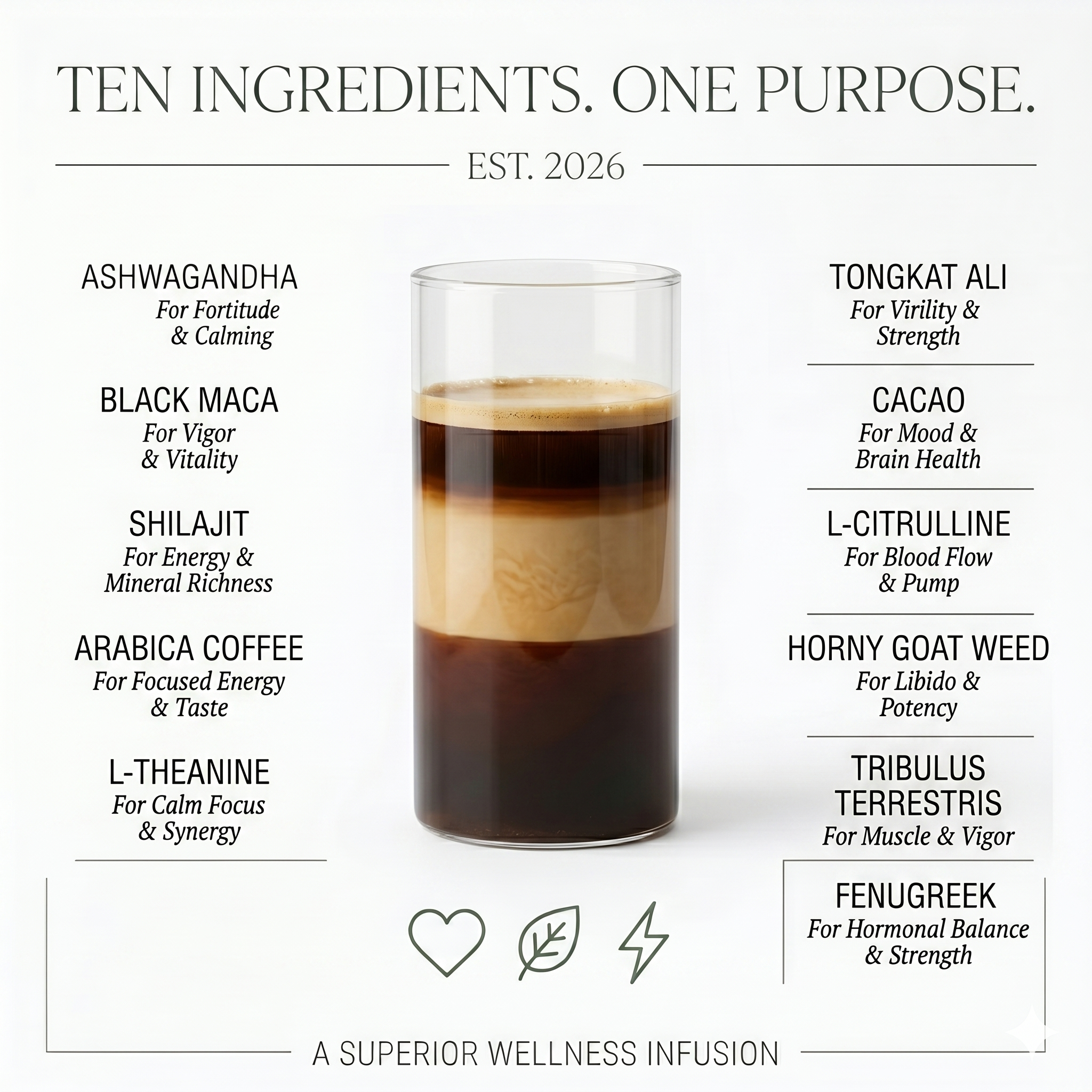
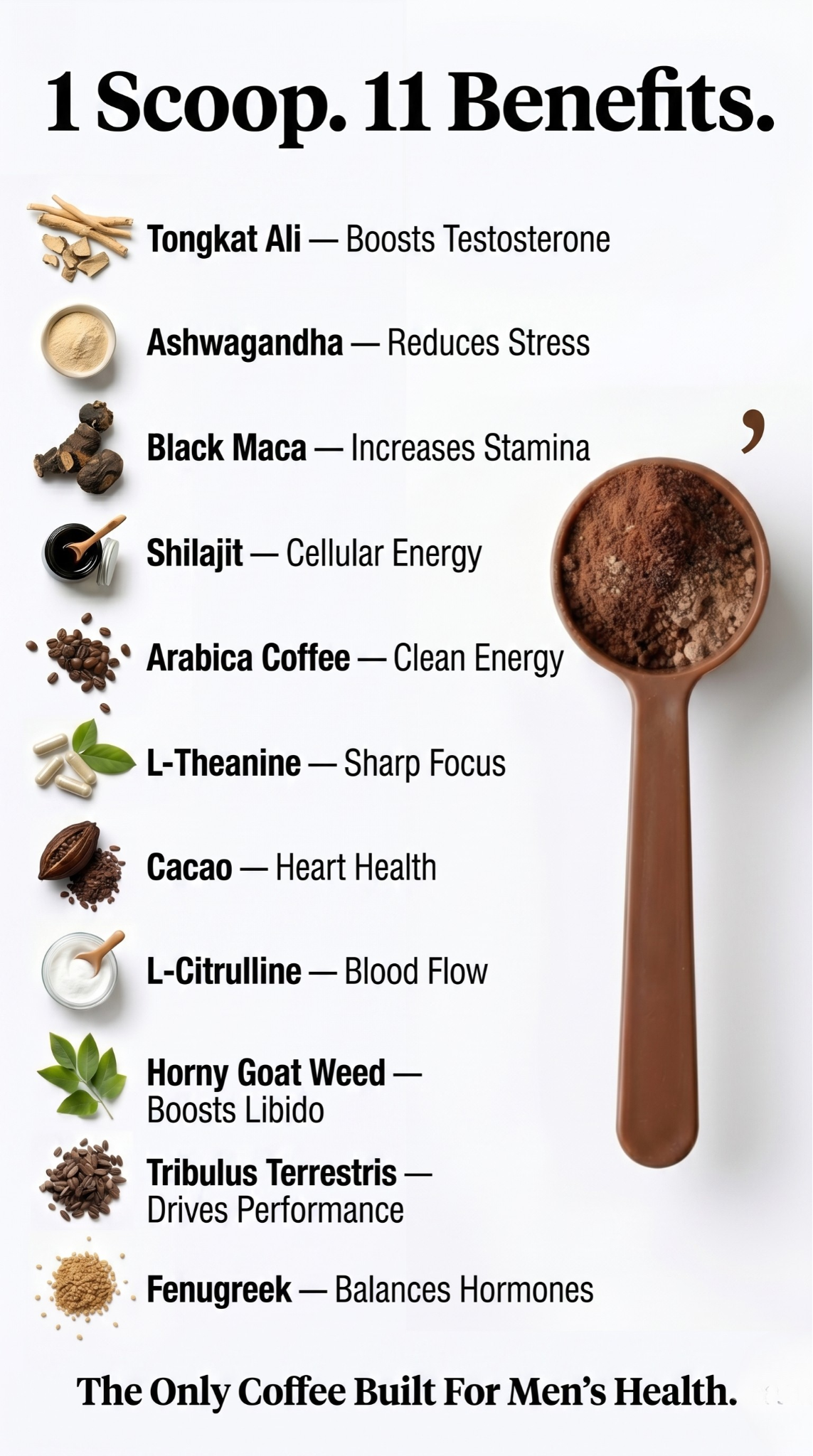
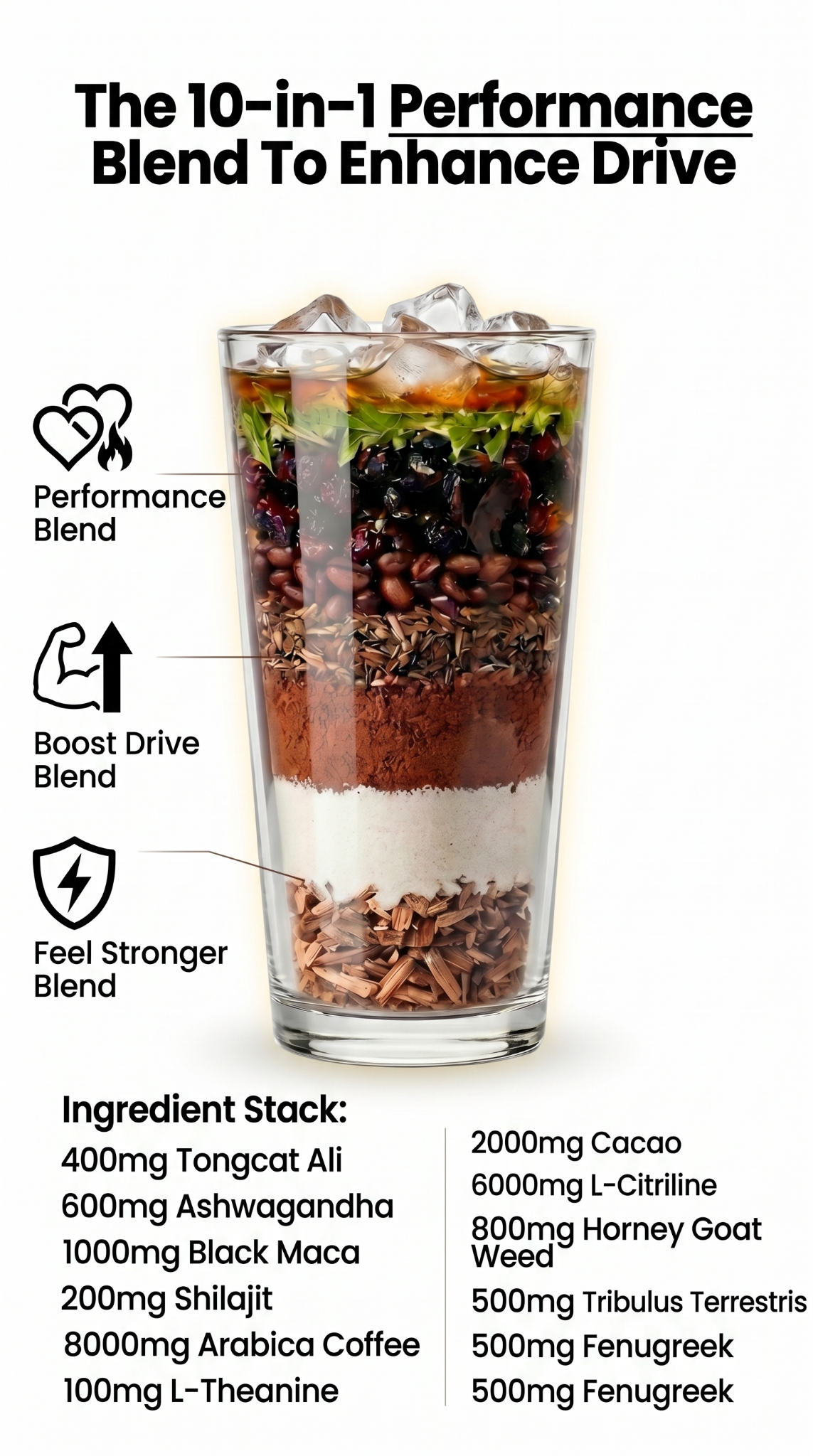
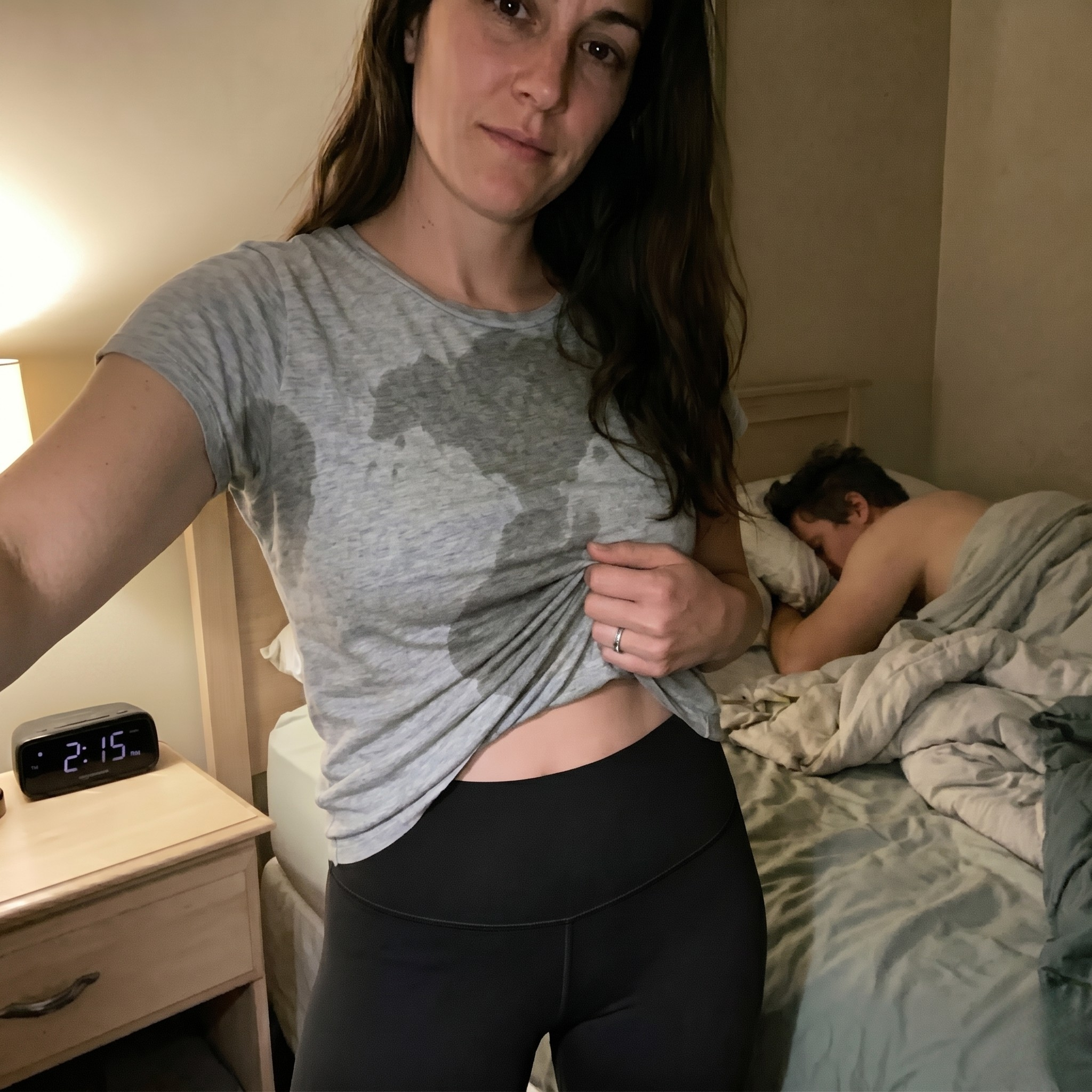
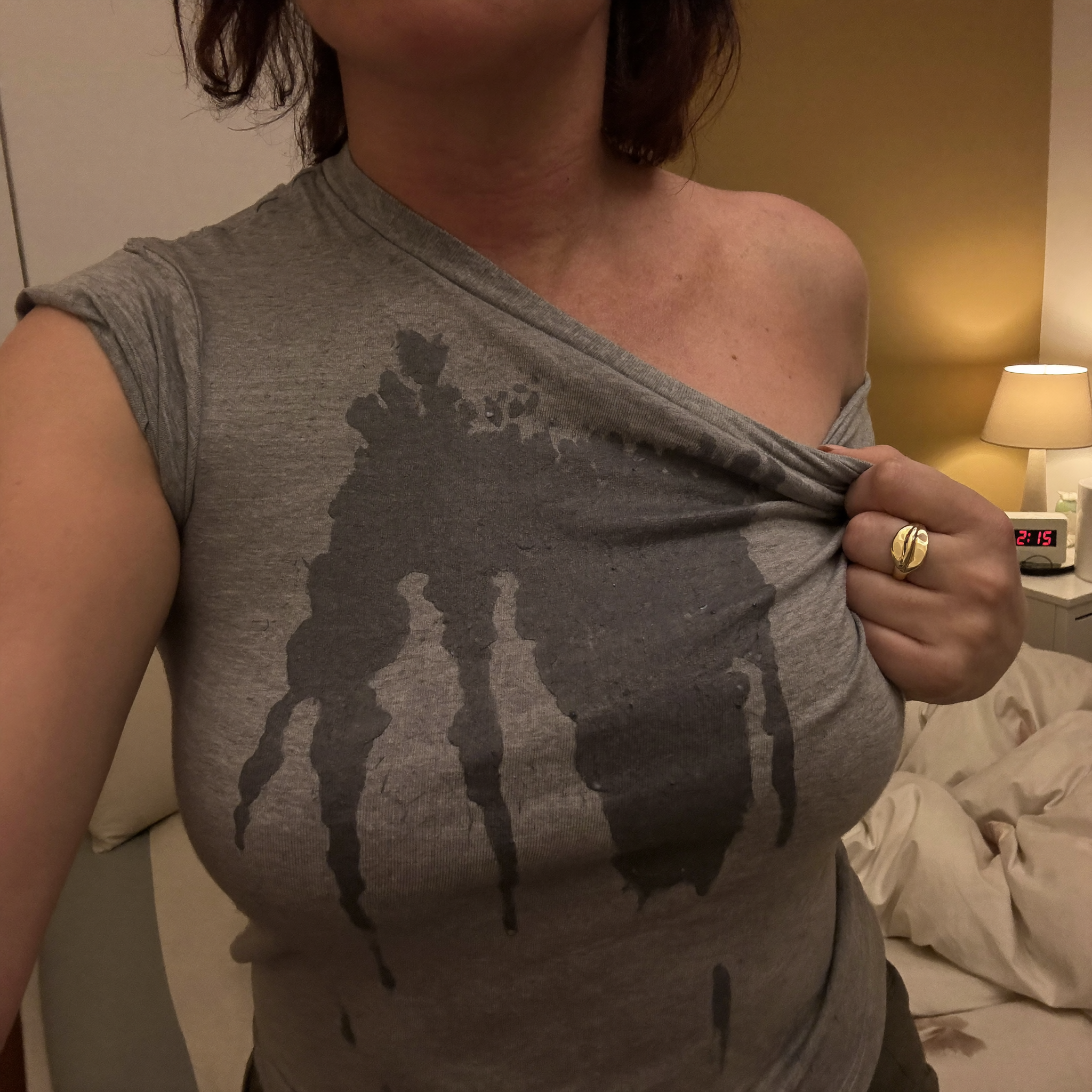
I'm literally shaking right now trying to type this. It is 2:15 in the morning, my shirt is soaked through, and I just had to come out here to the living room because my husband fell asleep and I absolutely cannot. I know what this looks like. I know how it sounds. But I need to get this out because what just happened in that bedroom is not normal. Not for us. Not for the past three and a half years. And I need someone — anyone — to tell me I'm not losing my mind. My husband is 51. We've been married 24 years. And for the last three of those years, our bedroom has been... quiet. I don't mean "we're tired and busy" quiet. I mean gone. Like someone flipped a switch off and nobody could find it again. It started slow. He stopped reaching for me at night. Then the mornings stopped too. Then it wasn't even a conversation anymore. It was just... the way things were. I told myself it was normal. That's what happens when you get older, right? That's what the internet says. That's what my girlfriends say when they've had enough wine to be honest about it. "Girl, after 45 it just slows down. That's life." But I couldn't stop noticing things. His belly kept growing no matter what he ate. His chest started looking... soft. Different than it used to. He'd come home from work and collapse on the couch at 6 PM like somebody unplugged him. I'd find him asleep sitting up by 8. On a Saturday. He stopped wanting to do anything. Not just with me. With anyone. The kids would ask him to throw the ball around and he'd say "maybe tomorrow." Tomorrow never came. And I'm ashamed to admit this part, but I started wondering if it was me. If maybe I'd let myself go and he just wasn't attracted anymore. I bought new clothes. I changed my hair. I started working out again at 46 like I was trying to earn something back. Nothing changed. One night I broke. I sat on the edge of the bathtub crying, and he walked in and just stood there. And the look on his face wasn't confusion. It was shame. He knew. He knew what was happening. He just didn't know how to fix it. "I don't know what's wrong with me, Jen. I swear to God I don't know." That was the first time he said it out loud. And it was the first time I realized — he was suffering too. Probably more than me. Because at least I could talk to my friends about it. He couldn't tell anybody. Not his buddies. Not his brother. Nobody. He was carrying it completely alone. He went to his doctor. Got bloodwork done. His testosterone came back at 287. The doctor looked at the chart, looked at him, and said four words: "You should try TRT." Testosterone Replacement Therapy. Injections. Every week. For the rest of his life. My husband is the kind of man who won't even take Tylenol unless he absolutely has to. The idea of weekly injections made him physically uncomfortable. But he was desperate. So he said yes. The first two months were... something. His energy came up a little. He seemed a bit sharper. And things in the bedroom started showing signs of life again. Nothing crazy. But enough that we both got hopeful. Then month three hit. His back broke out in acne like he was 16 again. Painful, cystic acne across his shoulders. He was retaining water so bad his face looked swollen. His mood swings were unbearable — fine one hour, snapping at the kids the next, then sitting in the garage alone staring at nothing. And the worst part? The bedroom improvements disappeared. Right back to where we started. Except now he felt worse because he'd gotten a taste of what it could be like again, and it got taken away. His doctor's answer? "We'll adjust the dosage." Three more months of adjustments. Higher dose. Lower dose. Different schedule. Nothing held. Every time his body started responding, the side effects would slam him right back down. That's when I started reading. Not the WebMD stuff. Not the "10 Foods That Boost Testosterone" articles. I mean actually reading. Medical journals. Endocrinology research. Studies that most people will never see because they're buried behind paywalls and written in language that takes three reads to understand. And what I found made me sick to my stomach. Here's what nobody told us. Not his doctor. Not the TRT clinic. Nobody. When a man's body gets flooded with external testosterone — whether it's from injections, gels, or patches — his body doesn't just use it. It converts a portion of it into estrogen. The female hormone. There's an enzyme called aromatase that lives in your fat cells. And the more belly fat a man carries, the more aromatase he has. The more aromatase he has, the more of that testosterone gets grabbed and converted into estrogen before it can do anything useful. So my husband was injecting testosterone every week. And his own body was taking a chunk of that testosterone and turning it into the exact hormone that was making him soft, tired, moody, and unable to perform. His doctor never mentioned aromatase. Not once. Never tested his estrogen levels. Never explained that pumping more testosterone into a body that's converting it to estrogen is like pouring water into a bucket with a hole in the bottom. You can pour faster, but you're never filling that bucket. I sat at the kitchen table at 1 AM reading this and I remember whispering out loud to nobody: "They knew. They had to know. How do you prescribe TRT without checking for this?" But it got worse. The research showed that long-term TRT can cause your body to stop producing testosterone on its own. Completely. Your testes get the signal that there's enough testosterone in the system, so they shut down. Some men's testes physically shrink. And if you ever stop TRT, you can end up with lower testosterone than when you started. My husband had been on it for five months at that point. I printed out four studies, sat him down, and showed him everything. He read for about ten minutes, put the papers down, looked at me and said: "So I've been making it worse this whole time?" I couldn't answer him. Because the honest answer was probably yes. He quit TRT the next week. Cold turkey. His doctor told him it was a mistake. That he'd "crash." That his levels would drop. That he needed to taper off under supervision. And the doctor was right about one thing — the crash was real. For three weeks, my husband was the lowest I'd ever seen him. Exhausted. Emotional in ways he'd never been. His body was trying to restart a system that had been turned off for months. I watched him sit on the edge of the bed one morning, head in his hands, and I heard him say under his breath: "I just want to feel like myself again." That sentence broke something in me. Because "myself" wasn't some impossible standard. He wasn't asking to be 25 again. He just wanted to wake up without feeling like he'd already lost the day before it started. He wanted to look in the mirror and recognize the man looking back. He wanted to be present with me. With our kids. With his own life. And I made a decision that night: I was going to find something. Not TRT. Not blue pills. Not another band-aid that masks the problem while the real issue keeps getting worse underneath. I went back to the research. If the problem was aromatase converting testosterone to estrogen, then the solution wasn't more testosterone. The solution was blocking the conversion AND supporting the body's ability to produce its own testosterone naturally. At the same time. That's when I found a study on Ashwagandha — an adaptogenic herb that's been used for over 3,000 years. Clinical trials showed it reduces cortisol by up to 30%. And here's why that matters: cortisol and testosterone sit on opposite ends of a seesaw. When cortisol is high, testosterone production gets suppressed. Drop cortisol, and your body has room to produce testosterone again. On its own. Without injections. Then I found Tongkat Ali. A Southeast Asian root that multiple studies showed directly signals the body's Leydig cells — the cells in the testes that produce testosterone — to increase production. Not by flooding the system with external hormones. By telling the body to make more of its own. Black Maca. A Peruvian root that has been studied for its effects on libido, stamina, and hormonal balance. Not synthetic. Not a drug. A food that humans have used for thousands of years. Shilajit. A mineral compound from the Himalayas that improves blood flow and has been shown in clinical trials to increase free testosterone in 90 days. Then I found something that genuinely surprised me: L-Citrulline. An amino acid that the body converts into L-Arginine, which triggers the production of nitric oxide — the molecule responsible for blood vessel dilation and circulation. The research was clear. Without proper blood flow, nothing else works. And L-Citrulline addresses that at the root level. Cacao. Pure, unprocessed cacao — not the sugary stuff. Rich in flavanols that support nitric oxide production and cardiovascular health. Working alongside the L-Citrulline to keep blood flowing where it needs to go. Horny Goat Weed. I almost dismissed this one because of the name. But the active compound, Icariin, has been studied extensively for its ability to inhibit the enzyme that restricts blood flow and for its effects on testosterone signaling. Tribulus Terrestris. A plant extract with decades of research behind it. Used by athletes and clinical researchers alike to support luteinizing hormone levels — the hormone that tells your testes to produce testosterone in the first place. Fenugreek. A seed extract shown in multiple studies to reduce the binding of testosterone to sex hormone-binding globulin (SHBG), which essentially frees up testosterone that was already in his system but trapped and unavailable. And finally, L-Theanine. An amino acid that prevents caffeine from spiking cortisol — protecting testosterone production while keeping energy clean and steady all day. No jitters. No crash. No anxiety spike. I'm sitting there at 2 AM with twelve tabs open thinking... this is the stack. This is everything. Every single mechanism — cortisol suppression, testosterone signaling, aromatase blocking, blood flow, free testosterone availability, hormonal raw materials — addressed in one place. And I promise you what happened next was not planned. I was not looking for a product. I was building a supplement protocol in a spreadsheet — doses, brands, estimated costs. I was ready to order ten different bottles from Amazon. Then I found it. A formulation that contained every single one of these compounds. In one product. At doses that matched the research. Alpha Brew. I almost scrolled past it. The name sounds like something sold next to protein powder at a gym. But I clicked through anyway. Here's what was inside: Alpha Brew — full ingredient stack Tongkat Ali 400mg Ashwagandha 600mg Black Maca 1,000mg Shilajit 200mg Arabica Coffee 8,000mg L-Theanine 200mg Cacao 2,000mg L-Citrulline 6,000mg Horny Goat Weed 800mg Tribulus Terrestris 500mg Fenugreek 500mg One scoop. One cup. Everything I found in the research. Every single compound I'd spent three weeks tracking down in medical journals. In one cup. One scoop per morning. Tastes like coffee because it is coffee — rich, real Arabica. Not a supplement shake. Not a pill. Just a morning cup that was doing something his body had forgotten how to do on its own. I ordered a kit that night. Didn't tell my husband what was in it. Just put it next to the coffee maker the next morning and said, "Try this. It's a new coffee blend I found. Supposed to be really clean energy." He shrugged. Scooped it. Drank it. Said it tasted good. Didn't ask questions. Day 3: He came home from work and didn't go straight to the couch. He stood in the kitchen talking to me for twenty minutes. Just talking. About his day. About the kids. About nothing important. But he was present. He was there. That hadn't happened in I don't know how long. Day 7: He woke up before his alarm. I heard him downstairs making breakfast. When I came down he was already dressed, already alert, already moving. He looked at me and said, "I don't know why, but I feel good today." Like he was surprised by it. Day 10: He played catch with our son for forty minutes. Forty. I watched from the window and started crying because I couldn't remember the last time he had the energy to do that without stopping to catch his breath after five minutes. Day 14: I noticed his stomach was flatter. Not dramatically, but enough that his shirts were fitting different. The puffiness in his face was gone. He looked lighter. Not thinner — lighter. Like something heavy had been lifted off him from the inside. Day 17: He reached for me. In the morning. Before the alarm. I froze because I genuinely did not know how to respond. It had been so long that the gesture felt foreign. Like something from a different marriage. A different lifetime. I'm not going to go into detail. But I will say this: it was different. Not "trying to prove something" different. Not "forcing it" different. It was him. The real him. The version of my husband I married. The one who made me feel like the only woman in the room. The one I'd been missing for three and a half years. That's when I asked: "Are you taking something? And don't lie to me." He looked confused. "What do you mean?" "Are you taking blue pills? Because this..." I gestured vaguely at everything. His energy. His mood. His body. Everything. "...this isn't normal. Not after what we've been through." He laughed. Actually laughed. "Jen, I'm not taking anything. I swear. I don't know what's happening either. Maybe the new workout is kicking in." He didn't know. He had no idea it was the coffee. I told him that night. Showed him everything. The research. The compounds. What aromatase does. Why TRT failed. What every single ingredient in Alpha Brew does — and more importantly, why they work together in a way that no single compound could on its own. He stared at me for a long time. Then he said something I'll never forget: "You mean to tell me a cup of coffee did what five months of injections couldn't?" Yes. That is exactly what I'm telling you. Because the injections were fighting the symptom. The coffee was fixing the cause. Day 21: I had to ask him to slow down. I'm being dead serious. The man who hadn't touched me in three years was now the man I had to negotiate with. "Babe, I have work at 6 AM." And he'd just smile like he knew exactly what he was doing. Day 25: He looked in the mirror without his shirt on and didn't look away. He stood there. Turned sideways. Ran his hand across his stomach. I saw it on his face — he was meeting himself again. Recognizing the man in the reflection for the first time in years. Day 30: That was the night of the picture. This picture. 2:15 AM. My shirt soaked through. Him passed out with a grin on his face like a man who's at peace with the world. And me sitting here in the living room writing this because I don't have anyone in my life I can tell this to without dying of embarrassment. So I'm telling the internet instead. Here's what I need every wife reading this to hear. It's not his fault. It's not your fault. And it's not "just age." It's cortisol strangling his testosterone production. It's aromatase converting what little testosterone he has left into estrogen. It's his liver, his fat cells, and his adrenal system working against him in ways no one ever explained. His doctor will prescribe TRT. And it might work for a while. Until the side effects hit. Until his body stops producing on its own. Until you're back to square one — except now he's dependent on injections he can't stop. Or. You can put this next to his coffee maker tomorrow morning. You don't have to explain anything. You don't have to have the conversation. You don't have to make it about what's been missing. Just say, "I found a new coffee. Try it." Alpha Brew 11 clinically researched compounds. One morning cup. Real Arabica coffee base. Every compound I found in the research. Clinical doses. 365-day money-back guarantee. If he doesn't feel different — and trust me, you'll notice before he does — every penny back. 40% off the starter kit — today only Click the link below. Order the starter kit. Put it next to the coffee maker. Don't say a word. Give it three weeks. I don't know what's going to happen at 2:15 AM in your house. But I know what happened in mine. And I know I'll never go back to the way things were.
Like this ad? Make it yours.
Crush rebuilds this exact creative around your product — your brand, your colors, your offer — in about a minute.