
Inactive· since Jun 1, 2026
- 3
- days it ran
- 4
- relaunches
Ad copy
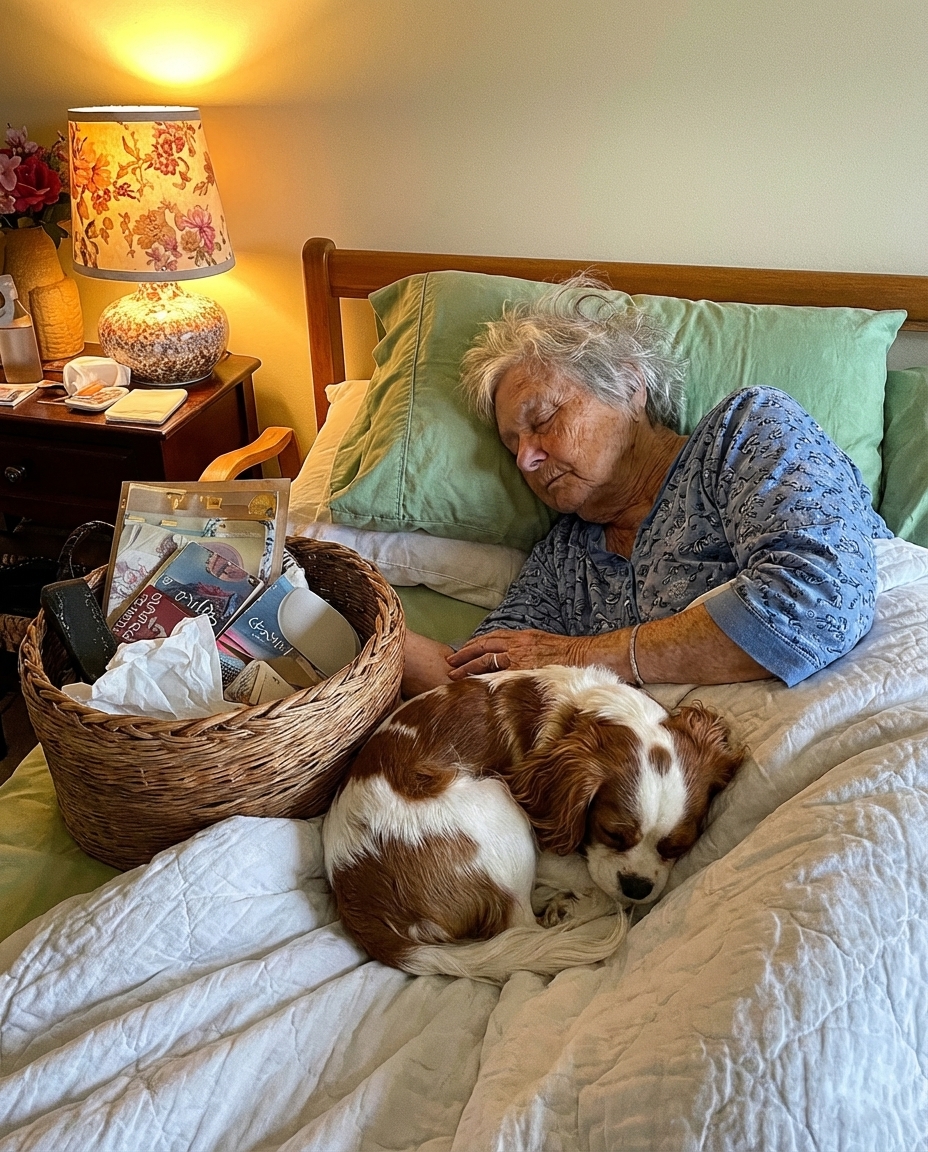
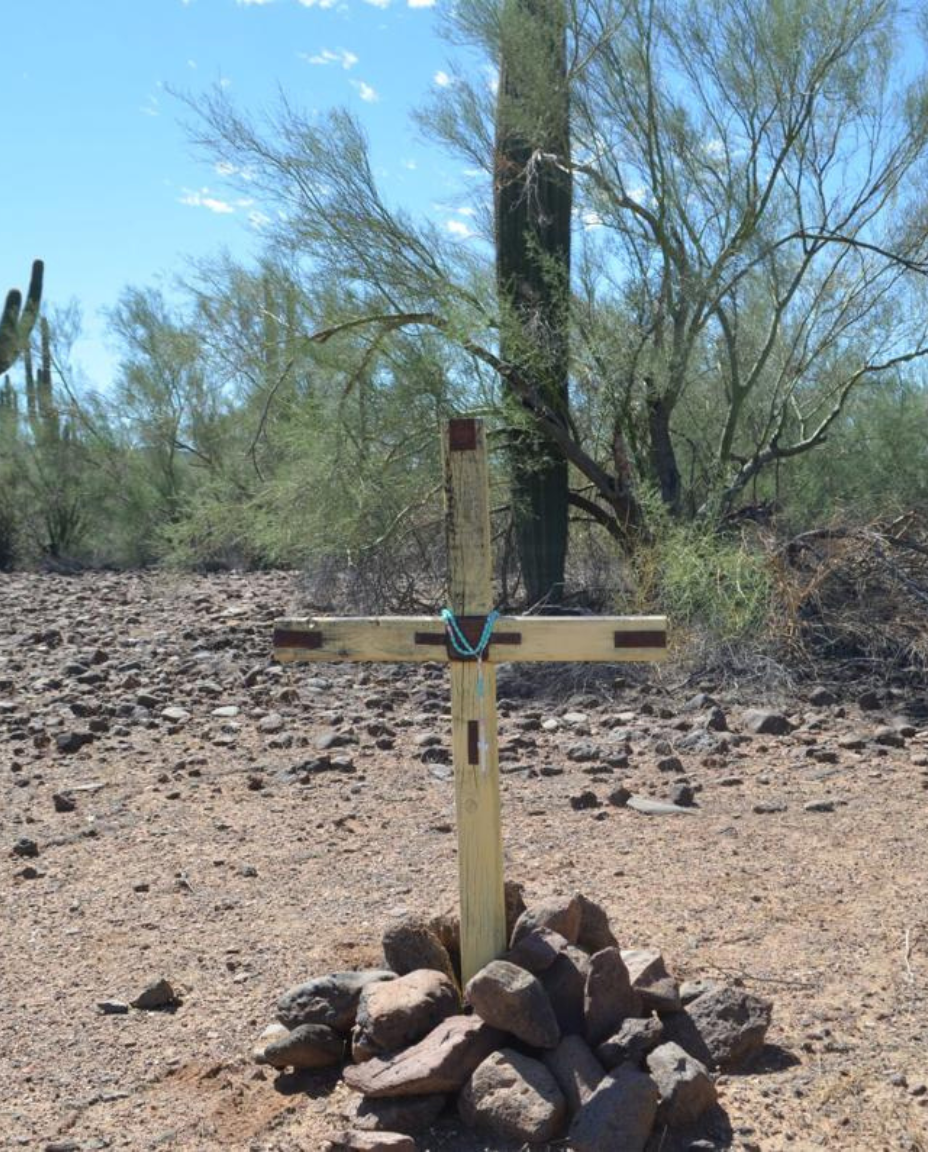
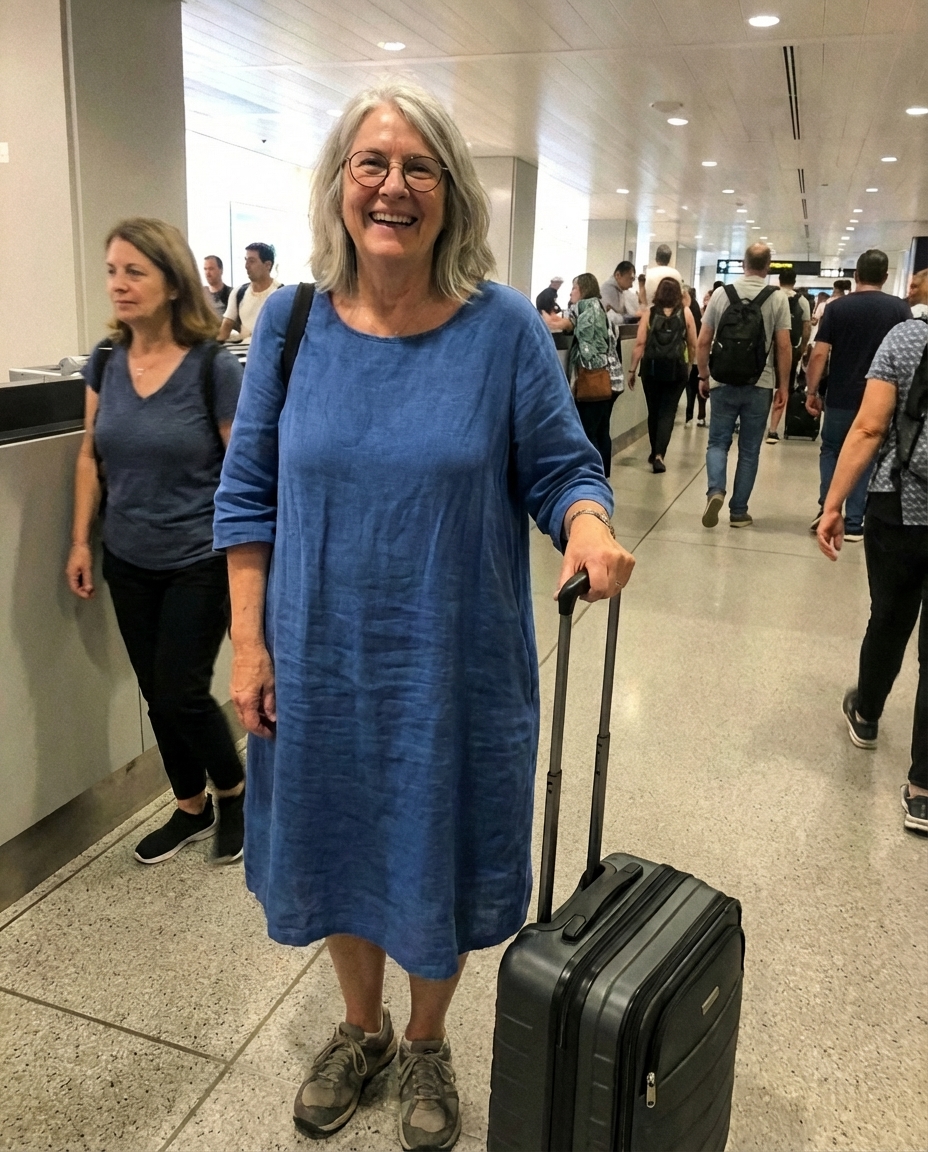
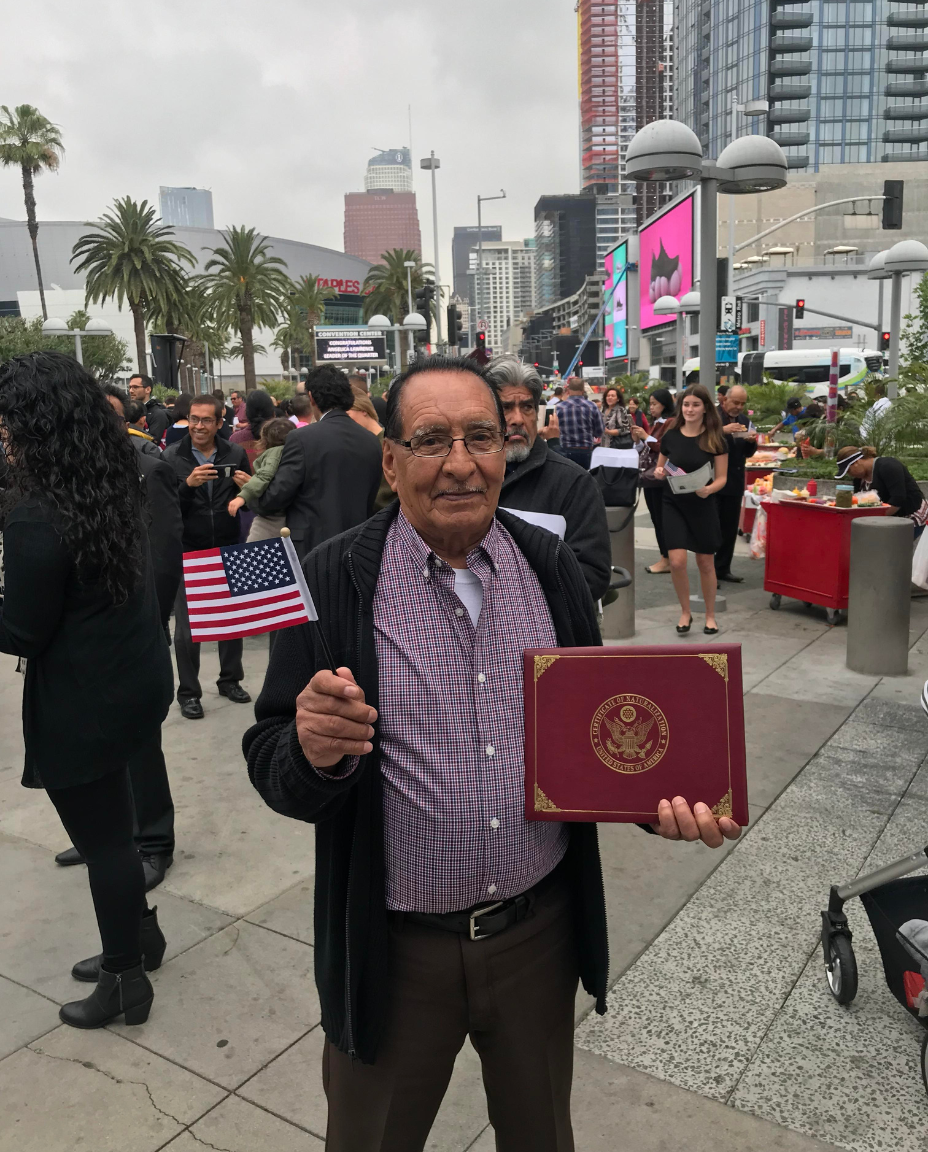
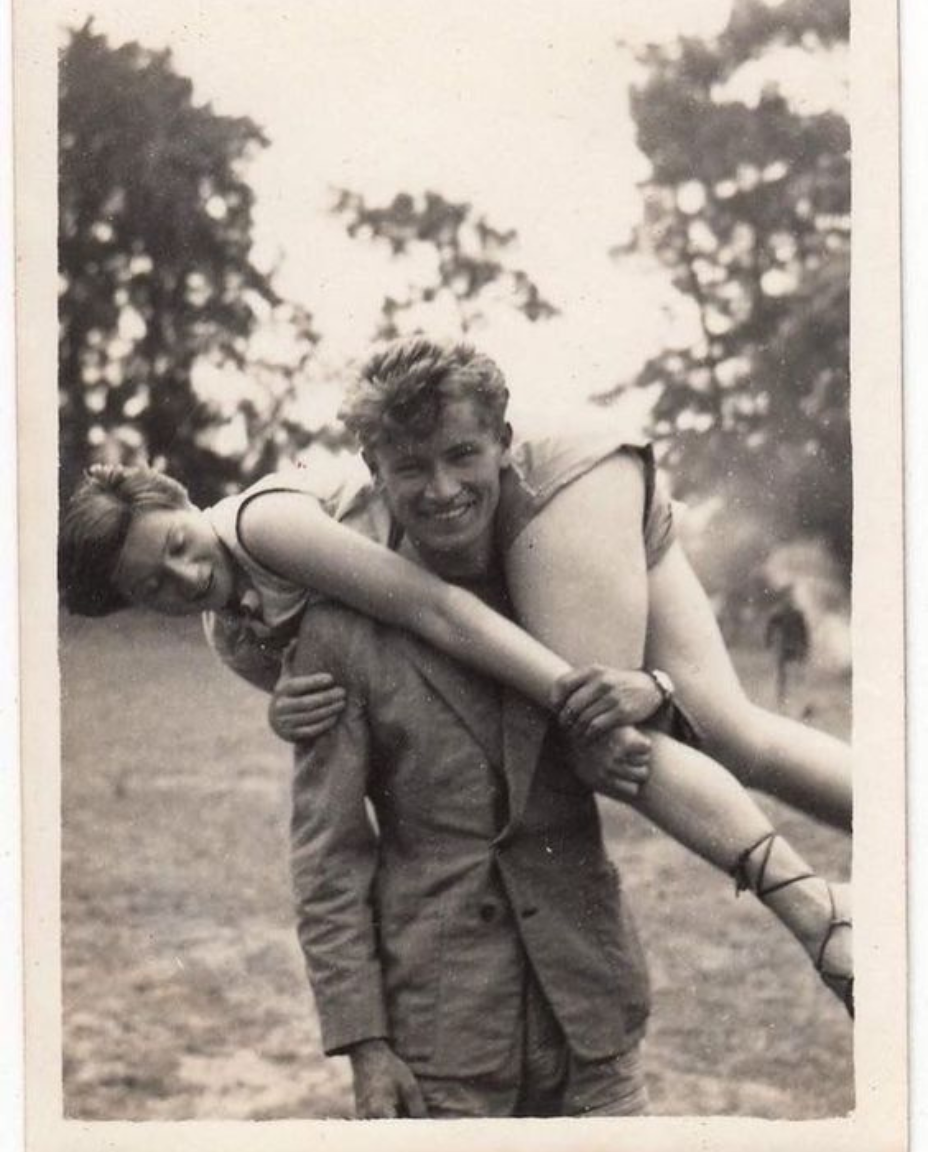
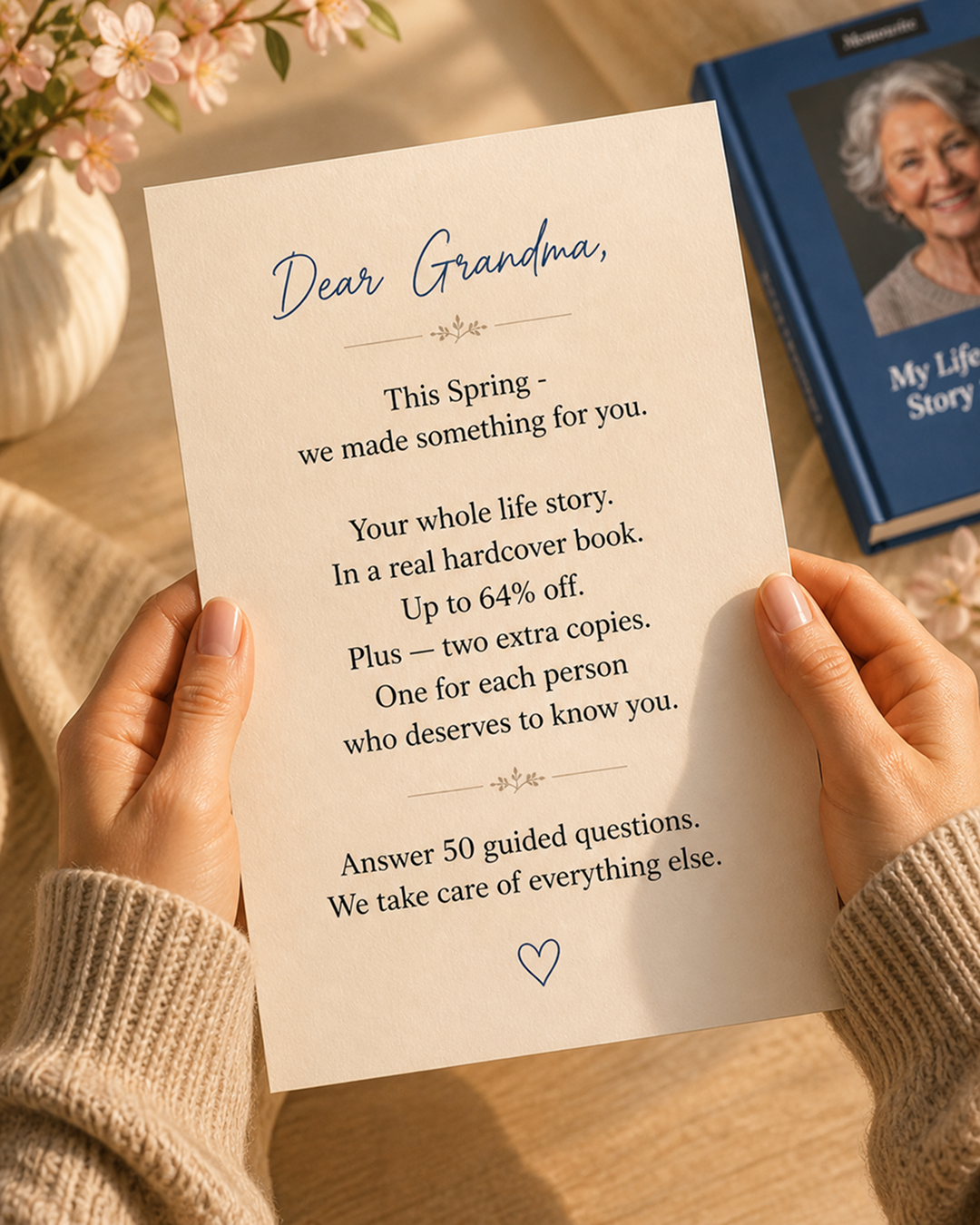
More and more immigrants are finally doing this… and this is my reason why. I used to think culture was something permanent. Like mountains. Or bad knees. Something that would always be there whether you paid attention to it or not. Turns out, I was wrong. A few months ago, my granddaughter asked me how to make arepas. And I realized I had no idea how to explain it. You just know. You mix the cornmeal. You add water until it feels right. Not a cup. Not two cups. Just right. My mother never measured anything. My grandmother measured even less. The recipe lived in their hearts. The same way a thousand other things lived in their hearts. The songs. The expressions. The stories. The little superstitions nobody writes down because everybody assumes they'll always be around. Then one day you look over your shoulder and realize the old world has been quietly disappearing behind you. I came to America from Colombia in 1981. If I had known how difficult everything would be, I might never have gotten on the plane. Like most immigrants, I got busy. Work. Marriage. Kids. Mortgages. Life. Years passed. Then decades. The stories stayed in my head because I always assumed there would be time. Time to tell them later. Time to write them down later. Time to explain who all the people in those old photographs were. Later is a dangerous word. One day, a friend of mine invited me over for coffee. Another immigrant. Another grandfather. The kind of guy who can spend forty minutes telling you about a mango he ate in 1974. He handed me a book with his name on the cover. I laughed. "What is this?" He shrugged. "My life." I figured he'd hired a ghostwriter. But that wasn’t true. He told me about a memoir service he'd used. The idea sounded ridiculous. A book? About me? Who wants to read 300 pages about a guy who spent 30 years doing yard work? But he explained that it wasn't really writing. It was answering questions. Simple ones. Tell me about your mother. Tell me about your first home. Tell me about the day you left. Tell me about the foods you miss. And that's where they got me. The foods. Because suddenly I wasn't thinking about writing. I was thinking about my grandmother standing over a stove. I was thinking about noisy Sunday afternoons. I was thinking about people who are gone now. People I haven't spoken about in years. The questions kept coming. And so did the memories. Some I'd forgotten completely. Others were waiting just below the surface, like old songs you haven't heard in decades but somehow still know every word to. What surprised me wasn't that a book came out of it. What surprised me was realizing how much of my culture existed only inside my own head. Not in museums. Not in history books. Not online. Just here. And if something happened to me tomorrow, a lot of it would disappear. That's a strange realization. You spend a lifetime preserving family recipes, traditions, photographs. Then you realize the most valuable things aren't in the boxes. They're in the stories. And today my grandchildren know where we came from. They know all the absurd stories that somehow become family history. Maybe that's why so many immigrants are finally doing this. Because after spending decades building a life in a new country, you start thinking about what gets left behind. And you realize culture doesn't survive because it's important. It survives because somebody takes the time to tell the story. For me, that story became a book. Not because I set out to write one. And certainly not because I ever considered myself a writer. The truth is, if you had told me 2 years ago that I'd have a hardcover book with my name on it, I would've laughed you out of the room. But that's the beauty of it. You don't need to be a writer. You don't need perfect English. You don't need to know where to start. The service simply walks you through your life, one question at a time. Before long, stories you've carried around for decades start finding their way onto the page. And once they're there, they're safe. Your grandchildren can read them. Your great-grandchildren can read them. Long after you're gone, they'll still know who crossed an ocean. Who took the risk. Who started it all. I can't think of many gifts that do that. Most things we leave behind eventually get thrown away, sold, donated, or forgotten. Stories are different. They gain value with every generation. If you're an immigrant like me, chances are you're carrying a lifetime of stories nobody else knows. And if you keep waiting for the "right time" to write them down, you'll probably wait forever. I know because that's exactly what I did. So if you've ever thought, "Someone should preserve these stories," maybe that someone is you. Trust me. Your family will care far more than you think. And you only need to take a 1-minute quiz to see what your book could look like: https://www.getmemowrite.com/campaigns/landing
What's your family's immigration story?
Memowrite is an easy-to-use platform designed to help individuals capture their personal or family stories and turn them into beautiful, professionally crafted memoirs
LEARN MORELike this ad? Make it yours.
Crush rebuilds this exact creative around your product — your brand, your colors, your offer — in about a minute.