
Active· since Jul 27, 2026
- 54
- days running
- 0
- relaunches
Ad copy
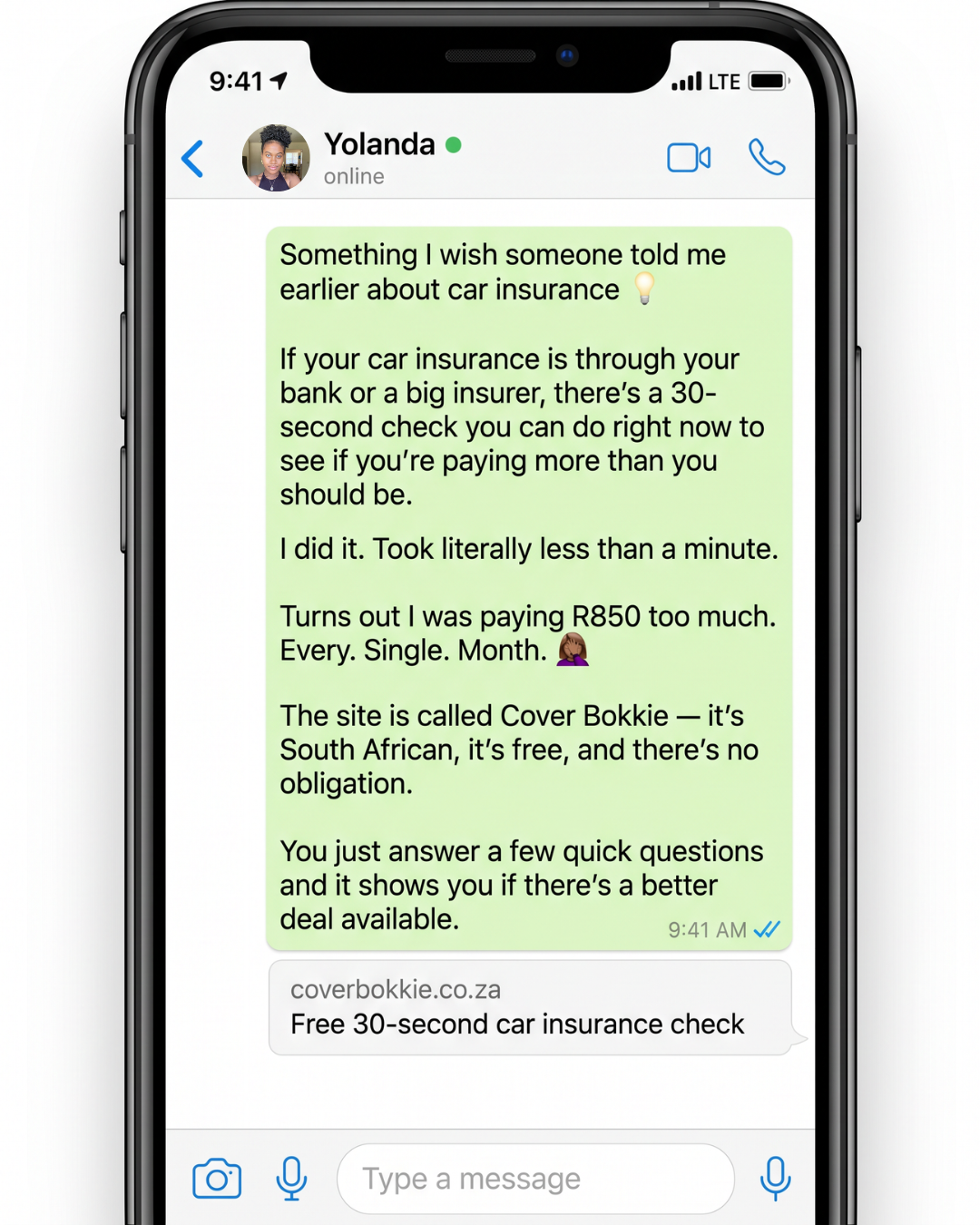
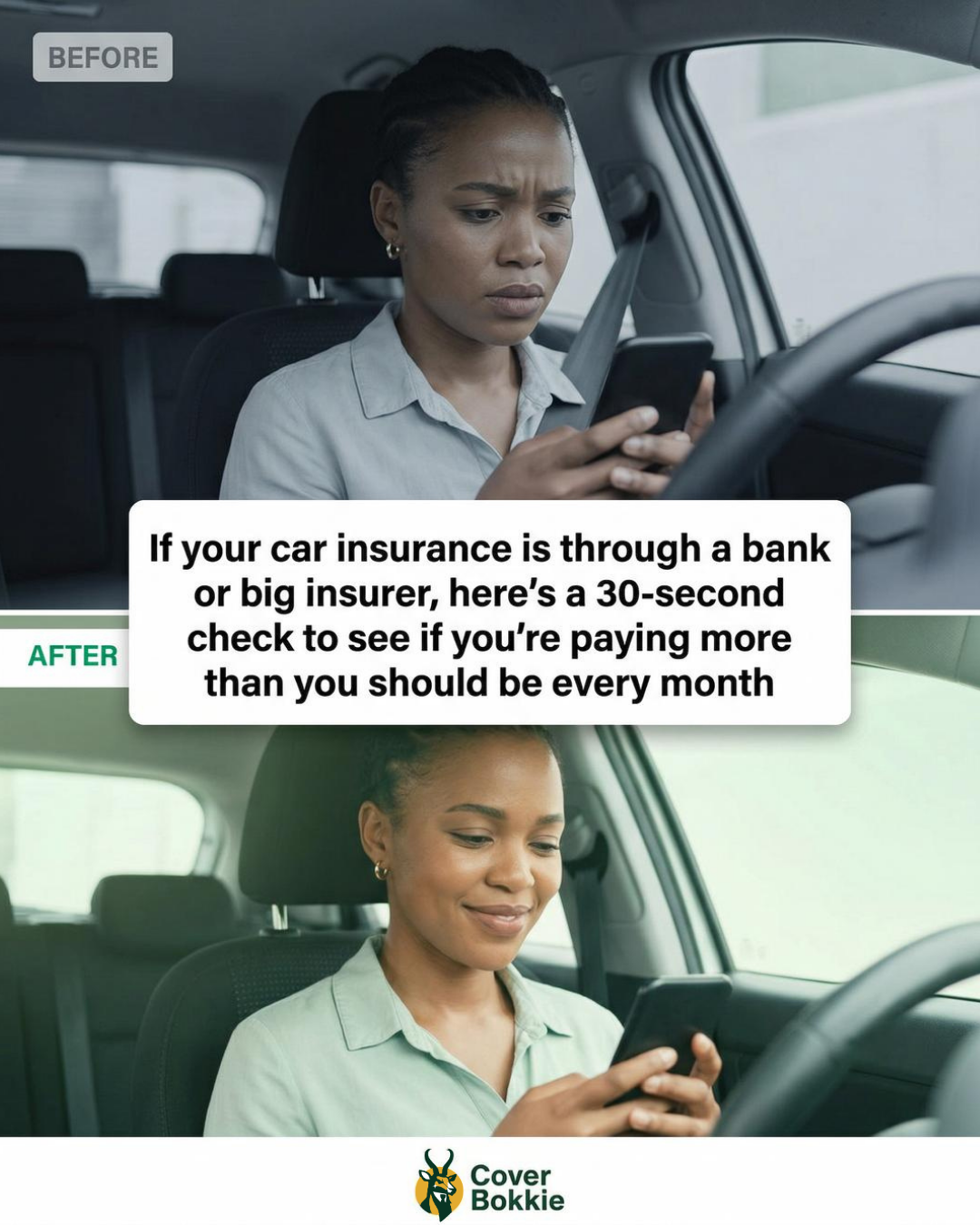
That Trolley Just Turned Parking Into A Claim It started as a completely normal trip to the shops. Milk. Bread. Something for dinner. And maybe one “small treat” that somehow transformed into half a trolley of things you definitely didn’t plan to buy. You park the car. You lock it. You glance back once because that’s what responsible car owners do. Everything looks perfect. Then you disappear into the shop for twenty minutes. When you return, something feels wrong. There’s a shopping trolley leaning against the passenger door. Not parked neatly beside the car. Not waiting politely in the trolley bay. Leaning against the vehicle like it pays the instalment. You walk faster. And there it is. A fresh dent. Chipped paint. A neat little crater in a panel that was completely fine less than half an hour ago. You look around. Nobody. No note under the windscreen wiper. No apologetic stranger waiting nearby. No employee sprinting across the parking lot shouting, “Stop, we saw everything.” Just you. The trolley. The dent. And a parking lot full of people suddenly fascinated by anything except making eye contact. Now the questions begin. Did someone push it into the car? Did the wind catch it? Did it roll across the parking lot on its own? Was another vehicle involved? Did the person responsible see what happened? Did they leave? Is there CCTV? Will the shopping centre help? And who is paying for this? Because the trolley itself is wonderfully relaxed about the entire situation. It has no insurance details. No driver’s licence. No contact number. No remorse. It simply stands there. Four tiny wheels. Zero accountability. Maximum chaos. You take out your phone and snap a few photographs. One wide shot. One close-up of the dent. Another showing the chipped paint. One with the trolley still touching the door. Because somewhere in your mind, you already know the next conversation may involve proof. Then you gently move the trolley away. You inspect the damage from another angle. Maybe it won’t look as bad from the left. It does. Maybe the dent will somehow pop out by itself. It won’t. Maybe it’s only cosmetic. Possibly. But “cosmetic” is one of those wonderfully harmless-sounding words that can still come with a frightening quotation. A dent may need paintless removal. Unless the paint has cracked. Then the panel may need additional preparation and refinishing. If the colour is difficult to match, surrounding areas may need blending. And if the damage is near a body line, sensor or trim section, the conversation can become even more interesting. Interesting in the same way that seeing a baboon open your cooler box is interesting. You don’t know exactly what will happen next. But you’re fairly certain it won’t be cheap. This is the strange thing about owning a car. You can drive carefully. You can obey the speed limit. You can avoid potholes with the reflexes of a rally driver. You can park perfectly inside the lines. You can leave plenty of room on both sides. And still return to find that an unattended metal basket has launched a surprise attack on your passenger door. Not every expensive car problem begins with reckless driving. Sometimes nobody is even inside the vehicle. Sometimes your car is simply sitting there. Minding its own business. Waiting for you to return with groceries. Then life rolls downhill on four tiny trolley wheels. That’s why car insurance is not only about dramatic crashes. It’s about the annoying moments. The unpredictable moments. The “you have got to be joking” moments. The moments that seem small until somebody hands you the estimate. But there’s another surprise that catches drivers off guard. The cost of the repair may not be the only number worth questioning. The amount you pay for car insurance every month may deserve a closer look too. Many South Africans choose a policy when buying a vehicle. Then they leave it untouched. The car changes. Its value changes. The driver’s circumstances change. The market changes. But the debit order keeps arriving like clockwork. Sometimes the premium increases each year. And because the increase happens gradually, it doesn’t always trigger alarm bells. It’s just another small adjustment. Another amount deducted. Another expense accepted. Until one day you work out what you’ve paid over the last twelve months. Then you look at what similar cover may cost elsewhere. And the surprise may be almost as irritating as discovering a shopping trolley against the door. This does not mean the cheapest policy is automatically the best policy. It isn’t. A bargain premium can become a terrible bargain if the protection doesn’t meet your needs. Cover details matter. Excesses matter. Benefits matter. Exclusions matter. The provider and claims process matter. But paying more does not automatically mean you are getting more either. Sometimes you’re simply paying more because you haven’t checked. That’s where Cover Bokkie helps. Cover Bokkie gives car owners a quick way to check whether their current insurance still makes sense. You answer a few questions about yourself, your circumstances and your existing cover. The check begins online. It takes around 30 seconds to start. And you don’t have to provide contact details before seeing whether you may qualify. That last part matters. Because most people don’t mind answering a few questions. They mind entering a phone number and receiving a call before they’ve even discovered what the offer is about. Cover Bokkie allows you to begin the process first. You can check what may be available. Then decide whether continuing makes sense. Depending on your personal profile and the available provider options, you could potentially reduce your monthly car insurance premium by up to 42%. Your actual result may be different. There are no universal premiums. A brand-new SUV and an older hatchback won’t necessarily cost the same to insure. A driver with years of claims-free history may receive a different result from somebody with several recent claims. Location matters. Usage matters. Security matters. Cover type matters. That’s why the quiz asks questions. It isn’t trying to give everybody the same generic answer. It is trying to establish which available options may suit the individual driver. And checking could be valuable even when you’re happy with your existing insurer. Because being happy with the service doesn’t mean you should never compare. You compare before renewing a mobile contract. You check interest rates. You compare grocery specials. You shop around for tyres. You read reviews before buying an air fryer that will mostly be used to reheat chips. Yet insurance can run untouched for years. Not because it is unimportant. But because it sits in the “I’ll do that another day” category. And that category is crowded. It contains updating your will. Sorting the garage. Booking the dentist. Clearing the unread emails. And checking whether the monthly car insurance premium is still competitive. Then a trolley hits the door. Suddenly car-related expenses jump to the front of the queue. That’s the emotional trick unexpected damage plays on us. Before the damage, insurance feels like a monthly debit order. After the damage, insurance feels like a plan. Before the damage, the policy wording seems boring. After the damage, every sentence feels important. Before the damage, the excess is an abstract number. After the damage, it’s the amount you may need to find. The sensible move is to understand these things before the trolley begins its solo adventure. While the vehicle is still fine. While you’re sitting on the sofa. While you have enough time to compare without pressure. You don’t need to wait for a claim. You don’t need to wait for an annual renewal. You don’t need to wait for the next premium increase. You can check today. And the entire first step may take less time than returning a trolley to the correct bay. Picture the situation again. You walk back to the car. You see the dent. Your stomach drops. You look for witnesses. You take photographs. Then you start wondering about the financial impact. Now imagine that, a few weeks earlier, you reviewed your insurance. You compared available options. You looked at the premium. You understood the type of protection you chose. You knew the excess. You made an active decision instead of allowing an old decision to continue indefinitely. The trolley is still annoying. Let’s not pretend insurance turns car damage into a spa day. But you’re not adding uncertainty to the damage. You aren’t wondering whether you’re paying too much. You aren’t trying to remember what policy you selected four years ago. You aren’t discovering important details for the first time in a supermarket parking lot. You already did the homework. That’s valuable. Because insurance should not only exist as a debit order. It should create confidence. Confidence that you understand what you selected. Confidence that the premium is reasonable for the cover. Confidence that you have compared rather than guessed. And confidence that one runaway trolley won’t automatically become a runaway financial problem. There is another reason to check. Small monthly differences become meaningful annual amounts. Imagine discovering that a suitable alternative could save you R300 each month. That would be R3,600 over twelve months. At R500 each month, that becomes R6,000 annually. That money could contribute towards servicing. Tyres. Licence renewal. Fuel. An emergency fund. Or the grocery bill that was already misbehaving before the trolley joined the story. Of course, those are simple examples rather than promises. Your actual potential saving depends on the quotes and cover available to you. But you can’t discover your real number without checking. And that is the entire point. Don’t guess. Don’t assume. Don’t stay with the same arrangement purely because changing feels inconvenient. Take the quick check. See what comes back. Compare it carefully. Then make the decision that makes sense for your vehicle and budget. Maybe your current premium is excellent. That is useful to know. Maybe your current provider offers exactly what you need. Fantastic. You can continue with more confidence. But maybe you discover something better suited to your circumstances. Maybe you discover a more affordable premium. Maybe you realise your excess is higher than you remembered. Or maybe the simple act of checking prompts you to understand your existing cover properly. Every one of those outcomes is more useful than doing nothing. Because doing nothing is still a decision. It is a decision to continue paying the current amount. It is a decision to accept the existing terms. It is a decision not to find out what else may be available. And sometimes doing nothing is the most expensive option. Not immediately. Not dramatically. But slowly. Quietly. One debit order at a time. The runaway trolley is obvious. You can see it touching the car. You can see the dent. You can see the chipped paint. An overpriced premium is harder to spot. It leaves no paint flakes. It makes no noise. It doesn’t trigger the alarm. But it can still take money out of your pocket month after month. So perhaps the photograph in this ad isn’t only about the dent. Perhaps it’s a reminder. A reminder that vehicles are exposed to unpredictable damage every day. A reminder that even careful drivers can’t control everything. And a reminder that the insurance policy protecting the car deserves more than five minutes of attention every few years. Cover Bokkie makes that first step simple. Start with the quick online quiz. See whether you may qualify. Check what options could be available from trusted insurance providers. And decide whether your current premium still deserves its place in your monthly budget. There is no pressure to accept an option just because you completed the check. There is no obligation to abandon suitable cover. This is about information. Comparison. And making an informed decision before the next surprise rolls into your car. Click below now. Take the Cover Bokkie check. Find out whether you could potentially pay less for suitable car insurance. And give yourself one less reason to panic when the unexpected happens. Because you may not be able to control the wind. You may not be able to control careless shoppers. And you definitely can’t reason with an unattended trolley. But you can control whether you review the insurance premium leaving your account every month. Take 30 seconds and check it now. P.S. Somewhere in South Africa, a shopping trolley is currently gathering speed. Hopefully it isn’t heading towards your car. But while it decides where it’s going, you can check whether your insurance premium should be heading down.
Cover Bokkie - Car Insurance
Cover Bokkie is on a mission to help South Africans quickly and easily find the most affordable car insurance quote to fit their budget.
GET QUOTELike this ad? Make it yours.
Crush rebuilds this exact creative around your product — your brand, your colors, your offer — in about a minute.