Erica Collins
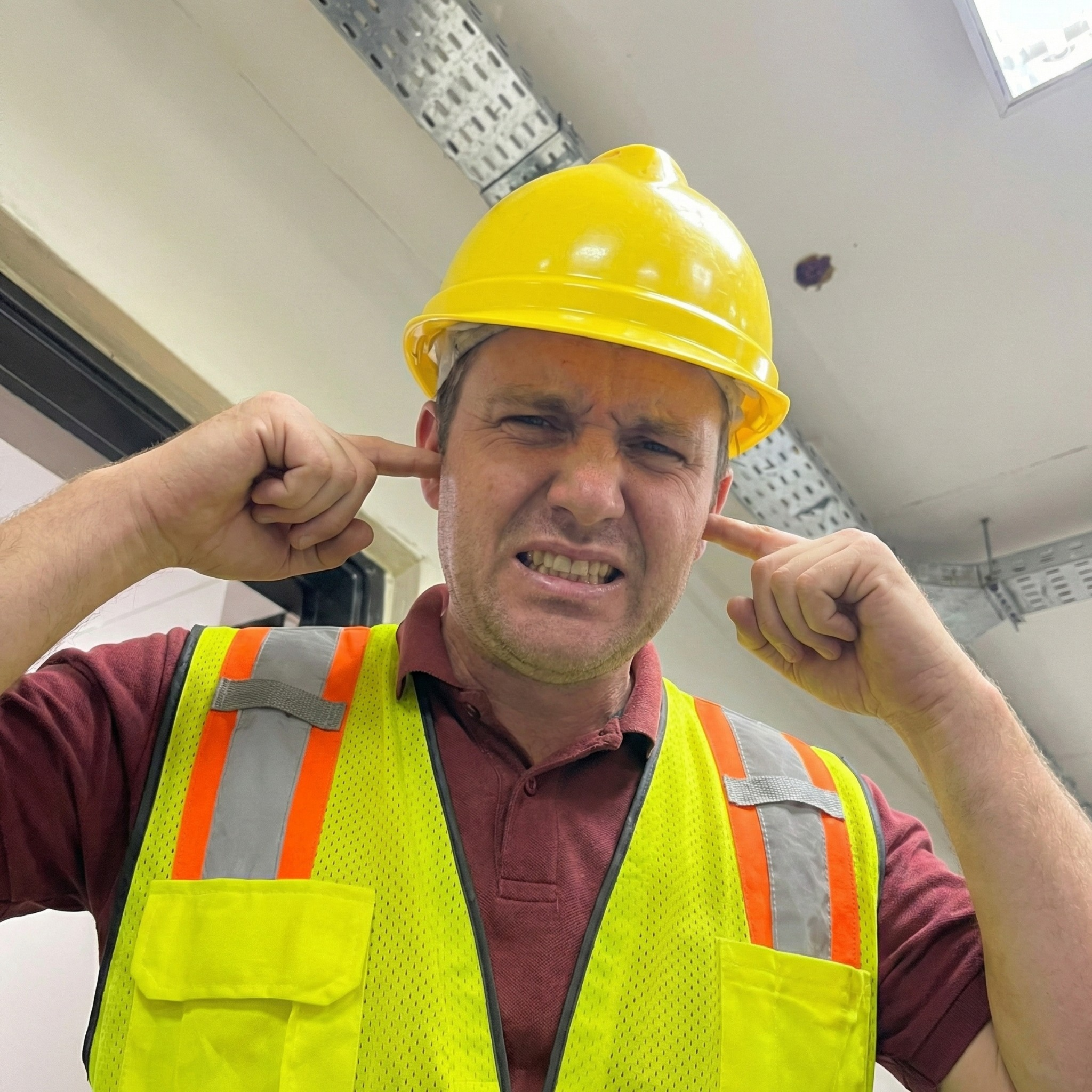
Erica Collins Facebook ad: “Read this if tinnitus is taking control of your life!”
Ran for 1 day, from January 17 to January 18, 2026, the last day Crush saw it.
Run by Erica Collins on Facebook. Crush is not the advertiser and does not verify its claims. See this ad in Meta's Ad Library(opens in a new tab)
Want an ad like this for your product?
Crush makes new ad images for your product from this ad: your logo, your product photo, your offer.
Trials from $19.95 USD, then $79.95 USD a month. Cancel anytime.
About this ad
- Meta Ad Library ID
- 1532053384757607
- Platforms
- Facebook, Instagram, Audience Network, Messenger and Threads
- Relaunches
- 0
Ad text
To Men Who Want The Ringing To Stop — But Have Been Told To 'Just Deal With It' I was told the same thing. Fifteen years on job sites. Saws, grinders, jackhammers, compressors. The occasional ram set going off three feet from my head. Years of "it's fine, I don't need plugs" because nobody else wore them and I wasn't going to be the one who did. Now I'm 38 years old and my ears haven't stopped ringing in six years. EEEEEEEEEE. That's the sound. All day. All night. When I wake up, when I'm trying to work, when I'm trying to have a conversation with my wife, when I'm trying to fall asleep. It never stops. I went to an audiologist three years ago. She tested my hearing, showed me a chart, and told me what I already knew: "You have noise-induced hearing loss and tinnitus. The damage is permanent. There's no cure. You'll need to learn to manage it." Manage it. That's the best they had. Manage the constant ringing in my head for the rest of my life. I walked out of that office and did what everyone does. I accepted it. What else could I do? The cells are dead. The damage is done. I messed up my ears and now I pay the price. That's what I believed for three years. I was wrong. But before I tell you what I found, let me tell you what "just dealing with it" actually looks like. It's not just the ringing. It's coming home after ten hours on a job site and your wife says something from the kitchen and you can't hear her over the noise in your own head. "What?" you say. She repeats it. "What?" She repeats it louder. You can hear the frustration in her voice. She's tired of yelling. You're tired of asking. Eventually she just stops telling you things. It's easier than repeating everything three times. That's what tinnitus costs you. Not just hearing. Connection. I have a four-year-old daughter. She talks constantly. Stories about preschool, questions about everything, little whispered secrets she wants to share. Half the time I can't hear her. Her voice sits right in the frequency range where my hearing is most damaged. Add in the TV, the dishwasher, her brother making noise — and she might as well be mouthing words. I watch her talk to her mom. Animated, excited, sharing everything. Then she looks at me and I see her hesitate. Because she knows Daddy's going to say "what?" and then she'll have to yell it and by then it's not a secret anymore. She's four years old and she's already learned that talking to me is harder than talking to everyone else. That's the part they don't tell you about hearing damage. It's not about sounds. It's about your kid learning to work around you. The ringing is worse at night. When everything else is quiet, the EEEEEE is deafening. I run a fan year-round. White noise app on my phone. Anything to cover it up so I can sleep. My wife asked me once what it sounds like. "You know that high-pitched tone a TV makes when it's on but nothing's playing? Imagine that, but inside your skull, and it never turns off." She looked at me like she couldn't imagine living like that. I can't imagine living any other way. I don't remember what silence sounds like. I tried everything they tell you to try. White noise. Masking apps. "Sound therapy." Cutting back on caffeine. Supplements — ginkgo biloba, magnesium, B12, all the stuff the internet says helps. Nothing worked. The ringing was still there underneath everything. I wasn't fixing it. I was just covering it up. And the moment the white noise stopped, there it was again. EEEEEE. I looked into hearing aids. The audiologist said they might help — amplify external sounds to "distract" from the ringing. $4,000. And they don't even fix it. They just make other sounds louder so the ringing is less noticeable. That's not a solution. That's an expensive coping mechanism. I started to accept that this was just my life now. The ringing, the asking people to repeat themselves, the slow disconnection from my wife and kids. The price I pay for years of not wearing ear protection. Just deal with it. But then I noticed something that didn't make sense. If my tinnitus was permanent — if the cells were dead and the damage was done — why did the ringing change? Some days it was screaming. Some days it was bearable. After a brutal week with no sleep, it was unbearable. After a rare weekend where I actually rested, it would dial back. If permanent damage is permanent, shouldn't it be constant? I started asking other guys on the site about their tinnitus. Same thing. Every single one. "Way worse when I'm exhausted." "Louder during stressful weeks." "Sometimes I get a few hours where it's almost bearable, then it comes back." One guy — been dealing with it for twelve years — said his tinnitus basically disappears for a day or two when he takes vacation. Then ramps back up when he returns to work. That stopped me. I didn't believe him at first. Sounded like wishful thinking. But I couldn't let it go. So I tracked mine for a week. Kept a note in my phone. Scale of 1-10, how bad was the ringing? Monday after a rough week: 9 Friday after decent sleep: 6 Sunday after a lazy weekend: 4 Next Monday: back to 8 It wasn't in my head. It was actually changing. Why? I started digging into what's actually happening when tinnitus starts. Not the damage. The sound itself. Where does it come from? Here's what I found: The cells aren't dead. They're weak. When your ear cells get damaged from years of noise, they don't die completely. They just stop working properly. They send weak signals to your brain. Broken, incomplete signals. And your brain doesn't like getting weak signals. Think about what you do when you can't hear someone clearly. You turn up the volume. You lean in. You ask them to speak louder. Your brain does the same thing. When it's not getting strong signals from your ears, it cranks up the volume trying to hear SOMETHING. Way up. That's the ringing. Your brain turned up the volume so high on that frequency that now you hear noise that isn't even there. The more damaged your cells are, the weaker the signal they send, the LOUDER your brain has to crank it to try to hear anything. That's why the ringing is so loud. Your brain made it that way on purpose. That's why you can't ignore it. It's literally designed to get your attention. And here's the part that made everything click: That's why it gets worse when you're tired. When you're exhausted, your cells send even weaker signals. Your brain compensates even more. Turns the volume up even higher. That's why rest helps. When you're rested, your cells work a little better. Stronger signals. Brain doesn't have to crank it as hard. That's why stress makes it worse. That's why some days are better than others. That's why it responds to sleep and energy levels. The cells aren't dead. They're just too weak to send signals your brain can work with. So your brain is screaming, trying to hear them. Once I understood that, everything else made sense too. White noise doesn't work because it doesn't fix the weak signals. It just covers up the noise your brain is making. Supplements don't work because they can't get energy directly to cells deep inside your ear. Hearing aids don't help tinnitus because they just make external sounds louder. They don't strengthen the signals your ear cells are sending. Nothing I'd tried addressed the actual problem: my ear cells were too weak to send signals my brain could work with. The question became: Is there any way to make those cells stronger? If the cells could work better — send clearer, stronger signals — my brain wouldn't have to crank the volume so high. The ringing would quiet down. But how do you strengthen damaged cells? I found the answer in medical research on wound healing. Doctors studying how to help damaged tissue recover faster discovered something unexpected. Certain wavelengths of light — specifically red light — can actually give cells energy. When damaged cells absorb this light, they work better. Heal faster. Function properly again. It was being used for everything. Damaged muscle tissue. Torn ligaments. Slow-healing wounds. The light gave cells a boost. Like plugging them into a charger. Then I found studies where researchers applied the same principle to ear cells. They called it the Signal Restoration Method. Red light at a specific wavelength gives damaged ear cells energy. The cells work better. They send stronger, clearer signals. When the brain gets better signals, it doesn't have to crank the volume as high. The ringing gets quieter. Not masked. Actually quieter. I asked my doctor about it. "Red light therapy for tinnitus? Like they use for wound healing?" He pulled up something on his computer. "Yeah. Same mechanism. The light gives cells energy. If your ear cells get more energy, they send better signals. Better signals mean your brain doesn't have to turn up the volume as much." "So the ringing could actually get quieter?" "That's what the research shows. You're helping the cells instead of just covering up the problem." He looked at me. "Most ENTs don't talk about this. It's not a surgery. Not a prescription. But the science is solid. If it were me, I'd try it." I found The Vital Sonus Device that night. Red light earbuds. The exact wavelength the research showed works. Twenty minutes a day. The logic was simple: Damaged cells → weak signals → brain cranks volume → ringing Stronger cells → better signals → brain doesn't compensate → quieter It wasn't about masking the ringing. It wasn't about making sounds louder like hearing aids do. It was about strengthening the cells so they could send proper signals again. So my brain didn't have to scream trying to hear them. After three years of nothing working, this was the first thing that made sense. I wasn't covering up the ringing. I wasn't amplifying sound hitting broken cells. I was fixing what was causing my brain to overcompensate in the first place. I ordered it. Here's what happened: Week 1: Honestly, not much. Maybe the ringing was a little less sharp in the mornings. Hard to tell. Week 2-3: This is when I started noticing. The ringing wasn't gone, but it wasn't as loud. I realized I'd gone a few hours without thinking about it — which hadn't happened in years. Week 4: My wife said something from across the room. I heard her the first time. She noticed too. "Did you actually hear me?" Week 6: The ringing was noticeably quieter. Not silent. But manageable. I turned off the white noise app one night just to test it. Fell asleep anyway. Week 8: My daughter whispered something in my ear. I caught it. The whole thing. She giggled and I knew why — because I actually heard her. Month 3: The EEEEEE is still there if I focus on it. But it's not screaming anymore. It's background noise. I can have conversations in noisy environments again. I can hear my wife without asking her to repeat herself. I can hear my kids. I'm not cured. I don't know if "cured" exists for guys like us who spent years destroying our ears. But I'm functional again. Present again. And the ringing is quieter than it's been in six years. Here's what I need you to understand: This isn't magic. It doesn't happen overnight. And everyone's damage is different. But the mechanism makes sense in a way that nothing else ever did. White noise covers up the symptom. Hearing aids amplify sound hitting damaged cells. The Vital Sonus Device gives your cells the energy to actually work. One addresses the problem. The others just compensate for it. Here's what I wish someone had told me six years ago: Your tinnitus probably isn't permanent. Your ear cells probably aren't dead. They're weak. Running on empty. Sending broken signals because they don't have the energy to work correctly. And every year you wait — every year those cells keep struggling without help — the harder it gets to reverse. I spent three years accepting something that wasn't true. Three years of my daughter learning to work around me. Three years of my wife giving up on conversations. Three years of that ringing getting worse while I did nothing because I thought nothing could be done. You don't have to make that mistake. You don’t have to live in pain everyday. The choice is yours.
Where the ad sends people
tryvital.store
Read this if tinnitus is taking control of your life!
TryVital
Shop now: tryvital.store(opens in a new tab)